
Valorant – Competitive Design, Player Psychology, and the Long Game of Mastery
Introduction: Precision as a Philosophy
Valorant is often described as a tactical shooter, but that definition only captures its surface. At its core, Valorant is a discipline-driven competitive system designed to reward patience, mechanical consistency, communication, and emotional control over raw aggression. It is a game built not just to be played, but to be studied.
Unlike many shooters that chase spectacle or power fantasy, Valorant is intentionally restrictive. Movement penalties are harsh, information is incomplete, and mistakes are amplified. This is a design that assumes players are willing to lose repeatedly in exchange for long-term mastery. The following review approaches Valorant not as a product checklist, but as a living competitive ecosystem—examining how its systems shape player behavior, stress, identity, and skill growth over time.
Quick Info (Overview Box)
-
Release Year: 2020
-
Genre: Tactical first-person shooter
-
Platforms: PC
-
Game Modes: Unrated, Competitive, Swiftplay, Deathmatch, Team Deathmatch, Custom Games
-
Target Audience: Competitive FPS players, esports-focused audiences, players who value discipline and teamwork
1. Valorant’s Core Design Ethos: Control Over Chaos
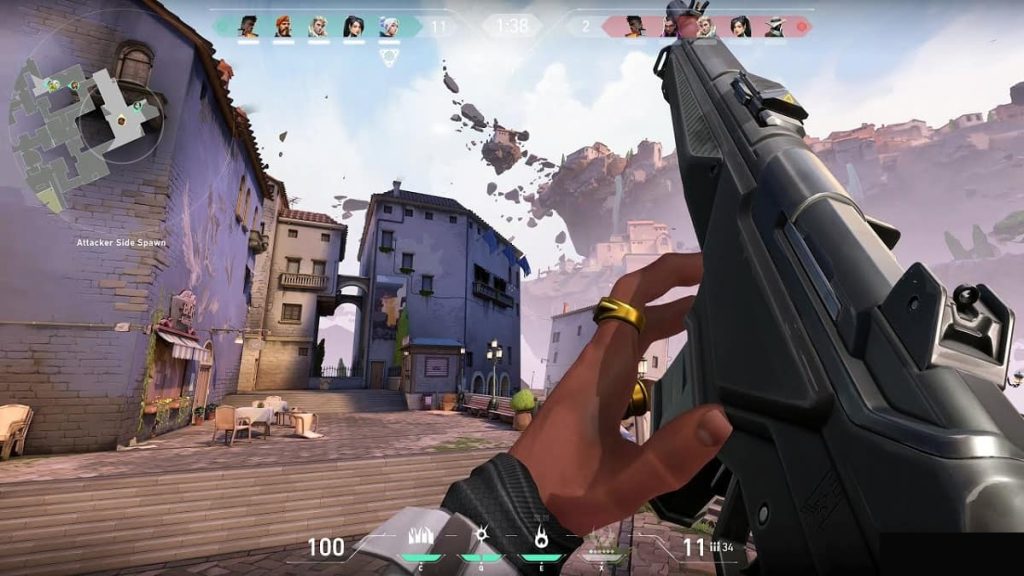
Valorant is designed around constraint. Movement accuracy is heavily punished, spray patterns are intentionally inconsistent, and information is asymmetrical. These choices are not accidents—they are philosophical.
By limiting player expression in raw mechanics, Valorant shifts skill expression toward decision-making. Where are you standing? What information do you have? What utility remains on the map? The game consistently asks players to think before they act. This is why Valorant feels slower than arcade shooters but more mentally demanding than many traditional tactical FPS titles.
Importantly, this design makes improvement measurable. Players do not get better by playing faster—they get better by playing cleaner.
2. Gunplay: Mechanical Skill With a Ceiling
Valorant’s gunplay feels simple at first glance, but it hides a strict skill ceiling. First-shot accuracy, counter-strafing, crosshair placement, and recoil control are non-negotiable fundamentals.
What differentiates Valorant from other shooters is how little forgiveness it offers. There is no spray transfer safety net. Wide swings are punished. Poor crosshair discipline is instantly exposed. Every duel is a test of preparation rather than reaction speed.
This creates a game where consistency beats explosiveness. Players who rely on flicks alone plateau quickly; players who build habits slowly climb.
3. Agents and Abilities: Utility as Language
Abilities in Valorant are often misunderstood as “hero shooter” elements. In reality, they function as information and space management tools.
Smokes deny vision. Recon abilities manipulate knowledge. Flash utilities control timing. Very few abilities are lethal by themselves. This reinforces the idea that Valorant is about control, not power.
Agent selection becomes a form of communication. A team composition signals intent: execute-heavy, default-focused, defensive, or aggressive. Over time, players learn to “read” agent usage the same way chess players read openings.
4. Maps as Behavioral Training Grounds
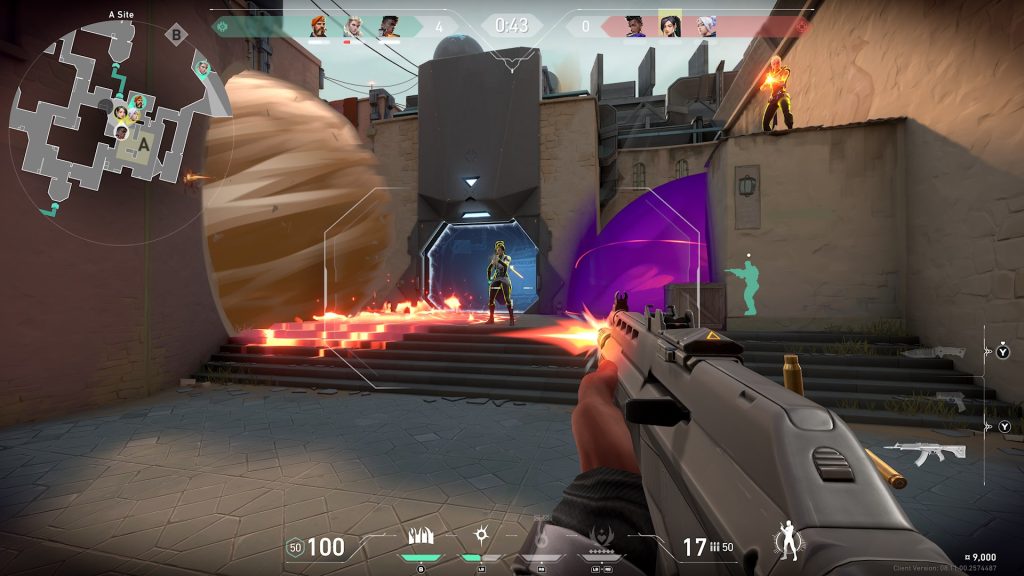
Valorant maps are intentionally compact and rigid. Choke points, predictable angles, and narrow lanes are not flaws—they are teaching tools.
These maps train players to pre-aim, pre-plan utility, and coordinate entries. There are few flanking routes and limited improvisational space. As a result, randomness is reduced, and outcomes feel earned.
However, this rigidity also creates frustration. Creativity is possible, but only within strict boundaries. Players who enjoy sandbox-style freedom may find Valorant claustrophobic.
5. Economy: The Invisible Match Within the Match
The economy system in Valorant is one of its most underappreciated mechanics. Credits, weapon choices, armor decisions, and utility investment shape rounds before they begin.
Winning a round poorly can be worse than losing a round efficiently. This creates a macro layer where discipline and restraint matter as much as fragging.
Players who ignore economy fundamentals often feel “unlucky,” while disciplined teams quietly build momentum. Valorant rewards players who think beyond the current round.
6. Information Warfare and Sound Discipline
Sound in Valorant is not atmosphere—it is data. Footsteps, reloads, ability cues, and even silence convey critical information.
This elevates sound discipline to a core skill. Knowing when to walk, when to fake noise, and when to hold silence separates high-level players from casual ones.
Because of this, Valorant often feels mentally exhausting. You are not just aiming—you are constantly listening, predicting, and interpreting.
7. Ranked Play and the Psychology of Improvement
Valorant’s ranked system is a psychological stress test. Progress is slow, plateaus are common, and individual performance does not always translate to wins.
This exposes players to uncomfortable truths:
-
You cannot carry every game.
-
Consistency matters more than highlights.
-
Emotional regulation is a skill.
Players who approach ranked with ego often burn out. Players who approach it as a long-term skill journey tend to stay. Valorant quietly trains emotional discipline alongside mechanical skill.

8. Teamplay: Cooperation Under Constraint
Valorant is unforgiving to solo-minded players. Information must be shared. Utility must be coordinated. Space must be traded intentionally.
Even mechanically strong players struggle if they ignore communication. Conversely, average aimers can climb through positioning, utility usage, and leadership.
This makes Valorant a social test as much as a mechanical one. Success often depends on how well players manage conflict, tilt, and expectation within a team.
9. Esports Influence and Meta Stability
Valorant was built with esports in mind, and that shows in its balance philosophy. Riot prioritizes meta stability over constant novelty.
Agent changes are deliberate. Map rotations are controlled. This allows players and teams to develop deep mastery rather than chase constant re-learning.
For some, this creates longevity and trust. For others, it feels slow and conservative. Either way, Valorant values clarity over chaos.
10. Longevity: A Game Designed to Age Slowly
Valorant does not rely on spectacle to stay relevant. Its longevity comes from depth, not content volume.
New agents and maps add variation, but the core experience remains intact. This consistency allows players to invest years into skill development without feeling reset.
Valorant is not a game you “finish.” It is a game you inhabit.
Pros
-
Extremely high skill ceiling with clear improvement paths
-
Strong emphasis on discipline, positioning, and decision-making
-
Abilities enhance strategy without overpowering gunplay
-
Well-supported competitive and esports ecosystem
-
Consistent design philosophy and balance direction
Cons
-
Steep learning curve for new or casual players
-
Can feel rigid and restrictive compared to sandbox shooters
-
Ranked progression can be mentally taxing
-
Solo queue experience heavily depends on team behavior
-
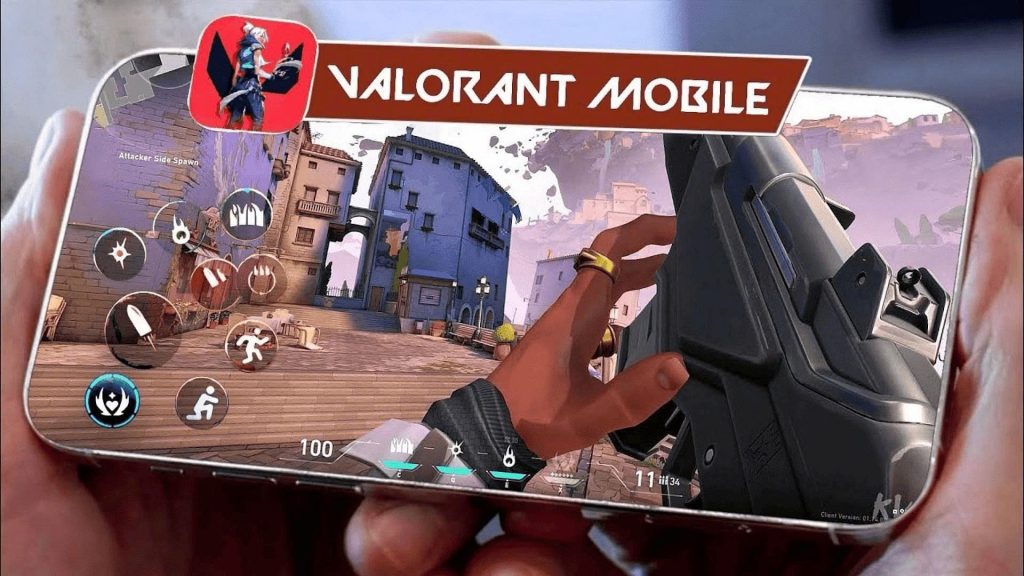
Limited platform availability (PC only)
Conclusion: Who Valorant Is Really For
Valorant is not about power fantasy, constant action, or instant gratification. It is about restraint, repetition, and responsibility. It rewards players who are willing to lose today in order to understand tomorrow.
For players who enjoy deep competitive systems, emotional discipline, and long-term mastery, Valorant remains one of the most intellectually demanding shooters available. For those seeking freedom or spectacle, it may feel cold and punishing.
Valorant does not ask if you are talented.
It asks if you are patient.