

PUBG Mobile – Survival Tension, Player Discipline, and the Translation of Hardcore Battle Royale to Touchscreens
Introduction: When Seriousness Goes Mobile
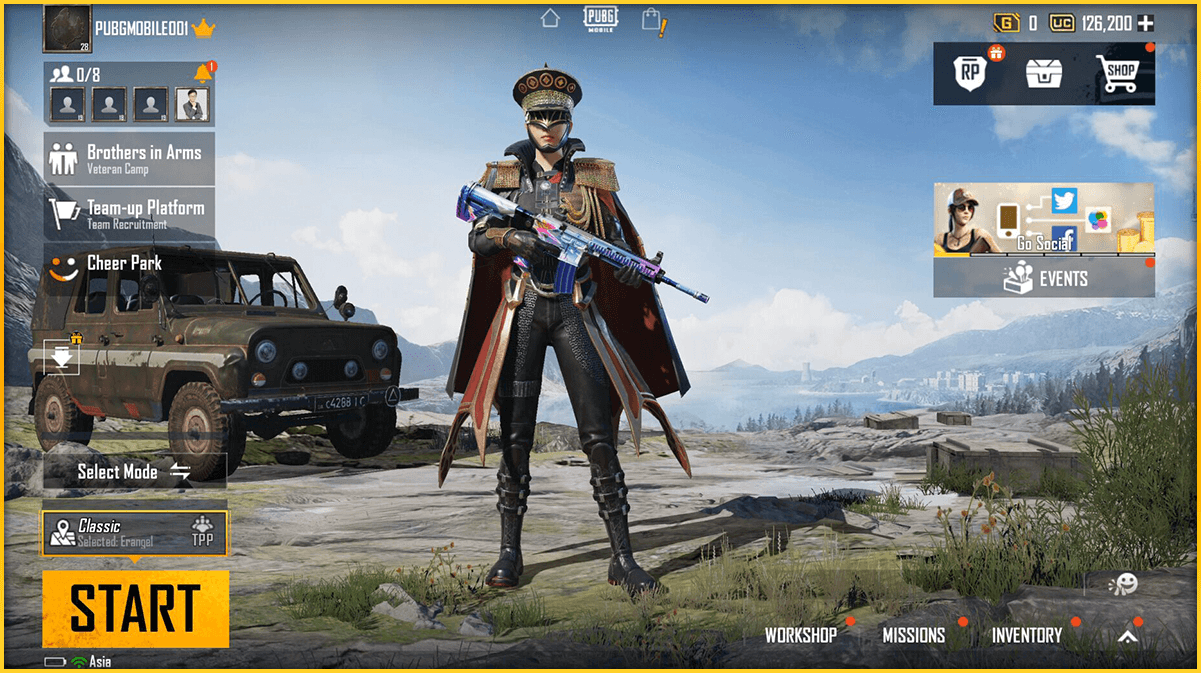
PUBG Mobile occupies a strange but important position in modern gaming. It is not the first battle royale on mobile, nor the most casual, nor the most experimental. Instead, PUBG Mobile represents an ambitious attempt to translate a traditionally hardcore, PC-first survival shooter into an environment defined by touch controls, short sessions, and massive accessibility.
Where many mobile shooters lean into speed, spectacle, and forgiveness, PUBG Mobile leans into tension. It preserves long sightlines, lethal gunplay, realistic ballistics, and slow pacing—elements that seem almost incompatible with mobile platforms. Yet through careful adaptation, PUBG Mobile succeeds not by simplifying its identity, but by reshaping discipline for a new audience. This review explores PUBG Mobile as a design compromise that largely works, focusing on psychology, pacing, and why it continues to command a loyal global player base.
Quick Info (Overview Box)
Release Year: 2018
Genre: Battle royale / Tactical shooter
Platforms: Mobile (Android, iOS)
Game Modes: Battle Royale (Solo/Duo/Squad), Ranked, Arcade, Arena, Custom Rooms
Target Audience: Players seeking a more realistic, high-stakes battle royale experience on mobile
1. Core Design Philosophy: Preserve the Weight
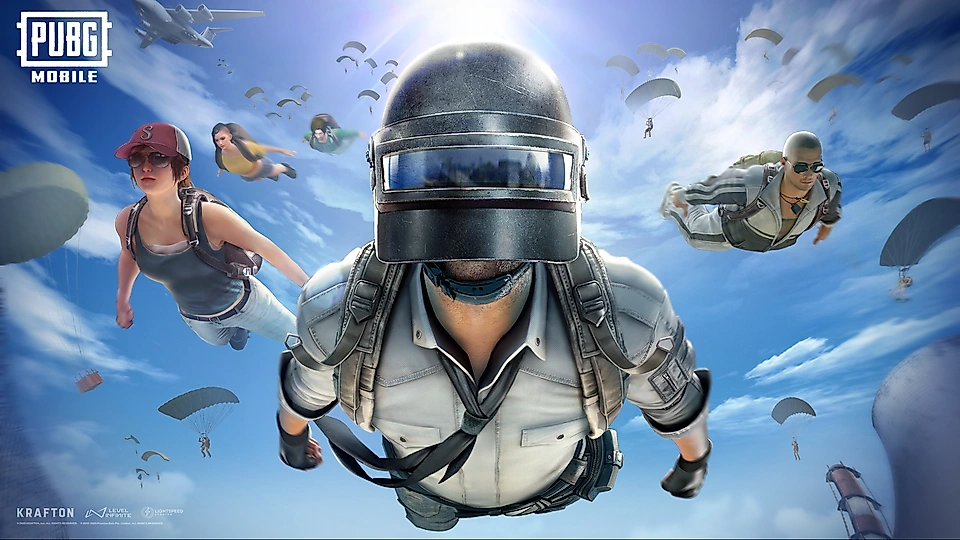
The most striking thing about PUBG Mobile is how much weight it preserves from its PC counterpart. Movement is deliberate. Gunfire is loud and revealing. Mistakes are often fatal.
This design choice runs counter to many mobile trends, which favor speed and constant feedback. PUBG Mobile instead assumes players are willing to slow down, observe, and wait. It respects patience as a valid skill.
By preserving seriousness, the game creates emotional stakes rarely found on mobile. Every decision—loot, rotation, engagement—feels consequential.
2. Pacing: Long Matches, Sustained Tension
PUBG Mobile’s match length is intentionally long compared to most mobile shooters. Early game is quiet. Mid-game is cautious. Late-game is brutal.
This slow burn creates a unique psychological arc. Players experience boredom, anticipation, fear, and adrenaline in a single match. The downtime is not wasted—it builds contrast.
Importantly, PUBG Mobile trusts players not to demand constant action. It assumes tension can exist without stimulation, which is rare in mobile design.
3. Gunplay and Ballistics: Skill Under Constraint
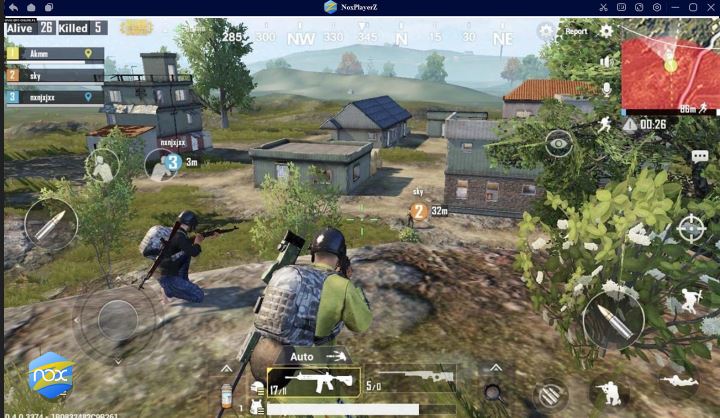
Gunplay in PUBG Mobile remains one of its defining features. Weapons recoil aggressively. Bullet drop matters. Attachments significantly affect performance.
Touch controls introduce limitations, but the game compensates through customization: gyro aiming, sensitivity tuning, control layouts. Skilled players learn to manage recoil with finesse, not automation.
While aim assist exists, it does not eliminate the skill gap. High-level players still distinguish themselves through control, positioning, and timing.
4. Map Design: Space as a Threat
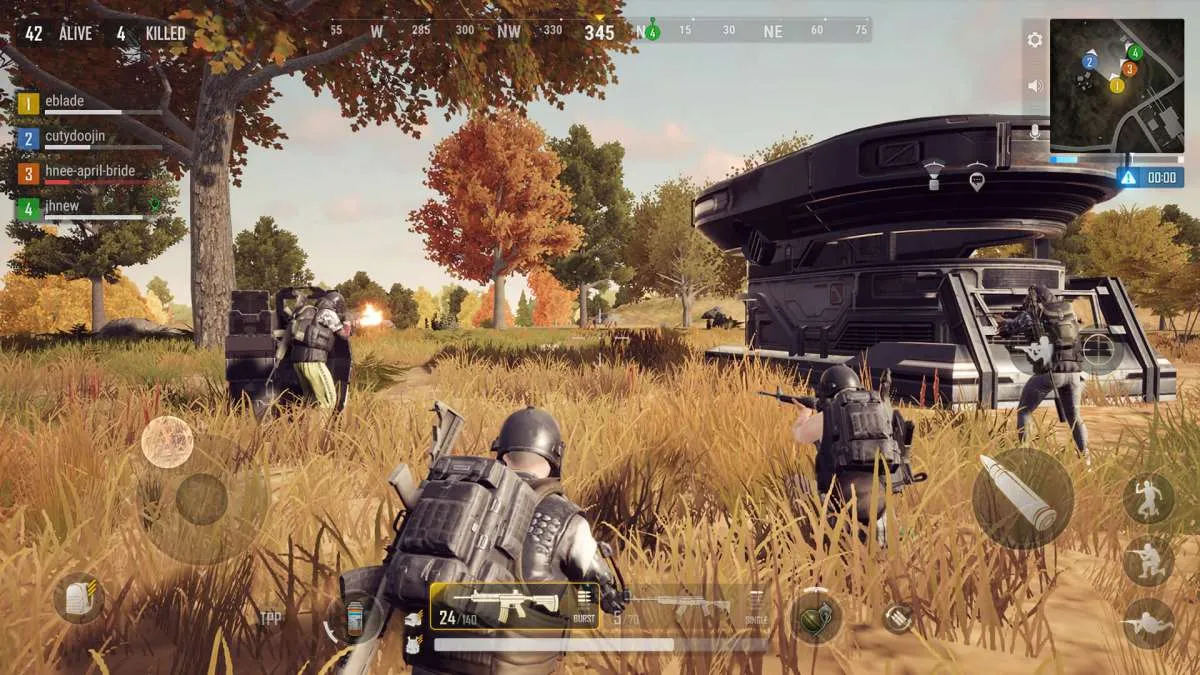
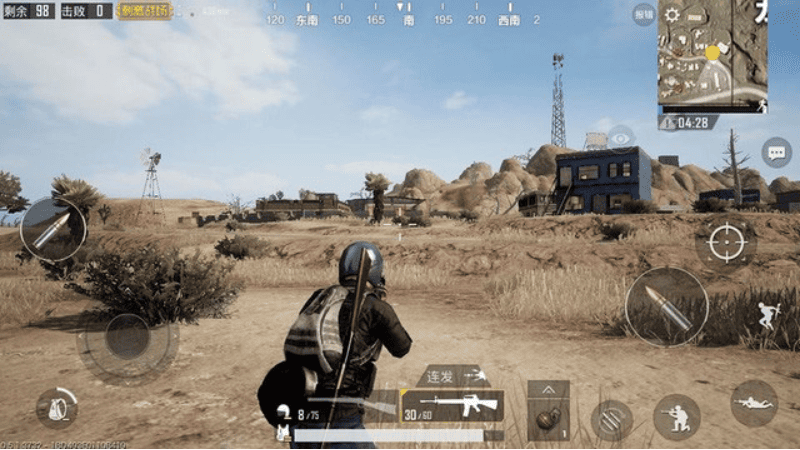
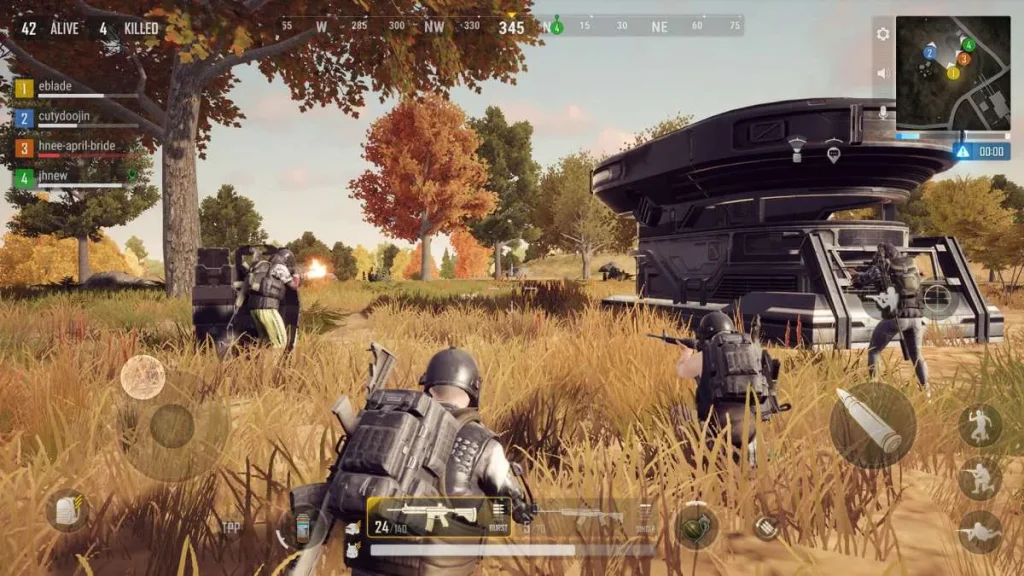
Maps in PUBG Mobile are vast and often unforgiving. Open fields punish careless movement. Urban areas reward methodical clearing. Elevation dictates dominance.
Unlike more arcade-style battle royales, the map does not protect the player. Cover is scarce. Sound travels far. Visibility cuts both ways.
This makes navigation a core skill. Knowing where not to go is often more important than knowing where to fight.
5. Loot Economy: Risk and Restraint
Loot in PUBG Mobile is functional rather than flashy. Weapons, armor, healing items—everything serves survival first.
Greed is dangerous. Chasing better gear exposes players to ambush. Staying too long in one location increases risk. Looting becomes a balancing act between preparation and exposure.
This reinforces PUBG’s core identity: survival over dominance. The best loadout is often the one that keeps you alive, not the one that looks impressive.
6. Sound Design and Information Control
Audio plays a critical role in PUBG Mobile. Footsteps, gunfire direction, vehicle noise—all provide actionable information.
Players learn to stop moving and listen. Headphones become an advantage. Silence becomes a strategy.
This emphasis on audio awareness deepens immersion and tension. You are not just reacting—you are interpreting the battlefield.
7. Squad Play: Discipline Over Flash
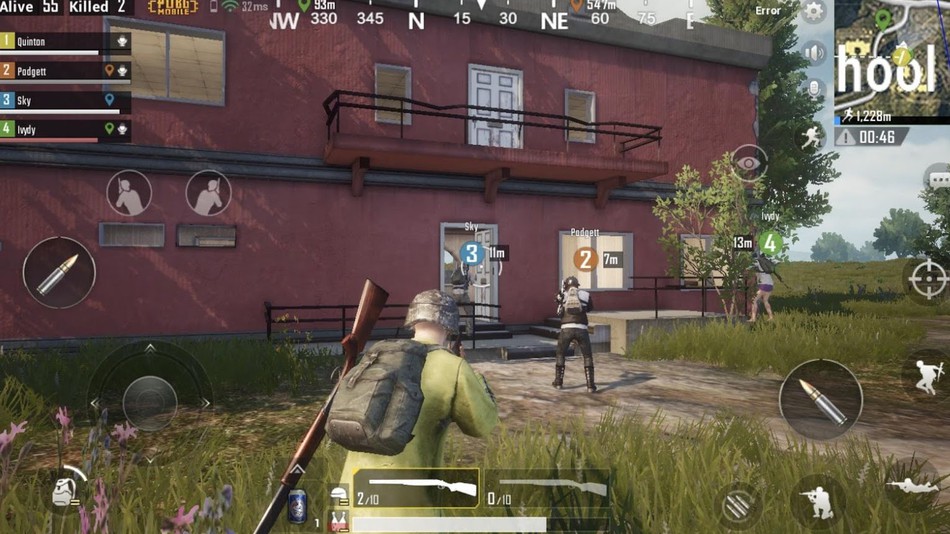
In squad modes, PUBG Mobile rewards coordination and restraint. Rushing alone is punished. Poor communication leads to collapse.
Successful squads rotate together, share information, and control space methodically. Revives are risky. Engagements must be chosen carefully.
This makes PUBG Mobile less about hero moments and more about collective discipline. Winning feels earned through cooperation rather than individual dominance.
8. Skill Progression and Player Psychology
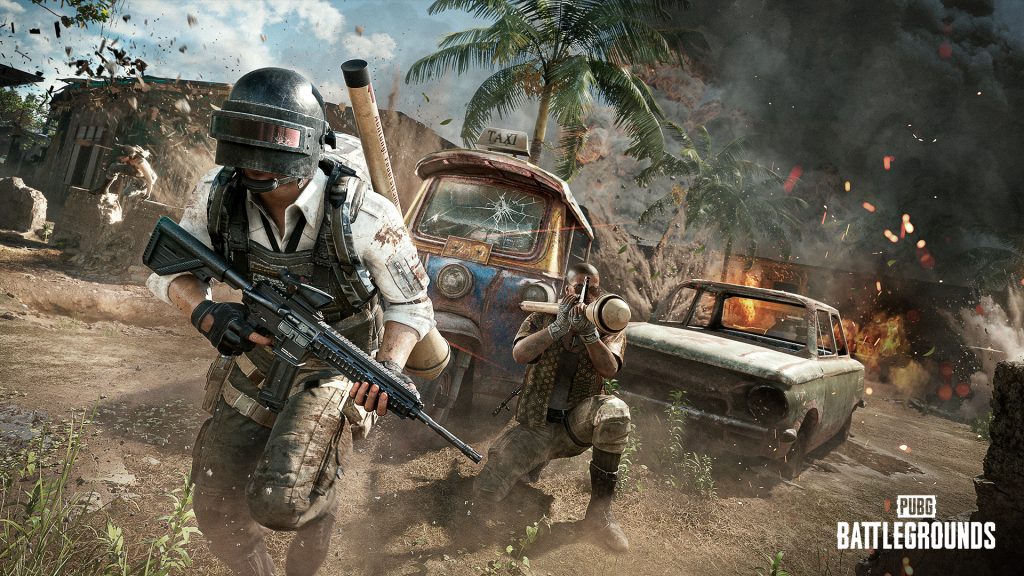
PUBG Mobile’s ranked system emphasizes survival, placement, and consistency over kill counts. This shapes player behavior significantly.
Players learn that patience is rewarded. Avoiding unnecessary fights is not cowardice—it is strategy. Emotional control becomes as important as mechanical skill.
This ranking philosophy trains a mindset uncommon in mobile games: long-term thinking under pressure.
9. Monetization and Cosmetic Identity
PUBG Mobile’s monetization focuses heavily on cosmetics—outfits, skins, animations. These elements do not directly affect gameplay, but they strongly influence identity.
Players express status, taste, and achievement visually. While monetization can feel aggressive, it largely avoids undermining competitive fairness.
The contrast between serious gameplay and flamboyant cosmetics is striking, but it allows different player motivations to coexist.
10. PUBG Mobile in the Mobile Shooter Landscape
Within the mobile ecosystem, PUBG Mobile stands apart as a game that refuses to fully casualize. It does not chase constant novelty or simplified mechanics.
Instead, it offers a space for players who want intensity, realism, and consequence—without requiring a PC or console.
Its longevity comes from this clarity of identity. PUBG Mobile knows exactly who it is for.
Pros
High-stakes, realistic battle royale experience on mobile
Strong gunplay with meaningful recoil and ballistics
Large maps that reward planning and positioning
Squad play emphasizes teamwork and discipline
Ranked system rewards survival and consistency
Cons
Long match length may not suit all mobile players
Steep learning curve for casual audiences
Performance varies across devices
Monetization can feel overwhelming visually
Less forgiving than many mobile competitors
Conclusion: Serious Survival, Anywhere
PUBG Mobile succeeds because it refuses to dilute its core values. It accepts the limitations of mobile hardware—but not the limitations of player ambition.
For players who want a battle royale that values patience, awareness, and discipline, PUBG Mobile delivers an experience that feels weighty, tense, and rewarding. It is not the easiest mobile shooter to love—but for the right audience, it is the most satisfying.
PUBG Mobile does not rush you.
It waits—and dares you to survive.