
MIMESIS – Paranoia, Imperfect Trust, and Horror Built on Human Imitation
Introduction: When the Threat Pretends to Be You
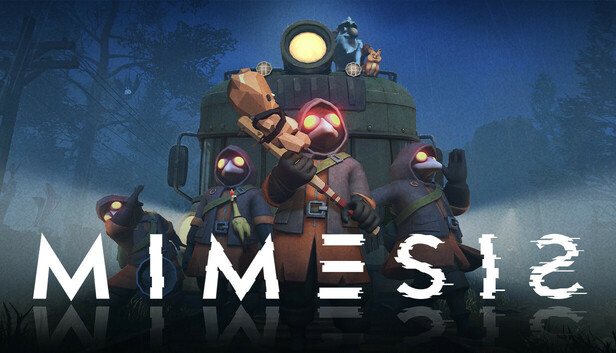
MIMESIS is not a horror game that relies on darkness, gore, or constant danger. Instead, it weaponizes doubt. It places players into a cooperative survival scenario where the greatest threat is not an obvious monster – but the possibility that someone standing next to you is no longer human. Or worse, never was.
At its core, MIMESIS is a psychological multiplayer horror experience built around imitation, suspicion, and social fracture. It does not chase jump scares or cinematic spectacle. It creates fear by forcing players to question behavior, memory, and intention. This review approaches MIMESIS as a study in social horror design—how minimal mechanics, limited information, and human behavior can generate tension far more effectively than scripted threats.
Quick Info (Overview Box)
Release Year: 2024
Genre: Multiplayer psychological horror
Platforms: PC
Game Modes: Online co-op / deception-based survival
Target Audience: Players who enjoy social deduction, paranoia-driven horror, and emergent multiplayer storytelling
1. Core Design Philosophy: Fear Through Uncertainty
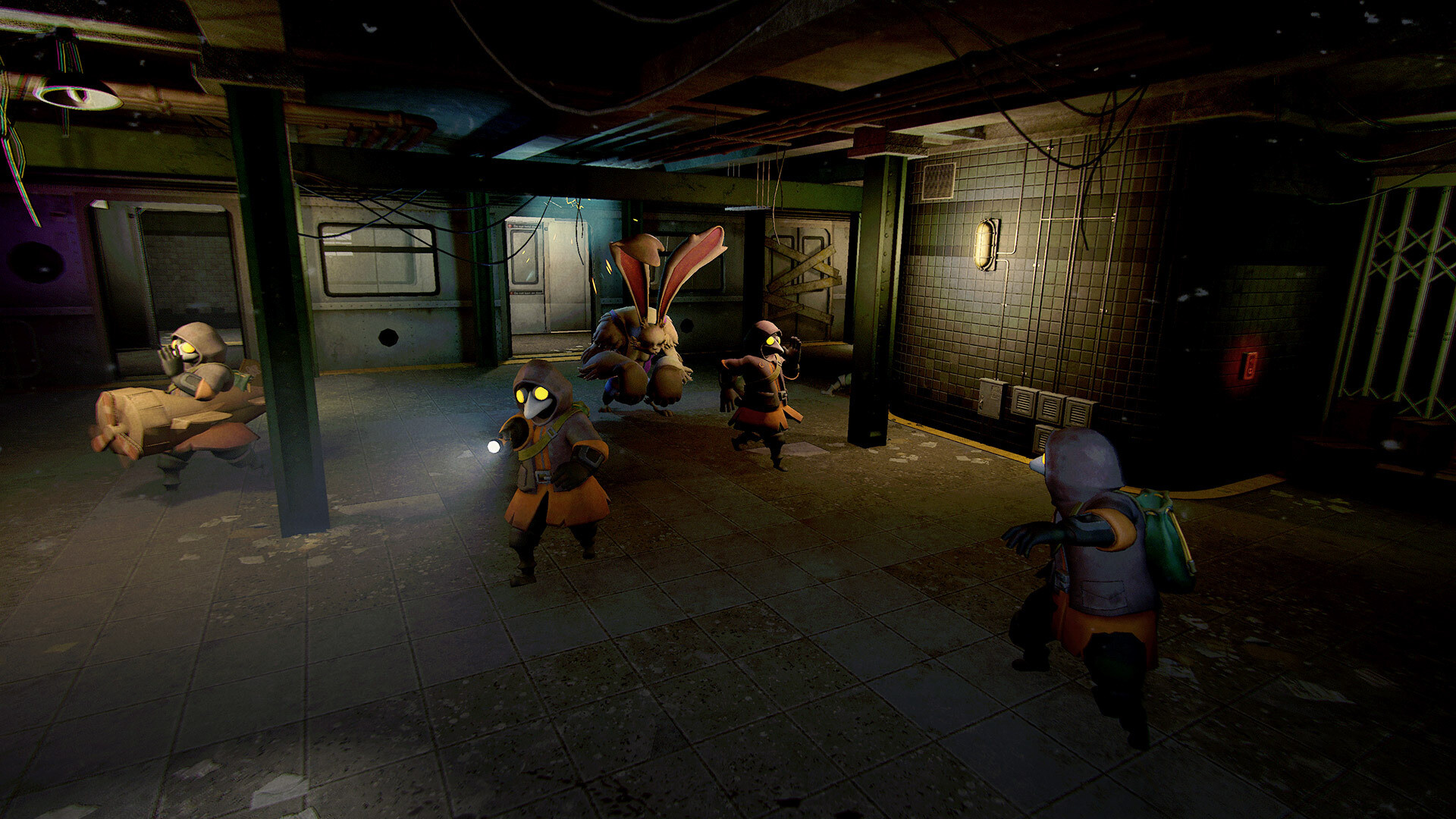
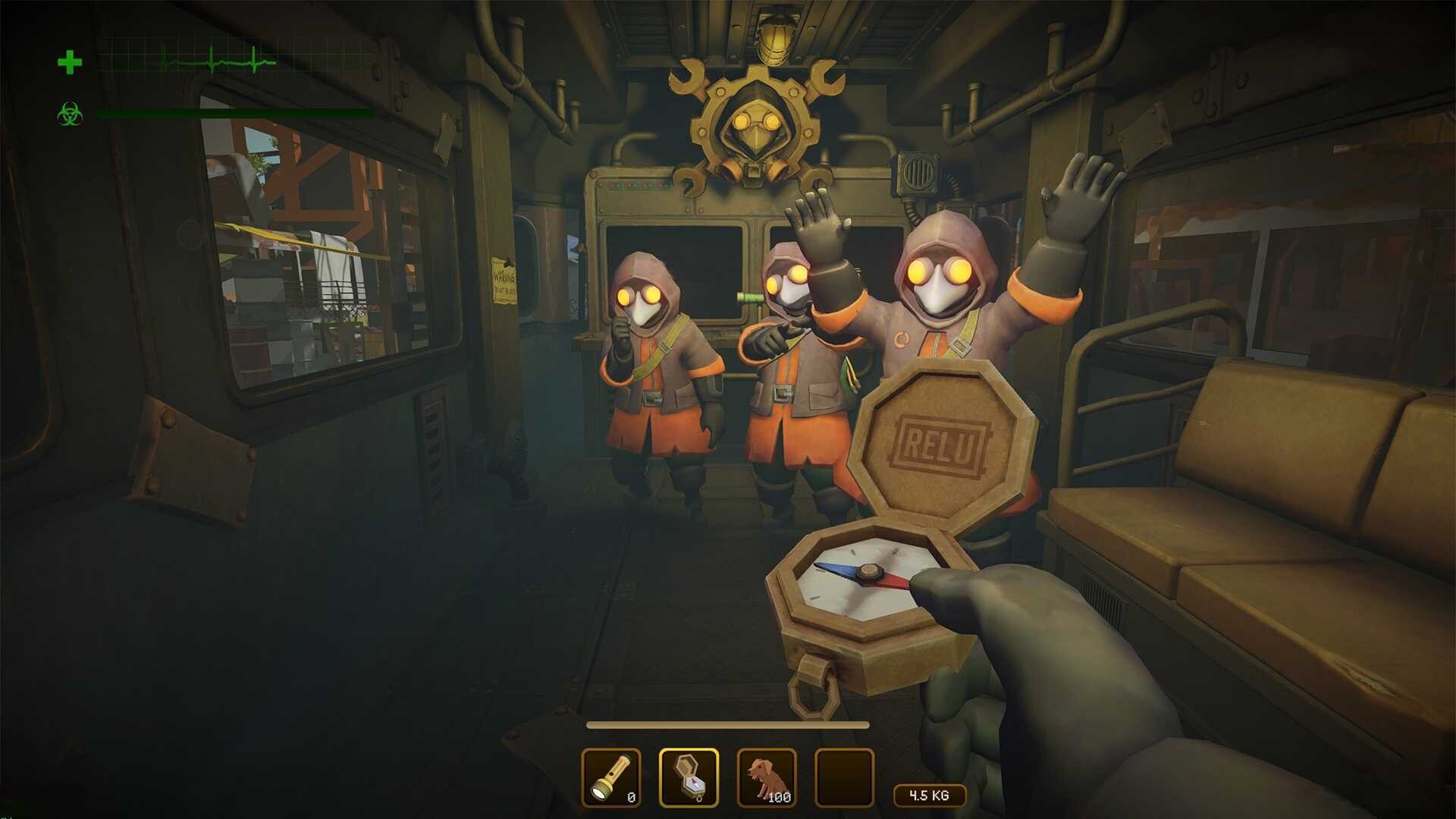
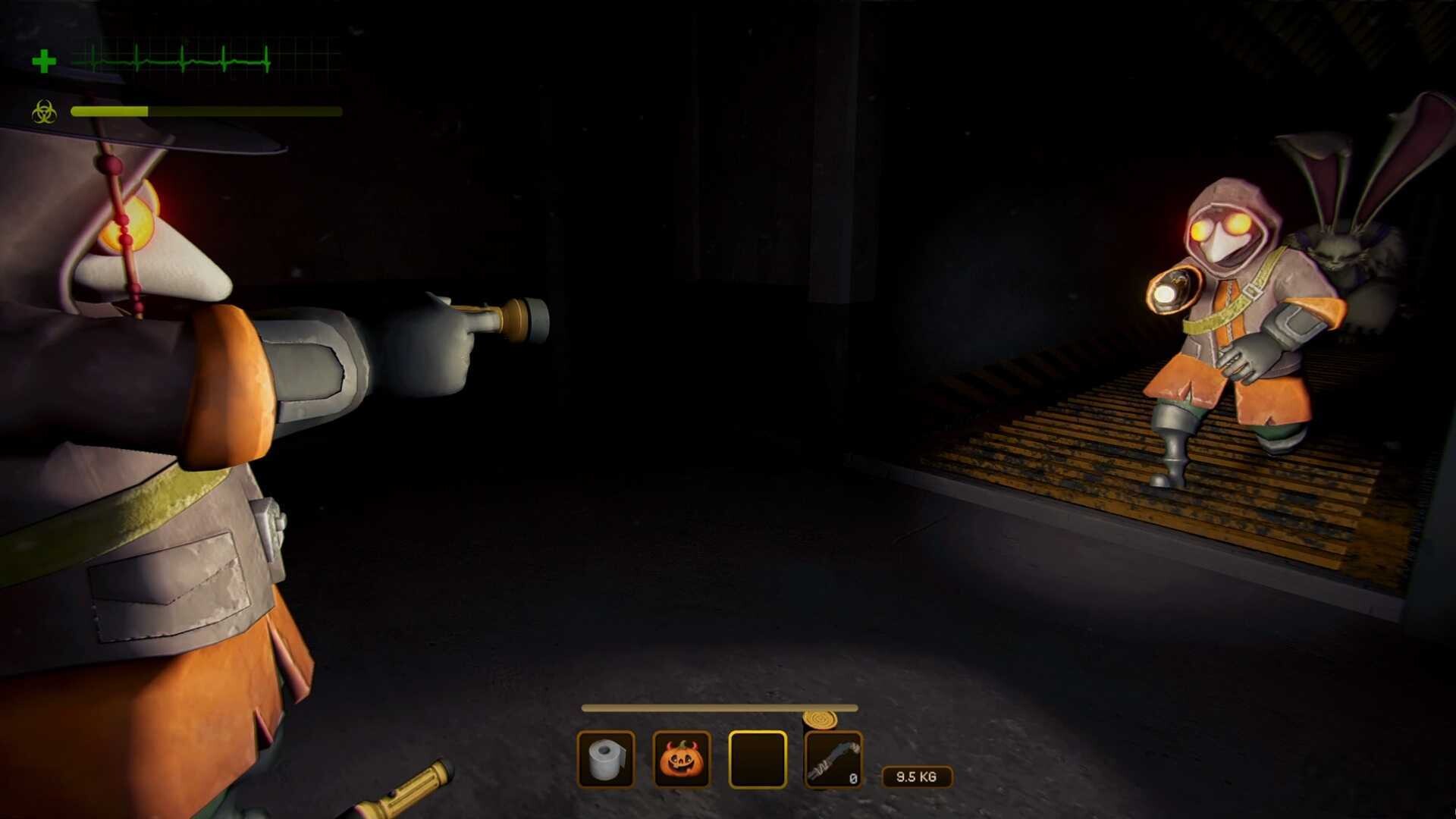
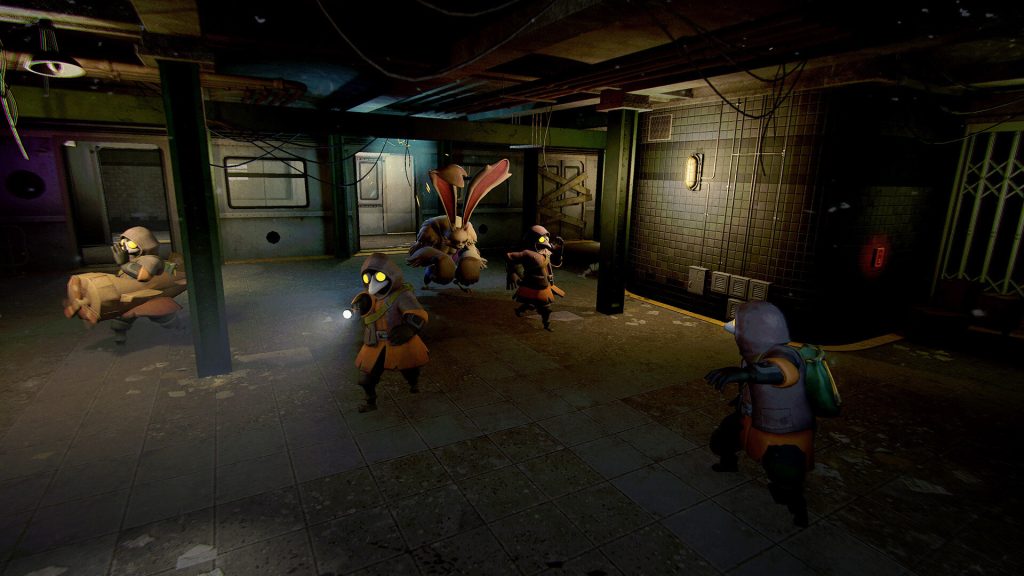
The defining idea behind MIMESIS is simple and devastating: you can never be fully sure who is real. The game introduces entities—Mimeses—that perfectly imitate human players in movement, speech patterns, and basic behavior.
This removes one of the strongest comfort anchors in cooperative games: trust. In MIMESIS, cooperation is necessary for survival, but trust is always provisional. Every action is ambiguous. Every mistake can be interpreted as sabotage—or fear.
The game does not tell you who the enemy is. It asks you to decide, and then live with the consequences.
2. The Power of Imitation
Unlike traditional monsters, the threat in MIMESIS does not announce itself. It mirrors players, mimics routines, and behaves “almost” correctly. That “almost” is where horror lives.
Imitation is deeply unsettling because it exploits pattern recognition. Players subconsciously track how teammates behave—how they move, speak, hesitate. When something feels off, it triggers suspicion even without proof.
This makes fear personal. You are not reacting to an external jump scare—you are reacting to your own instincts.
3. Multiplayer as a Psychological System
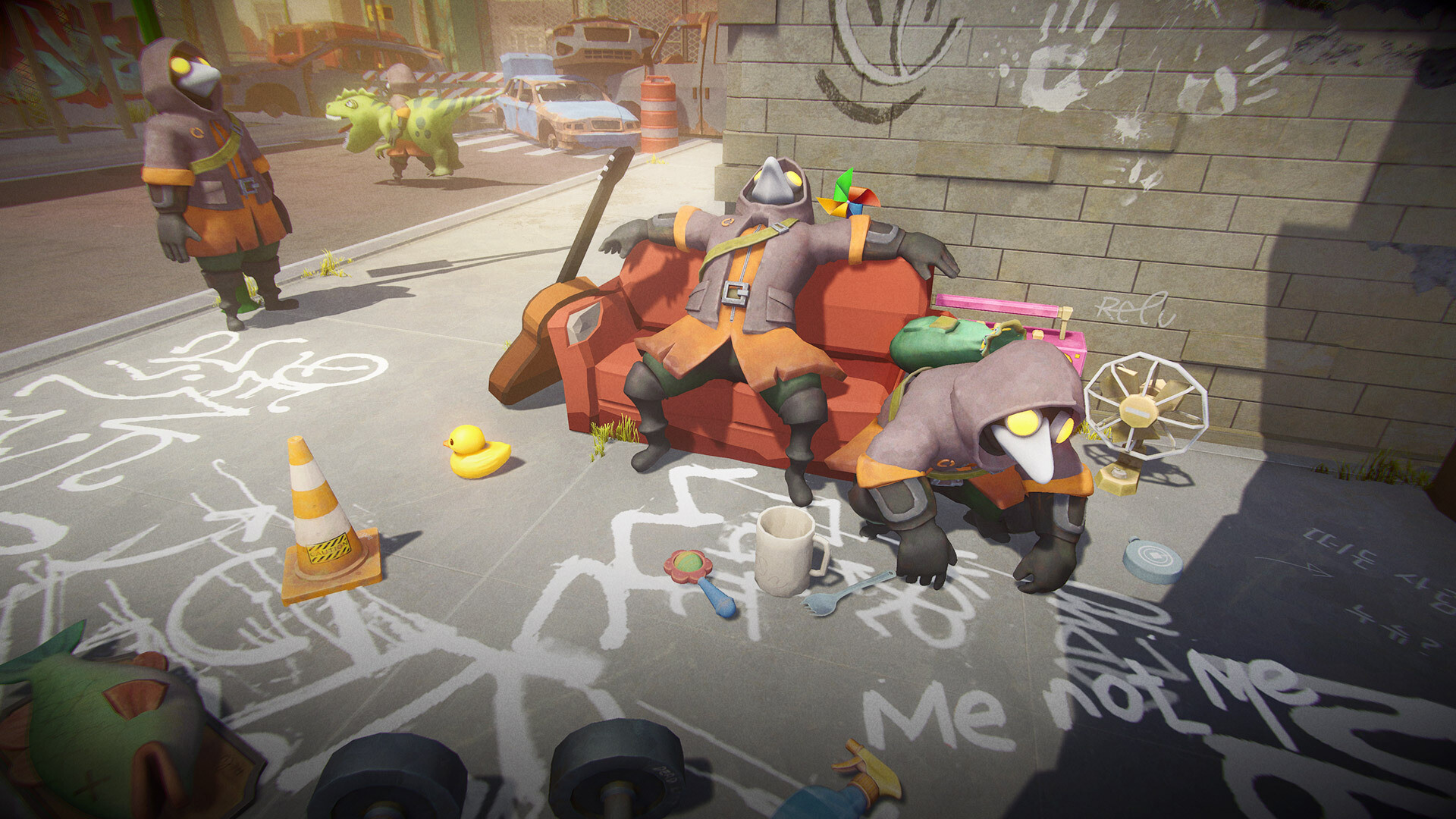
MIMESIS would not function as a single-player game. Its horror is inseparable from human interaction. Real players bring unpredictability, inconsistency, and emotion—elements no AI can fully replicate.
Moments of panic, miscommunication, or silence can escalate suspicion rapidly. A delayed response on voice chat. A strange movement choice. A forgotten detail. Each becomes evidence.
The game thrives on social noise. Every player unintentionally contributes to the horror, whether they mean to or not.
4. Minimal Mechanics, Maximum Tension
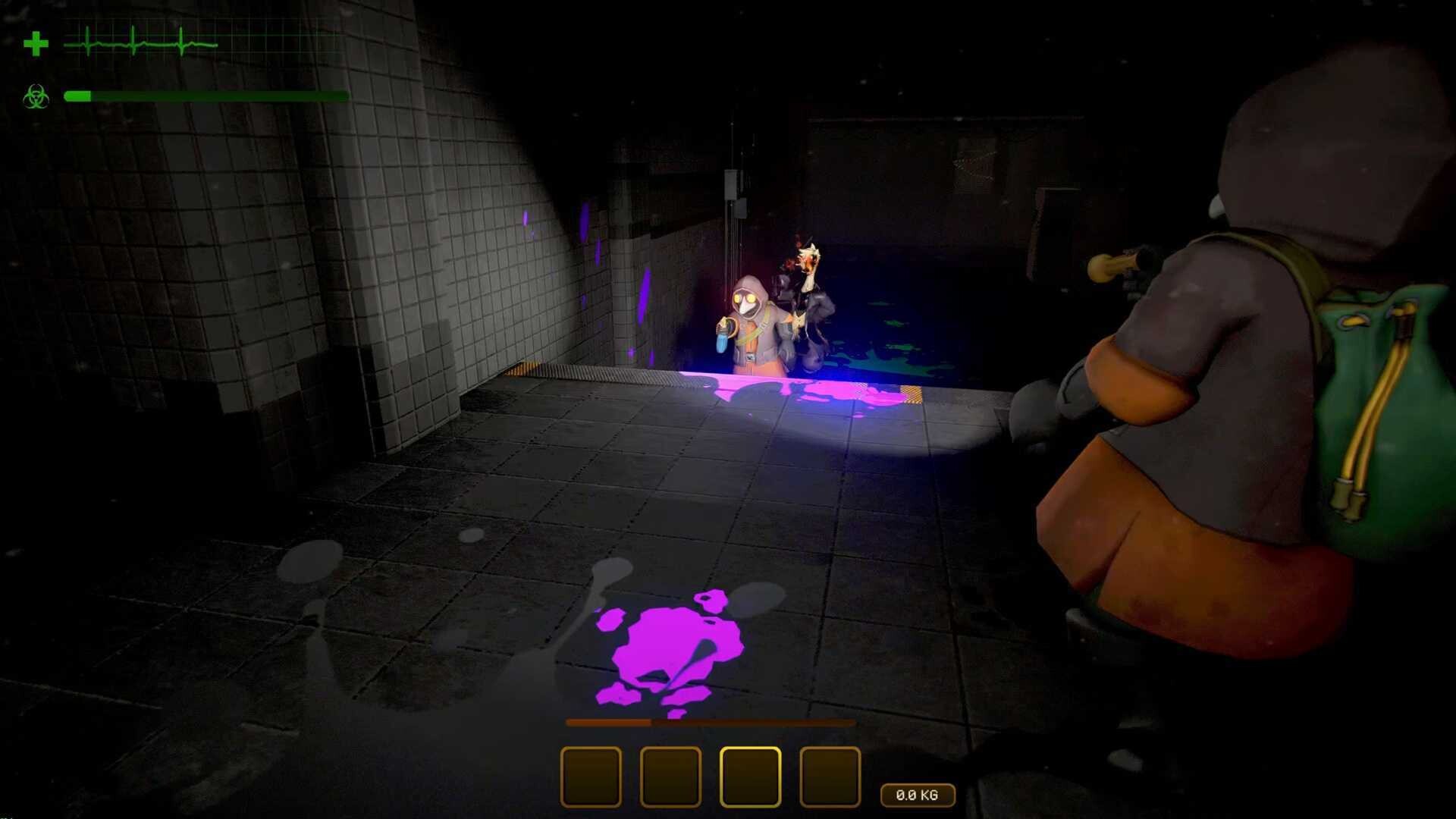
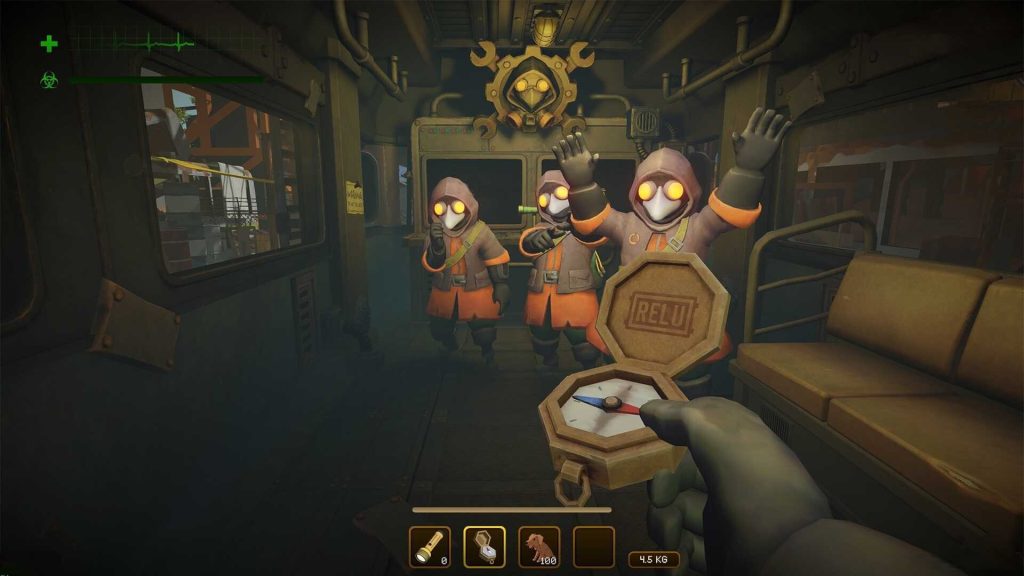
Mechanically, MIMESIS is intentionally restrained. There are no complex combat systems or layered progression trees. Tools are limited. Actions are deliberate.
This simplicity ensures that attention stays focused on people, not systems. The fewer mechanics players manage, the more mental space is available for observation and paranoia.
In MIMESIS, gameplay is not about execution—it is about interpretation.
5. Communication as a Double-Edged Sword
Voice communication is both essential and dangerous in MIMESIS. Talking helps coordination—but it also reveals behavior patterns that can be copied or exploited.
Players learn to listen closely: tone, timing, confidence. A voice that sounds rehearsed or delayed can raise alarms. Silence can be as suspicious as over-explaining.
This transforms communication into a survival skill. What you say matters—but how you say it matters more.
6. Player Psychology: Paranoia Over Time
One of the most impressive aspects of MIMESIS is how paranoia escalates naturally. Early in a session, players are cooperative and forgiving. As uncertainty accumulates, tolerance drops.
Small errors that would be ignored in other games become suspicious. Players second-guess allies, replay conversations mentally, and reinterpret earlier actions.
The game does not force paranoia—it earns it. By the end of a session, players often distrust even themselves.
7. Failure as Narrative
Failure in MIMESIS is not just losing—it is storytelling. Sessions end with arguments, accusations, regret, and hindsight analysis.
Players replay moments aloud: “That’s when I should’ve known.” “Why didn’t you say anything?” “I thought you were real.”
These post-game discussions are not extras—they are part of the experience. MIMESIS creates stories that exist beyond the match itself.
8. Horror Without Spectacle
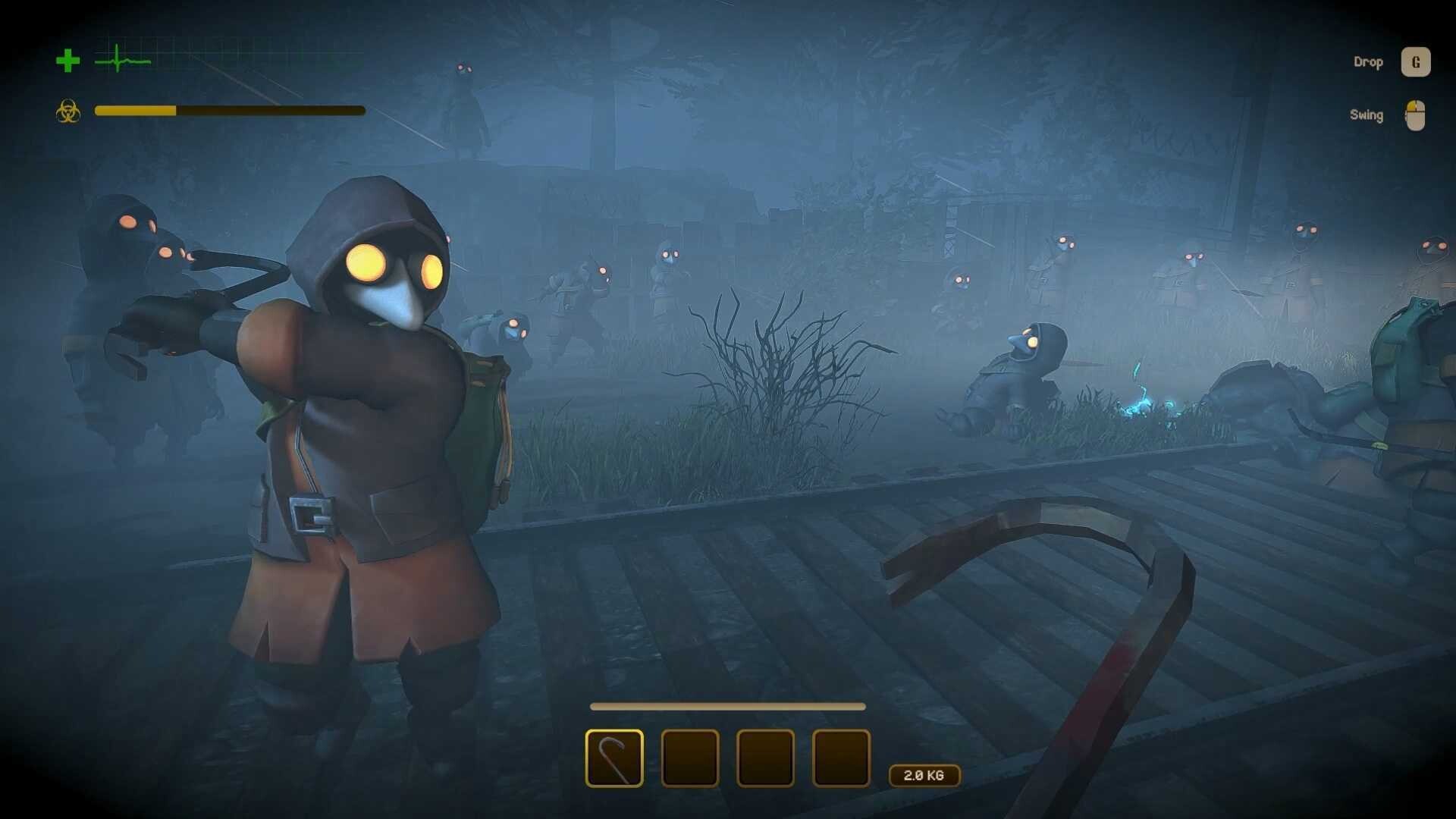
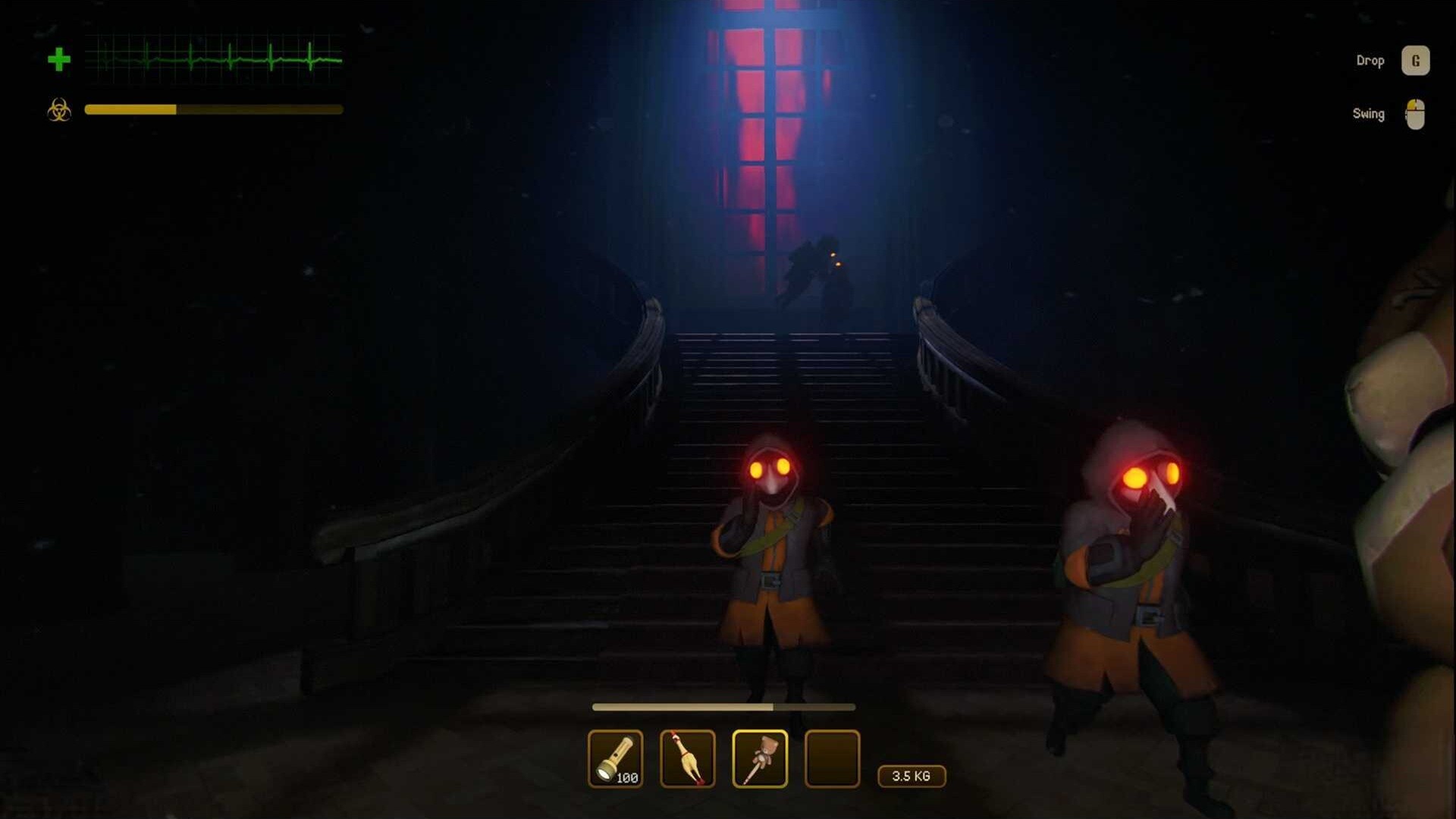
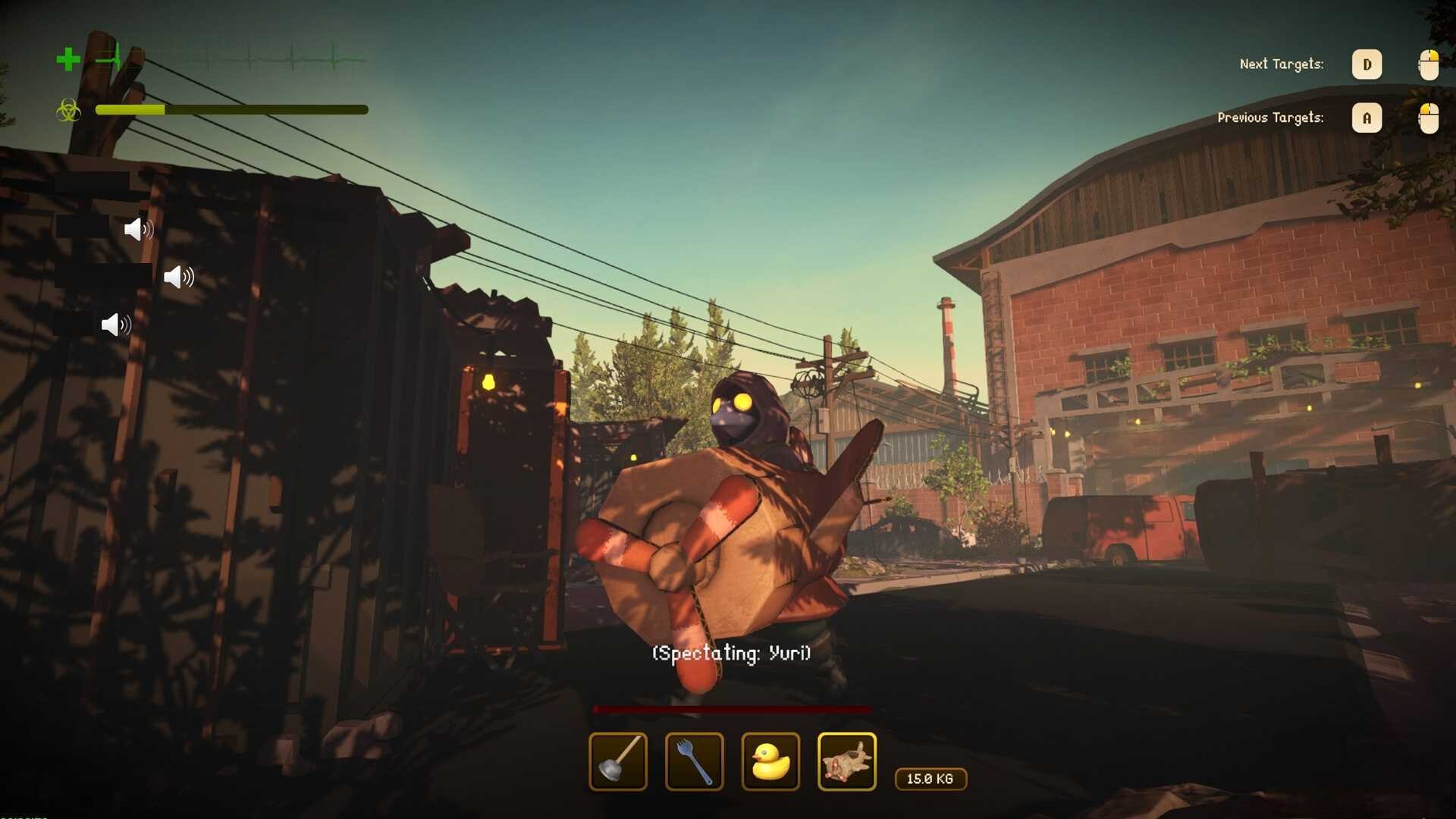
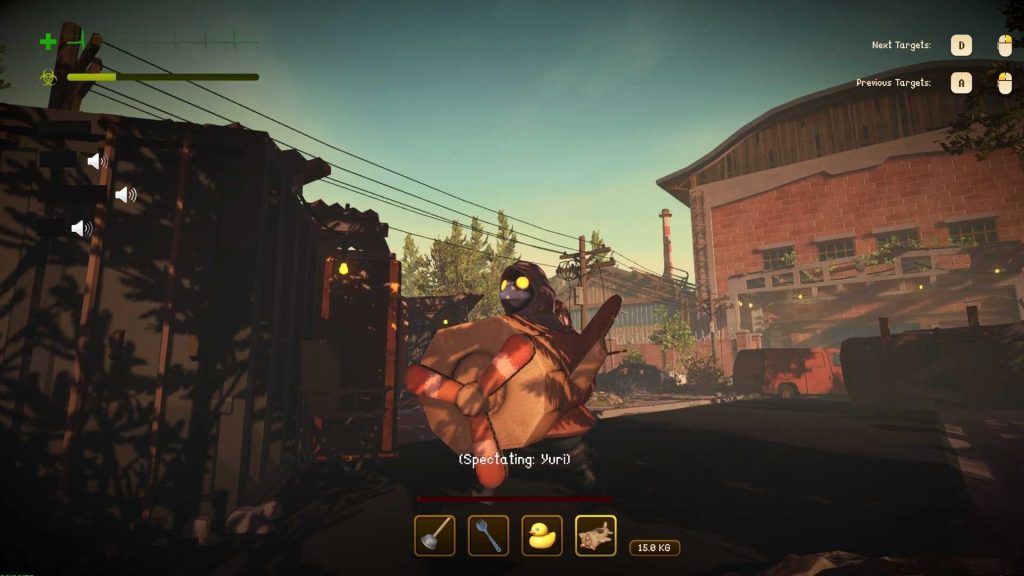
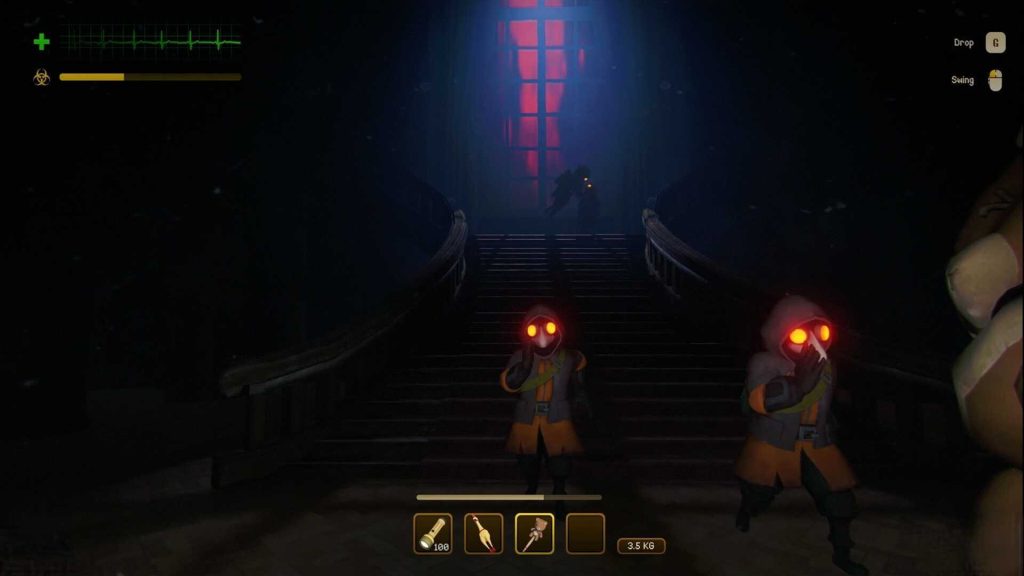
Visually, MIMESIS is restrained. Environments are atmospheric but not elaborate. The game does not rely on grotesque imagery or constant threat escalation.
This restraint is intentional. Spectacle would distract from the core horror: people behaving strangely. The quieter the environment, the louder suspicion becomes.
MIMESIS proves that horror does not require excess—only focus.
9. Replayability Through Human Variation
Because players are the primary variable, MIMESIS has strong replay value. No two sessions unfold the same way, even with identical settings.
Different groups develop different norms. Some rely on strict rules. Others embrace chaos. Some are cautious; others are reckless. Each social dynamic produces a different horror texture.
The game’s longevity comes not from content updates, but from human diversity.
10. Limitations and Design Risks
MIMESIS is not for everyone. Players who dislike ambiguity, social pressure, or slow-burn tension may find it frustrating rather than frightening.
The experience also depends heavily on player behavior. Uncooperative or disruptive players can weaken immersion. Additionally, the lack of mechanical depth may limit long-term appeal for some audiences.
These are not flaws of execution—but consequences of commitment to a very specific design vision.
Pros
Deep psychological horror driven by player behavior
Innovative use of imitation as a core threat
Strong social tension and emergent storytelling
High replayability through human interaction
Minimal mechanics keep focus on paranoia
Cons
Highly dependent on player quality and communication
Not suited for solo or passive players
Limited mechanical complexity
Can feel slow or unclear for action-focused players
Requires emotional investment to fully engage
Conclusion: Horror That Lives Between People
MIMESIS succeeds because it understands something fundamental: the most effective horror is not what chases you—it is what stands beside you. By turning imitation into threat and trust into risk, it creates fear that lingers long after the game ends.
For players who enjoy social deduction, psychological tension, and horror rooted in human behavior rather than spectacle, MIMESIS offers an experience that is unsettling, intimate, and uniquely memorable.
It does not ask you to fight monsters.
It asks you to decide who isn’t one.