
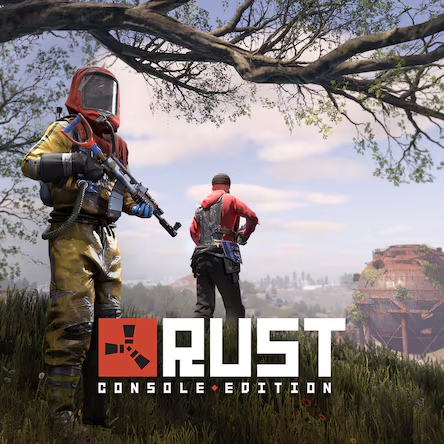
Rust – Survival as Social Experiment, Power as Narrative, and the Brutality of Player Freedom
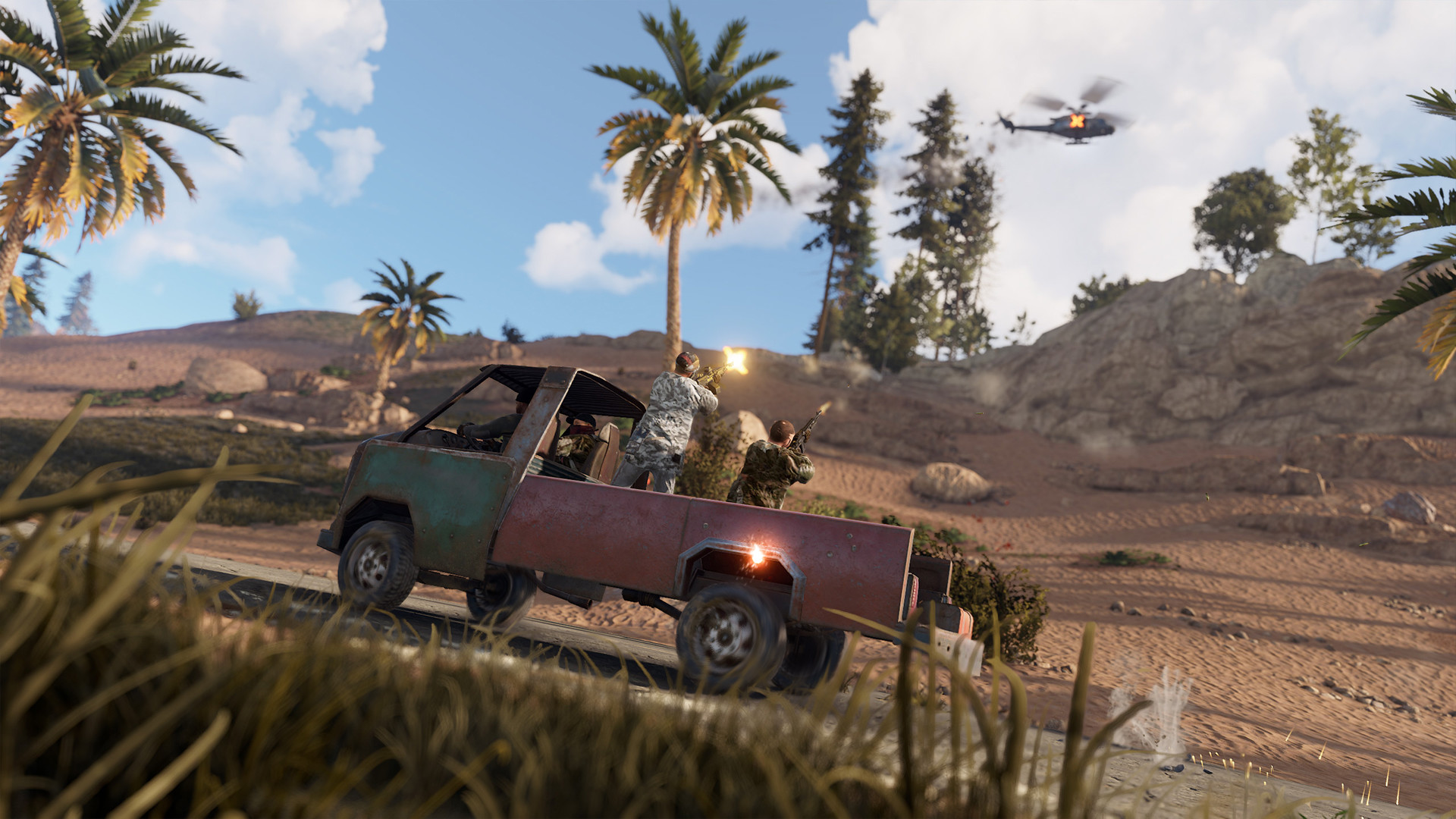
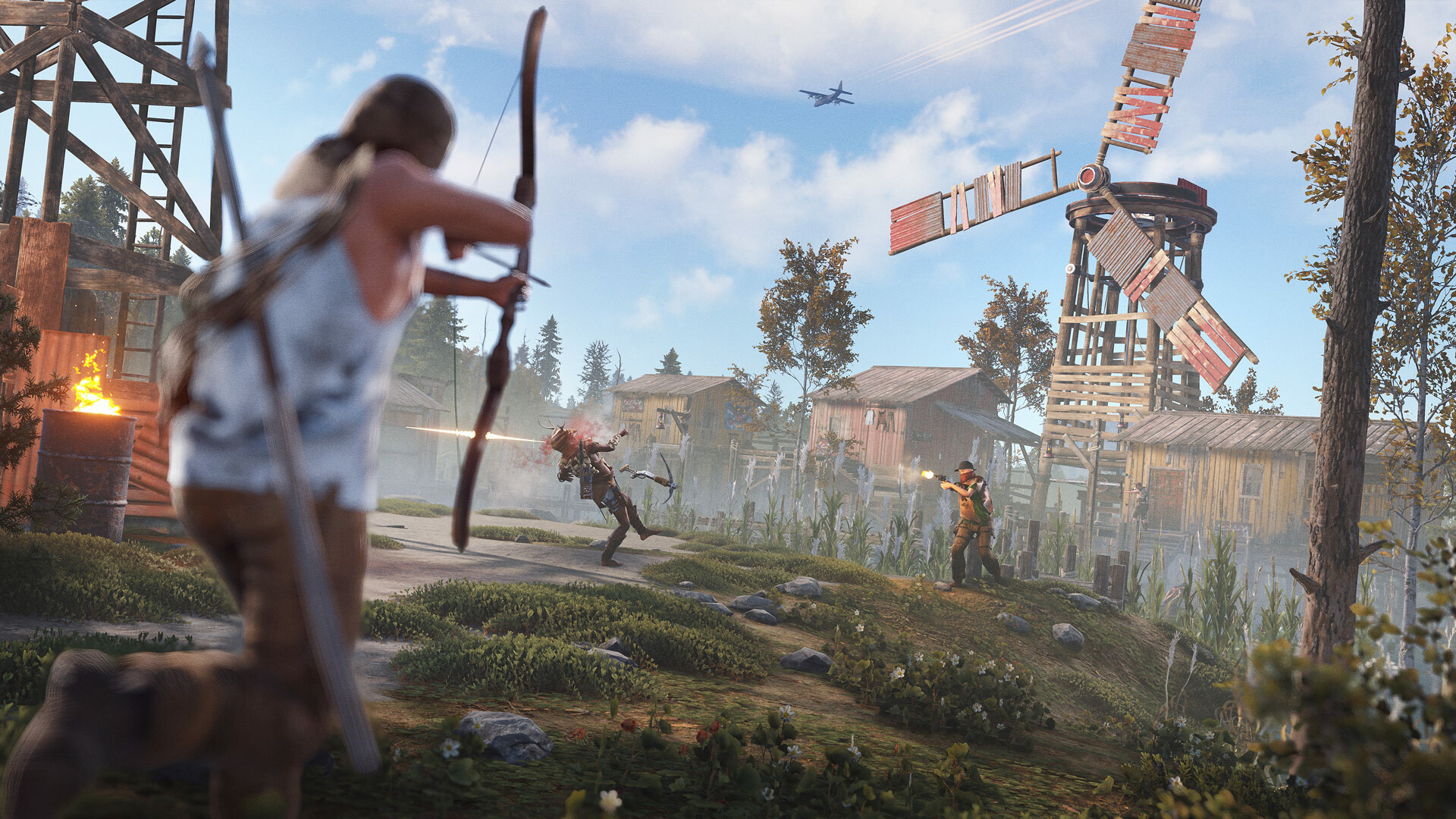
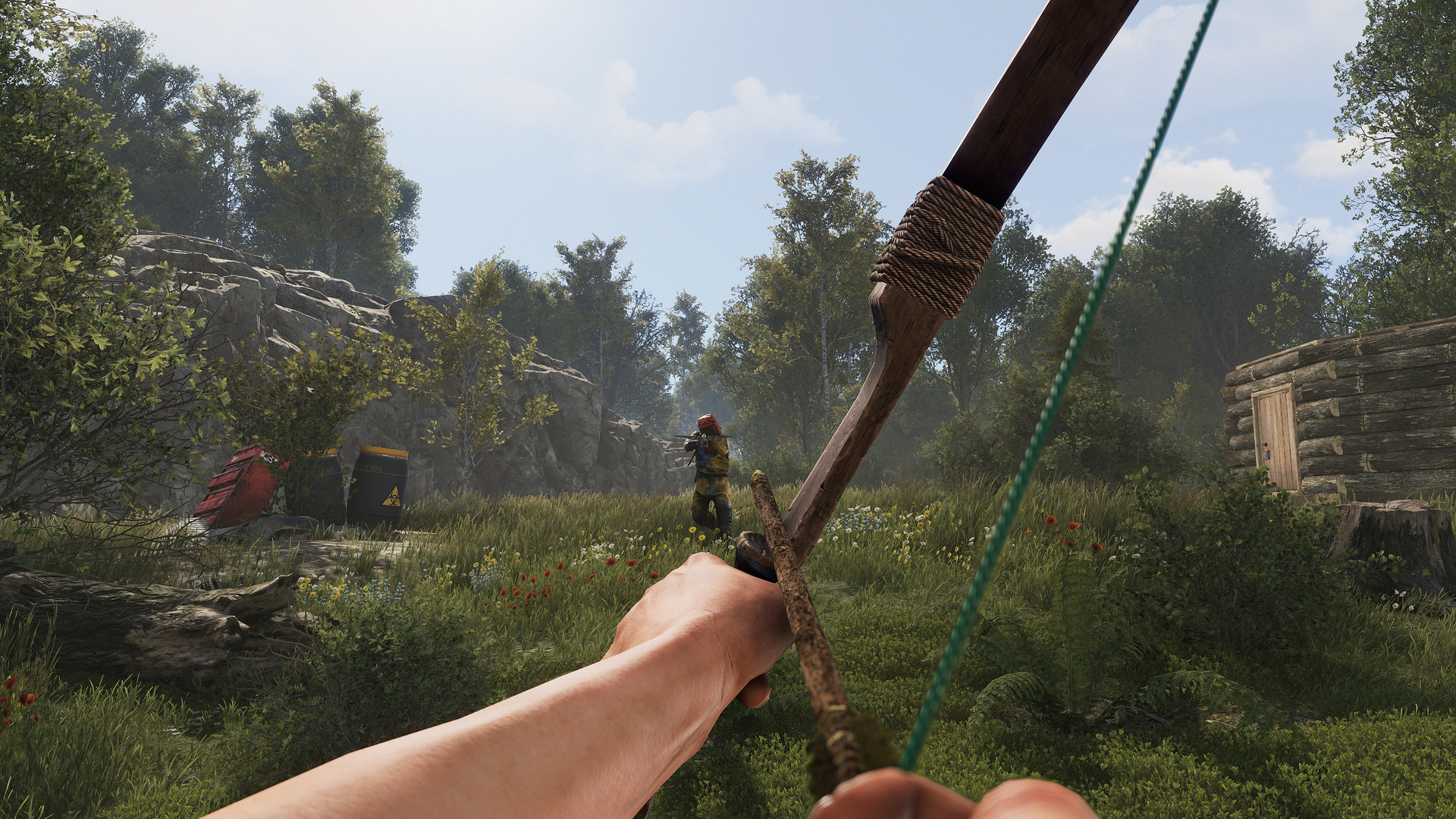
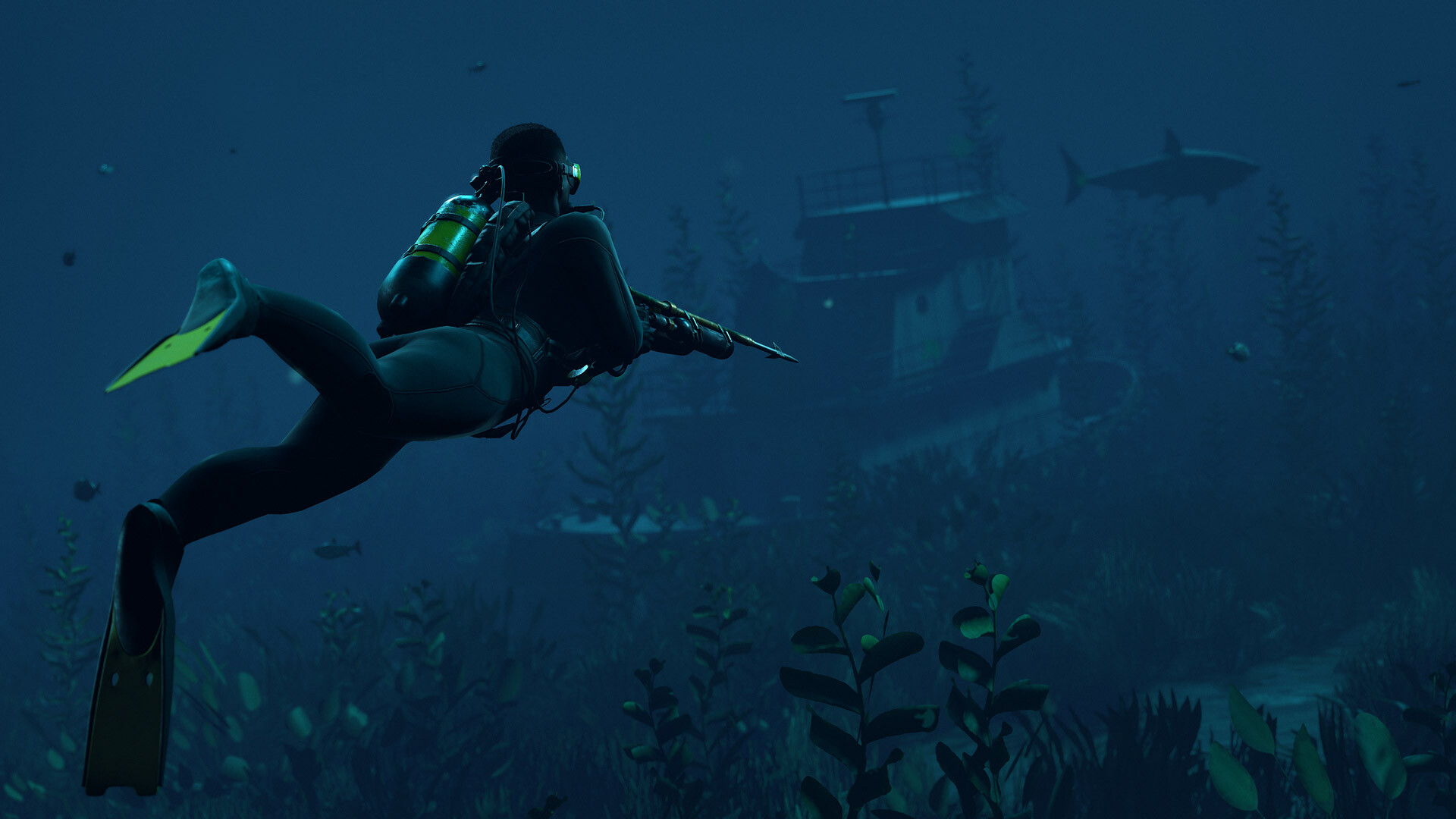
Introduction: A World That Does Not Care About You
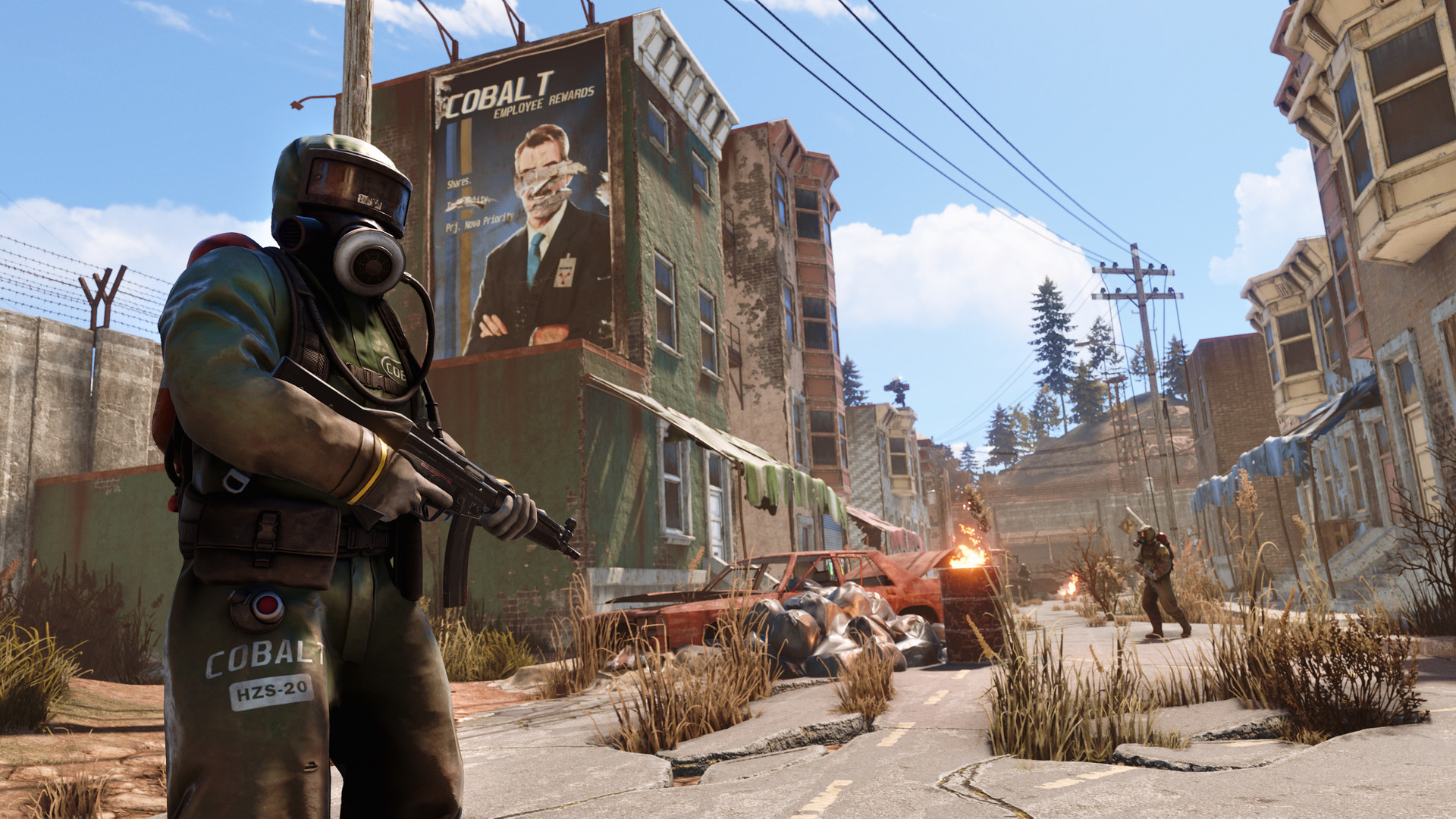
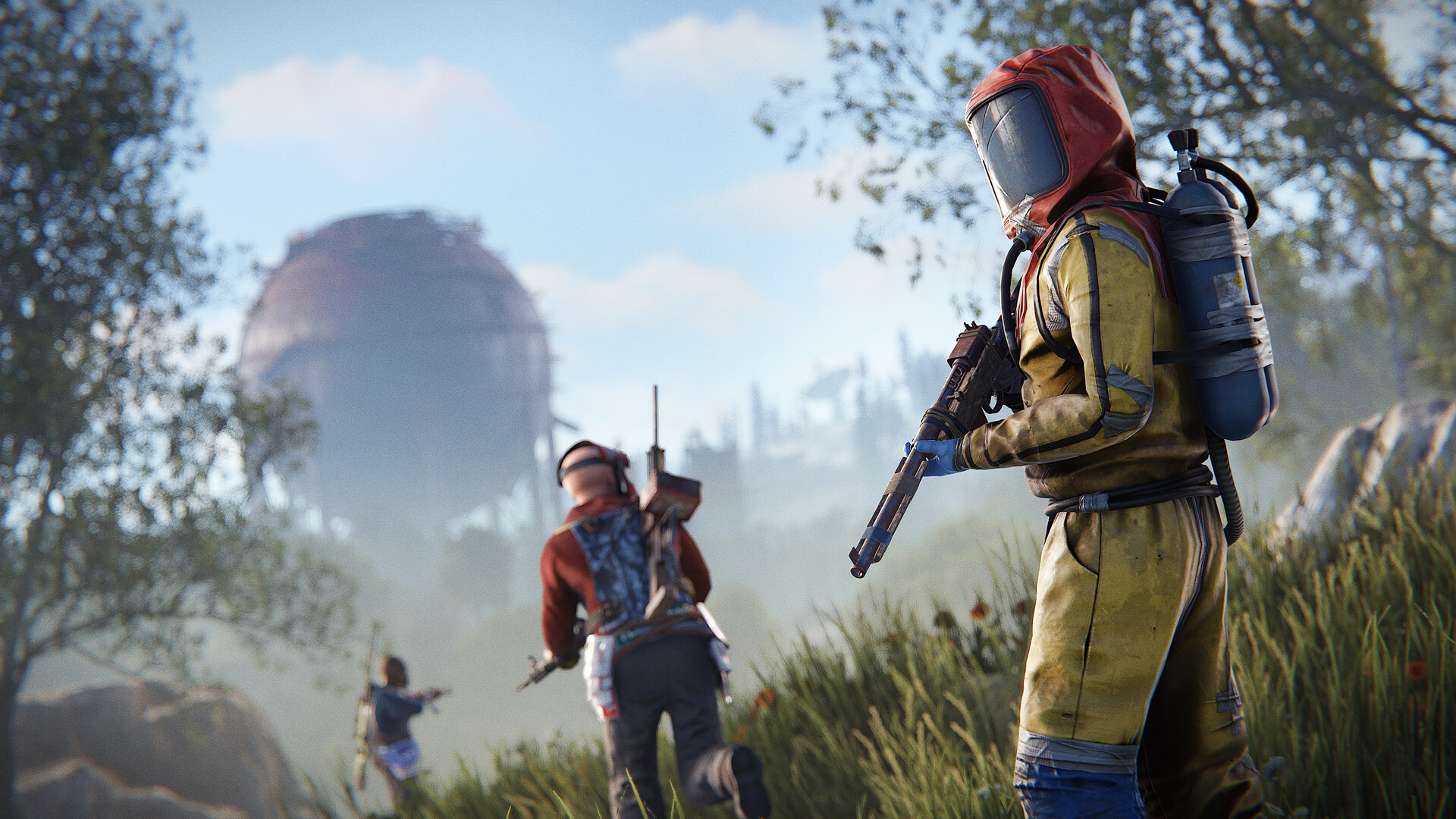
Rust is not a survival game in the comforting sense. It does not guide, protect, or encourage players gently. Rust drops you into a hostile world with nothing, strips away dignity immediately, and then watches what you do when survival depends almost entirely on other people. Hunger, cold, wildlife, and radiation are obstacles—but humans are the true endgame.
Rust is less a game about crafting tools and building bases, and more a social experiment disguised as a survival sandbox. It asks difficult questions: What do players do when rules are minimal? How does power emerge? How quickly does cooperation turn into domination? This review examines Rust not as a checklist of features, but as a brutal system where player behavior becomes the story.
Quick Info (Overview Box)
Release Year: 2018 (Full release)
Genre: Survival sandbox / PvP-focused multiplayer
Platforms: PC, PlayStation, Xbox
Game Modes: Online multiplayer (persistent servers)
Target Audience: Hardcore survival players who enjoy PvP, social chaos, emergent storytelling, and high emotional stakes
1. Core Design Philosophy: Absolute Player Freedom
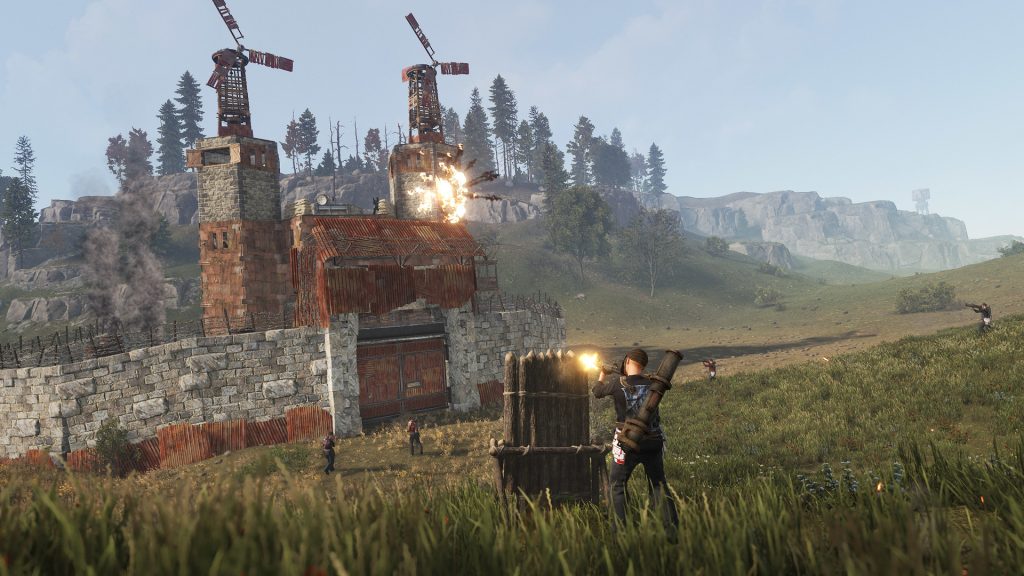
Rust is built around one uncompromising idea: players are the content. The game provides systems—crafting, building, combat—but refuses to define morality, fairness, or progression safety.
There are no protected zones beyond minimal starter areas. No artificial matchmaking. No mercy mechanics. Everything you build can be destroyed. Everything you own can be stolen.
This freedom creates meaning through risk. Achievements matter because they are fragile. Security feels valuable because it is temporary. Rust does not protect progress—it challenges it.
2. The Spawn Experience: Humiliation as Education
The first moments in Rust are intentionally cruel. You spawn naked, exposed, and clueless. Death comes quickly, often unfairly.
This is not poor onboarding—it is intentional conditioning. Rust teaches players early that vulnerability is the default state. You are not special. You are not safe. You must learn or suffer.
This brutal introduction filters players rapidly. Those who stay accept the rules. Those who leave were never meant to remain.
3. Survival Systems: Scarcity Drives Behavior
Rust’s survival mechanics—hunger, thirst, cold—are simple, but they shape behavior powerfully. Early-game scarcity forces desperate decisions: fight or flee, trust or betray, grind or gamble.
These systems push players into conflict organically. When resources are limited, cooperation becomes risky and competition becomes inevitable.
Importantly, Rust avoids artificial scarcity timers. Resources exist—but are contested. Scarcity is social, not mechanical.
4. Crafting and Progression: Power Accumulates Fast
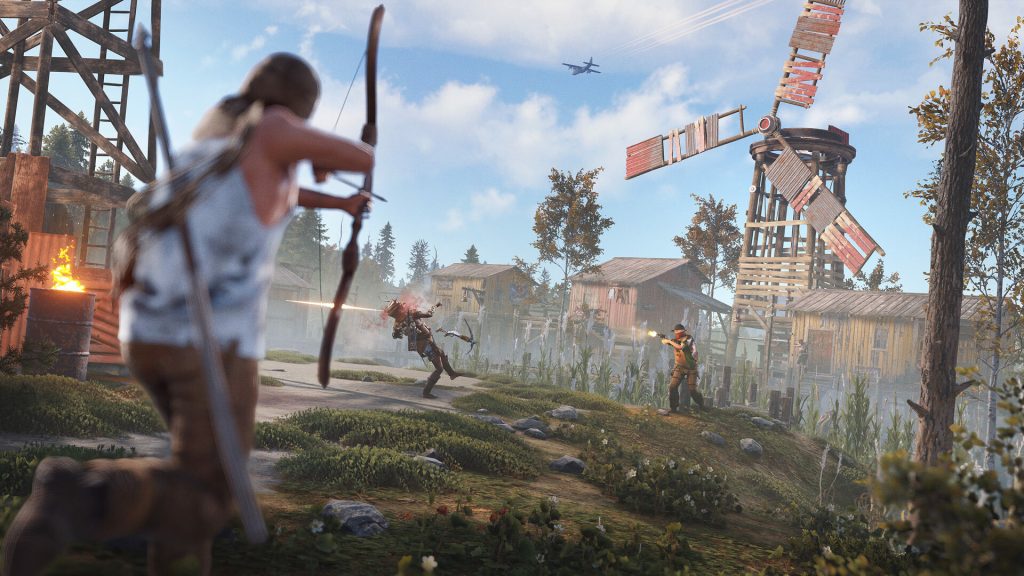
Progression in Rust is exponential. The jump from primitive tools to firearms is dramatic. Once clans secure advanced blueprints and resources, power consolidates quickly.
This creates server hierarchies. Early winners snowball. Latecomers struggle. Rust does not enforce balance—it observes imbalance.
This mirrors real-world power dynamics. Organization beats effort. Numbers beat skill. Rust does not pretend otherwise.
5. Base Building: Architecture as Psychology
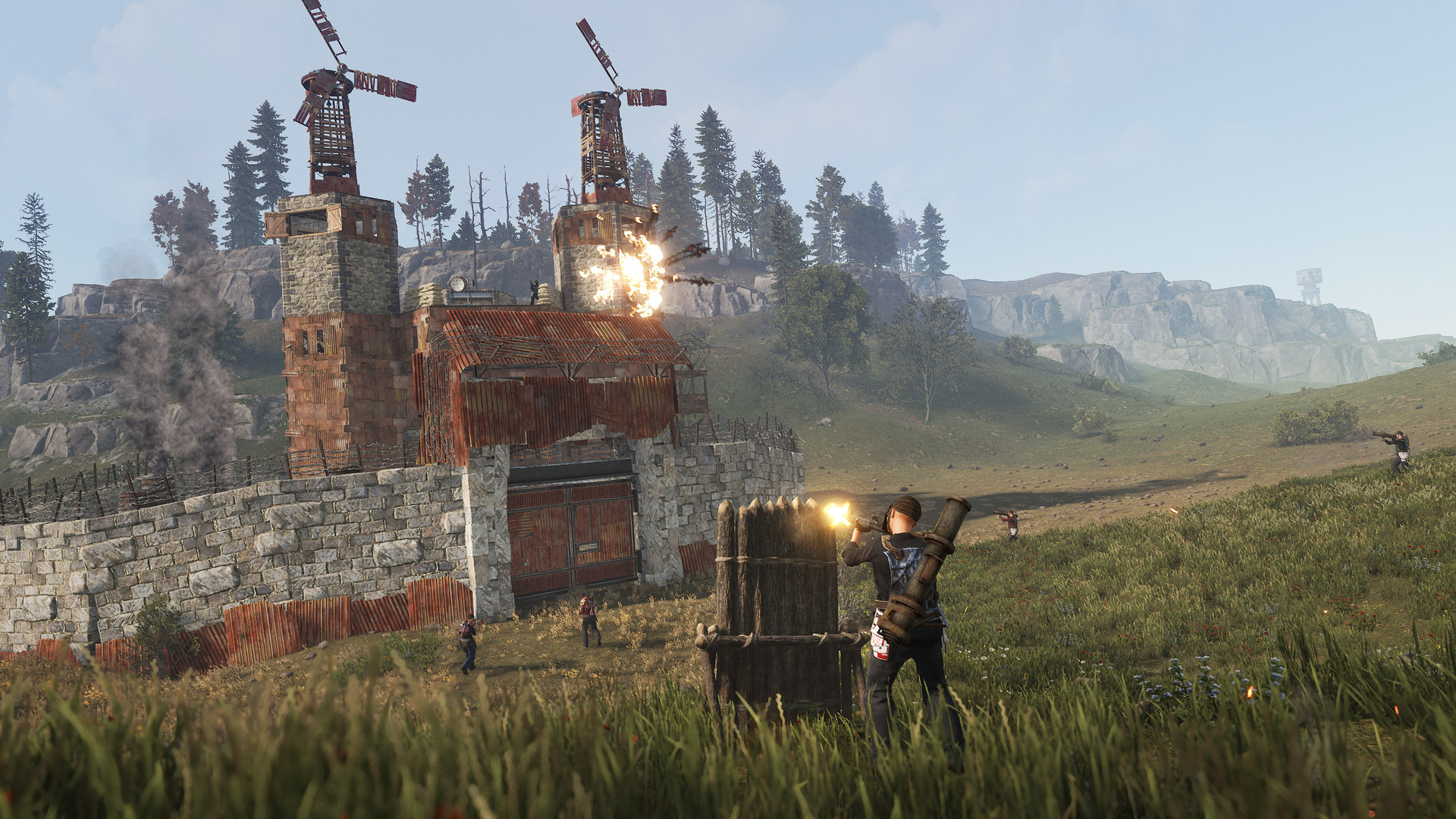
Building a base in Rust is not just about defense—it is about deterrence. Walls, traps, and layouts communicate intent: strength, paranoia, or vulnerability.
Good bases are not just hard to raid—they are psychologically exhausting to attack. Layers, fake entrances, and honeycombing turn raids into endurance tests.
Every base tells a story about its builders. Rust turns architecture into a form of social signaling.
6. PvP: Violence as Communication
Combat in Rust is raw and unforgiving. Weapons are lethal. Healing is limited. Mistakes are final.
But PvP is not just about killing—it is about sending messages. Raids assert dominance. Door camping humiliates. Griefing establishes reputation.
Rust’s violence is rarely random. It is strategic, emotional, and often personal. The game allows cruelty—and players decide how far to take it.
7. Trust, Betrayal, and Social Engineering
Few games make trust as dangerous as Rust. Alliances form quickly and dissolve faster. Voice chat enables negotiation—but also deception.
Betrayal is not punished mechanically. In fact, it is often rewarded. Rust leaves ethics entirely in the hands of players.
This creates unforgettable moments: inside jobs, fake friendships, long cons. Rust’s most memorable stories are almost never scripted—they are social crimes.
8. Servers as Self-Contained Societies
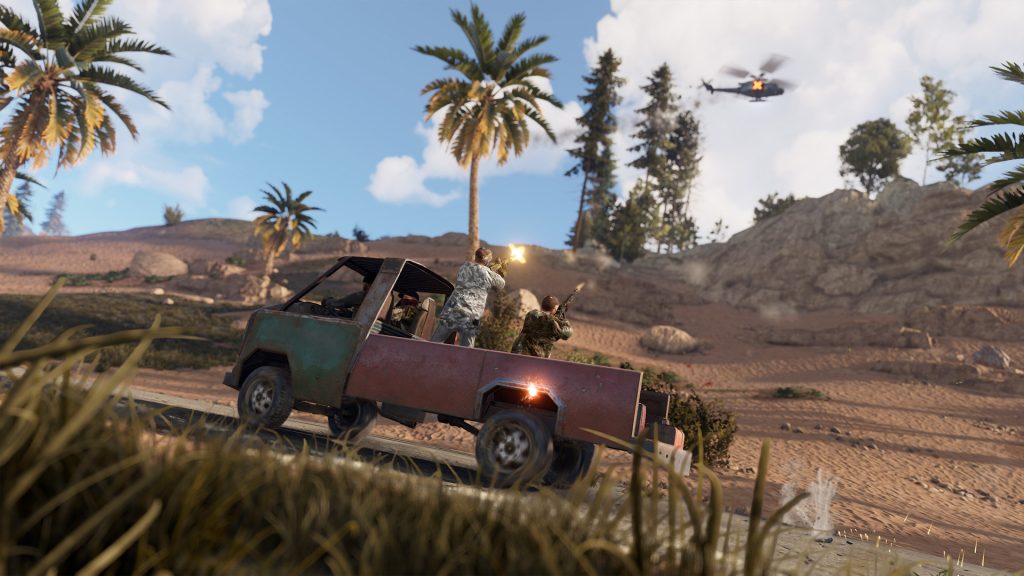
Each Rust server develops its own culture. Some are ruled by dominant clans. Others foster uneasy truces. Some devolve into chaos.
Admins, wipe schedules, and population density all shape behavior. Over time, servers become social ecosystems with norms, grudges, and legends.
Rust does not create a world—it creates many worlds, each defined by its inhabitants.
9. Emotional Highs, Lows, and Burnout
Rust delivers emotional intensity unmatched by most games. Victory feels euphoric. Loss feels devastating. Hours of work can vanish overnight.
This emotional volatility is both the game’s strength and its danger. Rust demands attention, time, and emotional resilience. Burnout is common.
Players must learn when to disengage—not because the game ends, but because it never does.
10. Rust’s Legacy: The Cost of True Freedom
Rust stands as a rare example of a game that refuses to soften its vision. It does not apologize for toxicity, imbalance, or brutality. Instead, it exposes them.
Its influence is visible across survival and extraction games that borrow its risk-reward philosophy. Few, however, go as far.
Rust proves that freedom creates meaning—but also cruelty. And that players, when unrestrained, will write stories no designer could predict.
Pros
Deep emergent gameplay driven entirely by player interaction
High emotional stakes make success meaningful
Flexible base-building and crafting systems
Unmatched social storytelling and unpredictability
Strong long-term engagement for dedicated players
Cons
Extremely hostile to new or solo players
High time investment required
Toxic behavior is common and largely unchecked
Progress can be wiped overnight
Emotionally exhausting over long periods
Conclusion: Rust Is Not Fair – It Is Honest
Rust does not care if you are skilled, kind, or patient. It cares only how you adapt. It is a game where survival is earned socially as much as mechanically.
For players who want comfort, structure, or protection, Rust is a nightmare. For those who want raw, unscripted human interaction—where power, fear, trust, and loss feel real—Rust is unmatched.
Rust does not give you a story.
It dares you to survive long enough to become one.