

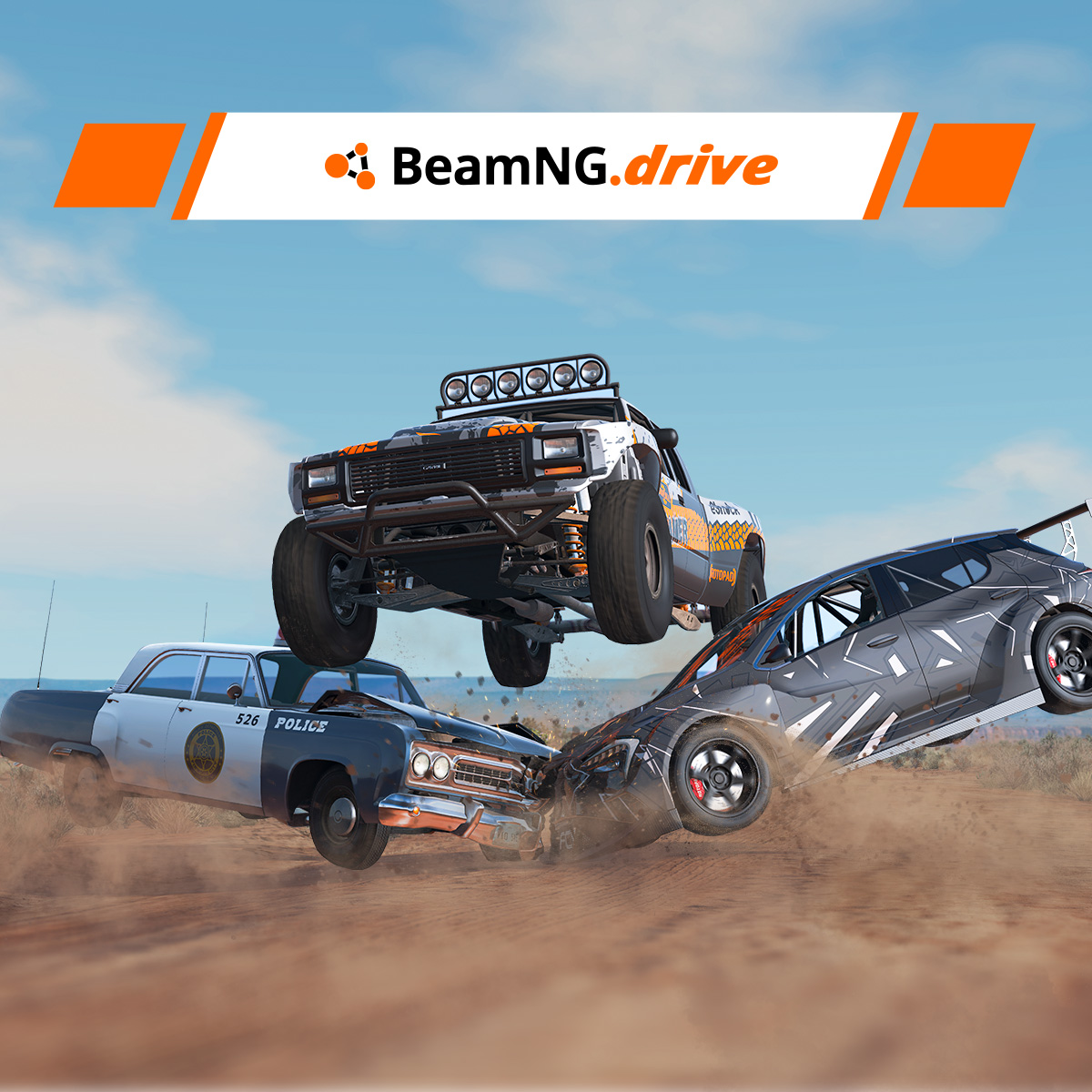
BeamNG.drive – Physics as Truth, Experimentation as Play, and the Freedom to Fail

Introduction: When the Simulation Refuses to Lie
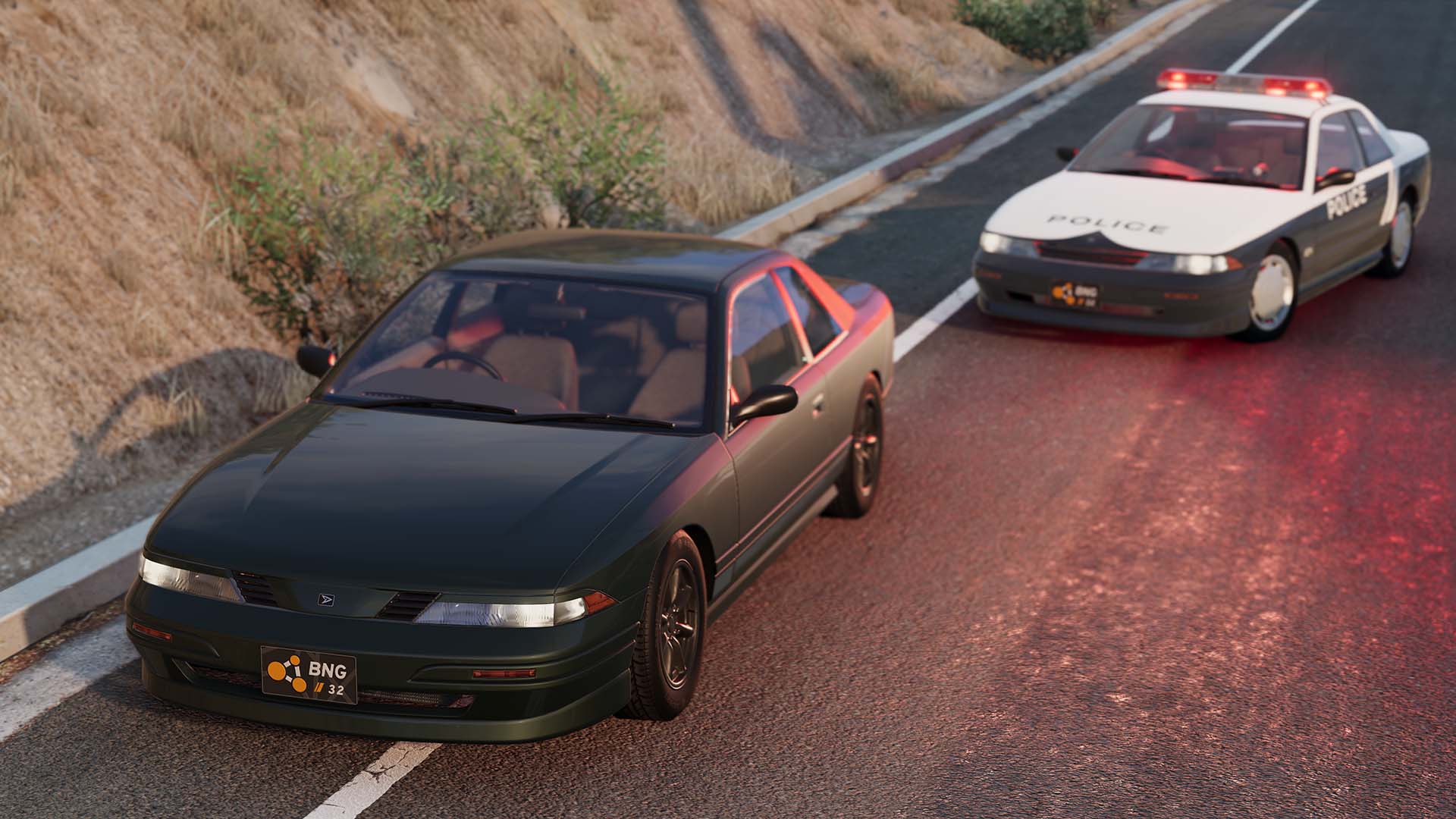
BeamNG.drive is often introduced as a driving game, but that framing undersells its ambition. At its core, BeamNG.drive is a physics laboratory where vehicles behave according to rules that do not bend for convenience or spectacle. There is no invisible hand correcting mistakes, no cinematic immunity to bad decisions. If you drive poorly, the consequences are immediate, visible, and permanent.
What makes BeamNG.drive remarkable is not just how accurately it simulates vehicles, but how it transforms accuracy into entertainment. The game invites players to test limits, to break things, and to learn through failure. This review explores BeamNG.drive as a system-first experience—examining how truthful physics, open-ended tools, and player curiosity combine to create one of the most honest and flexible vehicle sandboxes ever made.
Quick Info (Overview Box)
Release Year: 2015 (Early Access)
Genre: Vehicle simulation / Sandbox physics
Platforms: PC
Game Modes: Free Roam, Scenarios, Time Trials, Campaign (experimental), Modded Experiences
Target Audience: Simulation enthusiasts, modders, engineers-at-heart, and players who enjoy experimentation over competition
1. Core Design Philosophy: Physics Above All
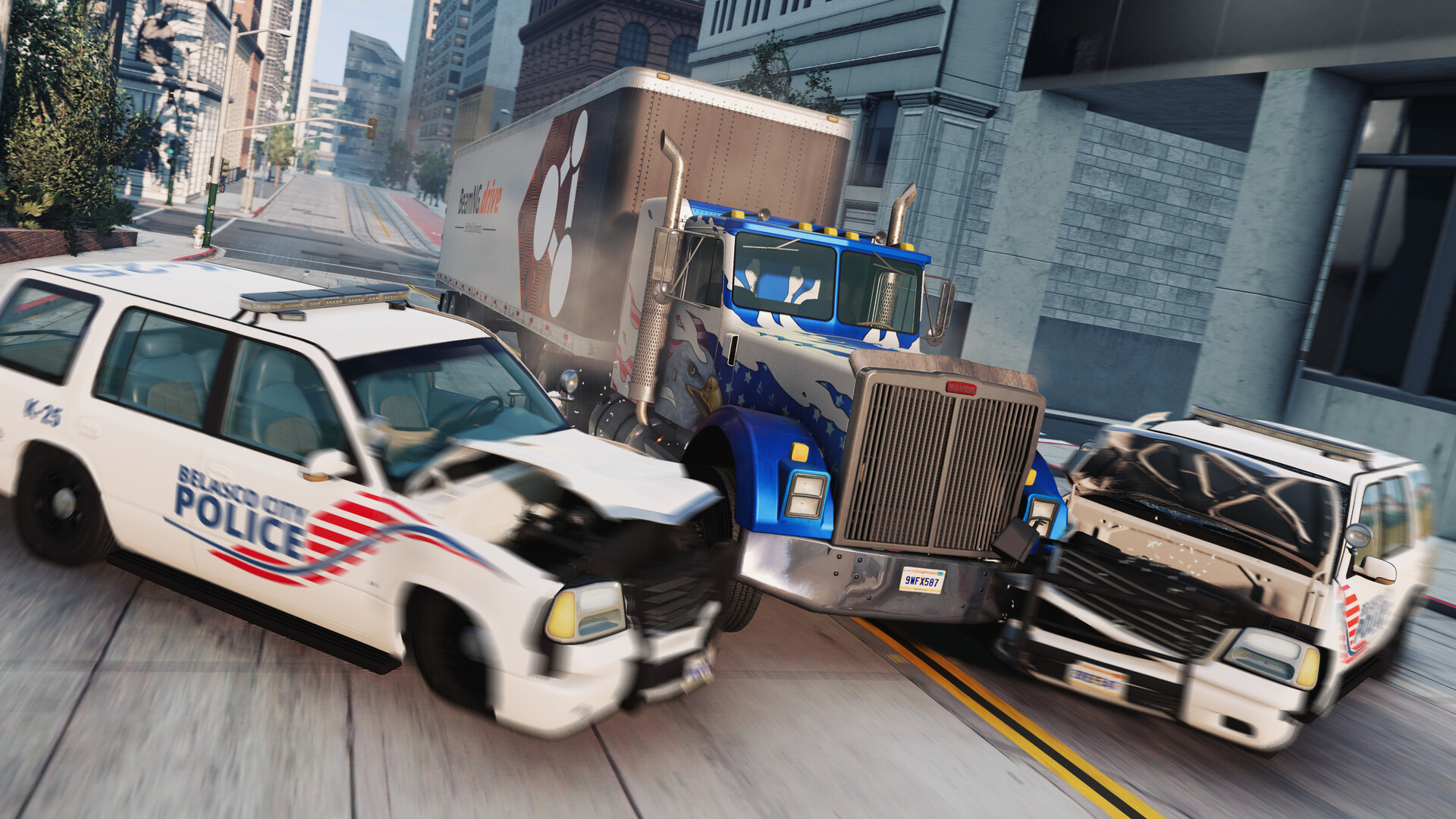
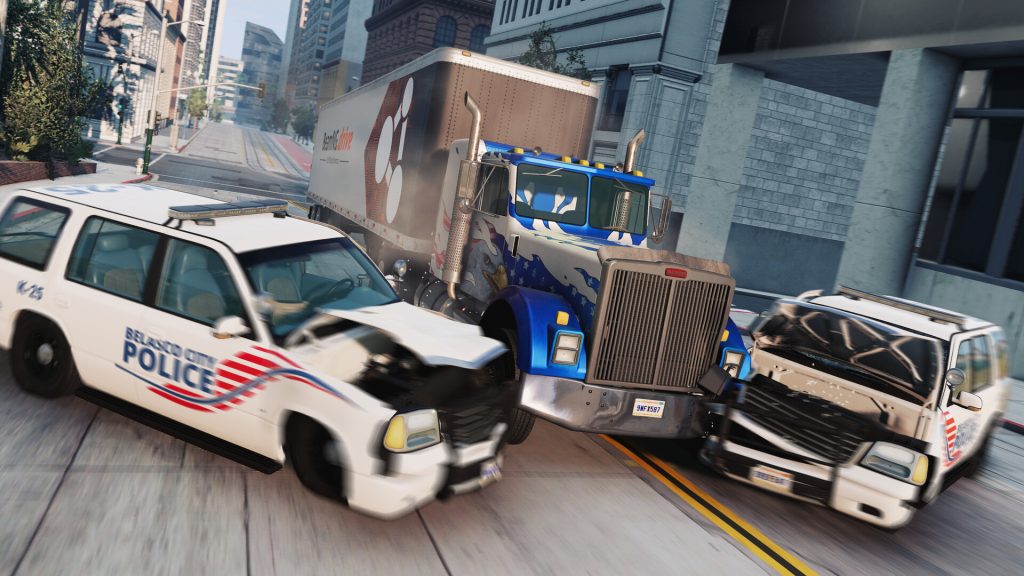
The defining principle of BeamNG.drive is uncompromising physical realism. Every vehicle is constructed from nodes and beams, allowing deformation to occur dynamically based on force, angle, and material stress.
This means crashes are not canned animations. They are outcomes. Two identical impacts can produce different results depending on speed, suspension load, terrain angle, and vehicle setup. The game does not simplify physics for fun—it derives fun from truth.
As a result, BeamNG.drive feels less like a game trying to entertain and more like a system willing to reveal consequences honestly.
2. Driving That Demands Respect
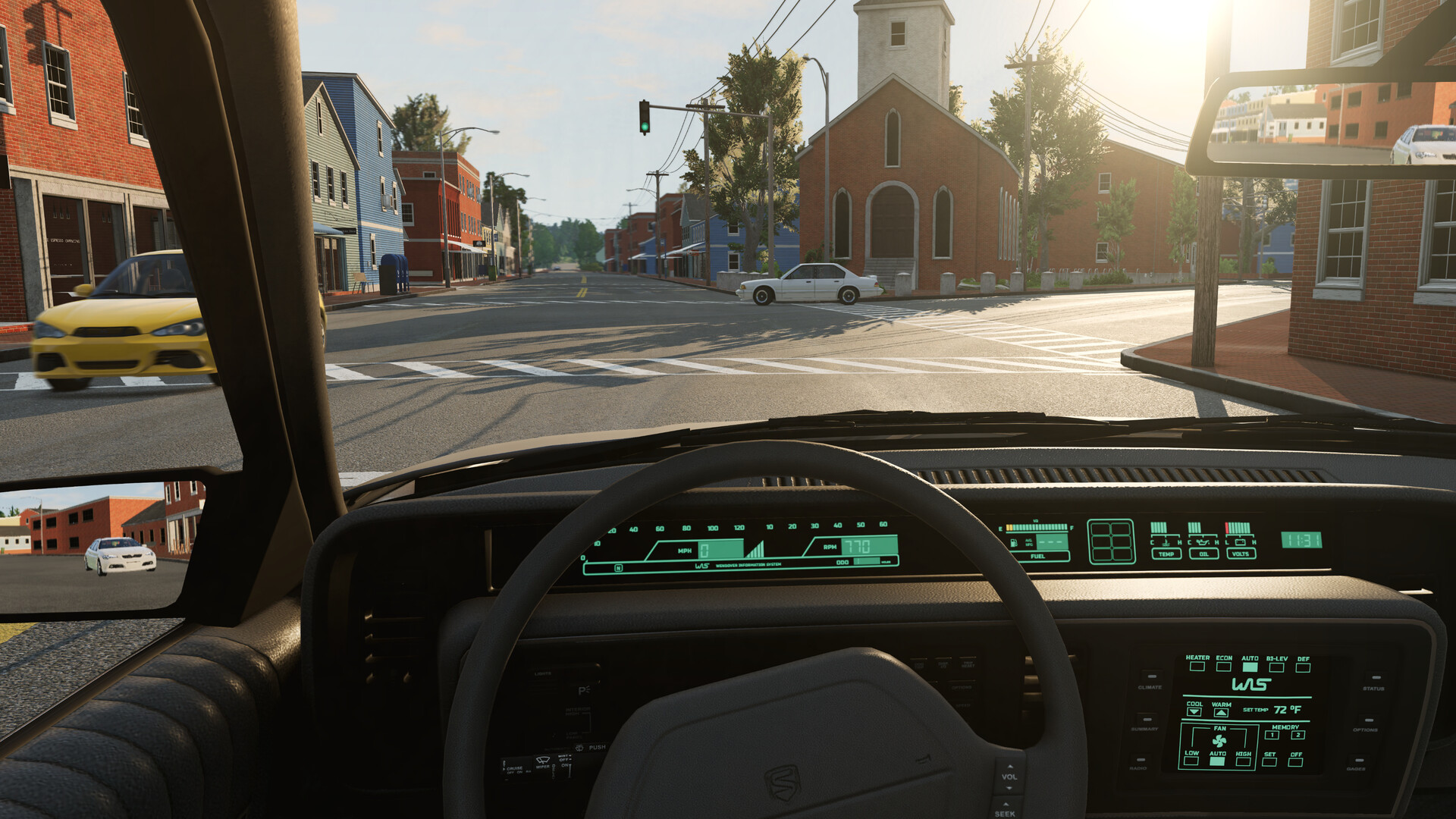
Driving in BeamNG.drive requires attention. Throttle control, braking distance, weight transfer, and traction all behave realistically. Vehicles do not snap back into control after mistakes.
This creates a unique emotional response. Speed feels dangerous. Corners feel earned. Success comes from restraint as much as aggression.
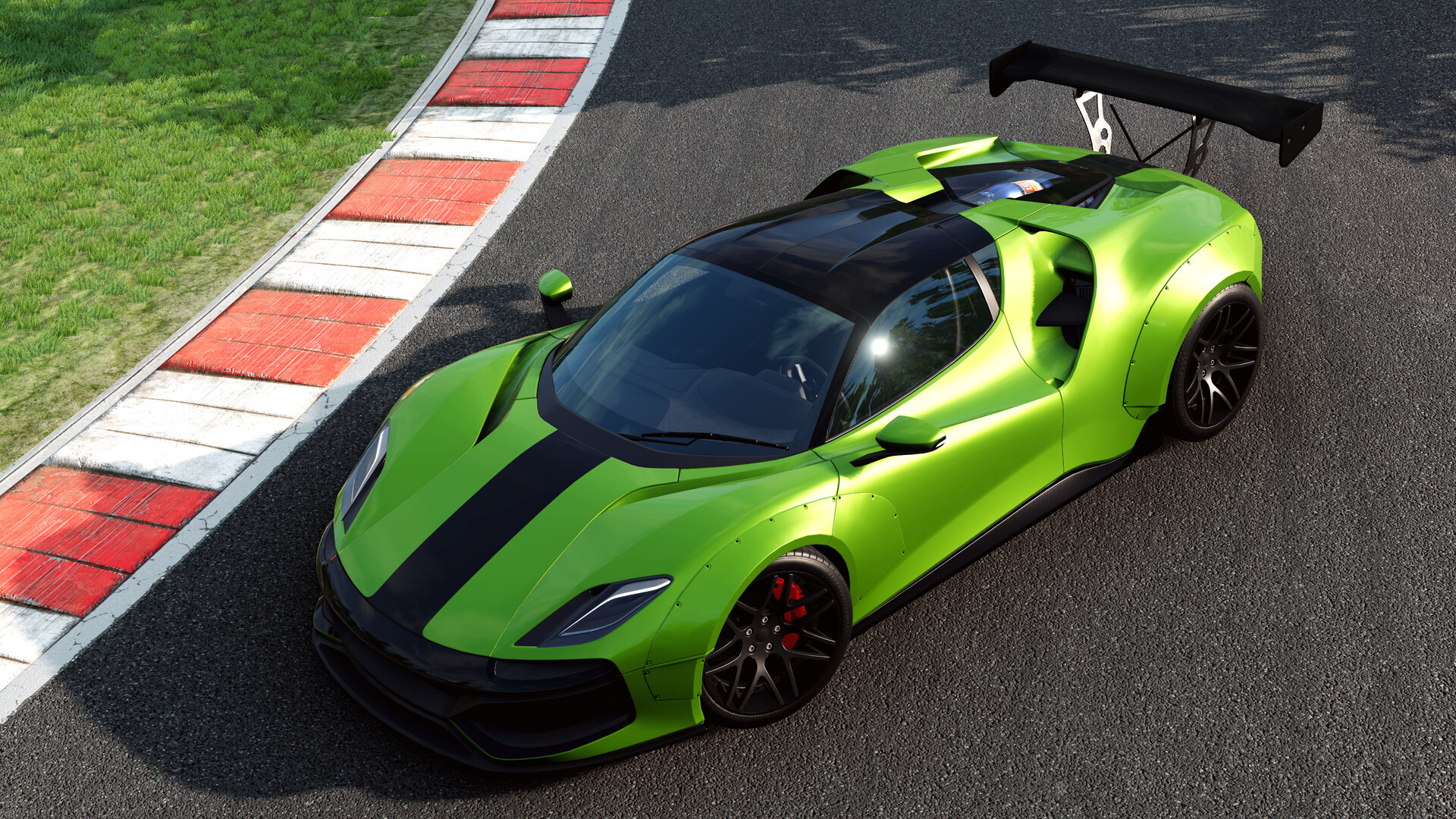
The absence of artificial assists means players must adapt to each vehicle’s personality. A rally car behaves differently from a truck, which behaves differently from a sports coupe. The game teaches respect for machinery through consequence.
3. Damage as Information
In BeamNG.drive, damage is not a failure state—it is feedback. Bent frames affect alignment. Broken suspension alters handling. Engine damage reduces power or causes shutdowns.
This persistent damage transforms gameplay. Players learn to diagnose problems by feel and sound rather than UI alerts. A pull to the left tells a story. A vibration signals danger.
Few games treat damage as a system with continuity. BeamNG.drive does, and in doing so, it turns crashes into learning moments rather than restarts.
4. Maps as Testing Grounds
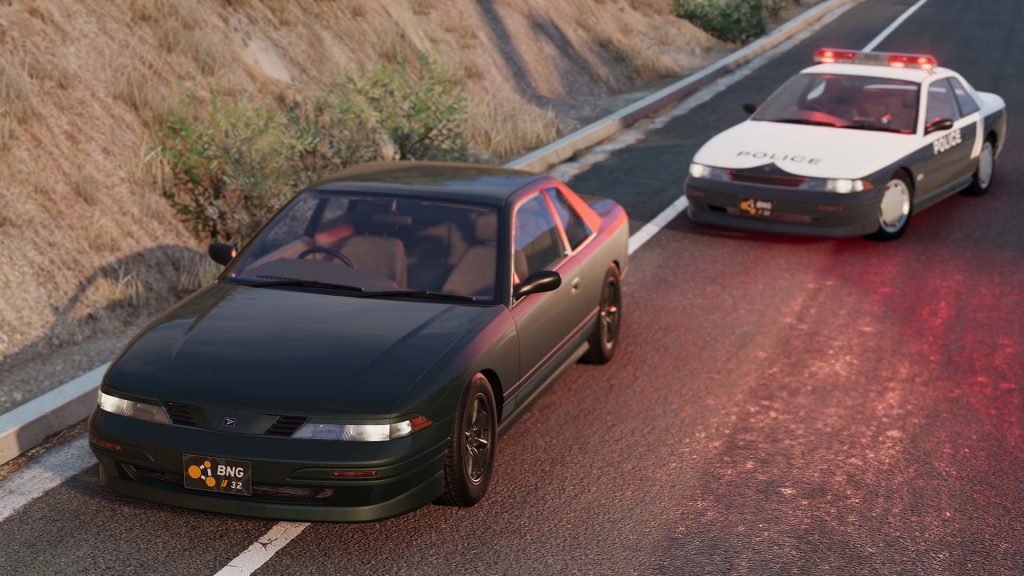
The environments in BeamNG.drive are not merely backdrops. They are testing instruments. Wide highways, narrow mountain roads, off-road trails, industrial test facilities—all exist to challenge different aspects of vehicle physics.
Terrain elevation, surface type, and road camber interact with vehicle setup in meaningful ways. A car that feels stable on asphalt may become uncontrollable on gravel. Weather and lighting further influence perception and reaction.
Maps are designed to provoke experimentation rather than guide objectives. They ask, “What happens if you try this?”
5. Scenarios: Structure Without Restriction
While BeamNG.drive thrives in freeform play, its scenarios provide structured challenges that showcase the physics engine. Delivery missions, chases, stunt tests, and emergency responses add context without undermining realism.
These scenarios rarely demand perfection. Instead, they test adaptability. Completing a mission with a damaged vehicle is often more impressive than completing it flawlessly.
The scenarios feel like thought experiments—ways to explore “what if” situations within a consistent physical framework.
6. Modding: A Community of Engineers
One of BeamNG.drive’s greatest strengths is its modding ecosystem. Vehicles, maps, scenarios, and even core systems are extensible.
Modders create everything from hyper-realistic vehicle recreations to absurd experimental contraptions. Importantly, mods inherit the same physics rules as base content. They are not exceptions—they are participants.
This consistency preserves the game’s integrity. Whether official or community-made, content must obey the same physical laws.
7. Player Psychology: Learning Through Failure
BeamNG.drive quietly retrains player expectations. Failure is not punished—it is documented. The game encourages players to analyze what went wrong and adjust.
This creates a mindset closer to engineering than gaming. Players test hypotheses: What if I stiffen the suspension? What if I approach the corner slower? What if I overload the cargo?
Progress feels intellectual rather than mechanical. Improvement comes from understanding systems, not unlocking upgrades.
8. Performance and Technical Demands
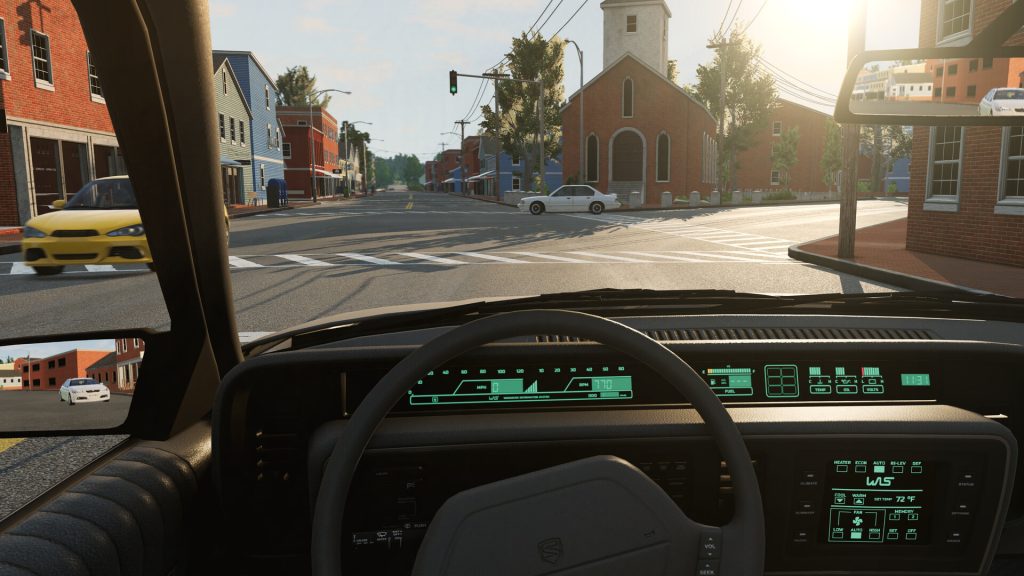
The fidelity of BeamNG.drive comes at a cost. The game is CPU-intensive, especially during complex collisions or with multiple vehicles active.
This limits accessibility for lower-end systems. However, the developers provide extensive settings to scale performance, reflecting their awareness of technical constraints.
BeamNG.drive prioritizes accuracy over mass appeal—and accepts the trade-off consciously.
9. What BeamNG.drive Is Not
BeamNG.drive is not a racing game in the traditional sense. There are no leaderboards pushing competition as the primary motivator. It is not an arcade experience. It does not chase instant gratification.
Players seeking scripted progression or constant rewards may find it aimless. The game demands self-direction. It gives tools, not goals.
This is both its limitation and its strength.
10. Longevity Through Truth
BeamNG.drive’s longevity does not come from content churn. It comes from reliability. Players trust the simulation to behave consistently, even when outcomes differ.
This trust encourages endless experimentation. As long as curiosity exists, the game remains relevant. New vehicles, maps, and scenarios extend possibilities—but the core remains unchanged.
BeamNG.drive does not age because physics does not age.

Pros
Industry-leading soft-body physics simulation
Damage and vehicle behavior feel authentic and educational
Open-ended sandbox encourages experimentation
Strong modding community with consistent quality
Scenarios complement freeform play without restricting it
Cons
High hardware requirements
Minimal guided progression
Not suited for arcade-style racing fans
Steep learning curve for casual players
Focus on realism may limit mainstream appeal
Conclusion: A Game That Tells the Truth
BeamNG.drive succeeds because it refuses to compromise with reality. It trusts players to find enjoyment in honesty—in systems that behave predictably even when outcomes are unpredictable.
For players who value experimentation, learning, and the satisfaction of understanding complex systems, BeamNG.drive offers something rare: a game that does not protect you from your own decisions.
It does not reward speed.
It rewards understanding.