

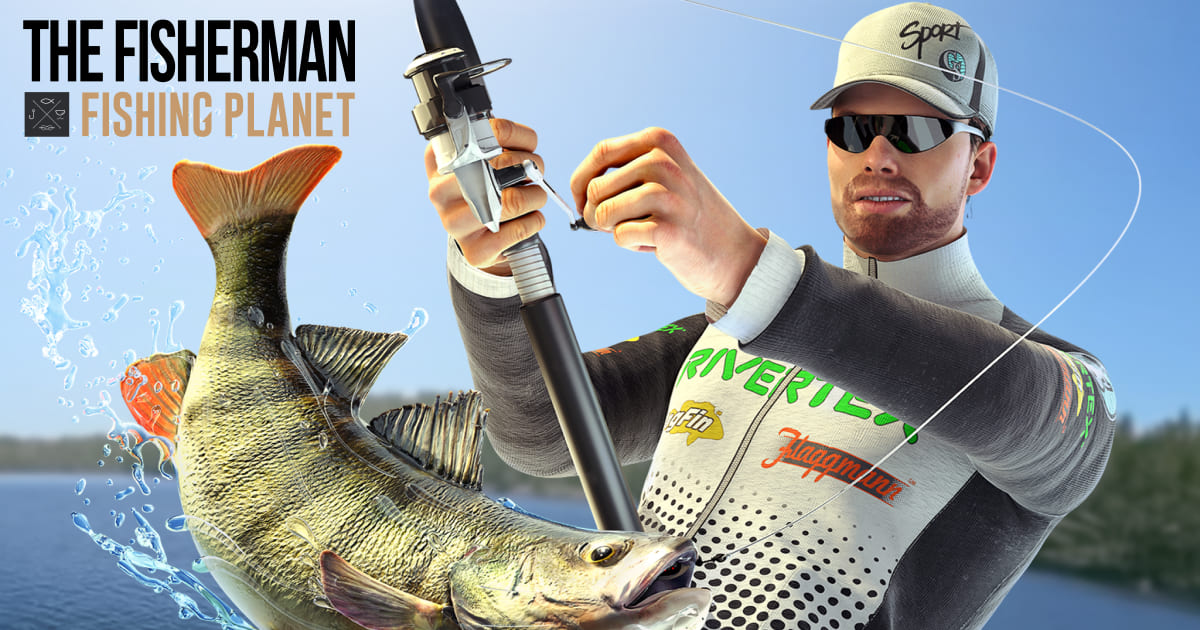
Fishing Planet – Simulation Patience, Environmental Literacy, and the Quiet Discipline of Virtual Angling
Introduction: A Game About Waiting That Refuses to Be Idle
Fishing Planet is often mistaken for a relaxing pastime with minimal demands. That assumption dissolves quickly. Fishing Planet is not a casual fishing toy; it is a systems-driven simulation that asks players to learn environments, read conditions, and accept uncertainty as the core of play. Progress is not measured in reflexes or spectacle, but in understanding—of water, weather, species behavior, equipment interactions, and timing.
This review approaches Fishing Planet as a study in discipline and environmental literacy. It examines how the game transforms patience into skill, how it teaches players to think probabilistically, and why its quiet intensity can feel more demanding than many action-heavy titles. Fishing Planet is not about catching fish quickly. It is about learning why you catch them at all.
Quick Info (Overview Box)
Release Year: 2015
Genre: Fishing simulation / Sports
Platforms: PC, PlayStation, Xbox
Game Modes: Single-player progression, Online multiplayer, Competitive events
Target Audience: Simulation enthusiasts, players who value realism and learning curves, and those drawn to methodical, low-noise gameplay
1. Core Design Philosophy: Reality as the Rulebook
At the heart of Fishing Planet lies a strict commitment to realism—not photorealism, but systemic realism. Fish behave according to species-specific rules. Water temperature, time of day, barometric pressure, wind, and location all influence outcomes.
The game does not explain these systems upfront. Instead, it expects players to observe patterns, test assumptions, and adjust strategies. This is a deliberate design choice. By withholding certainty, Fishing Planet transforms learning into the primary loop.
Success is never guaranteed. It is inferred.
2. The Environment as a Living Variable
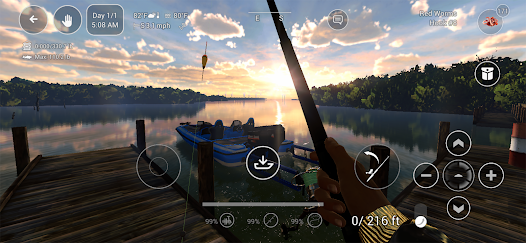
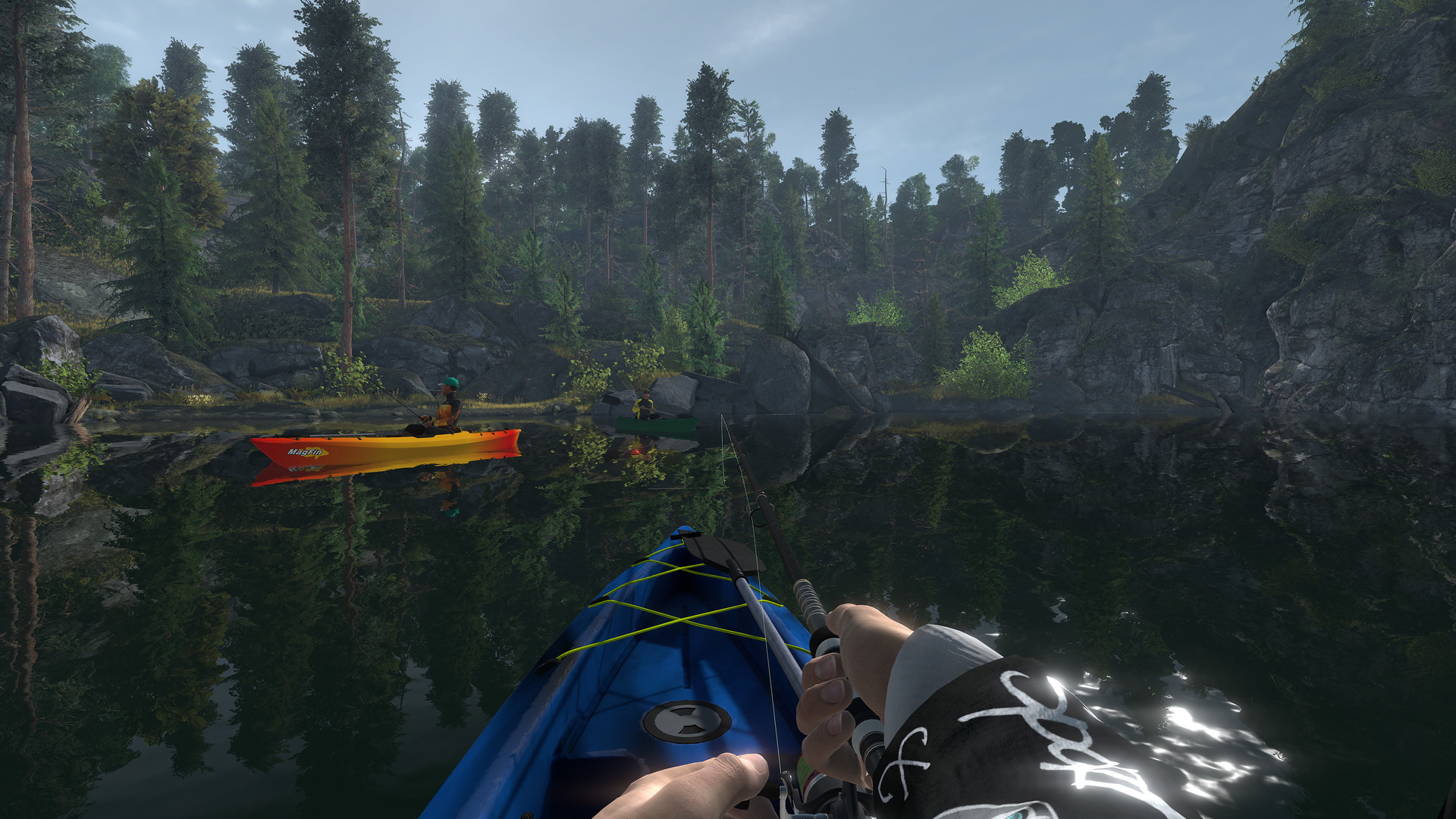
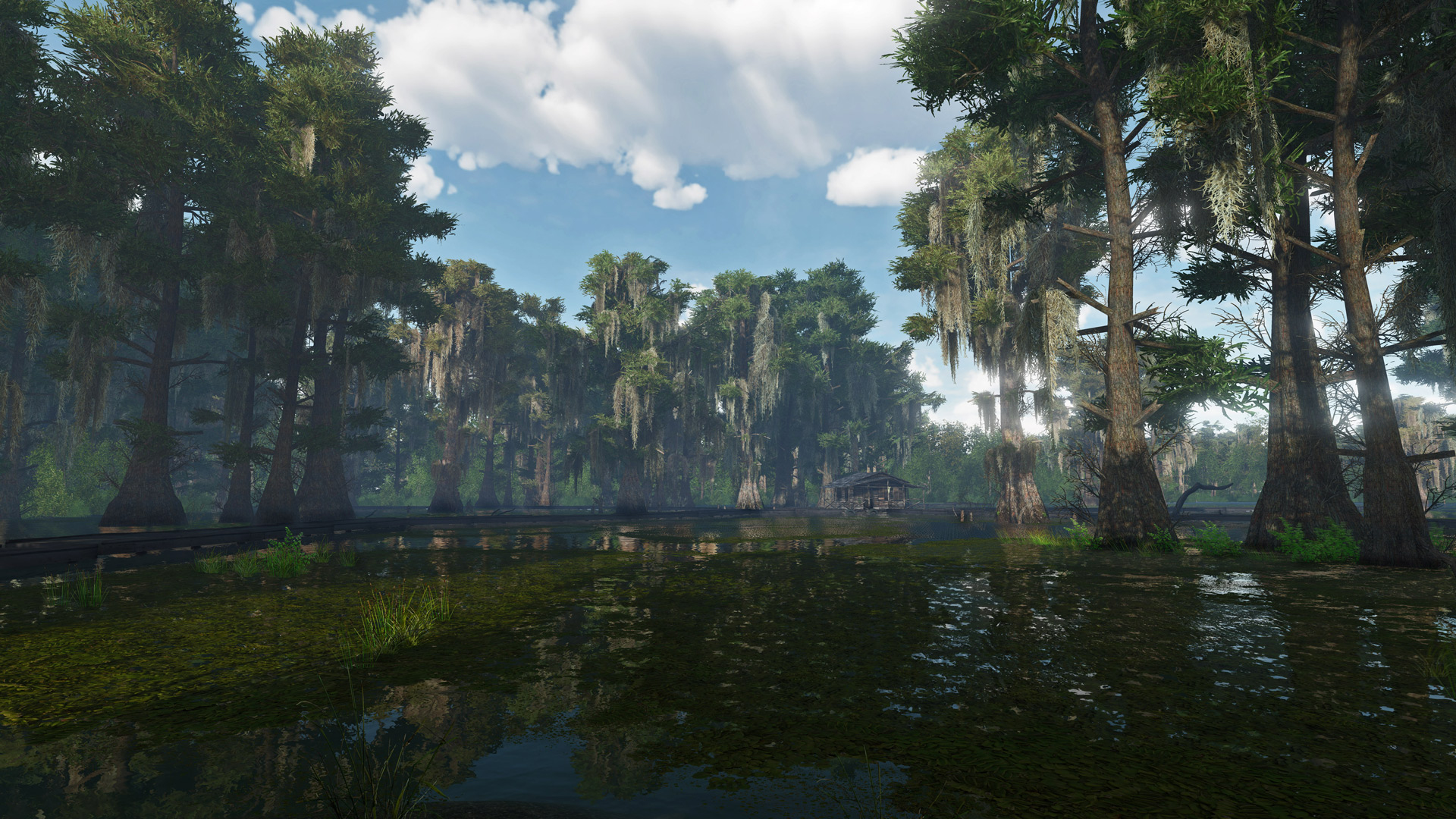
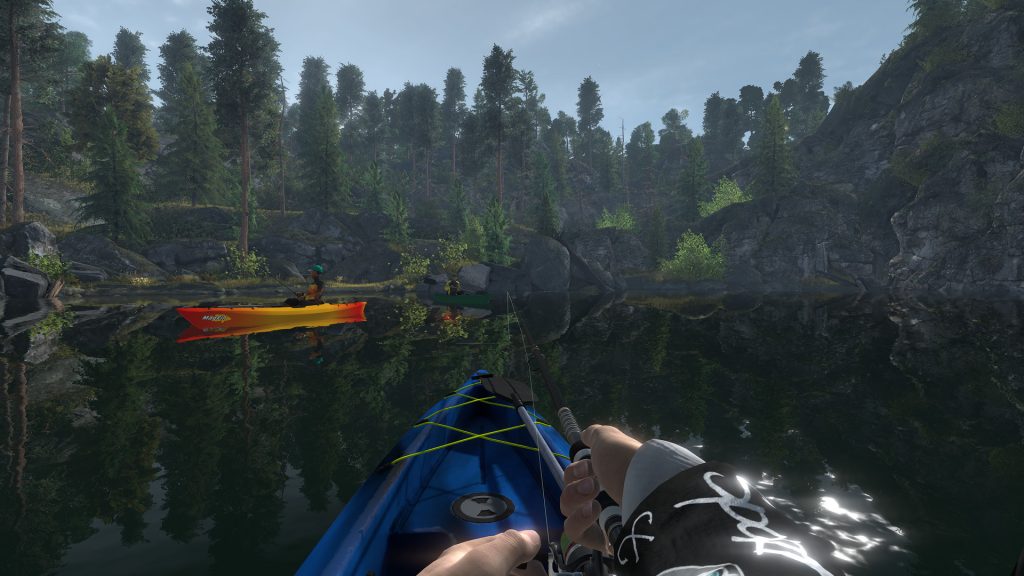
Fishing Planet’s locations are not static backdrops. Rivers, lakes, and coastal waters function as complex systems with shifting conditions. A spot that was productive an hour ago may suddenly go cold.
This forces players to read environments actively. Subtle cues—ripples, depth changes, weed lines—matter. Choosing where to stand can be as important as choosing what to cast.
The environment is not an obstacle. It is the opponent—and the teacher.
3. Fish Behavior: Probability Over Certainty
Unlike arcade fishing games, Fishing Planet does not operate on fixed bite timers or scripted encounters. Fish behavior is probabilistic. Even with optimal setup, results vary.
This introduces emotional friction. Players can do everything “right” and still fail. Over time, however, patterns emerge. Certain lures perform better under specific conditions. Some species feed aggressively only during narrow windows.
This uncertainty mirrors real-world fishing and reinforces the game’s philosophy: mastery comes from trend recognition, not guarantees.
4. Equipment as a System of Trade-Offs
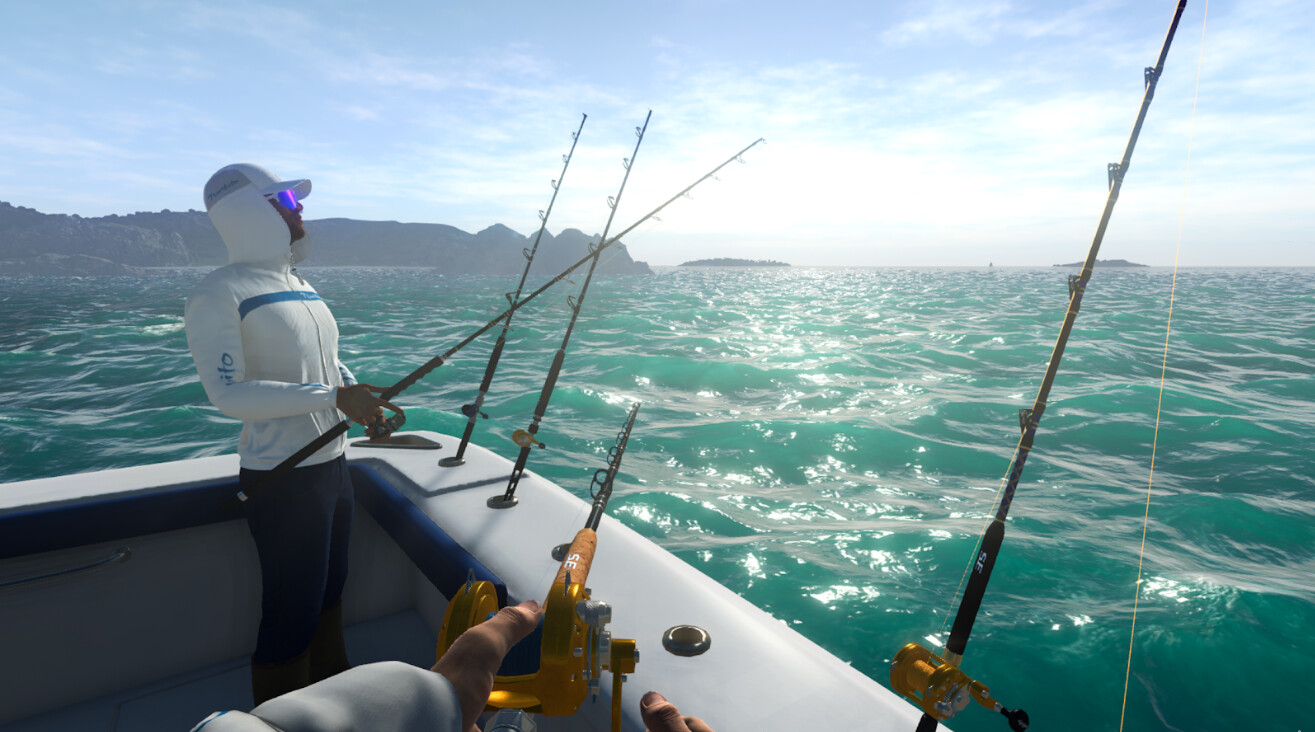
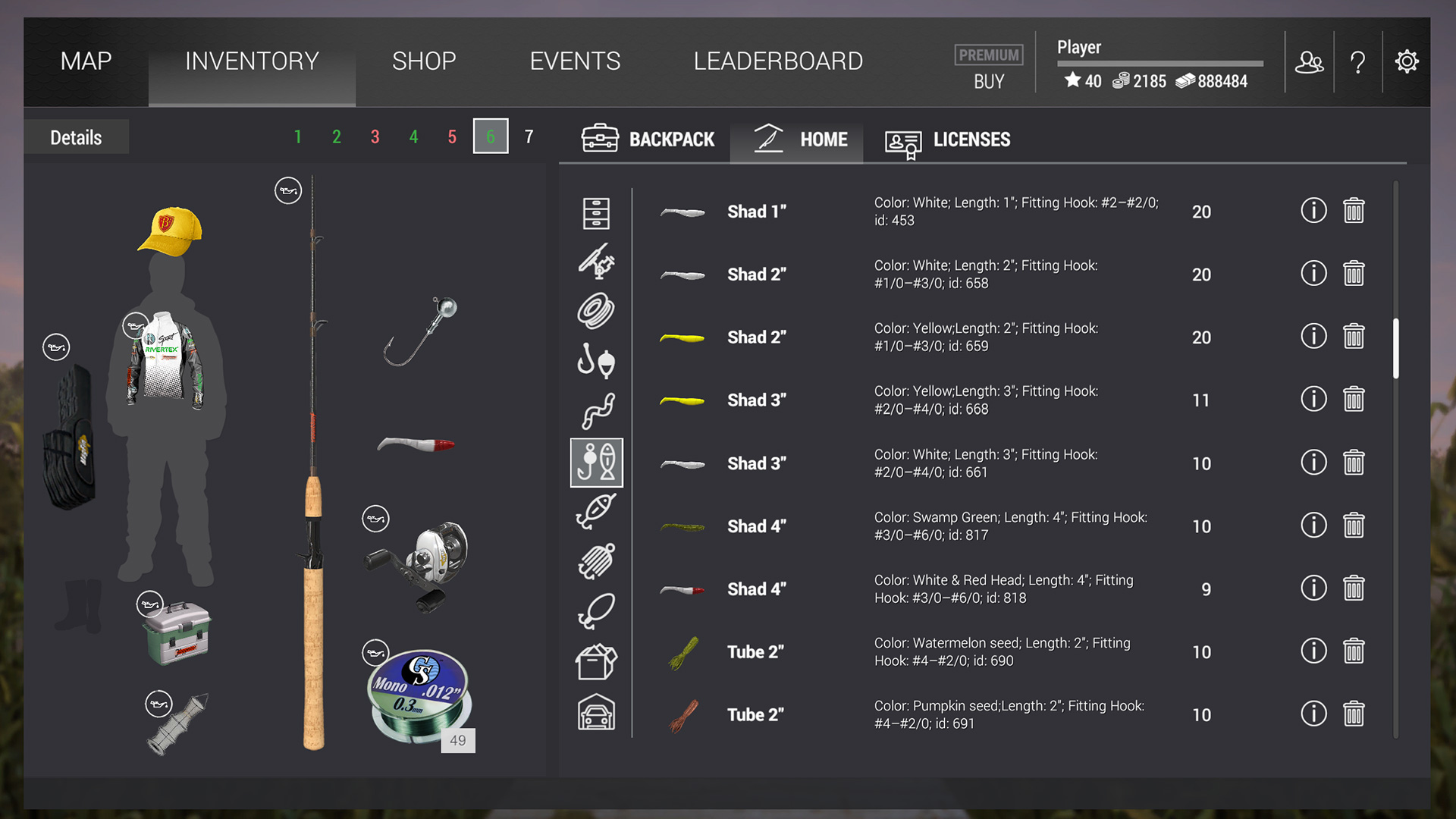
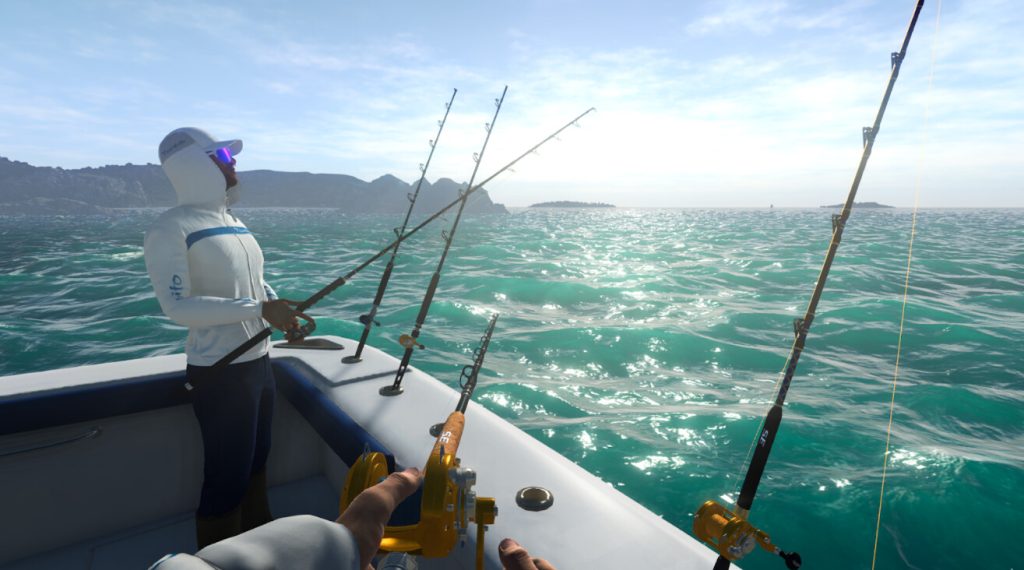
Fishing Planet’s gear system is deep and unforgiving. Rods, reels, lines, leaders, hooks, lures, and bait all interact with each other—and with fish size and behavior.
Overgearing trivializes fights but increases costs and risk. Undergearing creates thrilling tension but invites breakage and loss. Balance is everything.
The game punishes ignorance harshly. Poor equipment choices lead to snapped lines, broken rods, and lost fish. Yet these failures feel fair because the systems are consistent.
5. Technique and Presentation
Casting is not merely directional. Retrieval speed, depth control, and lure action all influence outcomes. A slight change in retrieve pattern can mean the difference between silence and a strike.
This elevates technique into a core skill. Players learn to “work” a lure, adjusting tempo and angle based on conditions. Fishing becomes active rather than passive.
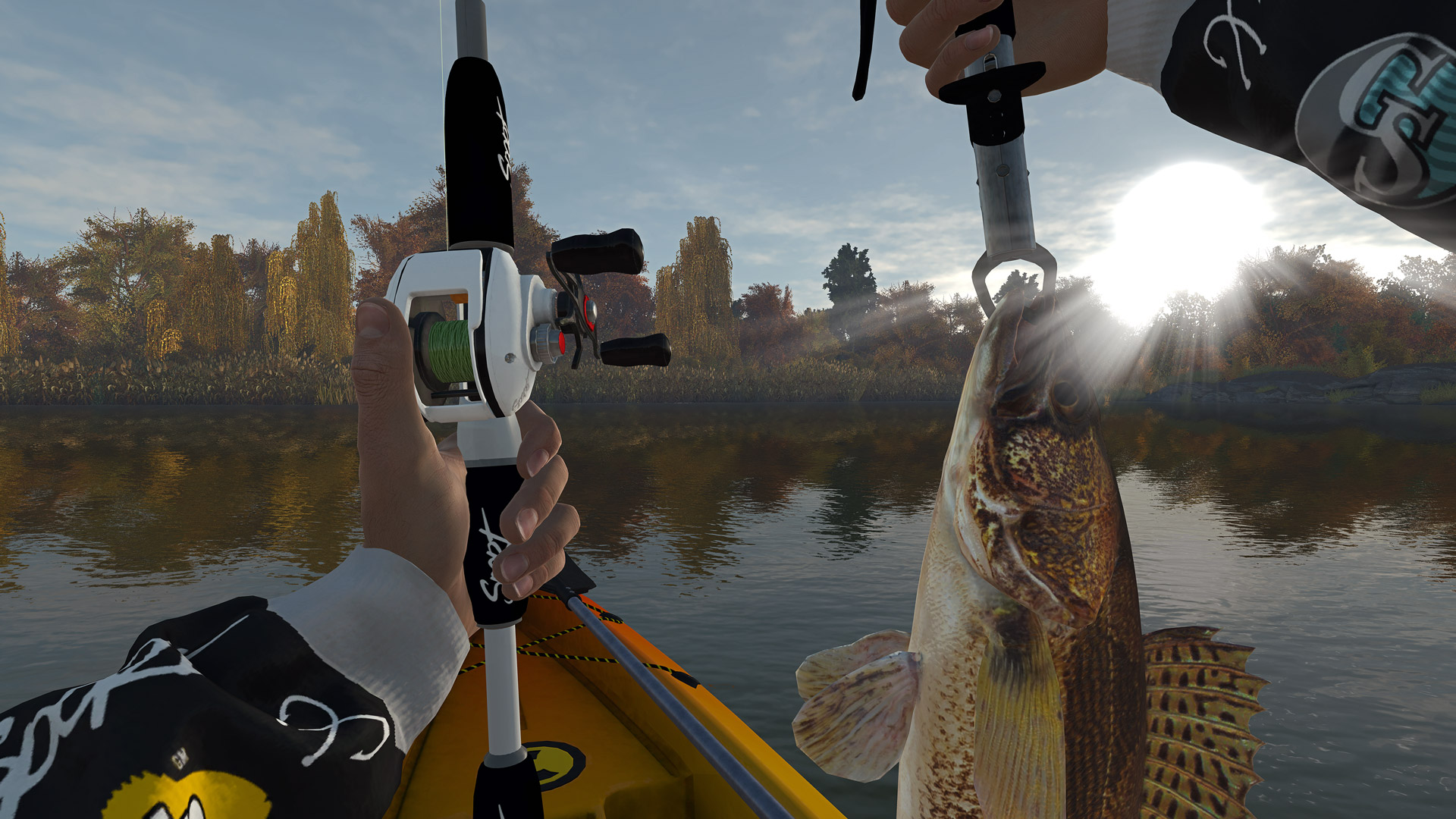
The result is a tactile satisfaction rarely associated with virtual fishing. Every successful catch feels constructed, not gifted.
6. Time, Patience, and Player Psychology
Fishing Planet challenges modern gaming habits. It asks players to slow down, to wait, and to accept that nothing happening can still be meaningful.
This can be uncomfortable. Many players initially interpret inactivity as failure. Over time, they learn that waiting is part of the process. Patience becomes a strategic resource.
The game subtly trains emotional regulation. Impulsiveness leads to mistakes. Calm observation leads to improvement.
7. Progression: Knowledge Over Power
Progression in Fishing Planet is tied less to raw power and more to access. Higher levels unlock new locations, species, and equipment—but they do not invalidate earlier knowledge.
A skilled player with basic gear can outperform an inexperienced player with advanced equipment. Understanding fish behavior always trumps spending power.
This progression model rewards learning and discourages shortcuts. Advancement feels earned through competence, not accumulation.
8. Multiplayer and Competitive Play
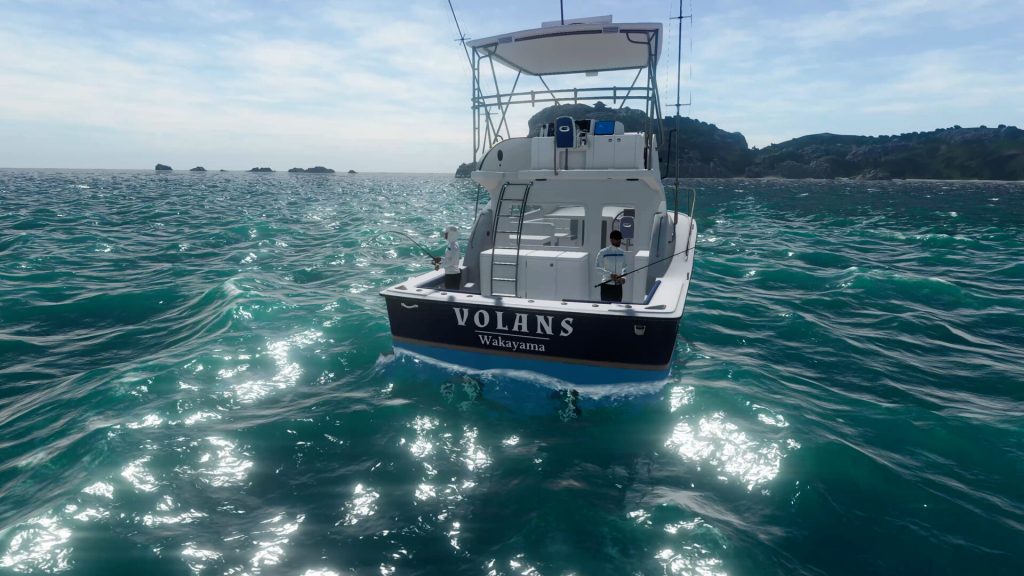
Multiplayer in Fishing Planet is understated but meaningful. Players share locations, observe each other’s techniques, and compete in events.
Competitive tournaments test efficiency rather than luck. Knowing where to fish, when to fish, and what to use becomes decisive. Small optimizations compound quickly.
Importantly, competition remains calm. There is no trash talk dominance. The atmosphere is focused, almost meditative—even under pressure.
9. Monetization and the Line Between Convenience and Integrity
Fishing Planet operates on a free-to-play model with optional purchases. Premium currency can accelerate progression, reduce grind, or improve convenience.
This creates tension. While skill remains decisive, time advantages can influence experience. Players sensitive to monetization may find the economy demanding.
However, the core systems remain intact. Money cannot replace understanding. At high levels, knowledge still determines success.
10. What Fishing Planet Ultimately Asks of Players
Fishing Planet is not trying to entertain constantly. It is trying to teach attention. It asks players to notice small changes, track patterns, and accept slow feedback.
This makes it niche by design. Players seeking instant gratification or spectacle may disengage quickly. Those willing to invest mentally will find a surprisingly rich simulation.
The game respects intelligence and patience more than speed.
Pros
Deep, consistent simulation systems
Meaningful environmental and behavioral realism
Equipment choices create real trade-offs
Strong sense of earned mastery
Calm, focused competitive atmosphere
Cons
Steep learning curve with limited onboarding
Slow pacing may not suit all players
Monetization can feel restrictive over time
Early progression can be grind-heavy
Limited narrative or thematic variety
Conclusion: Mastery Through Observation
Fishing Planet succeeds by committing fully to its premise. It does not soften reality to maintain engagement. It trusts players to learn, to fail, and to improve through observation.
For players who value systems, patience, and the quiet satisfaction of understanding complex interactions, Fishing Planet offers a uniquely disciplined experience. It transforms waiting into action, uncertainty into strategy, and silence into feedback.
Fishing Planet does not reward haste.
It rewards attention.