
Modern Warships – Naval Power Fantasy, Systems Complexity, and the Psychology of Modern Military Control
Introduction: The Weight of Command on Open Water
Modern Warships does not attempt to recreate naval warfare as a pure simulation, nor does it reduce it to arcade chaos. Instead, it occupies a deliberate middle ground: a modern naval combat game that emphasizes command, loadout strategy, and situational awareness over twitch reflexes. The player is not a sailor pulling triggers—they are a commander managing platforms of destruction across vast distances.
What makes Modern Warships notable is not just its theme, but its ambition on mobile and PC platforms. It seeks to convey the scale, lethality, and complexity of modern naval warfare in sessions short enough for casual play, yet deep enough to reward long-term investment. This review examines Modern Warships through systems design, player psychology, and how it translates modern military power into an interactive experience.
Quick Info (Overview Box)
Release Year: 2022
Genre: Naval combat / Military action
Platforms: Mobile (Android, iOS), PC
Game Modes: Online PvP, Co-op missions, Custom battles
Target Audience: Players interested in modern military hardware, strategic combat, and progression-driven multiplayer
1. Core Design Philosophy: Command Over Control
The central idea of Modern Warships is that naval combat is about decision-making at scale, not mechanical precision. Ships are massive, slow to turn, and heavily armed. Weapons fire over long distances, often guided by systems rather than reflexes.
This shifts player focus from reaction speed to prioritization. Which target matters most? When should missiles be deployed? Is air defense needed now or later? The game consistently reinforces the feeling of commanding a war machine rather than piloting a vehicle.
This approach gives Modern Warships a distinctive identity among military games, especially on mobile.
2. Ships as Strategic Platforms
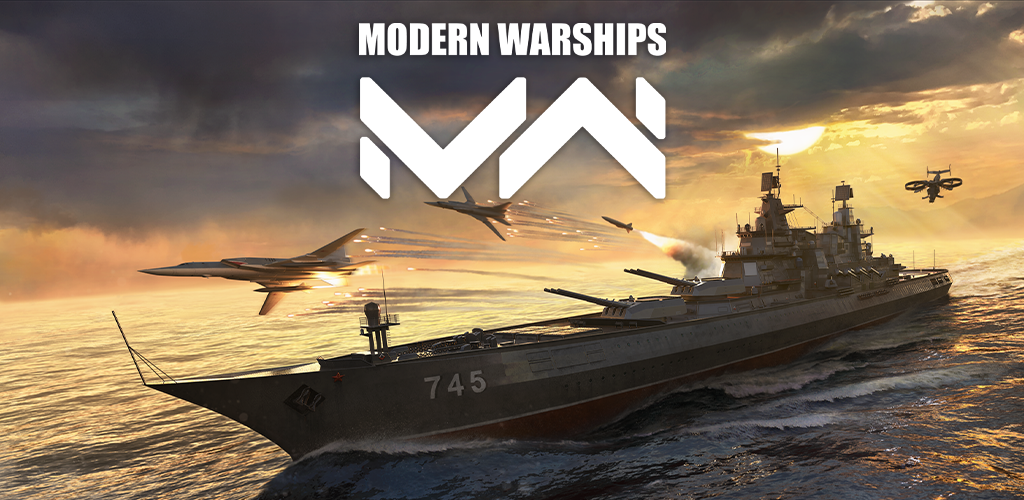
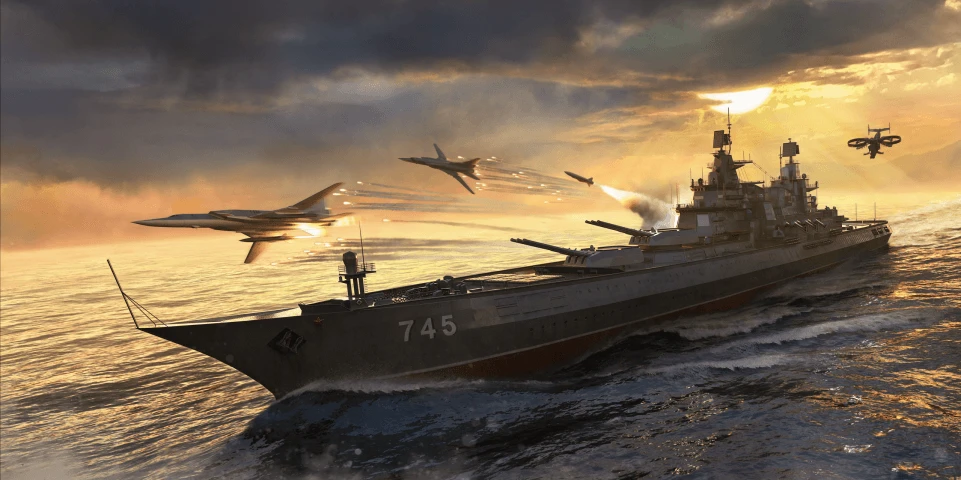
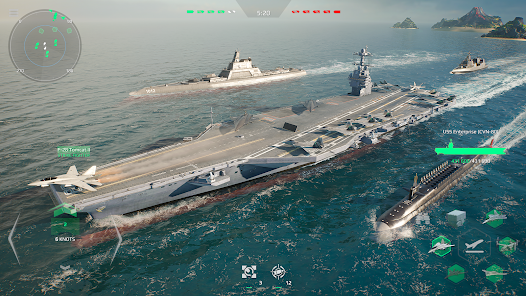
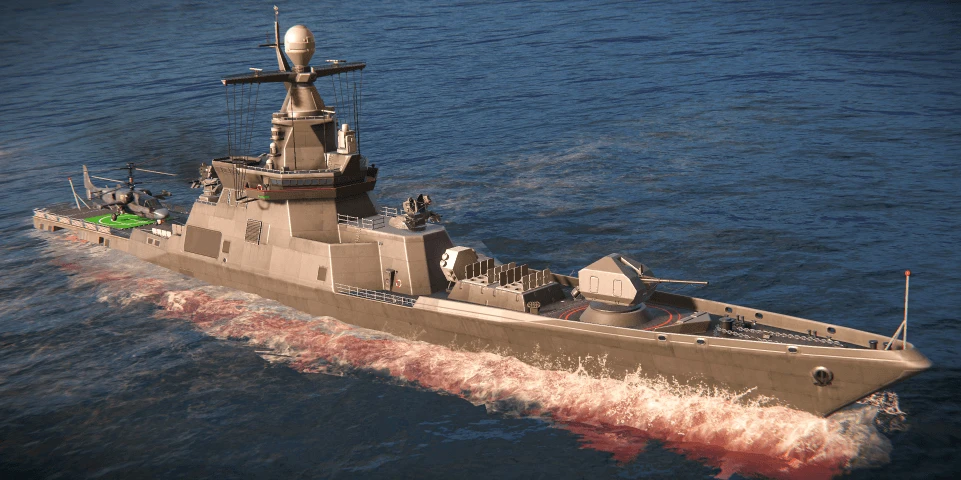
Each vessel in Modern Warships is defined less by movement and more by capability. Destroyers, cruisers, aircraft carriers, submarines, and frigates all occupy distinct tactical roles.
Ships are platforms for systems: missile batteries, torpedoes, radar, helicopters, and defensive countermeasures. Choosing a ship is effectively choosing a doctrine. Aggressive missile pressure, area denial, air superiority, or support-focused playstyles all emerge naturally from ship selection.
This reinforces strategic diversity without relying on character classes or artificial roles.
3. Weapon Systems: Layers of Modern Lethality
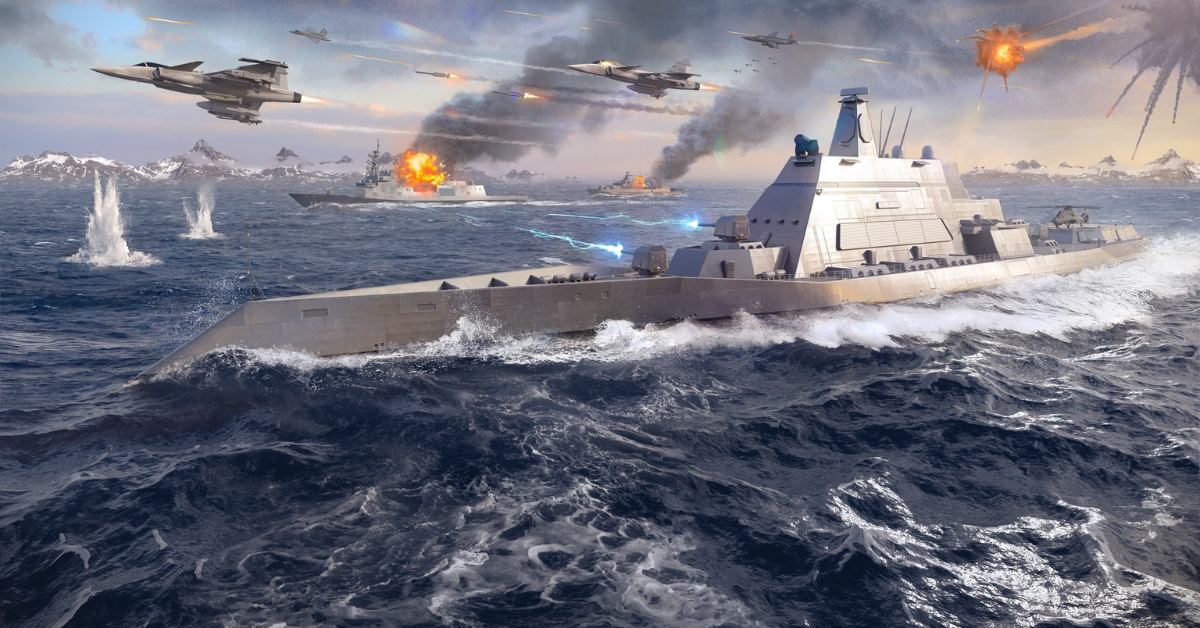
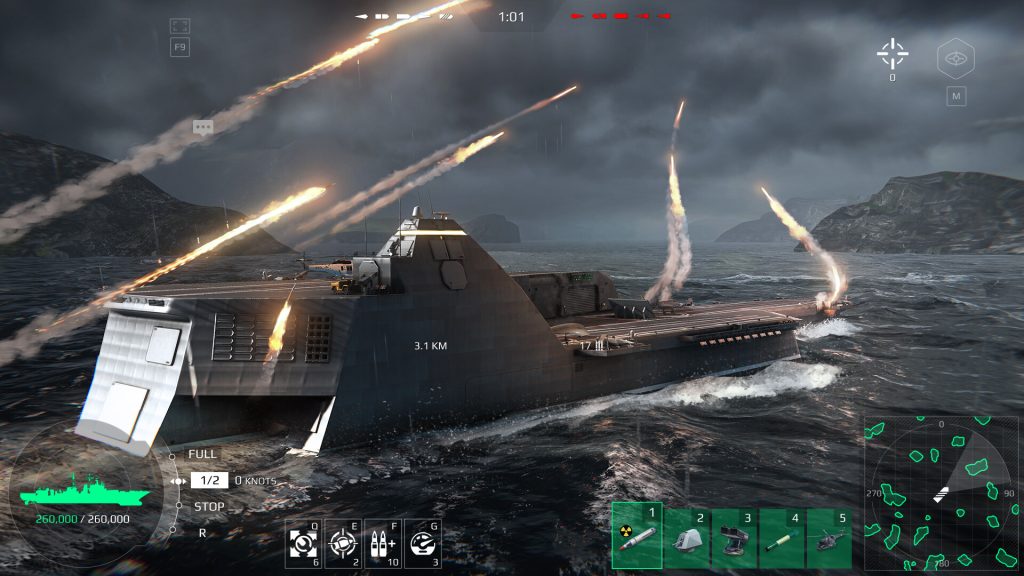
Weapons in Modern Warships reflect modern military logic rather than arcade abstraction. Missiles travel long distances, can be intercepted, and often require timing rather than precision. Torpedoes punish positioning. Guns fill gaps when systems are on cooldown.
The layered nature of offense and defense creates a tactical rhythm. Firing everything at once is rarely optimal. Staggering attacks to overwhelm defenses becomes a learned skill.
Combat becomes less about “aiming better” and more about breaking enemy systems.
4. Progression and Loadout Strategy
Progression in Modern Warships revolves around unlocking ships, upgrading modules, and refining loadouts. This progression is central to player motivation and long-term engagement.
Unlike pure skill-based games, Modern Warships embraces a progression-driven structure. Better equipment expands options and survivability, though it does not entirely replace tactical understanding.
This creates a dual learning curve: players improve both through knowledge and through investment. For some, this is satisfying. For others, it introduces concerns about balance and fairness.
5. Match Pacing: Tension Through Distance
Naval combat inherently unfolds at a slower pace, and Modern Warships leans into this. Early engagements often involve positioning and probing rather than immediate destruction.
As matches progress, tension escalates. Cooldowns align. Aircraft enter the field. Defensive systems weaken. Endgame encounters can be sudden and decisive.
This pacing creates anticipation rather than constant stimulation. Players must remain mentally engaged even when not actively firing.
6. Situational Awareness as a Core Skill
Vision, radar range, and map awareness are critical in Modern Warships. Being detected first often determines the flow of an engagement.
Players learn to read the battlefield through icons, ranges, and cooldowns rather than visual spectacle. Understanding where threats might be is often more important than where they are.
This encourages a command mindset. You are managing information, not just damage output.
7. Multiplayer Dynamics and Team Dependency
Matches in Modern Warships are strongly team-dependent. Lone ships rarely dominate without support. Air defense coverage, coordinated missile strikes, and shared target focus determine success.
This creates a cooperative dependency similar to large-scale military simulations, but compressed into accessible match lengths. Poor coordination is punished quickly. Good coordination feels powerful.
However, this reliance on teammates can also amplify frustration when team cohesion breaks down.
8. Monetization and Power Perception
Modern Warships uses a free-to-play model with monetization tied to progression and equipment access. While skill and positioning matter, upgraded systems provide noticeable advantages.
This creates a perception challenge. New players may feel outmatched by veterans with superior loadouts. The game attempts to balance this through matchmaking and mode variety, but tension remains.
This is a structural trade-off: progression fuels engagement, but risks undermining competitive purity.
9. Presentation: Functional Over Cinematic
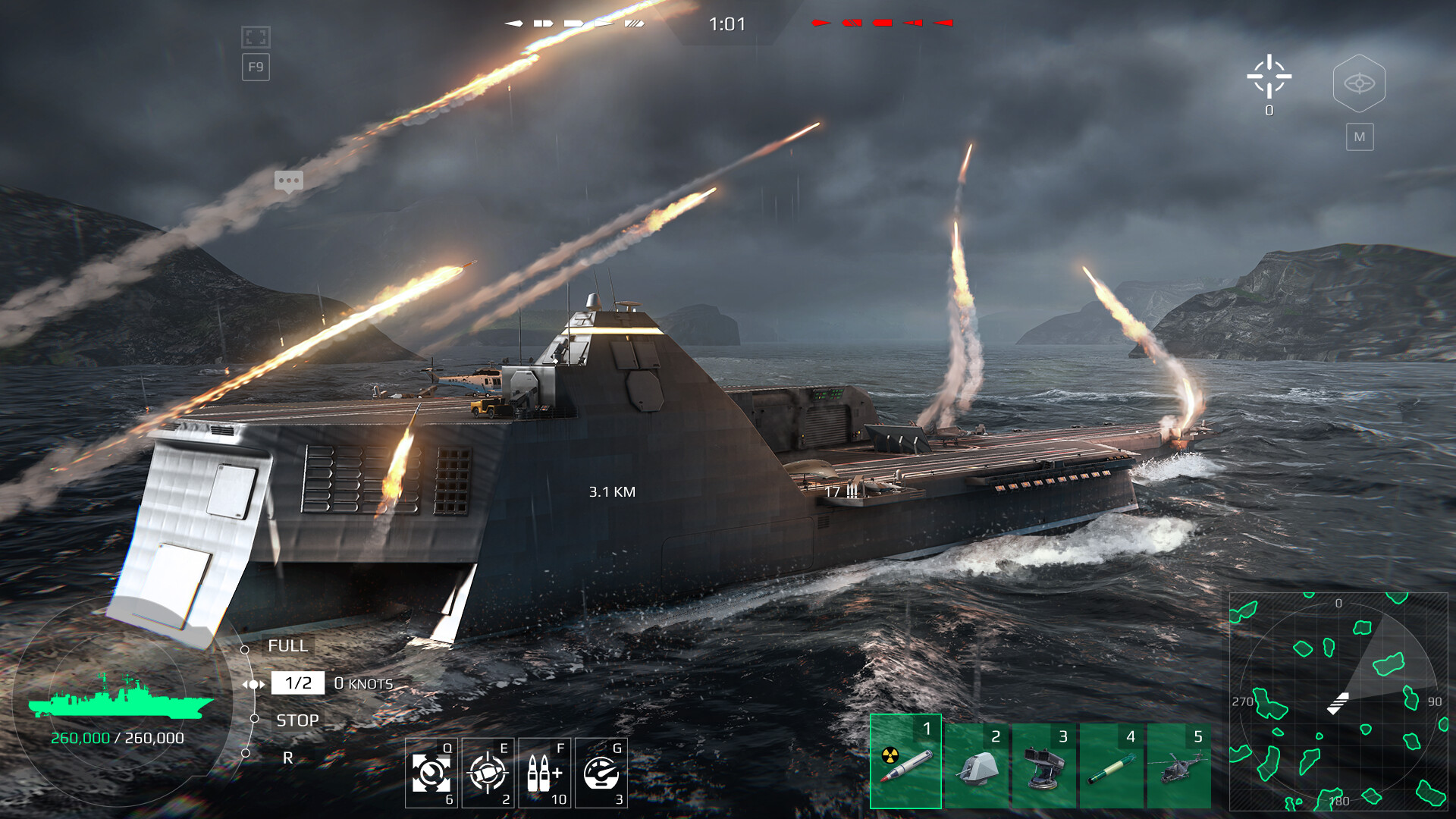
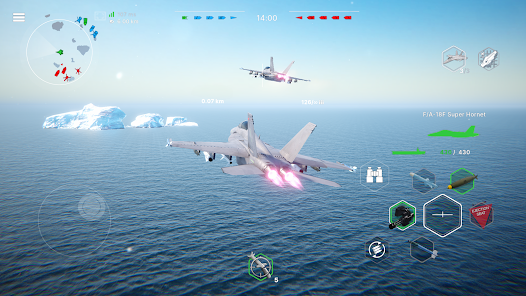
Visually, Modern Warships prioritizes clarity over spectacle. Ships are detailed but not extravagant. Effects communicate threat and impact without overwhelming the screen.
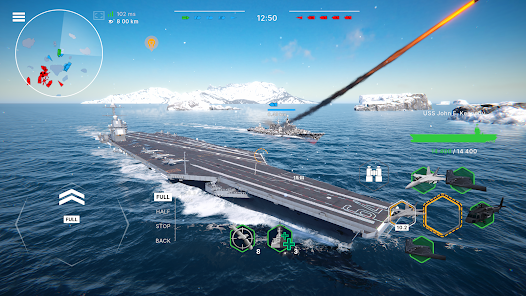
The interface is information-dense, reflecting the game’s systems-heavy design. This may feel intimidating at first, but it supports strategic play once learned.
The game understands that in command-focused combat, readability matters more than beauty.
10. Modern Warships in the Military Game Landscape
Modern Warships fills a niche rarely addressed effectively: modern naval combat that is neither hyper-realistic nor purely arcade. It borrows from simulations but remains approachable.
It does not compete with twitch shooters or deep naval sims—it complements them. Its value lies in interpretation, not imitation, of real-world warfare.
For many players, it offers a rare chance to engage with modern military hardware at scale without overwhelming complexity.
Pros
-
Strong sense of commanding modern naval platforms
-
Diverse ships and weapon systems encourage strategic variety
-
Emphasis on situational awareness and timing
-
Accessible naval combat on mobile and PC
-
Satisfying progression for long-term players
Cons
-
Progression advantages can impact perceived fairness
-
Heavy reliance on team coordination
-
Steep learning curve for new players
-
Monetization pressure may frustrate some users
-
Limited appeal for players seeking pure simulation or arcade speed
Conclusion: A Game About Modern Power
Modern Warships succeeds because it understands what makes modern naval warfare compelling: distance, systems, and the quiet tension of overwhelming firepower waiting to be unleashed. It does not glorify speed—it glorifies control.
For players fascinated by modern military technology and strategic combat, Modern Warships offers a thoughtful, systems-driven experience that feels weighty without being inaccessible. It is not about being the fastest trigger—it is about being the calmest commander.
Modern Warships does not ask you to react.
It asks you to decide.