

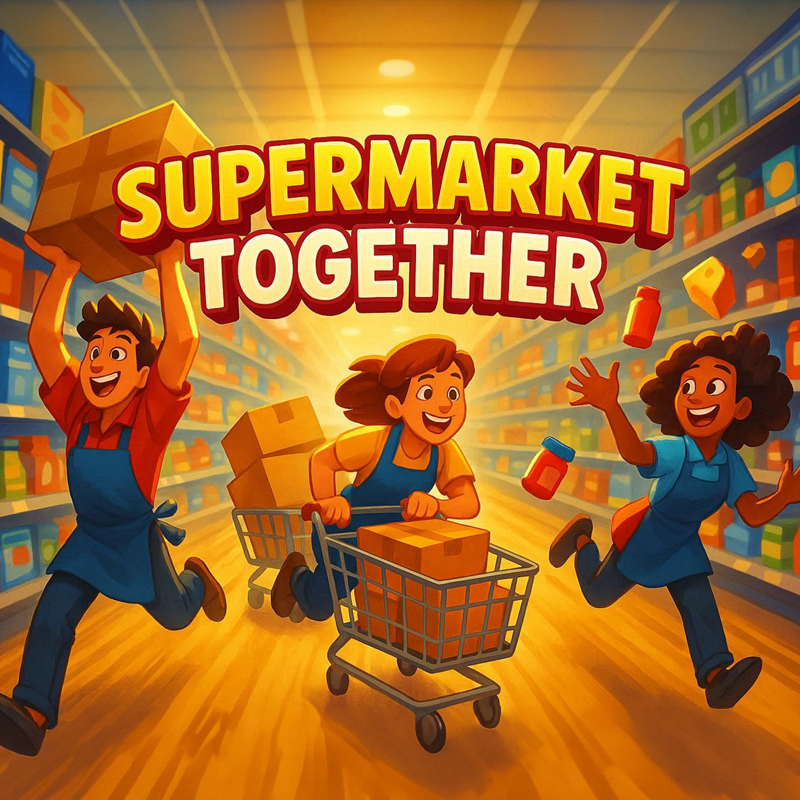
Supermarket Together – Mundane Labor, Social Chaos, and the Unexpected Joy of Shared Routine
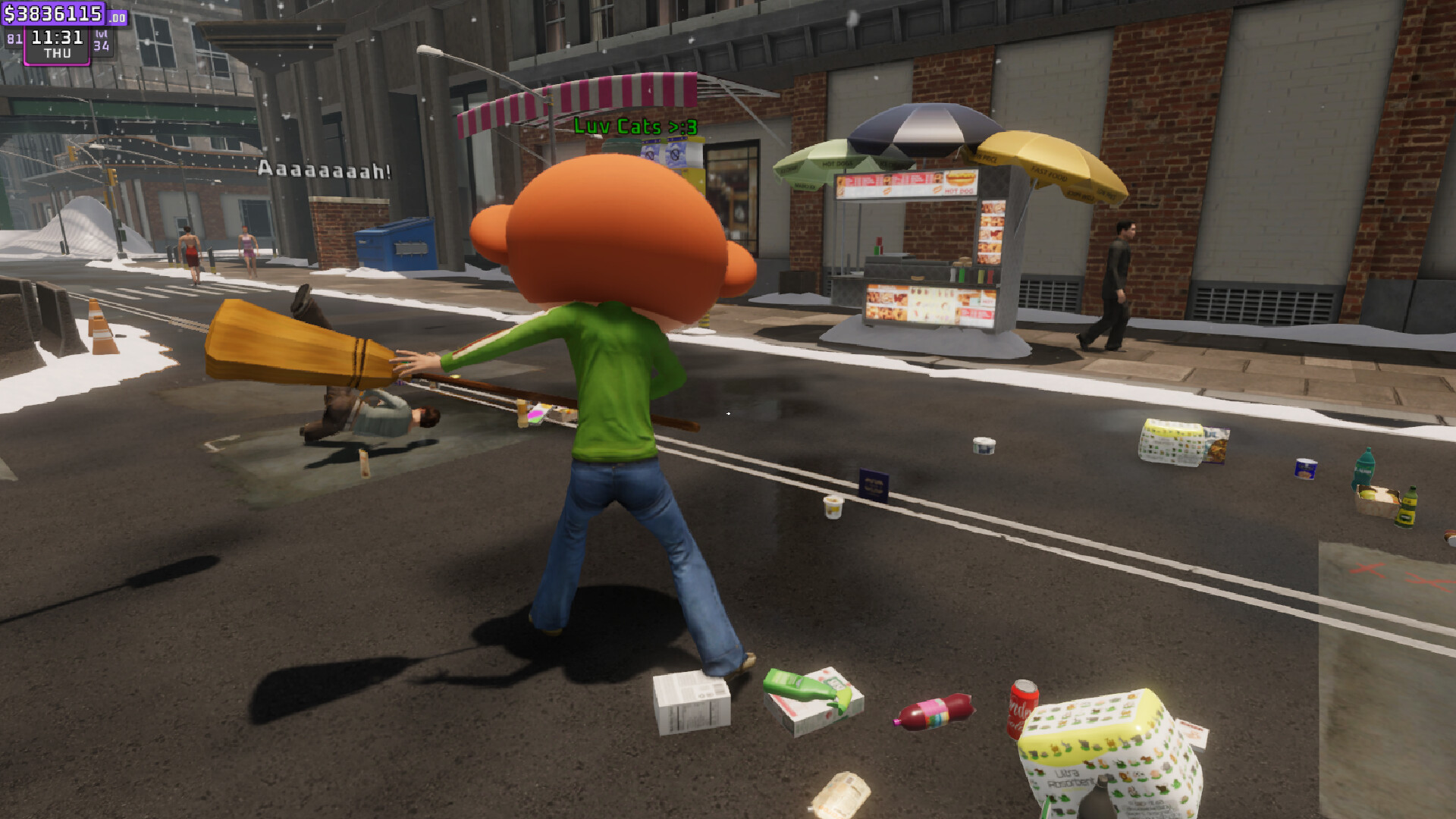
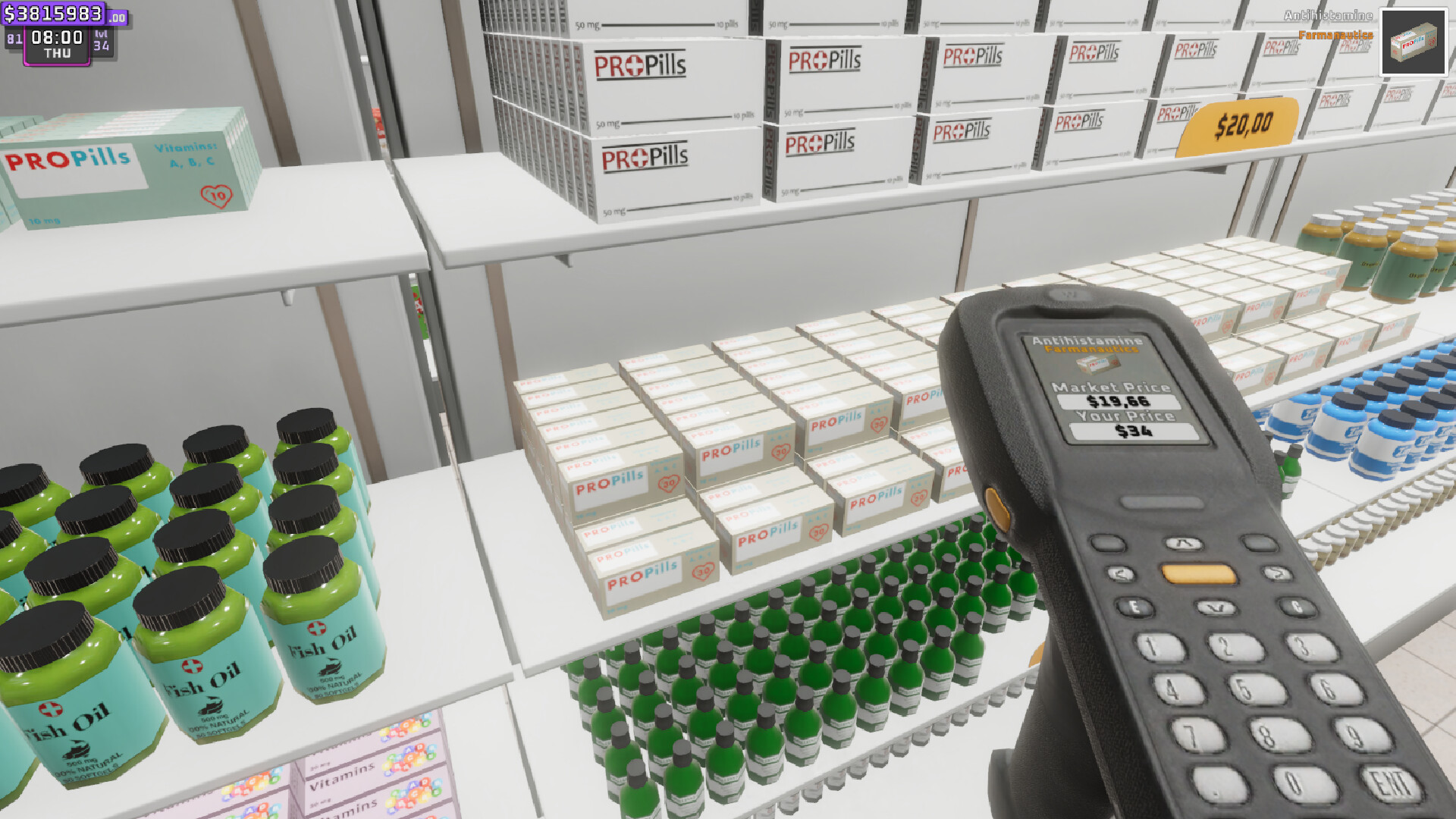
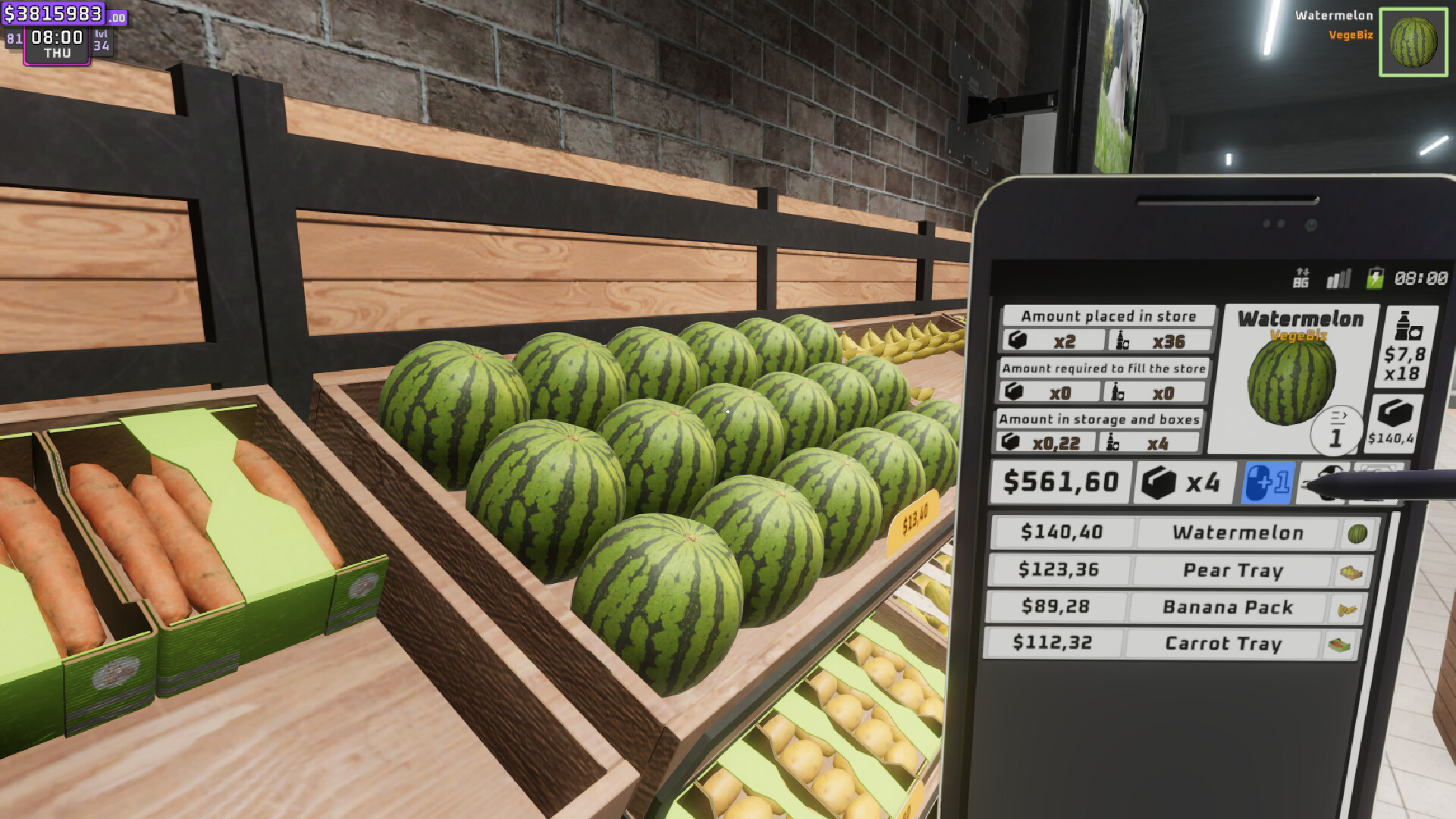

Introduction: Turning Everyday Work into Play
Supermarket Together is built on a premise that sounds almost deliberately unexciting: run a supermarket with other players. There are no monsters to fight, no weapons to master, no heroic narratives to uncover. Instead, there are shelves to stock, customers to serve, messes to clean, and systems to keep running. And yet, against expectation, Supermarket Together succeeds by transforming routine labor into a surprisingly engaging social experience.
The game’s strength lies not in complexity, but in shared responsibility. It takes the structure of everyday retail work and reframes it as a cooperative playground where coordination, communication, and human error generate humor and tension. This review explores Supermarket Together as a social simulation—examining how repetition, role overlap, and small failures become the foundation for emergent fun.
Quick Info (Overview Box)
Release Year: 2024
Genre: Cooperative simulation / Casual management
Platforms: PC
Game Modes: Online co-op
Target Audience: Players who enjoy cooperative games, social chaos, light management mechanics, and low-pressure shared experiences
1. Core Design Philosophy: The Fun of Ordinary Systems
At its core, Supermarket Together is about normality. The tasks are mundane by design: scanning items, restocking shelves, organizing inventory, and handling customers.
This ordinariness is intentional. By grounding the game in familiar actions, it removes cognitive barriers. Players do not need tutorials to understand the goal—they already know how a supermarket works.
The design relies on one insight: ordinary systems become entertaining when multiple humans interact with them simultaneously.
2. Cooperative Structure: No Fixed Roles, Only Responsibility
Unlike many management games, Supermarket Together does not enforce rigid roles. Players are free to jump between tasks at will.
This flexibility creates both freedom and friction. When everyone tries to do everything, inefficiency emerges. When no one takes responsibility, chaos spreads. Teams naturally begin to self-organize—not because the game tells them to, but because disorder becomes visible.
This organic role formation is one of the game’s most effective design elements. Cooperation is learned, not assigned.
3. Systems That Collapse Gracefully
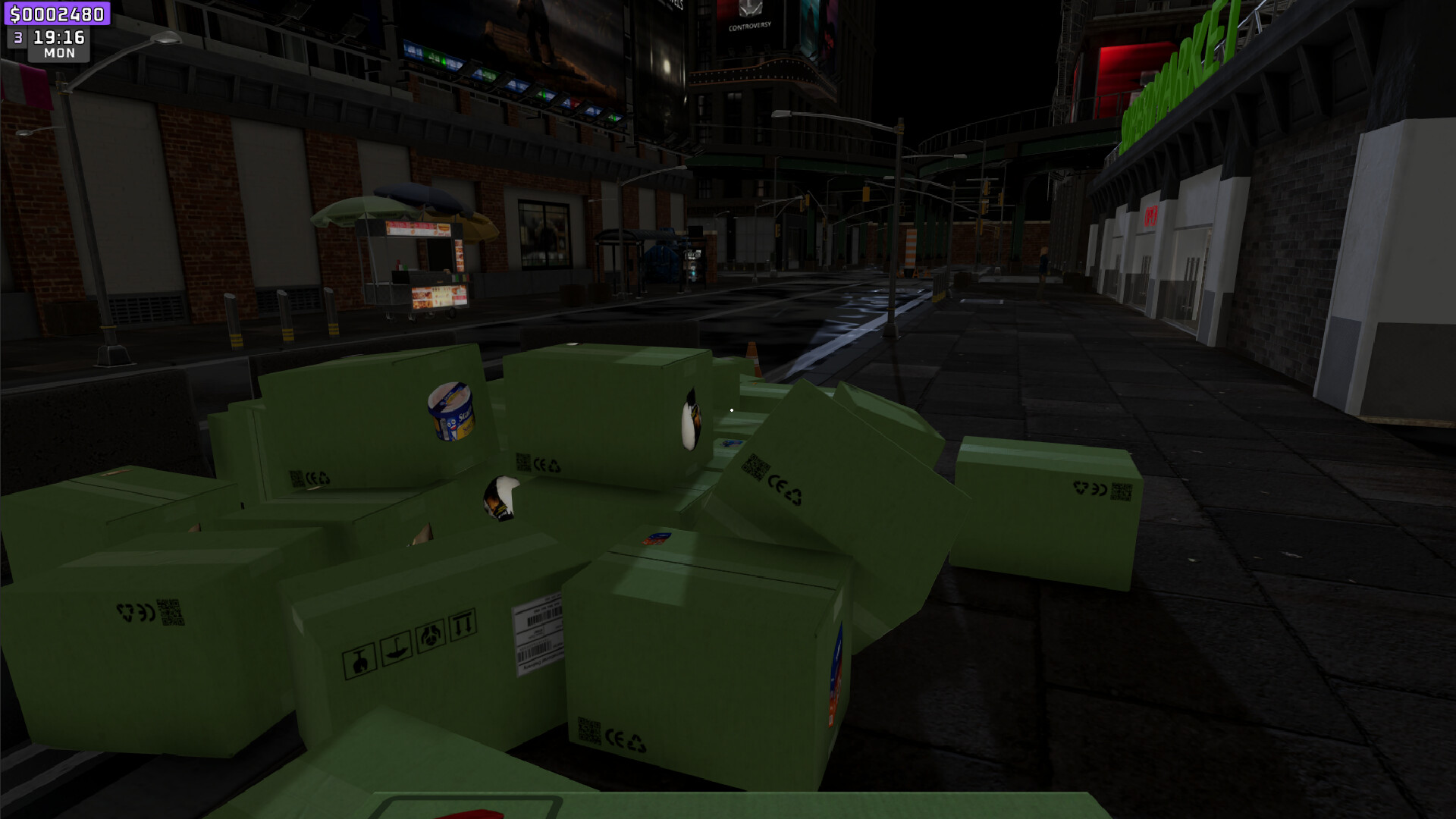
The systems in Supermarket Together are intentionally fragile. Shelves empty quickly. Lines form. Customers grow impatient. Small mistakes compound.
Importantly, failure is rarely catastrophic. The store does not instantly “lose.” Instead, it becomes increasingly messy, loud, and inefficient. The game allows players to feel failure without punishing them harshly.
This creates a forgiving feedback loop. Players laugh at collapse rather than resent it, encouraging experimentation rather than optimization anxiety.
4. Time Pressure Without Aggression
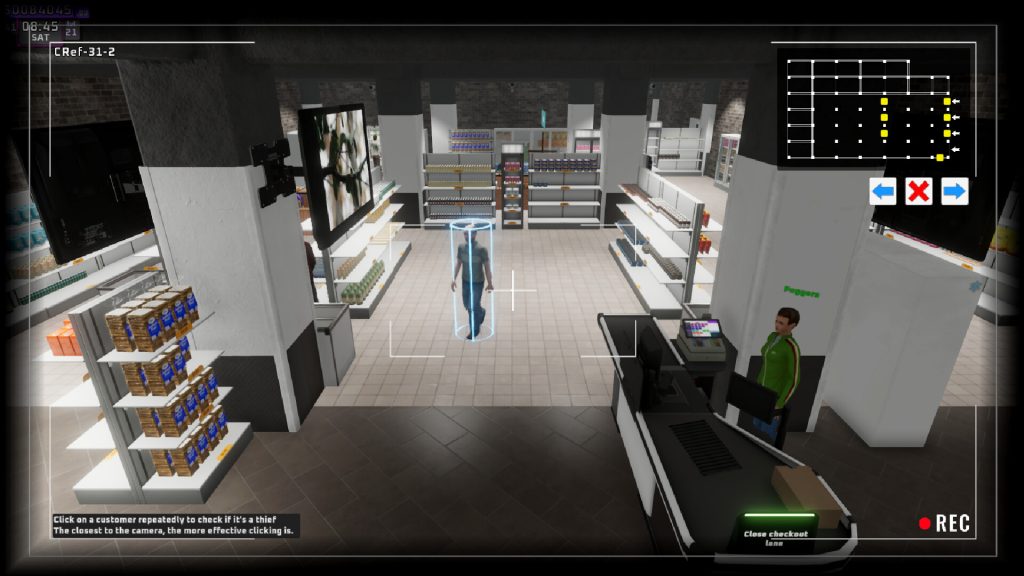
Time pressure in Supermarket Together is constant but gentle. There are no timers screaming urgency, no harsh penalties for inefficiency.
Instead, pressure emerges socially. Long lines frustrate customers. Messy shelves are visibly wrong. Players feel compelled to act—not because of numbers, but because of shared discomfort.
This approach makes stress communal rather than individual. The group reacts together, which strengthens the social experience.
5. Player Psychology: Competence Through Visibility
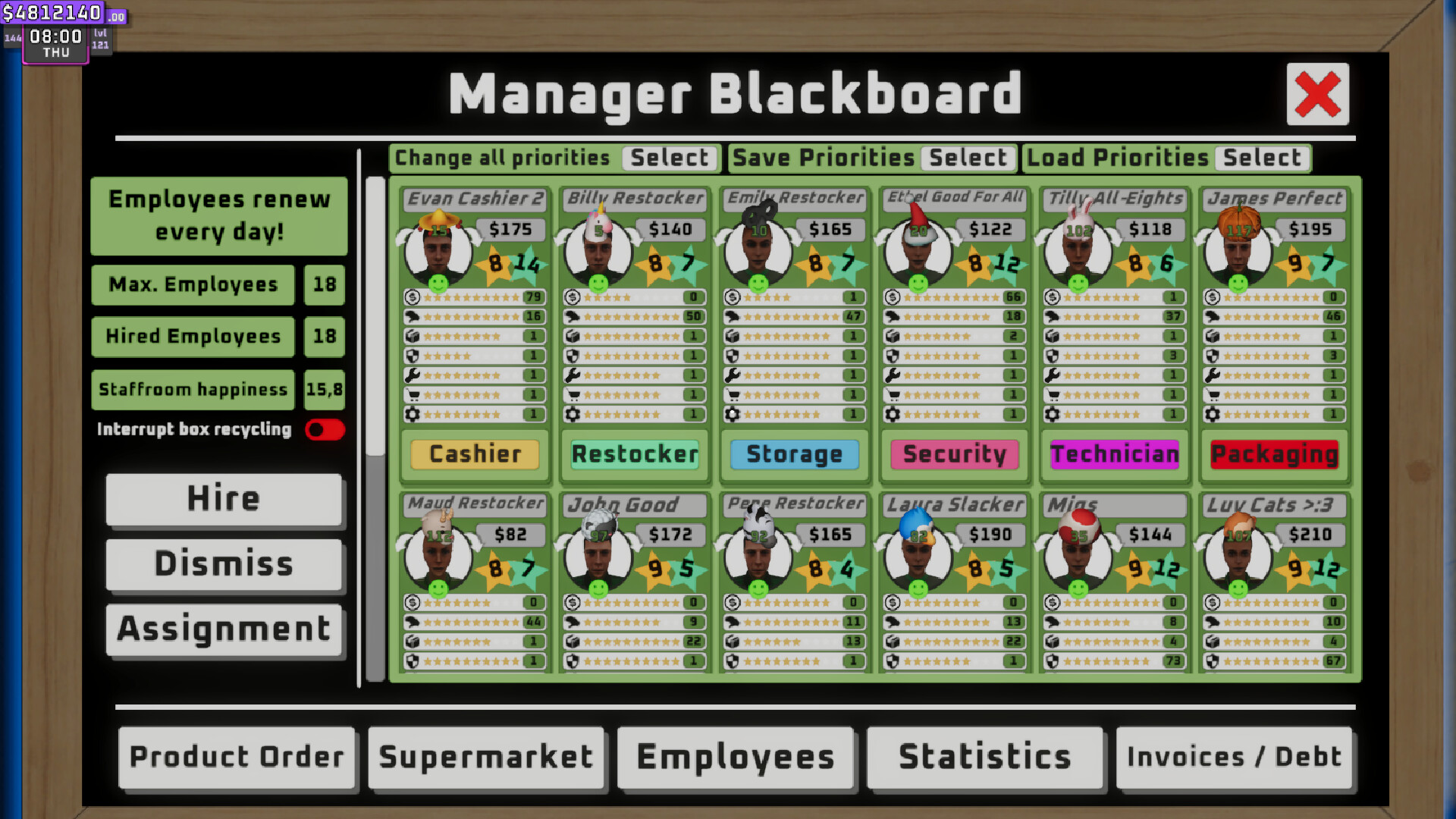
One of the subtle strengths of Supermarket Together is how it communicates contribution. Players can see who is working and who is idle. Effort is visible.
This visibility encourages engagement. Players naturally want to help, to be useful, to prevent collapse. There is little room for passive participation without social awareness.
The game rewards competence not with points, but with smoother flow. When things work, everyone feels it.
6. Humor Through Inefficiency
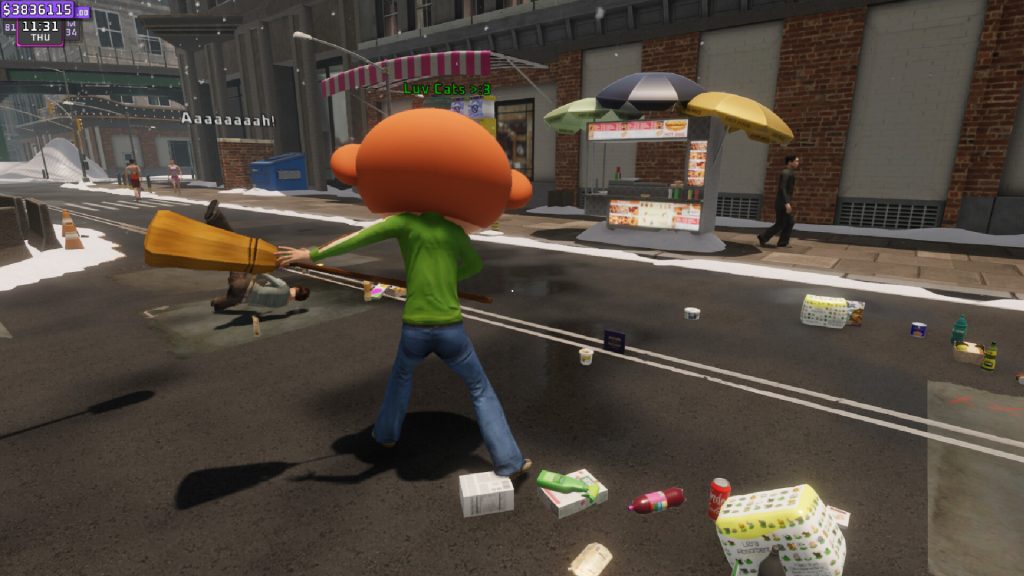
Much of the humor in Supermarket Together arises from inefficiency. Players bump into each other. Items pile up. Customers wait too long. Tasks overlap.
These moments are not scripted—they emerge from human behavior. The game does not tell jokes. It creates conditions where jokes happen.
This makes humor feel authentic rather than forced. Laughter comes from shared mistakes, not prewritten punchlines.
7. Communication as the Primary Skill
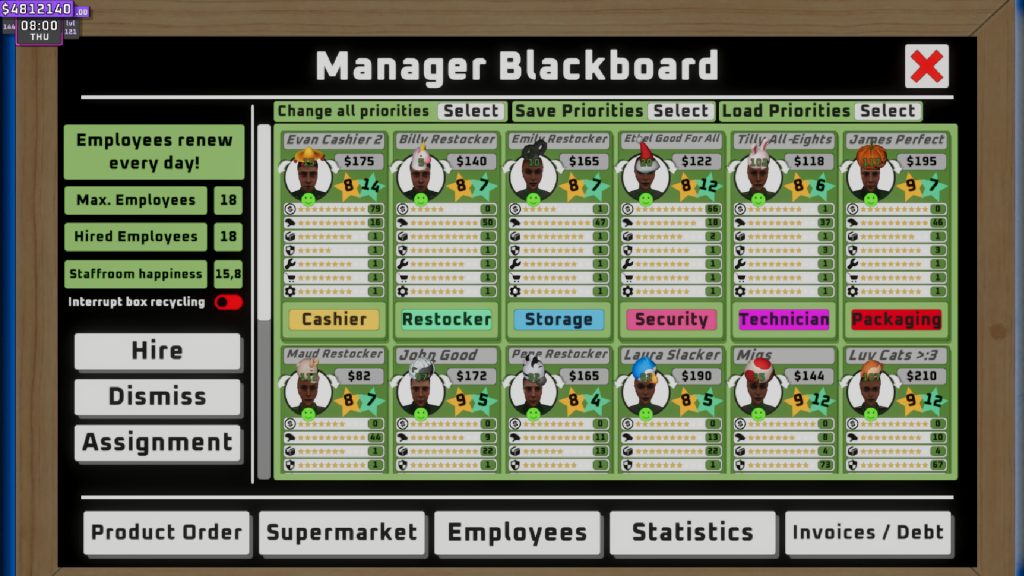
While mechanics are simple, communication is not optional. Players must talk—about priorities, problems, and plans.
“Can someone restock dairy?”
“Why are there boxes everywhere?”
“Who’s on checkout?”
These conversations form the real gameplay loop. Supermarket Together is less about executing tasks and more about negotiating attention.
The game quietly reinforces a truth of real workplaces: coordination matters more than effort alone.
8. Pacing and Session Flow
Sessions in Supermarket Together have a natural rhythm. Early moments are calm. As customers increase and stock depletes, pressure rises. Eventually, chaos peaks before stabilizing again.
This ebb and flow feels organic. There is no artificial escalation—just consequences of activity. Players learn to anticipate busy moments and prepare accordingly.
The pacing supports both short, casual sessions and longer, more focused play.
9. Limitations of Depth and Variety
While engaging, Supermarket Together is not mechanically deep. Tasks remain largely the same over time. Mastery comes quickly.
This places a ceiling on long-term solo engagement. The game relies heavily on people to stay interesting. Without friends or active communication, its appeal diminishes rapidly.
This is not a flaw of execution, but a limitation of scope. The game knows what it is—and what it is not.
10. Why It Works: Shared Accountability
The success of Supermarket Together lies in shared accountability. Everyone feels responsible for the space, even when roles are unclear.
Unlike competitive games that thrive on domination, this game thrives on maintenance. It celebrates the quiet satisfaction of things working—and the loud chaos when they do not.
It transforms invisible labor into visible play.
Pros
Strong cooperative focus with natural role formation
Simple mechanics that encourage accessibility
Emergent humor from shared mistakes
Low-pressure, socially driven gameplay
Excellent for group play and casual sessions
Cons
Limited mechanical depth
Heavy reliance on active communication
Less engaging for solo players
Repetition over long periods
Minimal progression systems
Conclusion: The Joy of Doing Small Things Together
Supermarket Together succeeds by finding playfulness in the mundane. It does not glamorize work—it shares it. The game turns everyday tasks into social glue, where communication, coordination, and minor failures become the source of fun.
For players seeking a relaxed cooperative experience that values interaction over mastery, Supermarket Together offers something quietly special. It reminds us that games do not need epic stakes to be meaningful—sometimes, they just need people working side by side.
It is not about running a perfect store.
It is about running it together.