
Warframe – Power Fantasy, Player Freedom, and the Long Arc of System Mastery
Introduction: Speed, Silence, and Infinite Momentum
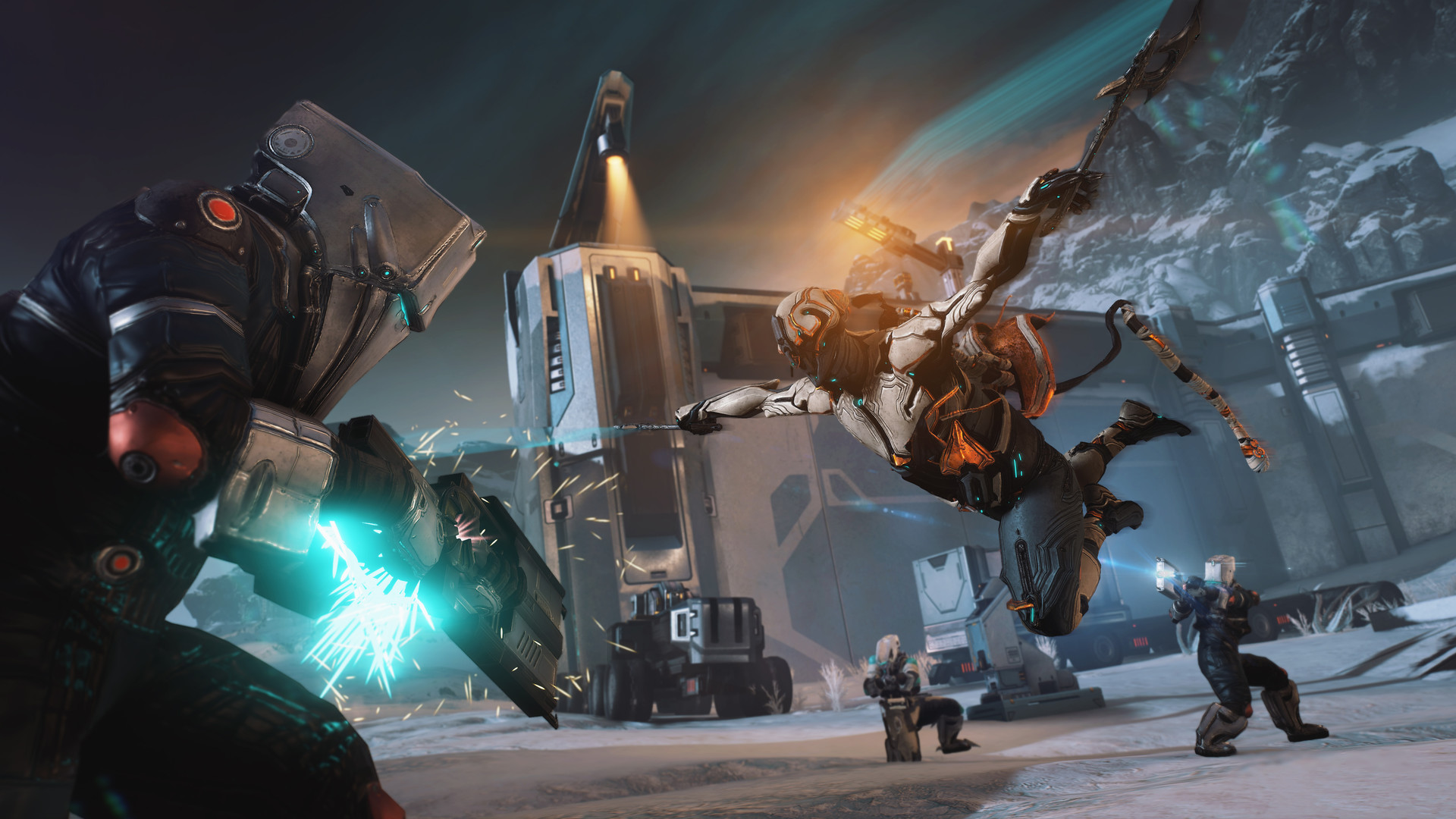
Warframe is often described as a fast-paced sci-fi action game, but that label barely captures its true nature. Warframe is not defined by a single genre or loop. It is a living system—a constantly expanding web of mechanics, power layers, and player-driven goals that rewards commitment more than immediacy.
At first glance, Warframe is pure motion: bullet jumps, wall runs, explosions, and acrobatic combat at impossible speeds. Beneath that surface, however, lies one of the most complex progression ecosystems in modern gaming. This review examines Warframe not as a checklist of features, but as a long-term relationship between player and system—focusing on mastery, freedom, burnout, and why millions continue to return after thousands of hours.
Quick Info (Overview Box)
Release Year: 2013
Genre: Online action / Looter shooter / Sci-fi RPG
Platforms: PC, PlayStation, Xbox, Nintendo Switch
Game Modes: PvE missions, Open-world zones, Co-op, Solo
Target Audience: Players who enjoy deep progression systems, high-mobility combat, long-term grinding, and build experimentation
1. Core Design Philosophy: Velocity as Identity
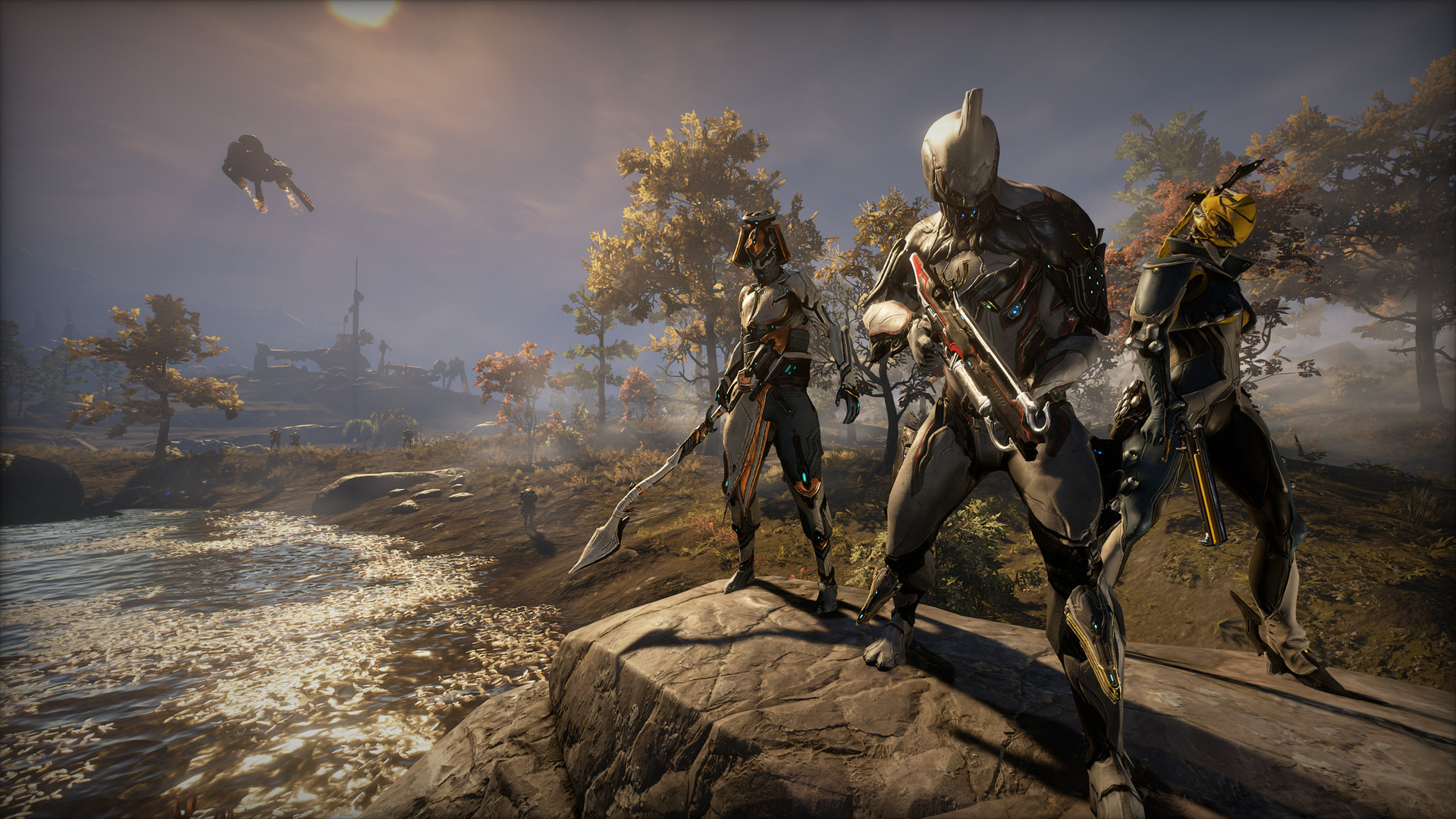
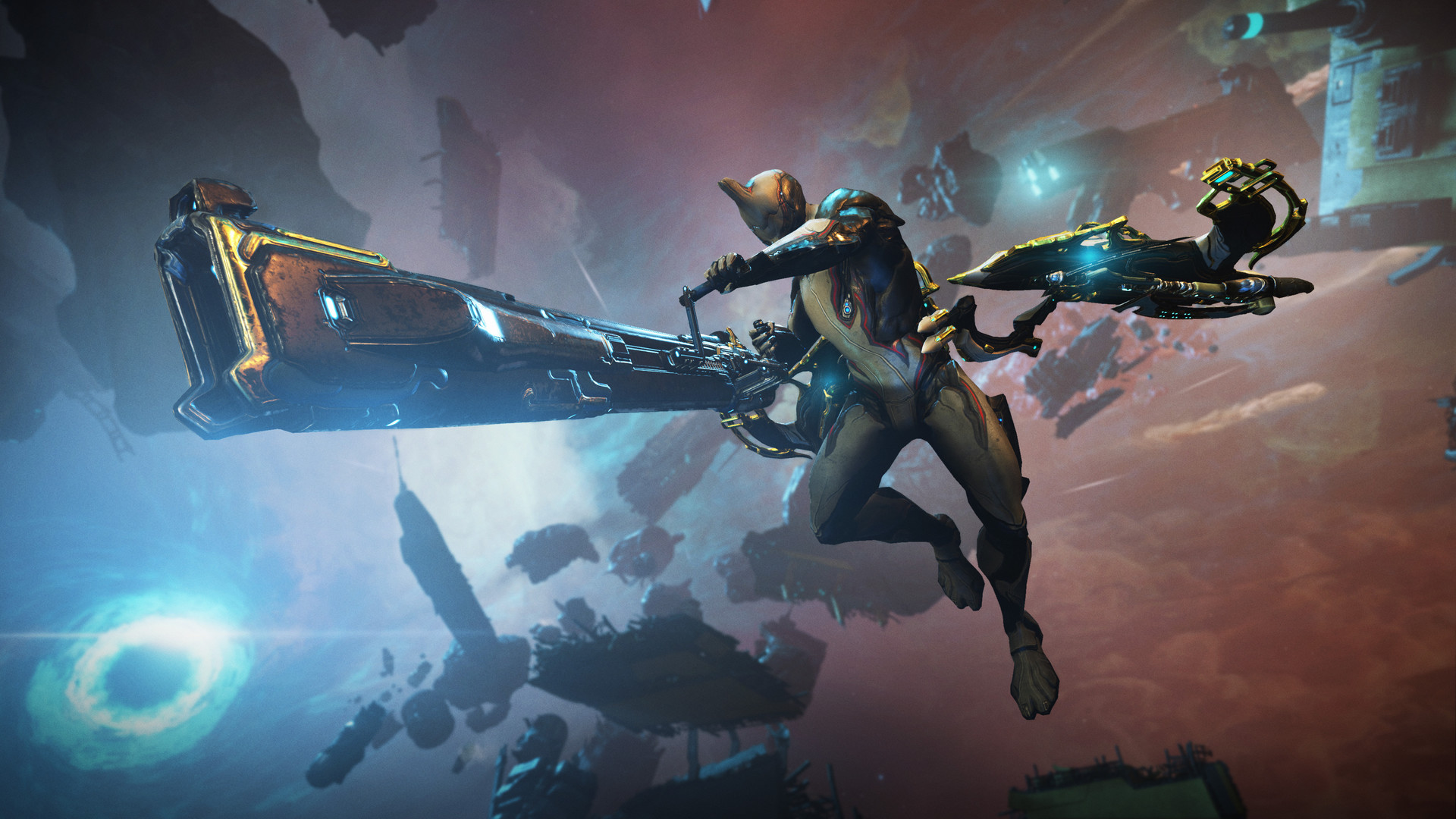
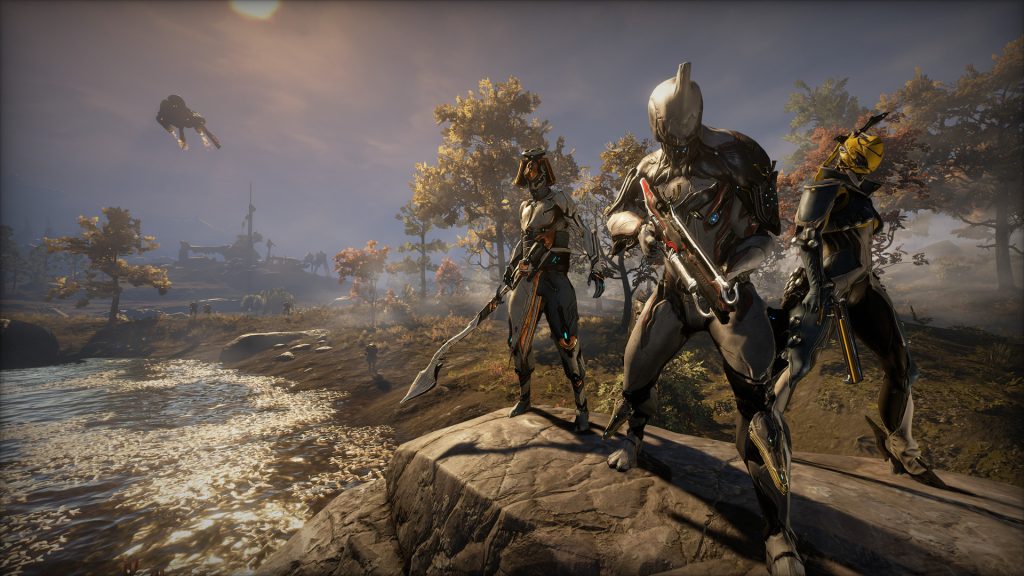
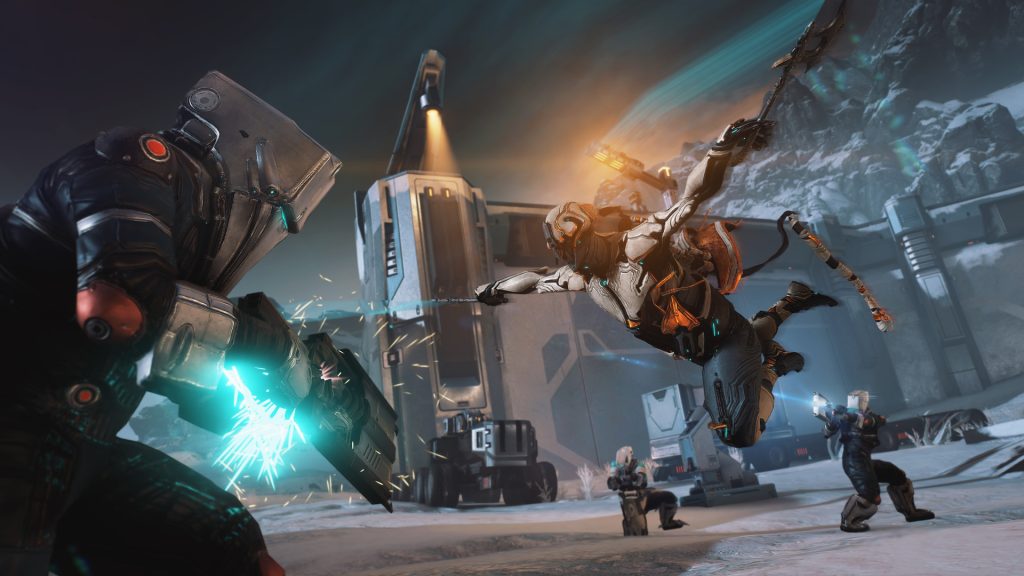
The first thing players notice in Warframe is speed. Movement is not a tool—it is the game’s identity. Bullet jumping, sliding, rolling, and wall-latching are chained together into a fluid language of motion.
This velocity changes player psychology. Standing still feels wrong. Cover is optional. Combat is less about positioning and more about flow. The game rewards players who keep moving, chaining actions instinctively rather than tactically.
This creates an intoxicating power fantasy. You are not a soldier taking ground—you are a force passing through it.
2. Combat: Overwhelming Power, Managed by Systems
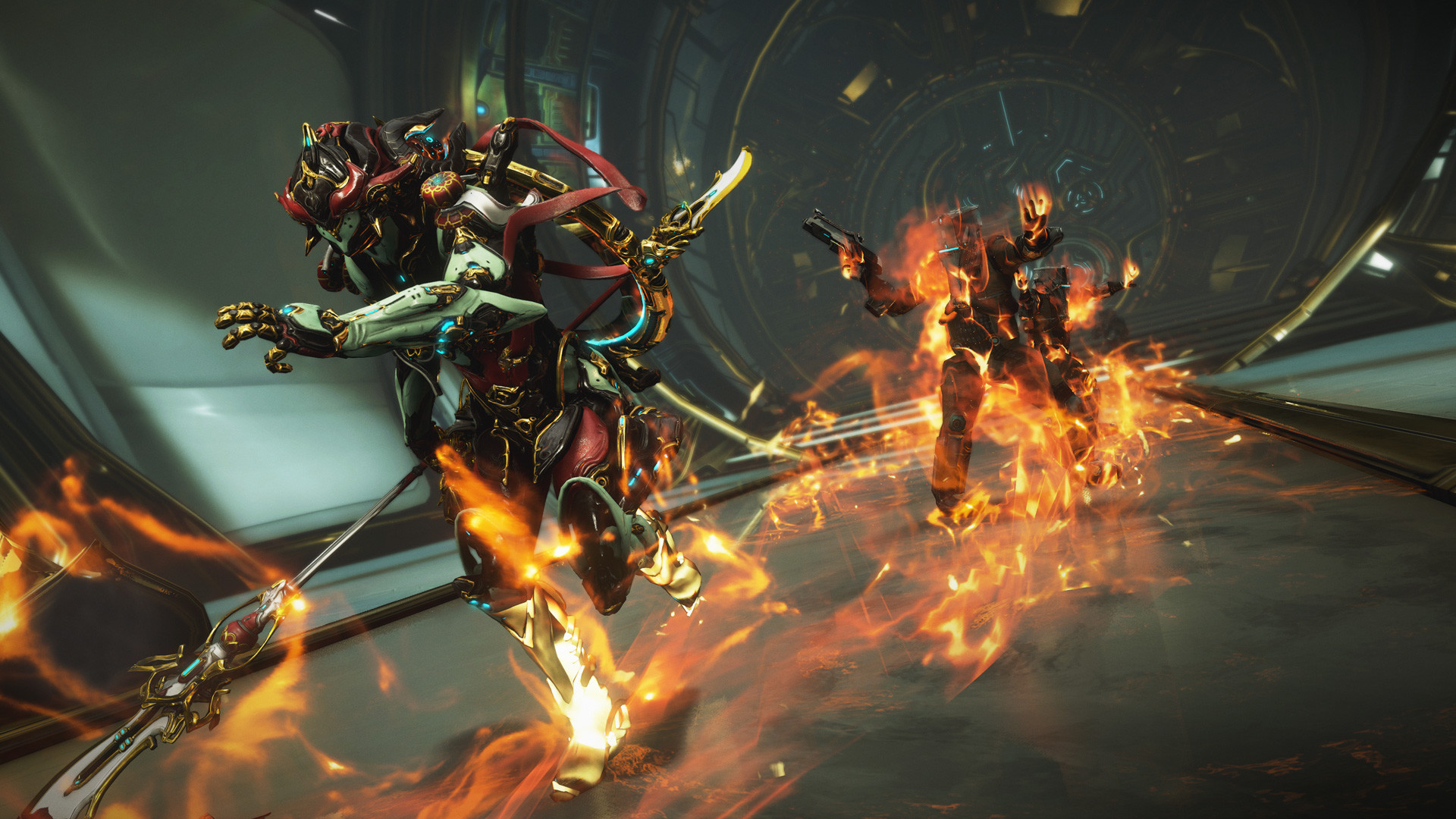
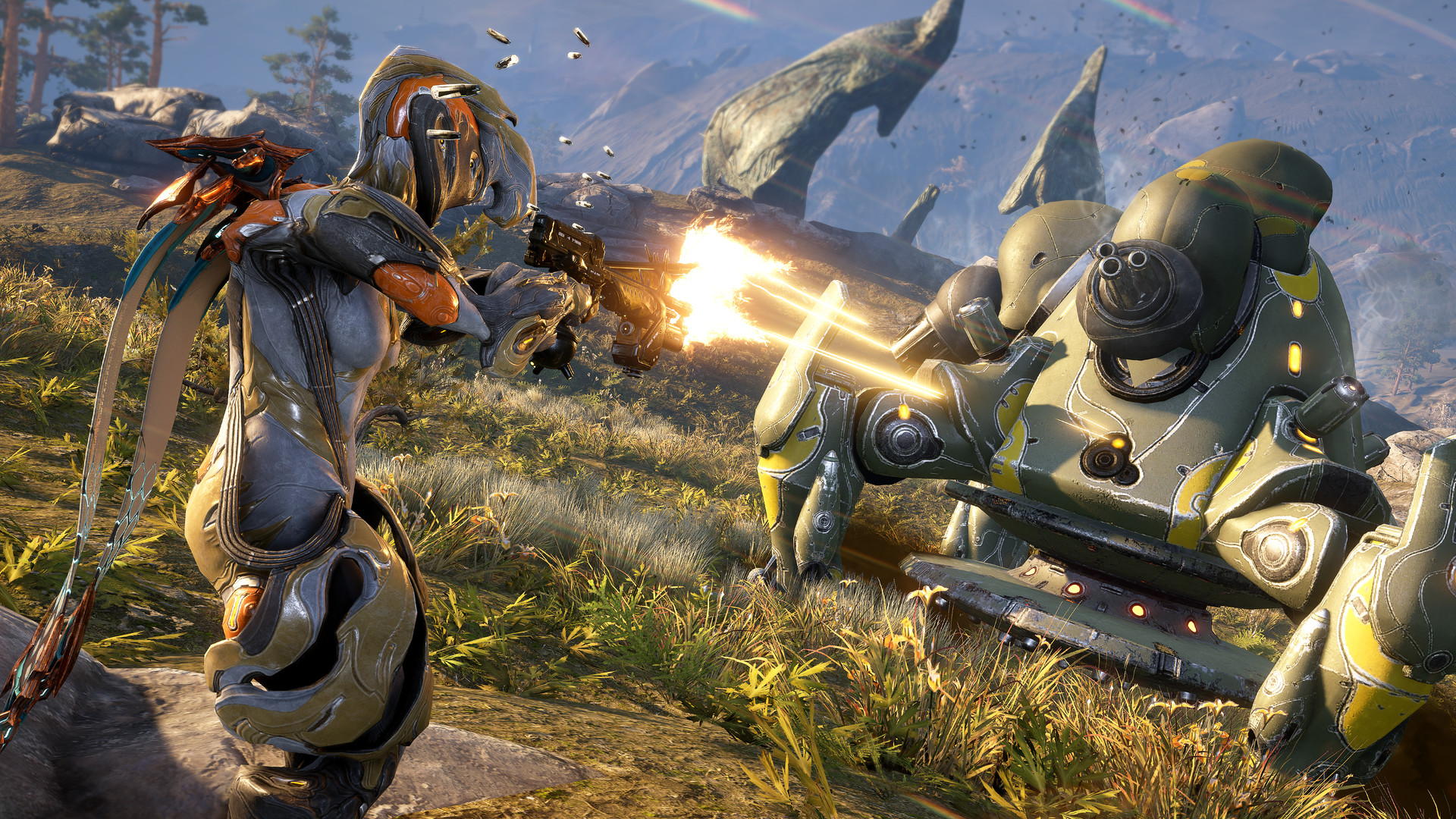
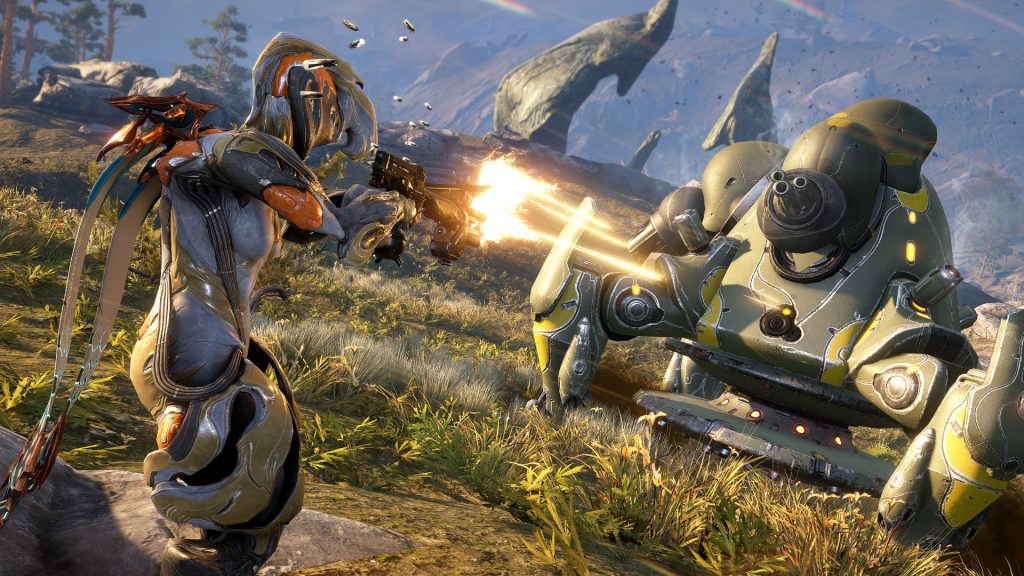
Combat in Warframe is intentionally excessive. Enemies fall in waves. Abilities wipe rooms. Weapons scale into absurd damage numbers.
However, this excess is controlled through systems rather than balance purity. Energy management, cooldowns, mod capacity, enemy scaling, and mission modifiers prevent total collapse into chaos—most of the time.
The result is combat that feels empowering without becoming completely thoughtless. At higher levels, optimization replaces reaction speed. You do not win by aiming better—you win by building smarter.
3. Warframes as Playstyle Frameworks
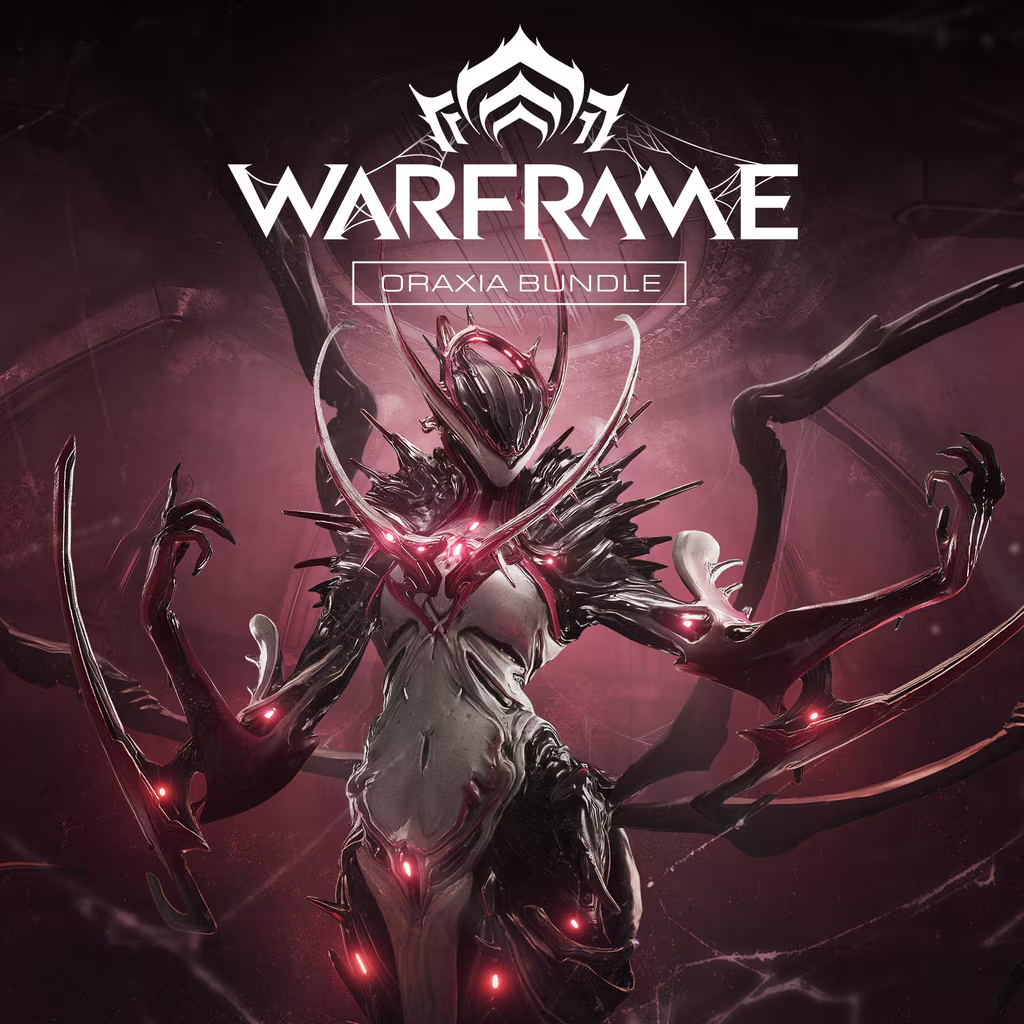
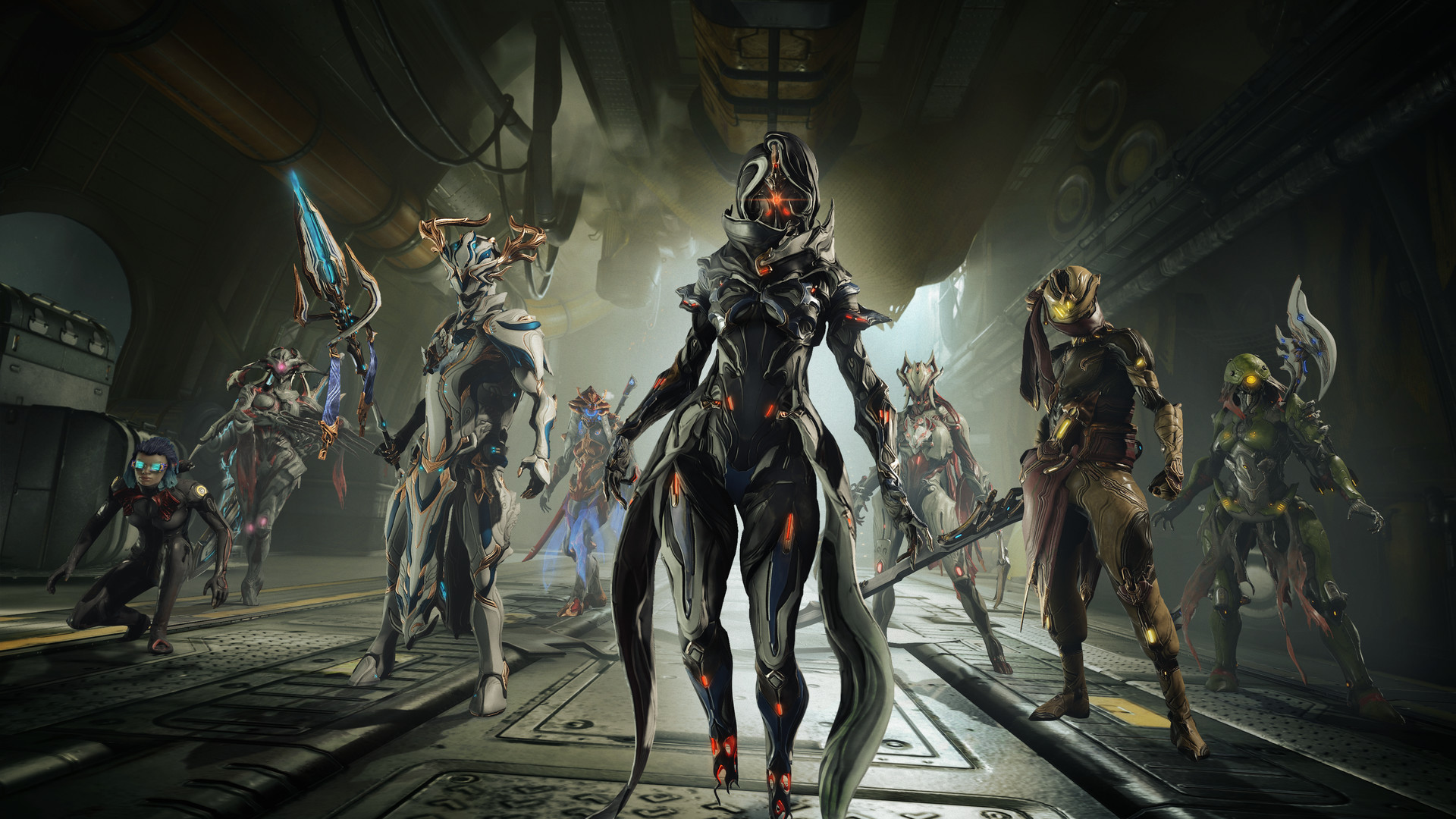
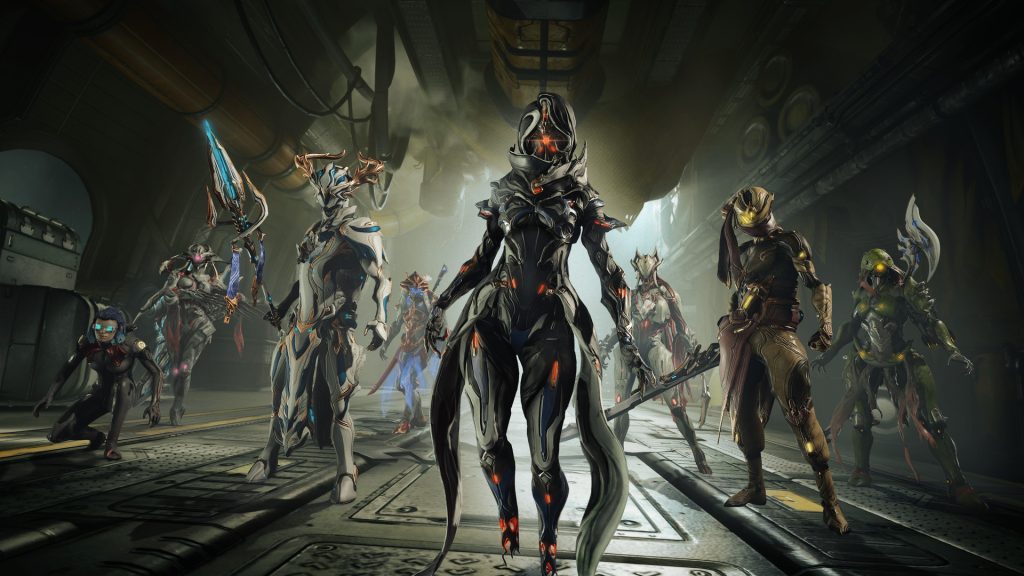
Each Warframe is less a character and more a philosophy. Some emphasize crowd control, others survivability, others raw damage or mobility.
Importantly, Warframes are not rigid classes. Mods, augments, and helminth abilities allow players to reshape roles dramatically. A defensive frame can become aggressive. A support frame can become lethal.
This flexibility is one of Warframe’s greatest strengths—and one of its greatest barriers. Understanding how to shape a frame takes time, research, and experimentation.
4. The Mod System: Depth That Demands Literacy
Mods are the true core of Warframe. They define damage, survivability, utility, and identity. Two players using the same weapon can experience entirely different outcomes depending on mod configuration.
This system rewards literacy. Players must understand scaling, synergies, diminishing returns, and trade-offs. The game rarely explains these clearly.
For some, this depth is addictive. For others, it is overwhelming. Warframe does not hold hands—it expects players to learn the language of its systems.
5. Progression: Horizontal, Vertical, and Exhausting
Warframe’s progression is famously layered. You grind for frames, weapons, mods, resources, blueprints, reputations, and mastery ranks—all simultaneously.
This creates constant forward motion. There is always something to work toward. But it also creates fatigue. Goals overlap. Systems stack. Clarity erodes.
The game rewards persistence more than efficiency. Players who enjoy long-term accumulation thrive. Players seeking clean progression arcs often burn out.
6. Mission Design: Repetition as Structure
Most missions in Warframe are short and repeatable. Defense, survival, capture, excavation—these modes prioritize efficiency over novelty.
Repetition is intentional. Missions are scaffolding for progression rather than content meant to be savored individually. The variety comes not from objectives, but from builds, modifiers, and player experimentation.
This design supports long-term grinding but can feel monotonous without self-directed goals.
7. Open Worlds and the Shift in Pace
Open-world zones like Plains of Eidolon, Fortuna, and Deimos introduce a different rhythm. Movement slows. Exploration matters. Systems layer further.
These zones expand Warframe’s scope but also expose its tension: the game is best at speed, not stillness. Some players love the contrast; others feel it dilutes the core experience.
The open worlds are ambitious—but they ask Warframe to be something it was not originally built to be.
8. Player Psychology: Mastery, Identity, and Burnout
Warframe cultivates a specific player mindset. Success is not measured in wins, but in ownership: frames collected, builds perfected, systems understood.
Players take pride in efficiency, optimization, and knowledge-sharing. The community often fills gaps left by the game’s tutorials.
At the same time, burnout is common. The same systems that enable depth also demand attention. Stepping away is often necessary—and returning is surprisingly easy.
9. Monetization and Player Respect
Warframe’s free-to-play model is widely respected. Almost everything can be earned through play. Premium currency mainly accelerates progress or unlocks cosmetics.
Time, not money, is the primary cost. This creates a sense of fairness, even when grinding is intense.
The game respects player investment—but assumes players are willing to invest heavily.
10. Warframe’s Longevity: Evolution Without Replacement
Few games survive this long without a sequel. Warframe does so by evolving itself. Systems are reworked. New mechanics layer on old ones. Lore deepens over time.
This creates inconsistency—but also resilience. Warframe is not elegant, but it is alive. Players grow alongside it rather than consuming it and moving on.
It is less a product and more a shared history.
Pros
Exceptionally fluid and satisfying movement
Deep build customization and player freedom
Massive amount of content available for free
Strong community knowledge-sharing
Fair monetization model
Cons
Steep learning curve with poor onboarding
System bloat can overwhelm new players
Repetitive mission structure
Frequent balance swings
Burnout risk for long-term players
Conclusion: A Game That Rewards Commitment
Warframe is not a game you finish. It is a game you inhabit. Its systems reward curiosity, patience, and experimentation more than reflexes or short-term skill.
For players who enjoy mastering complex systems, expressing identity through builds, and moving through combat like controlled chaos, Warframe offers one of the most generous and flexible experiences in modern gaming.
It is not clean.
It is not simple.
But for those who commit, it is limitless.