

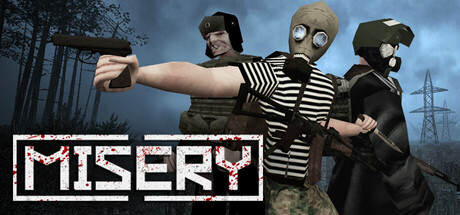
MISERY – Atmospheric Survival, Existential Dread, and the Weight of Hopeless Systems
Introduction: Survival Without Comfort
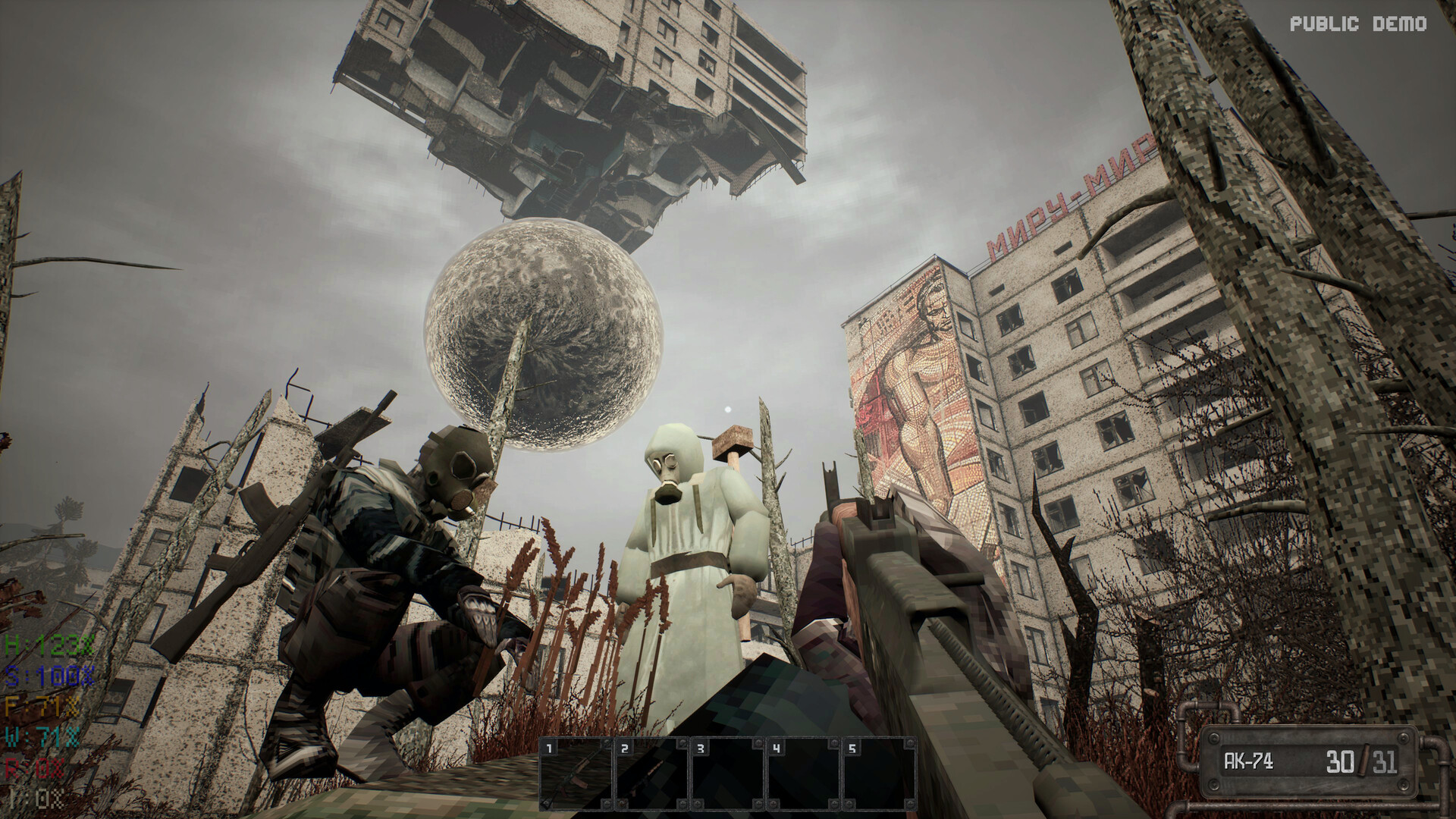
MISERY is not a game designed to make players feel powerful, clever, or heroic. It is designed to make them feel small. From the moment the experience begins, MISERY establishes a tone of exhaustion and inevitability, where survival is not a victory state but a temporary delay of collapse. This is a game that treats despair not as flavor, but as structure.
Rather than relying on constant threats or mechanical complexity, MISERY builds its horror and tension through systems that erode confidence over time. Scarcity is constant, information is unreliable, and progress is fragile. This review approaches MISERY as a survival experience rooted in atmosphere, player psychology, and systemic pressure—examining how it transforms discomfort into meaning rather than spectacle.
Quick Info (Overview Box)
Release Year: 2023
Genre: Survival horror / Atmospheric exploration
Platforms: PC
Game Modes: Single-player survival experience
Target Audience: Players who enjoy bleak atmospheres, slow-burn tension, and survival games focused on mood rather than empowerment
1. Core Design Philosophy: Survival as Burden
The central idea behind MISERY is that survival is not rewarding—it is draining. Every system reinforces this theme. Resources are scarce. Movement feels deliberate. Actions often cost more than they give back.
Unlike survival games that offer a sense of growth or mastery, MISERY resists upward momentum. Players do not steadily improve; they adapt temporarily. Each success is fragile, and each failure leaves a lasting mark.
This philosophy reshapes player expectations. The goal is not to conquer the environment, but to endure it.
2. Environment as Emotional Pressure
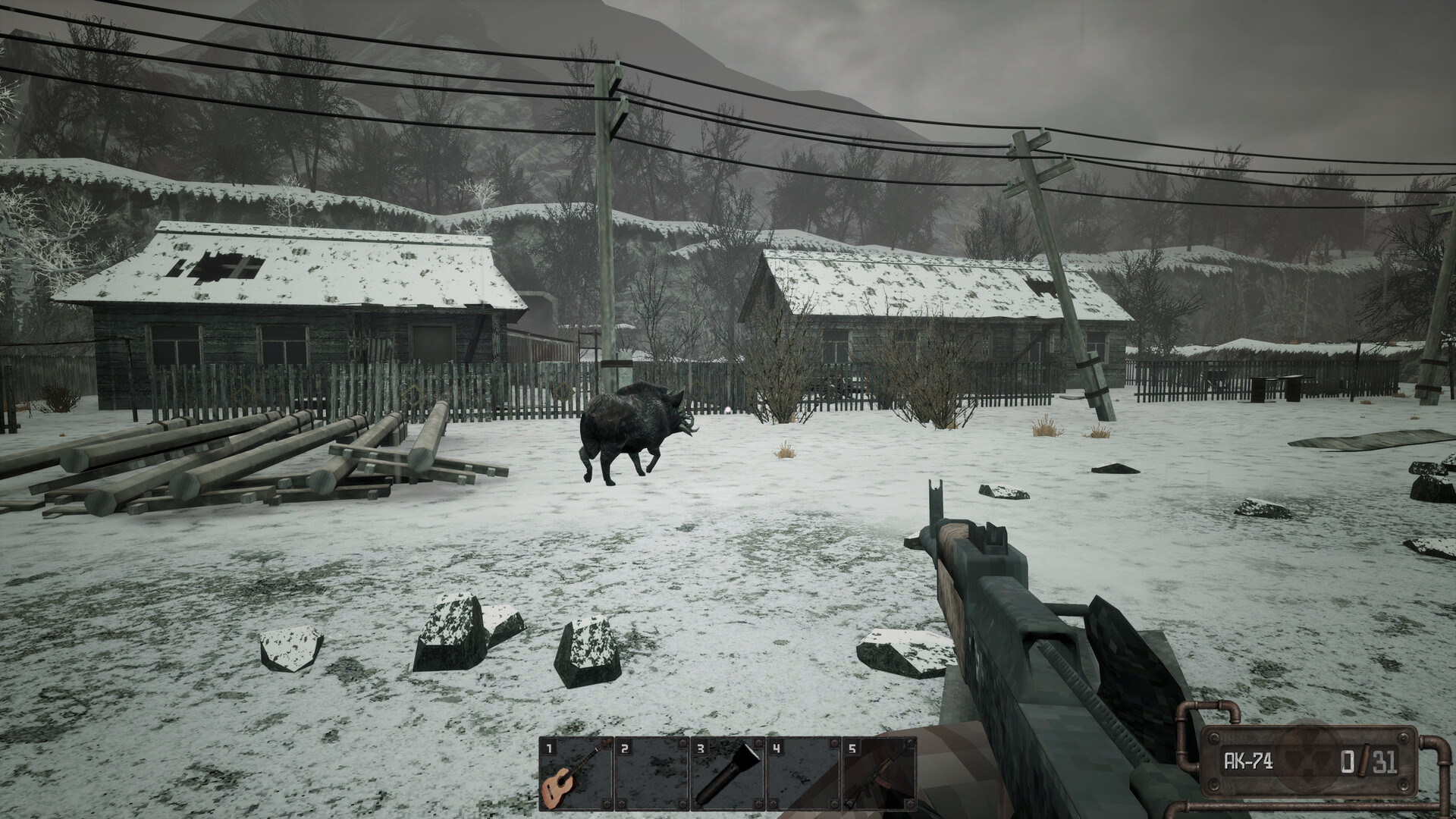
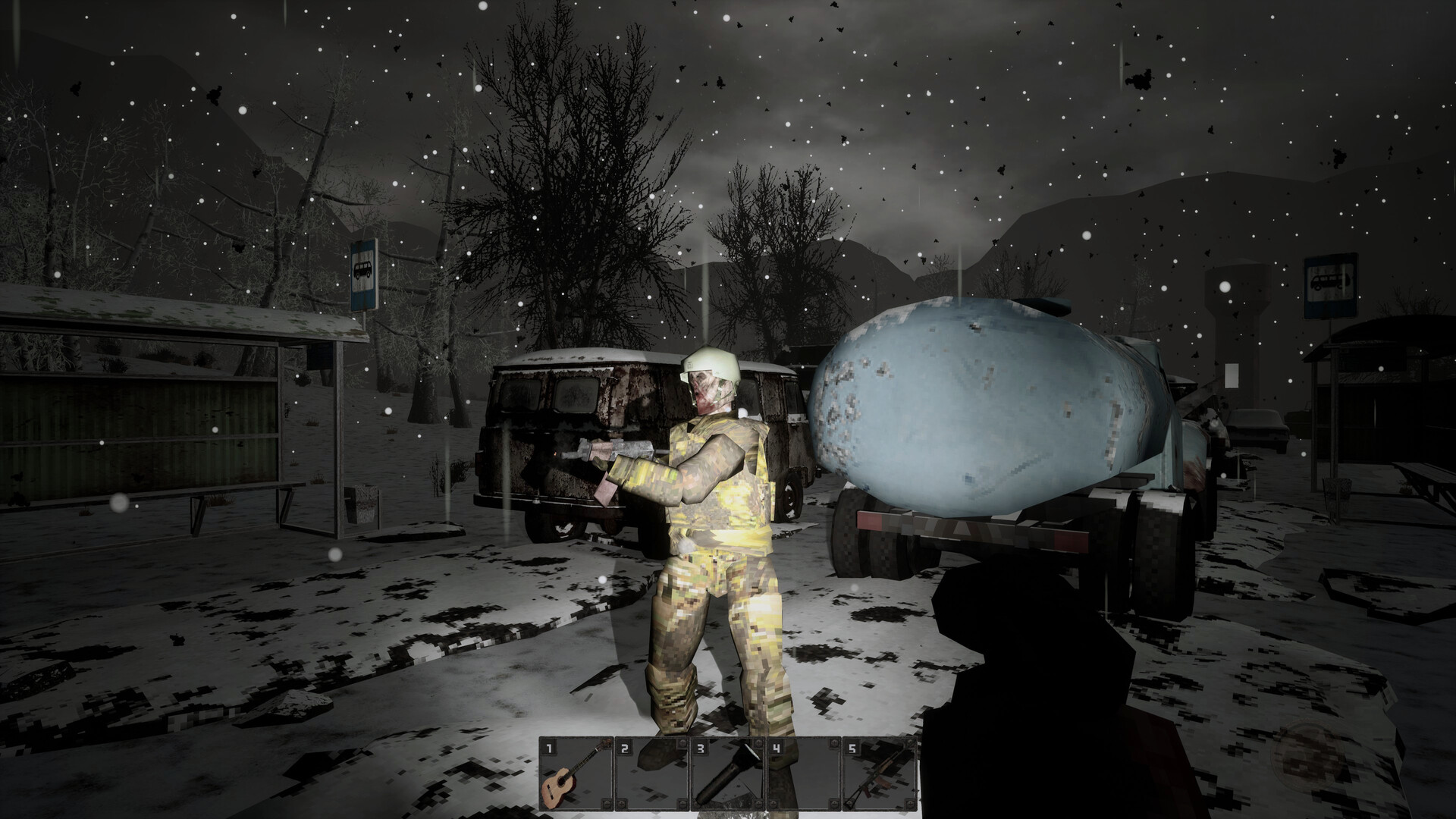
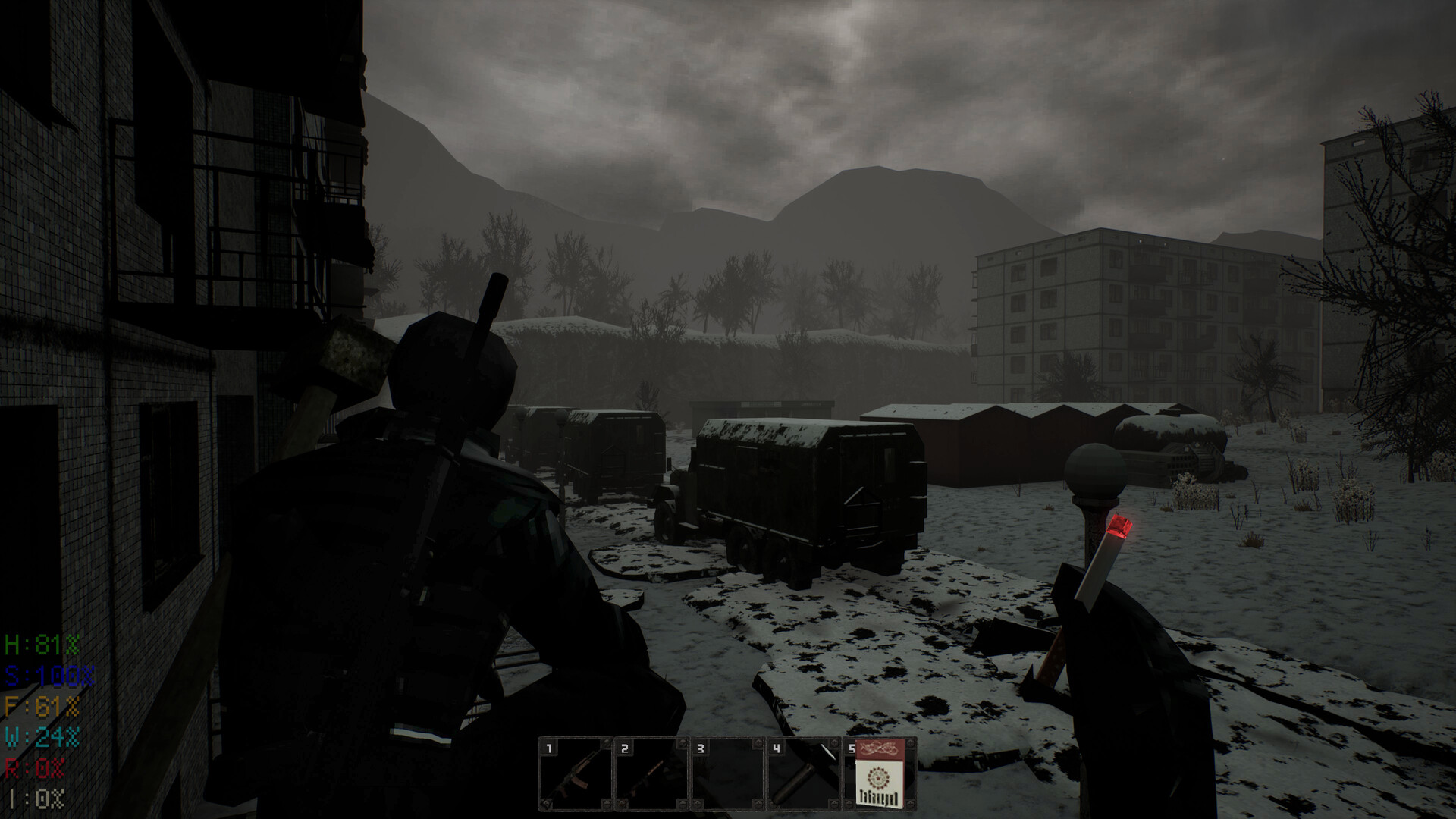
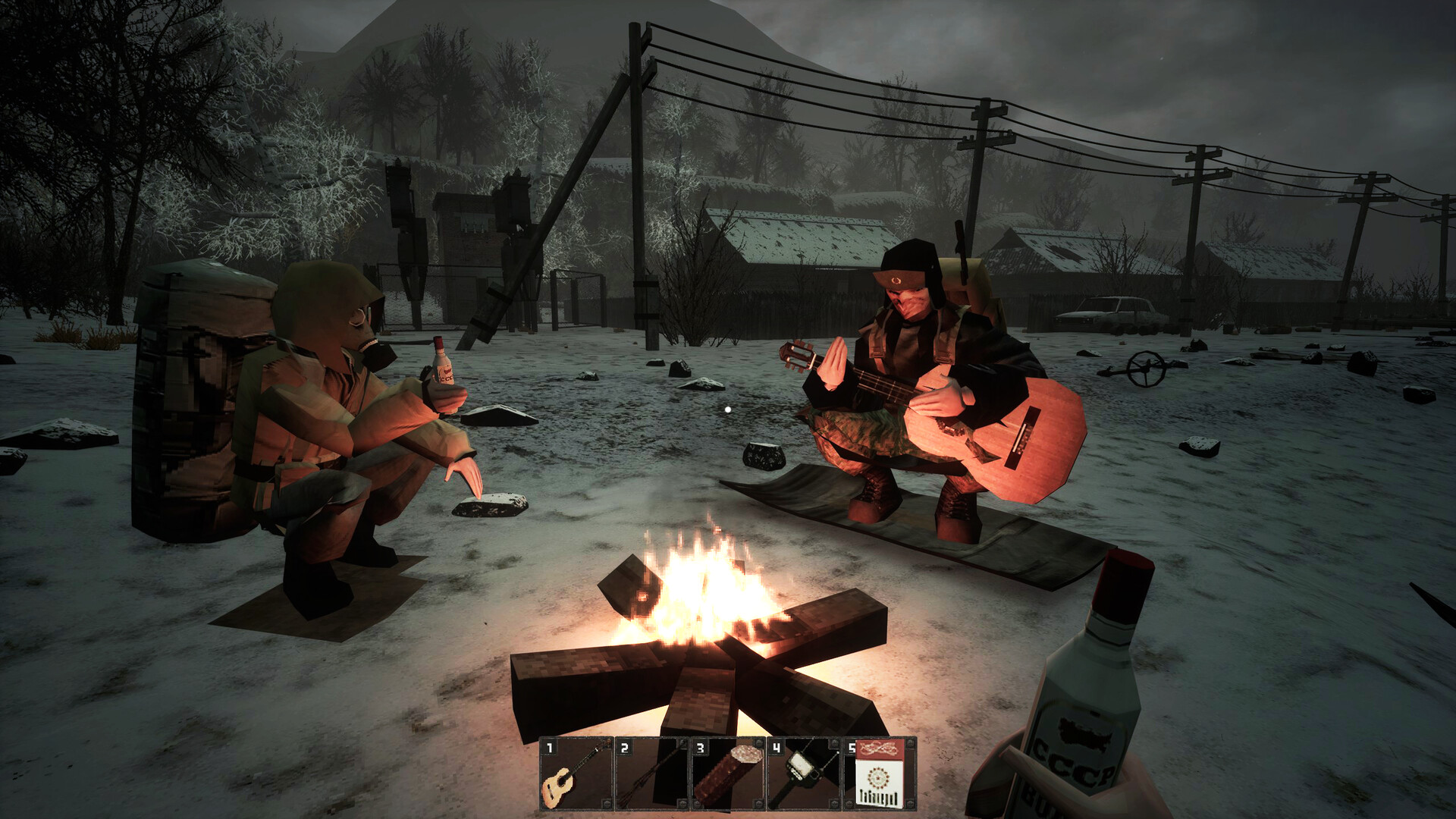
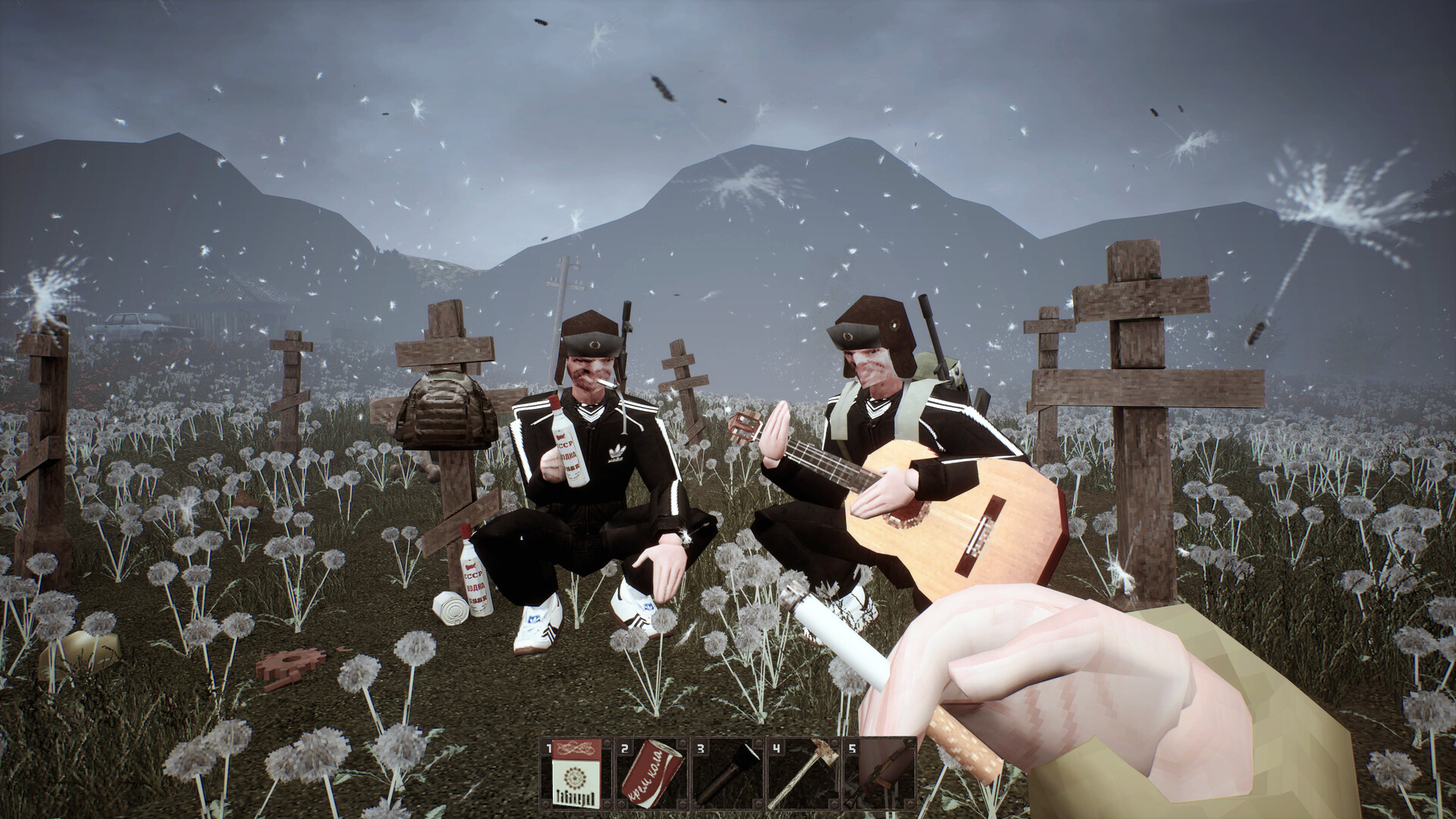
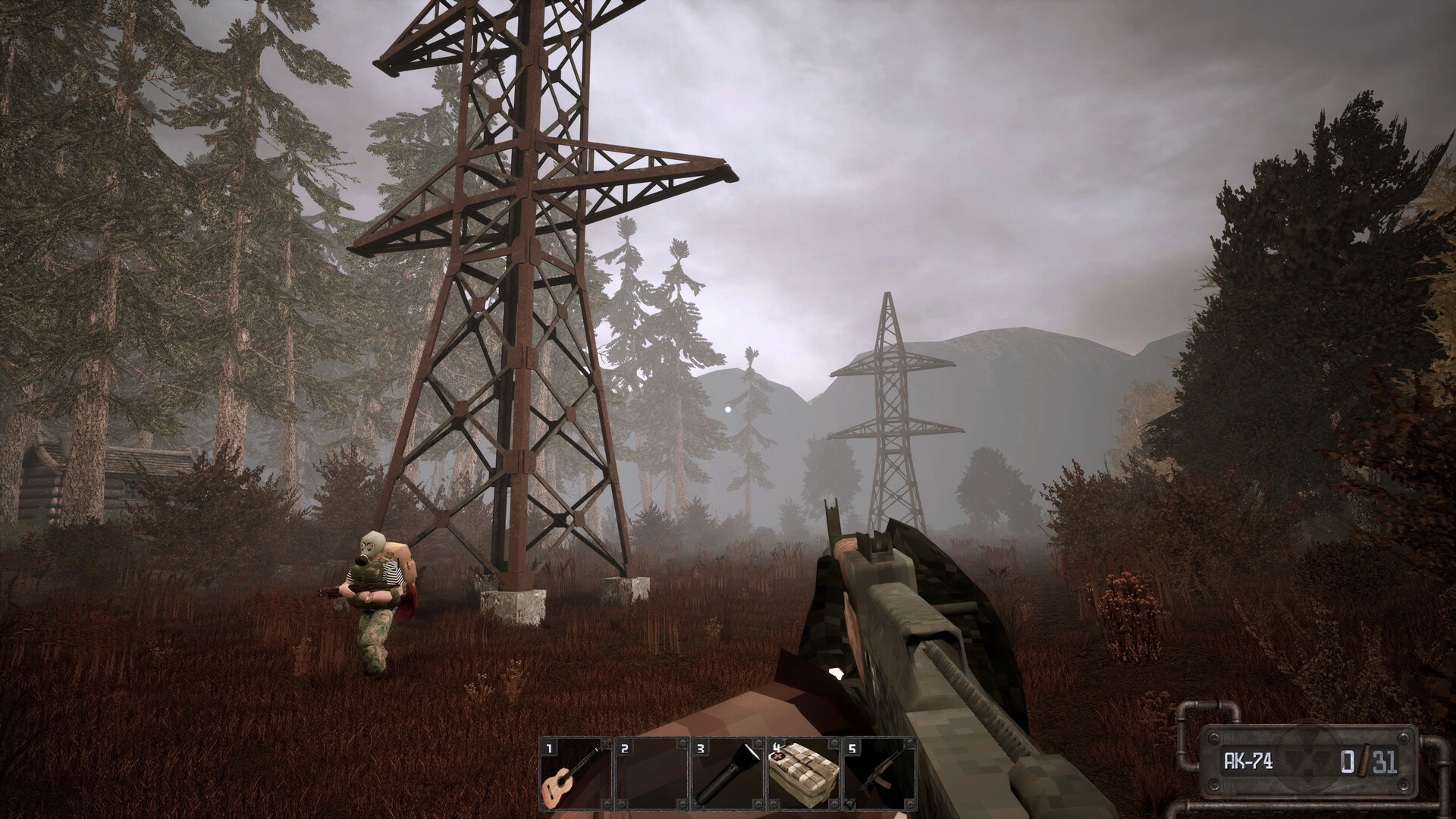
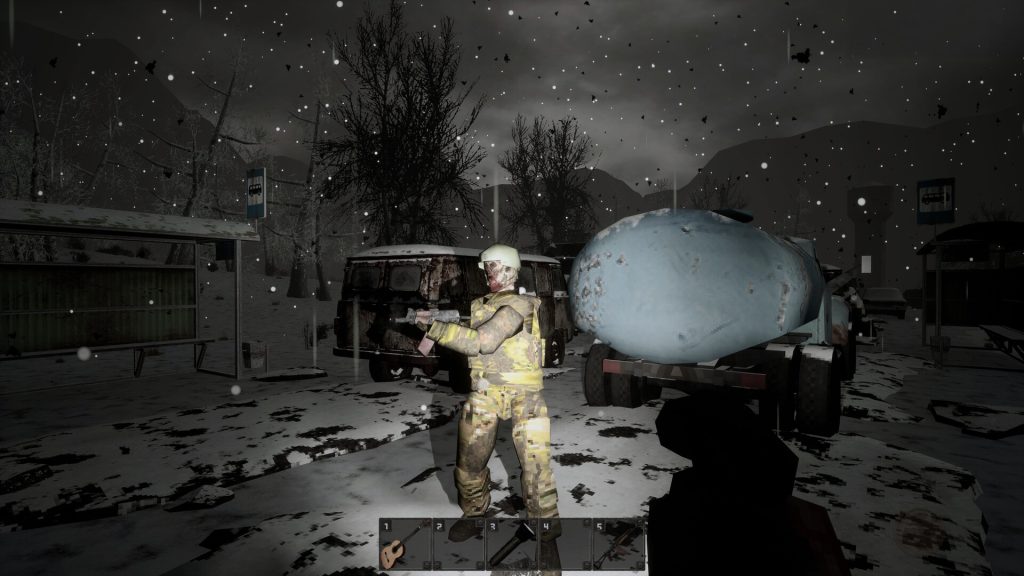
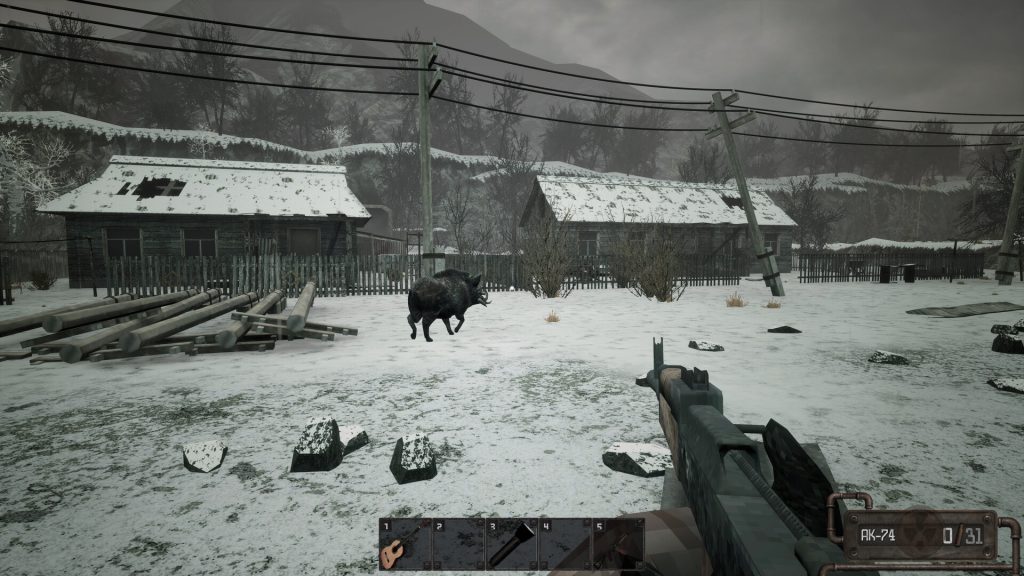
The environments in MISERY are oppressive rather than spectacular. Colors are muted. Spaces feel abandoned, cold, and indifferent to human presence.
Rather than guiding players visually, the world withholds clarity. Paths are unclear. Landmarks are unreliable. The environment feels hostile not because it attacks, but because it refuses to help.
This design creates a constant low-level anxiety. Players never feel fully oriented, which reinforces vulnerability without relying on jump scares or scripted danger.
3. Pacing: Slow, Relentless, and Unforgiving
MISERY moves slowly—and intentionally so. There is little room for impulsive action. Rushing often leads to mistakes that compound over time.
The pacing trains restraint. Players learn to pause, observe, and hesitate. However, hesitation also carries risk. Waiting too long can be just as dangerous as moving too fast.
This creates a persistent internal conflict. There is no safe tempo. Every choice feels compromised.
4. Resource Scarcity and Psychological Drain
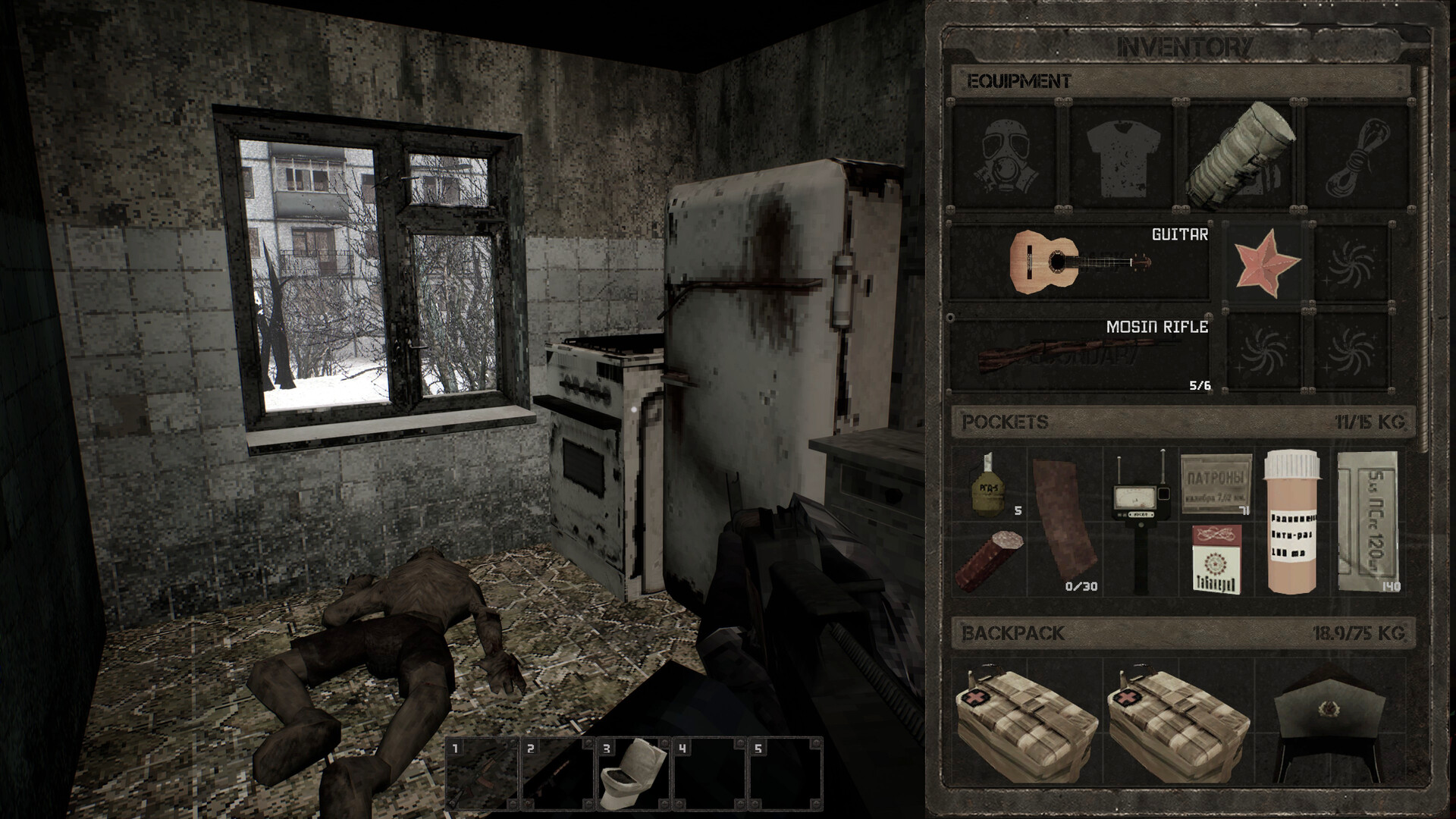
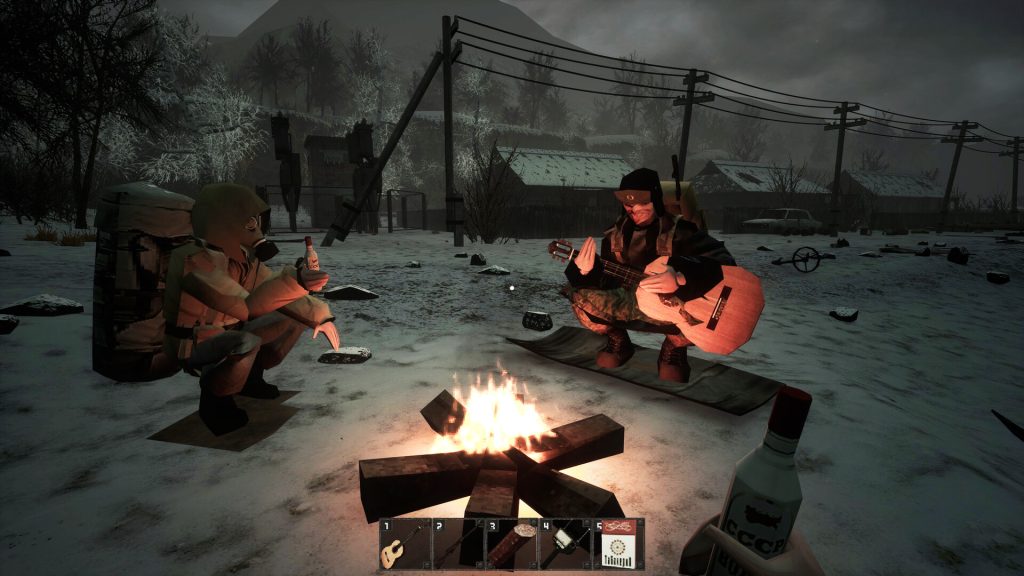
Scarcity in MISERY is not just about limited supplies—it is about decision fatigue. Every item forces a trade-off. Use now or save for later. Explore further or retreat.
The game rarely provides enough resources to feel secure. Players exist in a state of constant calculation, which slowly wears down confidence.
Over time, this creates emotional exhaustion that mirrors the game’s themes. The player’s mindset aligns with the world’s hopelessness.
5. Sound Design and Isolation
Sound in MISERY is minimal but deeply unsettling. Long stretches of silence are punctuated by distant noises, environmental creaks, or ambiguous audio cues.
These sounds rarely explain themselves. Players are left to interpret whether a noise is a threat, an illusion, or nothing at all.
Silence becomes oppressive rather than calming. It feels like the world is watching, even when nothing moves.
6. Minimal Guidance and the Fear of Misunderstanding
MISERY offers little instruction. Objectives are vague. Systems are learned through trial and error. Mistakes are not corrected—they are punished.
This lack of guidance forces players to rely on intuition rather than optimization. However, intuition is often unreliable in an unfamiliar world.
The fear of misunderstanding the game’s rules becomes part of the experience. Players are never fully confident that they are doing the “right” thing—only the least harmful one.
7. Player Psychology: Guilt, Hesitation, and Regret
One of MISERY’s most effective achievements is how it generates emotional responses beyond fear. Players experience guilt over wasted resources, regret over poor decisions, and anxiety about unknown consequences.
Deaths rarely feel sudden. They feel earned through accumulated mistakes. Players often know what went wrong—but realize it too late.
This creates a reflective loop. Failure encourages contemplation rather than anger. Players replay decisions mentally, questioning their judgment.
8. Threat Design: Suggestion Over Confrontation
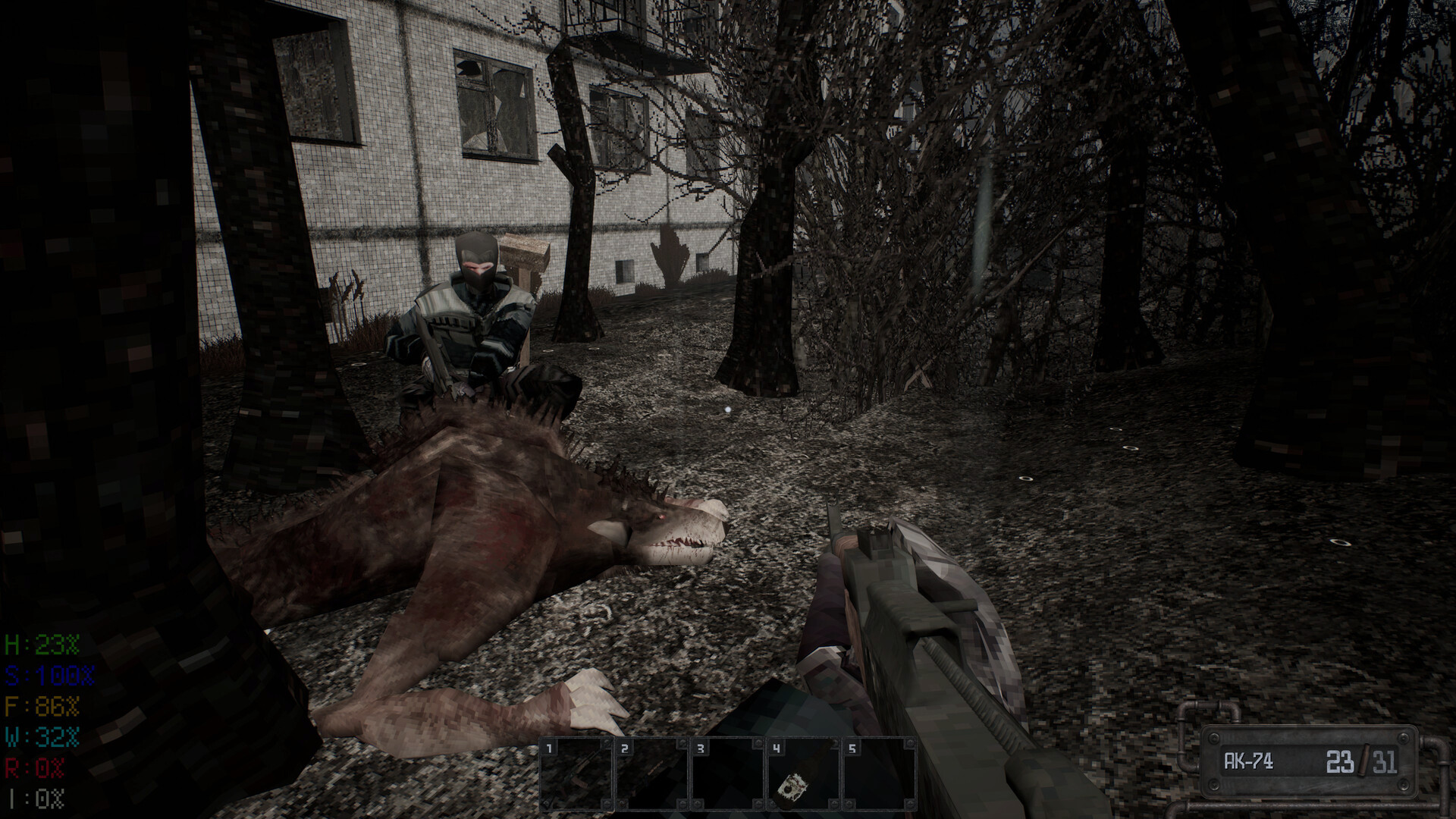
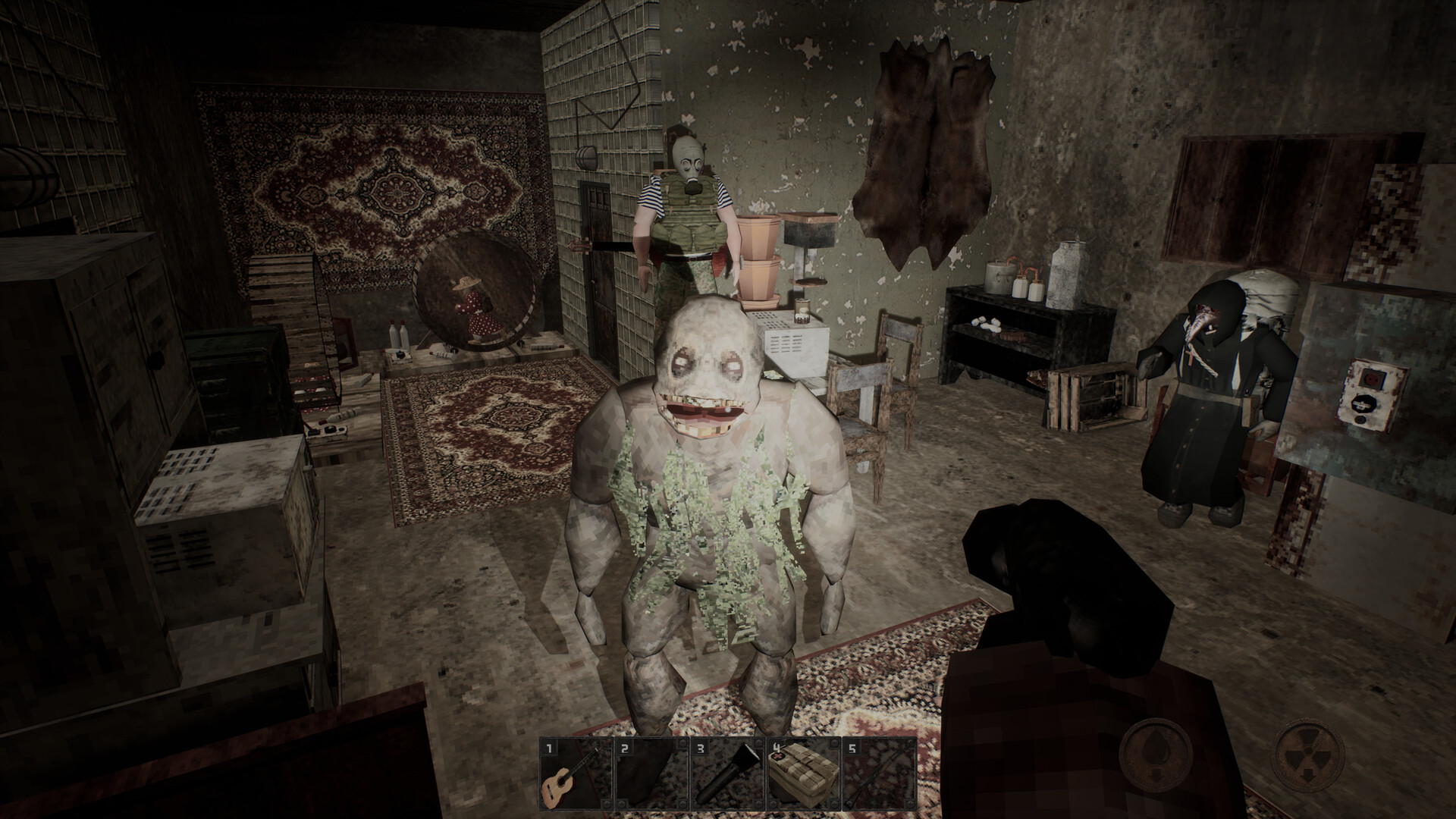
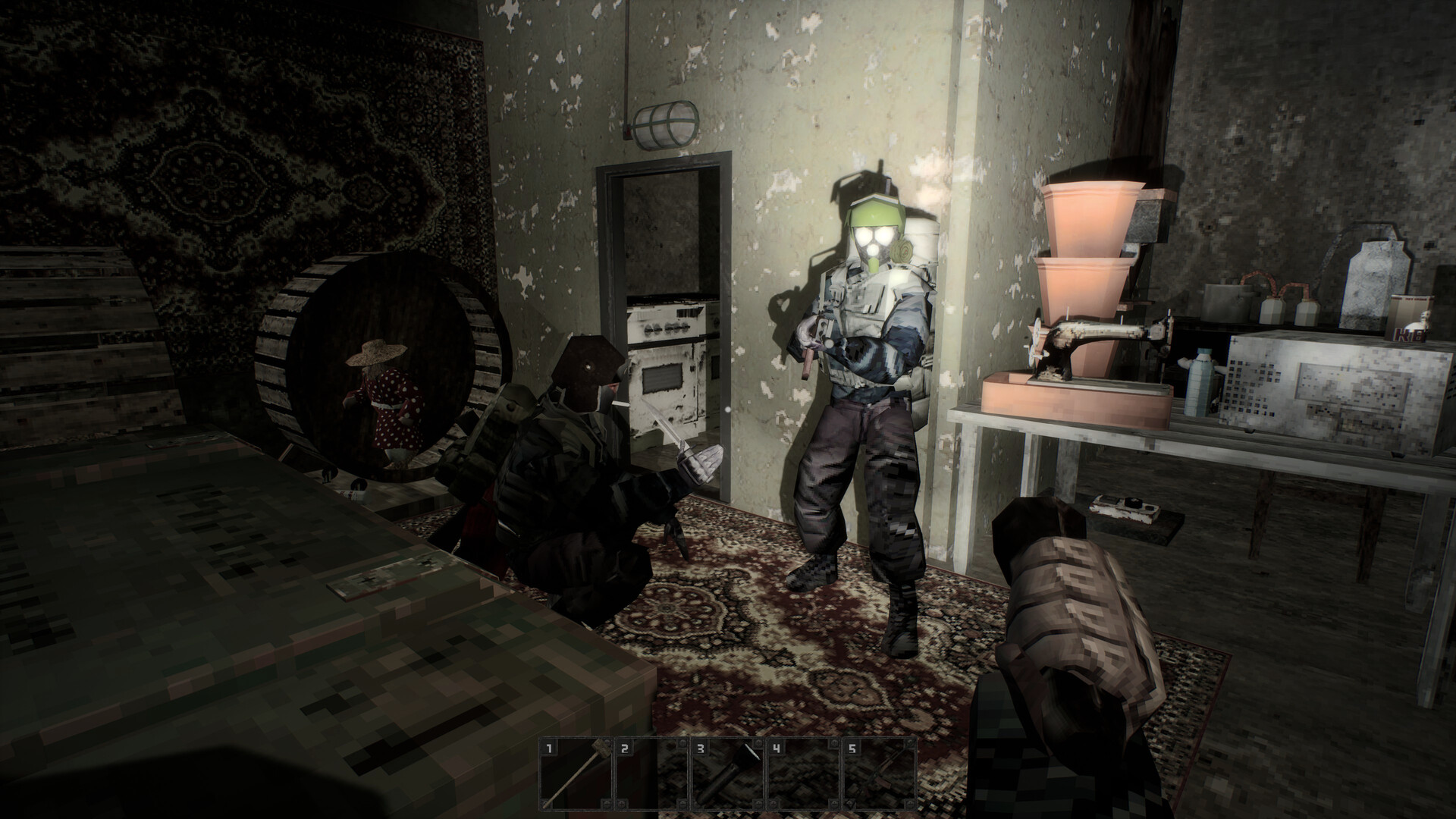
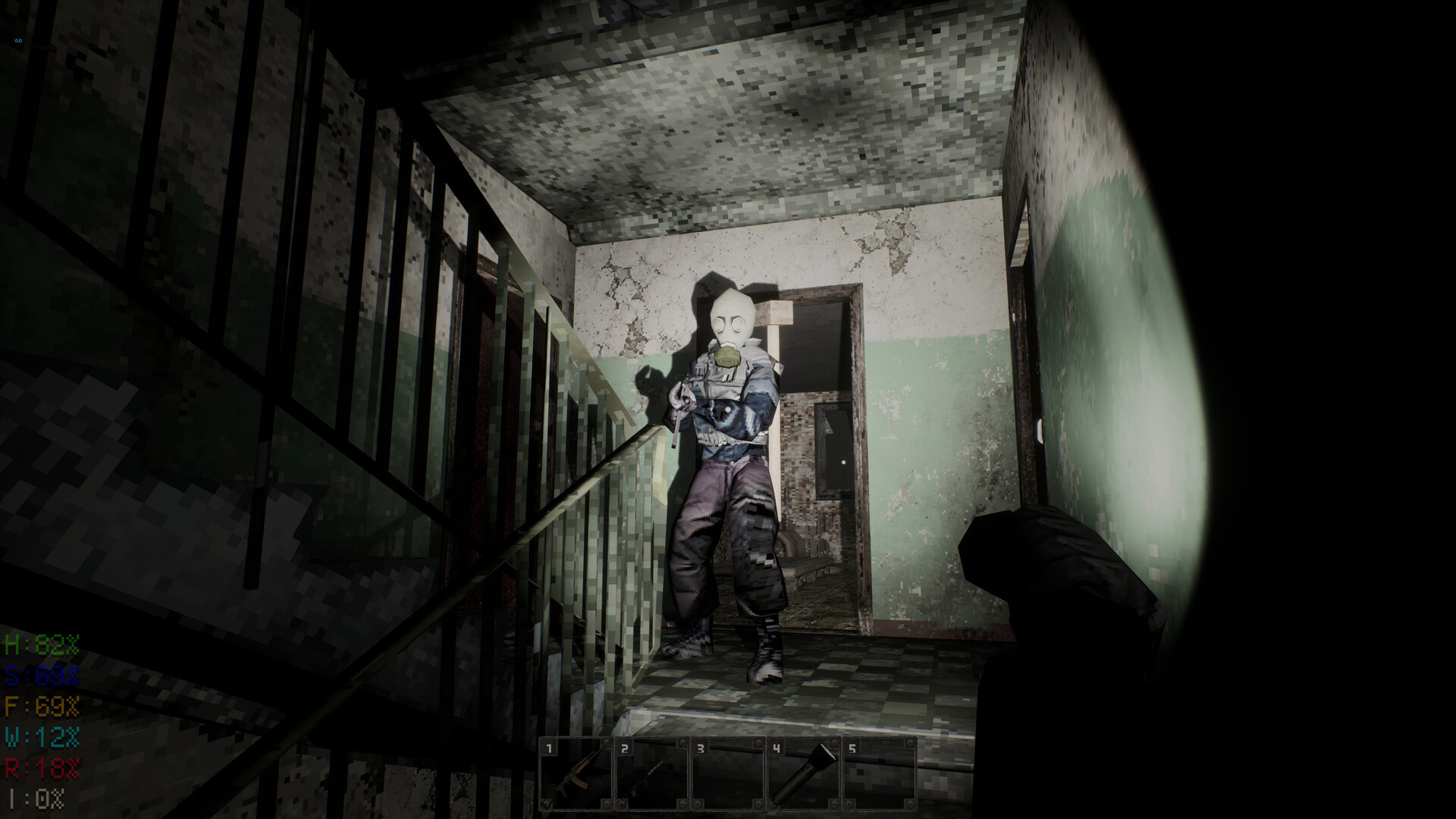
MISERY does not rely on constant enemies. Threats are infrequent, ambiguous, and often poorly defined.
This ambiguity is deliberate. Players do not always know what they are avoiding or why. The absence of clear threat rules makes caution the default state.
Fear emerges from uncertainty rather than confrontation. The unknown is more powerful than any visible enemy.
9. Limited Replayability, Focused Experience
MISERY is not designed for endless replay. Once systems are understood and the atmosphere becomes familiar, its impact diminishes.
However, this limitation reinforces its identity. MISERY is not a sandbox—it is a curated emotional journey. It values depth of feeling over longevity.
The game leaves a strong impression precisely because it does not attempt to sustain infinite engagement.
10. What MISERY Ultimately Communicates
MISERY is less interested in entertainment than in expression. It uses interactivity to communicate exhaustion, isolation, and fragility.
The game does not offer resolution or catharsis. It offers understanding. It asks players to sit with discomfort rather than overcome it.
This makes MISERY a niche experience—but a deliberate one.
Pros
Strong, consistent atmosphere of despair
Systems reinforce emotional themes effectively
Minimalist sound design enhances isolation
Slow pacing encourages reflection
Fear emerges from uncertainty rather than spectacle
Cons
Limited mechanical variety
Not suitable for action-oriented players
High emotional fatigue may deter some audiences
Minimal guidance can feel frustrating
Low replay value once systems are understood
Conclusion: A Game That Refuses to Comfort
MISERY succeeds because it does not compromise its vision. It does not soften its tone to accommodate enjoyment. It does not reward perseverance with power.
Instead, it offers something rarer: a coherent emotional experience where mechanics, pacing, and atmosphere align to communicate a singular feeling. For players seeking survival horror that prioritizes mood, introspection, and psychological pressure over adrenaline, MISERY delivers an experience that lingers long after play ends.
It does not ask you to win.
It asks you to endure—and to understand why that matters.