
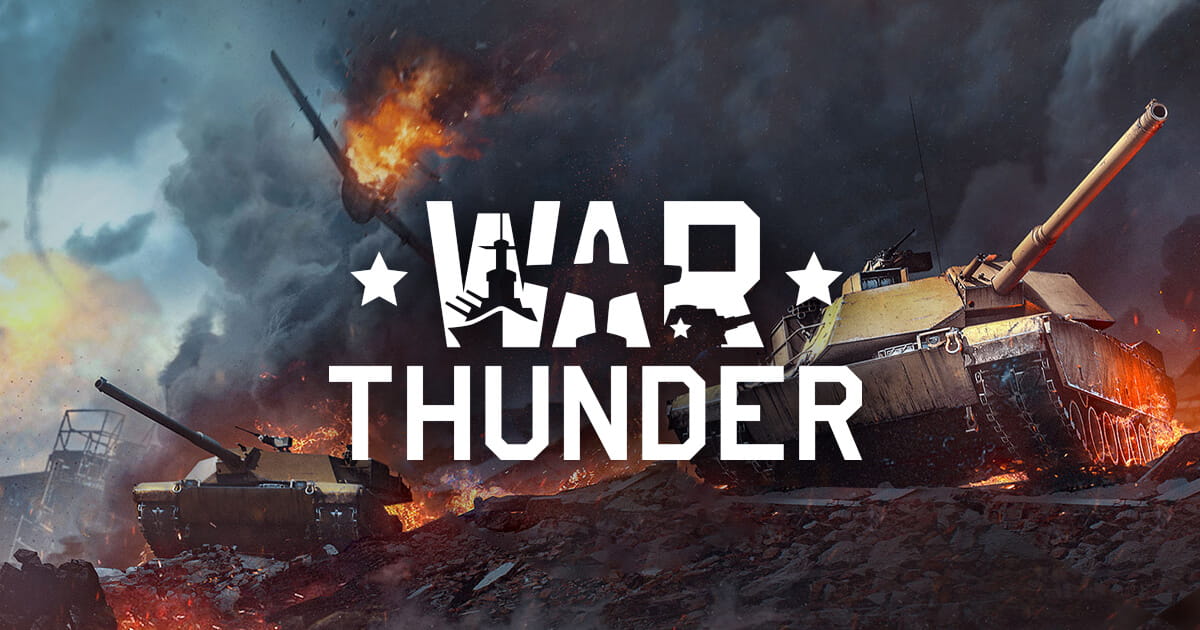
War Thunder – Mechanical Realism, Player Discipline, and the Weight of Authentic Warfare
Introduction: A Game That Treats Machines Seriously
War Thunder is often described as a military vehicle combat game, but that label only scratches the surface. War Thunder is not primarily about action, spectacle, or even victory. It is about understanding machines. Tanks, aircraft, and naval vessels are not avatars—they are complex systems with strengths, weaknesses, and limitations that demand respect.
Unlike arcade-oriented war games that simplify physics and exaggerate power, War Thunder is built on the idea that realism itself can be engaging. This is a game where patience, knowledge, and discipline consistently outperform aggression. The following review examines War Thunder as a long-term systems-driven experience, focusing on realism, player psychology, and why mastery in this game feels fundamentally different from most multiplayer titles.
Quick Info (Overview Box)
Release Year: 2013
Genre: Military vehicle combat / Simulation-lite
Platforms: PC, PlayStation, Xbox
Game Modes: Arcade Battles, Realistic Battles, Simulator Battles
Target Audience: Players interested in military history, mechanical realism, and skill development through knowledge and practice
1. Core Design Philosophy: Respect the Machine
At the heart of War Thunder is a design philosophy rarely pursued at scale: vehicles behave like machines, not characters. Armor thickness, shell type, engine power, and aerodynamics matter at all times.
This philosophy reshapes player expectations immediately. Victory is not achieved by twitch reflexes alone, but by understanding how a vehicle functions under real-world constraints. A tank is not a health bar—it is a collection of components that can fail independently.
The game does not hide this complexity. It presents it openly and expects players to adapt.
2. Three Modes, Three Mindsets
War Thunder’s structure is defined by its three core modes: Arcade, Realistic, and Simulator. Each mode represents a different compromise between accessibility and authenticity.
Arcade Battles prioritize readability and speed. Physics are forgiving, markers are visible, and action is constant.
Realistic Battles remove most assists, requiring map awareness, shell knowledge, and positioning.
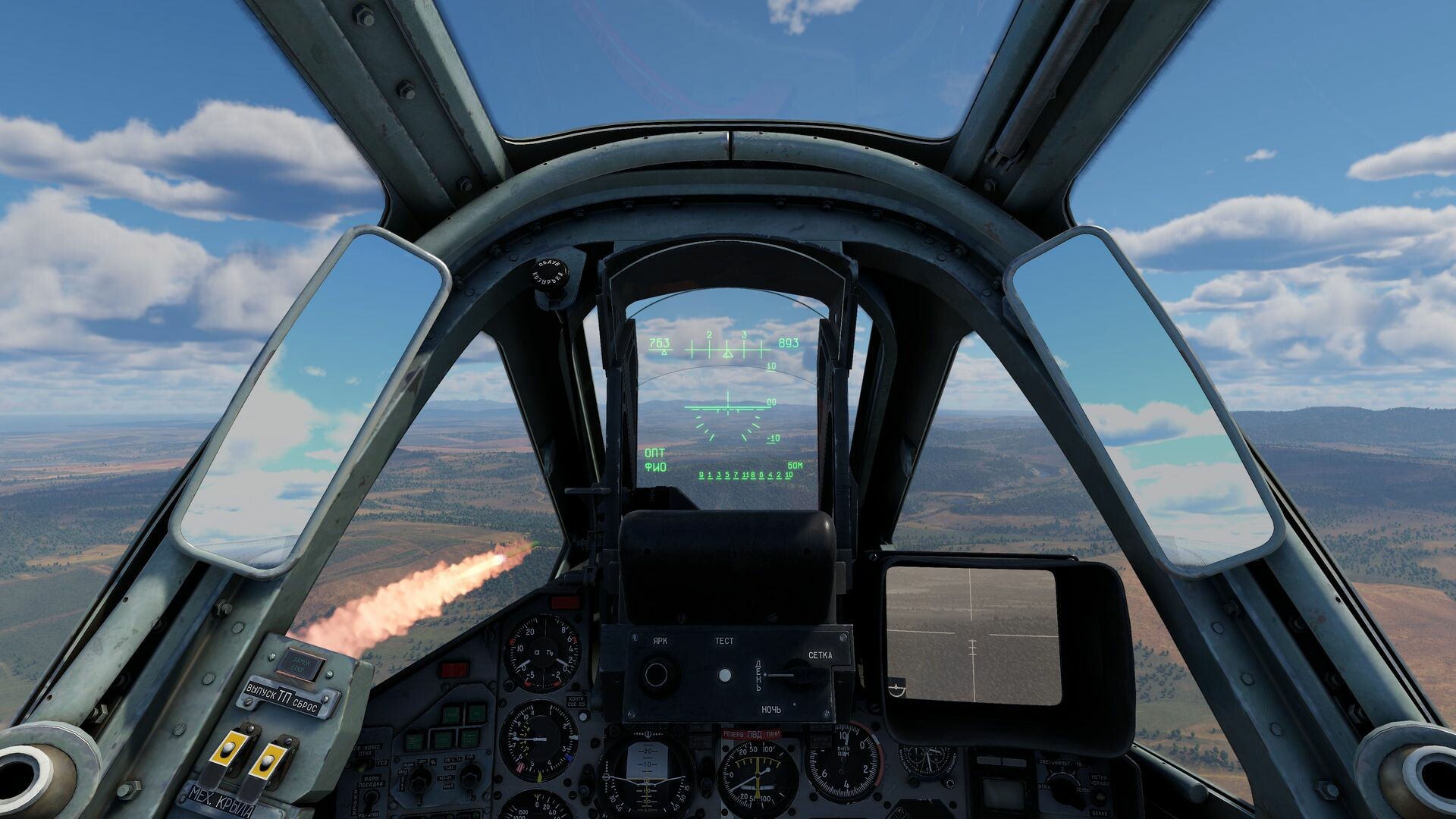
Simulator Battles strip the experience to its core, demanding manual controls, first-person views, and extreme discipline.
These modes are not simply difficulty settings—they are philosophical stances. Players choose not just how hard they want the game to be, but how much responsibility they want to carry.
3. Combat as Knowledge Application
In War Thunder, knowing where to shoot is often more important than shooting first. Armor angling, weak points, shell penetration values, and distance all determine outcomes.
This transforms combat into applied knowledge. Players study vehicle schematics, learn ammunition types, and internalize ballistic behavior. Success feels earned through understanding rather than repetition.
As a result, improvement is slow but deeply satisfying. Each lesson learned translates directly into survivability and effectiveness.
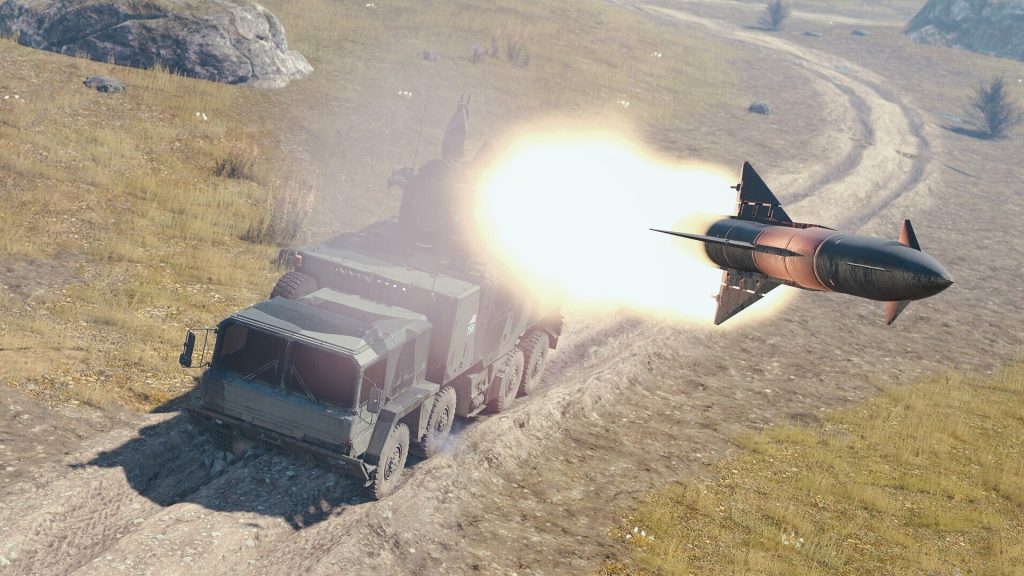
4. Air Combat: Energy, Positioning, and Patience
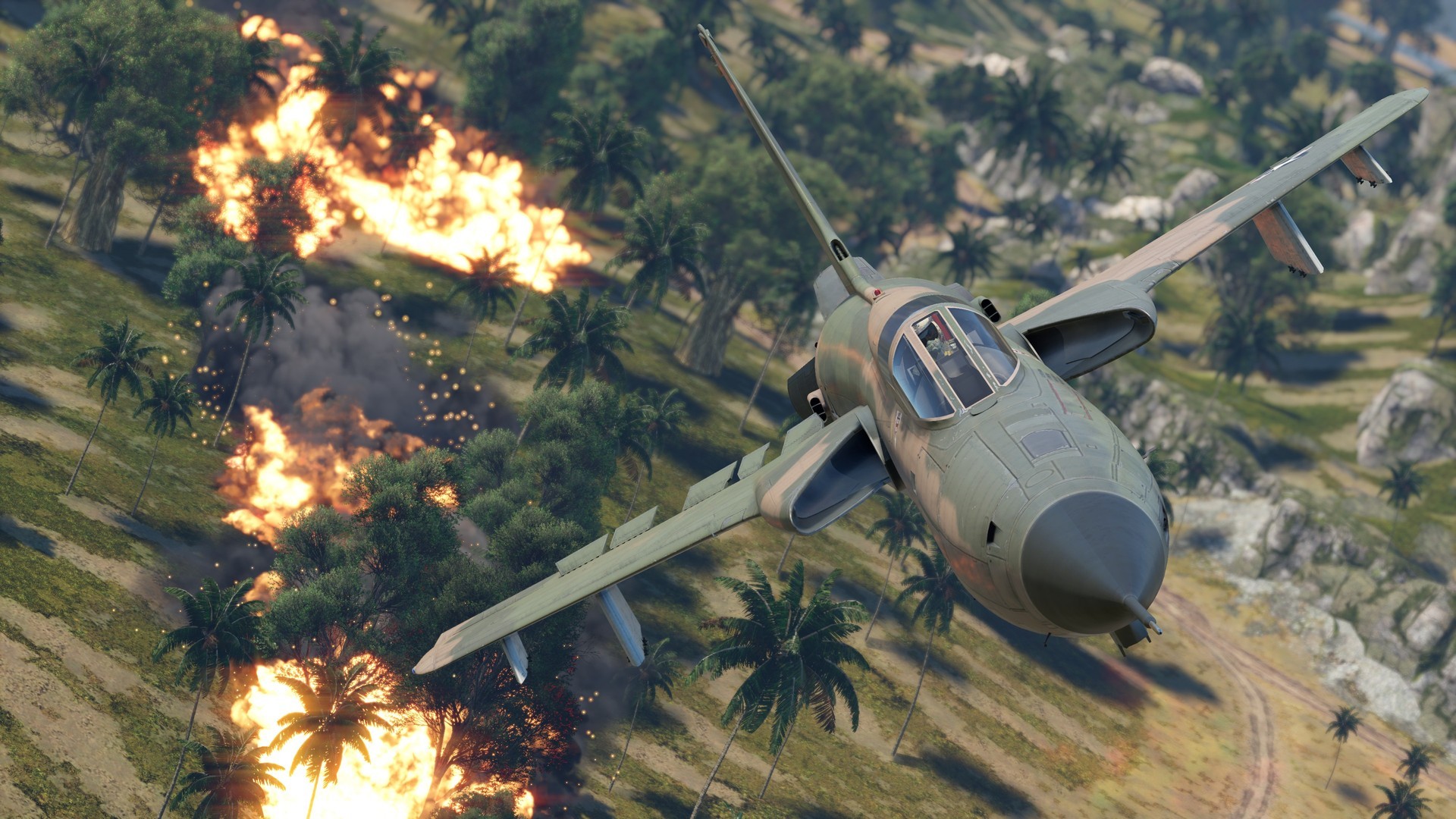
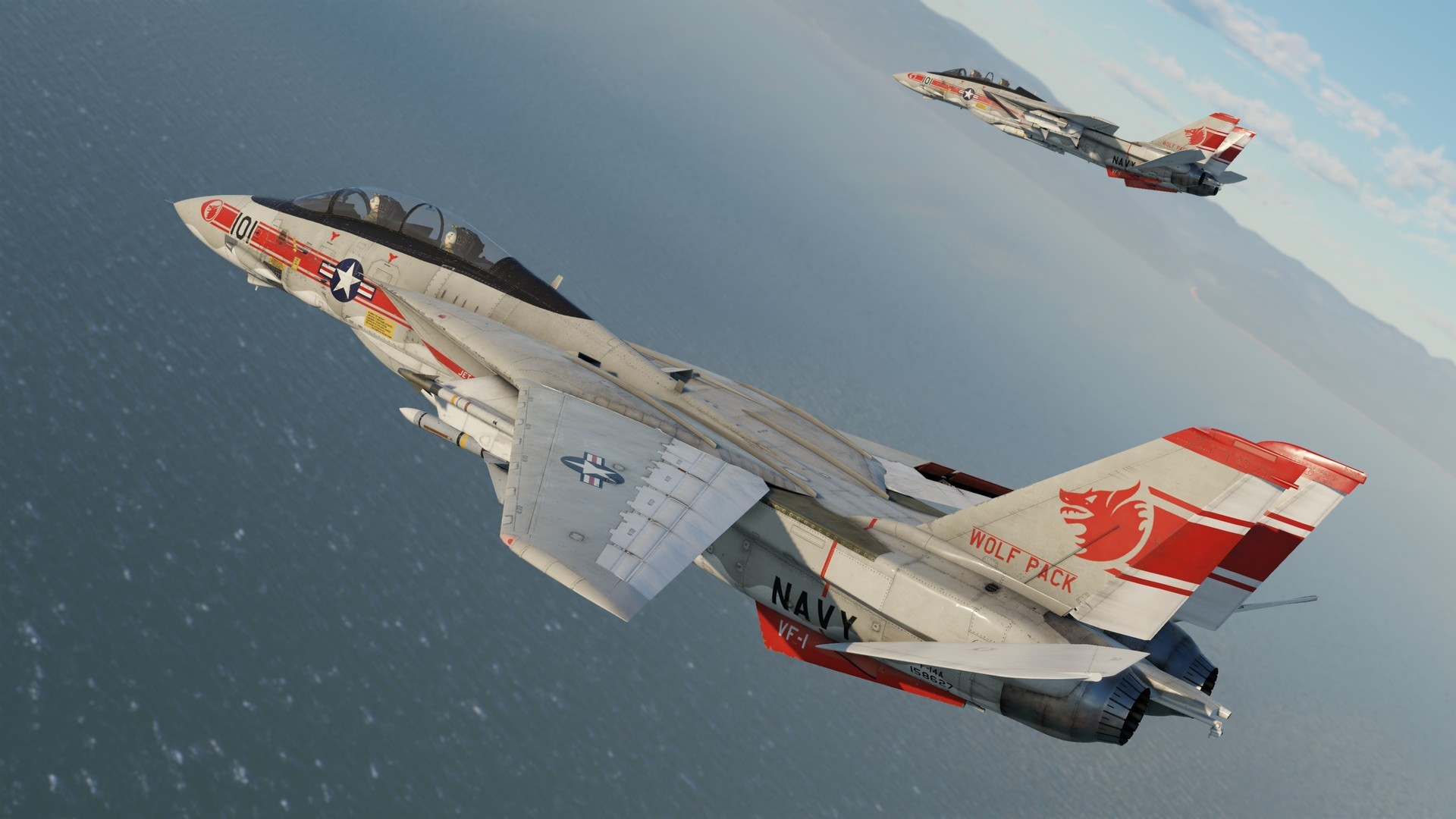
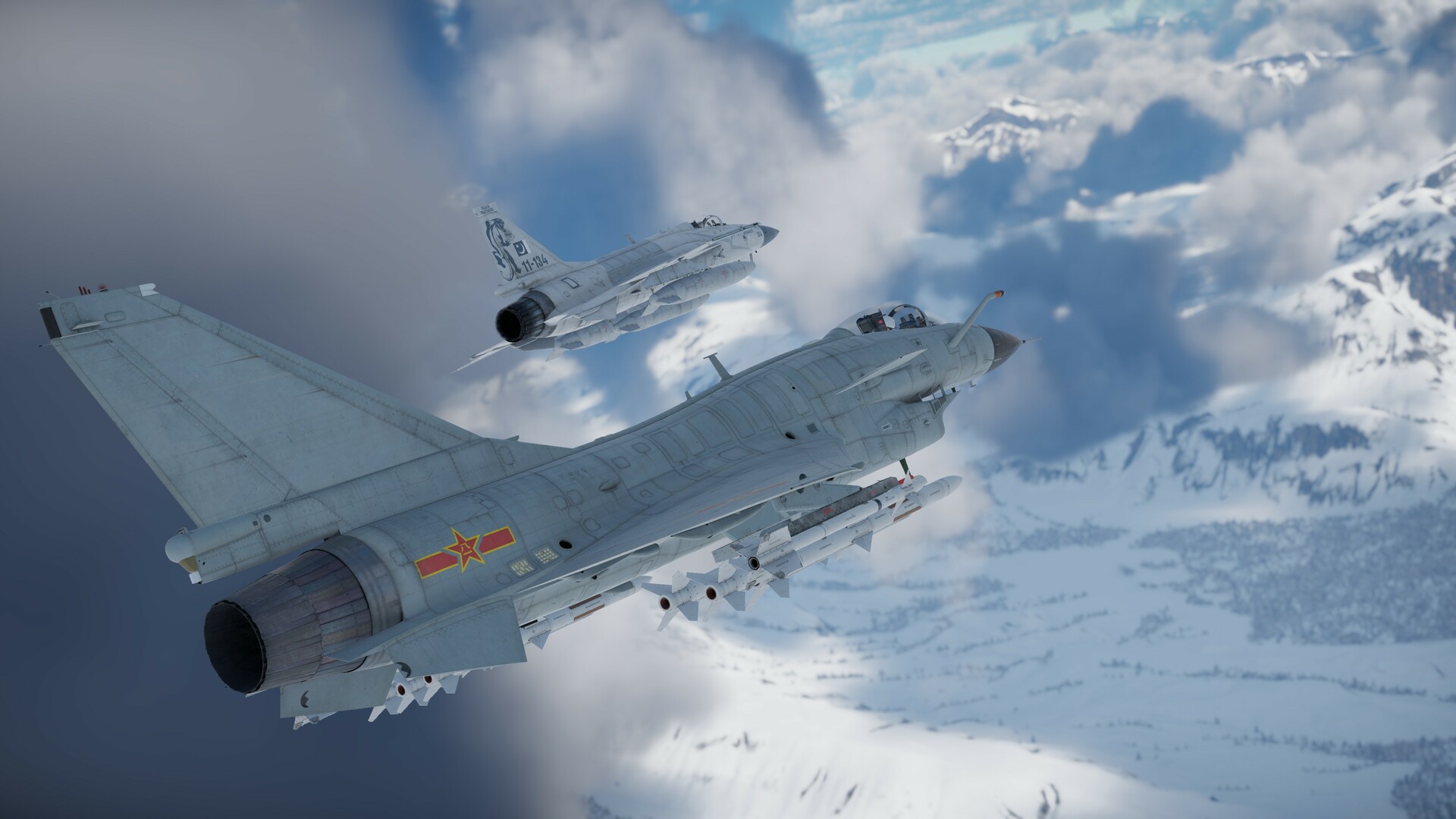
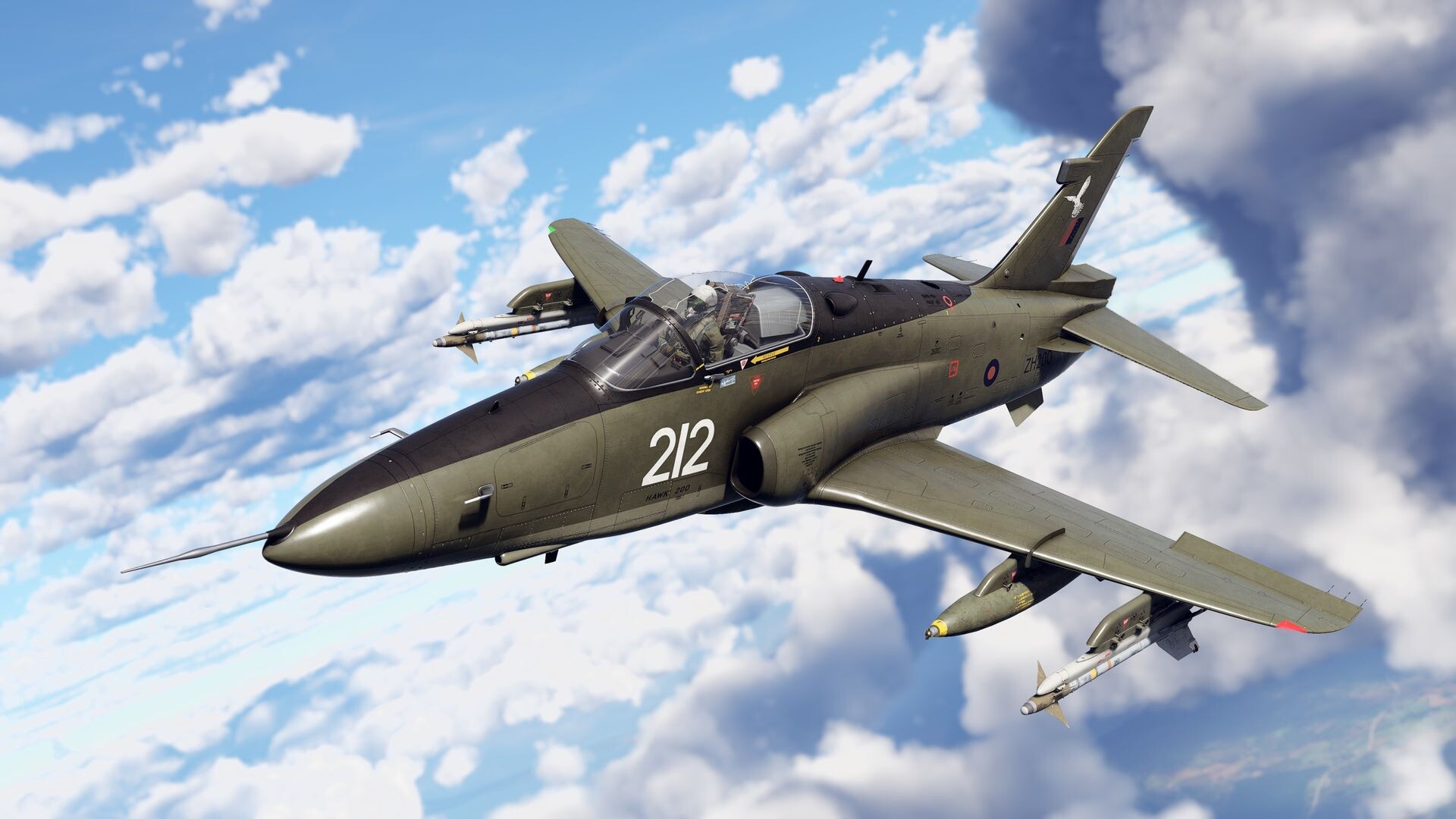
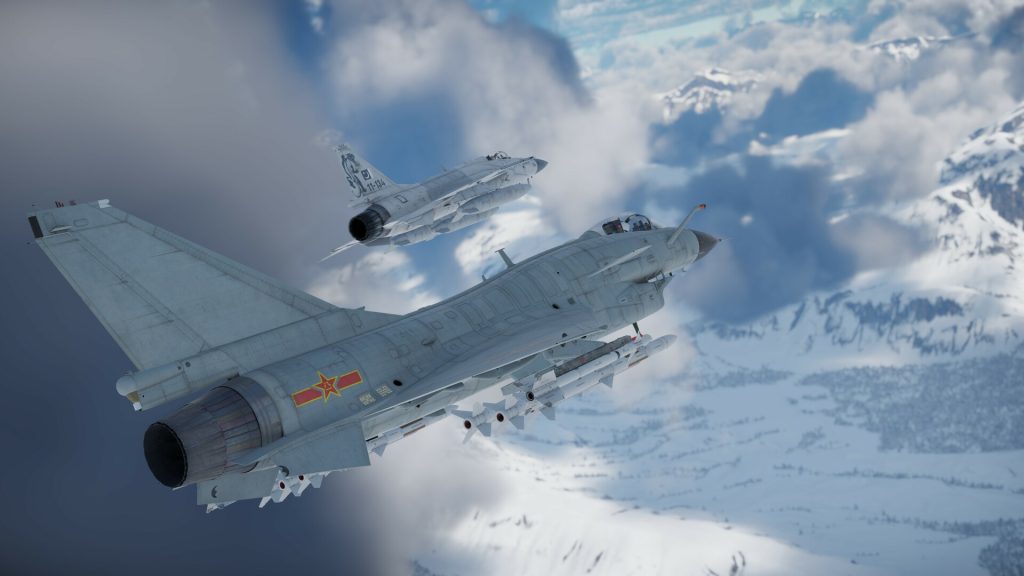
Aircraft combat in War Thunder is not about constant dogfighting—it is about energy management. Speed, altitude, and maneuver choice define engagements long before guns fire.
Pilots learn to climb, disengage, bait opponents, and choose fights selectively. Chasing every enemy often leads to death. Restraint is rewarded.
This emphasis on positioning over reaction speed makes aerial combat feel closer to chess than to arcade shooting. Every maneuver carries opportunity cost.
5. Ground Forces: Lethality Without Forgiveness
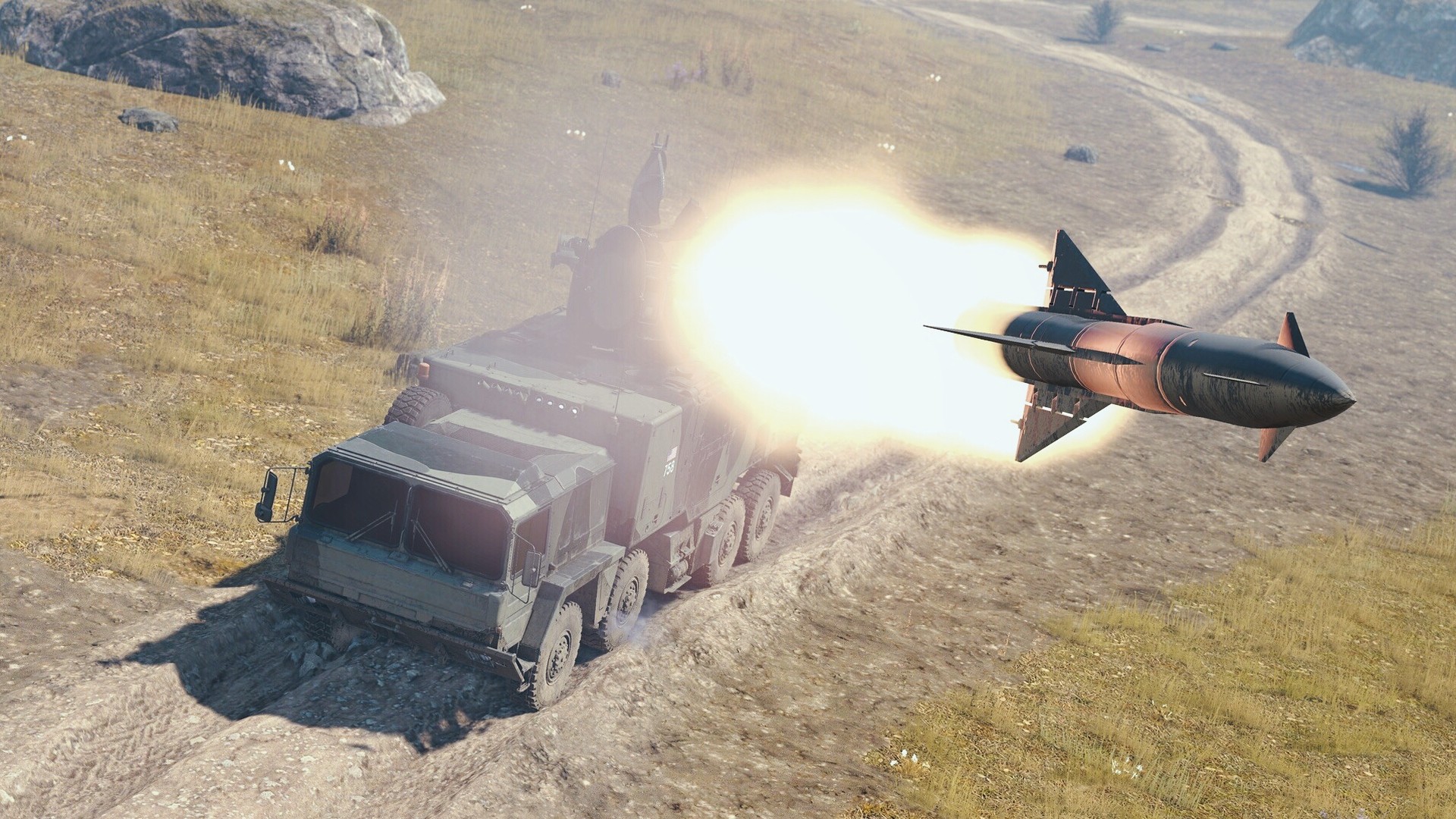
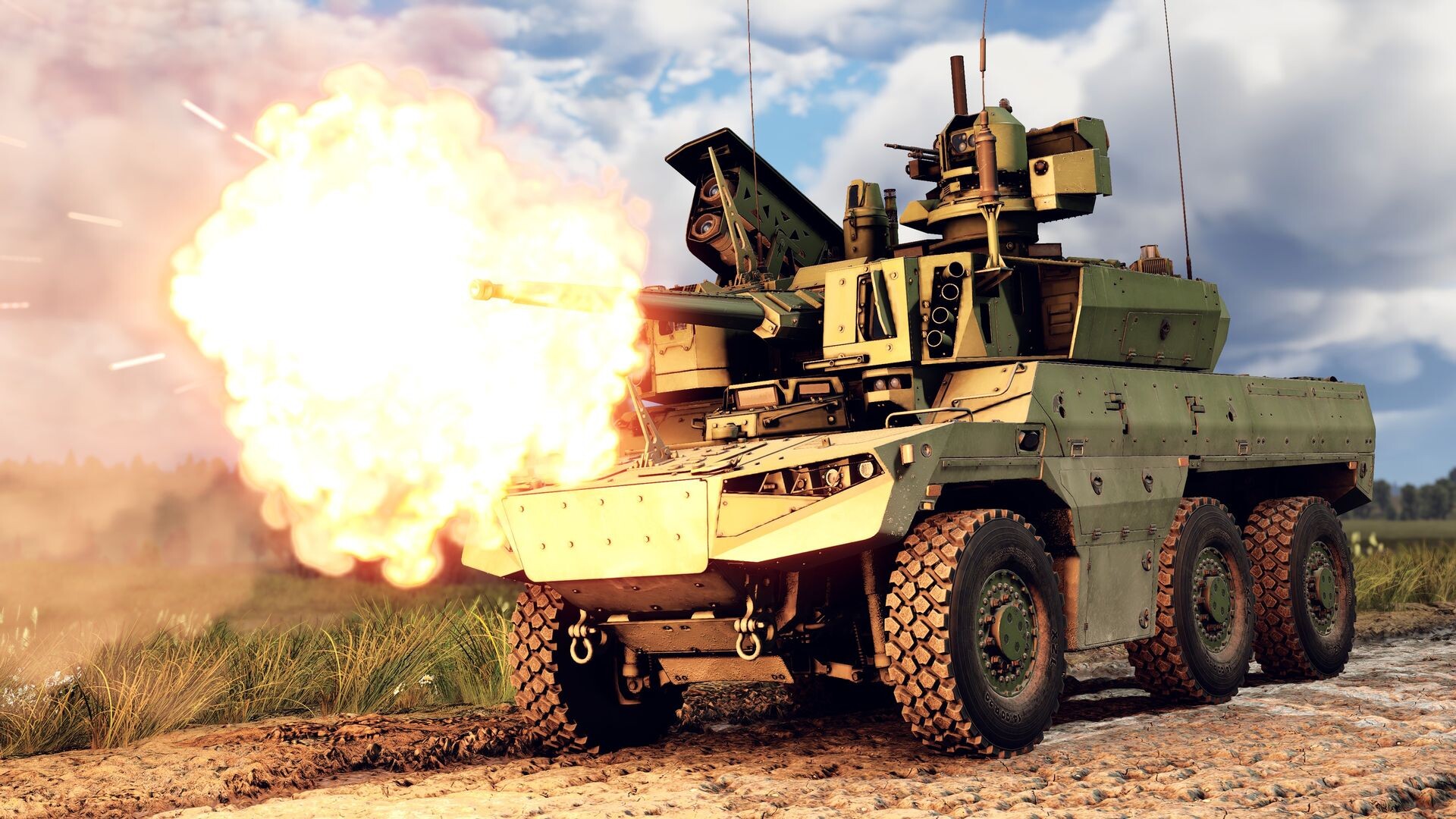
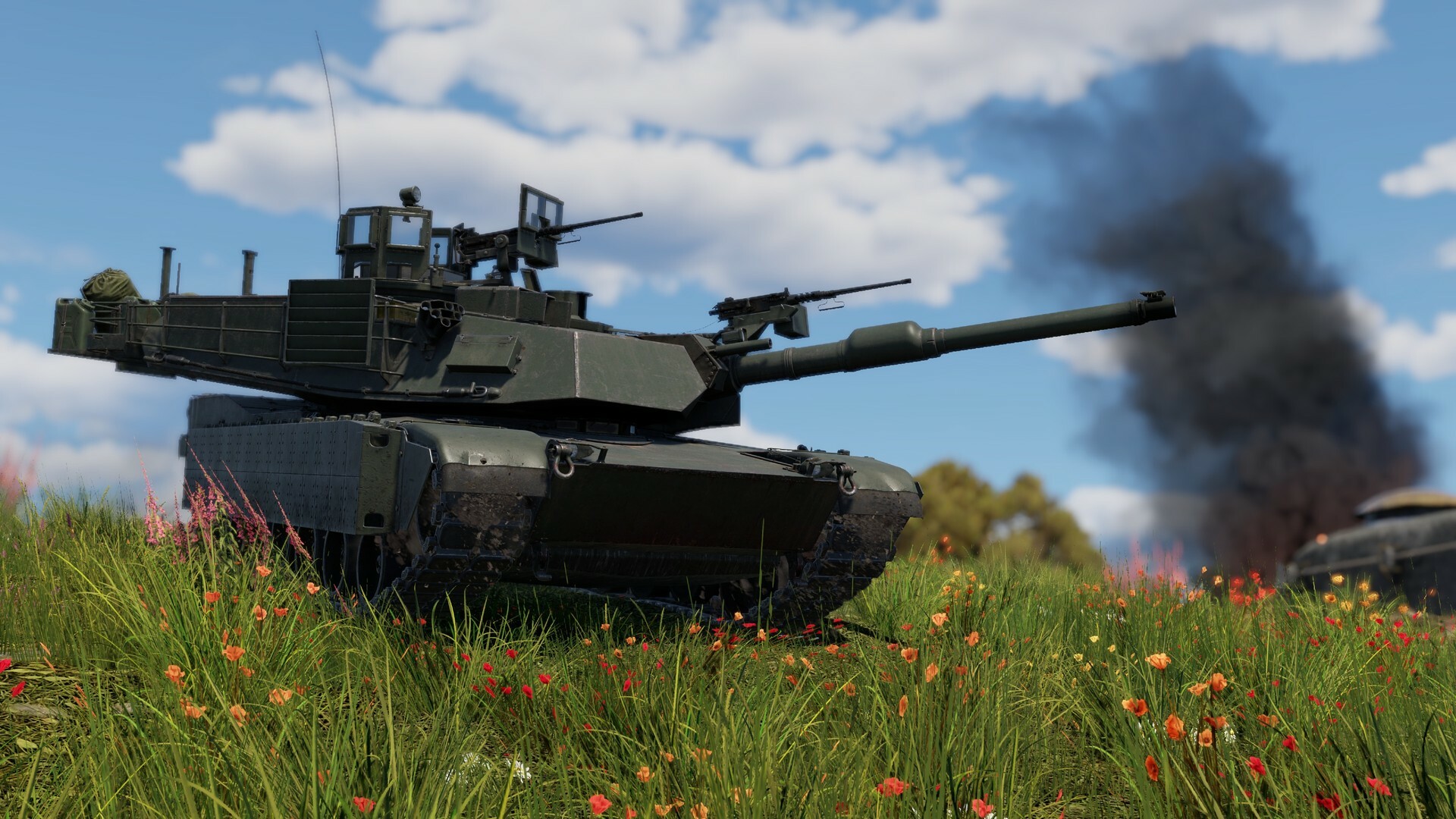
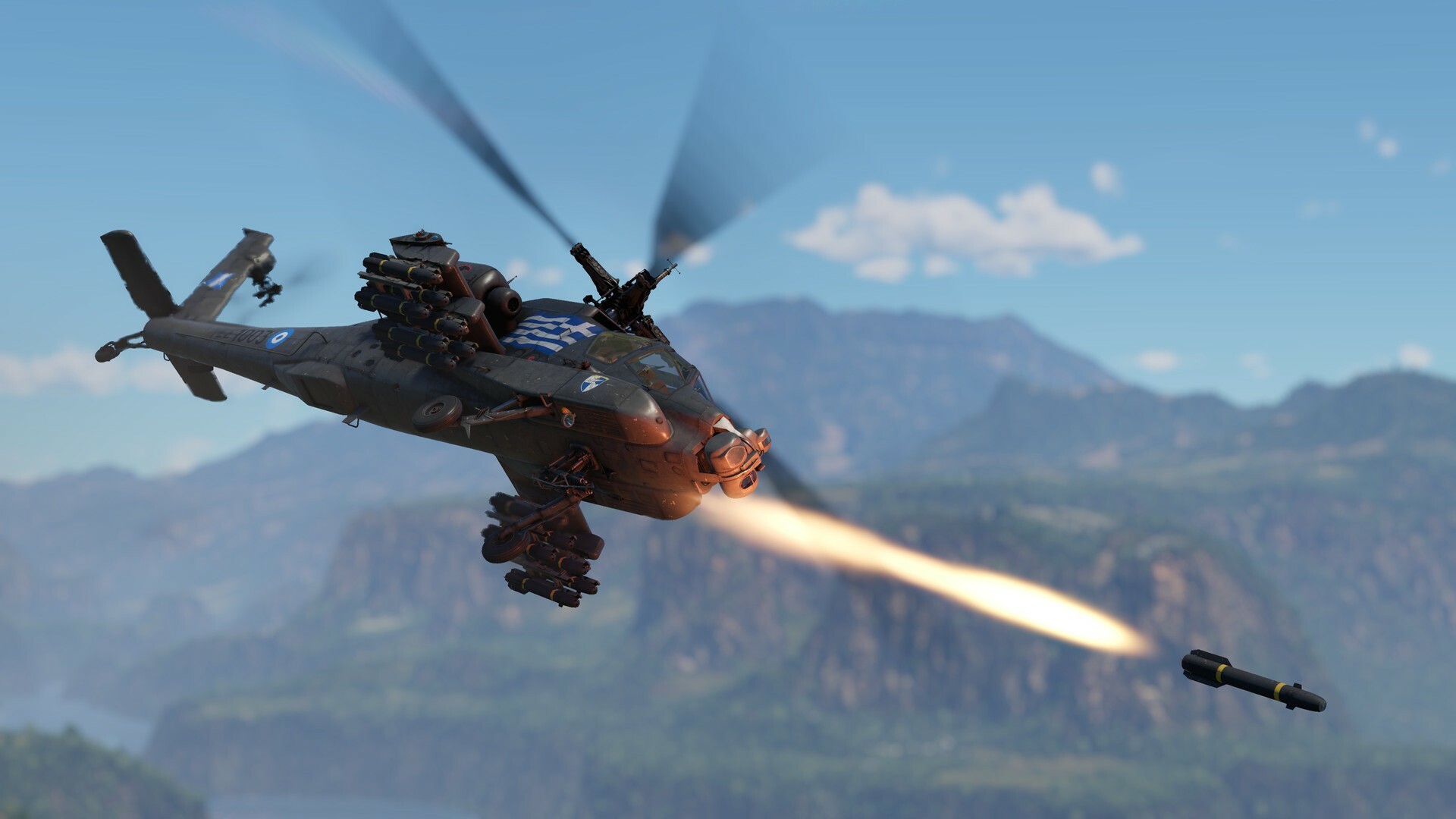
Tank combat in War Thunder is brutally unforgiving. One well-placed shot can end an engagement instantly. Mistakes are rarely recoverable.
This creates intense psychological pressure. Movement is cautious. Exposure is minimized. Players learn to read terrain and anticipate threats rather than rush objectives.
Unlike many vehicle games, War Thunder treats destruction as final. There is no dramatic comeback once your armor fails. Survival depends on preparation, not heroics.
6. Naval Combat: Systems Within Systems
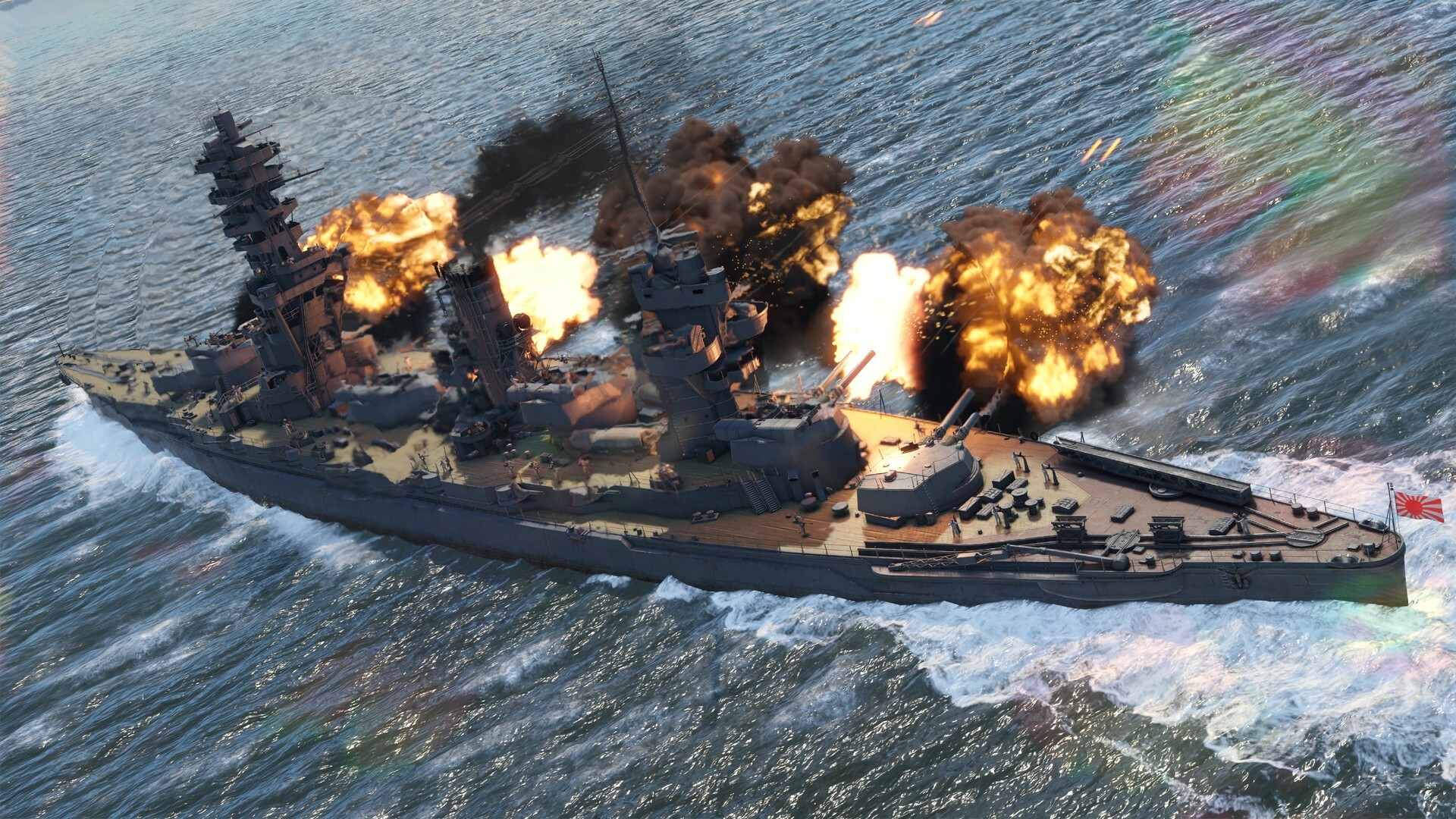
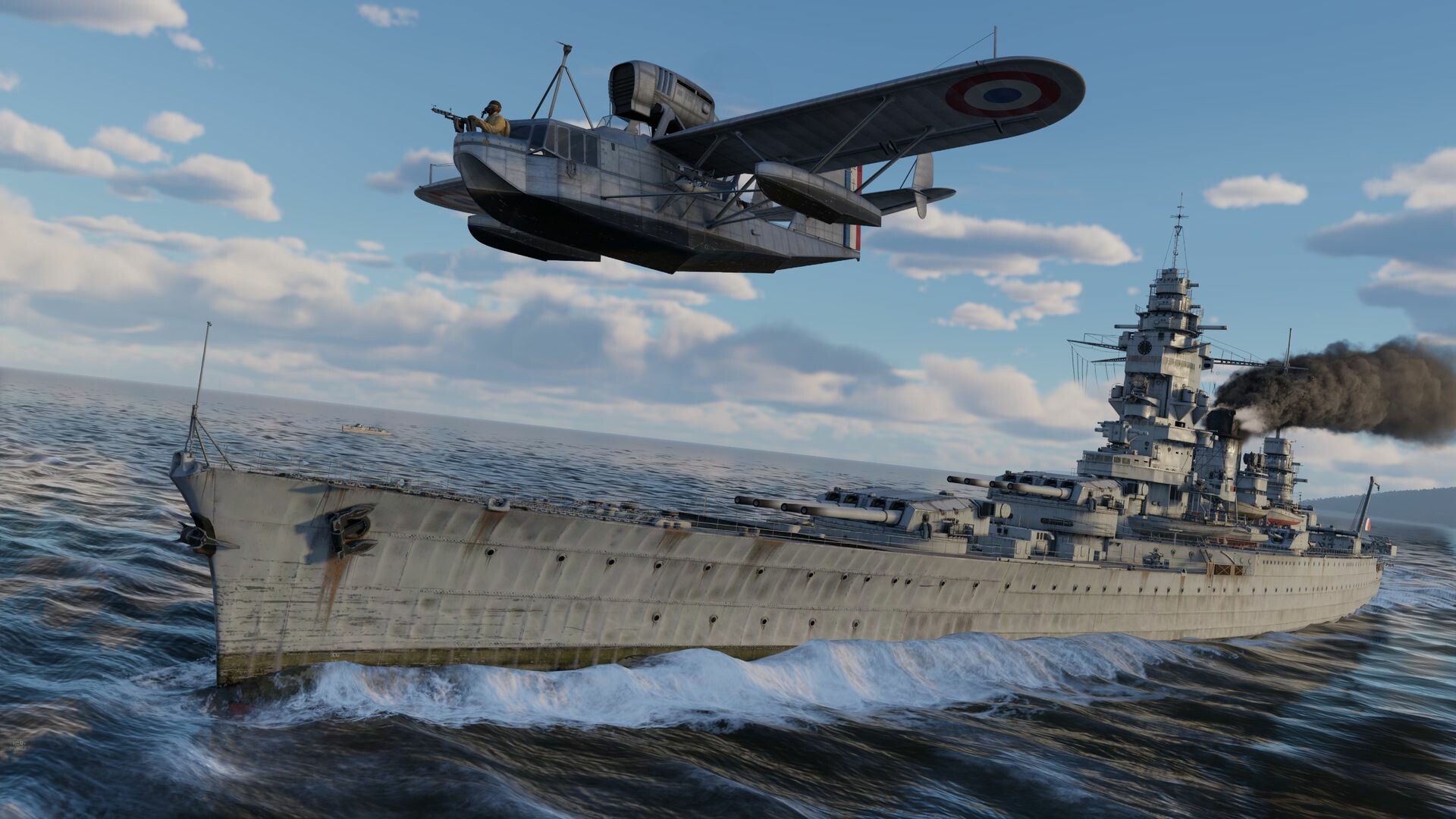
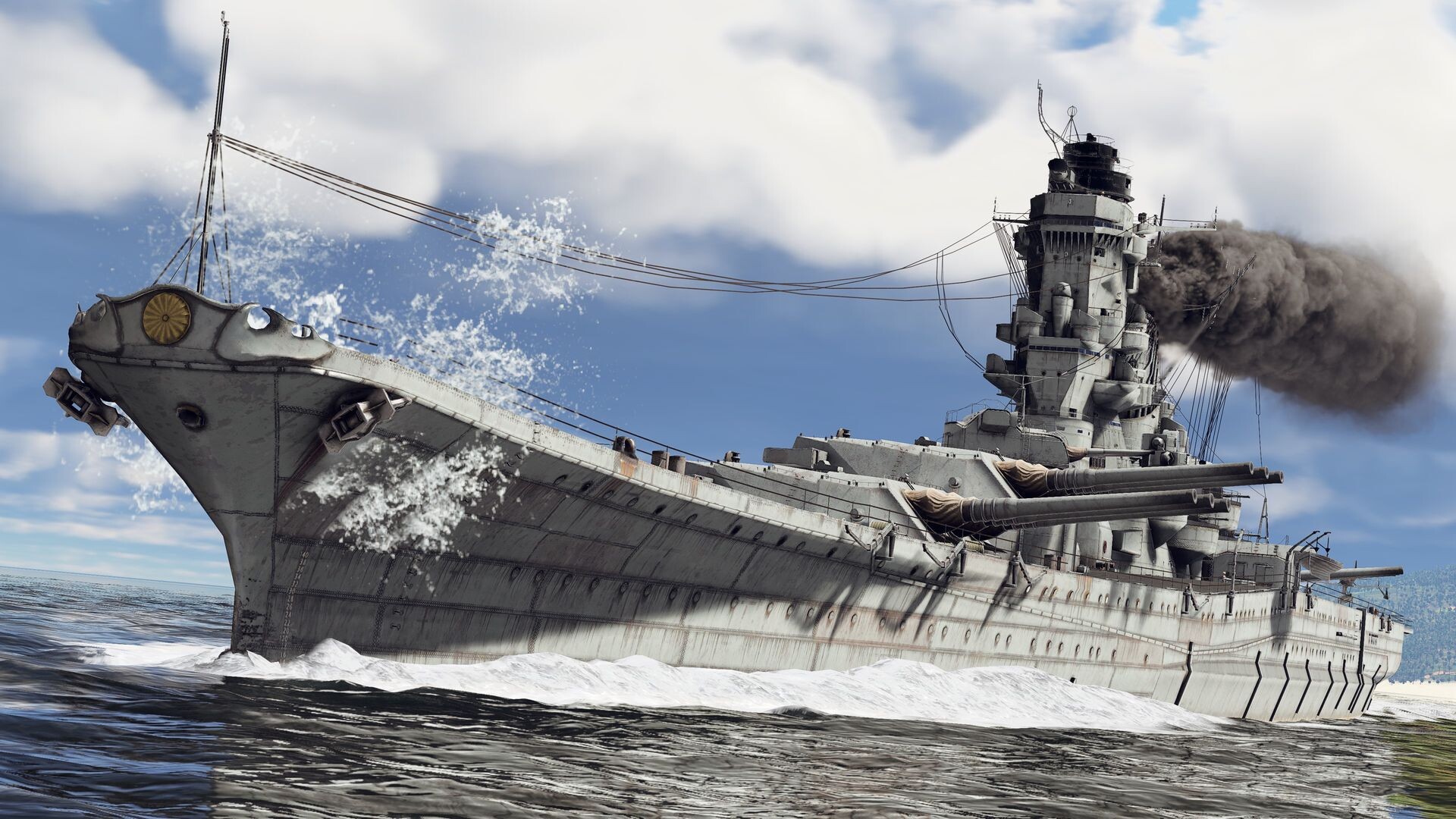
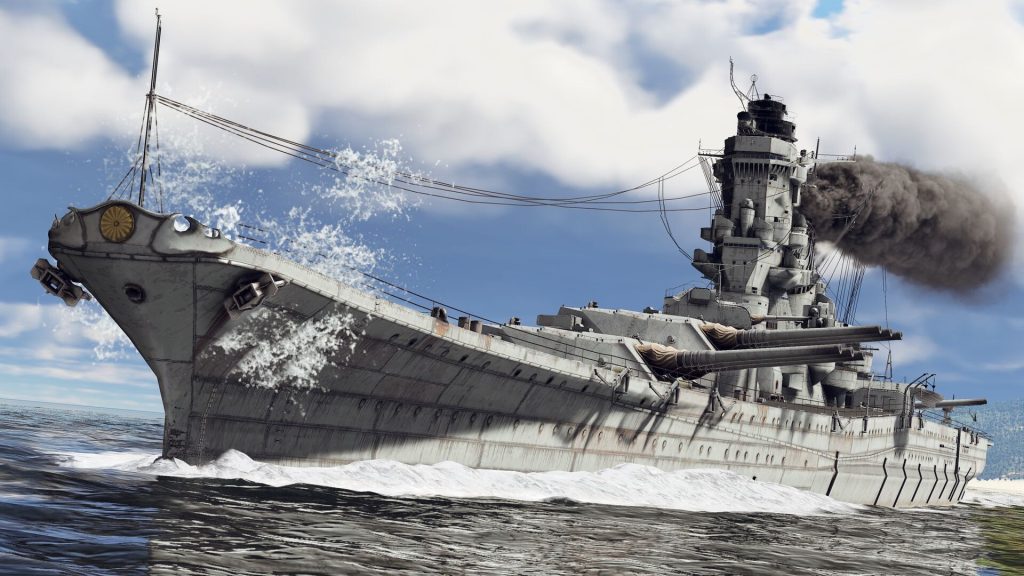
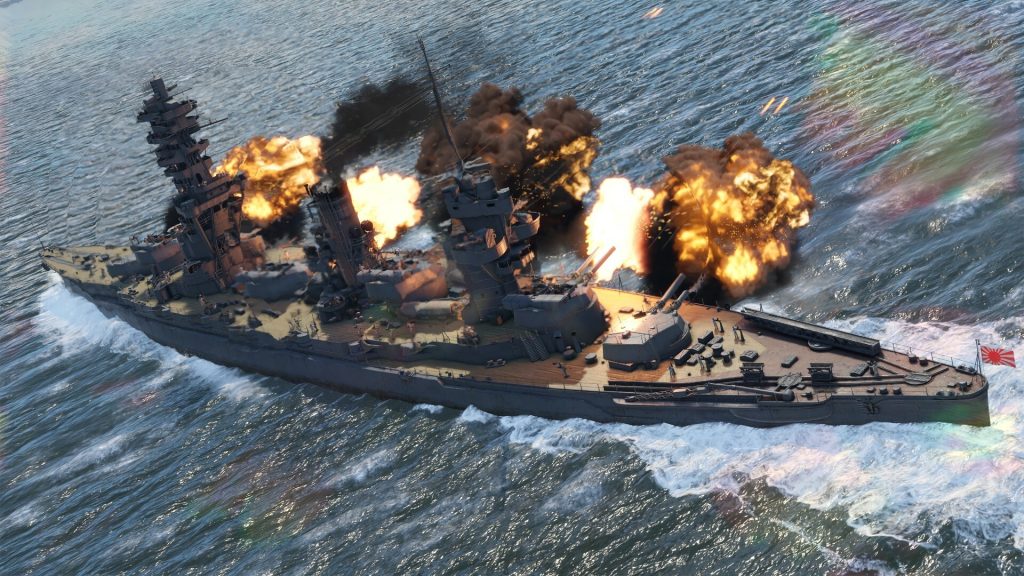
Naval battles expand War Thunder’s mechanical depth further. Ships are multi-layered entities with compartments, crew distribution, and damage control systems.
Combat unfolds over longer timeframes, emphasizing positioning, targeting priority, and damage mitigation. Fires, flooding, and module destruction introduce delayed consequences.
Naval combat rewards strategic thinking and coordination rather than individual brilliance. The player becomes a manager of crises rather than a trigger-puller.
7. Progression: Time, Commitment, and Friction
Progression in War Thunder is extensive—and controversial. Unlocking new vehicles requires significant time investment. Research trees are deep, and advancement slows at higher tiers.
This structure rewards long-term commitment but can frustrate new or casual players. Progress is not designed to be fast or forgiving. It reflects the game’s broader philosophy: mastery takes time.
The system encourages specialization. Players often focus on specific nations or vehicle types rather than attempting to experience everything.
8. Player Psychology: Responsibility and Accountability
War Thunder places full responsibility on the player. When you die, the cause is usually clear. You were exposed. You misjudged armor. You chose the wrong engagement.
This clarity fosters accountability. Players improve by analyzing mistakes rather than blaming randomness. However, it also increases emotional intensity. Losses can feel harsh because they are rarely ambiguous.
The game rewards emotional control as much as mechanical skill.
9. Community, History, and Identity
A significant part of War Thunder’s appeal lies in its connection to real-world military history. Vehicles are not fictional—they are contextualized artifacts.
Players develop national preferences, historical attachments, and personal narratives tied to specific machines. Discussions often revolve around historical accuracy, balance, and technical detail.
This creates a community defined less by competition and more by shared interest in authenticity.
10. Longevity Through Consistency
War Thunder’s longevity comes not from constant reinvention, but from consistency. Core systems change slowly. Physics remain reliable. Skill accumulates meaningfully.
Players return because their knowledge remains relevant. Unlike seasonal games that reset mastery, War Thunder allows experience to compound.
This stability builds trust—and trust keeps players invested for years.
Pros
Deep mechanical realism across air, land, and sea combat
Multiple modes support different playstyles and skill levels
Strong emphasis on knowledge and positioning
Historical authenticity enhances immersion
Skill progression feels meaningful and permanent
Cons
Steep learning curve for new players
Slow and demanding progression system
High emotional pressure during combat
Balance discussions can be contentious
Time investment required to reach higher tiers
Conclusion: A Game That Demands Respect
War Thunder does not try to be friendly, fast, or forgiving. It tries to be honest. Honest about machines, about combat, and about the cost of mistakes.
For players who enjoy learning systems, respecting limitations, and earning success through discipline and understanding, War Thunder offers one of the most rewarding long-term experiences in military gaming. It is not about domination—it is about competence.
War Thunder does not celebrate victory.
It rewards preparedness.