

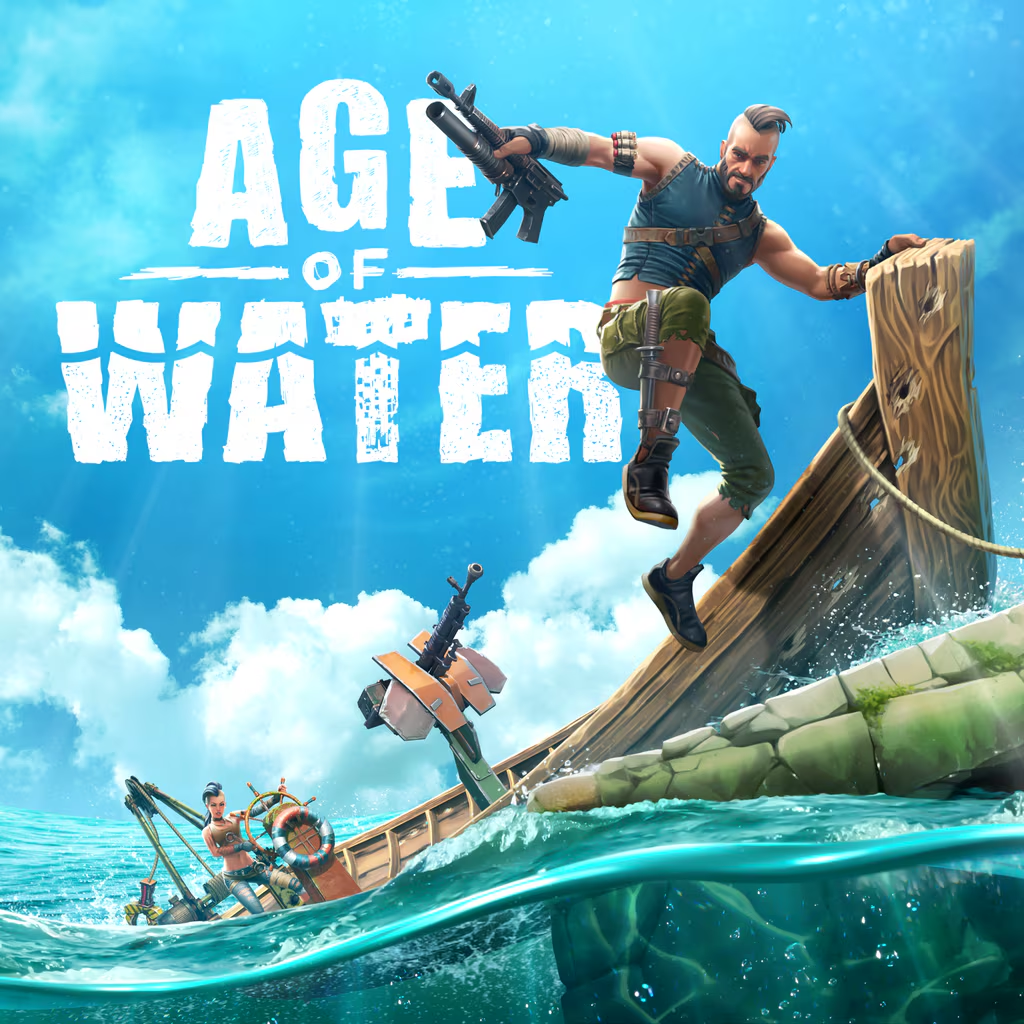
Age of Water – Survival, Scarcity, and Civilization After the Flood
Introduction: When the World Ends Quietly
Age of Water is not about the moment the world ends. It is about what comes after—when the noise is gone, the cities are drowned, and survival becomes an exercise in logistics, memory, and human compromise. Rather than depicting apocalyptic collapse as spectacle, Age of Water imagines a future where civilization persists in fragments, drifting across endless seas.
At first glance, the game resembles a naval survival RPG. You pilot a ship, gather resources, fight enemies, and explore ruins. But beneath those familiar systems lies a quieter theme: scarcity not just of materials, but of stability, trust, and permanence. This review approaches Age of Water as a post-collapse survival experience shaped by water as both environment and constraint, focusing on systems design, player psychology, and how the game frames survival as an ongoing negotiation rather than a triumph.
Quick Info (Overview Box)
Release Year: 2024
Genre: Survival RPG / Naval exploration
Platforms: PC
Game Modes: Single-player, Online multiplayer
Target Audience: Players who enjoy survival systems, exploration, crafting, and post-apocalyptic settings with slower pacing
1. Core Design Philosophy: Survival Without Solid Ground
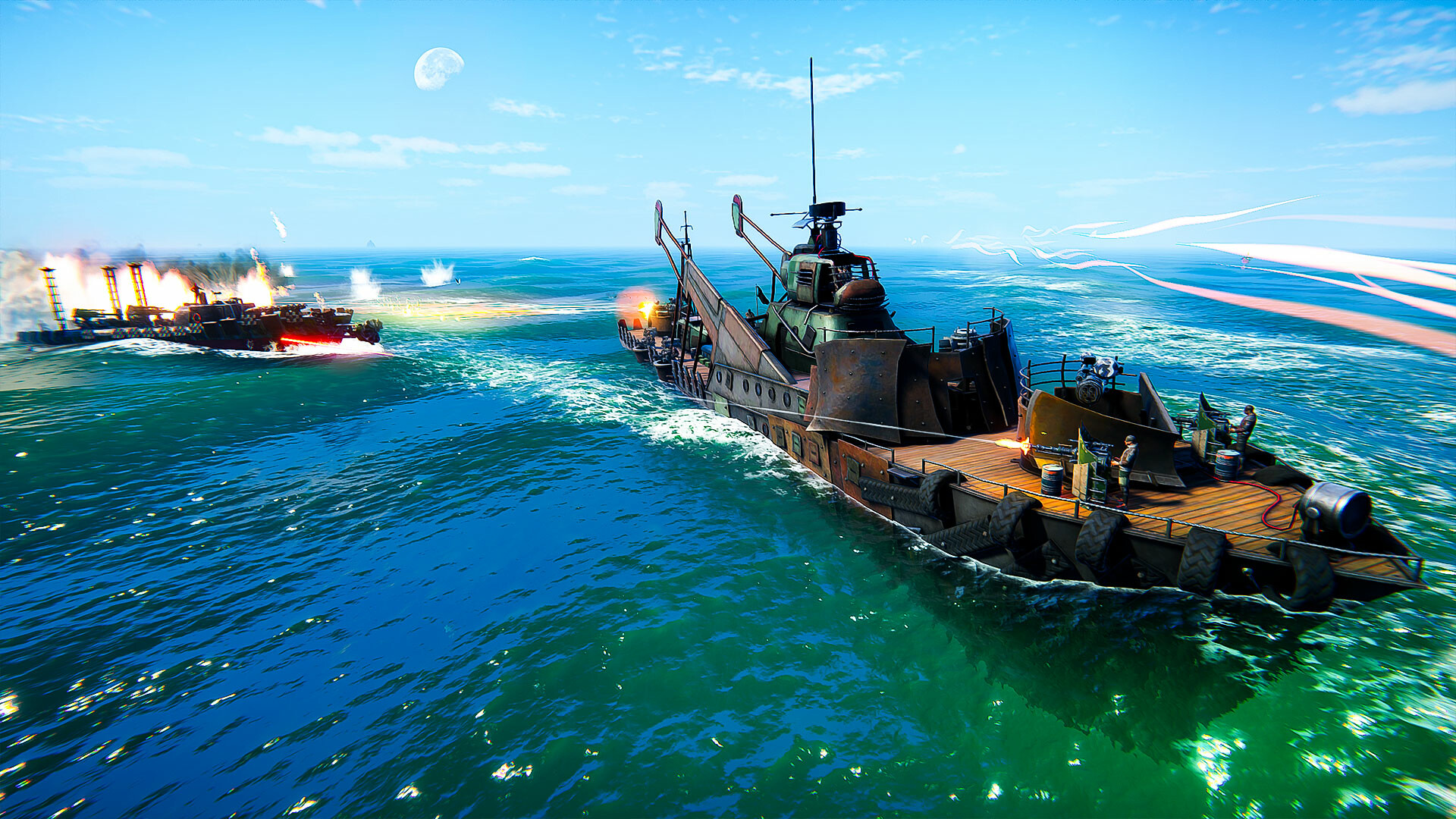
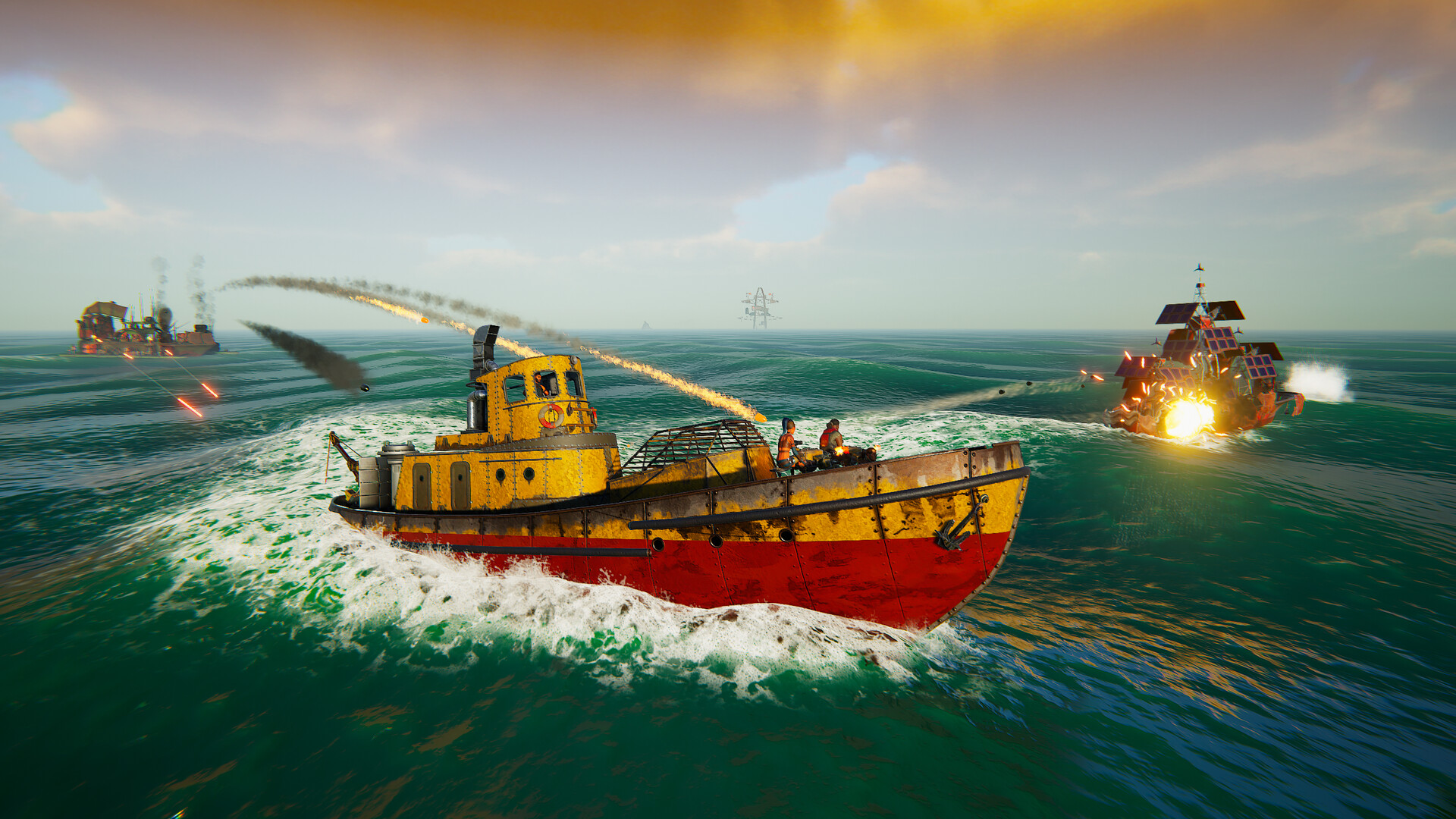
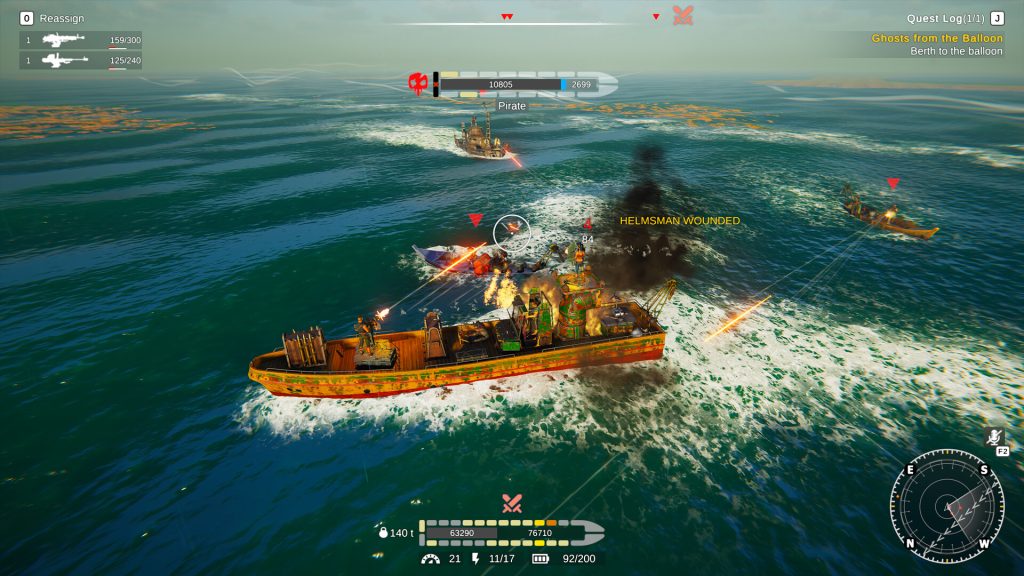
The most important design choice in Age of Water is removing land as a stable foundation. The ocean dominates everything. Cities are ruins. Safe zones are temporary. Your ship is not just transport—it is home, inventory, shelter, and weapon.
This changes how players think about survival. There is no base you fully secure and forget. Everything moves. Everything degrades. Resources must be carried, protected, and repaired while exposed to constant risk.
By eliminating permanence, the game reinforces a core message: survival is not about building something unbreakable—it is about adapting continuously.
2. The Ship as Body and Identity
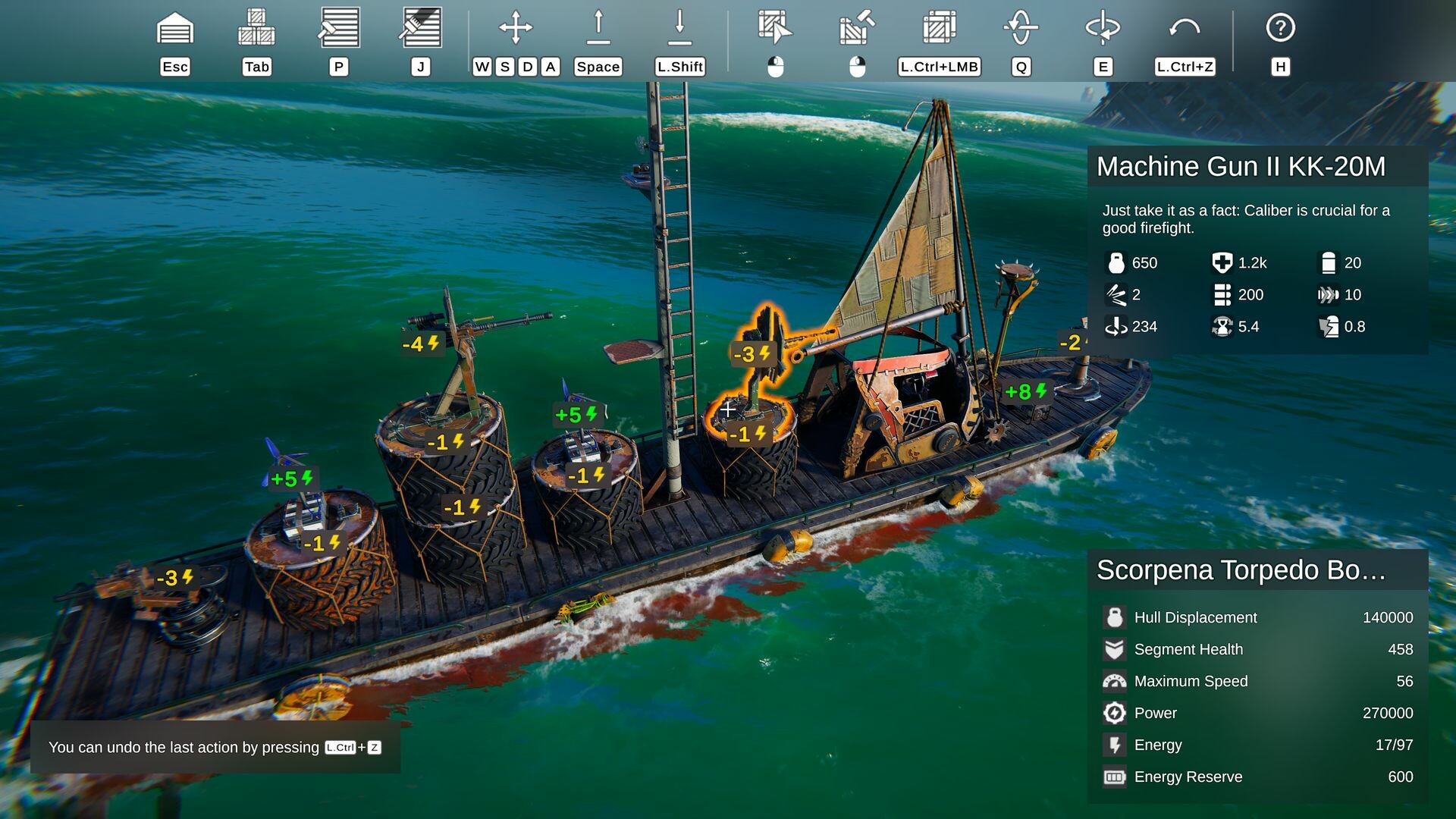
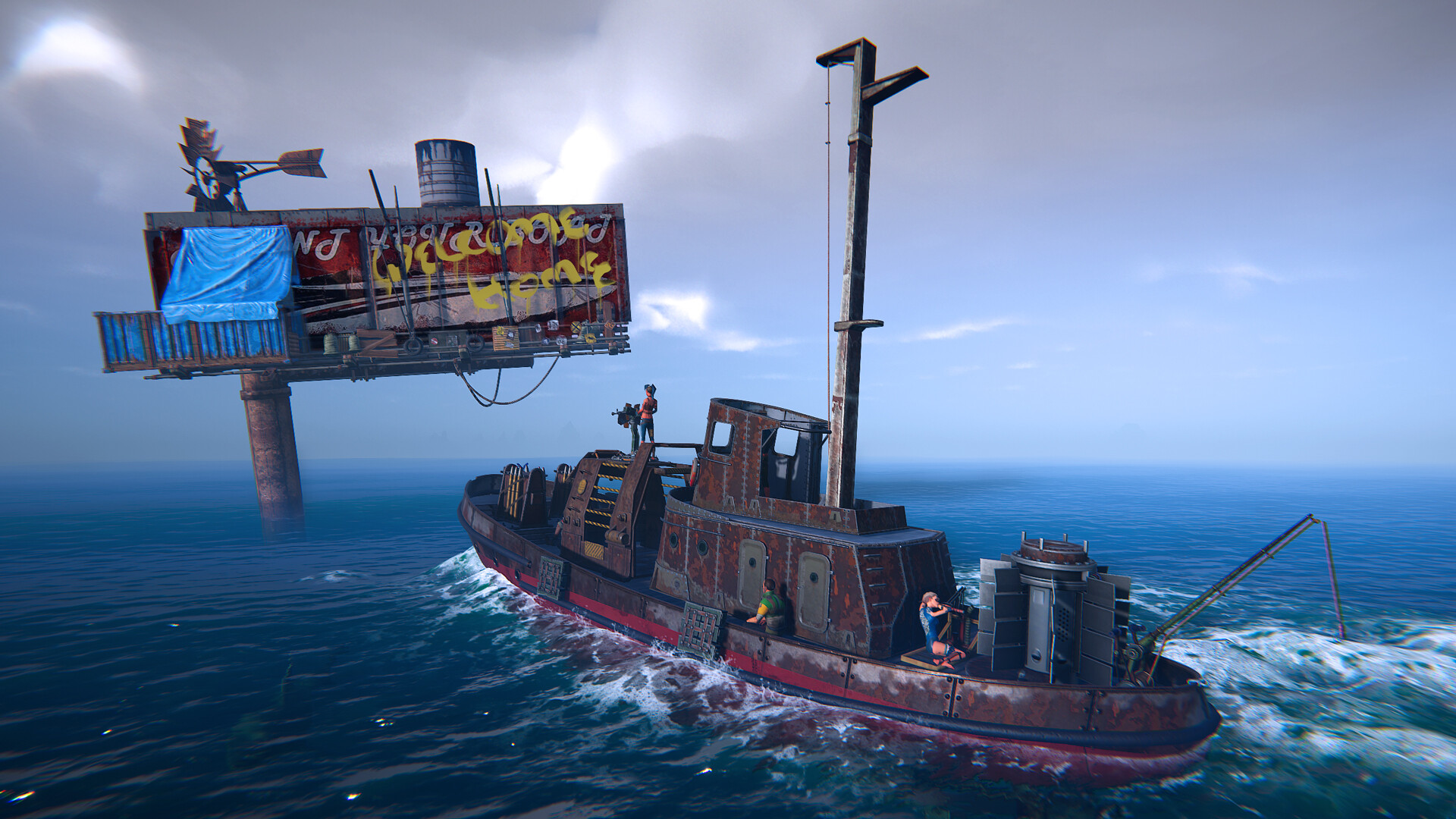
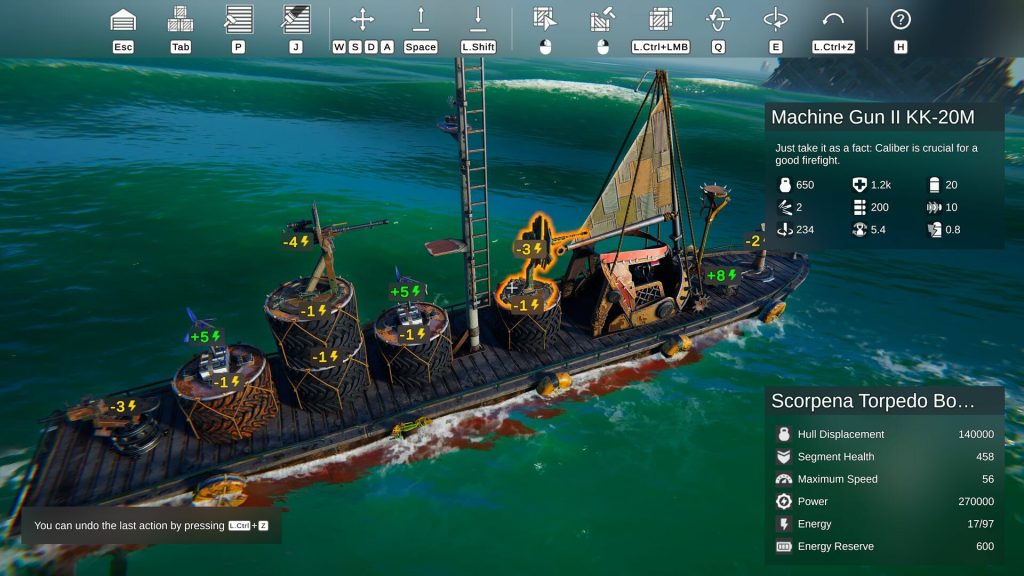
Your ship in Age of Water is not a vehicle; it is an extension of the player. Its condition reflects your decisions. Its layout determines your options. Its upgrades shape your playstyle.
Damage matters. Repairs consume resources. Modifications trade speed for armor, storage for firepower. Every improvement has an opportunity cost.
Over time, players develop attachment to their vessel—not because it is invincible, but because it is fragile. Losing a ship feels personal, like losing accumulated effort rather than a disposable asset.
3. Water as Constraint, Not Freedom
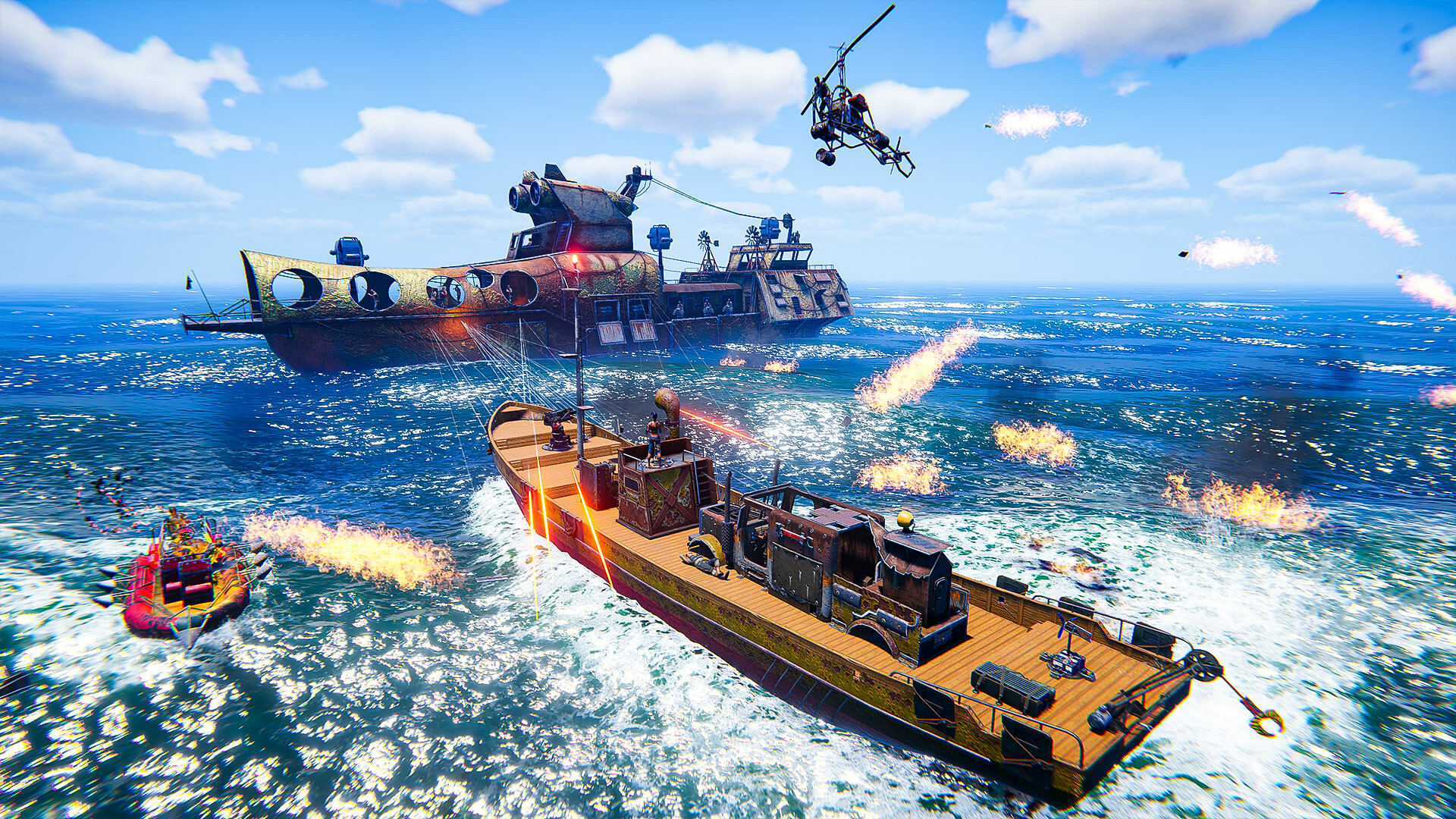
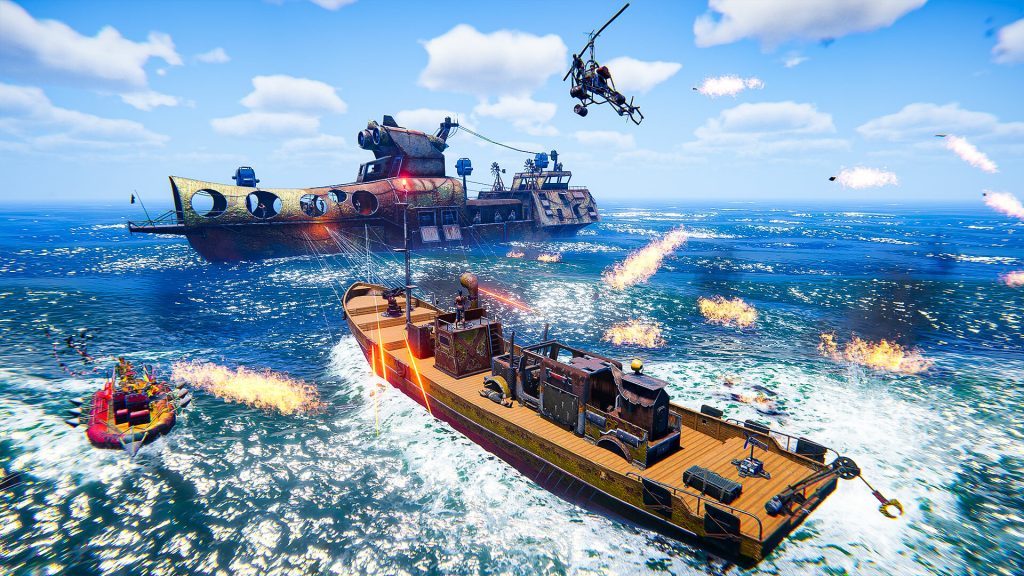
Unlike many open-world games where water represents openness and escape, Age of Water treats water as confinement. Travel routes are exposed. There is nowhere to hide once detected. Combat happens in open sightlines.
Storms, waves, and visibility affect navigation. Encounters often begin long before engagement, giving players time to decide whether to flee, fight, or hide among debris.
This design flips traditional exploration logic. The horizon is not inviting—it is threatening. Seeing something far away does not promise opportunity; it signals risk.
4. Exploration: Ruins Without Closure
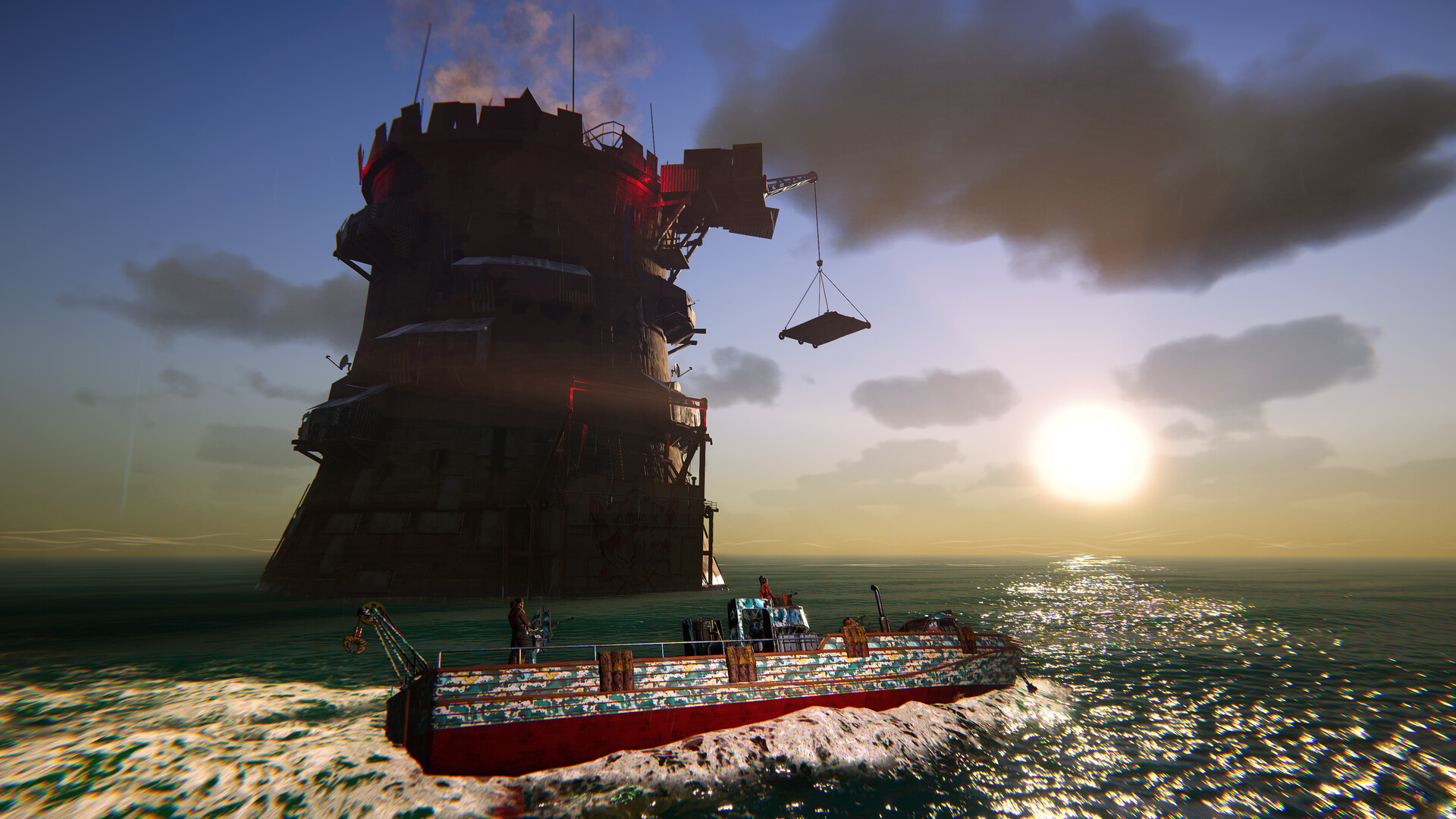
Exploration in Age of Water centers on flooded cities, abandoned platforms, and drifting wreckage. These locations rarely offer full explanations of what happened.
Loot is practical rather than sentimental. Notes and environmental details suggest fragments of history, but never complete narratives. The world feels forgotten rather than destroyed.
This incomplete storytelling reinforces emotional distance. Players are not reclaiming the old world—they are scavenging its remains, aware that meaning has already been lost.
5. Combat: Attrition Over Skill Expression
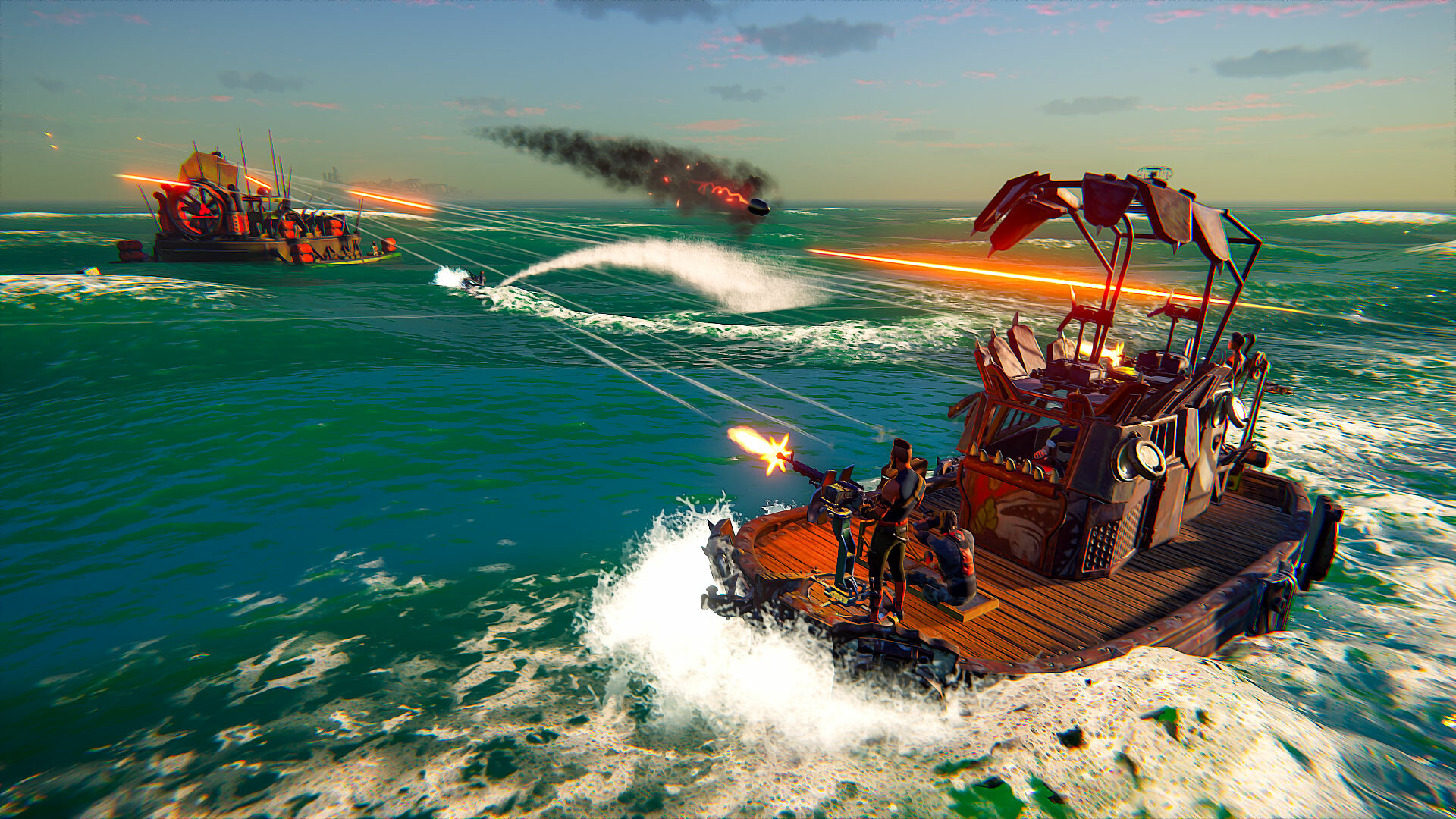
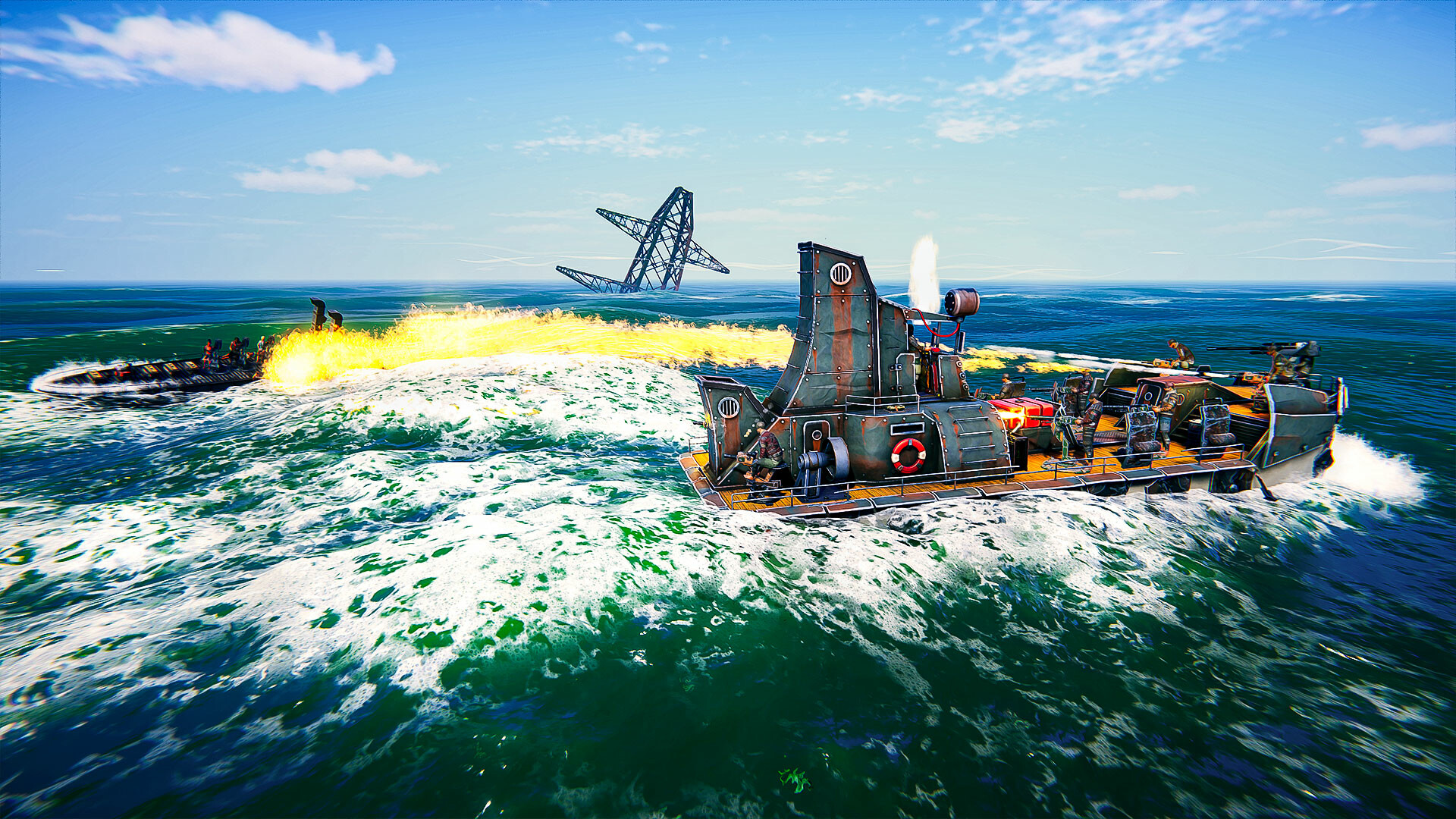
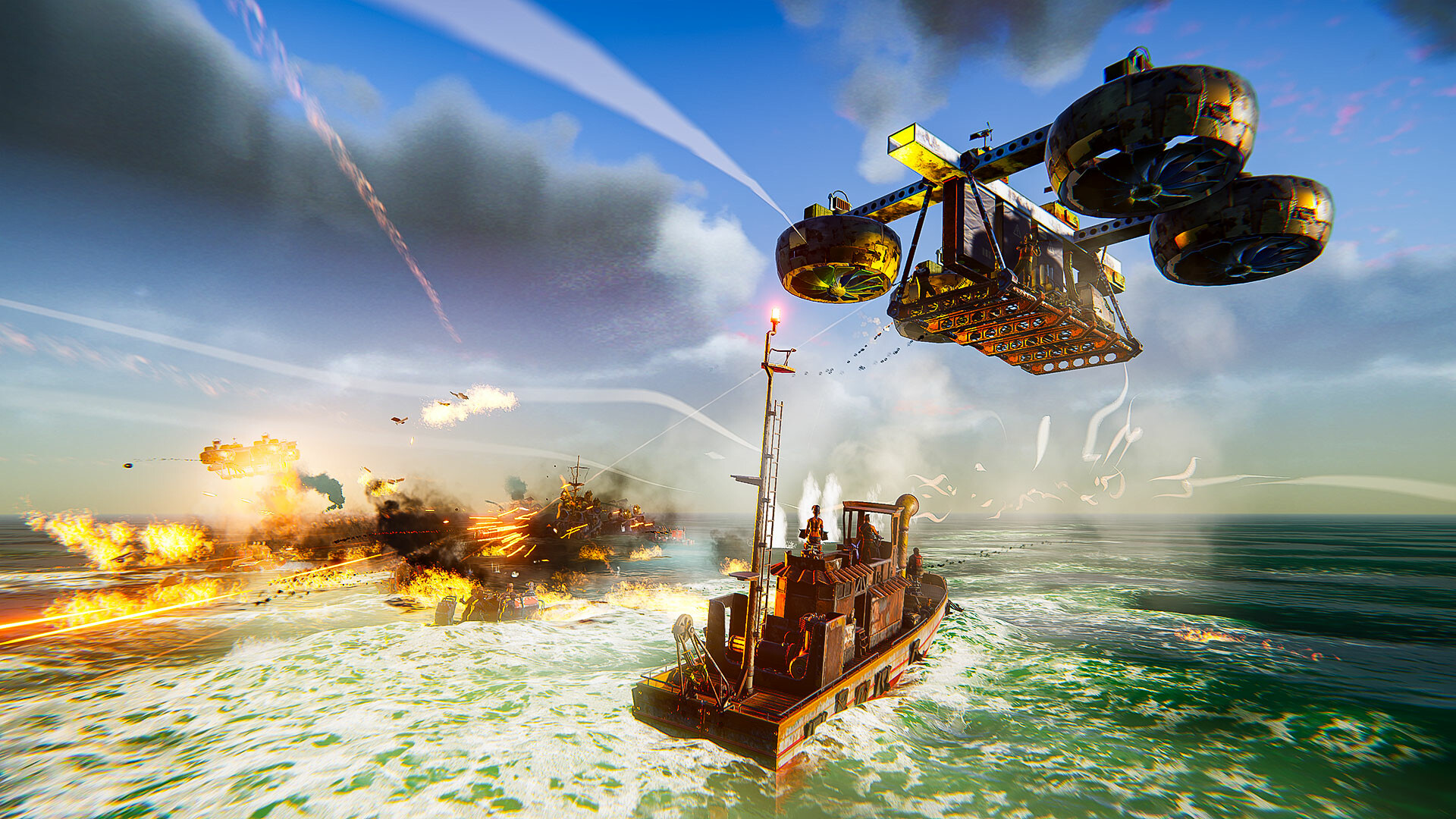
Combat in Age of Water is not designed to be flashy. It is functional, weighty, and often inefficient by design.
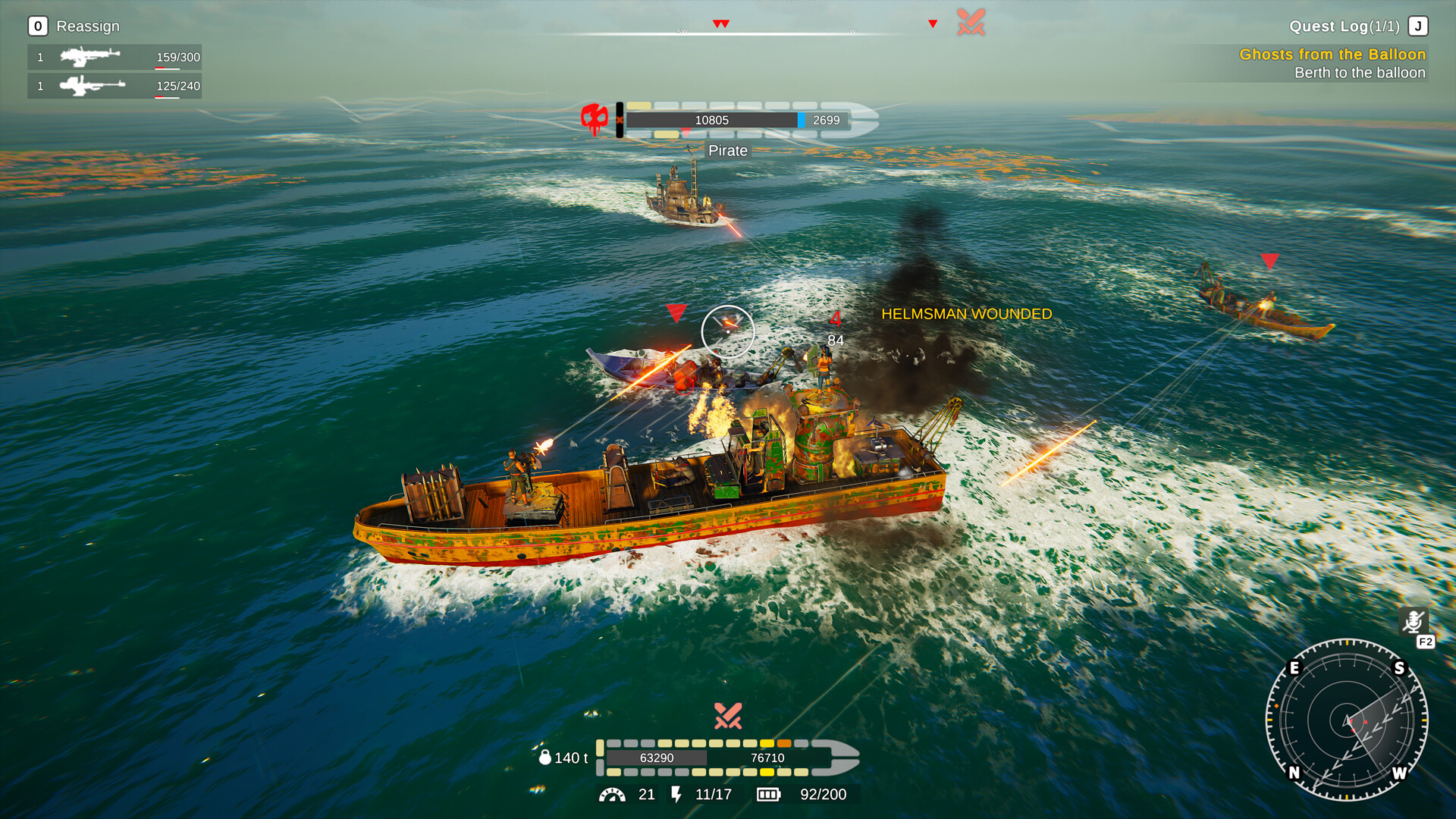
Ammunition is limited. Weapons degrade. Repairing damage mid-fight is risky. Victory often costs resources that are difficult to replace.
This makes combat a last resort rather than a default solution. Skilled players learn to avoid unnecessary fights, using positioning, distance, and diplomacy when possible.
The game rewards caution more than aggression, reinforcing its survival-focused identity.
6. Crafting and Resource Economics
Crafting systems in Age of Water emphasize maintenance rather than expansion. You craft to keep things working, not to grow exponentially.
Fuel, repair parts, food, and ammunition form an interconnected economy. Running low on one resource affects others. Poor planning creates cascading problems.
This creates a subtle cognitive load. Players are always thinking ahead, weighing immediate needs against future uncertainty. The game rarely allows players to feel “stocked.”
7. NPC Factions and Floating Society
Humanity in Age of Water survives through scattered factions, floating settlements, and improvised trade hubs. These groups are pragmatic rather than ideological.
Relationships are transactional. Trust is conditional. Help often comes with expectations. The game avoids clear moral binaries—most factions are neither good nor evil, only desperate.
This reinforces the theme that survival reshapes values. Cooperation exists, but only as long as it remains useful.
8. Multiplayer and Shared Vulnerability
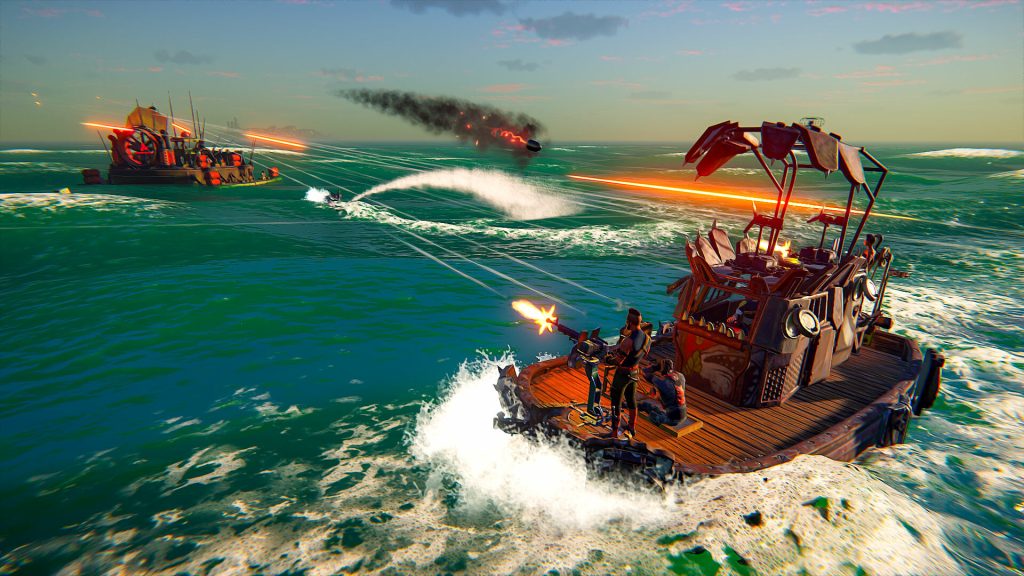
In multiplayer, Age of Water shifts dramatically. Other players are not just threats or allies—they are mirrors of your own vulnerability.
Encounters between players are tense. Cooperation offers safety, but betrayal is always possible. Combat is costly enough that conflict often feels irrational, yet fear drives aggression.
Multiplayer amplifies the game’s themes. Trust becomes fragile. Survival becomes social. Decisions carry emotional weight beyond mechanics.
9. Pacing and Emotional Fatigue
Age of Water moves slowly. Travel takes time. Repairs take time. Recovery from mistakes is gradual.
This pacing can feel meditative or exhausting, depending on player temperament. The game does not provide constant stimulation. Instead, it creates long stretches of quiet vigilance.
For some players, this produces immersion and reflection. For others, it risks disengagement. The game is unapologetic about this trade-off.
10. Limitations and Design Trade-Offs
Age of Water’s commitment to survival realism introduces friction. Progress can feel slow. Losses can feel punishing. Systems sometimes overlap without clear guidance.
The game also demands patience and self-direction. There is no strong narrative push forcing momentum. Players must define their own goals within the system.
These limitations are not accidents—they are consequences of a design that prioritizes atmosphere and endurance over accessibility.
Pros
Strong thematic cohesion centered on water and scarcity
Ship-focused progression creates emotional attachment
Survival systems emphasize planning and restraint
Atmospheric exploration of flooded ruins
Multiplayer enhances tension and social decision-making
Cons
Slow pacing may deter action-focused players
Combat lacks depth for skill-driven audiences
Progression can feel grind-heavy
Limited narrative clarity
Steep learning curve for new players
Conclusion: Survival as Ongoing Negotiation
Age of Water is not a power fantasy. It is a survival meditation. It imagines a future where humanity persists not through dominance, but through compromise, caution, and endurance.
For players who enjoy systems-driven survival, atmospheric worlds, and games that value persistence over victory, Age of Water offers a thoughtful and often unsettling experience. It does not ask you to rebuild civilization.
It asks whether civilization is even possible
when the ground beneath it is gone.