
CRSED: Cuisine Royale – Absurdity as Balance, Skill Under Ridicule, and the Battle Royale That Refused to Be Serious
Introduction: When Dignity Is the First Casualty
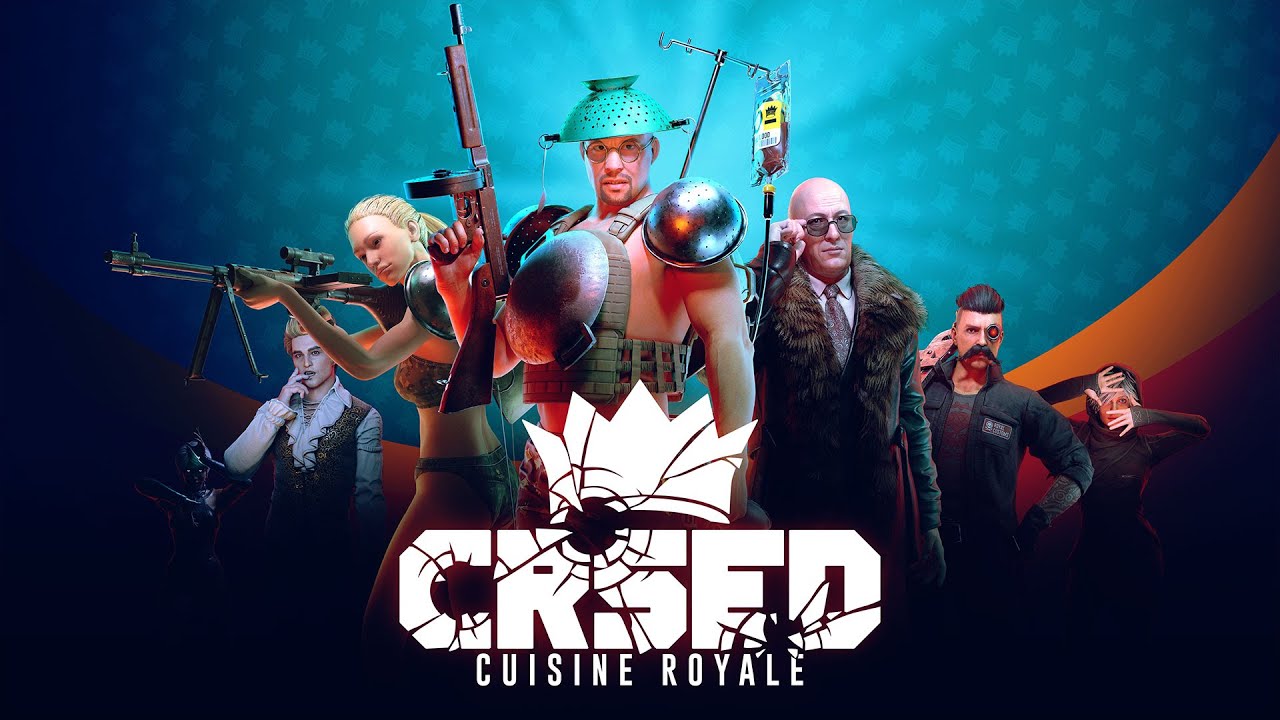
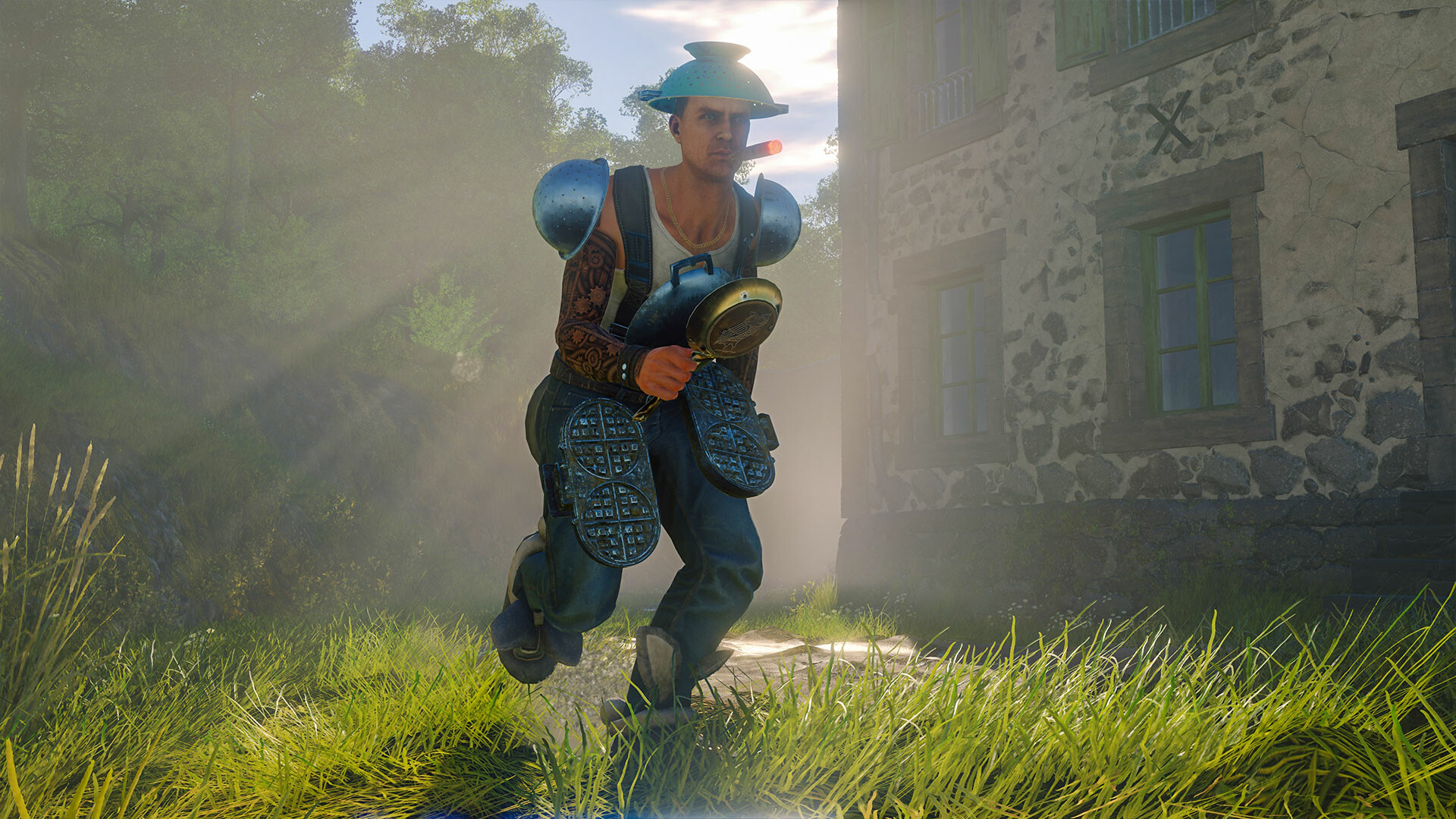
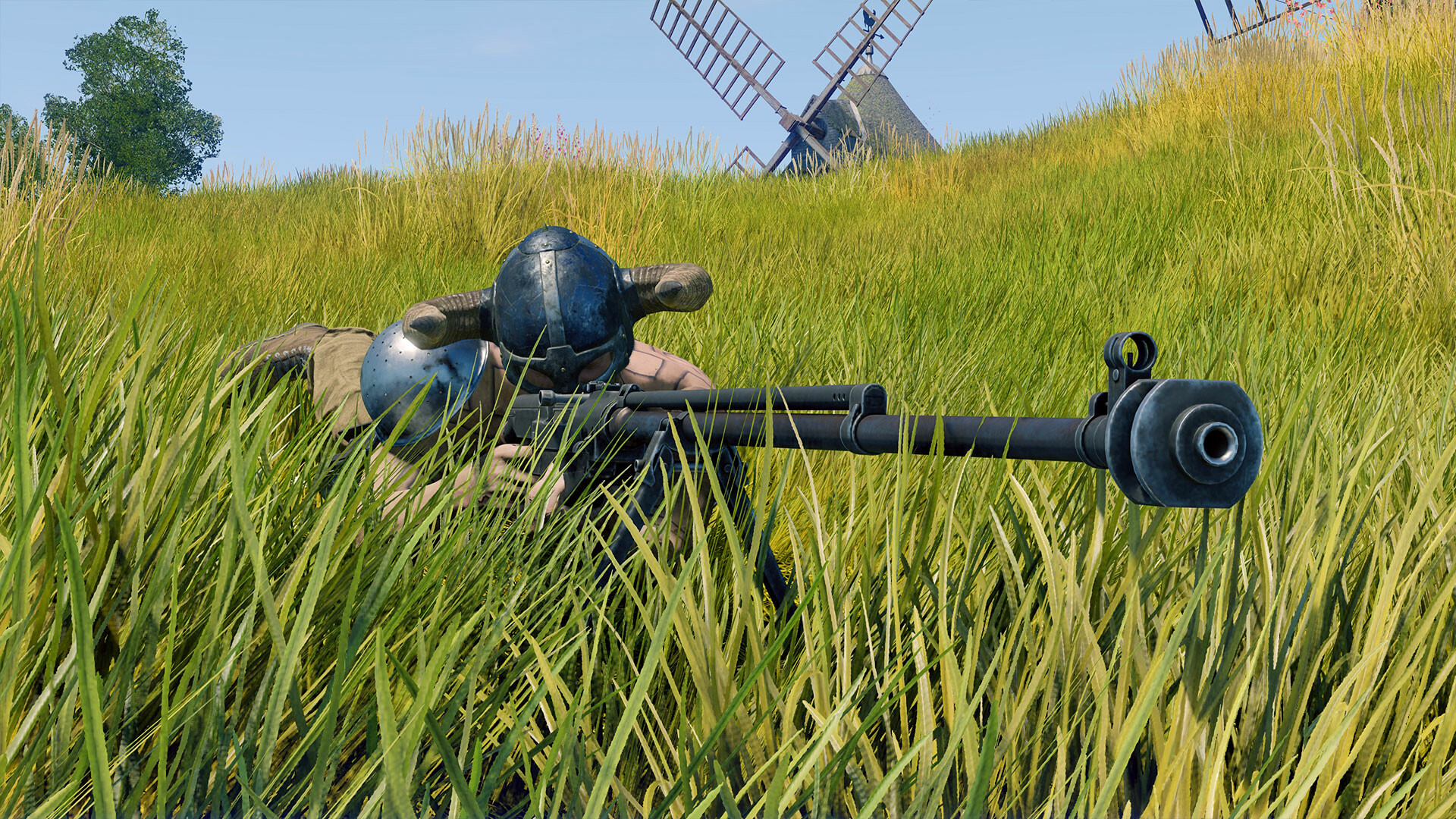
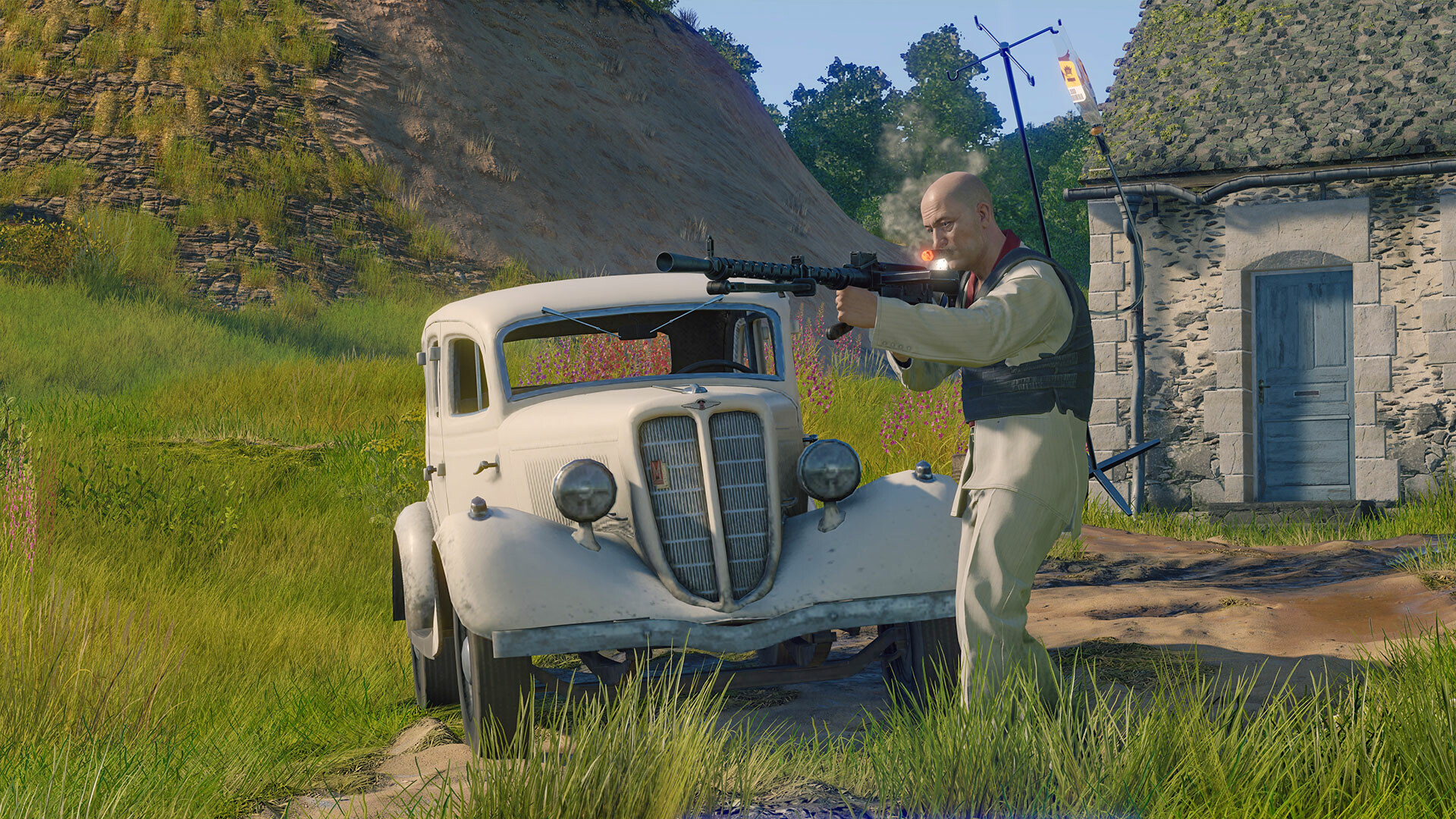
CRSED: Cuisine Royale looks like a joke long before it starts behaving like a game. Characters sprint across battlefields wearing pots, colanders, and cursed kitchenware. Rituals summon fog, lightning, and supernatural nonsense. Death is frequent, ridiculous, and rarely graceful. And yet, beneath this chaos lies a surprisingly disciplined competitive shooter—one that uses humor not to hide shallow design, but to defuse ego.
CRSED: Cuisine Royale is not merely a parody of the battle royale genre. It is a critique of seriousness itself. Where most competitive games rely on prestige, tension, and mastery-driven identity, CRSED undermines all of it—without abandoning mechanical depth. This review examines CRSED as a design experiment: how absurd aesthetics, supernatural systems, and ridicule-friendly failure reshape player psychology, competition, and long-term engagement.
Quick Info (Overview Box)
Release Year: 2018 (early access roots), ongoing live development
Genre: Battle royale / Action shooter with supernatural elements
Platforms: PC, PlayStation, Xbox
Game Modes: Solo, Duo, Squad, Limited-time modes
Target Audience: Players who enjoy competitive shooters but prefer humor, unpredictability, and reduced ego pressure
1. Core Design Philosophy: Comedy as Structural Support
CRSED’s most radical choice is not its mechanics—it is its tone. By presenting combat through absurd visuals and rituals, the game deliberately lowers the emotional stakes of failure.
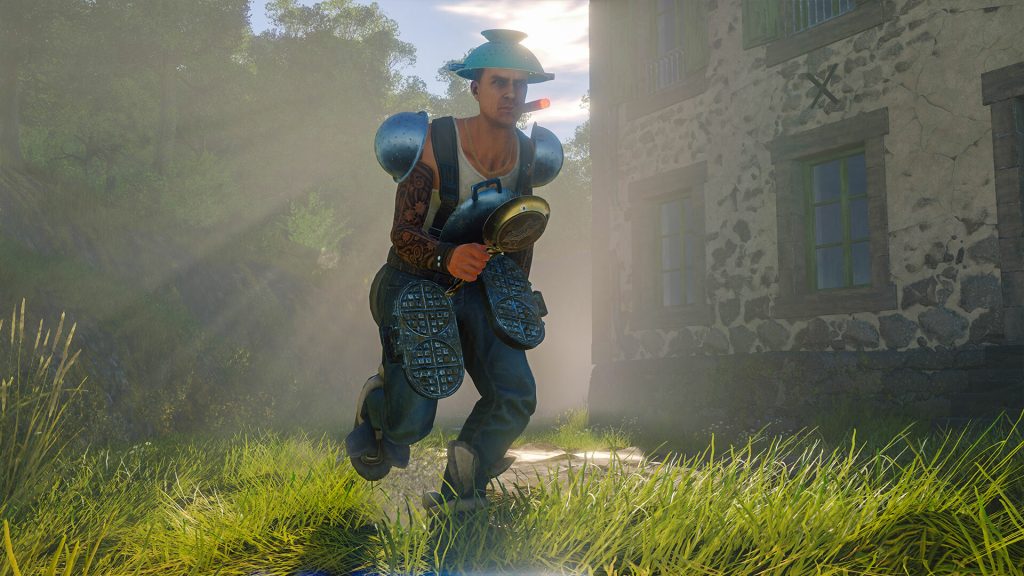
Dying while wearing a frying pan on your head does not feel humiliating in the same way dying in a hyper-serious military shooter does. This emotional buffering has real design consequences. Players take risks more freely. Losses feel lighter. Matches feel experimental rather than punitive.
Comedy here is not cosmetic. It is a stability system that prevents frustration from dominating the experience.
2. Gunplay: Surprisingly Grounded Under the Nonsense
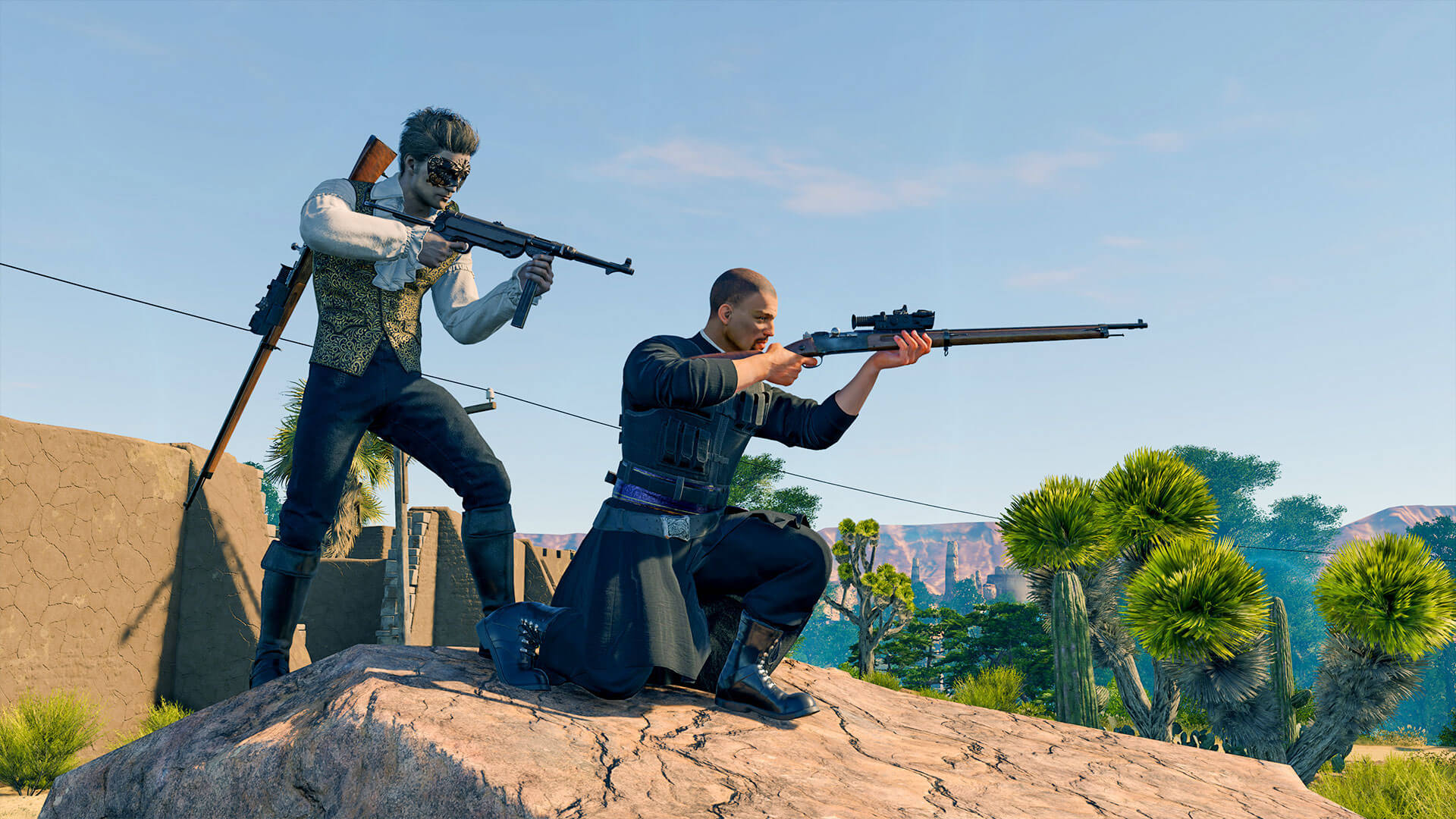
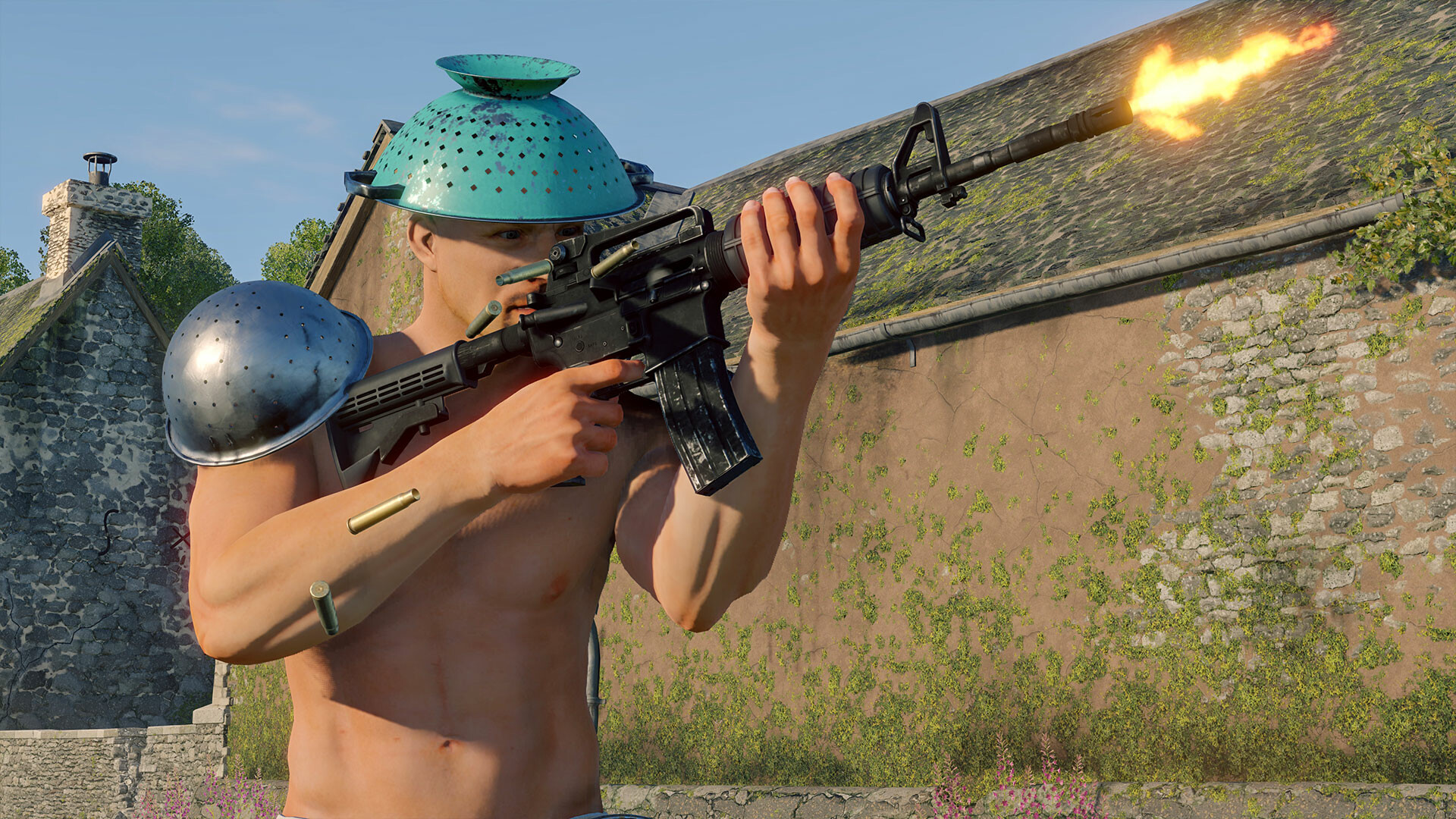
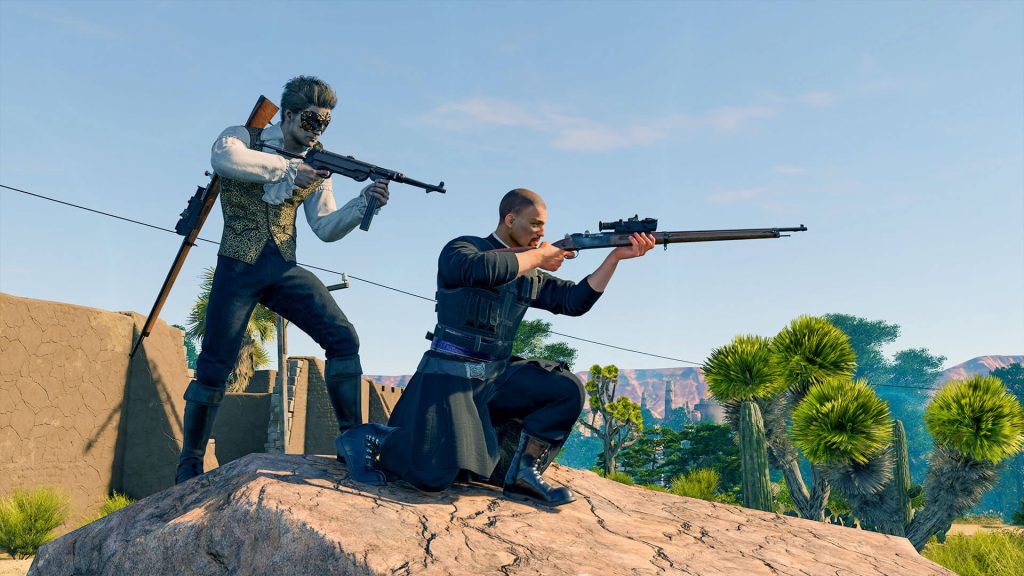
Despite its tone, CRSED’s gunplay is relatively grounded. Weapons have weight. Recoil matters. Positioning and timing still determine outcomes.
This contrast is intentional. The game anchors its absurdity in reliable shooting mechanics so that chaos feels contained. Players can laugh at their outfits, but they still respect sightlines, cover, and angles.
The result is a balance rarely achieved: a game that allows serious play without demanding seriousness from the player.
3. Rituals and Supernatural Systems
One of CRSED’s defining mechanics is its ritual system. Players collect souls and perform rituals that alter the battlefield—summoning fog, teleporting, increasing movement speed, or altering damage rules.
These powers inject controlled unpredictability. They disrupt static strategies without eliminating skill expression. Importantly, rituals are situational rather than universally dominant.
This design keeps matches dynamic. No single tactic remains optimal for long. Adaptability becomes a core skill, not just aim.
4. Armor as Absurd Utility
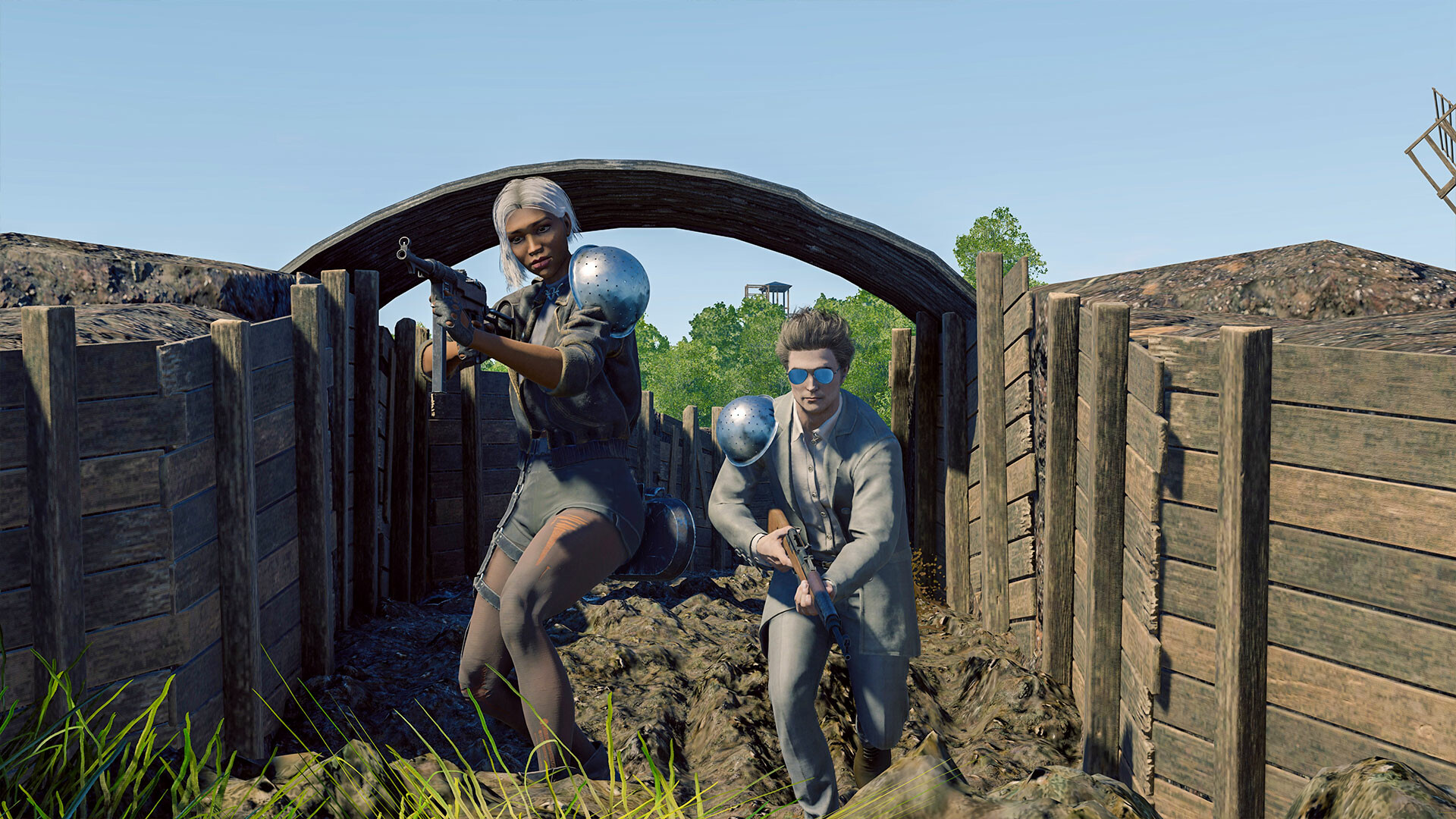
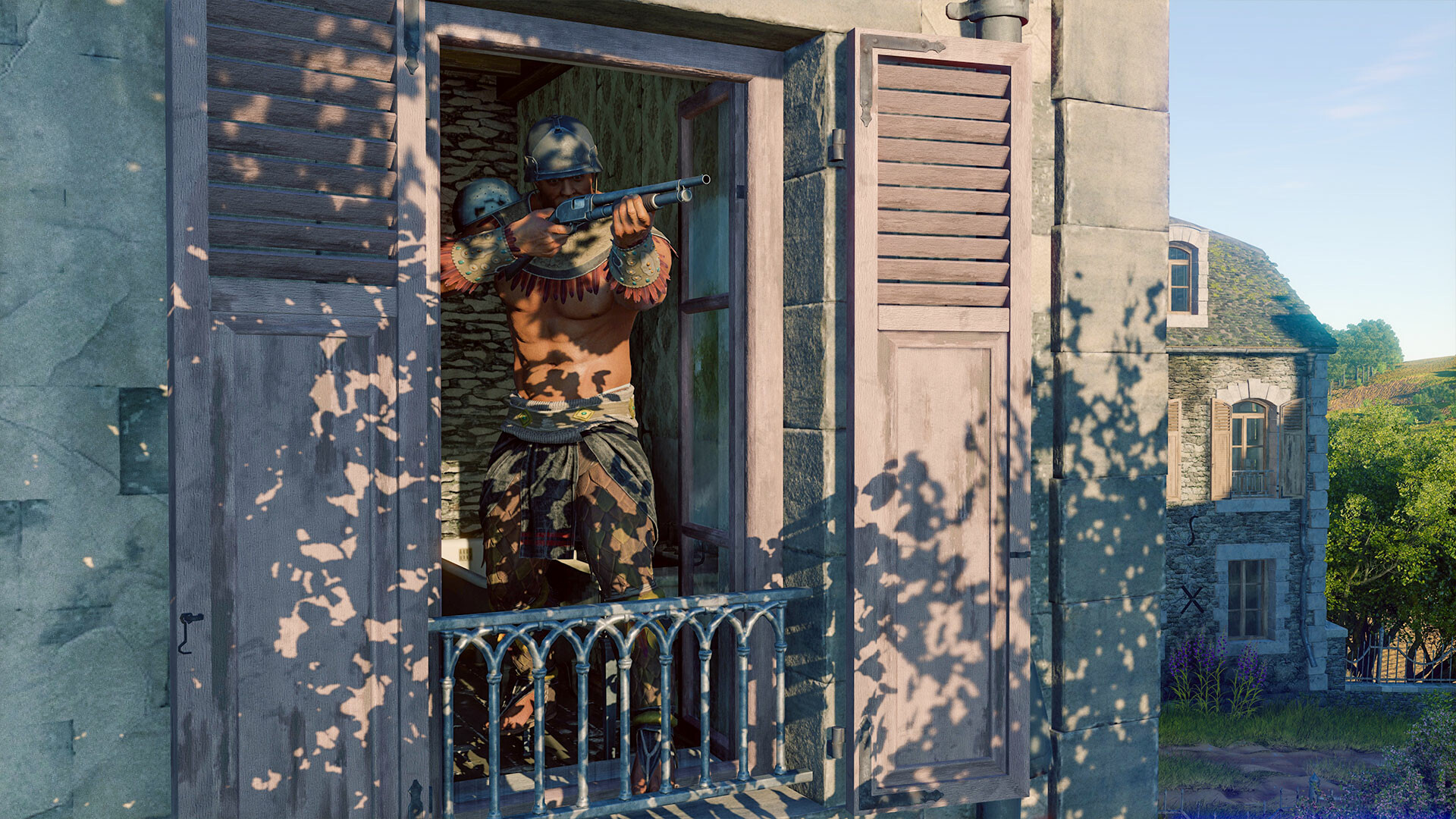
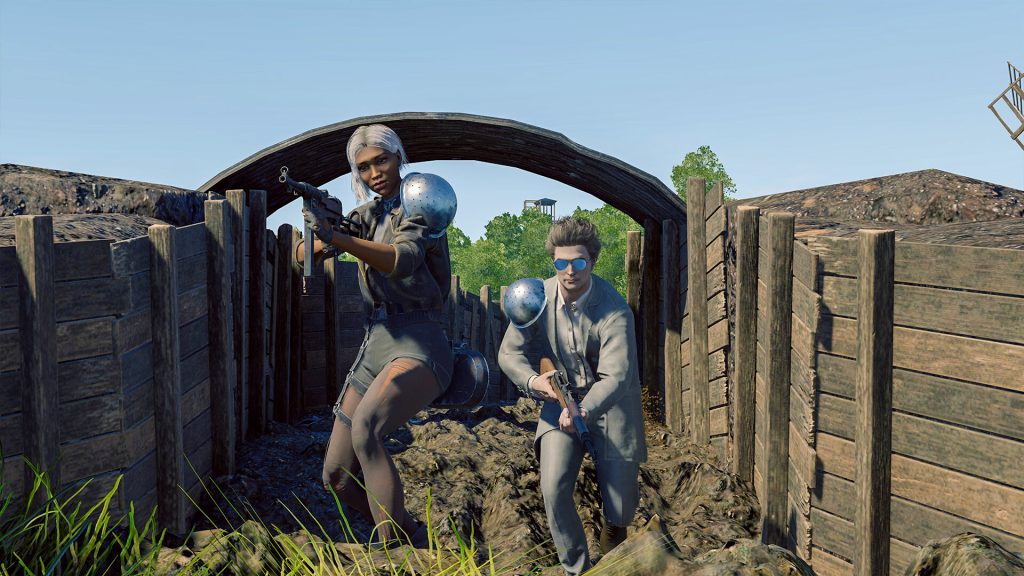
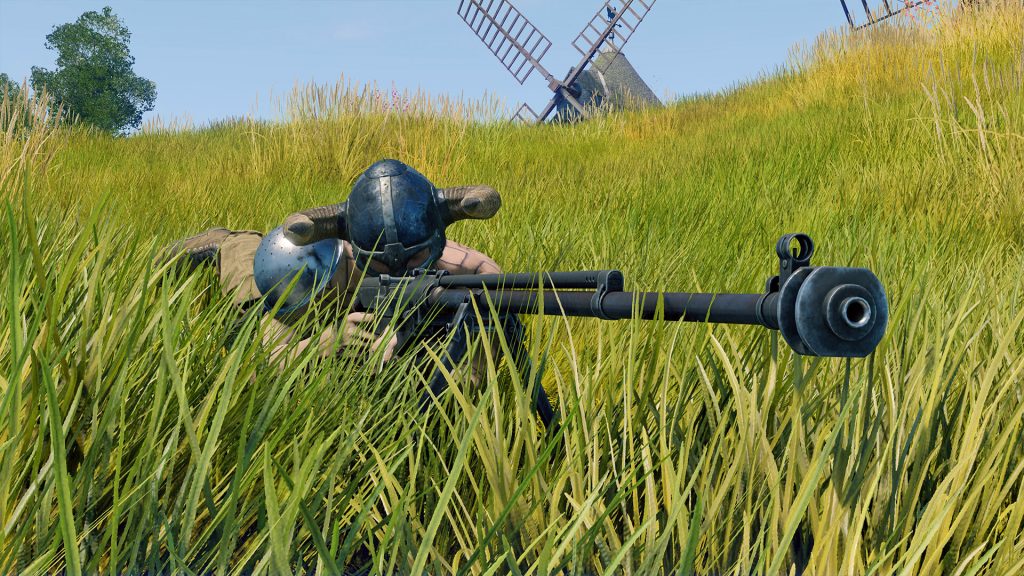
CRSED replaces traditional armor aesthetics with kitchenware and cursed artifacts. Pots, pans, colanders, and ritual masks serve functional purposes while maintaining comedic tone.
Armor choices affect mobility, noise, and protection. Wearing heavy cookware may save your life—but it will slow you down and announce your presence.
This creates meaningful trade-offs without relying on conventional military fantasy. Utility is communicated through humor rather than intimidation.
5. Movement and Vertical Play
Movement in CRSED is faster and more exaggerated than in many battle royales. Leaps, sprints, and supernatural mobility options encourage aggressive repositioning.
This reduces downtime and rewards bold decisions. Camping is possible, but risky. Mobility-based rituals and traversal options punish static play.
CRSED’s pacing reflects its identity: forward motion is favored over cautious optimization.
6. Player Psychology: Ego Neutralization
One of CRSED’s most underappreciated strengths is how effectively it neutralizes ego. Because the game constantly mocks itself, players are less likely to internalize losses as personal failure.
This has cascading effects:
Toxicity is reduced
Experimentation increases
Social play becomes more relaxed
Players compete, but they do not perform seriousness. The game invites skill without demanding self-importance.
7. Progression and Unlocks
Progression in CRSED exists, but it does not dominate motivation. Unlocks expand ritual options, characters, and cosmetic absurdity rather than raw power.
This ensures that long-term play feels additive rather than exclusionary. New players can still succeed without feeling outgunned, while veterans enjoy expanded expression.
Progression enhances variety, not dominance.
8. Match Flow: Controlled Chaos
CRSED matches are unpredictable, but not random. Early game revolves around scavenging and positioning. Mid-game introduces ritual disruption. Endgame becomes fast, violent, and often ridiculous.
Importantly, chaos escalates gradually. Players are not overwhelmed immediately. The game teaches its language before breaking its rules.
This pacing allows players to acclimate to absurdity rather than be drowned by it.
9. Limitations and Niche Appeal
CRSED’s humor-forward design is also its primary barrier. Players seeking realism, immersion, or narrative gravitas may struggle to engage.
The supernatural systems can feel opaque to newcomers. Visual clutter during ritual-heavy moments can overwhelm situational awareness.
Additionally, the game’s niche identity means smaller player populations compared to mainstream battle royales.
10. CRSED’s Place in the Genre
CRSED: Cuisine Royale exists as a counterpoint to prestige-driven competitive design. It proves that seriousness is not required for depth, and that ridicule can coexist with skill.
In a genre often defined by tension and elimination anxiety, CRSED offers relief without abandoning competition. It is a reminder that games can be demanding and playful.
Not every battle royale needs to feel important. Some need to feel liberating.
Pros
Strong gunplay beneath absurd presentation
Supernatural systems add dynamic variety
Humor reduces frustration and ego-driven toxicity
Meaningful equipment trade-offs
Encourages experimentation and risk-taking
Cons
Niche humor may not appeal to all players
Visual chaos can obscure information
Supernatural systems have a learning curve
Smaller player base than mainstream titles
Less suitable for players seeking realism
Conclusion: A Competitive Game That Laughs First
CRSED: Cuisine Royale succeeds because it understands something many competitive games forget: players perform better—and stay longer—when failure is safe. By turning embarrassment into comedy and seriousness into optional participation, it creates a space where skill can grow without emotional penalty.
For players who enjoy shooters but are tired of rigid metas, prestige anxiety, and constant pressure, CRSED offers something refreshing. It is competitive without being oppressive, deep without being self-important, and ridiculous without being shallow.
It does not ask you to prove yourself.
It hands you a frying pan—and lets you decide what that means.