

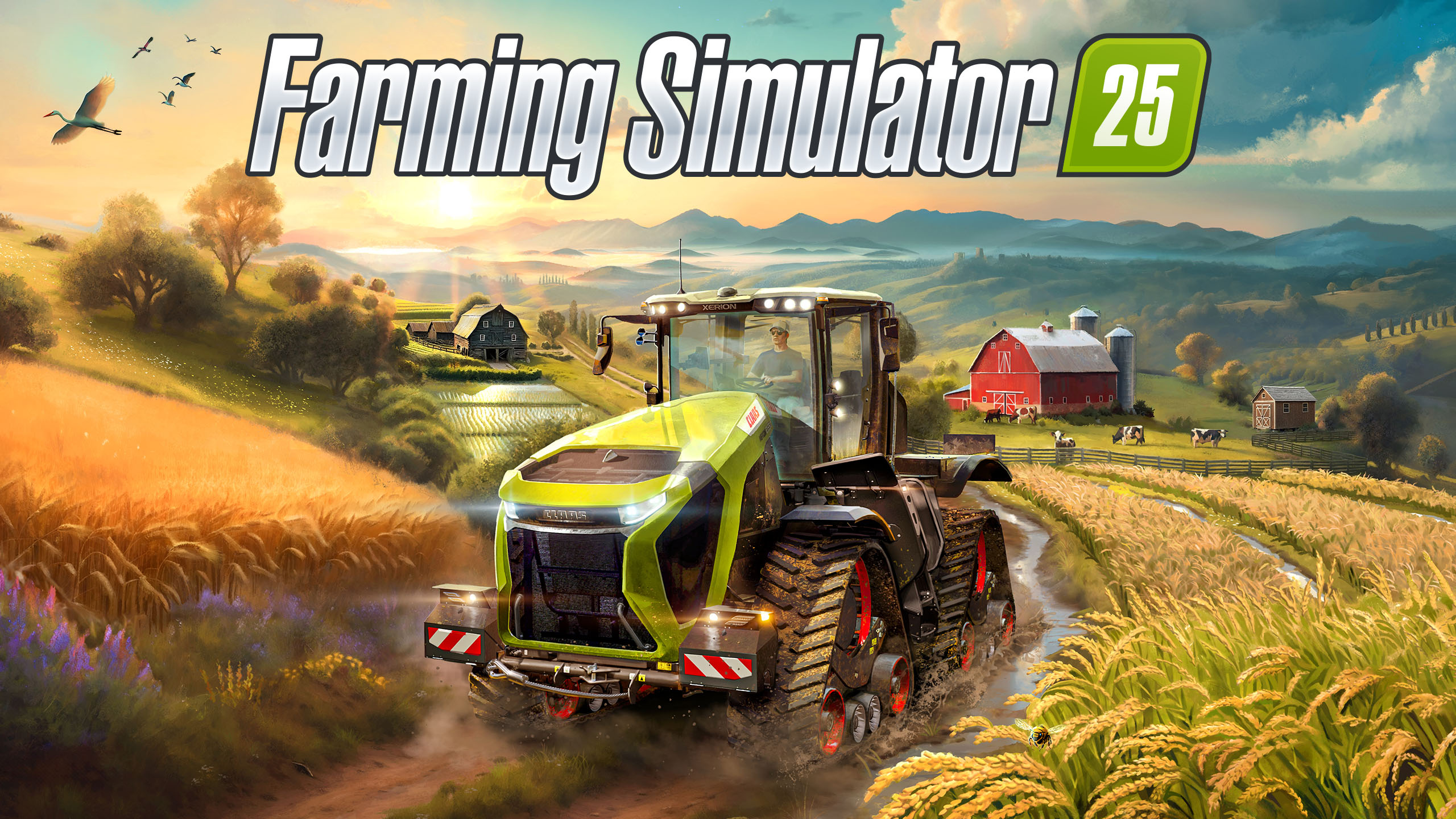
Farming Simulator 25 – Systems of Patience, Industrial Calm, and the Quiet Satisfaction of Scale

Introduction: Progress Measured in Seasons
Farming Simulator 25 is not about urgency, reflex, or dominance. It is about continuity. Where many games frame progress as conquest, Farming Simulator 25 frames it as maintenance—of land, machines, schedules, and expectations. This is a game that replaces adrenaline with routine and asks players to find meaning in repetition, planning, and gradual expansion.
Rather than dramatically reinventing its formula, Farming Simulator 25 refines it. The appeal lies not in novelty, but in the confidence of a system that knows exactly what it is trying to simulate. This review approaches Farming Simulator 25 as a systems-driven experience about scale, labor, and patience—examining why a game about work can feel restorative, and why its design resonates with players seeking structure rather than spectacle.
Quick Info (Overview Box)
Release Year: 2024
Genre: Simulation / Management
Platforms: PC, PlayStation, Xbox
Game Modes: Single-player, Online co-op
Target Audience: Players who enjoy simulation depth, long-term planning, cooperative management, and low-pressure gameplay
1. Core Design Philosophy: Labor as Loop
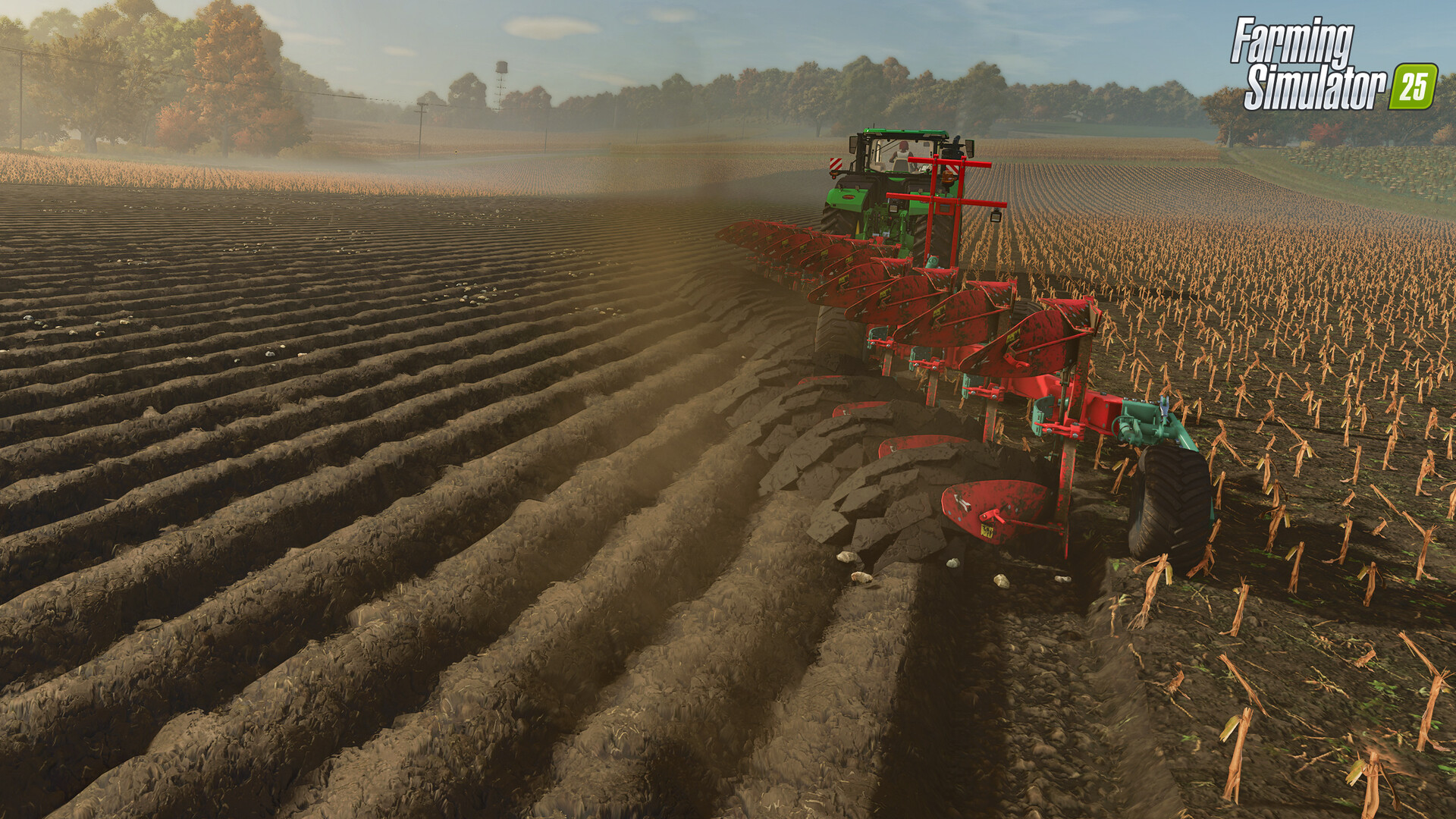
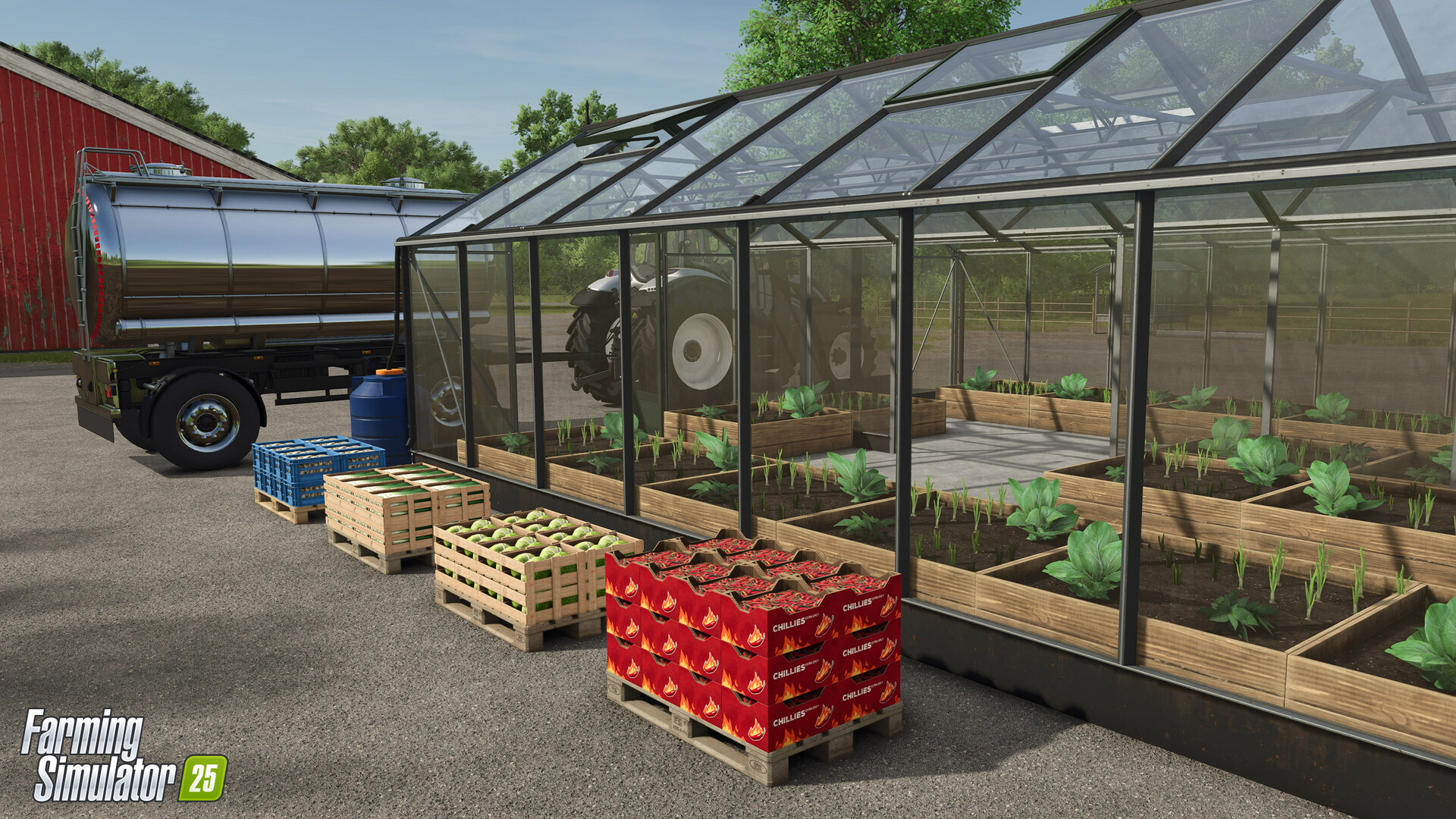
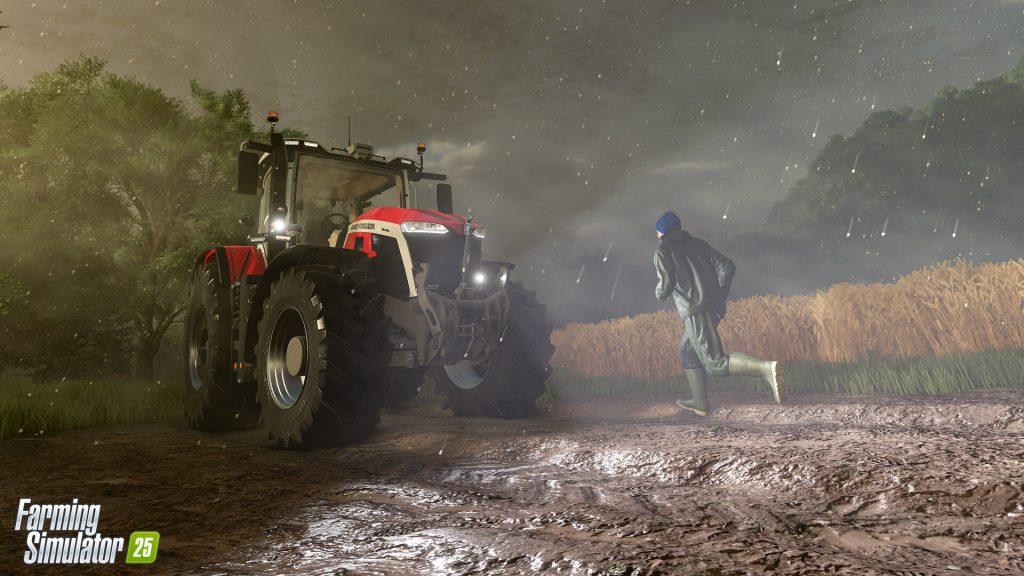
The foundation of Farming Simulator 25 is a loop built on real-world agricultural processes. Plow, sow, fertilize, harvest, sell—then repeat. These steps are not simplified into abstractions; they are preserved as procedures.
This procedural focus changes how players relate to progress. Growth is not sudden. Profit accumulates slowly. Efficiency comes from learning workflows rather than mastering mechanics.
The game rewards players who respect process. Skipping steps rarely ends well. Carelessness shows up months later, when yields drop or equipment fails.
2. Time, Seasons, and the Weight of Planning
Time in Farming Simulator 25 moves forward deliberately. Crops grow over days and seasons. Weather impacts schedules. Machines wear down gradually.
This temporal structure transforms decision-making. Mistakes are not immediately punished—but they linger. Planting the wrong crop does not explode the farm; it quietly reduces income later.
The game trains foresight. Players think in weeks and months, not moments. Success feels earned through anticipation rather than reaction.
3. Machinery as Investment, Not Power
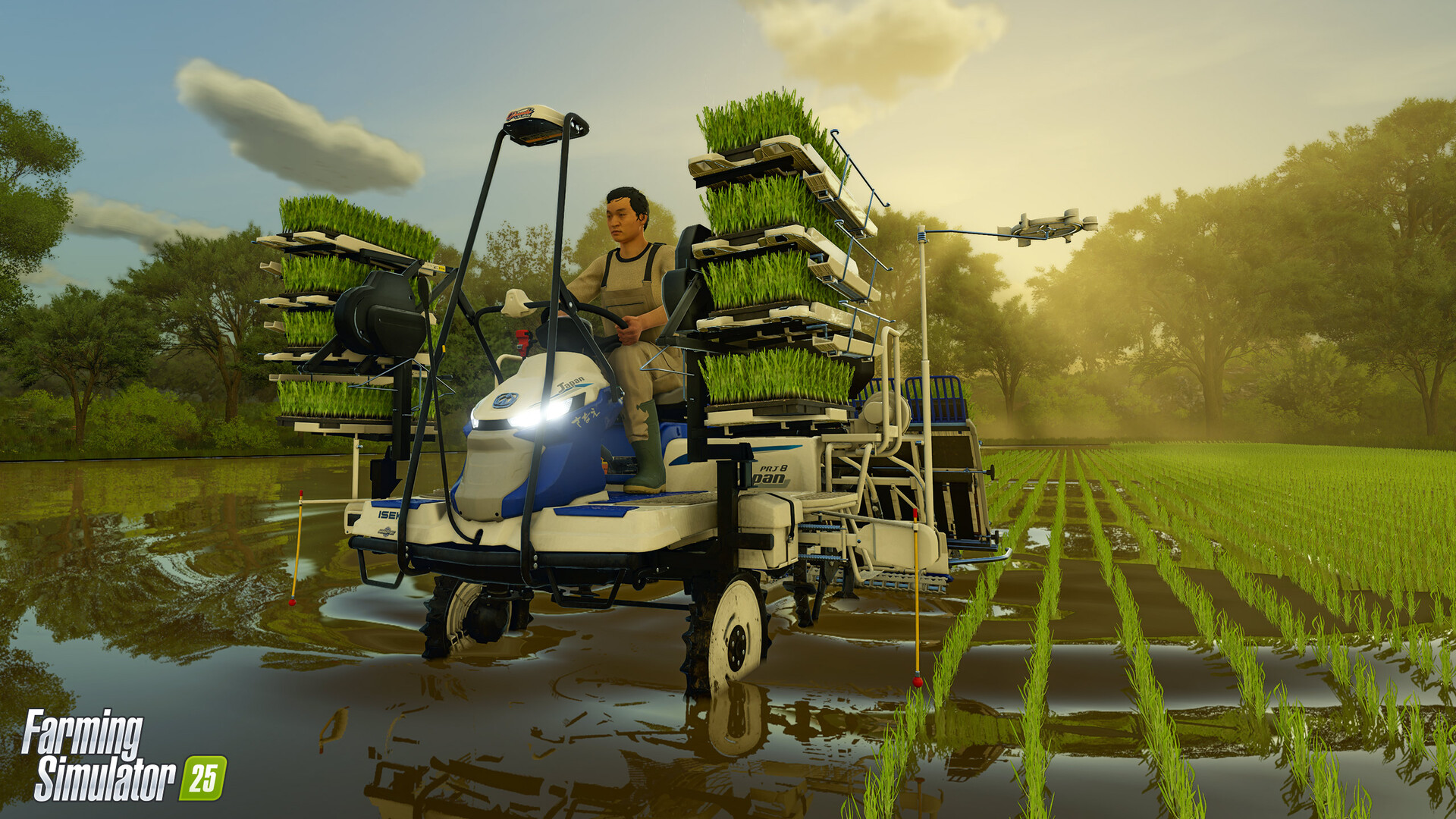
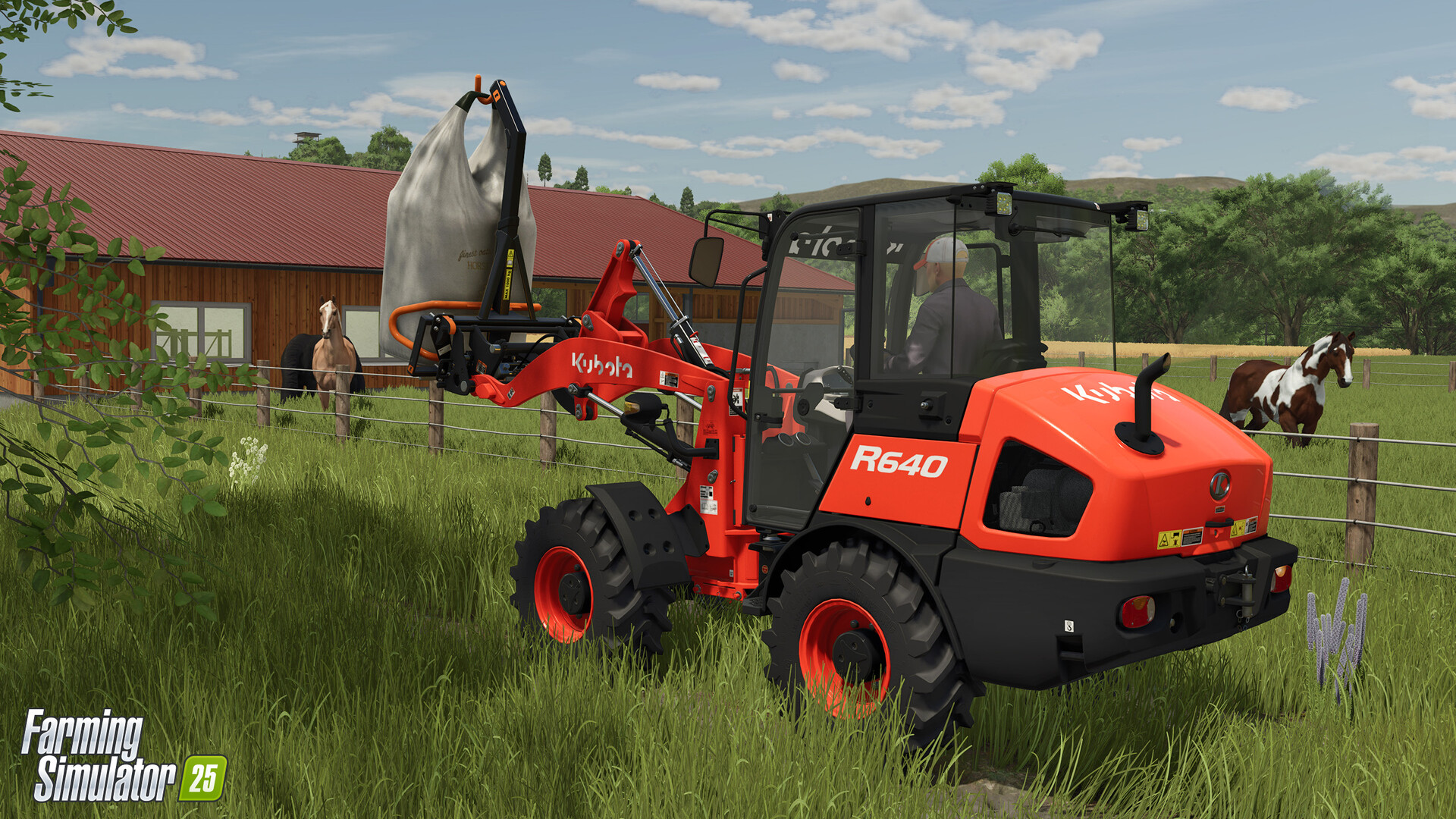
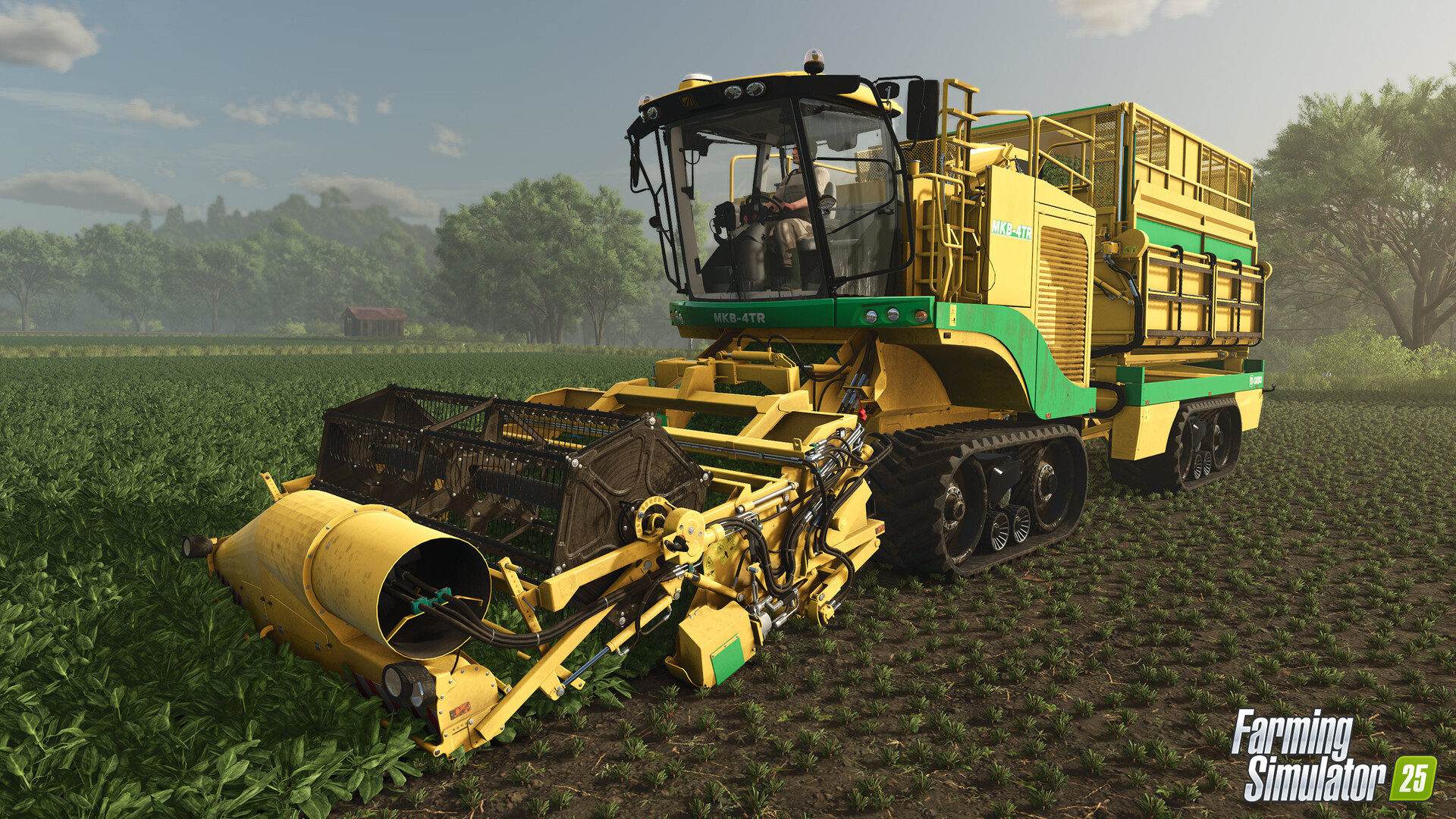
Vehicles in Farming Simulator 25 are not power-ups—they are capital. Each machine represents cost, upkeep, and specialization.
Bigger equipment saves time but demands space and money. Smaller tools are flexible but slower. Leasing reduces risk but increases long-term expense.
This economic realism creates meaningful trade-offs. Players do not chase the “best” machine—they choose the right one for their operation’s scale and goals.
4. Scale and Satisfaction
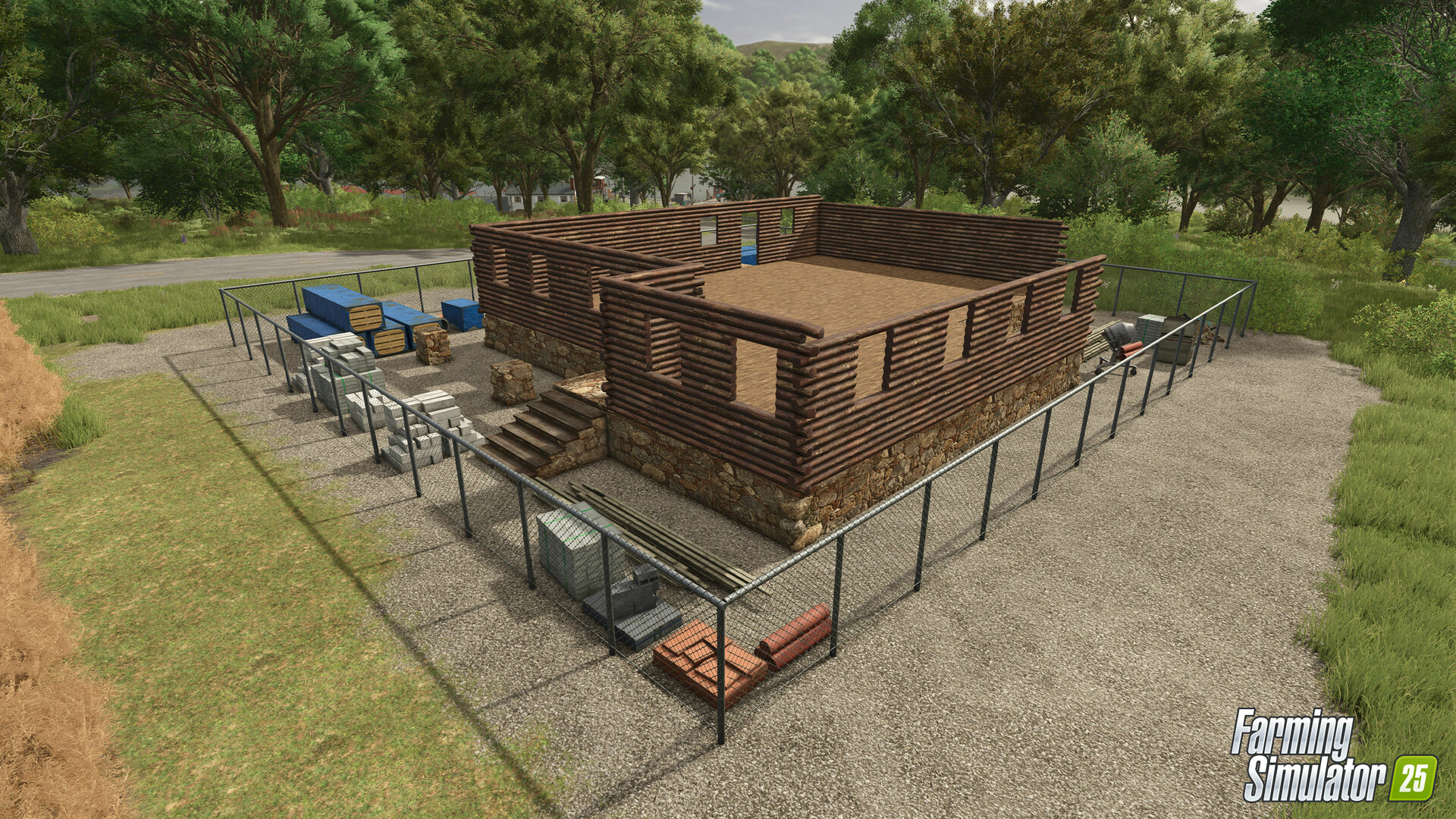
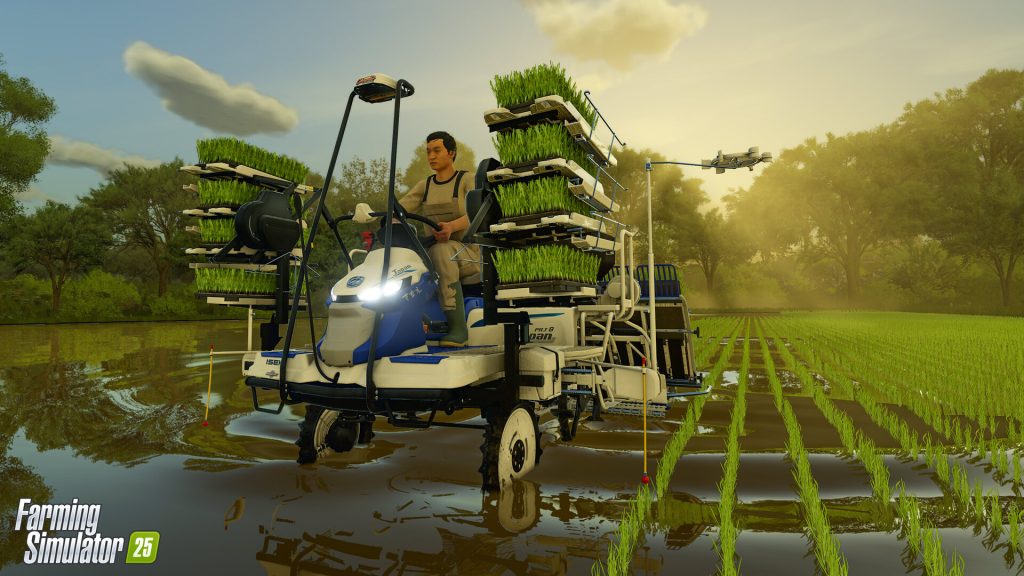
One of Farming Simulator’s quiet achievements is how it handles scale. Early gameplay is intimate: a few fields, a handful of machines. Later gameplay becomes industrial: large plots, multiple vehicles, parallel workflows.
The satisfaction does not come from unlocking new mechanics, but from orchestrating complexity. Running several operations simultaneously feels like conducting a system rather than playing a character.
Scale becomes a reward in itself. Seeing fields move in synchronized order delivers a sense of calm mastery.
5. Environmental Realism Without Pressure
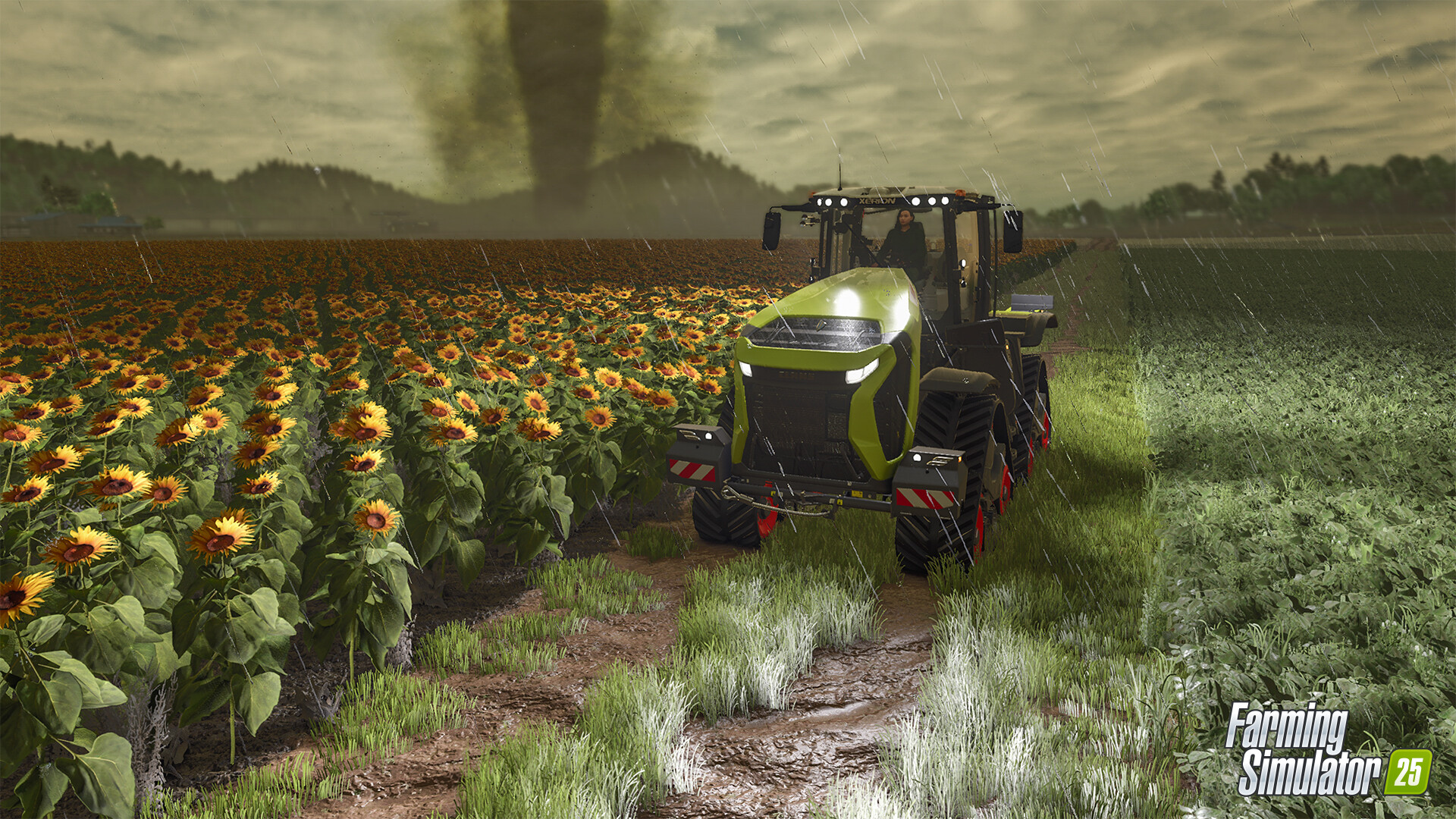
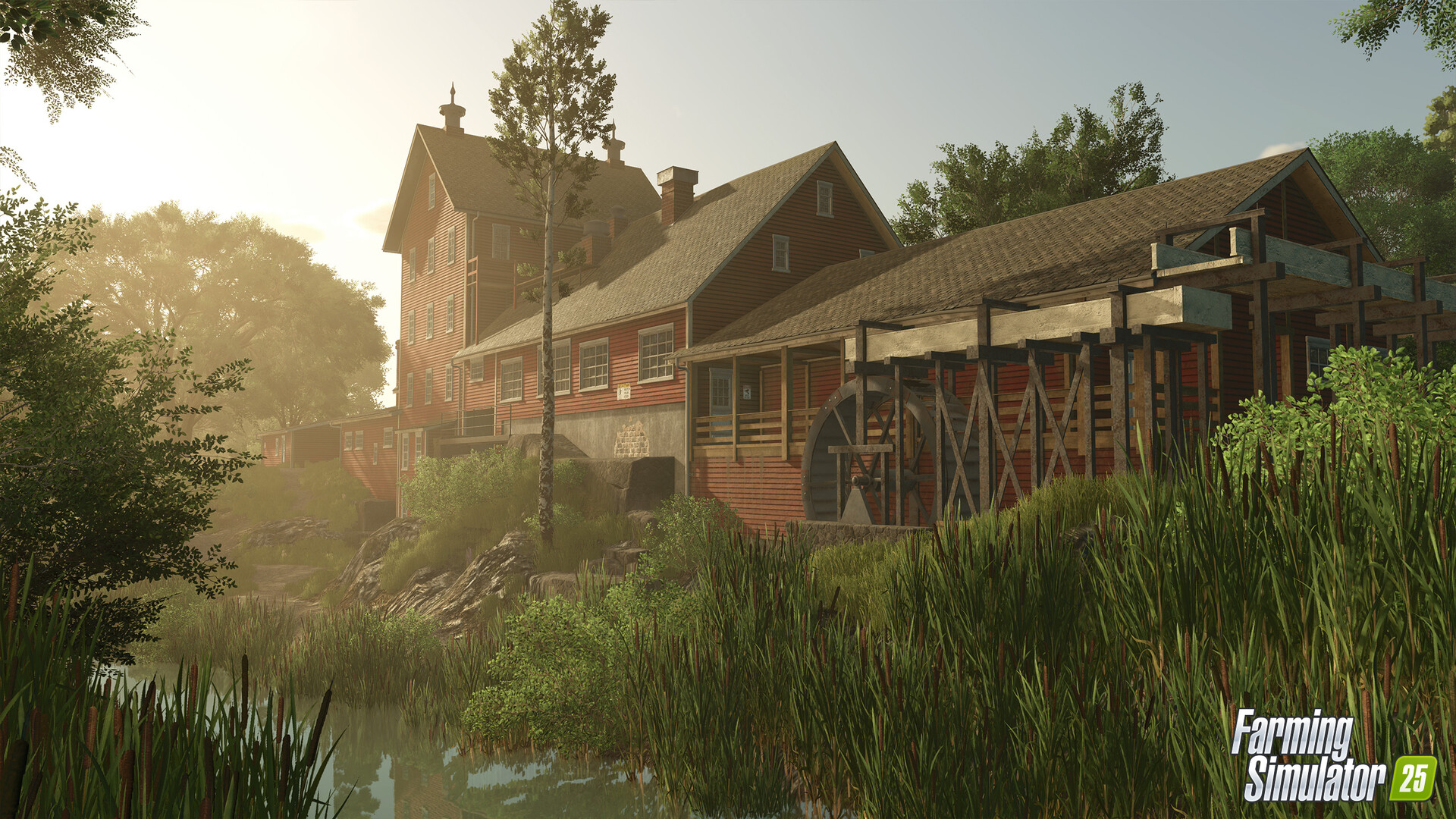
The environments in Farming Simulator 25 are detailed but unthreatening. Weather matters, but it does not punish aggressively. The world responds to the player, but rarely resists.
This creates a low-stress atmosphere. Even failure feels manageable. There are few hard deadlines and no hostile forces pushing back.
The result is a space where players can focus, reflect, and settle into rhythm. The game becomes meditative—not passive, but composed.
6. Economy: Stability Over Volatility
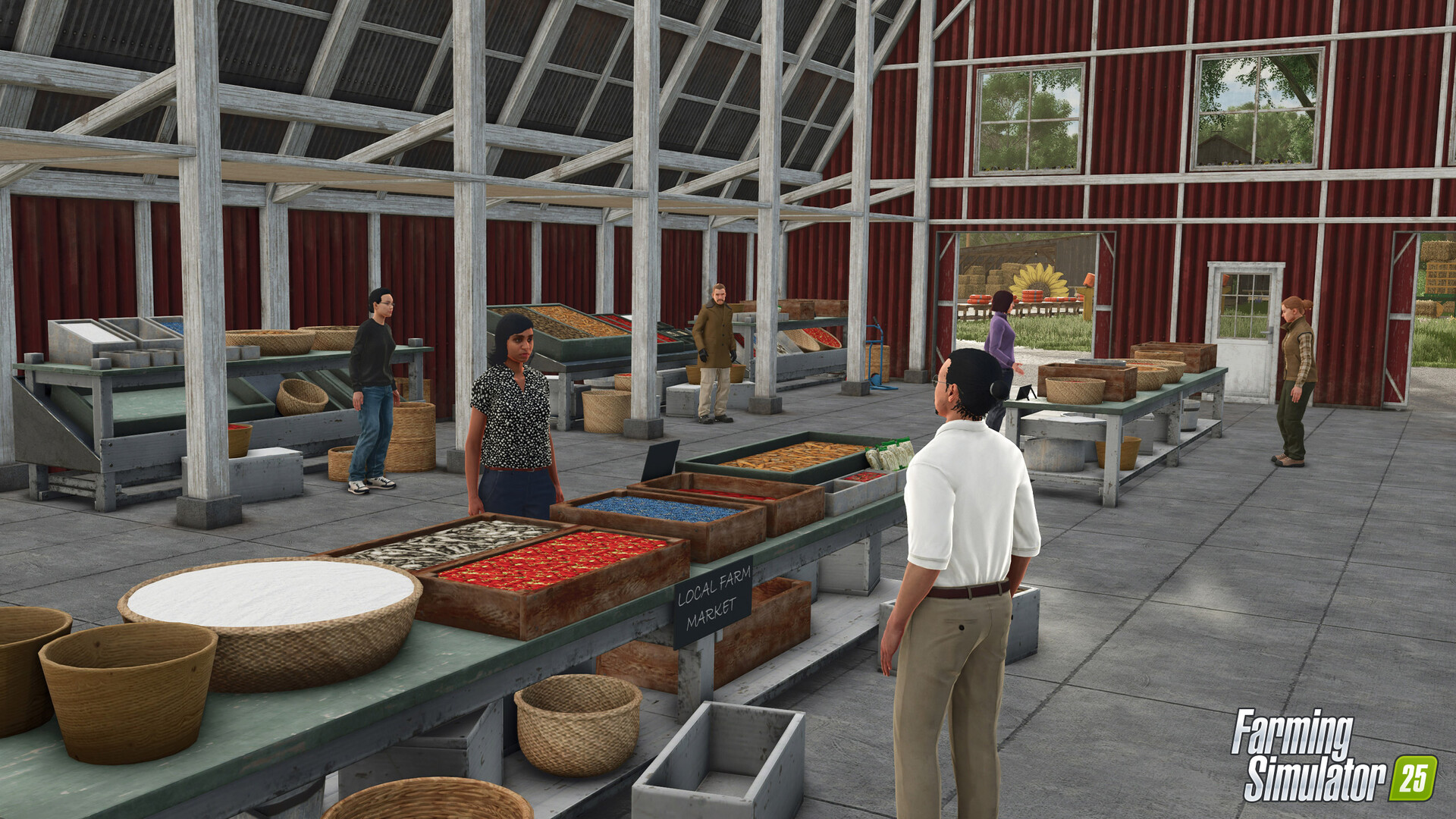
Markets in Farming Simulator 25 fluctuate, but within predictable bounds. Prices rise and fall gradually. Players can plan storage and sales strategically.
This economic stability reinforces long-term thinking. There are no sudden crashes or jackpots. Wealth grows through consistency, not risk-taking.
The economy encourages patience. Players who rush to sell may lose potential profit; players who wait too long may miss peaks. Timing matters, but panic does not.
7. Co-op Farming: Shared Responsibility
Multiplayer in Farming Simulator 25 emphasizes cooperation without competition. Players share land, machines, and objectives.
Roles emerge organically: one player handles logistics, another focuses on fieldwork, another manages finances. Communication improves efficiency, but silence does not destroy progress.
This makes co-op feel communal rather than chaotic. Farming Simulator is less about coordination under pressure and more about shared routine.
8. Player Psychology: Comfort Through Control
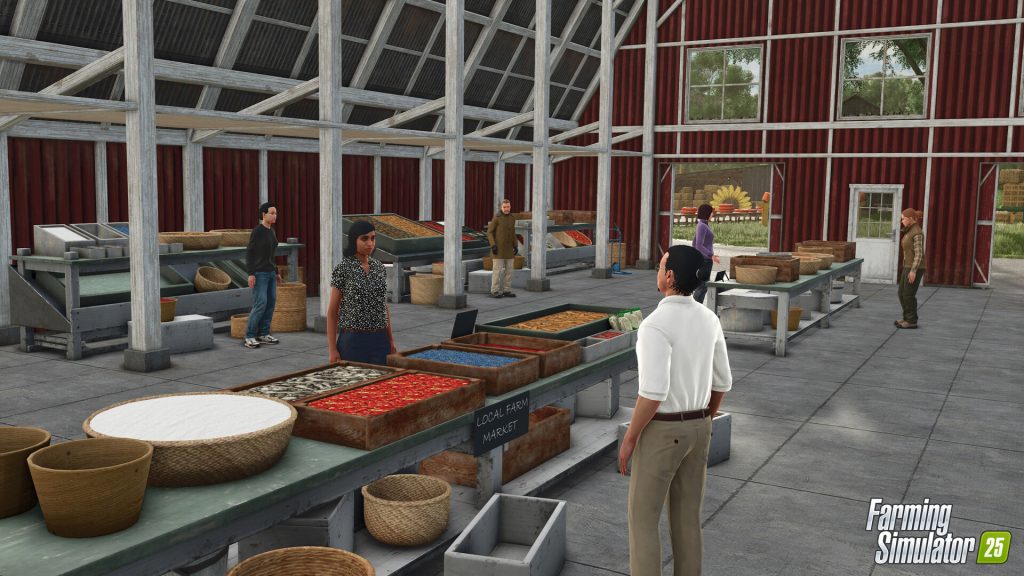
One of the most compelling aspects of Farming Simulator 25 is how it satisfies a desire for control without urgency. Systems are predictable. Outcomes are explainable.
This reliability creates comfort. Players return not to be challenged emotionally, but to restore order. The game becomes a space to unwind through structured activity.
It appeals to a mindset that finds satisfaction in seeing things work properly—slowly, quietly, and consistently.
9. Iteration Rather Than Reinvention
Farming Simulator 25 does not radically redefine the series. It improves visuals, refines mechanics, and expands content incrementally.
For newcomers, the experience feels robust and complete. For veterans, changes may feel subtle rather than transformative.
This conservatism is intentional. The series values trust over surprise. Players know what they are getting—and that reliability is part of the appeal.
10. Limitations of the Experience
Farming Simulator 25 is not for players seeking drama or narrative momentum. Its pacing can feel slow. Its challenges are procedural rather than emotional.
Without self-imposed goals, the experience can become repetitive. The game provides systems, not motivation. Players must decide why they are growing.
These limitations define the experience. The game is not about excitement—it is about endurance.

Pros
Deep, methodical simulation of farming processes
Strong sense of scale and long-term progression
Relaxed pacing with low emotional stress
Cooperative multiplayer encourages shared routine
High level of mechanical clarity and predictability
Cons
Slow progression may deter action-focused players
Limited narrative or dramatic stakes
Repetition can set in without self-directed goals
Incremental improvements may feel conservative
Learning curve for complex machinery systems
Conclusion: The Value of Steady Work
Farming Simulator 25 succeeds by honoring labor rather than gamifying it excessively. It finds satisfaction in continuity, responsibility, and incremental improvement.
For players who enjoy simulation, planning, and the quiet pleasure of systems functioning smoothly, Farming Simulator 25 offers a grounded, restorative experience. It does not ask you to save the world or defeat an enemy.
It asks you to show up,
do the work,
and let time do the rest.