

Palworld – Survival Automation, Moral Dissonance, and the Absurd Logic of Exploitation










Introduction: Cute Creatures, Uncomfortable Systems
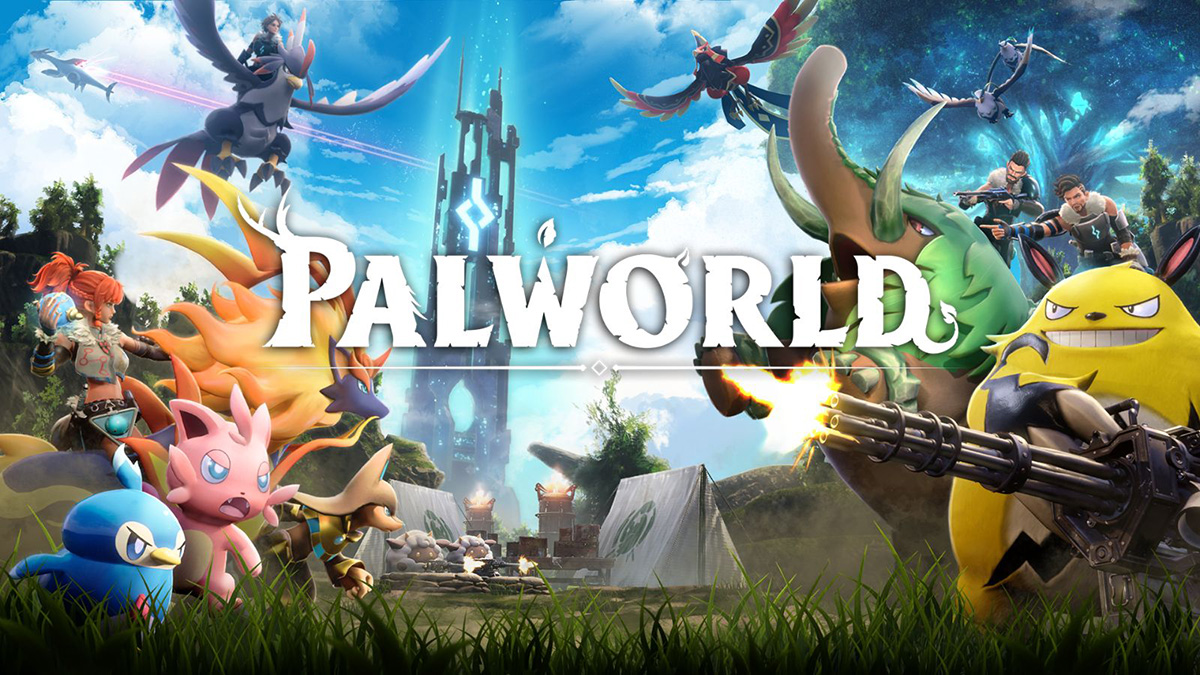
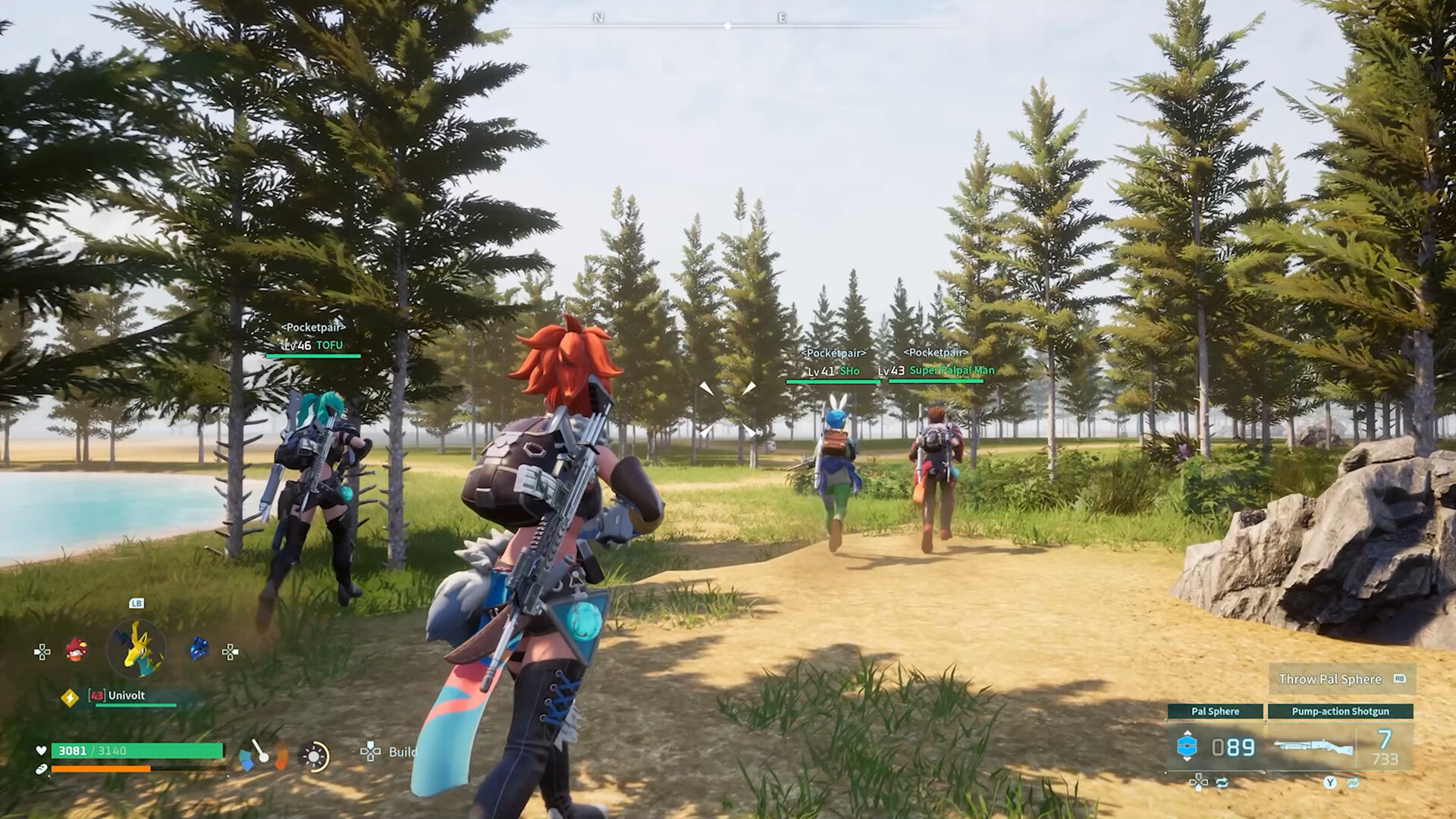
Palworld presents itself with a smile and a wink: colorful creatures, whimsical animations, and a playful tone that suggests harmless collecting fun. But beneath that surface lies a design that is far more provocative. Palworld is not simply a creature-collecting survival game; it is a systemic experiment that blends automation, labor, and violence into a sandbox that asks players to reconcile efficiency with ethics—often without offering comfort or resolution.
Rather than choosing a clear moral stance, Palworld thrives on contradiction. It invites players to optimize production using sentient beings while framing those beings as adorable companions. This review approaches Palworld as a systems-driven survival experience where humor masks discomfort, and where the most interesting tension arises not from enemies, but from the player’s own choices.
Quick Info (Overview Box)
Release Year: 2024
Genre: Survival crafting / Creature collection
Platforms: PC, Xbox
Game Modes: Single-player, Online co-op
Target Audience: Players who enjoy survival automation, base-building, open-ended systems, and unconventional design
1. Core Design Philosophy: Efficiency Over Innocence
At its heart, Palworld is a game about production. Resources must be gathered, refined, transported, and converted into progress. What differentiates it from other survival games is who does the work.
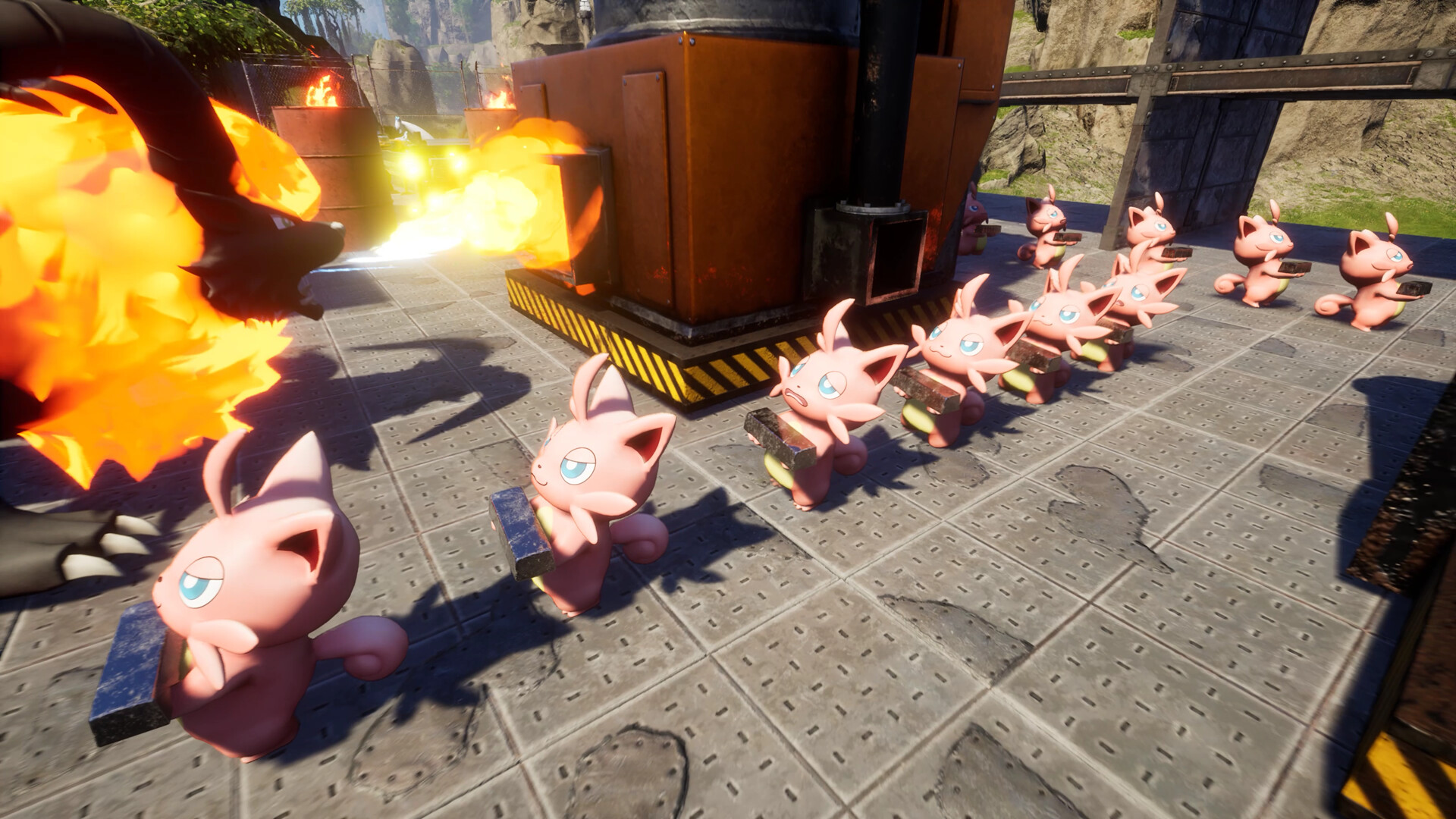
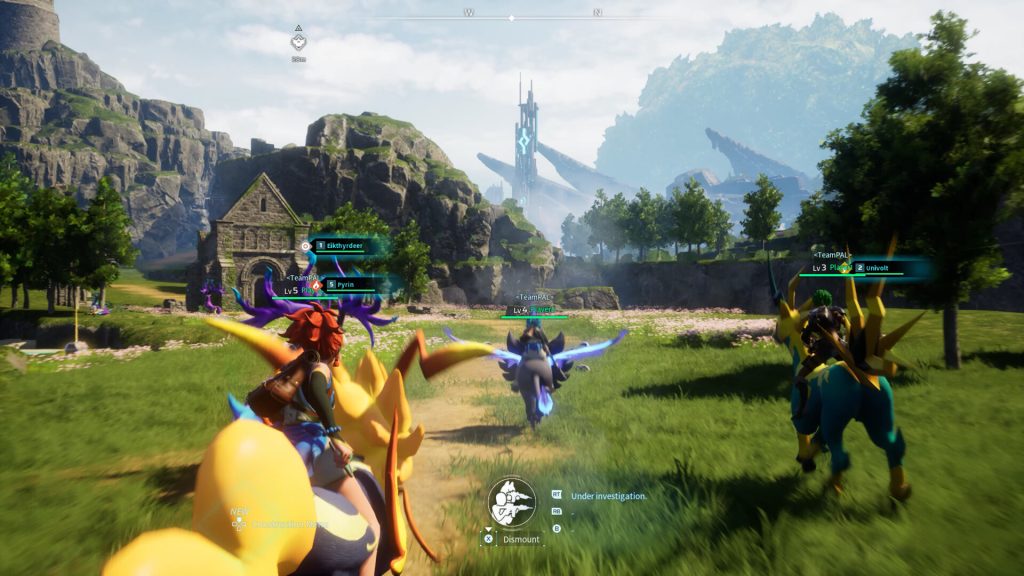
Pals are not merely companions; they are labor units. They mine, farm, craft, transport, and fight. The game’s systems reward players for assigning the right Pal to the right task, optimizing workflows, and minimizing downtime.
This design reframes creature collection as industrial management. The cuteness is not the point—it is the contrast. Palworld asks players to value output over sentiment, then watches how comfortable they feel doing so.
2. The Pal as Tool, Partner, and Resource
Pals occupy an ambiguous space. They are animated, expressive, and charming—but they are also consumable assets. They can be overworked, injured, reassigned, or sacrificed for progress.
This ambiguity creates cognitive dissonance. Players are encouraged to care about Pals, but rewarded for treating them instrumentally. The game does not resolve this tension; it exploits it.
Unlike games that anthropomorphize creatures purely for empathy, Palworld deliberately blurs the line between companion and commodity.
3. Survival Systems: Familiar, Recontextualized
Mechanically, Palworld borrows heavily from established survival design: hunger, stamina, crafting benches, progression tiers, and environmental threats.
What changes is context. Tasks that would normally be performed by the player are outsourced. The player becomes a manager rather than a laborer. Time is saved not through skill, but through delegation.
This shift subtly alters player identity. You are not surviving through grit—you are surviving through organization. The game celebrates managerial thinking over individual mastery.
4. Base-Building as Moral Architecture
Base-building in Palworld is not just spatial—it is ethical. The layout of your base determines how efficiently Pals work, how often they rest, and how much strain they endure.
The game never forces cruelty, but it incentivizes optimization. Crowded workstations increase output. Rest areas reduce downtime. Players learn to design systems that balance productivity with sustainability—if they choose to care.
This turns base design into a reflection of values. Efficiency is easy. Compassion requires intention.
5. Combat and Firearms: Power Without Subtlety
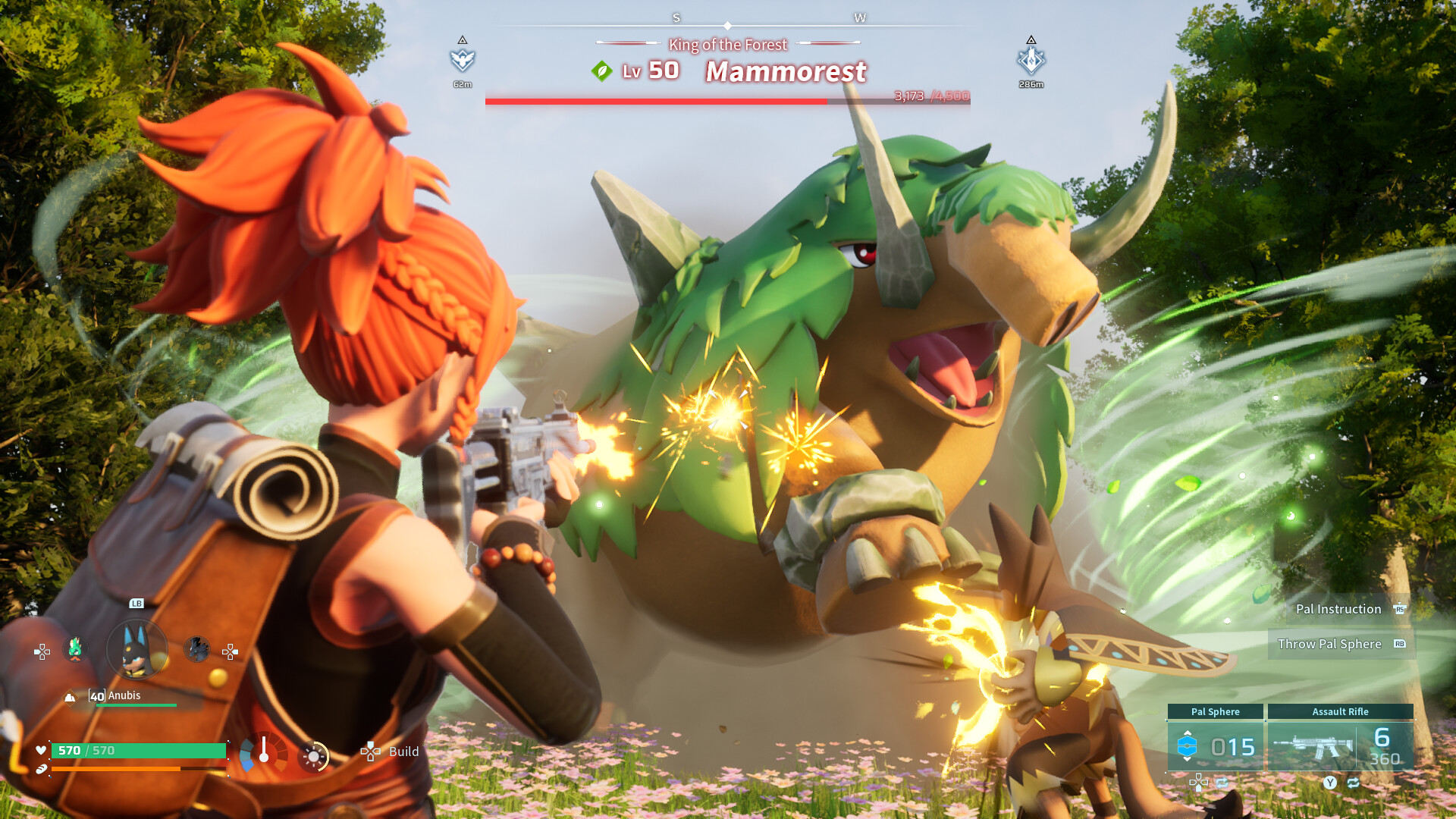
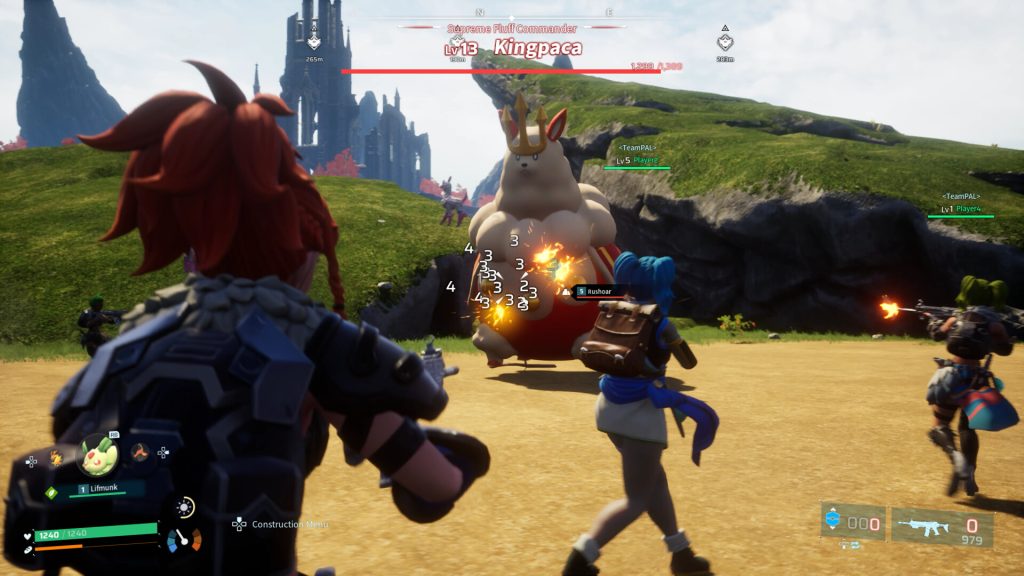
Combat in Palworld is blunt. Firearms exist. Explosives exist. Violence is efficient.
This design choice further destabilizes expectations. The presence of modern weapons alongside whimsical creatures collapses genre boundaries and moral clarity.
Combat does not ask players to feel heroic. It asks them to win. The lack of narrative framing around violence reinforces Palworld’s central theme: outcomes matter more than justification.
6. Automation and the Pleasure of Flow
As systems scale, Palworld becomes an automation game. Pals chain tasks together, resources flow through production lines, and the base begins to run with minimal intervention.
This is deeply satisfying on a mechanical level. Watching a system stabilize feels rewarding. Problems become logistical rather than existential.
However, this pleasure carries weight. The smoother the system runs, the more invisible individual acknowledges become. Pals fade into the background as metrics improve.
The game quietly demonstrates how efficiency can numb empathy.
7. Player Psychology: Humor as Buffer
Palworld uses humor to soften discomfort. Animations are exaggerated. Visuals are playful. Tone is ironic.
This humor acts as a buffer, allowing players to engage with ethically charged systems without immediate rejection. Laughter creates distance.
Yet the discomfort lingers. The more players optimize, the more they recognize what they are optimizing through. The game’s joke lands slowly.

8. Co-op: Shared Complicity
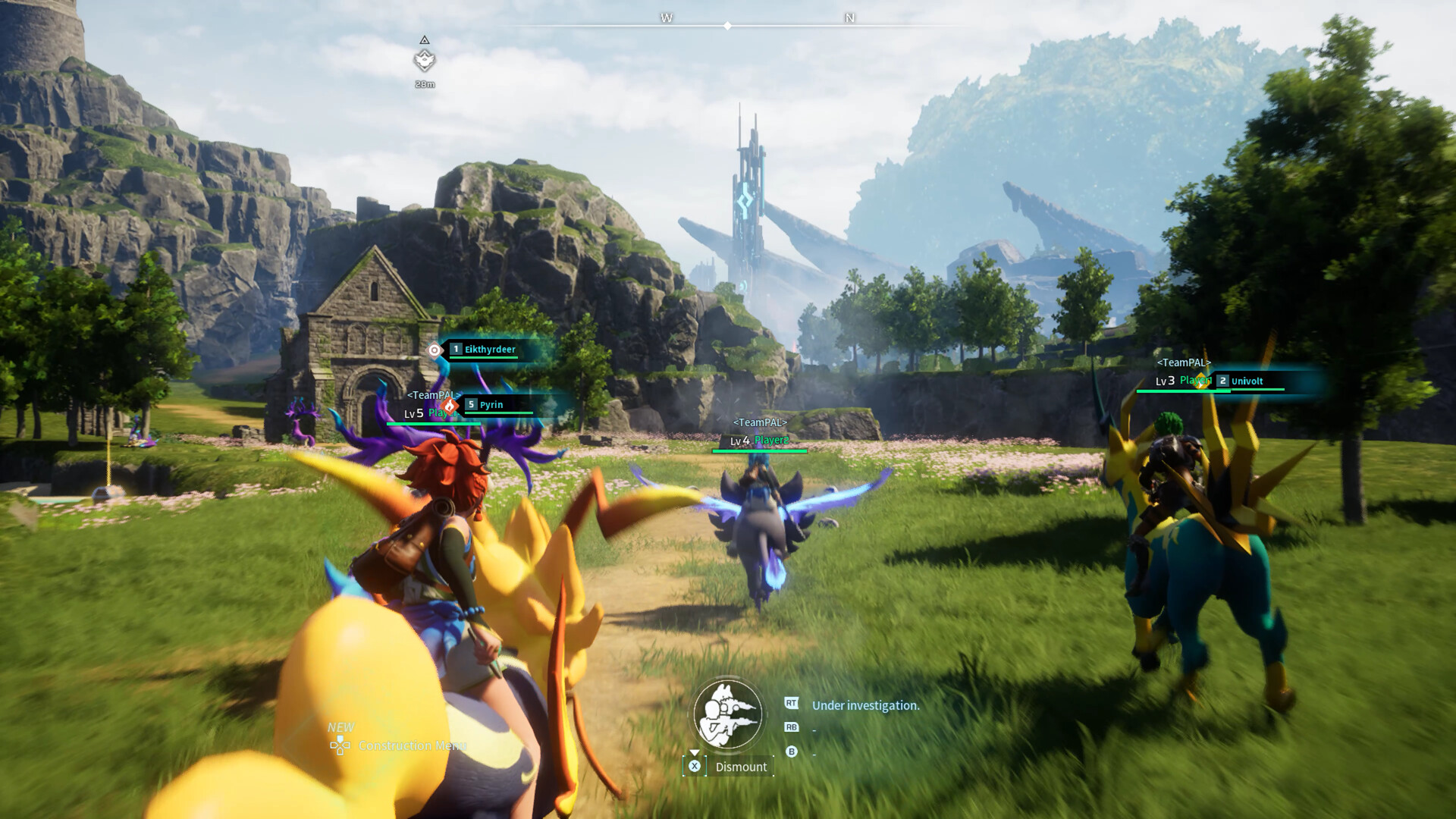
In multiplayer, Palworld becomes a shared moral space. Players coordinate production, divide labor, and make collective decisions about efficiency.
This social layer diffuses responsibility. Choices feel less personal when made together. Systems grow larger. Consequences feel abstract.
Co-op amplifies the game’s themes by turning ethical ambiguity into a group dynamic rather than an individual burden.
9. Progression Without Resolution
Palworld offers progression, but not closure. There is always another tier, another optimization, another system to refine.
The game does not culminate in redemption or condemnation. It simply continues. This open-endedness reinforces the idea that systems do not judge—they persist.
Players seeking narrative resolution may feel unsatisfied. Players interested in systemic exploration will find endless material.
10. Design Trade-Offs and Identity
Palworld’s boldness comes with risks. Its tone may alienate players who prefer clear moral framing. Its systems can feel exploitative rather than satirical.
Yet these trade-offs define its identity. Palworld is not confused—it is confrontational. It presents a cheerful exterior to examine uncomfortable truths about productivity, control, and value.
Whether players engage critically or casually, the systems remain intact.

Pros
Deep survival and automation systems
Creature management adds strategic complexity
Strong base-building and workflow optimization
Co-op enhances scale and experimentation
Unconventional tone creates memorable tension
Cons
Ethical ambiguity may discomfort some players
Combat lacks nuance
Progression can feel grind-heavy
Limited narrative framing
Balancing efficiency and empathy is player-dependent
Conclusion: A Sandbox That Reflects the Player
Palworld succeeds not by telling players what to think, but by watching what they do. It creates a system where optimization is rewarded and morality is optional—and then refuses to comment further.
For players who enjoy survival crafting, automation, and games that provoke reflection through mechanics rather than narrative, Palworld offers a rare experience. It is playful, unsettling, efficient, and absurd in equal measure.
Palworld does not judge your choices.
It simply makes them work.