
Raft – Oceanic Survival, Improvised Systems, and the Quiet Joy of Making Do
Introduction: Living on What Floats
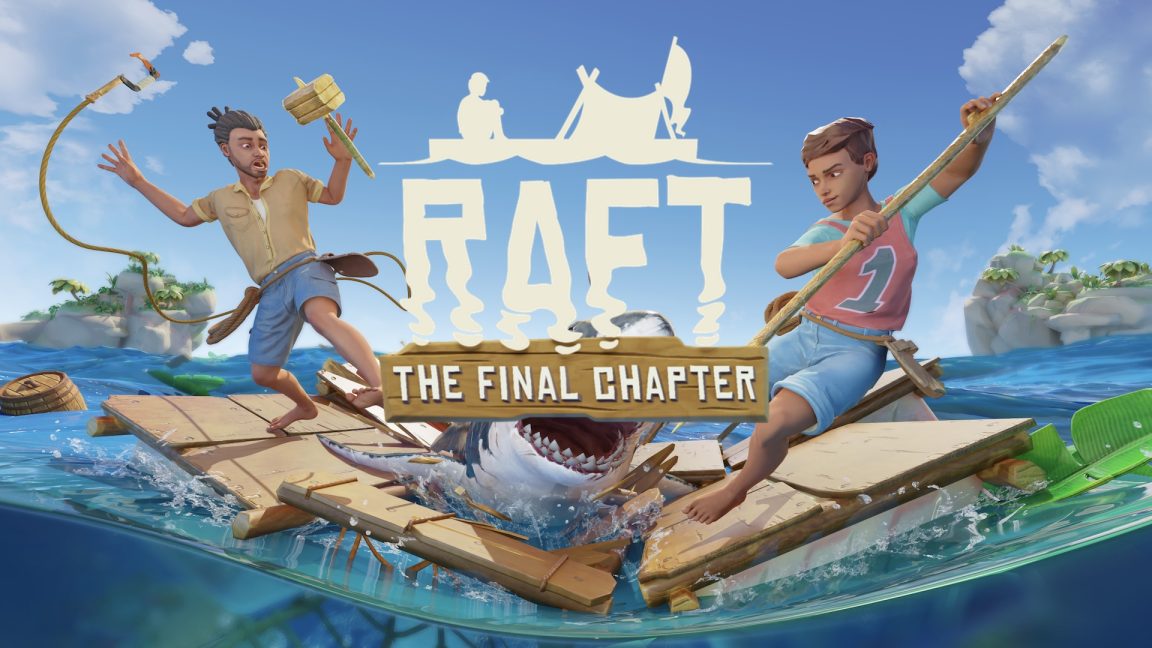
Raft begins with almost nothing: a few planks, a plastic hook, and an endless ocean that offers no direction and no mercy. There is no land to secure, no safe perimeter to fortify. Everything you own floats—and everything you lose sinks. From this austere starting point, Raft constructs a survival experience not about dominance or speed, but about continuity: keeping things working long enough to matter.
Raft’s genius lies in its modesty. It avoids apocalyptic spectacle and instead builds tension through routine scarcity, weather, and the constant negotiation between risk and necessity. This review approaches Raft as a systems-driven survival sandbox focused on improvisation, cooperation, and the psychology of progress when permanence is impossible.
Quick Info (Overview Box)
Release Year: 2018 (Early Access), 2022 (Full Release)
Genre: Survival / Crafting / Co-op
Platforms: PC
Game Modes: Single-player, Online co-op
Target Audience: Players who enjoy cooperative survival, crafting systems, exploration, and relaxed but persistent tension
1. Core Design Philosophy: Survival Without Territory
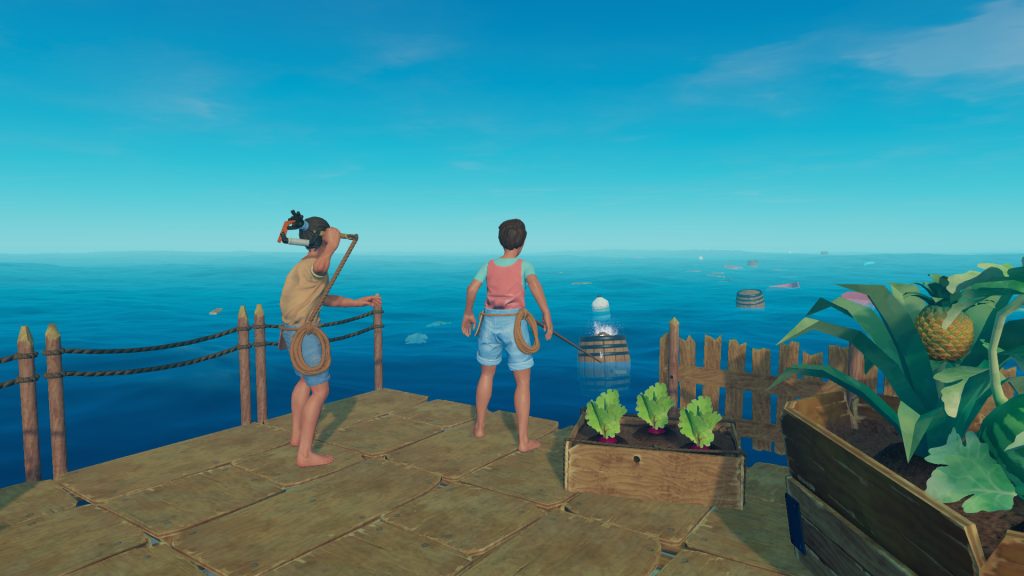
Most survival games give players land. Raft deliberately takes it away. The ocean is infinite, indifferent, and inescapable. Your raft is not a base you defend—it is a process you maintain.
This single choice reshapes the genre. There are no walls to turtle behind, no chokepoints to exploit. Every improvement is exposed to wind, waves, and predators. Progress exists, but it never becomes absolute.
Raft teaches an important lesson early: survival is not about securing space; it is about sustaining systems.
2. The Raft as a Living System
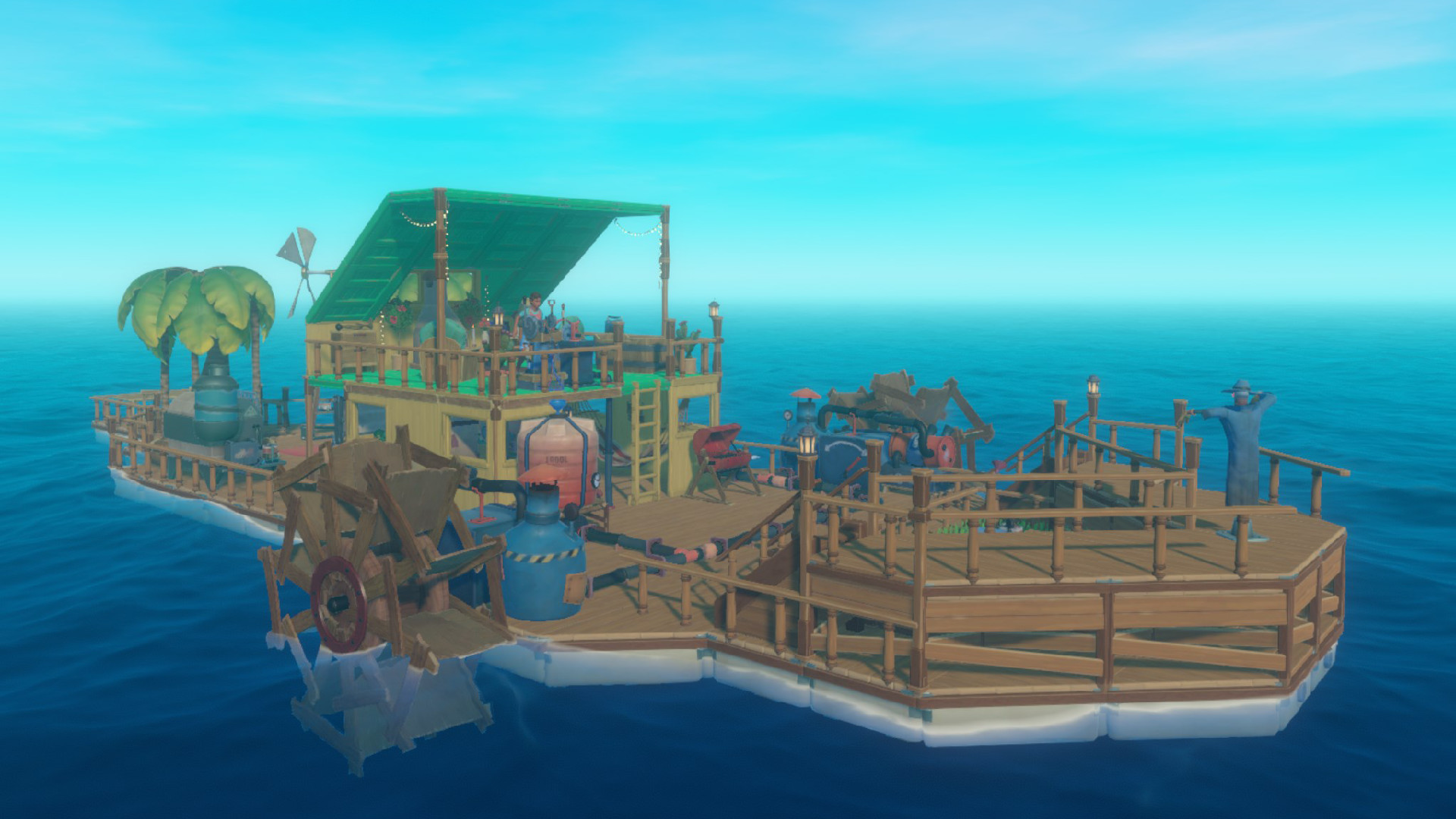
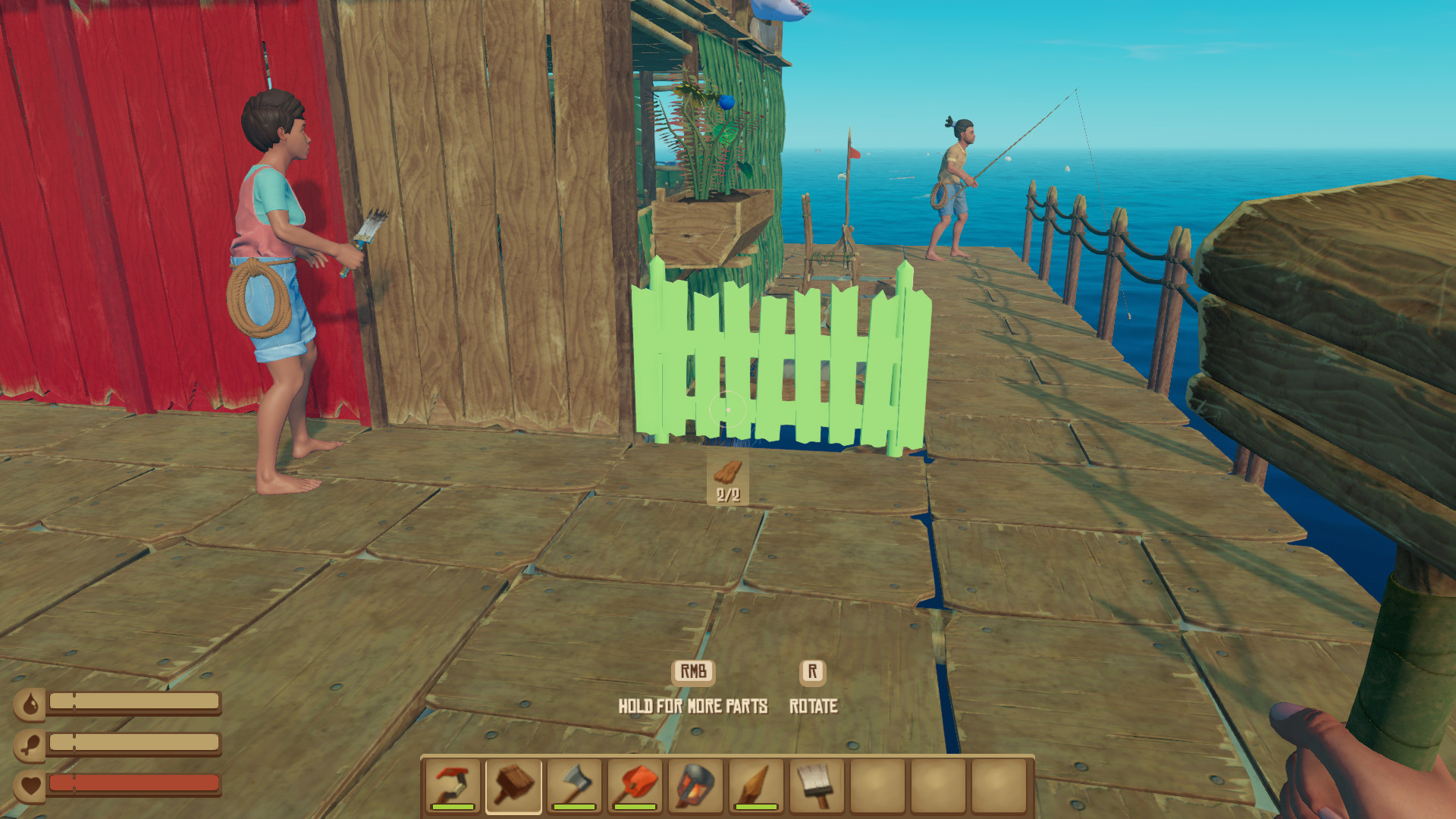
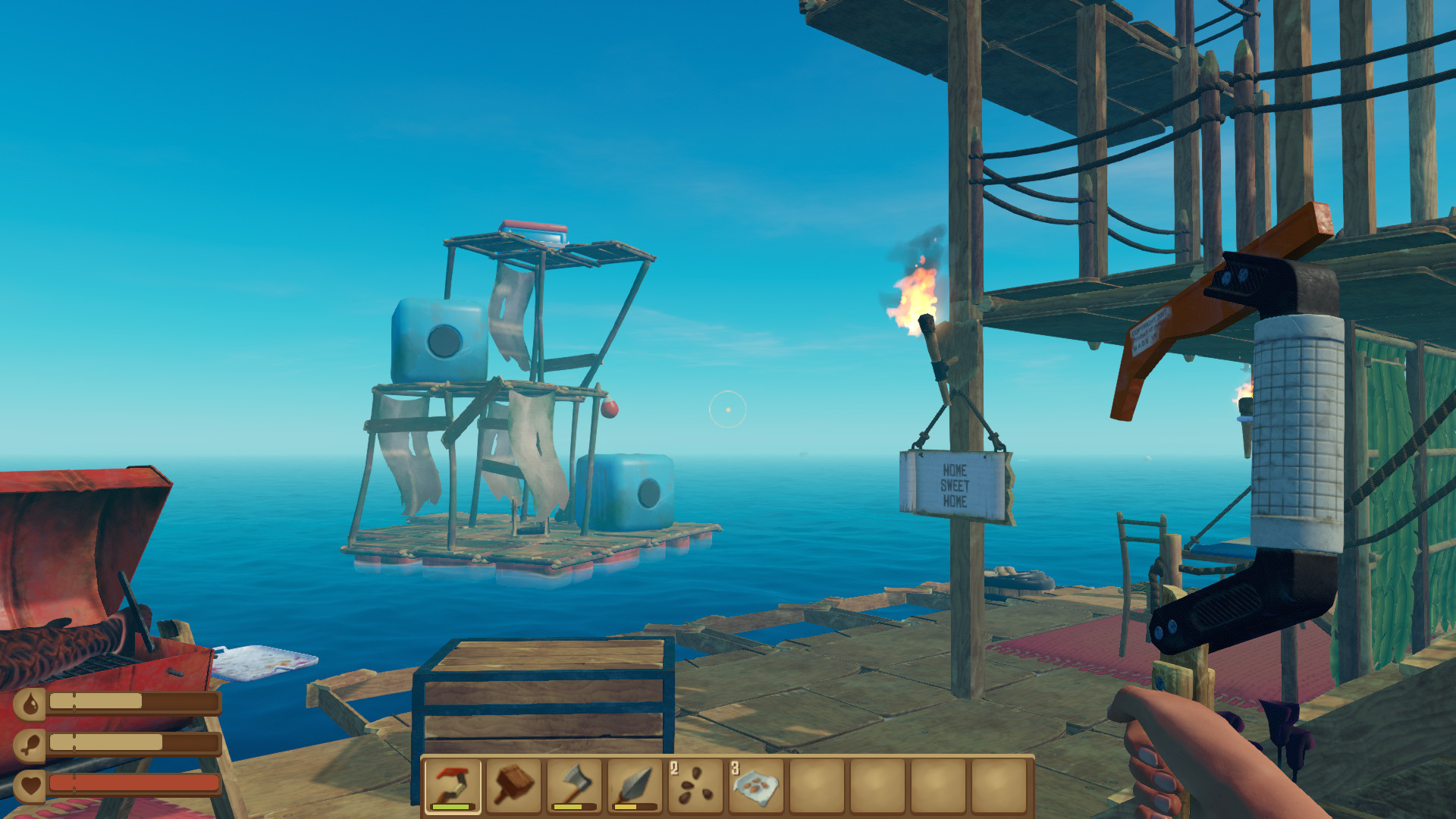
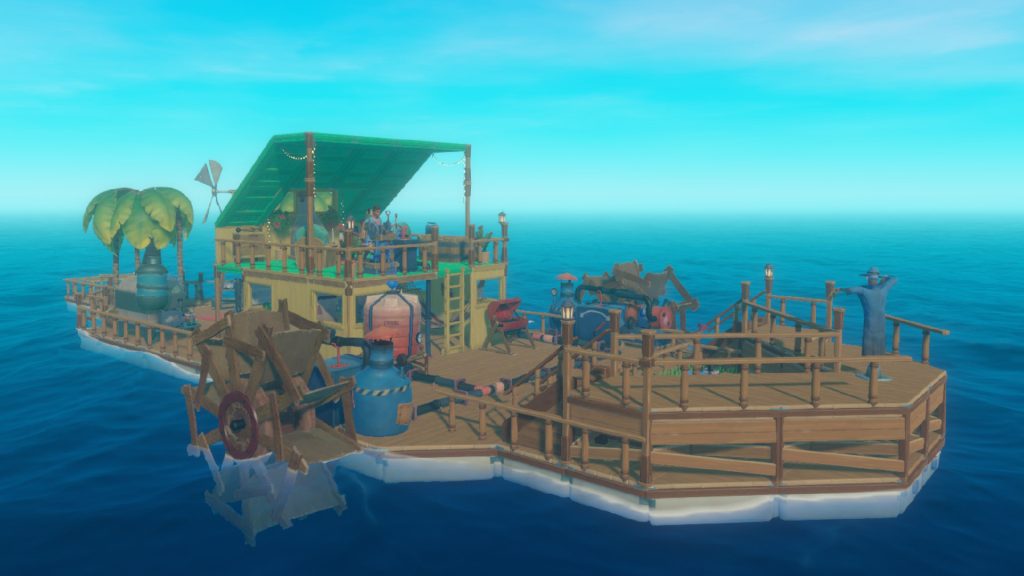
Your raft evolves from a handful of tiles into a layered structure with engines, water purifiers, grills, storage, and navigation tools. But growth does not eliminate fragility—it amplifies it.
Each addition increases complexity. More floors mean more resources. More machines mean more fuel and maintenance. Expansion introduces logistical problems alongside comfort.
This makes the raft feel alive. It is not a trophy; it is an obligation. Players become caretakers rather than conquerors.
3. The Hook: Minimal Tools, Maximum Meaning
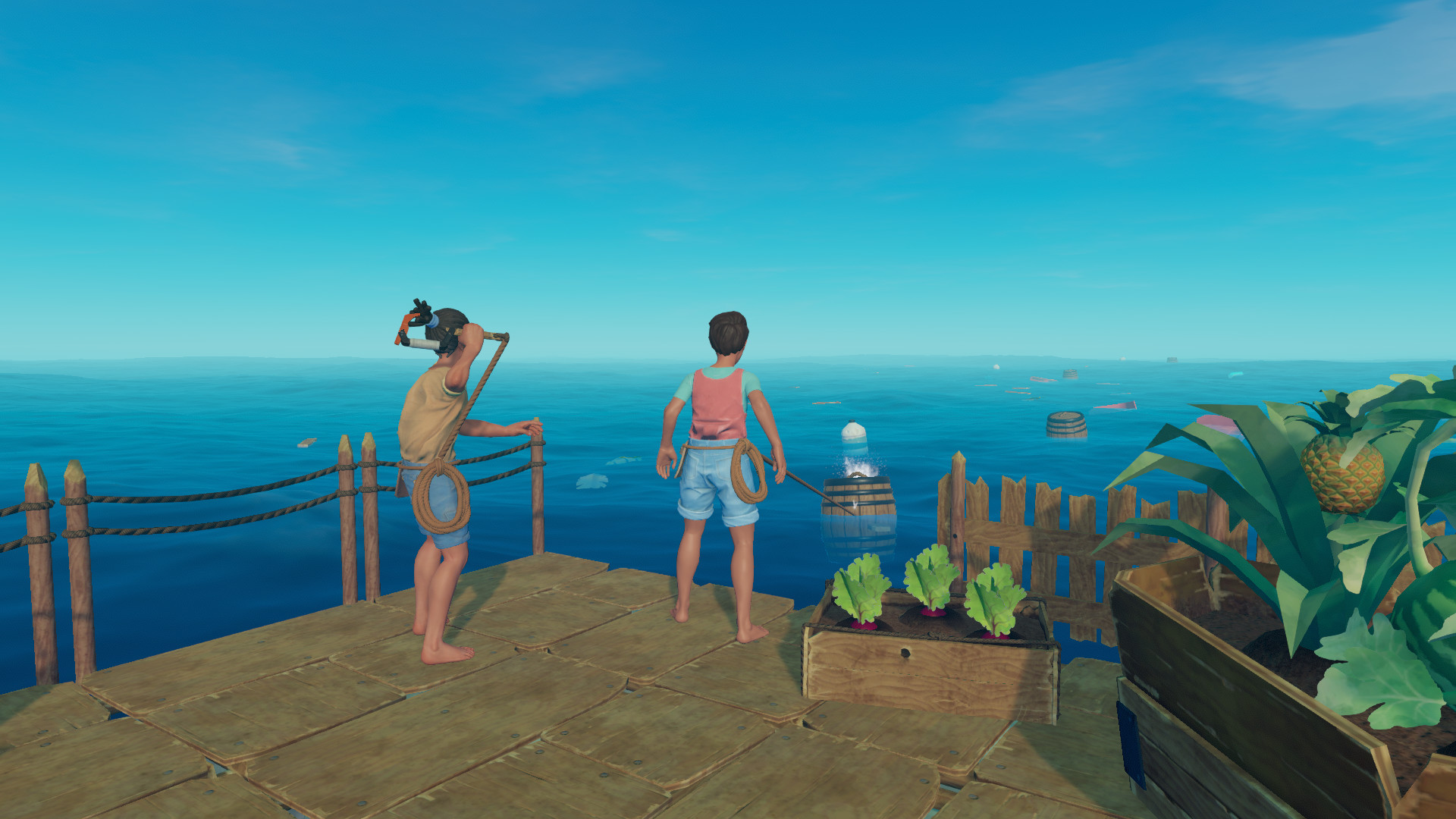
Raft’s most iconic tool—the plastic hook—embodies the game’s design ethos. Simple, fragile, and endlessly necessary, it anchors the early experience.
The hook teaches patience and prioritization. What you grab matters. Missed debris floats away forever. Efficiency emerges not from speed, but from attention.
By limiting early tools, Raft ensures that players understand systems before automating them. Progress feels earned because it replaces effort, not bypasses it.
4. Resource Economy: Scarcity That Persists
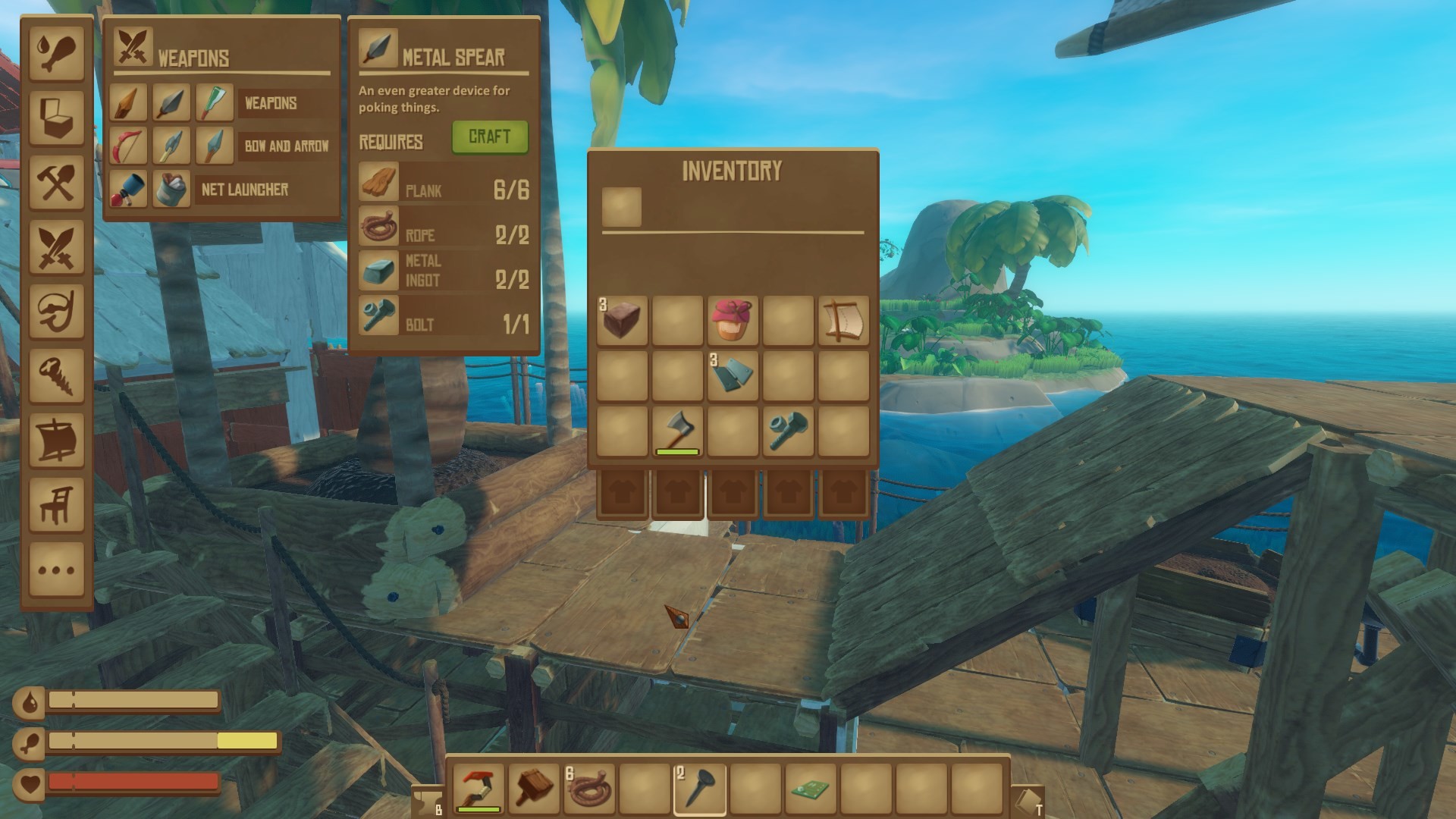
Raft’s resource economy is tight by design. Fresh water, food, and materials must be constantly replenished. Hoarding is difficult; storage is limited early on.
This persistent scarcity creates a rhythm. Players cycle between collection, processing, consumption, and repair. Break this rhythm, and problems compound quickly.
Importantly, the game avoids sudden punishment. Failure comes gradually—thirst creeps in, hunger slows you down, tools degrade. The pressure is steady, not explosive.
5. Exploration: Islands as Interruptions
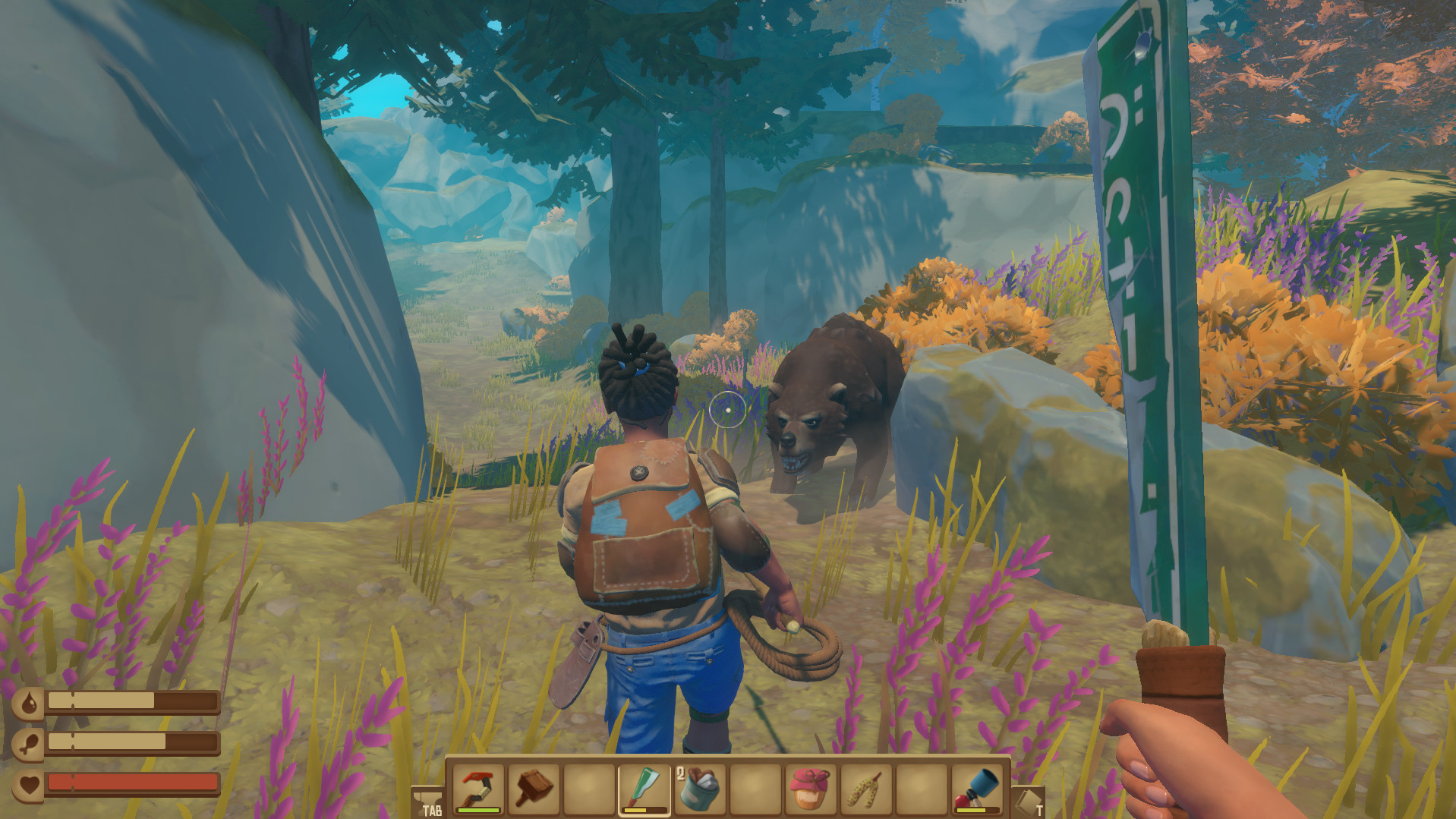
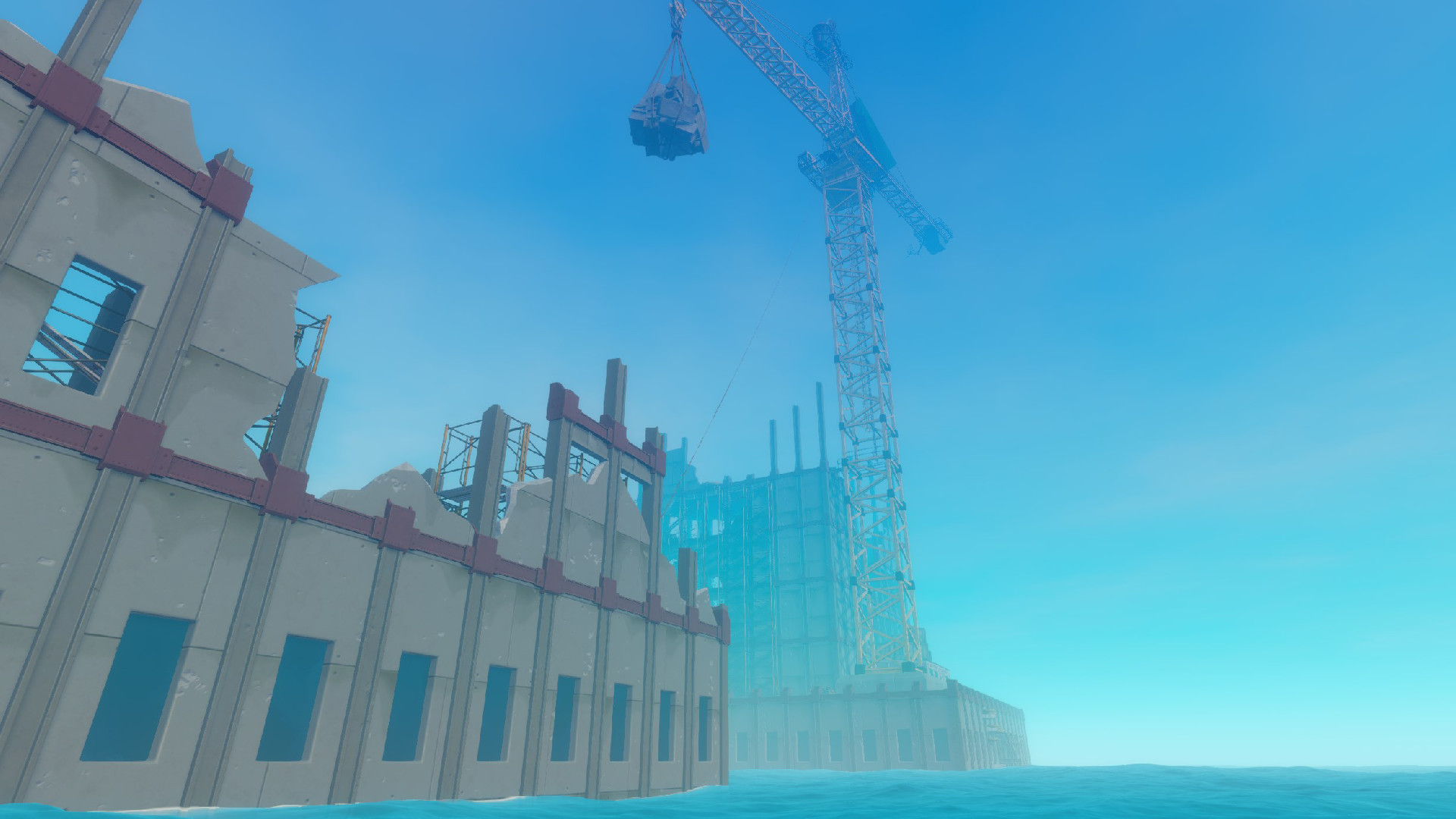
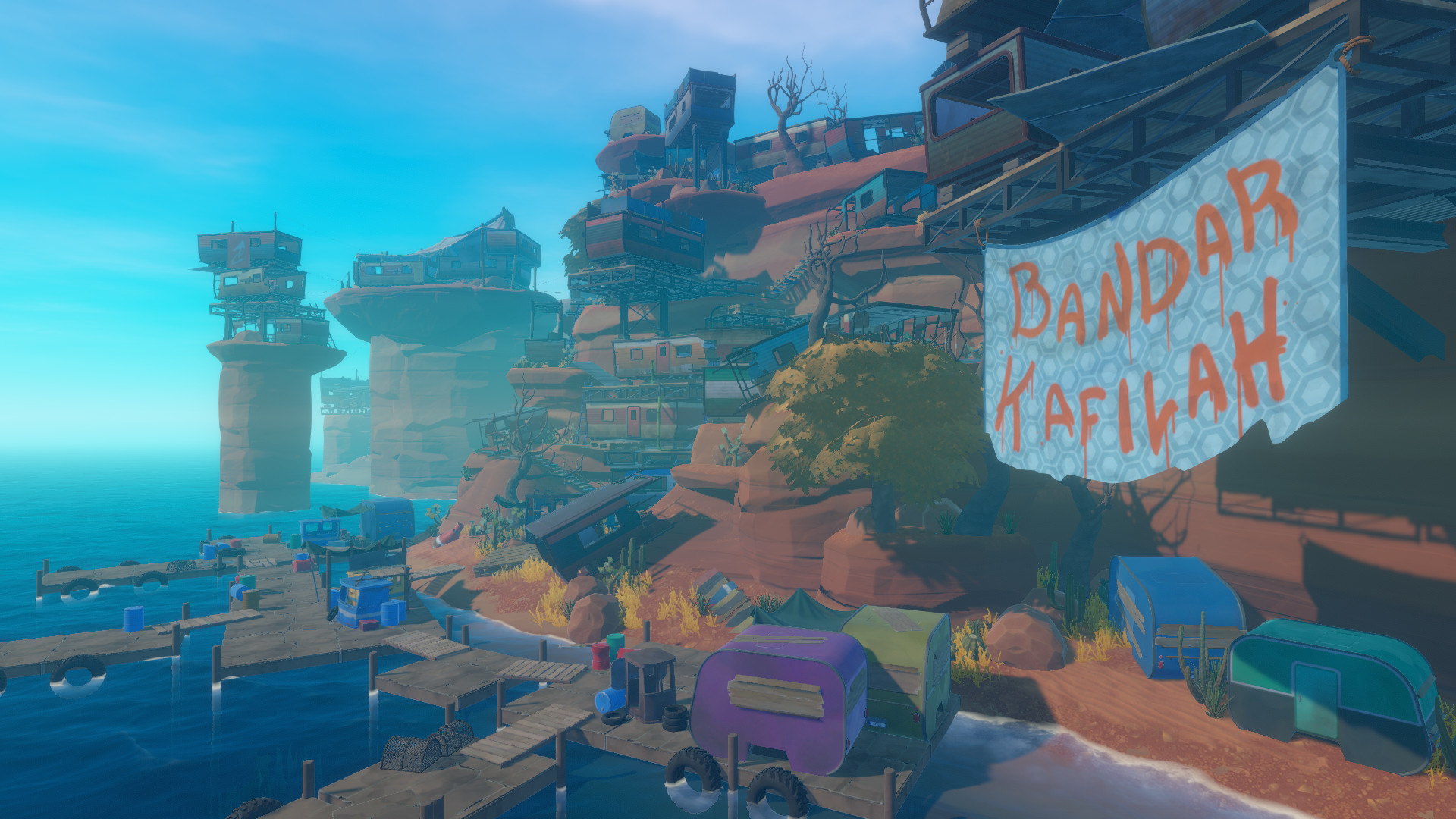
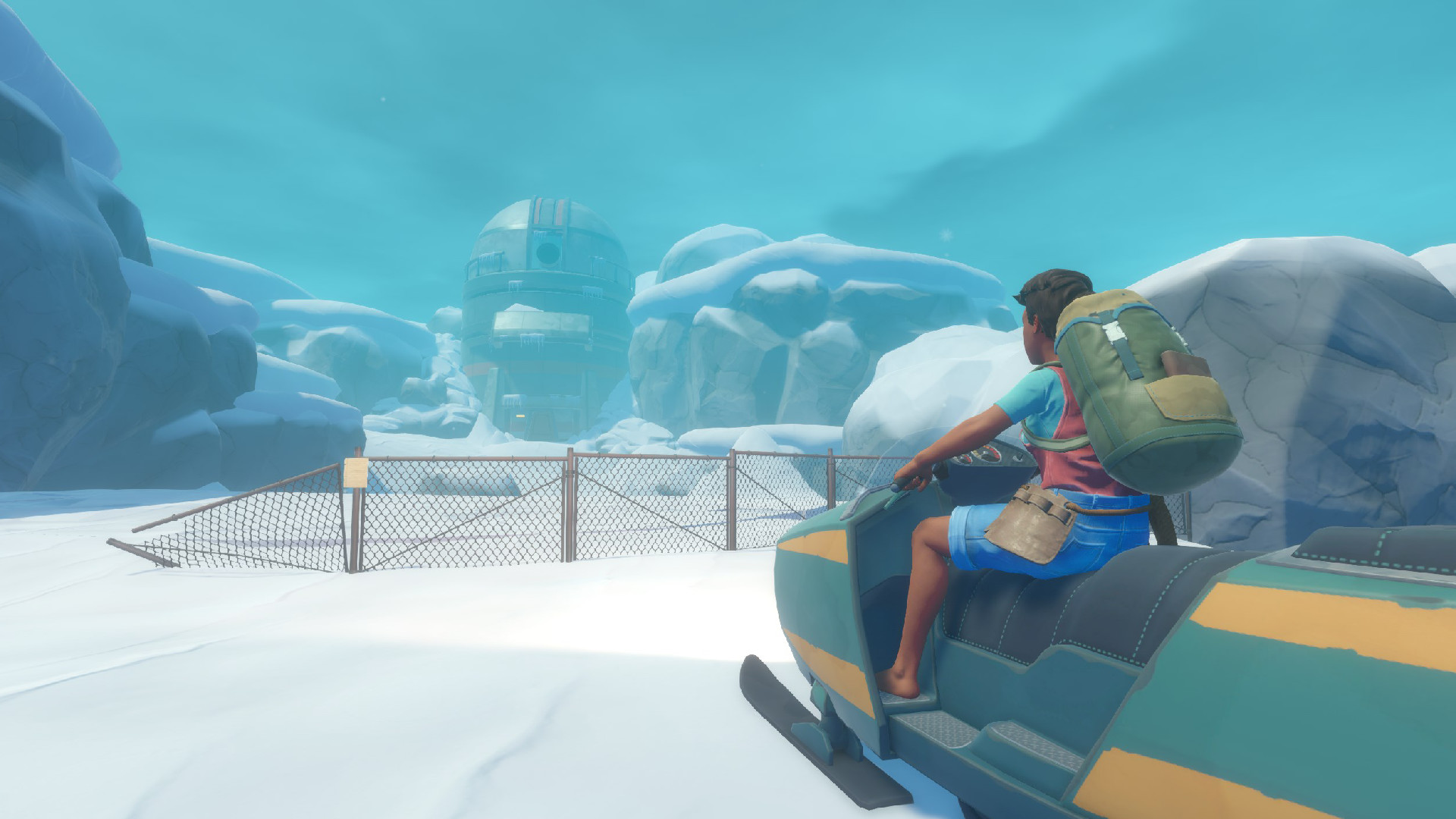
Islands in Raft are temporary reprieves, not destinations. They offer resources, blueprints, and narrative fragments—but they never become permanent homes.
This impermanence reinforces the ocean’s dominance. You visit, extract, and leave. Staying too long invites danger and resource drain.
Exploration feels purposeful rather than expansive. Each island answers immediate needs while reminding players that safety is fleeting.
6. The Shark: Persistent, Personal Threat
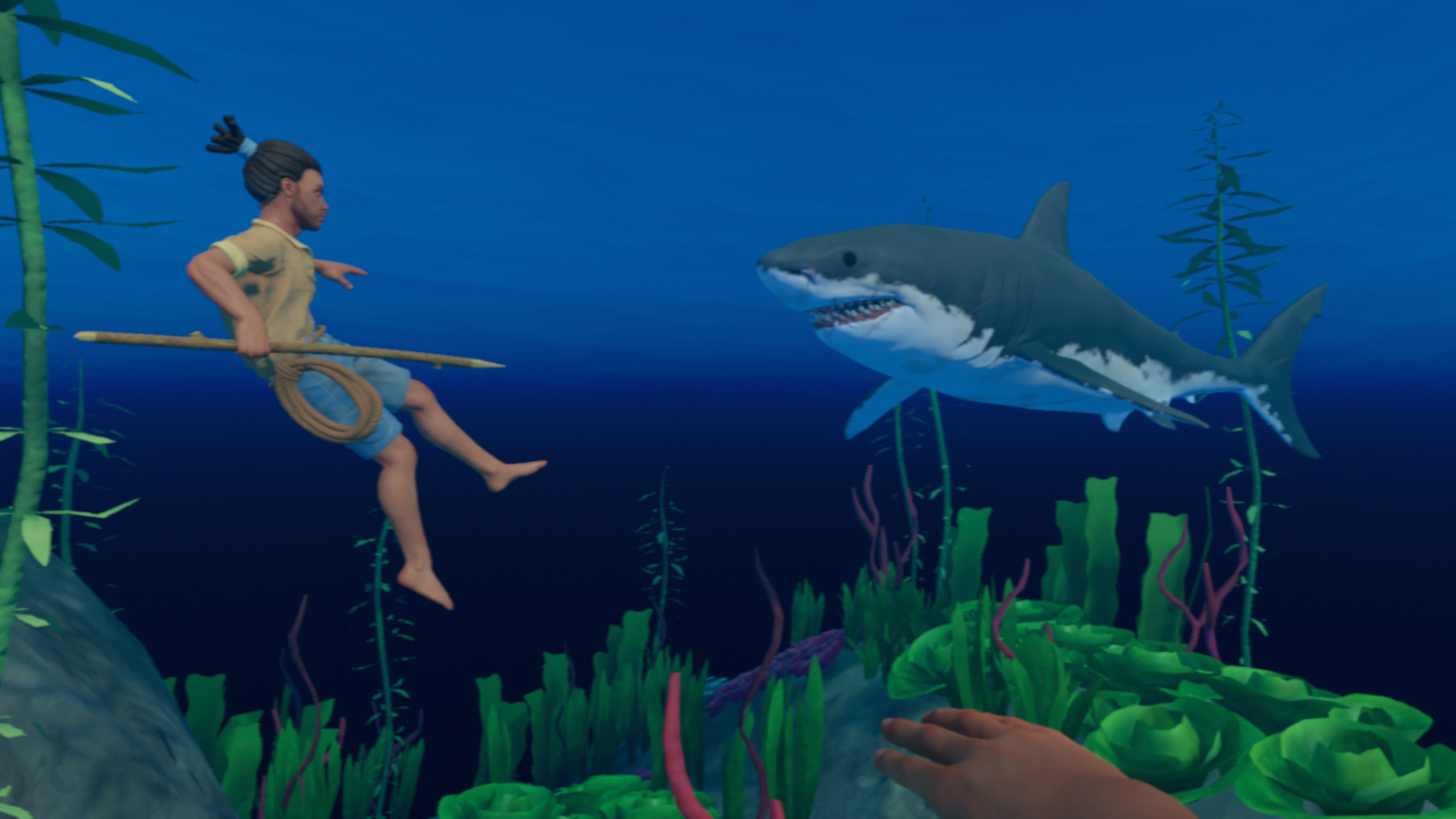
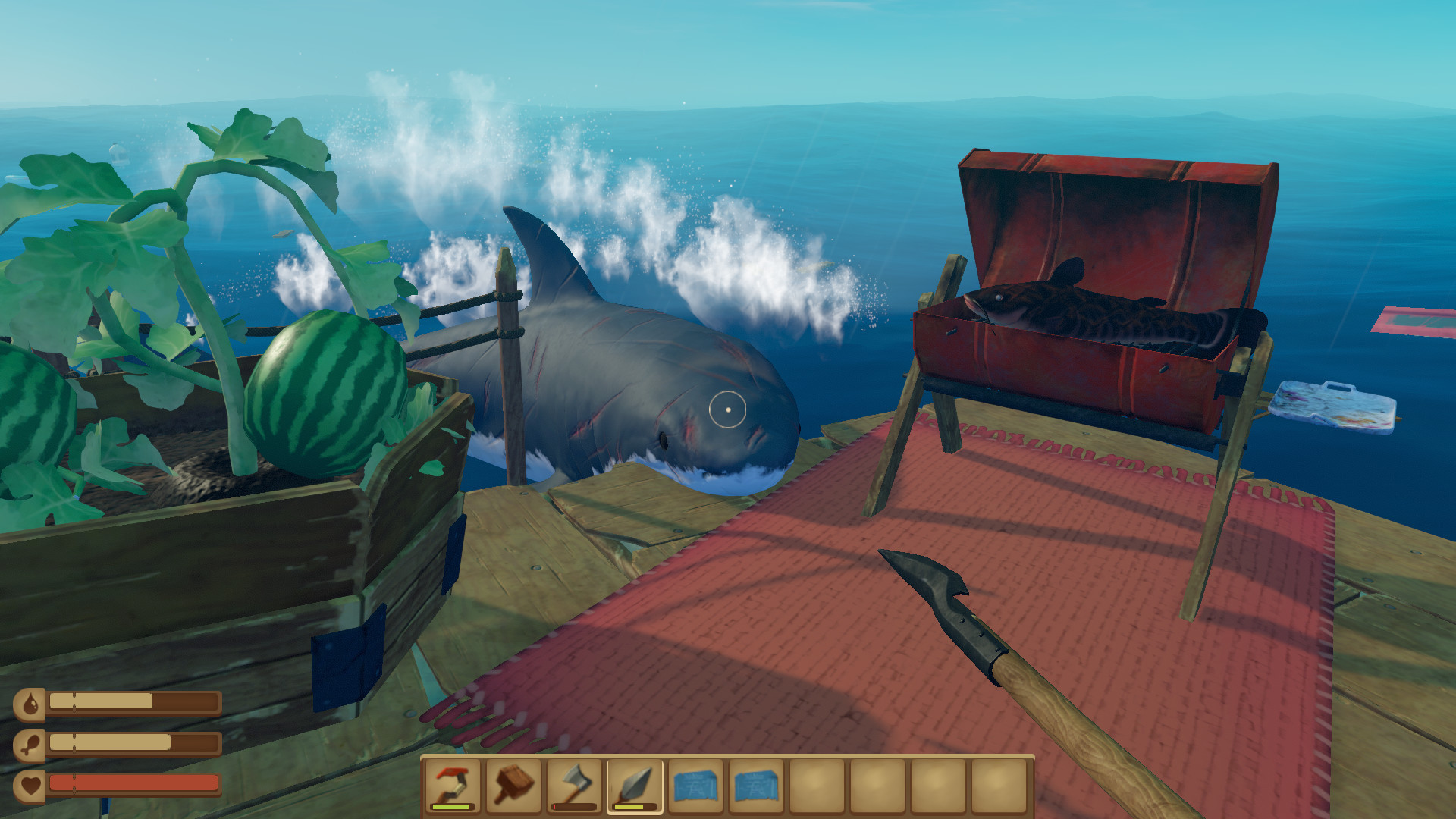
Raft’s shark is not a boss—it is a condition. It circles, attacks, retreats, and returns. It does not escalate dramatically, but it never disappears.
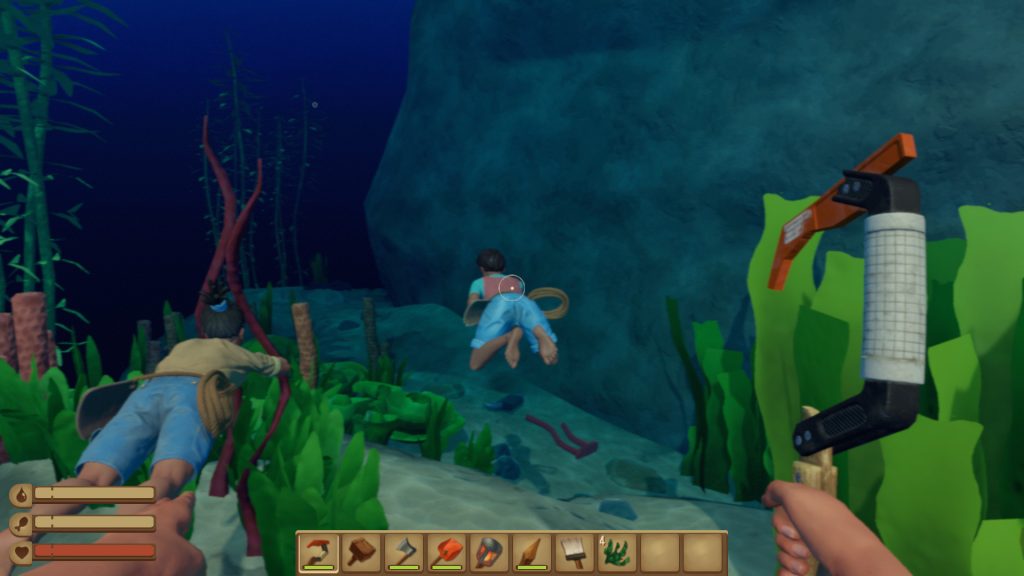
This persistence creates a personal relationship. The shark becomes a stressor players account for instinctively. Repairs are timed. Dives are calculated.
By avoiding spectacle, the shark becomes effective. It is not scary because it is powerful—it is scary because it is predictable and relentless.
7. Co-op Play: Division of Labor at Sea
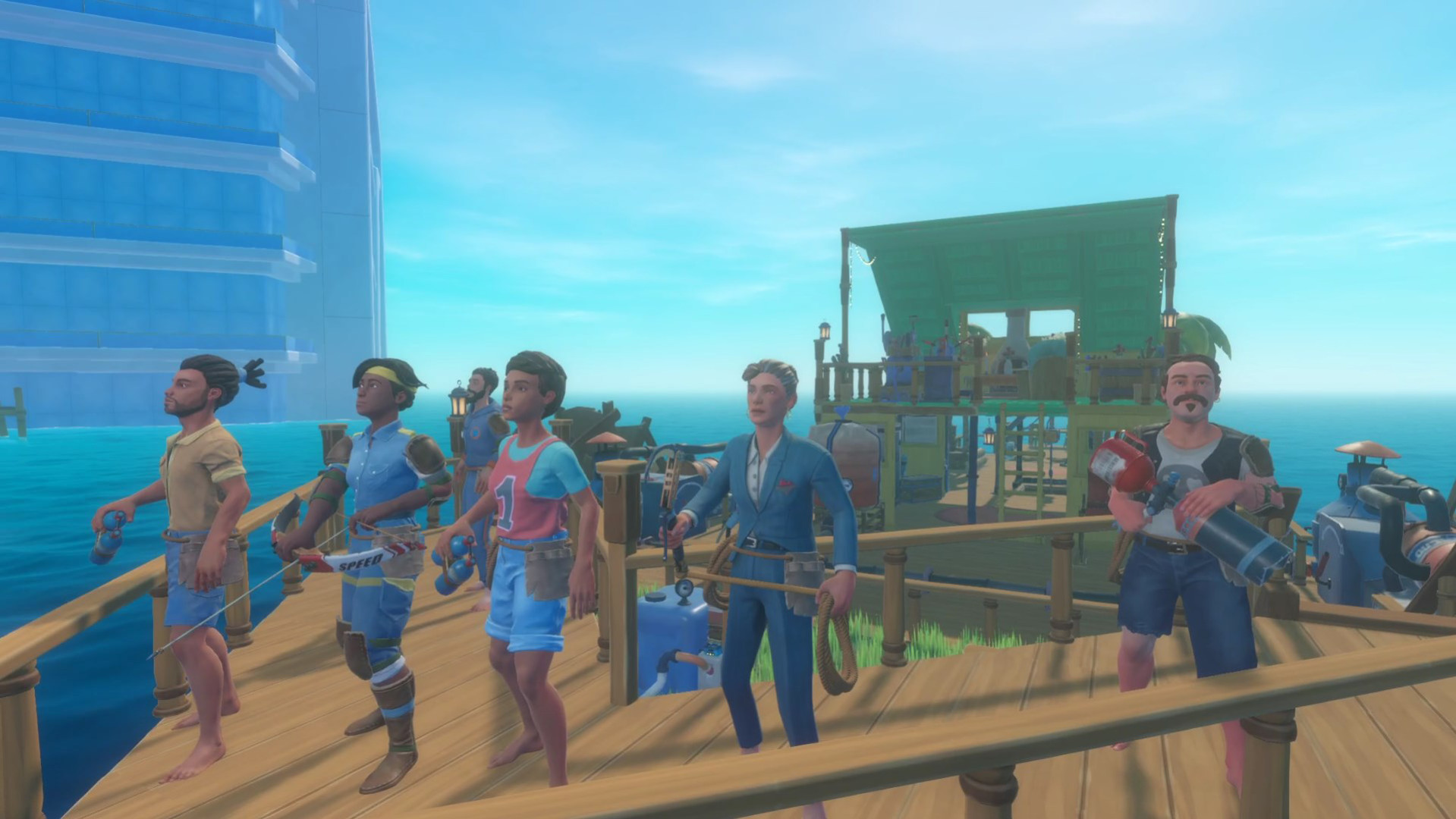
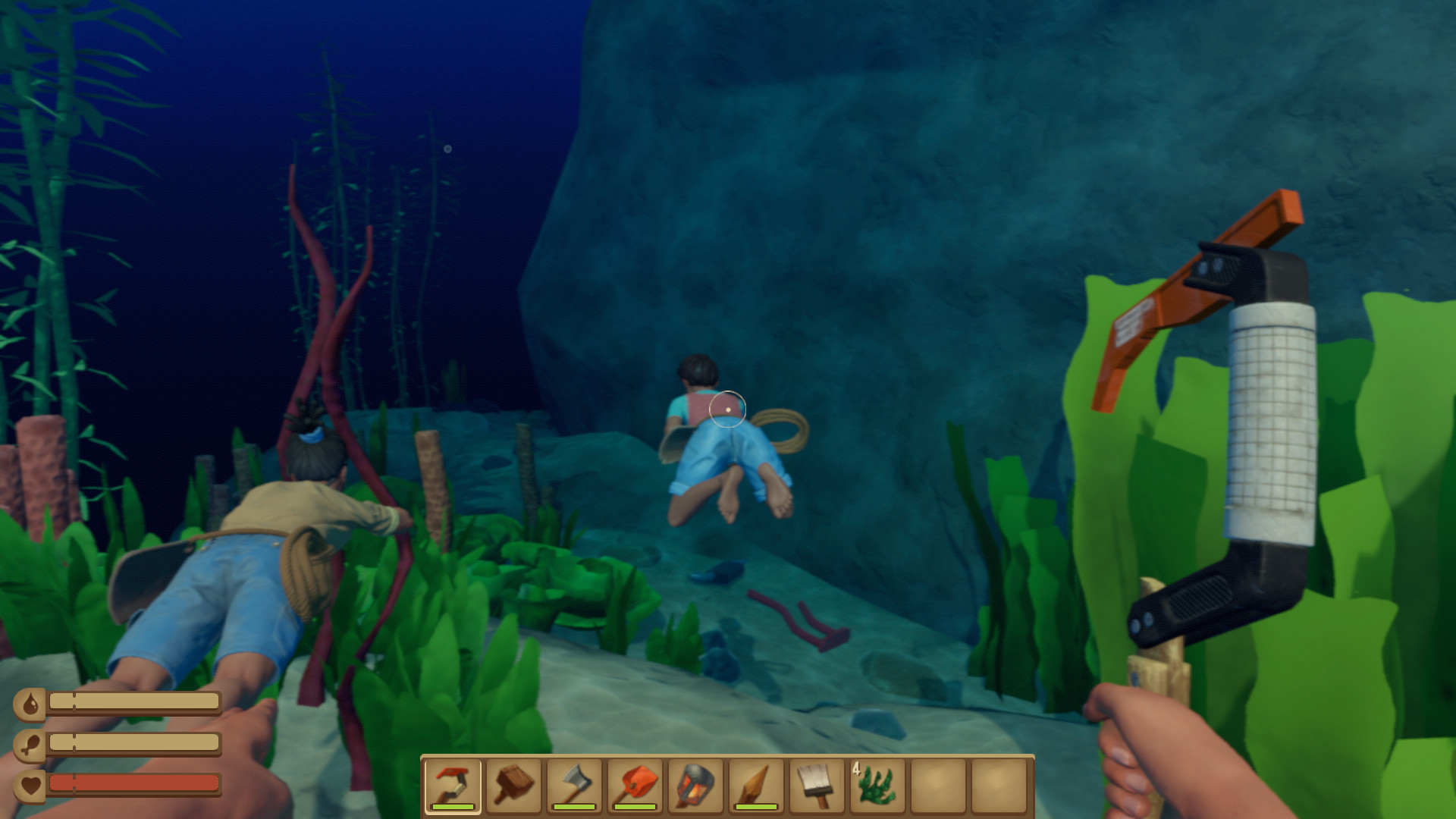
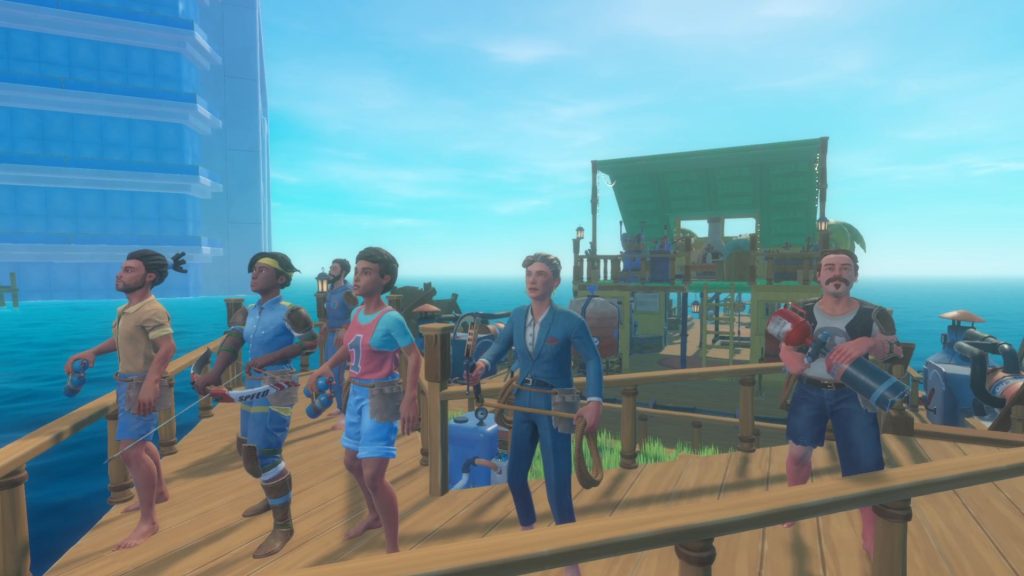
In co-op, Raft transforms into a study in informal organization. Players naturally assume roles: one gathers debris, another cooks, another navigates, another builds.
Communication improves efficiency, but silence does not doom the group. Tasks are visible. Needs are obvious. Cooperation emerges organically.
This makes Raft one of the most accessible co-op survival games. It supports teamwork without demanding perfection, allowing groups to learn through play.
8. Pacing: Calm, Interrupted
Raft’s pacing alternates between tranquility and urgency. Long stretches of calm drifting are broken by storms, shark attacks, or resource shortages.
These interruptions feel earned rather than forced. They arise from systems interacting, not scripted events. The ocean’s quiet makes disruption more impactful.
The game understands the value of contrast. Calm is not filler—it is the baseline that gives tension meaning.
9. Progression: Automation Without Obsolescence
As players unlock engines, nets, and advanced stations, tasks become easier—but never irrelevant. Automation reduces labor but introduces dependencies.
Engines require fuel. Nets need maintenance. Advanced systems consume resources faster. Progress simplifies tasks while complicating logistics.
This prevents the late game from becoming trivial. The challenge shifts from survival to management, maintaining engagement without artificial difficulty spikes.
10. Limitations and Design Trade-Offs
Raft’s commitment to gentler survival has trade-offs. Combat is simple. Enemy variety is limited. Long-term challenge relies on self-directed goals.
Players seeking high-stakes combat or deep mechanical complexity may find Raft too forgiving. Solo play can feel repetitive without social dynamics.
These limitations are not oversights. They are consequences of a design that values sustainability over intensity.
Pros
Strong, cohesive survival systems centered on maintenance
Relaxed pacing with meaningful tension
Excellent co-op experience with organic teamwork
Clear progression that respects early-game learning
Atmospheric ocean setting that reinforces themes
Cons
Limited combat depth and enemy variety
Repetition may set in during long solo sessions
Late-game goals rely on player motivation
Minimal challenge for hardcore survival fans
Exploration lacks long-term permanence
Conclusion: Survival as Stewardship
Raft succeeds by reframing survival as stewardship rather than struggle. It asks players not how quickly they can conquer an environment, but how carefully they can maintain one.
For players who enjoy crafting, cooperation, and systems that reward attention over aggression, Raft offers a uniquely soothing yet engaging experience. It is a game about small improvements, shared routines, and the quiet pride of keeping things afloat.
You are not building an empire.
You are keeping a promise—to survive one more day at sea.