

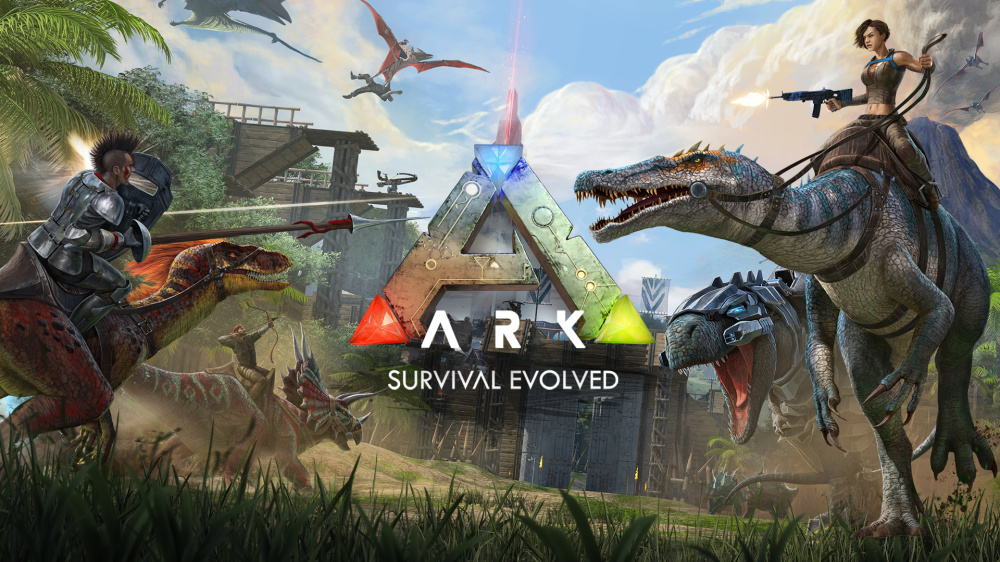
ARK: Survival Evolved – Primitive Survival, Emergent Chaos, and the Cost of Absolute Freedom

Introduction: Waking Up Naked in a Hostile Miracle
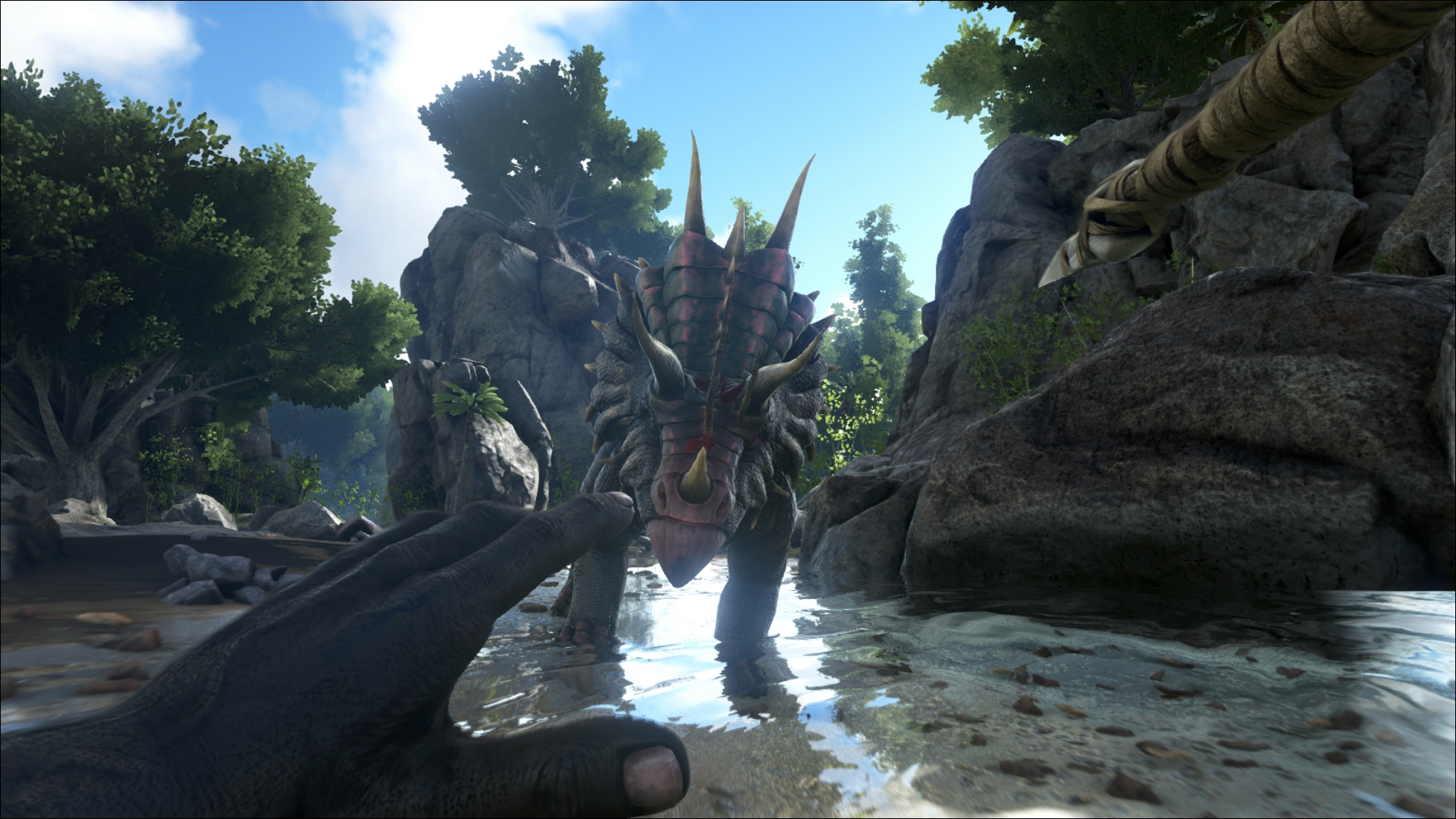
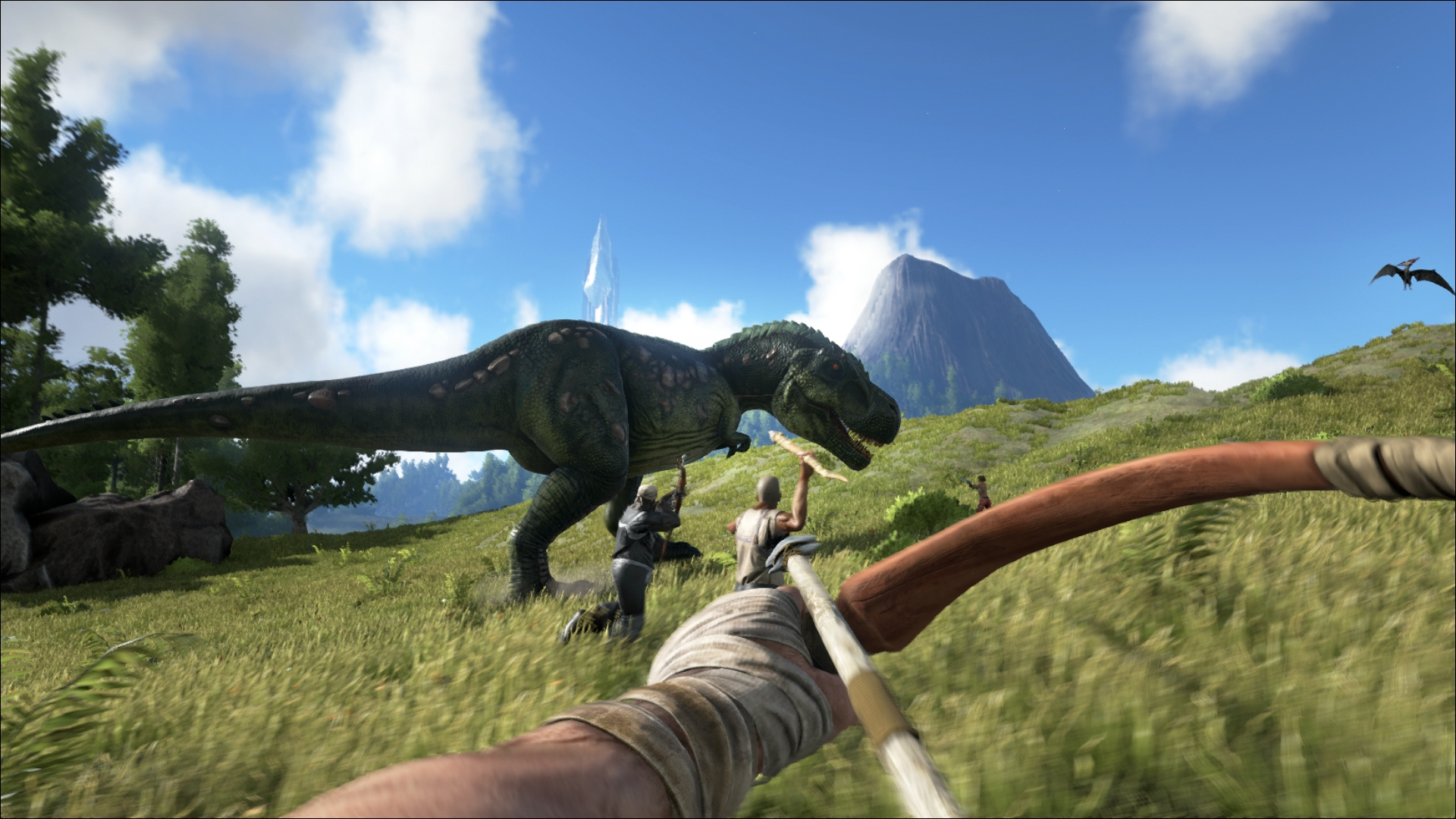
ARK: Survival Evolved begins with one of the most iconic openings in modern survival games: you wake up naked, unarmed, and utterly insignificant in a world that does not care whether you understand it or not. There are dinosaurs roaming freely, environments that can kill you quietly or violently, and systems layered so deeply that failure feels inevitable before competence ever feels possible.
ARK is not a survival game that guides players toward mastery—it throws them into chaos and lets meaning emerge organically. It is simultaneously brutal and wondrous, exhausting and unforgettable. This review examines ARK: Survival Evolved not as a balanced survival experience, but as a sandbox of extremes—where freedom creates both its greatest strengths and its most persistent problems.
Quick Info (Overview Box)
Release Year: 2017
Genre: Survival / Sandbox / Open-world
Platforms: PC, PlayStation, Xbox
Game Modes: Single-player, Online multiplayer (PvE, PvP), Dedicated servers
Target Audience: Players who enjoy deep survival systems, sandbox freedom, emergent storytelling, and high-tolerance challenge
1. Core Design Philosophy: Freedom Without Mercy
ARK’s foundational principle is non-intervention. The game does not protect new players, explain systems clearly, or scale danger gently. Instead, it creates a world governed by consistent rules and allows players to collide with them.
Dinosaurs behave according to ecology, not player level. Weather affects survival regardless of preparedness. Hunger, thirst, and exposure are constant threats. The game does not ask whether you are ready—it assumes you will learn through loss.
This philosophy produces intense emotional responses. Early survival feels unfair. Later survival feels earned. ARK’s identity is built on this contrast.
2. Survival Systems: Layered and Relentless
ARK’s survival mechanics are dense. Hunger, thirst, temperature, weight, stamina, and health all interact simultaneously. No single system dominates; failure usually comes from overlap.
You might starve while escaping a predator, collapse from exhaustion while overloaded, or freeze at night despite being well-fed. Survival is not about managing one variable—it is about balancing many imperfectly.
This complexity creates a steep learning curve, but also deep satisfaction. Competence emerges slowly, and when it does, it feels meaningful.
3. Crafting and Progression: From Nothing to Infrastructure
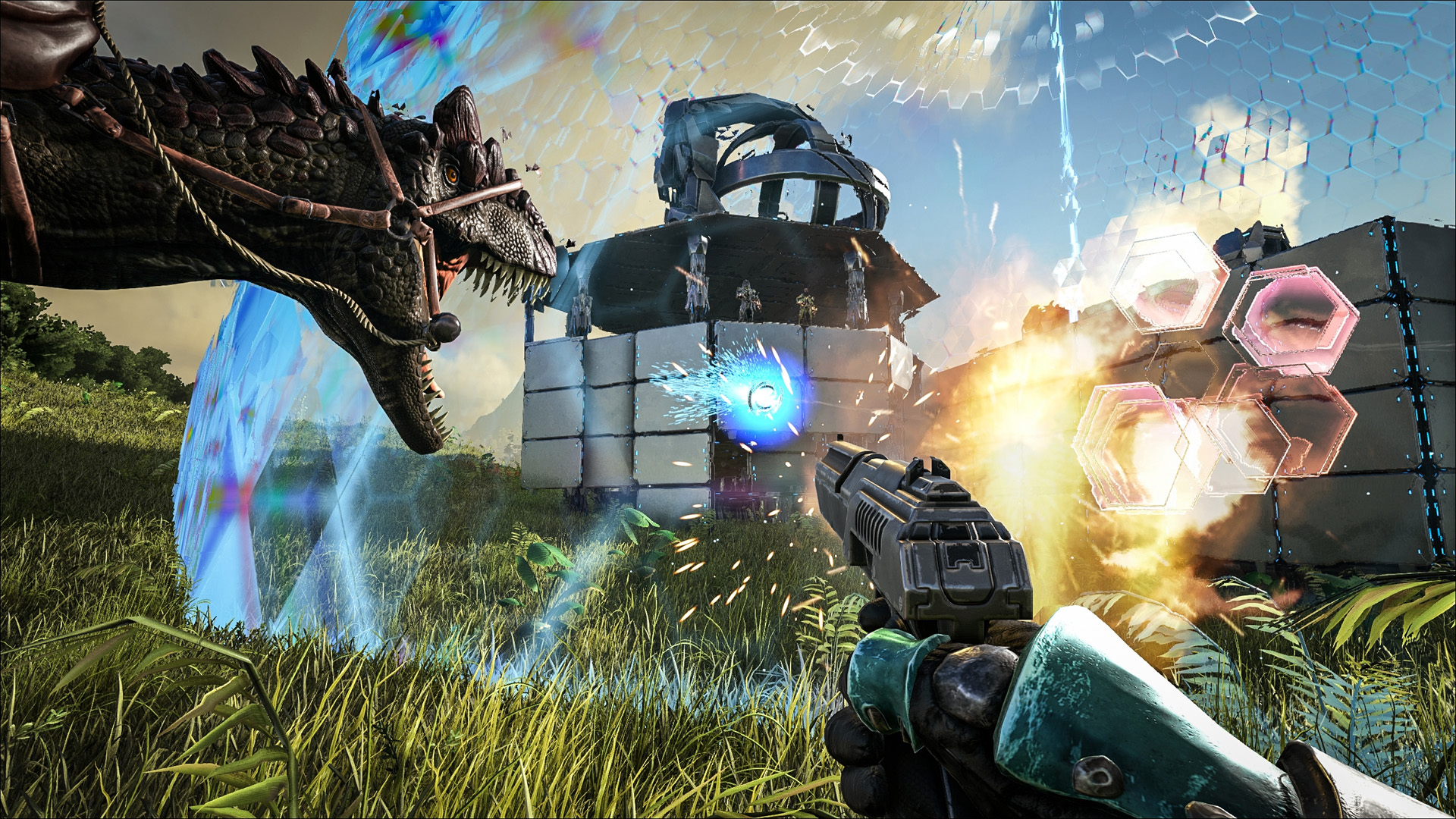
Progression in ARK: Survival Evolved is dramatic. Players move from stone tools and thatch huts to electricity, firearms, industrial forges, and massive fortified bases.
Unlike linear RPGs, this progression is not guaranteed. Resources must be gathered manually. Blueprints are rare. Infrastructure requires protection and maintenance.
This creates a powerful sense of ownership. Bases are not checkpoints—they are projects. Losing one hurts because it represents hours or days of labor.
4. Dinosaurs as Systems, Not Spectacle
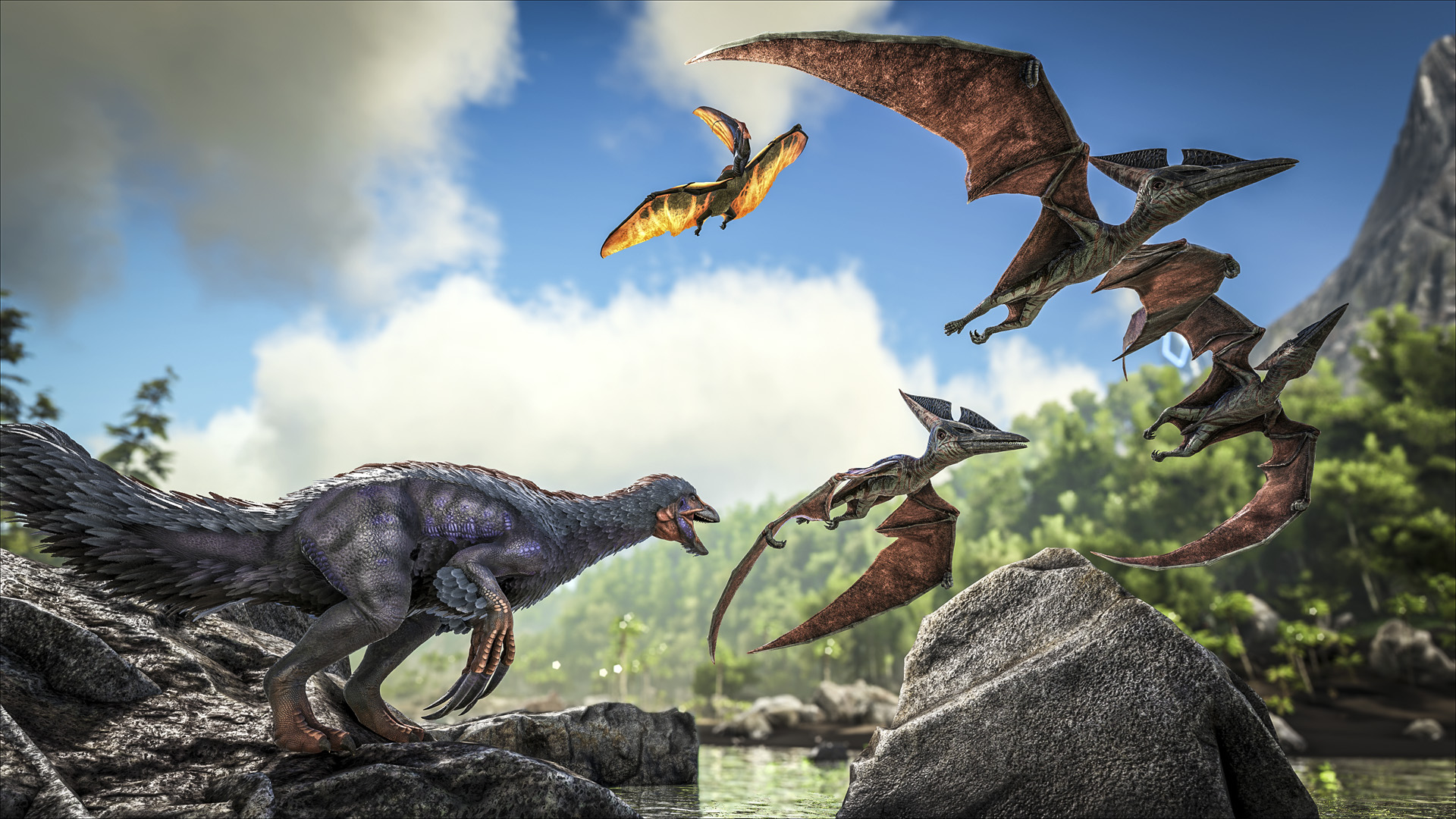
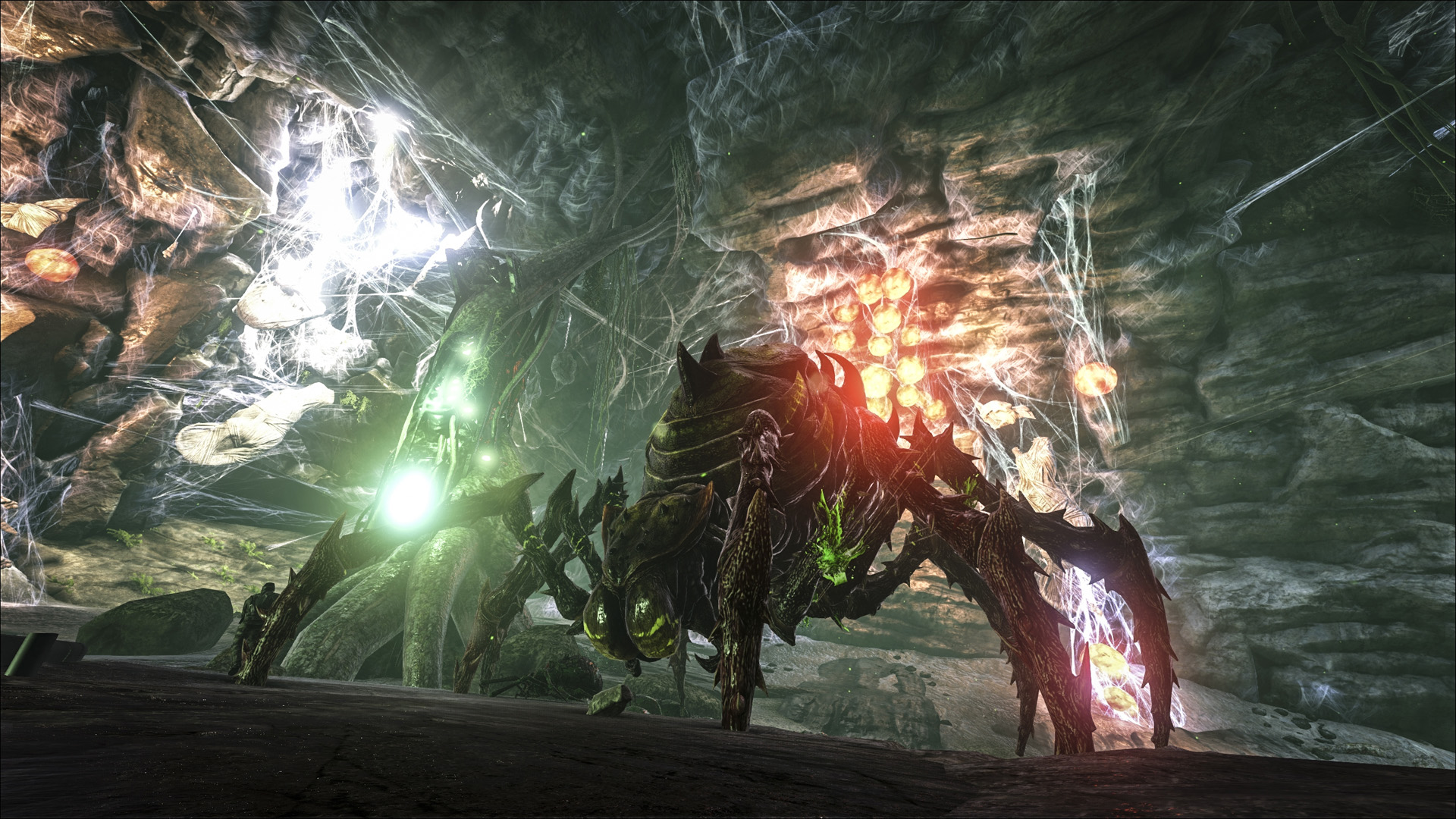
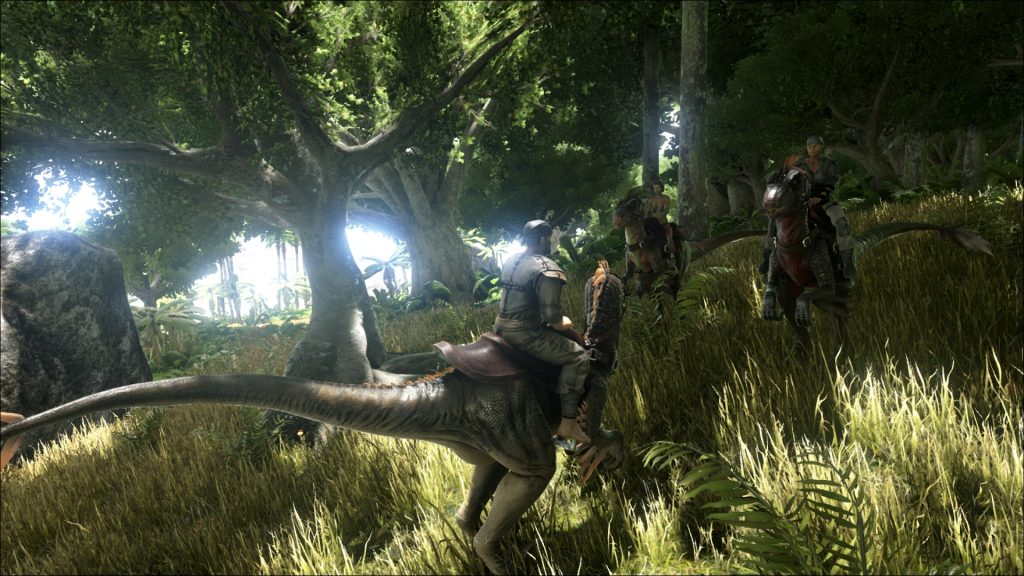
Dinosaurs in ARK are not just enemies or collectibles—they are mechanical systems. Each species has unique behaviors, strengths, weaknesses, and utility.
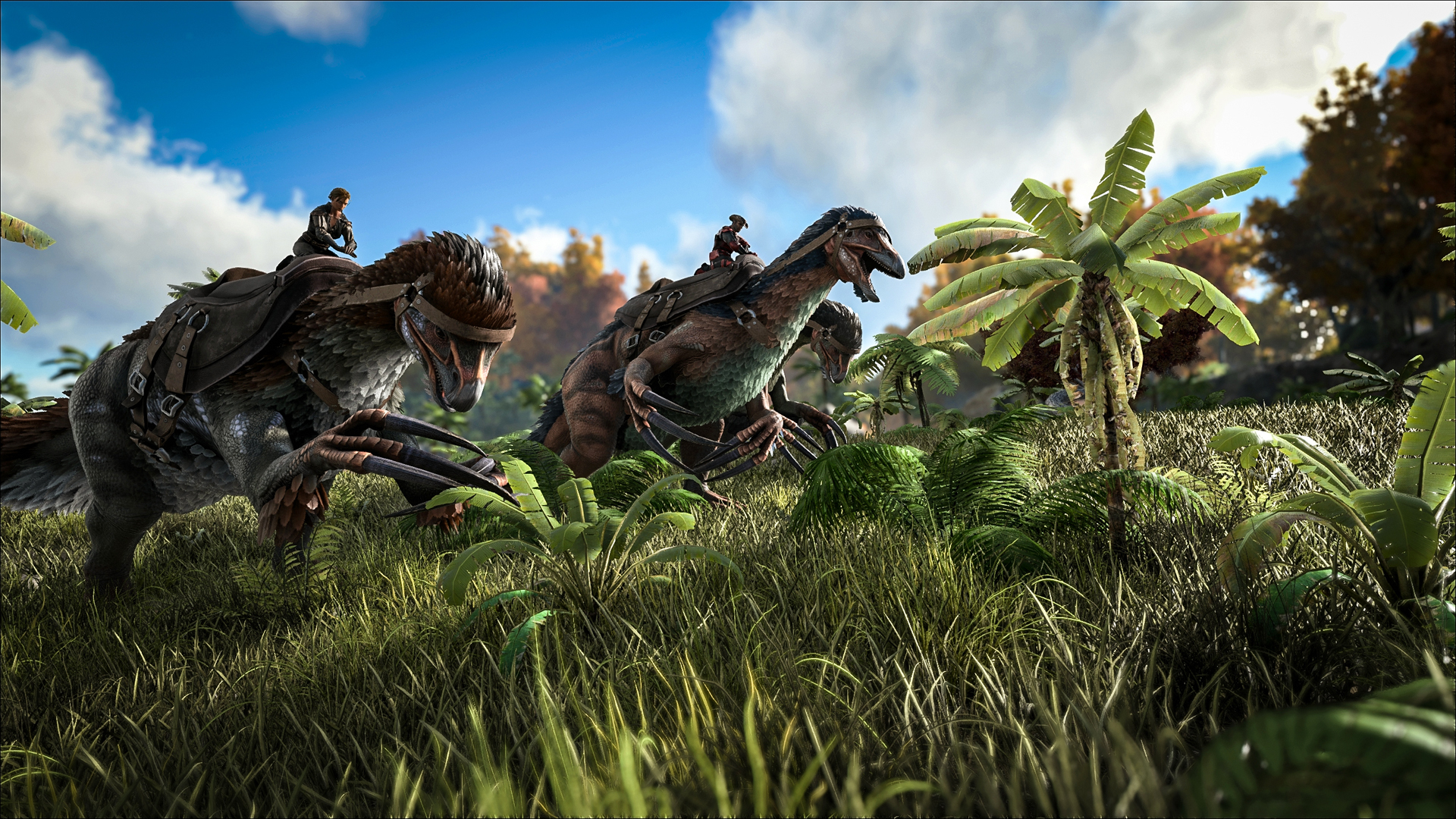
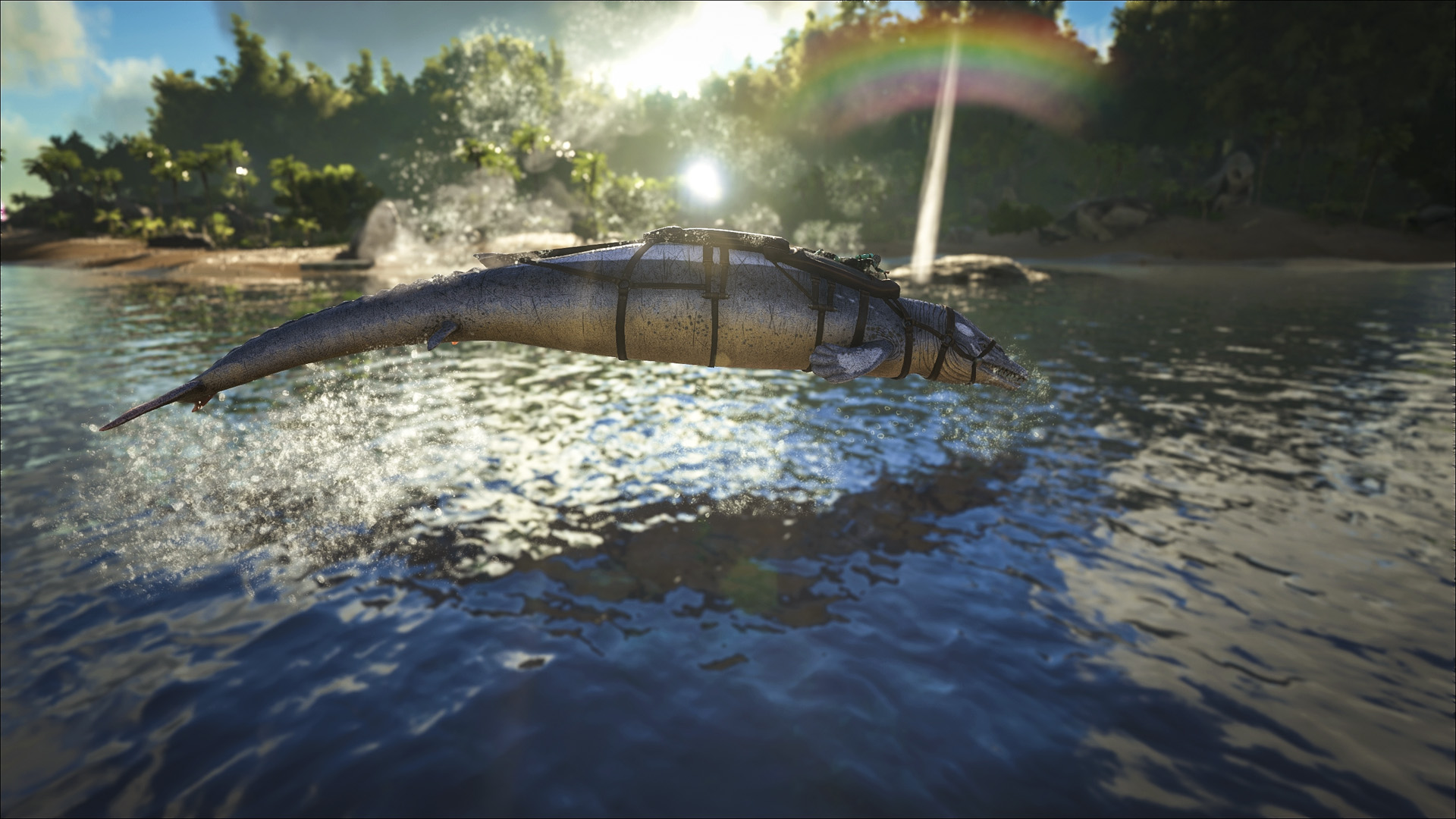
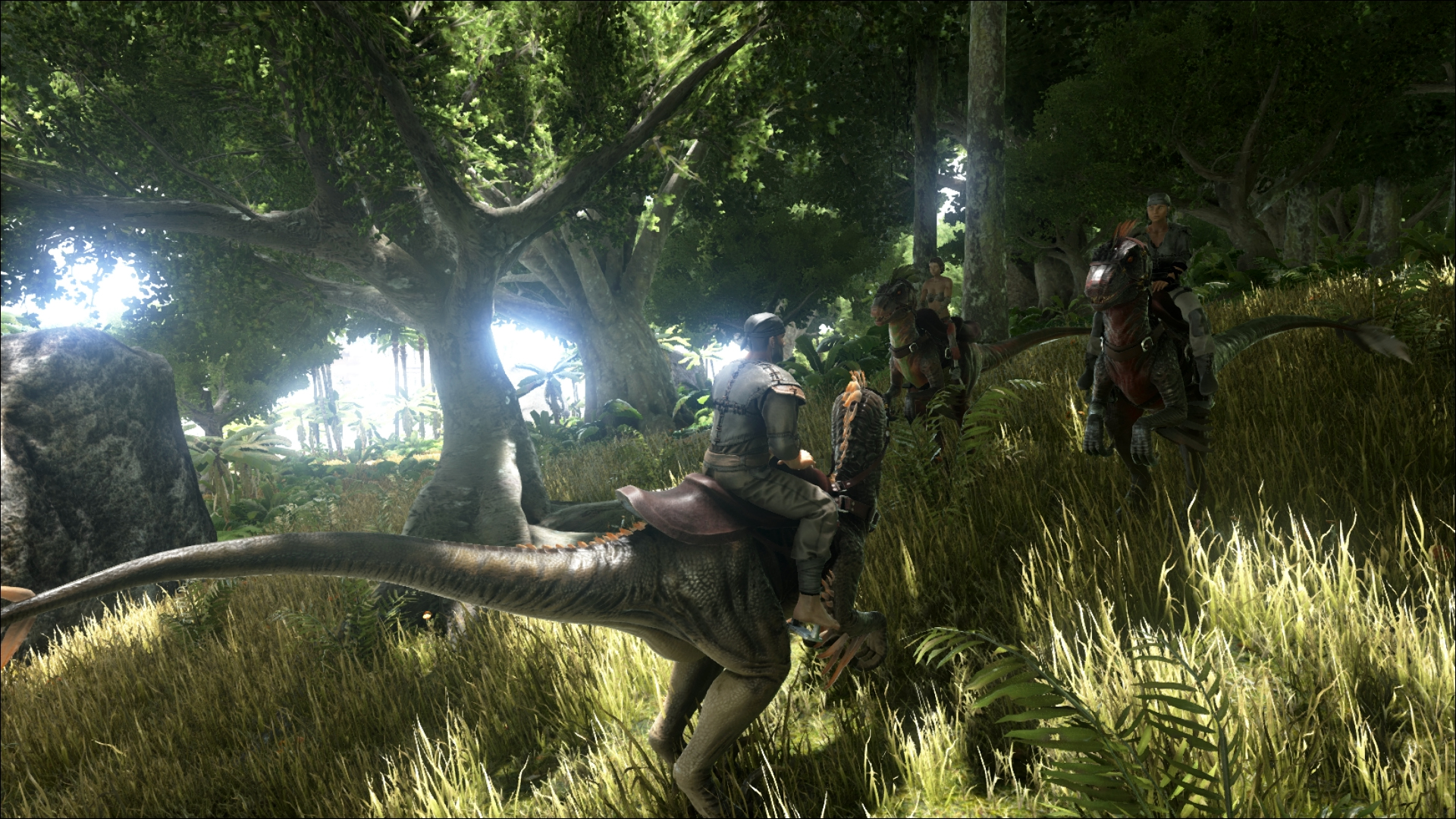
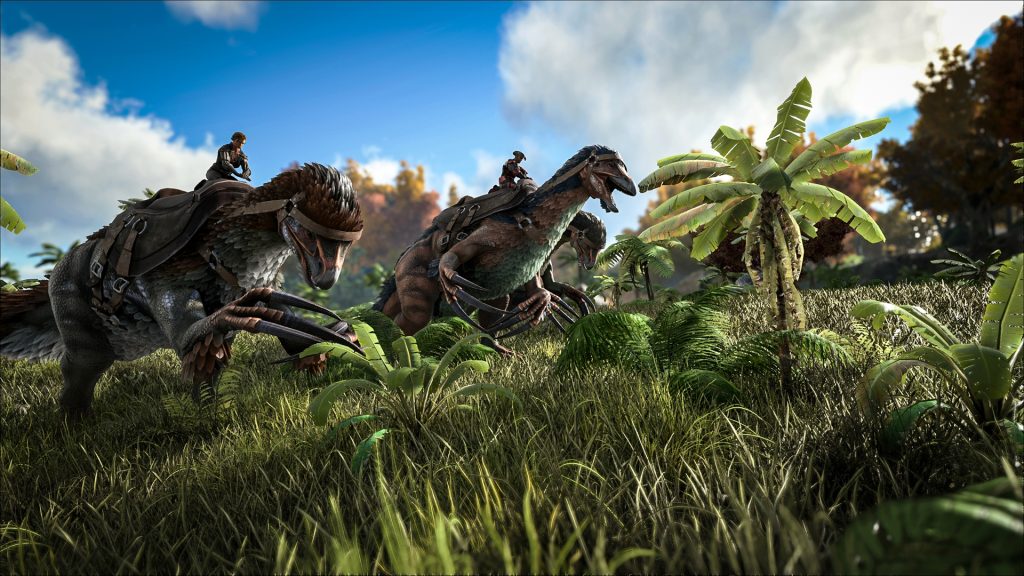
Taming is time-consuming and risky. It requires preparation, protection, and patience. Once tamed, creatures become tools, companions, transportation, and sometimes liabilities.
This transforms dinosaurs from visual gimmicks into economic assets. Choosing which creatures to tame is a strategic decision, not a cosmetic one.
5. The Taming Loop: Risk, Time, and Attachment
Taming in ARK is one of its most emotionally impactful mechanics. Players invest time, resources, and attention into creatures that can be lost permanently.
A tamed dinosaur represents trust. Losing one—especially after hours of effort—can be devastating. The game does not soften this loss. Death is permanent. Mistakes are final.
This creates genuine attachment. Players remember specific creatures, not because the game tells them to, but because loss is real.
6. Map Design and Environmental Hostility
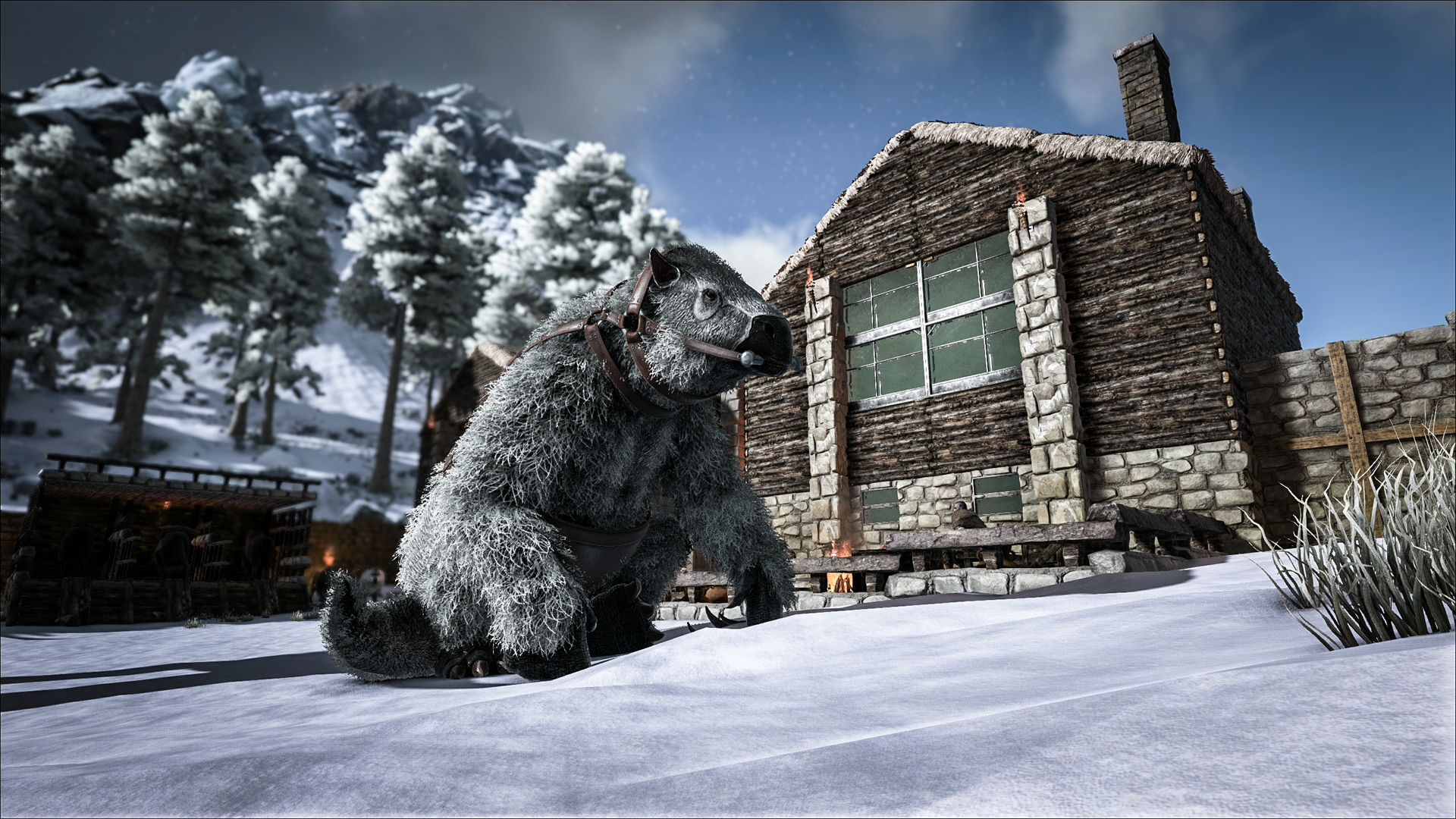
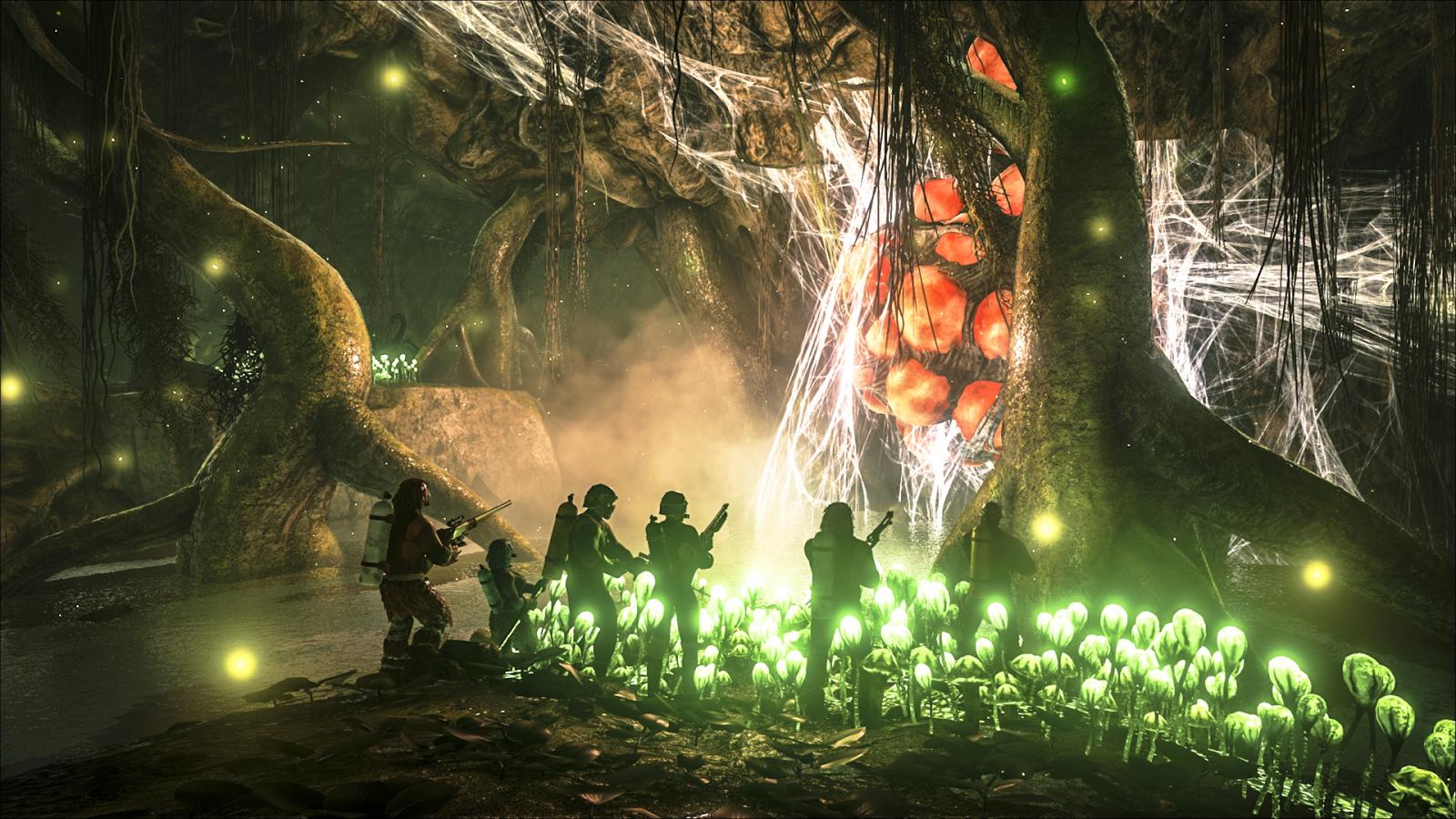
ARK’s maps are large, diverse, and intentionally dangerous. Jungles hide predators. Mountains freeze the unprepared. Oceans conceal threats that are difficult to see and harder to escape.
Biomes are not aesthetic—they are mechanical. Each demands preparation. Entering a new region without understanding its risks often ends badly.
This environmental hostility reinforces exploration as a calculated risk rather than a casual activity. Curiosity must be earned.
7. Multiplayer: Emergent Politics and Brutality
In multiplayer, ARK becomes something else entirely. It transforms into a social experiment driven by power, scarcity, and human behavior.
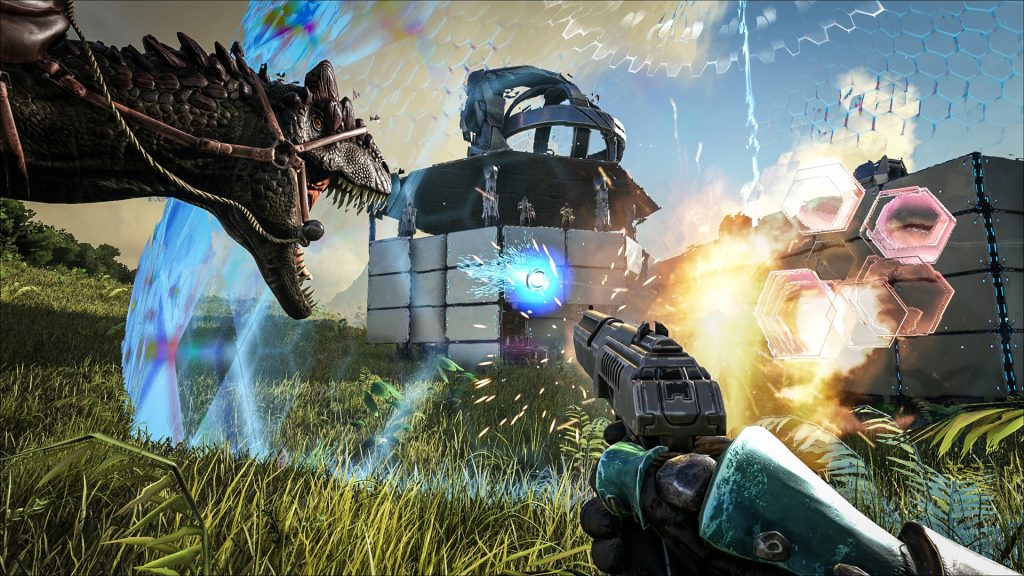
PvE servers foster cooperation and shared infrastructure. PvP servers encourage alliances, betrayal, dominance, and warfare. Bases become symbols of power. Dinosaurs become weapons.
The game does not enforce morality. It enables systems and lets players decide how far to go. This freedom creates unforgettable stories—but also extreme frustration.
8. PvP and the Problem of Asymmetry
ARK’s PvP is notorious. Offline raiding, power imbalances, and time investment disparities create a brutal environment.
Large tribes dominate through coordination and sheer labor capacity. Solo players often survive only through secrecy or diplomacy.
This imbalance is not accidental—it is a consequence of sandbox freedom. ARK does not pretend to be fair. It reflects how power accumulates when unchecked.
9. Technical Instability and Design Debt
ARK’s ambition comes at a cost. Performance issues, bugs, and instability are persistent. Physics glitches, server lag, and unpredictable crashes undermine immersion.
Systems sometimes collide in unintended ways. Updates introduce regressions. The game’s scope often exceeds its polish.
For many players, these issues are tolerable given the depth. For others, they are deal-breakers. ARK demands patience not just with gameplay, but with its technology.
10. ARK as a Survival Experience, Not a Product
ARK: Survival Evolved is not a curated experience. It is not balanced, streamlined, or gentle. It is expansive, demanding, and often unfair.
But it offers something few games do: authentic emergence. Stories are not scripted—they are lived. Triumph feels earned because loss is possible. Attachment feels real because nothing is safe.
ARK does not guide players toward fun. It gives them a world and steps aside.
Pros
Deep, interconnected survival systems
Meaningful progression from primitive to industrial
Dinosaurs function as complex gameplay systems
Emergent storytelling in multiplayer and solo play
Strong sense of ownership and attachment
Cons
Severe performance and stability issues
Extremely steep learning curve
PvP balance favors large groups
Time investment is punishing
Minimal guidance for new players
Conclusion: A World That Gives Nothing for Free
ARK: Survival Evolved is a game of extremes. It inspires awe and frustration in equal measure. It offers freedom without safety, power without balance, and progress without guarantees.
For players who crave deep survival systems, emergent storytelling, and worlds that do not bend to convenience, ARK remains one of the most ambitious and memorable sandbox experiences available. For players seeking polish, fairness, or structure, it can feel overwhelming and hostile.
ARK does not ask if you are ready.
It asks how much you are willing to endure
to build something that matters.