

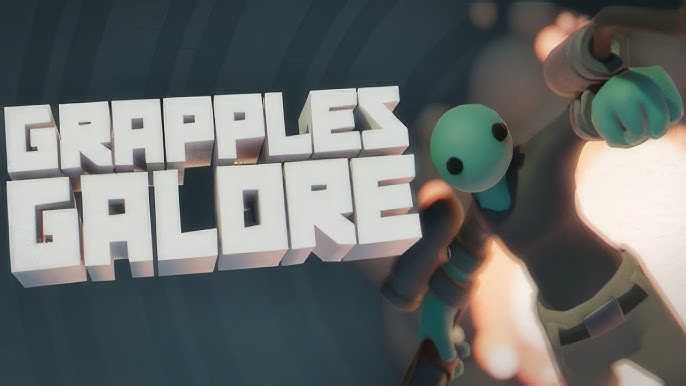
Grapples Galore – Movement as Play, Skill as Momentum, and the Joy of Letting Go
Introduction: When the Game Is the Motion
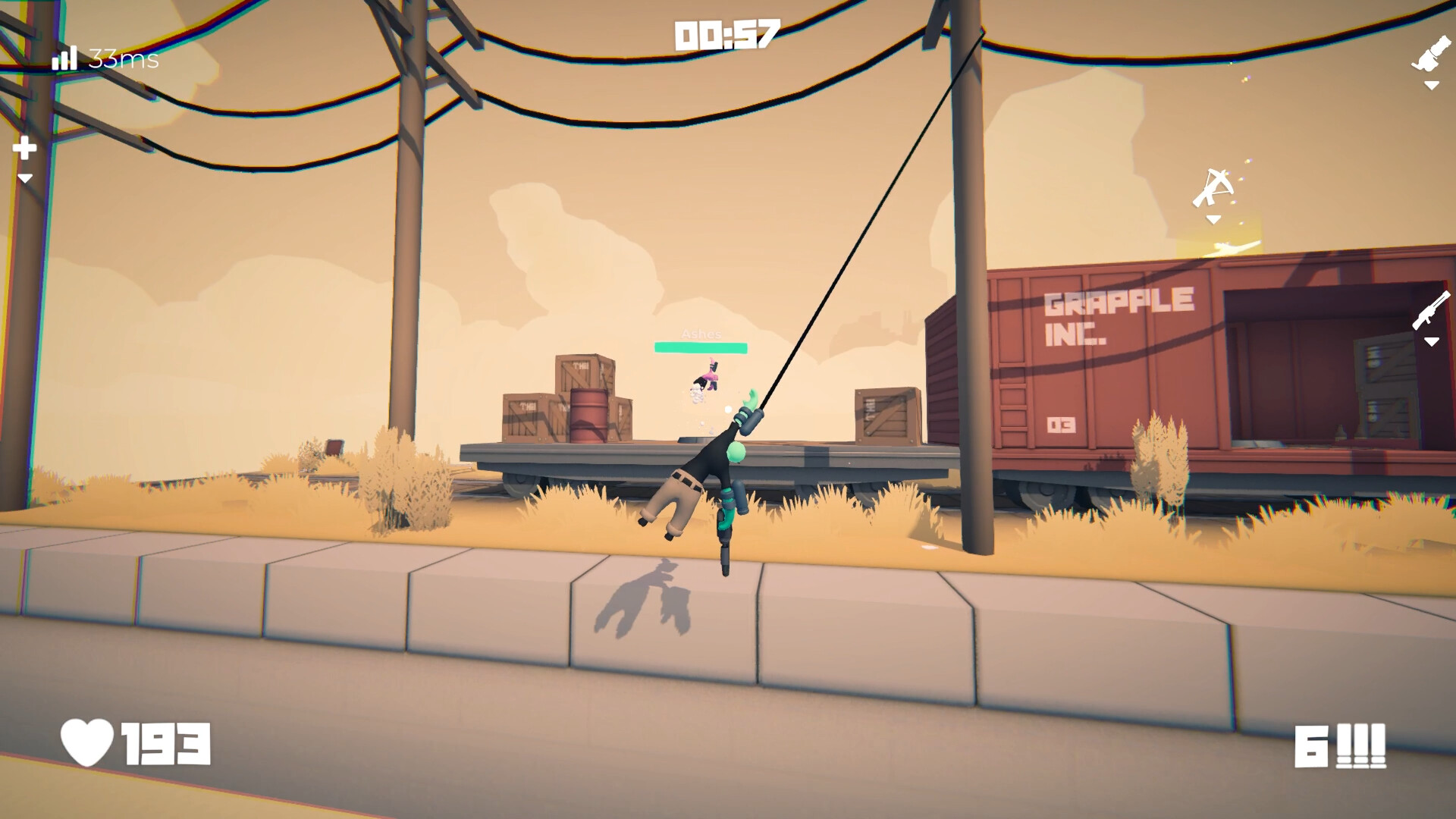
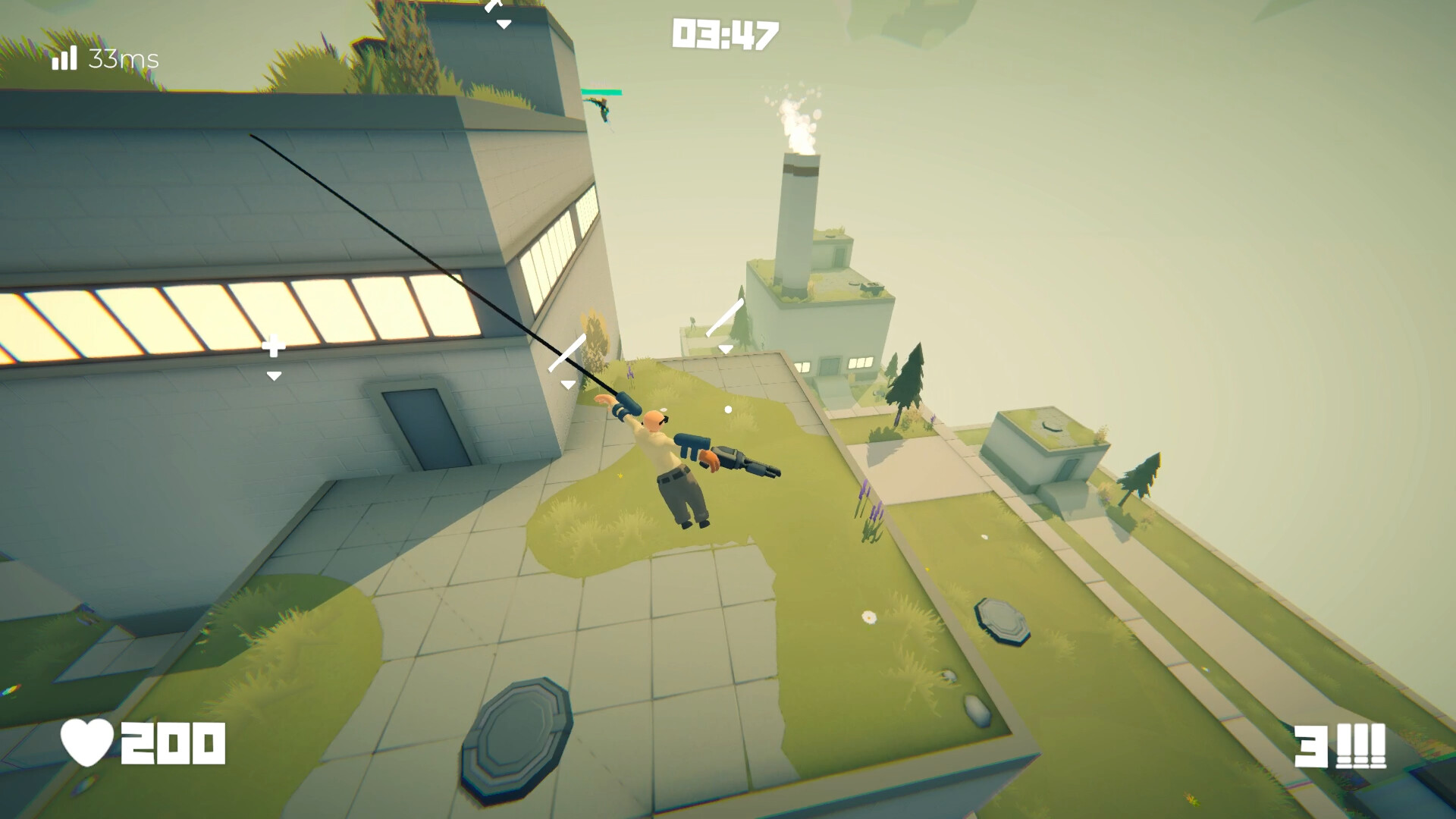
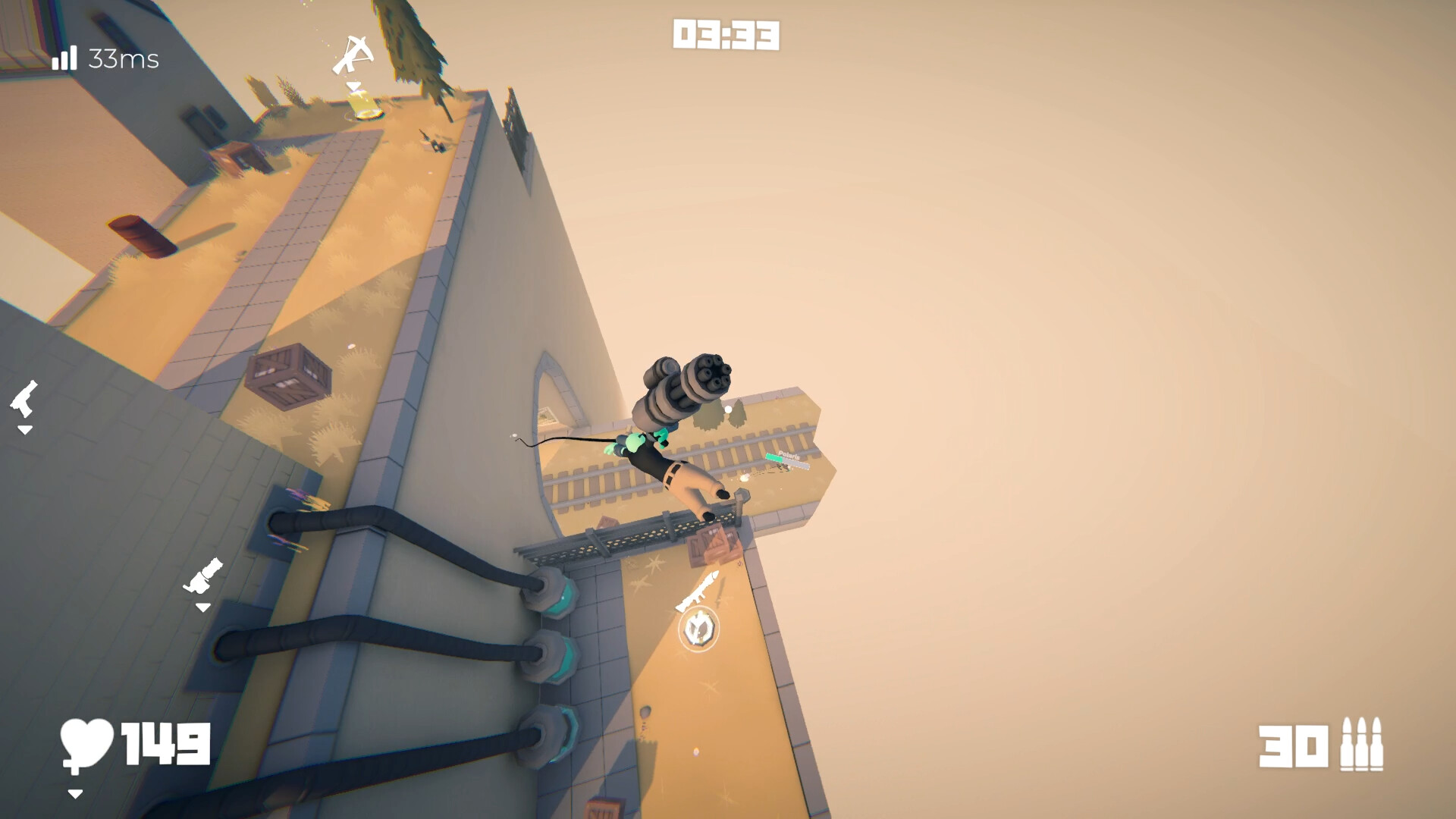
Grapples Galore is a game built around a single, deceptively simple idea: movement is the fun. There are no elaborate combat systems, no complex progression trees, and no narrative urgency pushing players forward. Instead, Grapples Galore places a grappling hook in the player’s hands and asks one question repeatedly—what can you do with this?
What emerges is not a puzzle game, not a platformer in the traditional sense, but a physics-driven playground where momentum, timing, and improvisation define success. Grapples Galore is less about winning and more about flow. This review examines Grapples Galore as a movement-centric experience, focusing on how freedom, failure, and player curiosity turn a single mechanic into a surprisingly deep and expressive game.
Quick Info (Overview Box)
Release Year: 2024
Genre: Physics-based platformer / Movement sandbox
Platforms: PC
Game Modes: Single-player challenges, Time trials, Sandbox-style levels
Target Audience: Players who enjoy movement mastery, physics-driven gameplay, speedrunning, and experimentation
1. Core Design Philosophy: One Mechanic, No Safety Net
At the heart of Grapples Galore is a commitment to mechanical purity. The grappling hook is not one tool among many—it is the game. There are no alternate movement systems to fall back on when things go wrong.
This purity forces engagement. Every success or failure can be traced directly back to player input. If you miss a jump, lose momentum, or swing too wide, the cause is clear. The game does not compensate, correct, or smooth over mistakes.
By removing safety nets, Grapples Galore makes learning unavoidable—and deeply satisfying.
2. Movement as Expression, Not Execution
Unlike platformers that emphasize precision inputs or rigid timing, Grapples Galore prioritizes expression. There is rarely a single correct solution to a traversal problem.
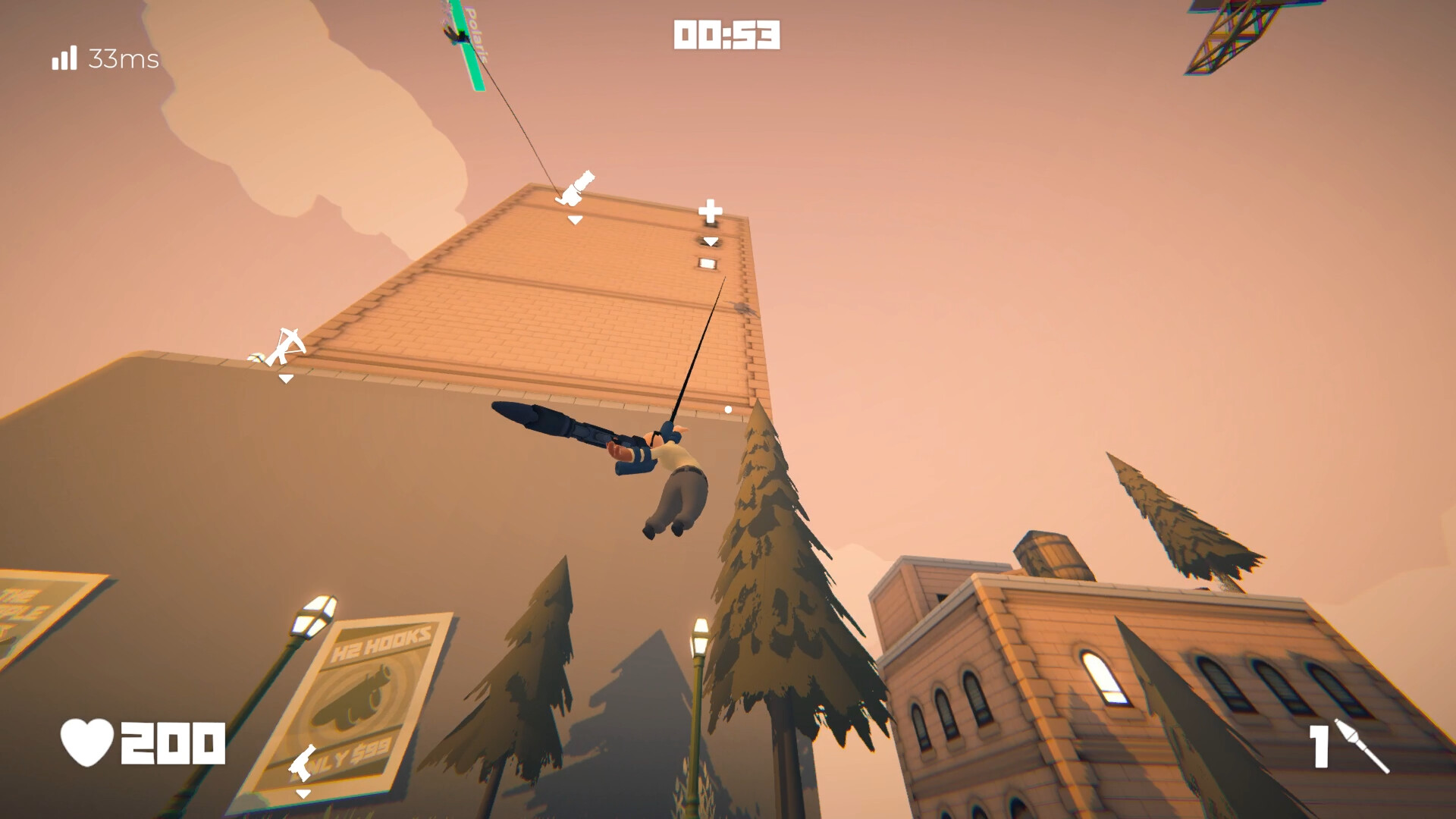
Players can approach obstacles with speed, caution, improvisation, or brute-force experimentation. Momentum can be conserved, redirected, or intentionally lost. Swing arcs vary wildly depending on timing and anchor points.
This openness transforms movement into a language. Skilled players develop a style—not because the game tells them how to play, but because physics allows individuality to emerge naturally.
3. Physics That Demand Respect
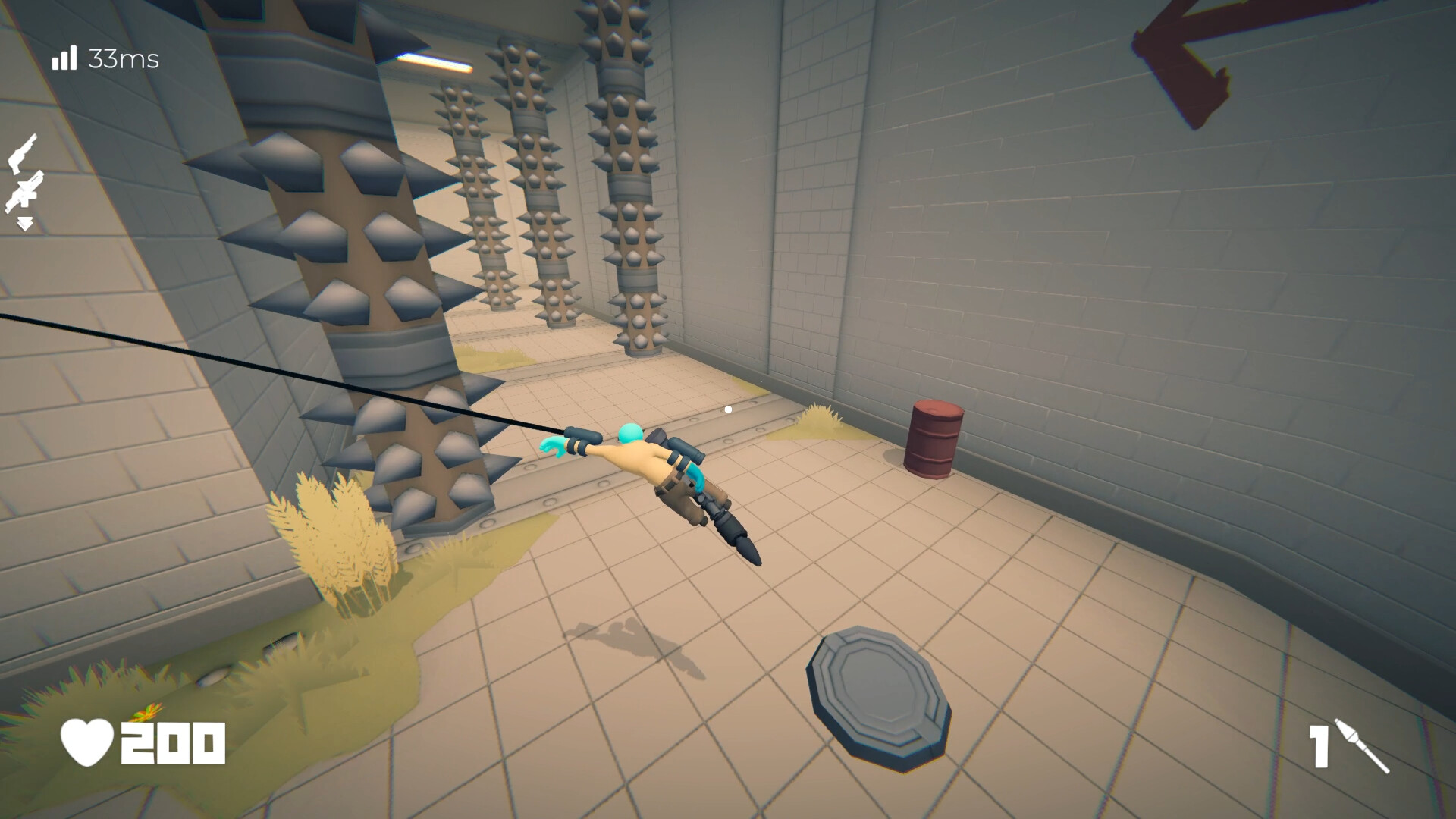
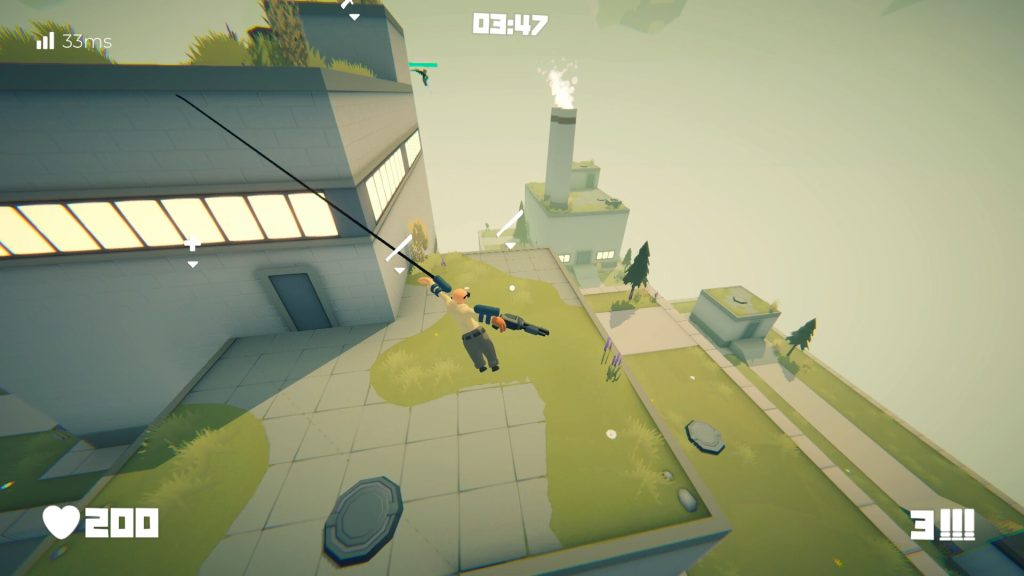
The physics in Grapples Galore are intentionally unforgiving. Momentum behaves consistently. Gravity does not adjust for convenience. Angles matter. Speed compounds.
This consistency is crucial. Players learn not through memorization, but through feel. Over time, swings become intuitive. Players anticipate trajectories rather than calculate them consciously.
Crucially, the physics do not care about intention. Wanting to land somewhere does not make it happen. Only proper timing and positioning do. This honesty builds trust between player and system.
4. Failure as a Learning Loop
Failure in Grapples Galore is constant—and expected. Missed grapples, awkward landings, and accidental over-swings are part of the experience.
Importantly, failure is rarely punishing. Restarts are fast. The game encourages iteration rather than caution. Players are nudged to try again immediately, adjusting slightly each time.
This rapid feedback loop creates a productive relationship with failure. Instead of frustration, players experience curiosity: What if I swing earlier? What if I let go later?
5. Level Design as Invitation
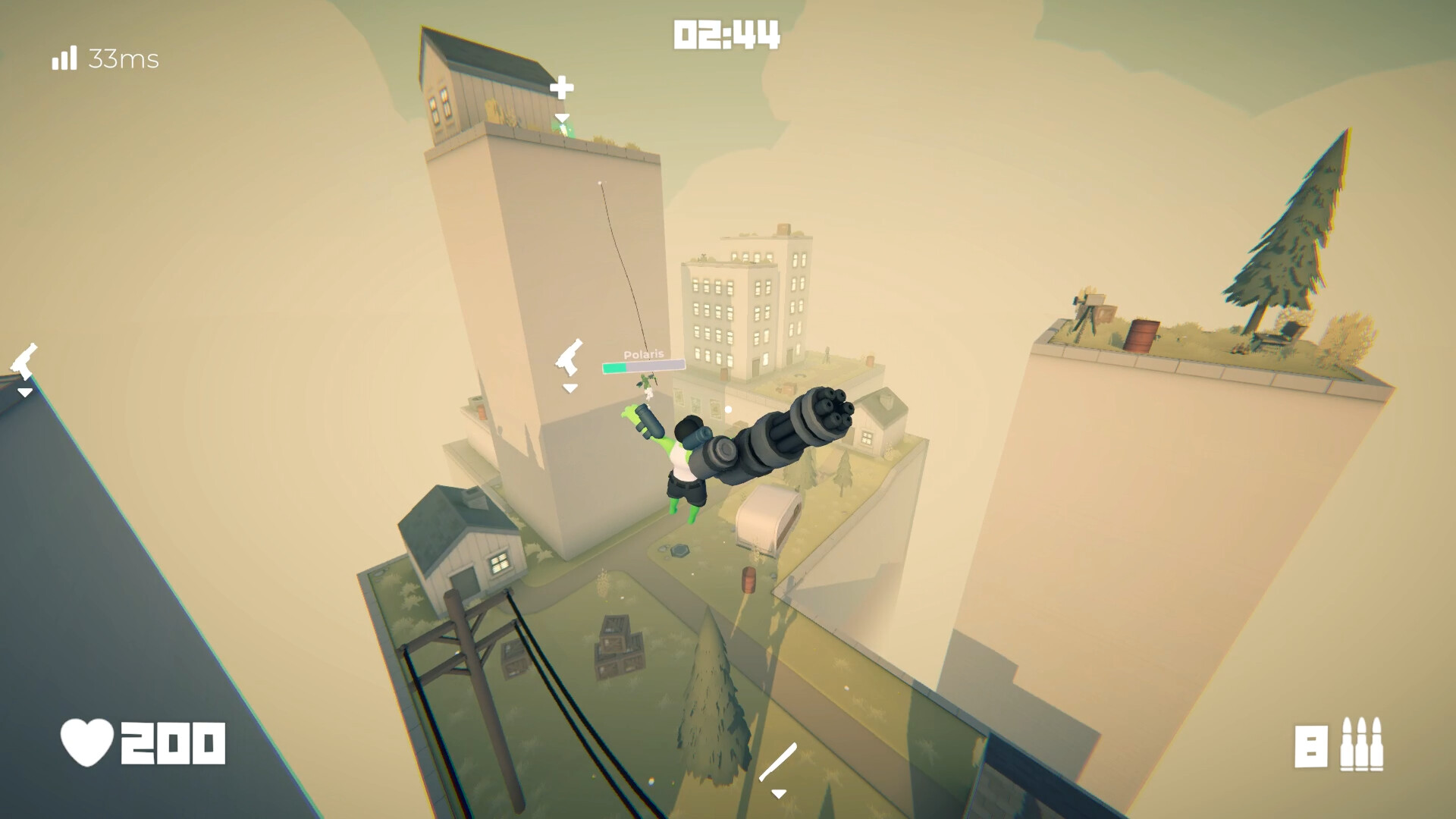
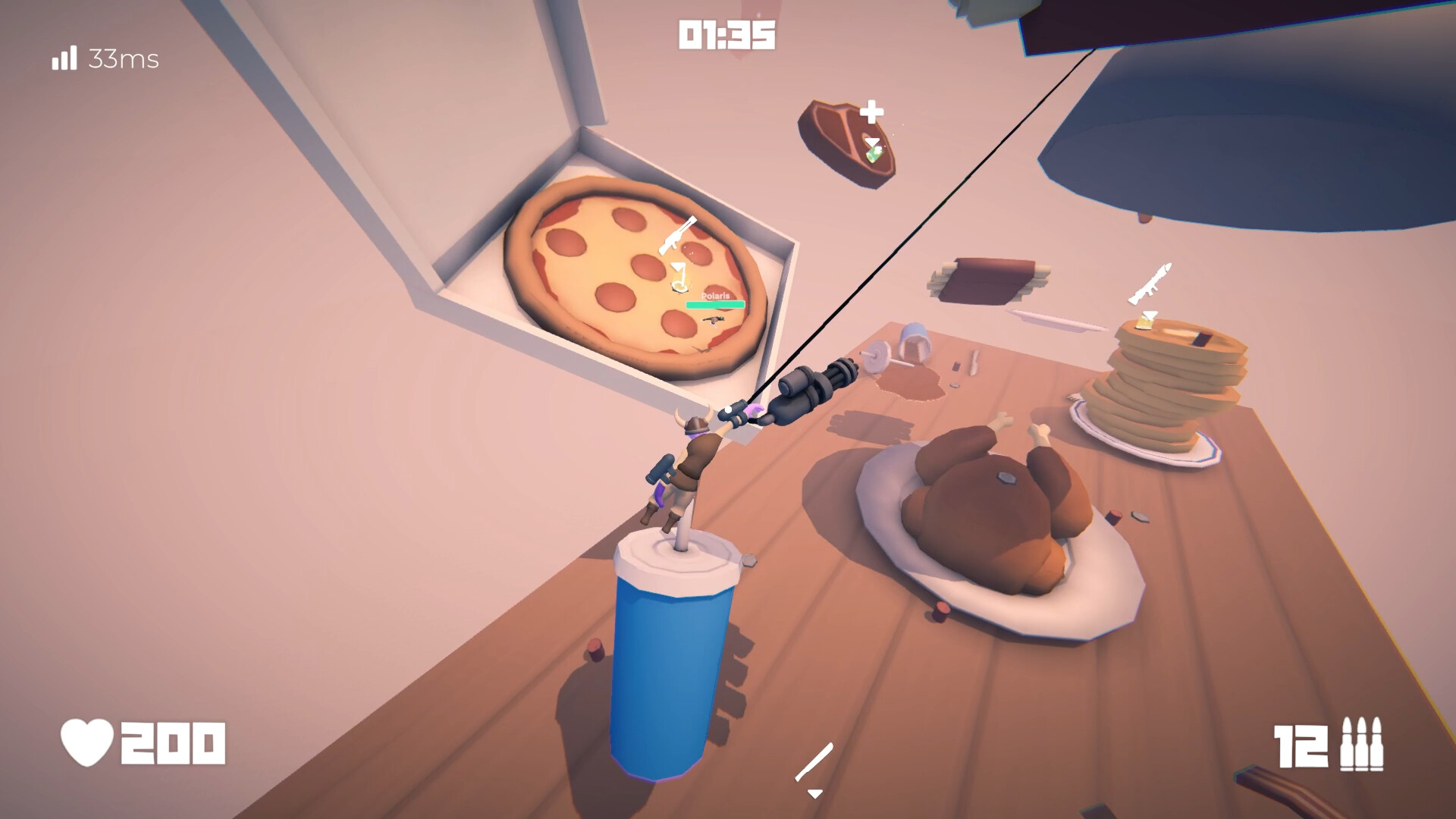
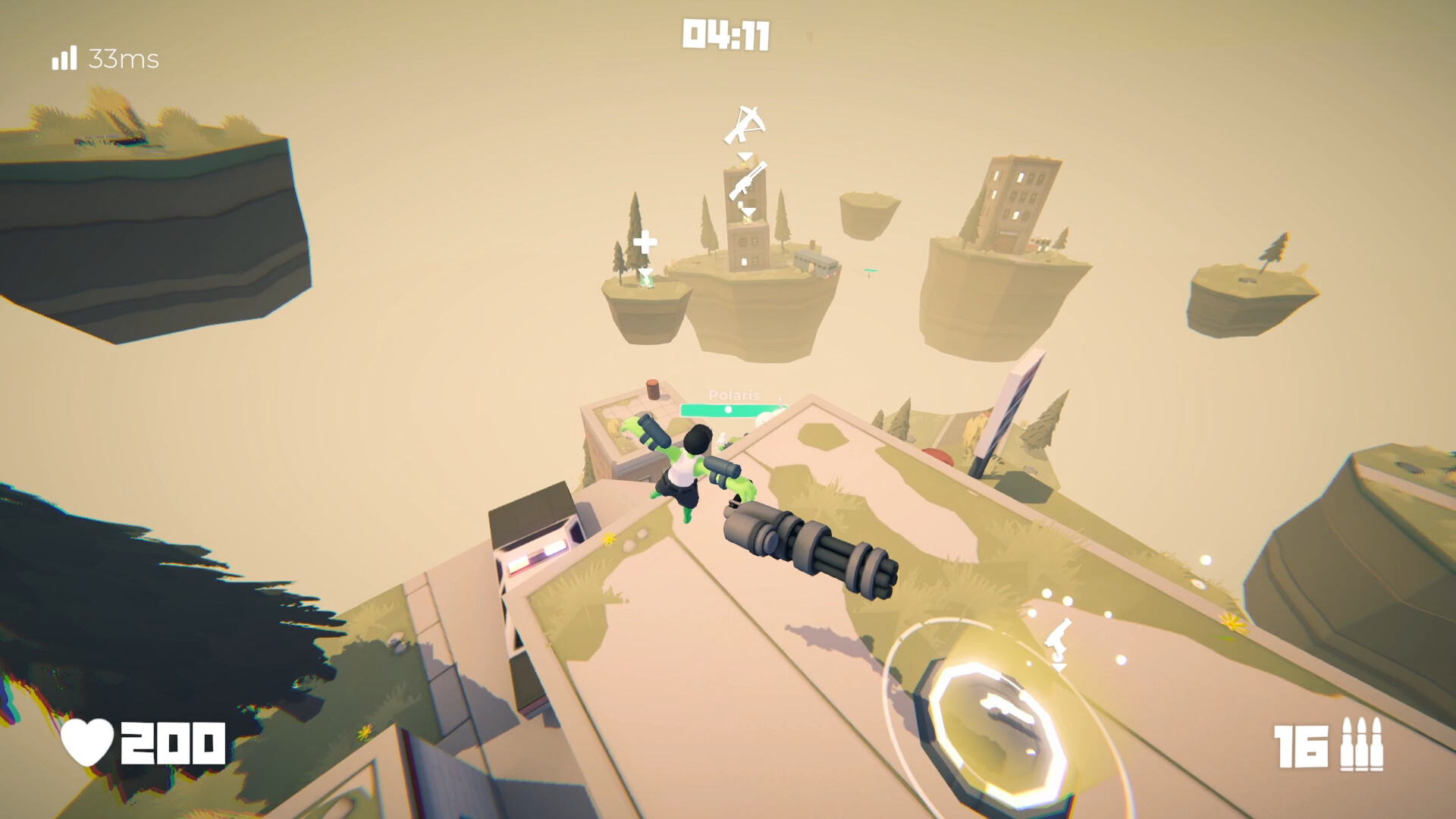
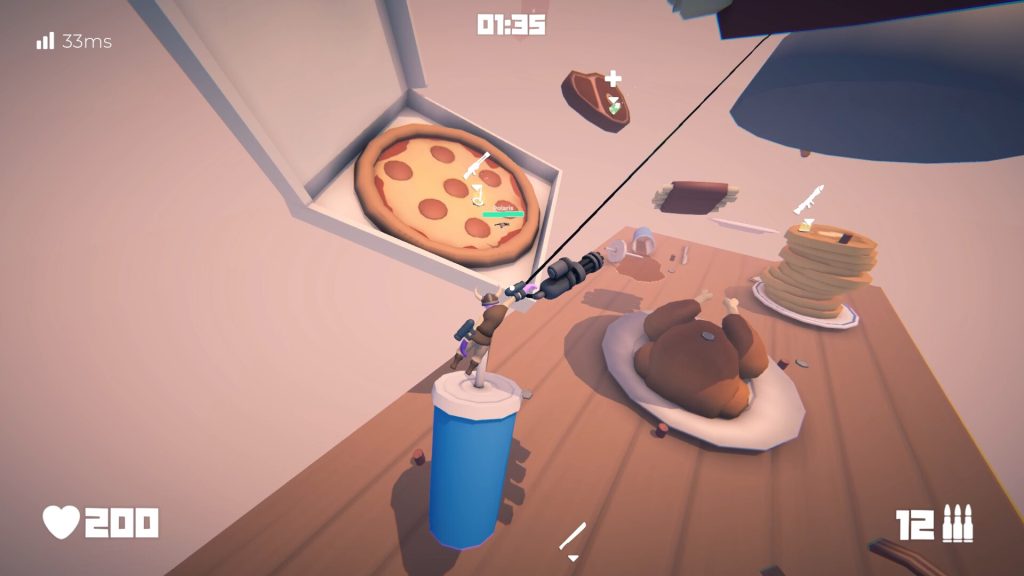
Levels in Grapples Galore are designed less as obstacles and more as invitations. They present verticality, spacing, and anchor points without prescribing routes.
There are often multiple viable paths through a level—some safer, some faster, some riskier but more satisfying. The environment does not guide players explicitly. It waits for experimentation.
This design rewards players who explore movement possibilities rather than follow expected solutions. The game does not rush you—it tempts you.
6. Momentum and the Psychology of Flow
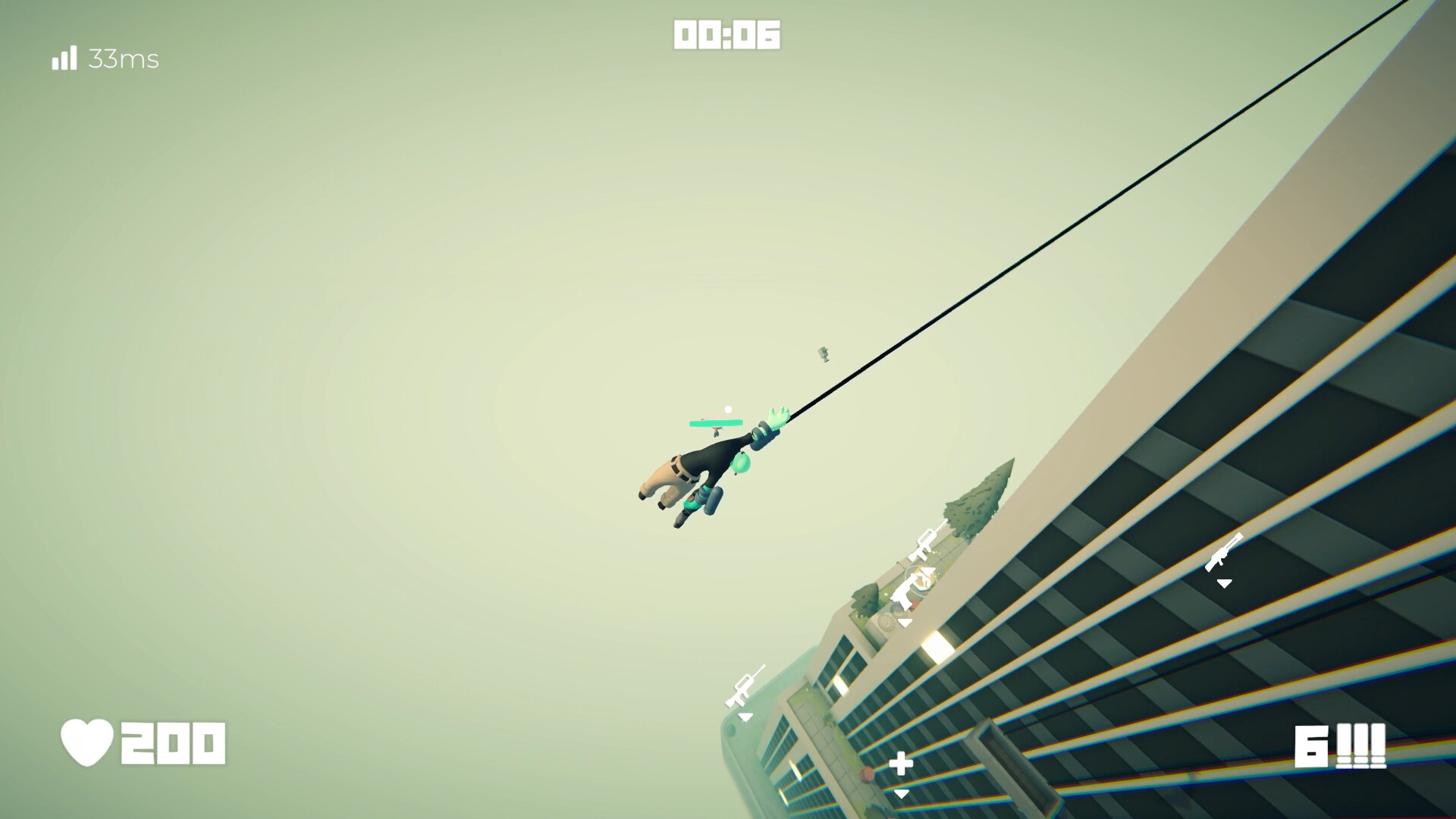
One of Grapples Galore’s greatest strengths is its ability to induce flow states. When movement clicks, time compresses. Actions chain together smoothly. Thought gives way to instinct.
This happens because the game minimizes friction. Controls are responsive. Feedback is immediate. Restarts are seamless. Nothing pulls players out of the moment unnecessarily.
Flow is fragile, however. A single misjudged swing can break rhythm. Grapples Galore embraces this fragility, making flow something to be earned, not sustained automatically.
7. Speedrunning and Emergent Mastery
While Grapples Galore is approachable, its true depth emerges at higher skill levels. Time trials and self-imposed challenges reveal how much optimization is possible.
Skilled players shave seconds by preserving momentum, chaining grapples efficiently, and minimizing unnecessary movement. Routes evolve. Techniques emerge organically.
This creates a natural speedrunning ecosystem without explicit encouragement. The game does not need leaderboards to inspire mastery—movement itself becomes the motivation.
8. Minimalism in Presentation
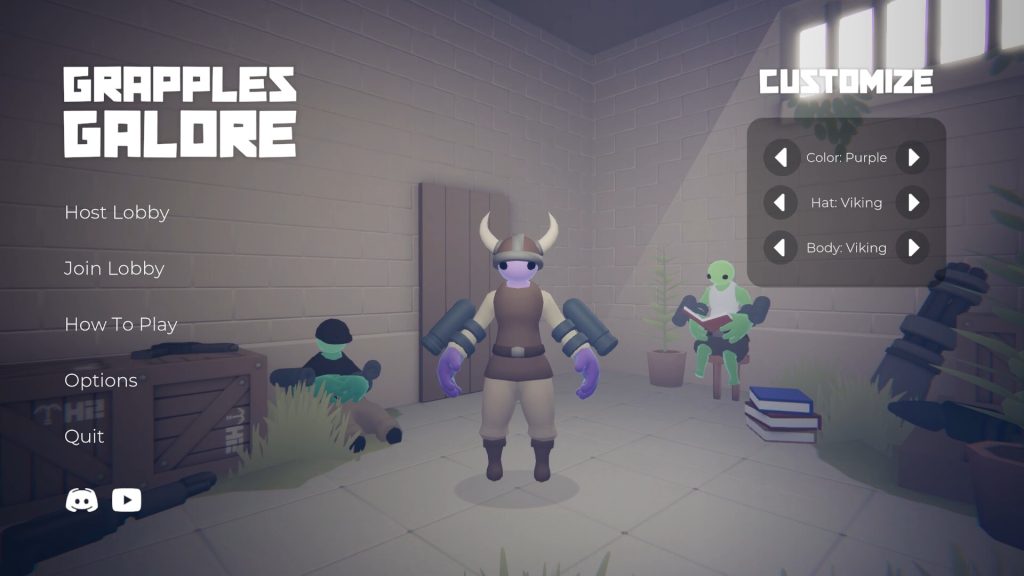
Visually, Grapples Galore is restrained. Environments are readable rather than ornate. Visual clutter is minimal. The focus remains squarely on motion.
This restraint serves clarity. Players can always see where they are going and what they can interact with. Nothing distracts from the arc of a swing or the timing of a release.
The game understands that for movement-driven design, readability is immersion.
9. Limitations of Scope
Grapples Galore’s commitment to a single mechanic is both its strength and its limitation. Players seeking narrative progression, mechanical variety, or long-term progression systems may find the experience narrow.
The game relies heavily on player motivation. Without a desire to improve movement, experiment, or chase mastery, its appeal diminishes.
However, this limitation is intentional. Grapples Galore does not try to be everything—it tries to be pure.
10. What Grapples Galore Ultimately Celebrates
At its core, Grapples Galore celebrates letting go. Letting go of control, of certainty, of the need for structured success. It invites players to trust physics, embrace mistakes, and enjoy the sensation of motion for its own sake.
It is a game about momentum—not just physical, but psychological. Once you start swinging, stopping feels unnatural.
Few games capture the joy of movement so cleanly and honestly.
Pros
-
Exceptionally satisfying grappling and movement mechanics
-
Physics feel consistent, readable, and fair
-
Encourages experimentation and personal playstyles
-
Fast restart loop minimizes frustration
-
Strong appeal for speedrunners and movement-focused players
Cons
-
Limited mechanical variety
-
Minimal narrative or progression systems
-
Reliant on player-driven motivation
-
Not suited for players seeking combat or story
-
Can feel repetitive without self-imposed goals
Conclusion: A Game That Trusts Motion
Grapples Galore succeeds by trusting its core mechanic completely. It does not pad the experience with unnecessary systems or distractions. It believes that movement—when done right—is enough.
For players who love physics-driven gameplay, expressive traversal, and the satisfaction of mastering momentum, Grapples Galore offers a focused, joyful experience. It does not reward patience or planning.
It rewards commitment to motion.
Swing too early, and you fall.
Swing too late, and you miss.
Swing just right, and the game disappears…
leaving only movement behind.