

Human Fall Flat – Physics Absurdity, Cooperative Miscommunication, and the Art of Failing Together
Introduction: Progress Made of Mistakes
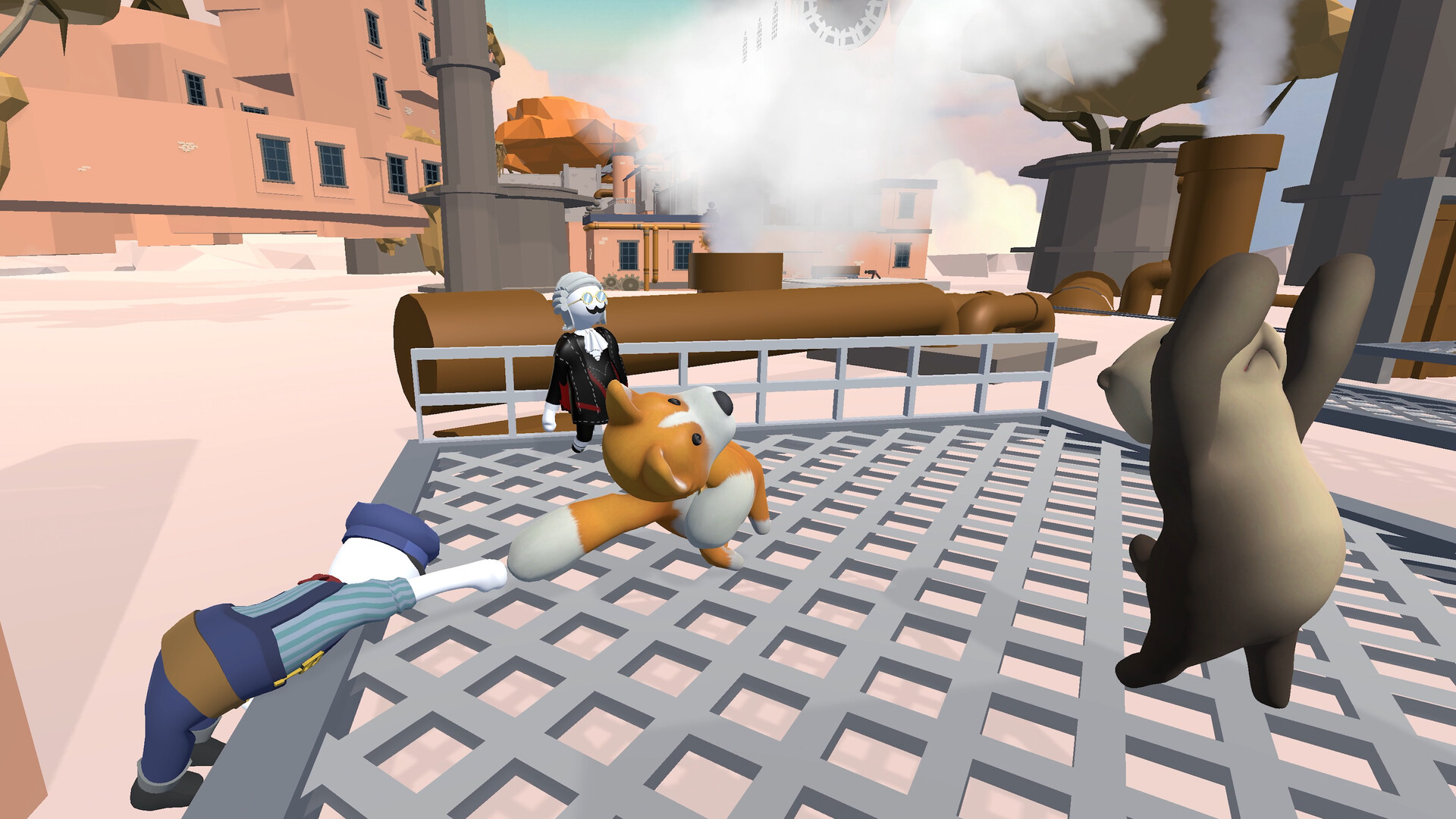
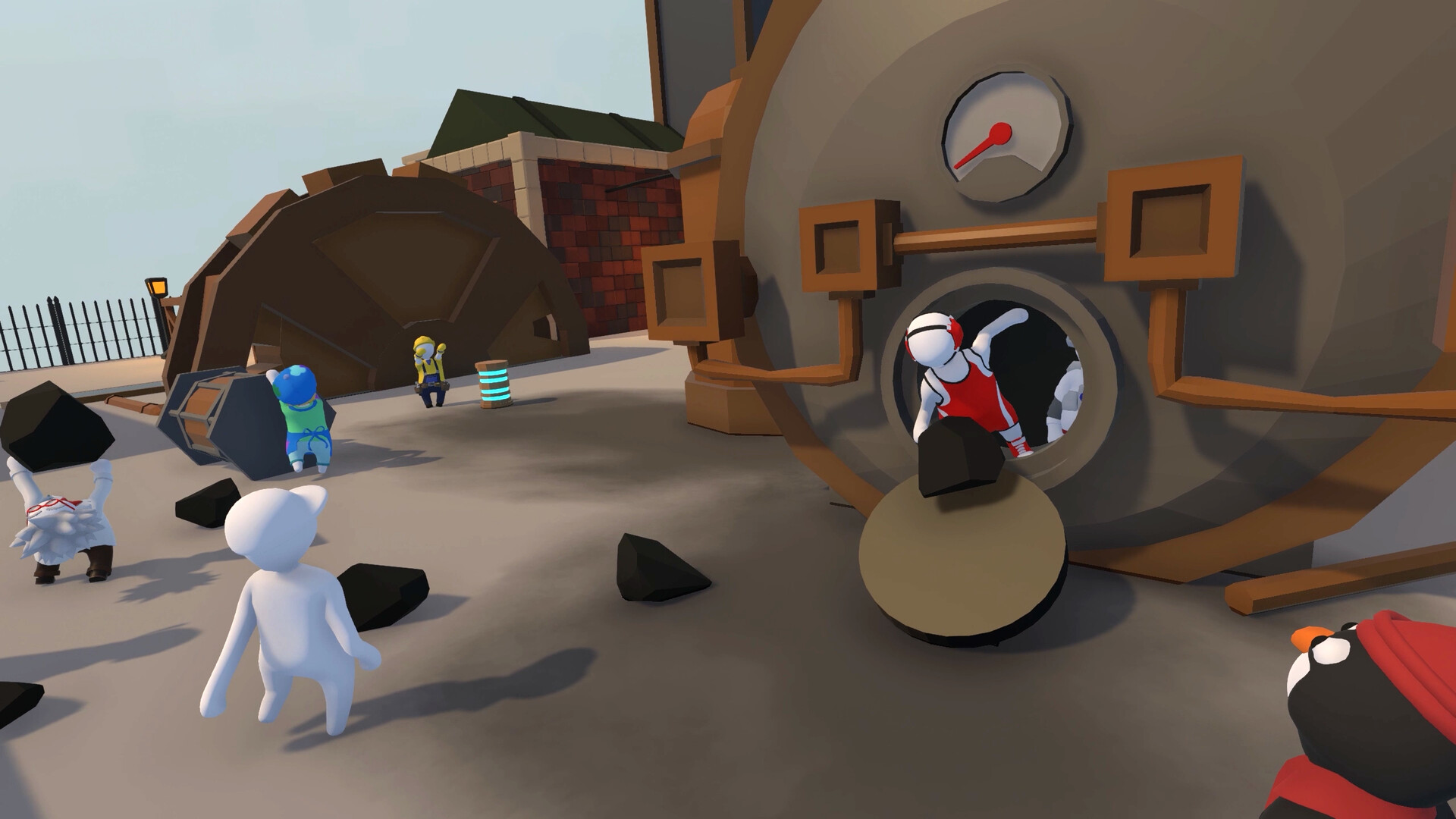
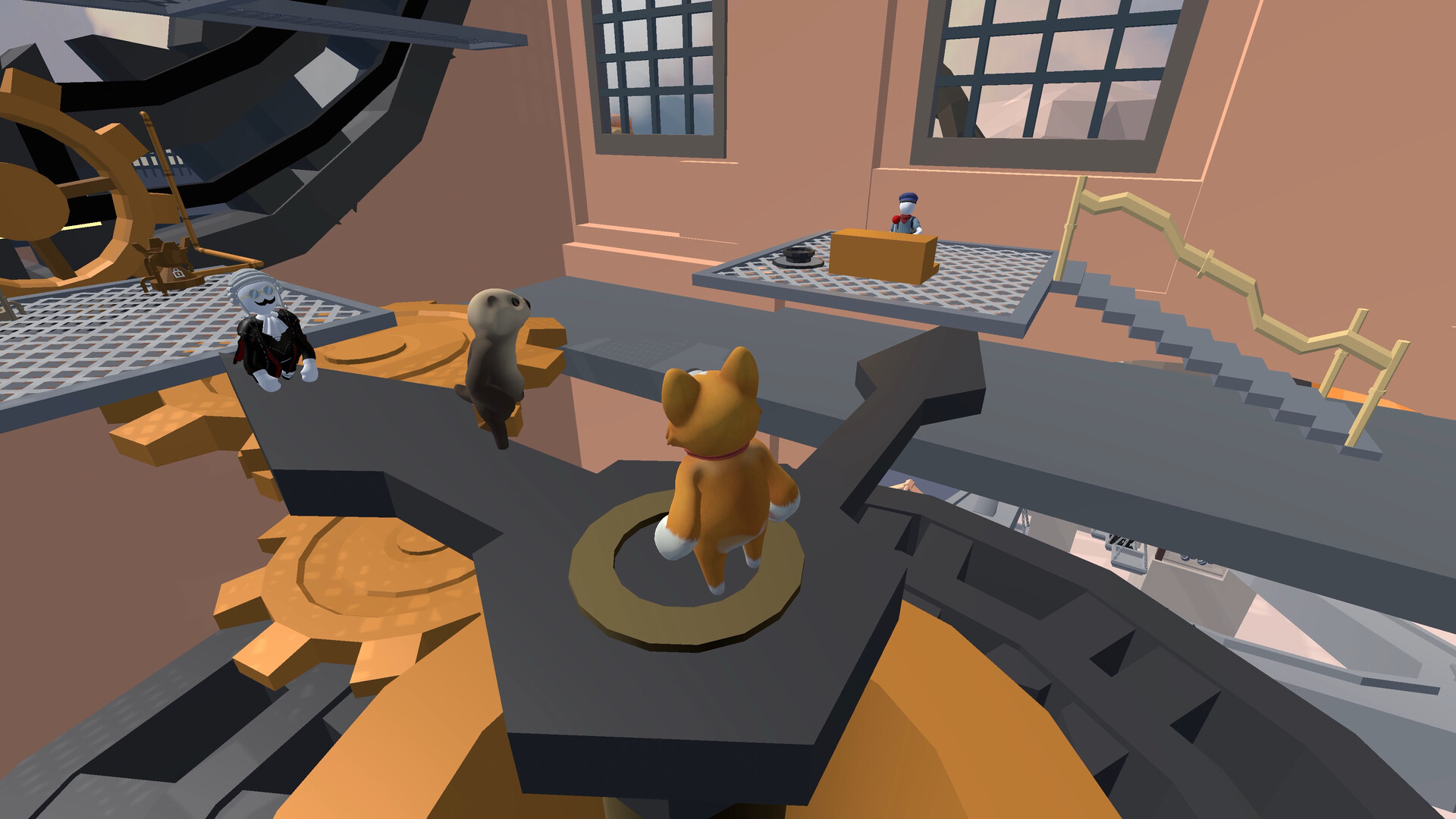
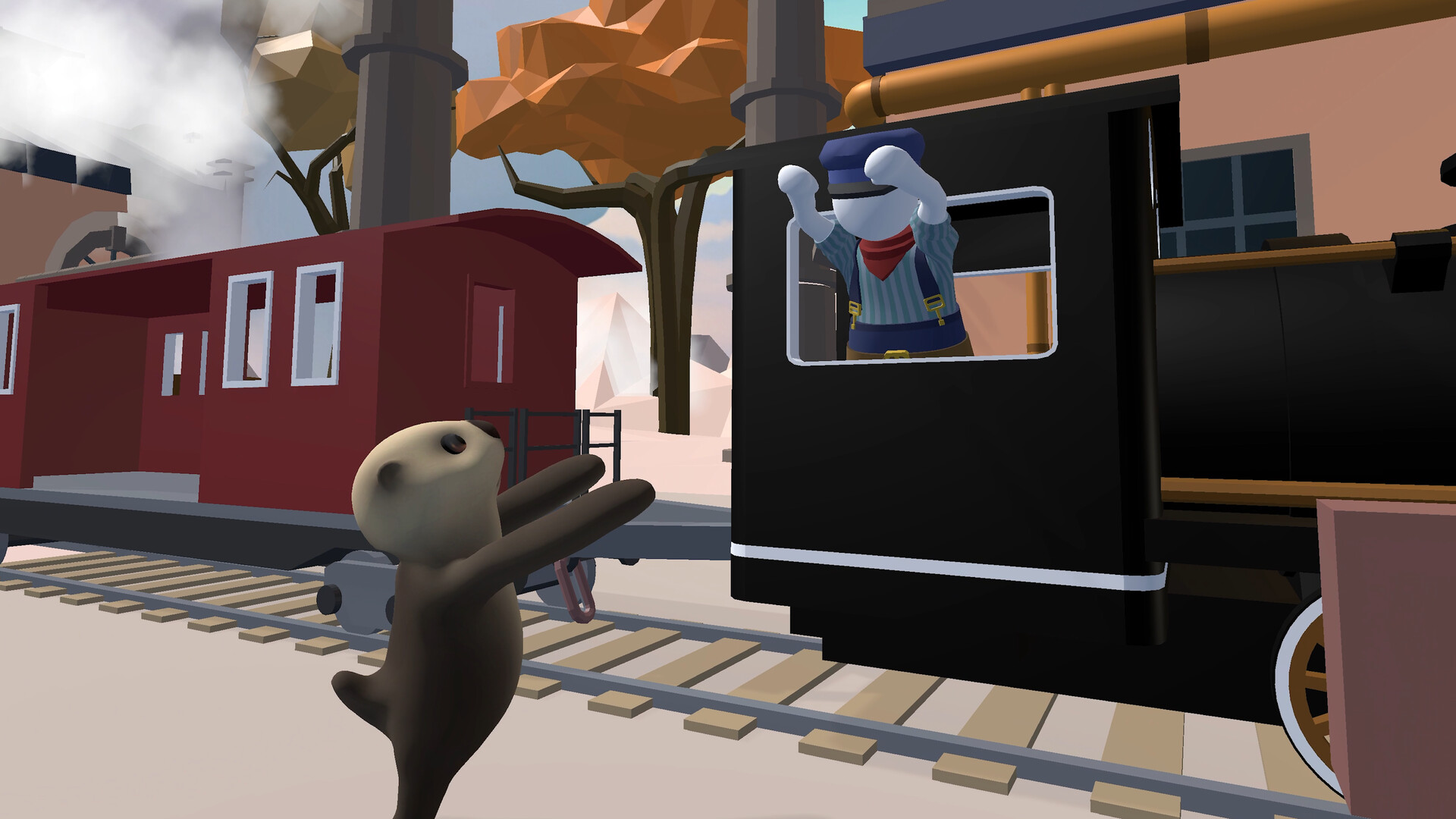
Human Fall Flat looks, at first glance, like a harmless comedy game. Soft-bodied characters wobble, grab objects clumsily, and fall in ways that feel intentionally ridiculous. Nothing appears threatening. Nothing appears serious. And yet, beneath that surface humor lies a carefully constructed experience about coordination, communication, and shared failure.
Human Fall Flat is not about solving puzzles efficiently. It is about navigating imperfect systems with imperfect partners using imperfect tools. The game’s brilliance comes from how it transforms physical awkwardness into social interaction, and how it makes misunderstanding the core mechanic rather than an obstacle to overcome. This review examines Human Fall Flat as a cooperative systems game, focusing on physics-driven design, player psychology, and why incompetence—shared incompetence—can be deeply satisfying.
Quick Info (Overview Box)
Release Year: 2016
Genre: Physics-based puzzle / Platformer
Platforms: PC, PlayStation, Xbox, Nintendo Switch, Mobile
Game Modes: Single-player, Online & local co-op
Target Audience: Players who enjoy cooperative problem-solving, emergent humor, low-pressure gameplay, and social chaos
1. Core Design Philosophy: Physics Before Precision
The defining principle of Human Fall Flat is intentional imprecision. Characters are not designed to move cleanly or respond instantly. Limbs flop. Momentum overshoots. Balance is temporary.
This is not a technical limitation—it is a design statement. By removing precision, the game prevents mastery from becoming mechanical. You cannot simply “get good” in the traditional sense. You must adapt to instability.
This philosophy reframes challenge. Difficulty does not come from complex puzzles alone, but from executing simple ideas with unreliable bodies.
2. Controls as a Source of Comedy and Strategy
Controls in Human Fall Flat are deceptively simple: grab, lift, jump, move. But the physics layer turns these actions into negotiations with gravity.
Picking up an object requires alignment, timing, and patience. Climbing requires planning body placement rather than pressing a jump button at the right moment.
This creates a feedback loop where players constantly overshoot intentions. The gap between what you want to do and what happens becomes the source of both humor and strategy.
3. Puzzle Design: Open-Ended by Necessity
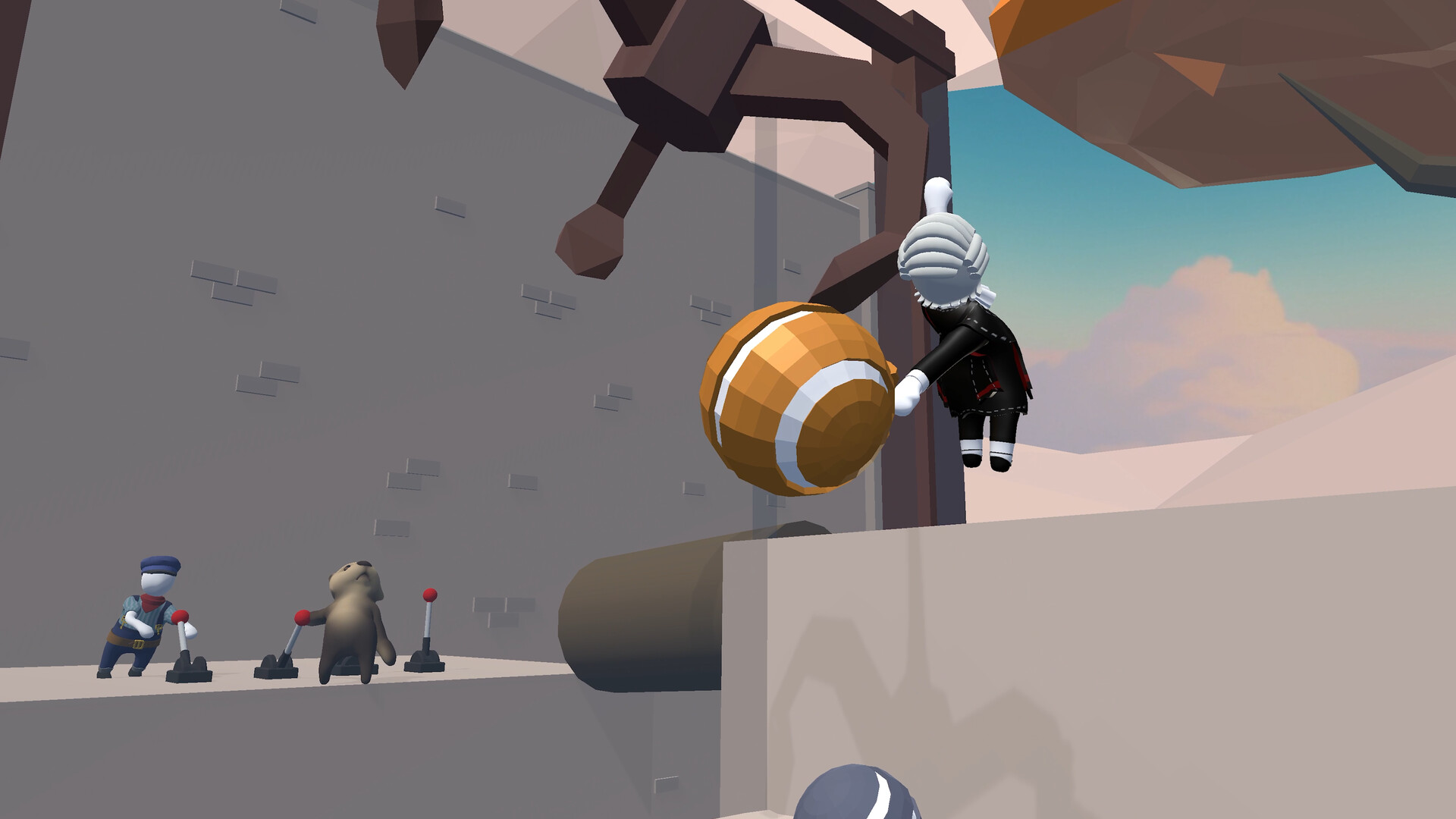
Puzzles in Human Fall Flat rarely have a single correct solution. Doors can be opened in multiple ways. Objects can be stacked, dragged, or thrown.
This openness exists because the physics system is unpredictable. Designers embrace that unpredictability rather than constrain it. If something works—even accidentally—it is valid.
As a result, puzzle-solving becomes exploratory. Players test ideas not because they are optimal, but because they might work.
4. Failure as Expected Outcome
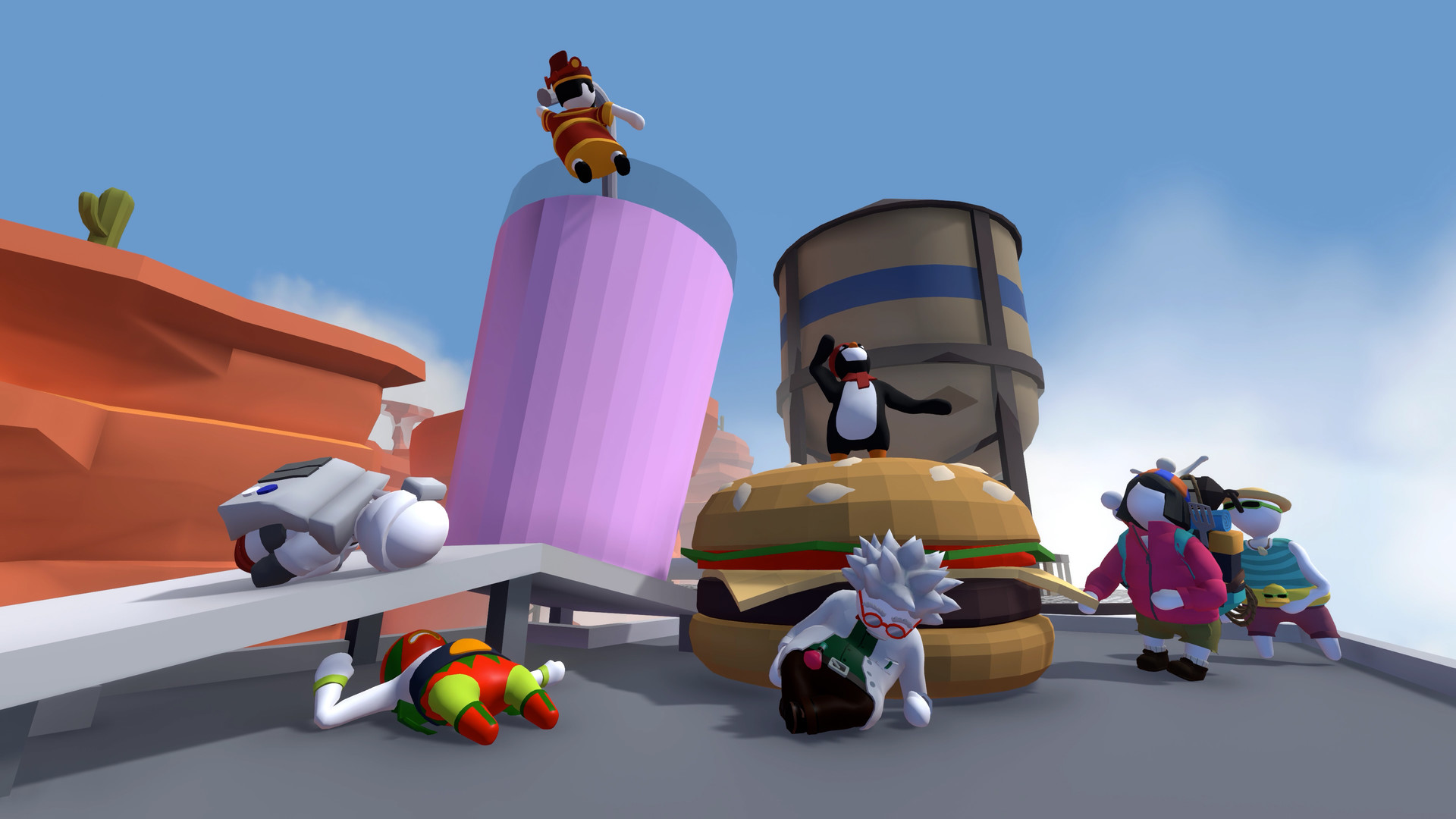
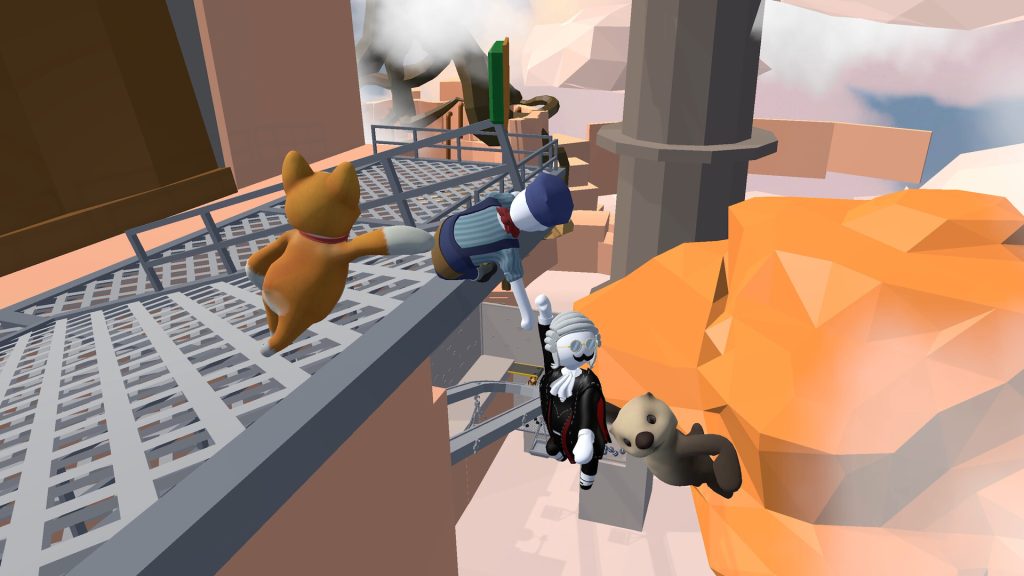
Human Fall Flat treats failure as the default state. Falling off ledges, dropping objects, misjudging distances—these are not punishments; they are expected behaviors.
Crucially, failure carries minimal penalty. Respawning is quick. Progress is rarely lost. This encourages experimentation without fear.
The game removes shame from mistakes. When everyone fails constantly, failure becomes a shared language rather than an individual flaw.
5. Cooperative Play: Communication Over Competence
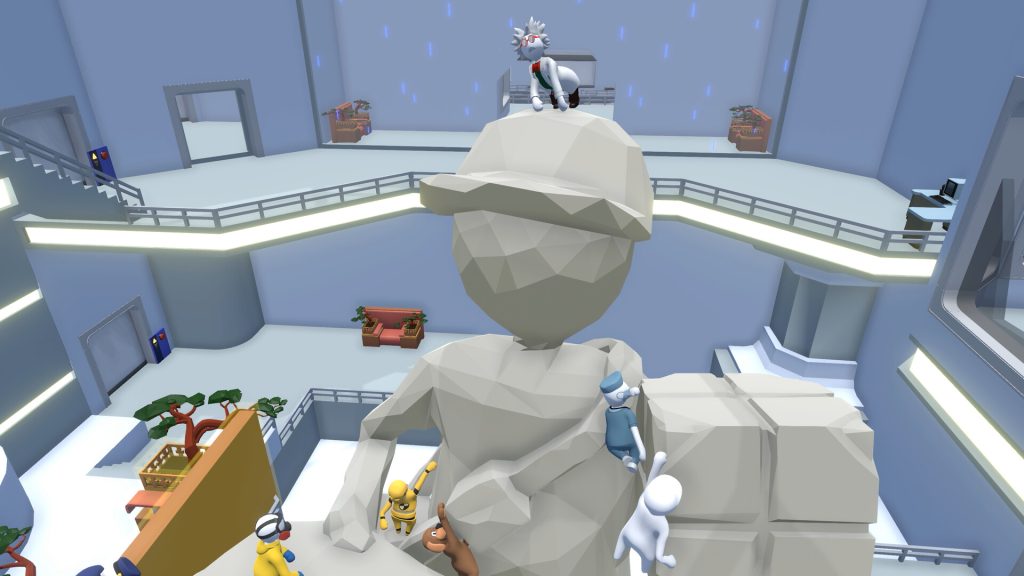
In co-op, Human Fall Flat reveals its true nature. The game is not about physics puzzles—it is about people attempting to coordinate under unreliable conditions.
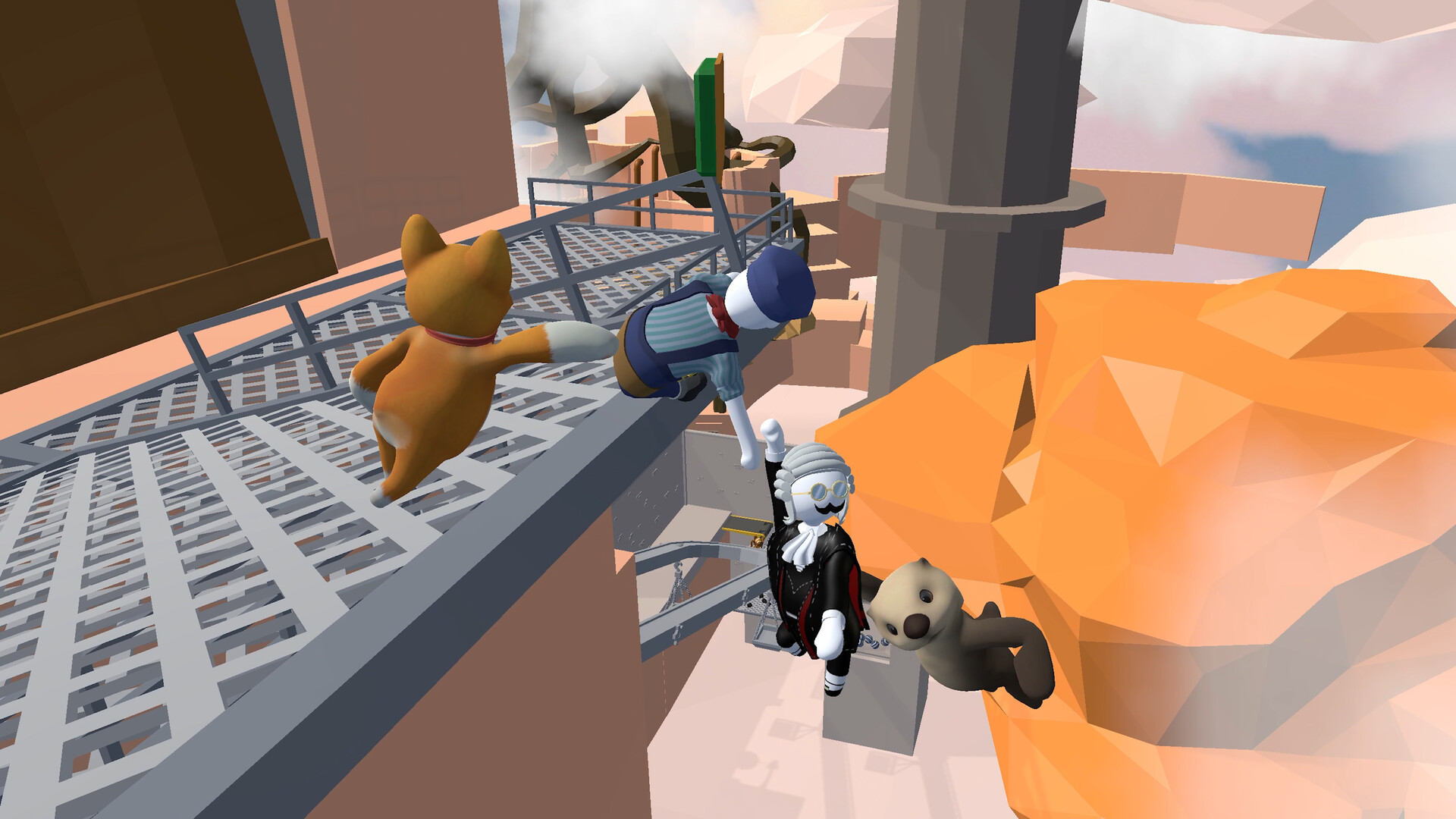
Players must explain ideas verbally while struggling to execute them physically. Instructions break down. Timing misaligns. Intentions collide.
This mismatch creates friction that is funny, frustrating, and revealing. Success depends less on mechanical skill and more on patience, clarity, and emotional regulation.
6. Social Dynamics and Role Emergence
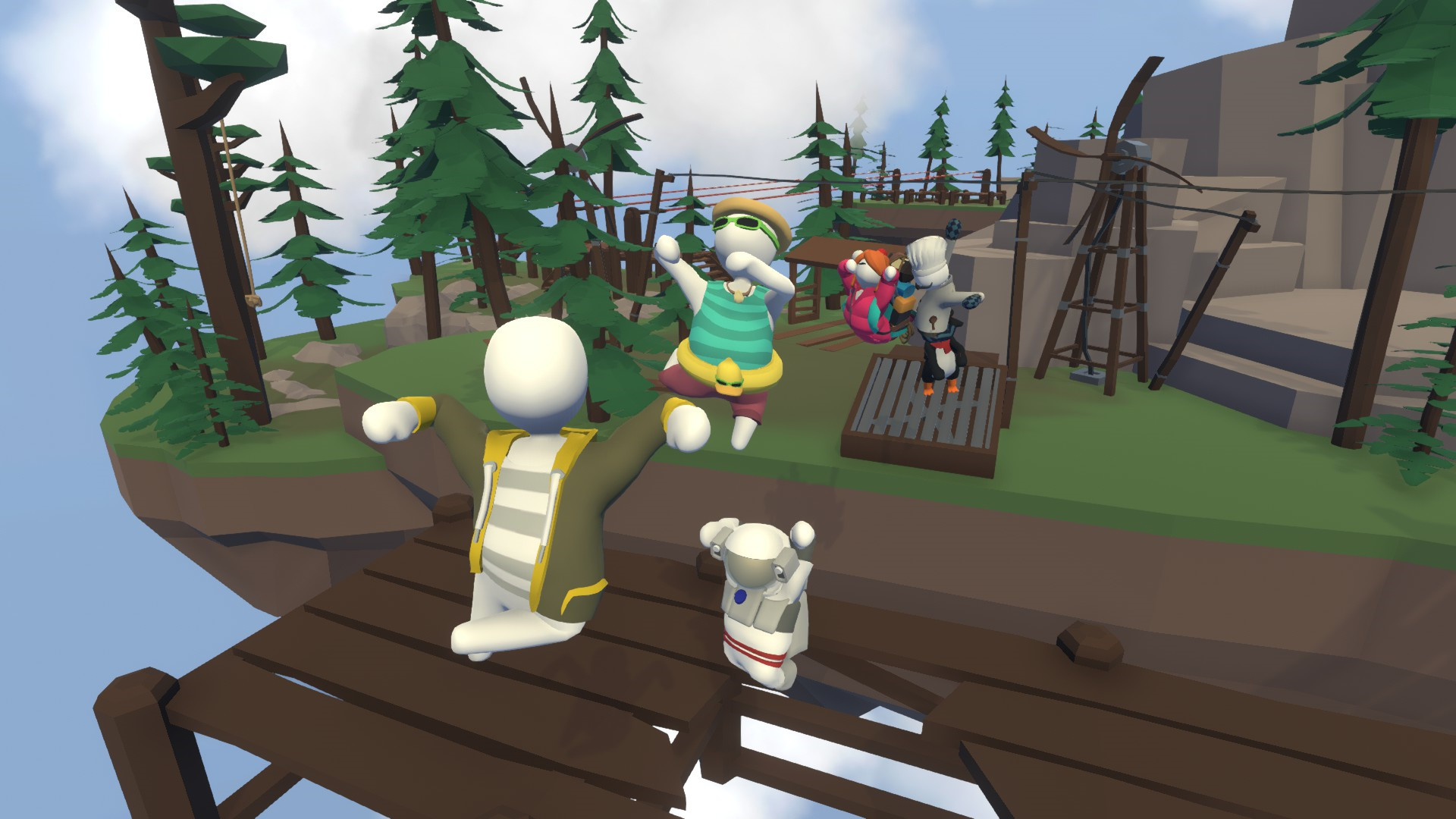
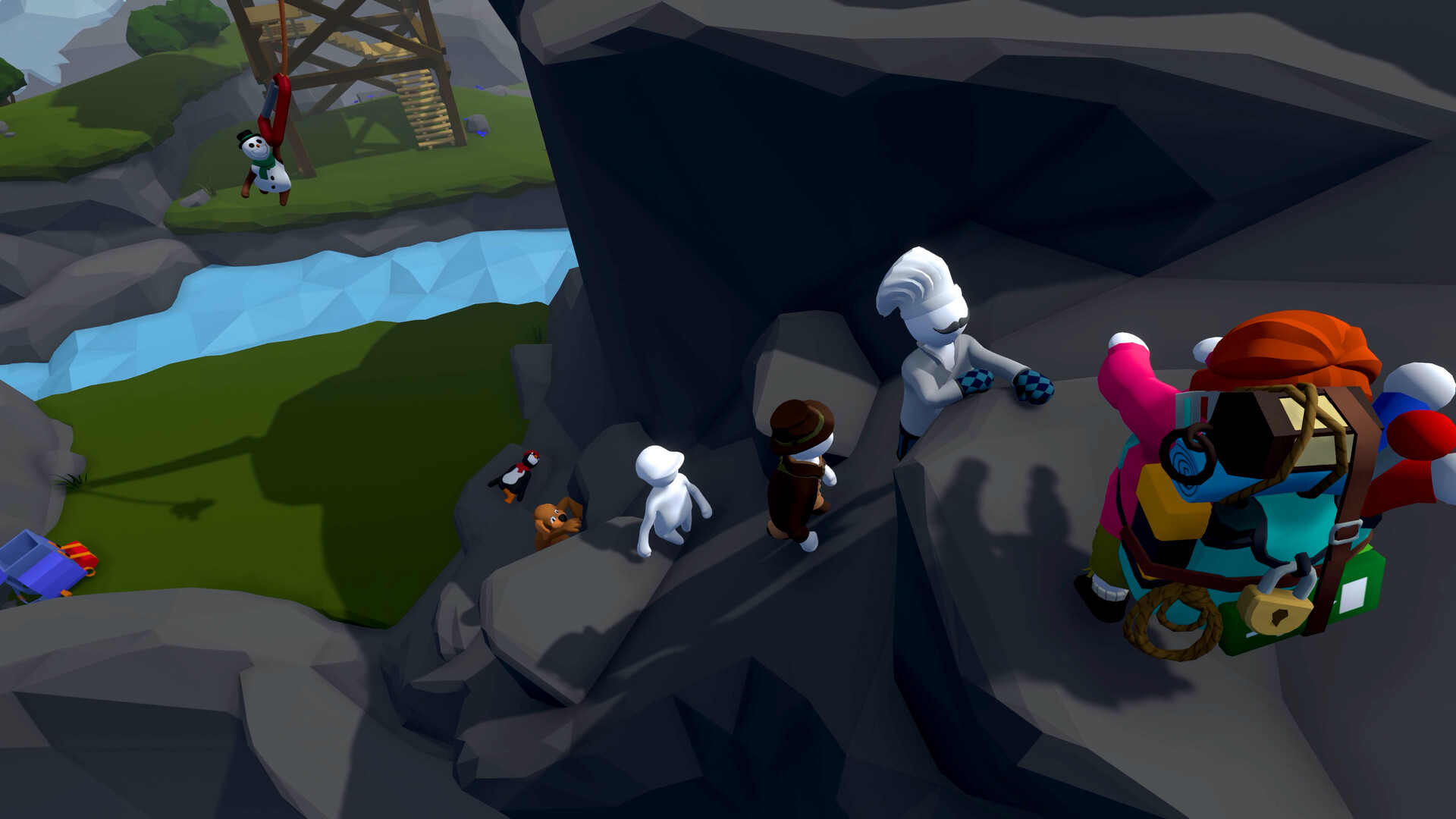
Even without explicit roles, patterns emerge in Human Fall Flat co-op sessions. One player experiments. Another stabilizes objects. Another observes and suggests.
These roles are informal and fluid. They arise from personality, not design. The game allows players to express themselves socially through action rather than dialogue alone.
This organic role formation strengthens group identity. Teams remember how they solved puzzles, not just that they solved them.
7. Physics as a Social Equalizer
One of Human Fall Flat’s quiet strengths is how it flattens skill gaps. Experienced players are not dramatically more capable than new ones.
Physics sabotages consistency. Even experts drop objects. Even veterans misjudge jumps. This keeps sessions inclusive and playful.
By resisting mastery, the game ensures that fun remains social rather than competitive. No one “carries” a team for long.
8. Level Design and Escalating Complexity
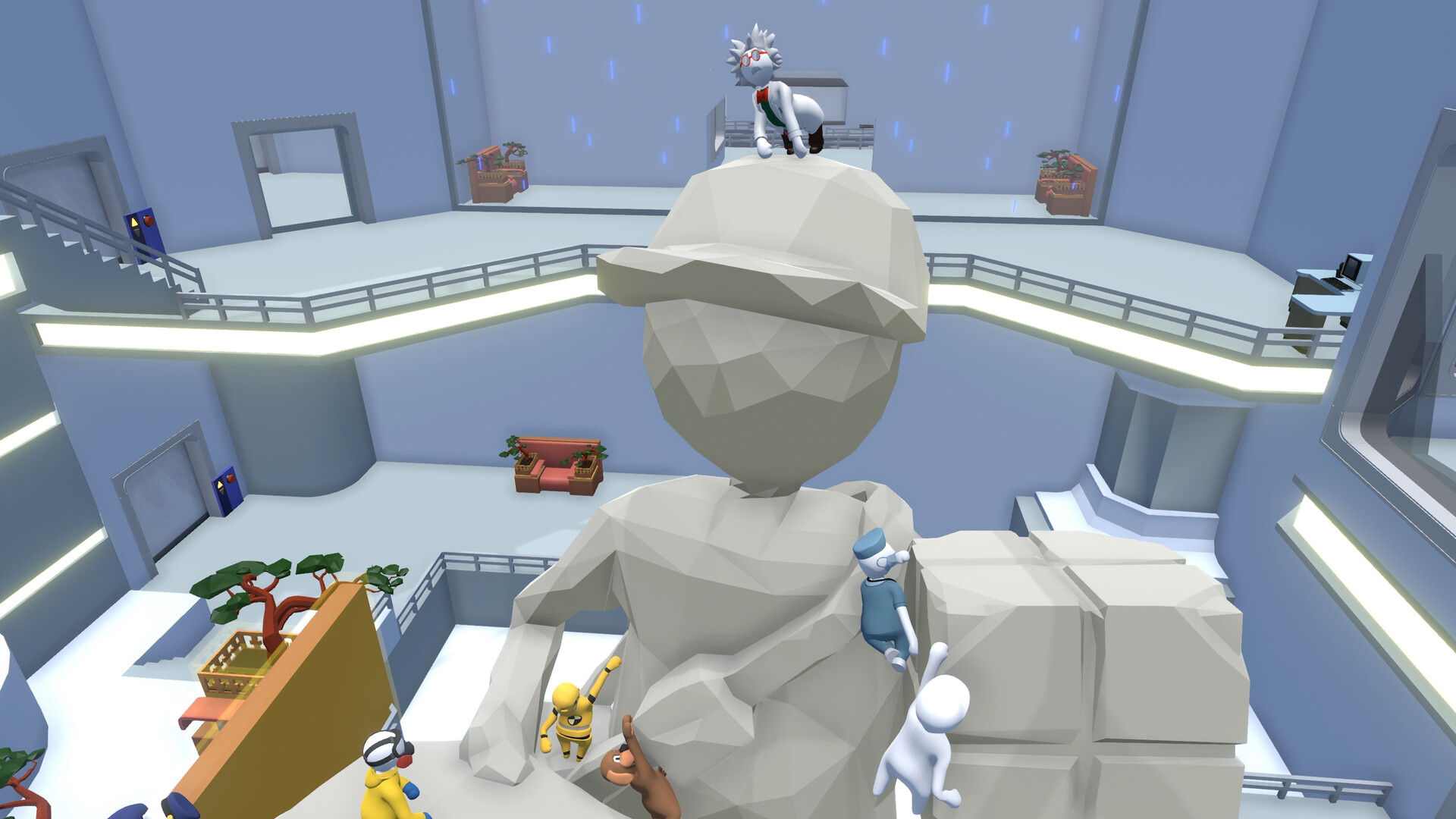
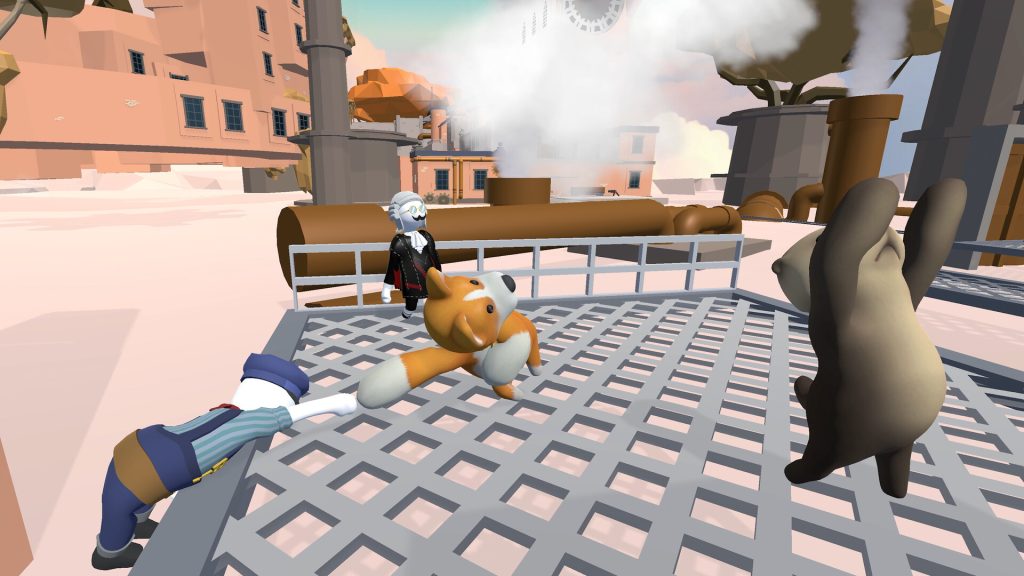
Levels in Human Fall Flat gradually introduce new physical concepts—moving platforms, levers, weights, rotating structures.
Rather than increasing difficulty through tighter timing or harsher penalties, the game increases conceptual load. Players must combine ideas while still dealing with unstable movement.
This escalation feels natural. Players are not overwhelmed by complexity, but by coordination. The challenge shifts from “what do we do?” to “can we do it together?”
9. Emotional Tone: Low Stakes, High Engagement
Human Fall Flat is deliberately low-pressure. There are no timers. No scores. No ranking systems.
This absence of evaluation changes player mindset. Sessions feel relaxed even when progress is slow. Laughter replaces frustration.
The game becomes a social space rather than a test. Engagement comes from interaction, not achievement.
10. Limitations and Repetition Risks
Human Fall Flat’s reliance on physics-based humor can become repetitive over long sessions. Once players internalize movement quirks, surprise diminishes.
Solo play, while functional, lacks the social energy that defines the experience. Without others to share failure, the game feels quieter and less dynamic.
These limitations highlight the game’s core truth: it is strongest with people.
Pros
Excellent physics-based humor and emergent gameplay
Open-ended puzzle solutions encourage creativity
Strong cooperative focus with minimal pressure
Accessible to players of all skill levels
Failure is forgiving and socially engaging
Cons
Solo play lacks the full experience
Repetition can set in during long sessions
Limited depth for players seeking mastery
Progression systems are minimal
Humor depends heavily on group dynamics
Conclusion: A Game About Being Bad Together
Human Fall Flat succeeds because it reframes incompetence as collaboration. It removes the pressure to perform and replaces it with the freedom to fail publicly, repeatedly, and joyfully.
The game understands that some of the most meaningful multiplayer experiences do not come from triumph, but from shared confusion. It turns clumsiness into communication and mistakes into memories.
For players seeking a cooperative game that values laughter over optimization and connection over competence, Human Fall Flat offers something rare: a space where falling is not just allowed—it is the point.
You do not win by being precise.
You progress by holding on…
sometimes literally—to each other.