

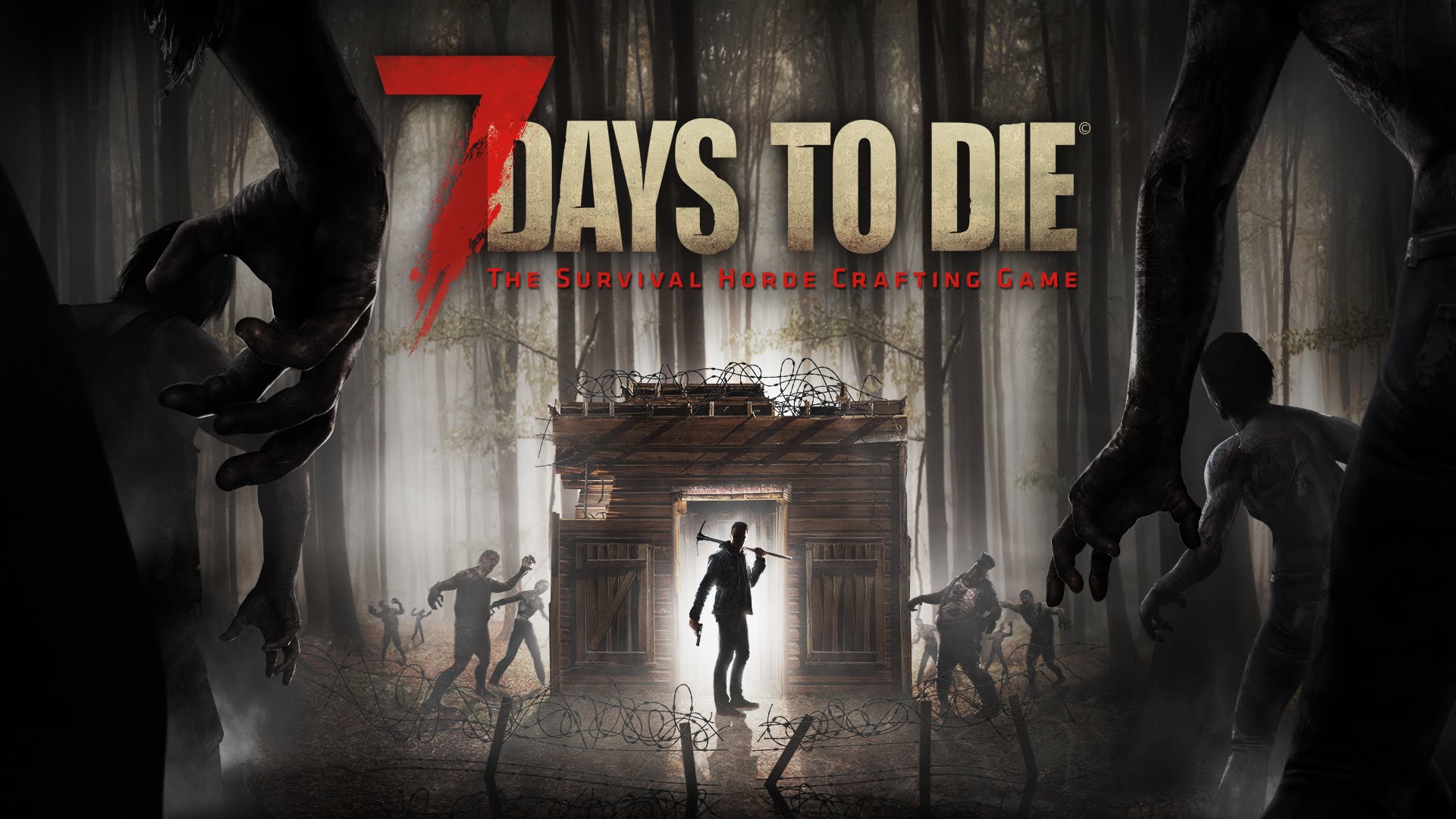
7 Days to Die – Cyclical Terror, Player Agency, and Survival as a Long-Term Commitment
Introduction: Survival Measured in Weeks, Not Wins
7 Days to Die is not a survival game about escaping danger—it is about preparing for it. From the very first moments, the game establishes a brutal truth: no matter how well you are doing, destruction is coming. Every seventh night, the world tests your preparation, your understanding of systems, and your ability to endure failure.
What makes 7 Days to Die unique within the survival genre is its cyclical structure. Instead of a linear difficulty curve, the game operates on a repeating countdown. Time is not neutral—it is a threat. This review explores 7 Days to Die as a long-form survival experiment, focusing on how its systems reinforce anxiety, agency, and the psychological weight of inevitable confrontation.
Quick Info (Overview Box)
Release Year: 2013 (Early Access, ongoing development)
Genre: Survival / Sandbox / Horror
Platforms: PC (console versions vary by generation)
Game Modes: Single-player, Online co-op, PvE / PvP servers
Target Audience: Players who enjoy deep survival systems, base-building under pressure, and long-term sandbox progression
1. Core Design Philosophy: Survival as a Repeating Test
At the heart of 7 Days to Die is a simple but relentless idea: survival is not permanent. Every seven days, a Blood Moon horde arrives, scaling in intensity based on player progress and performance.
This design removes complacency. Unlike survival games where stability eventually eliminates danger, 7 Days to Die resets fear regularly. Even successful players must prepare again and again.
The result is a mindset shift. Progress is not about reaching safety—it is about improving resilience. Survival becomes a recurring exam rather than a solved problem.
2. Time as an Enemy
Time in 7 Days to Die is never passive. Every daylight hour is an opportunity cost. Gathering resources means less time reinforcing defenses. Exploring means less time crafting.
This creates constant internal tension. Players are always behind schedule. There is never enough time to do everything “right.”
The countdown to Blood Moon night transforms routine activities into strategic decisions. Even mundane tasks feel urgent because the clock is always ticking.
3. Base Building: Architecture Under Threat
Base building in 7 Days to Die is not decorative—it is existential. Structures must withstand sustained assault from enemies that learn, dig, climb, and adapt.
Unlike static tower defense, zombies in 7DTD interact physically with the world. They target weak points. They collapse poorly supported structures. They punish lazy design.
This forces players to think like engineers. Structural integrity, material strength, and pathing logic all matter. Failure is often spectacular and instructive.
4. Zombies as Systems, Not Cannon Fodder
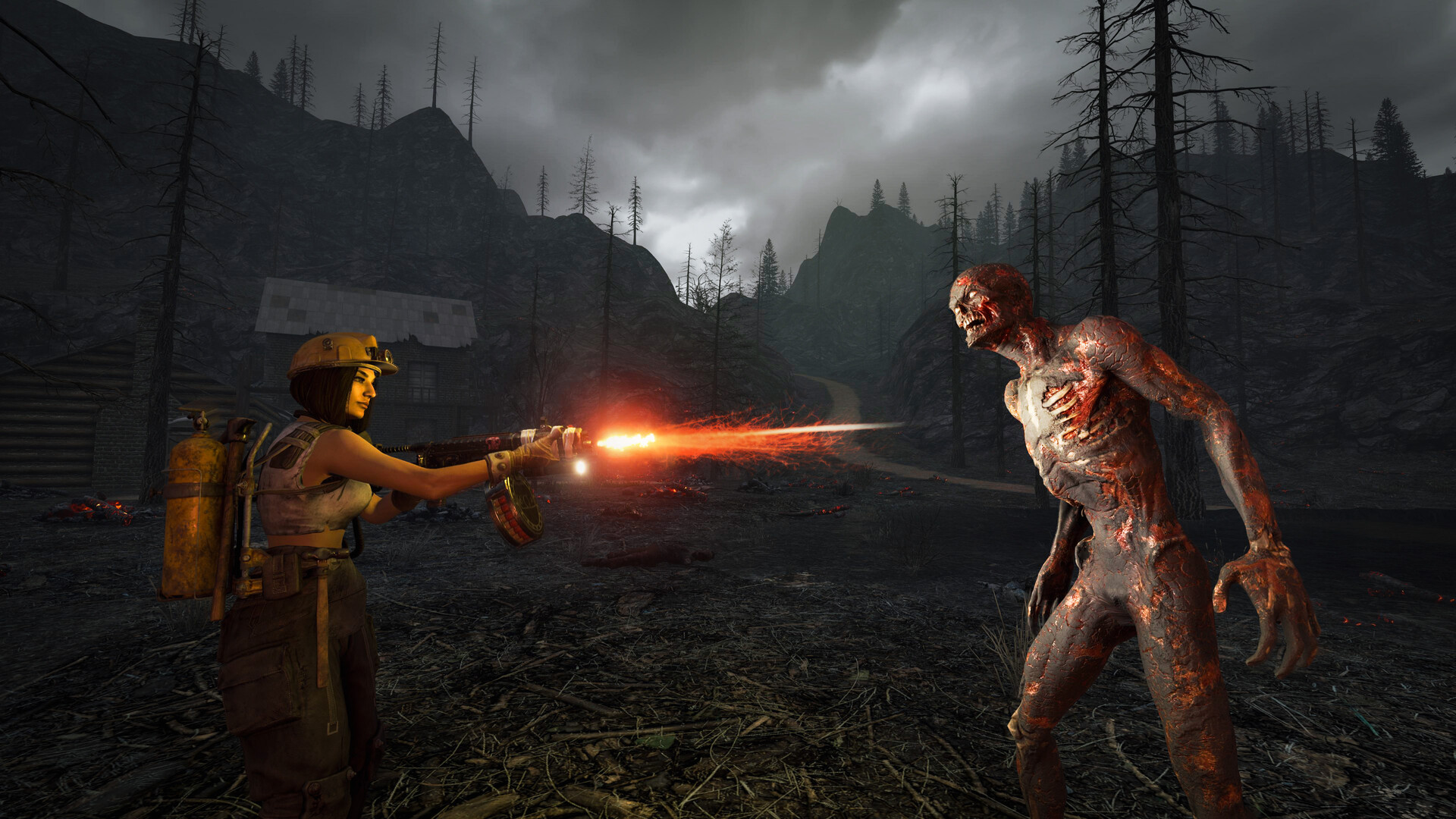
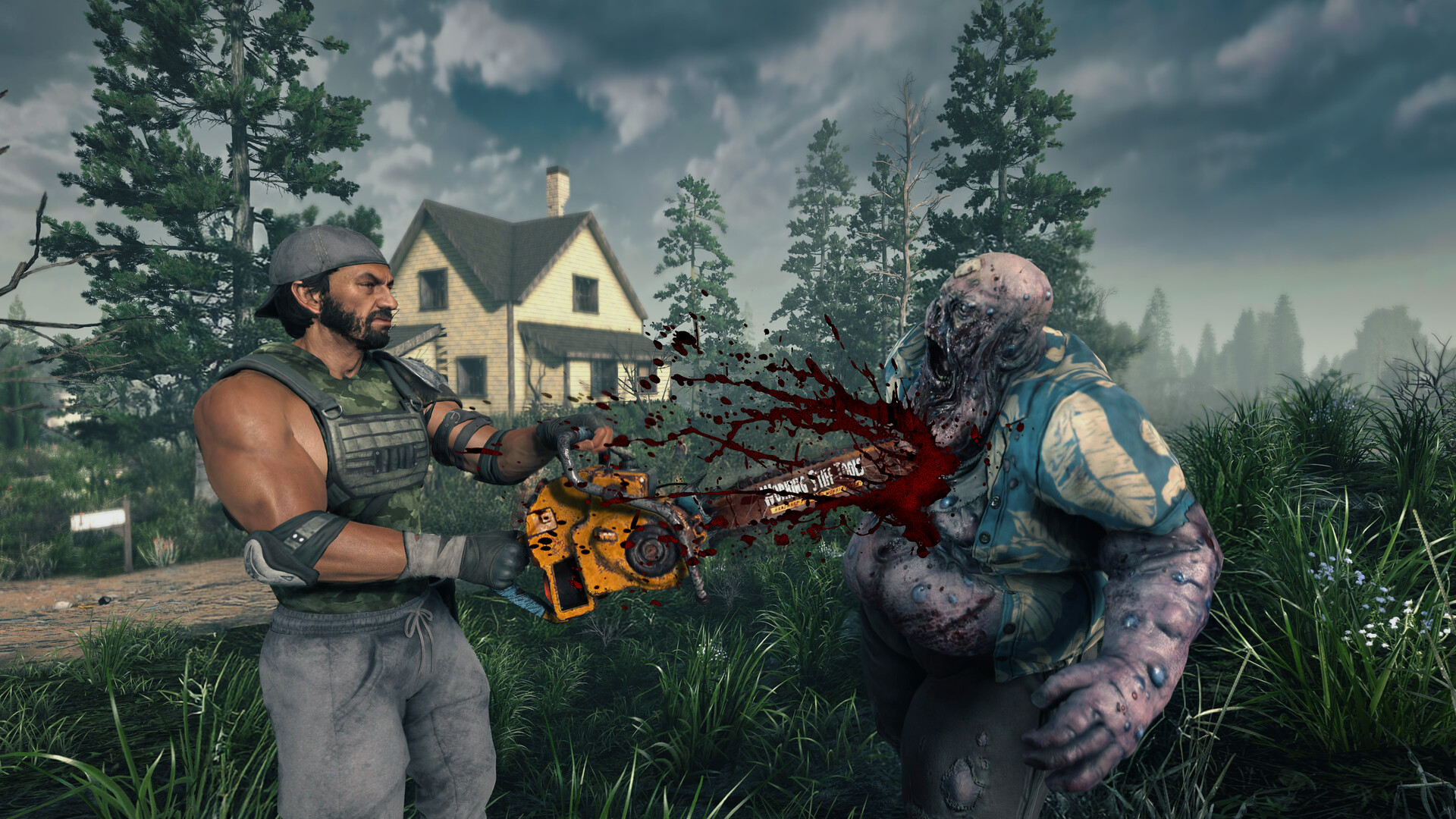
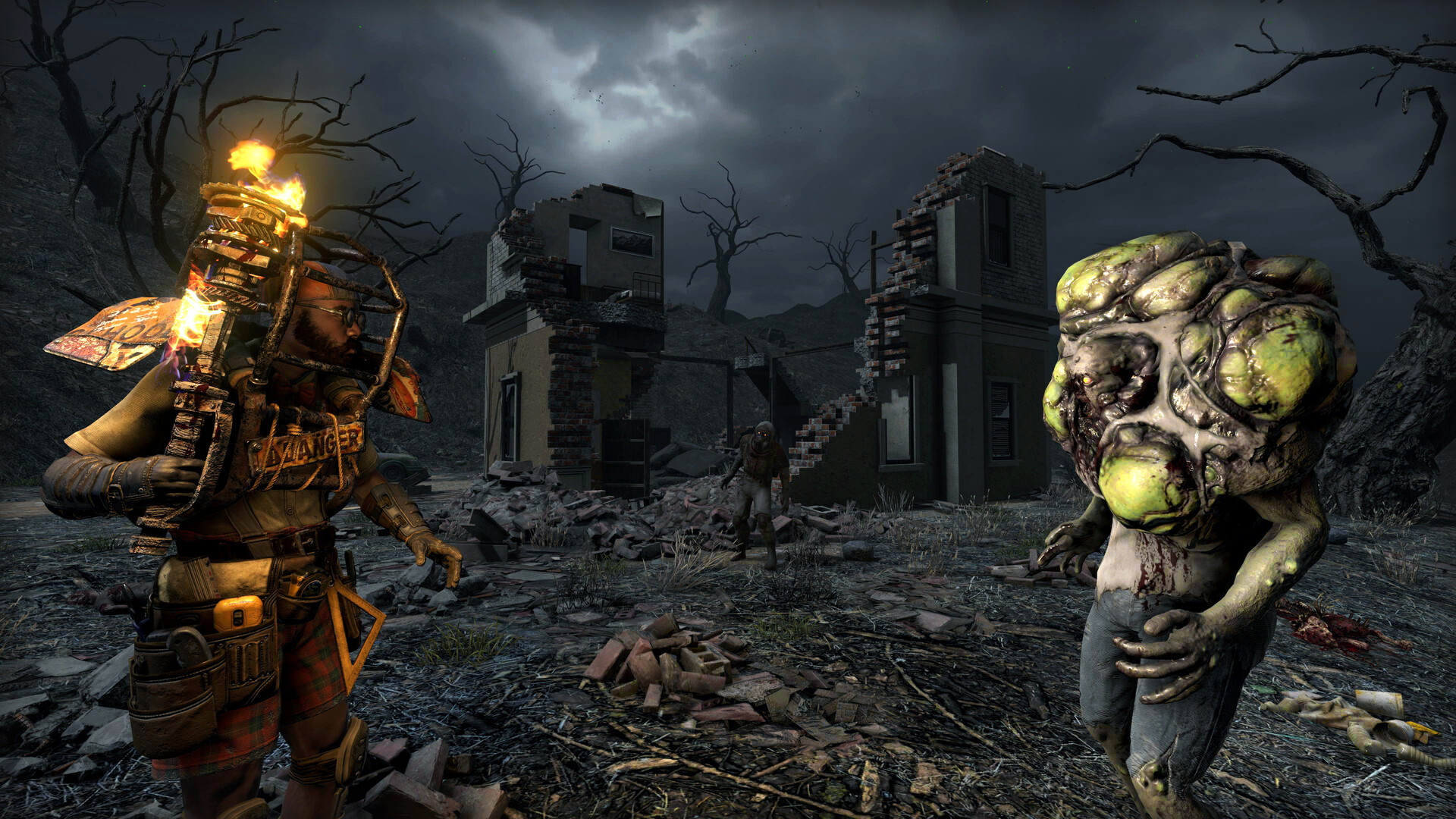
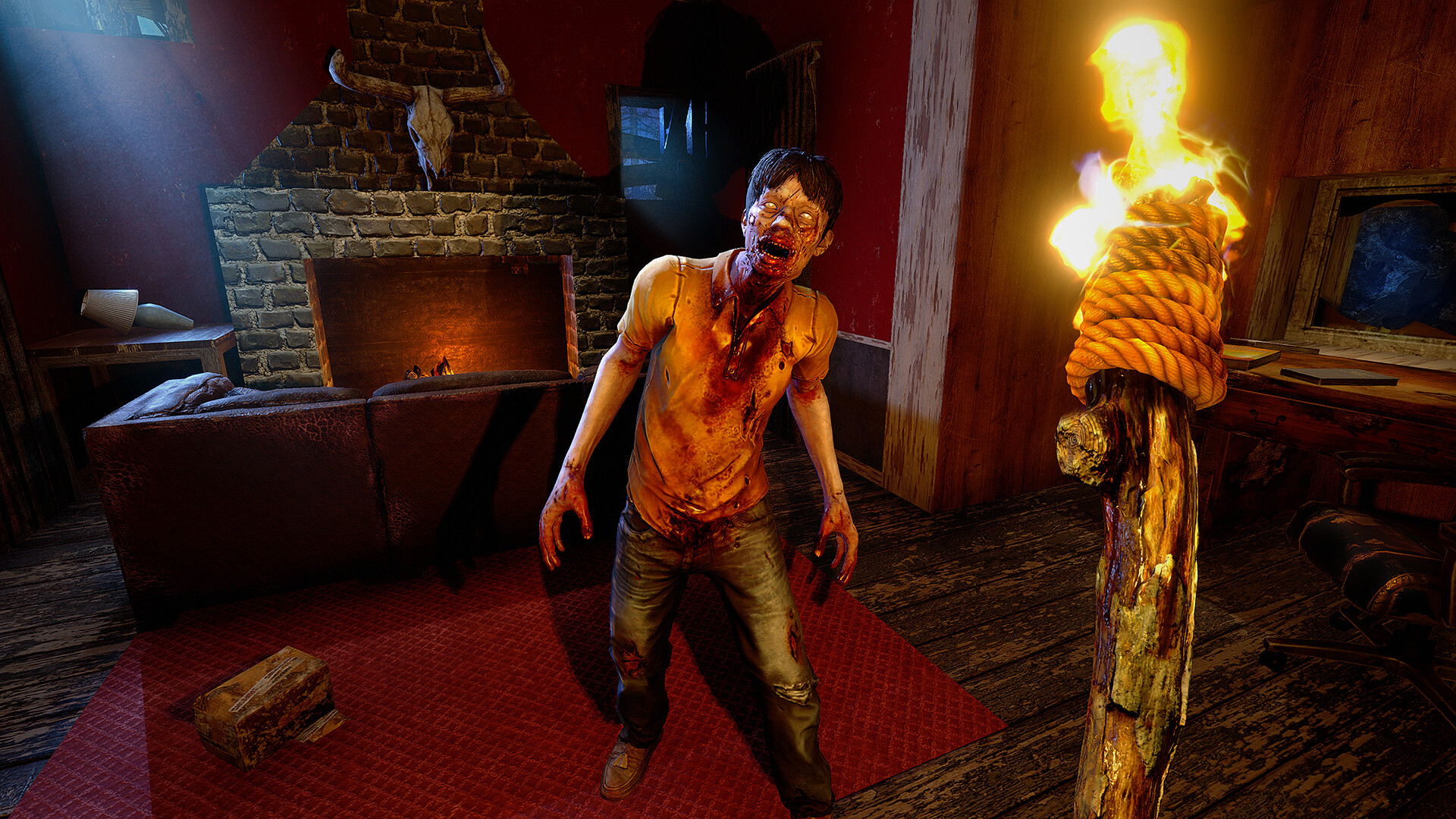
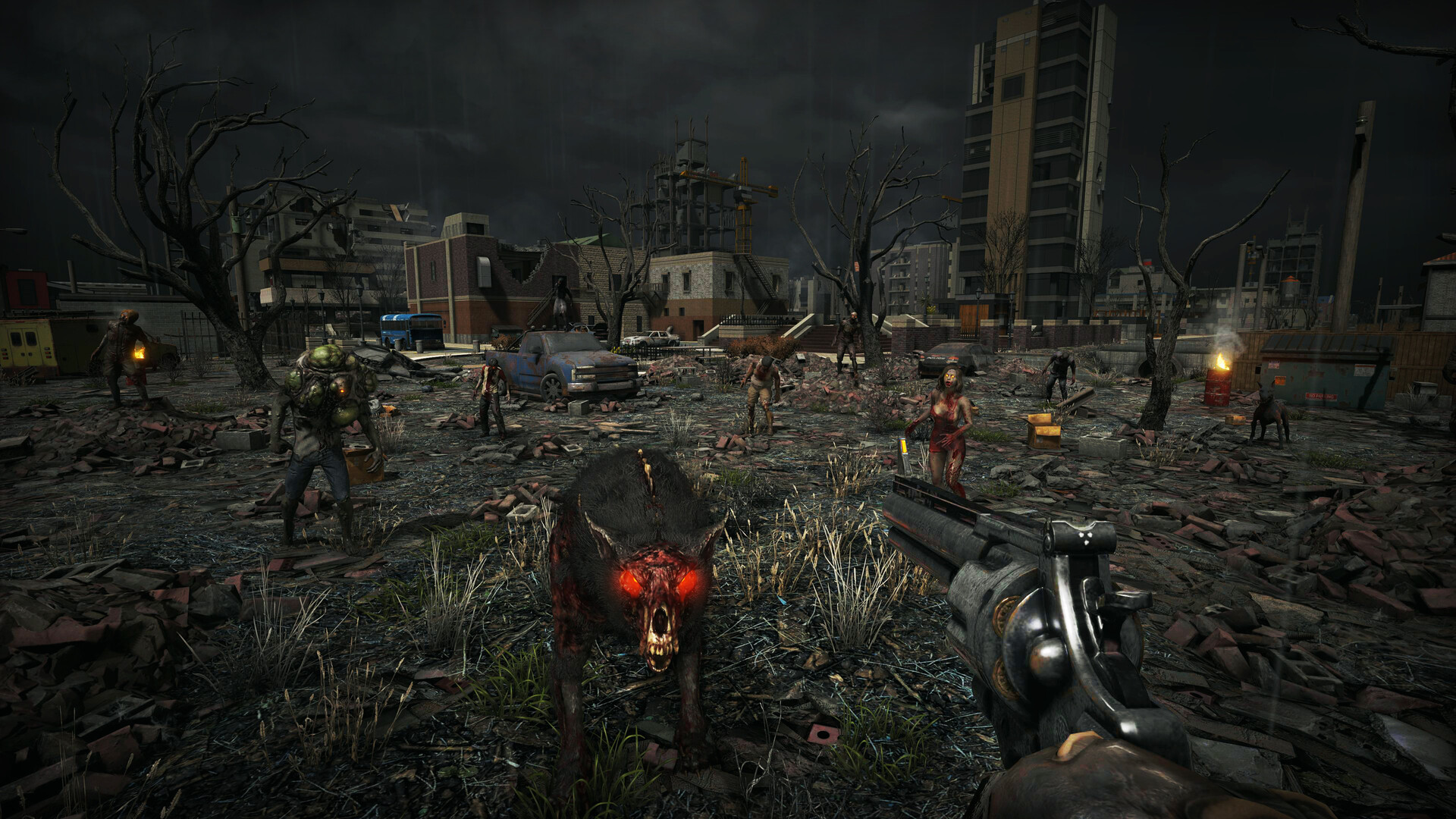
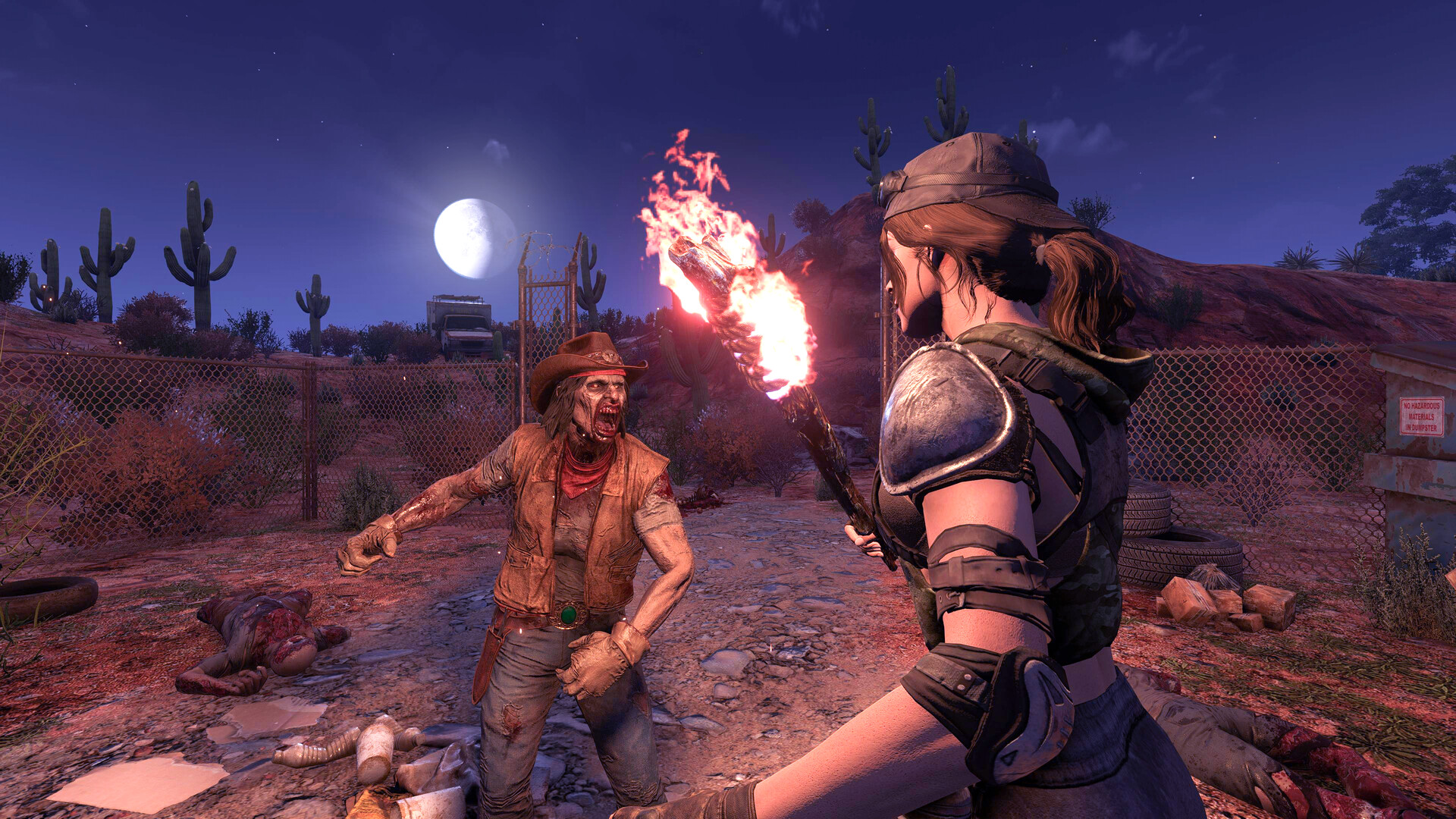
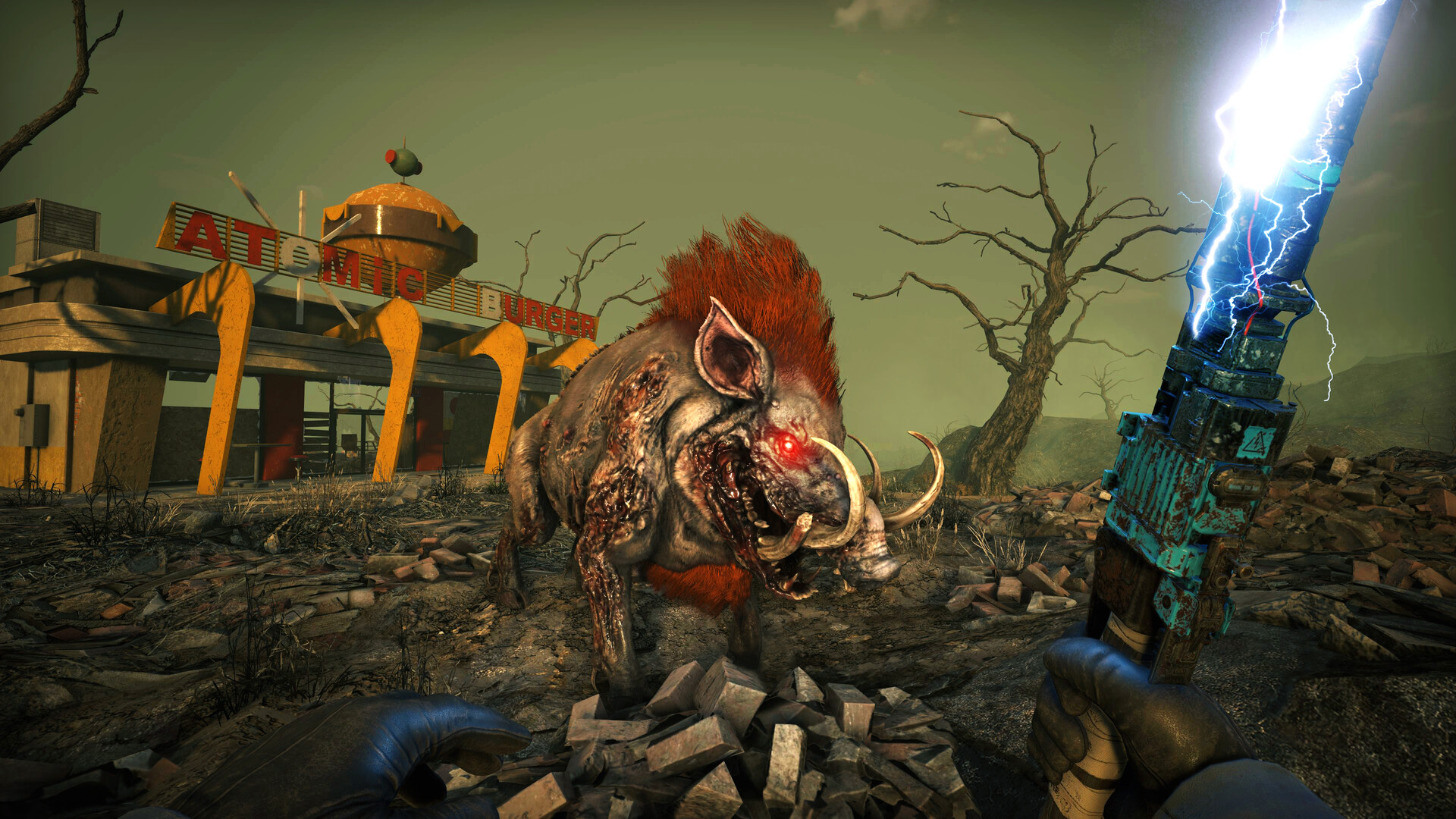
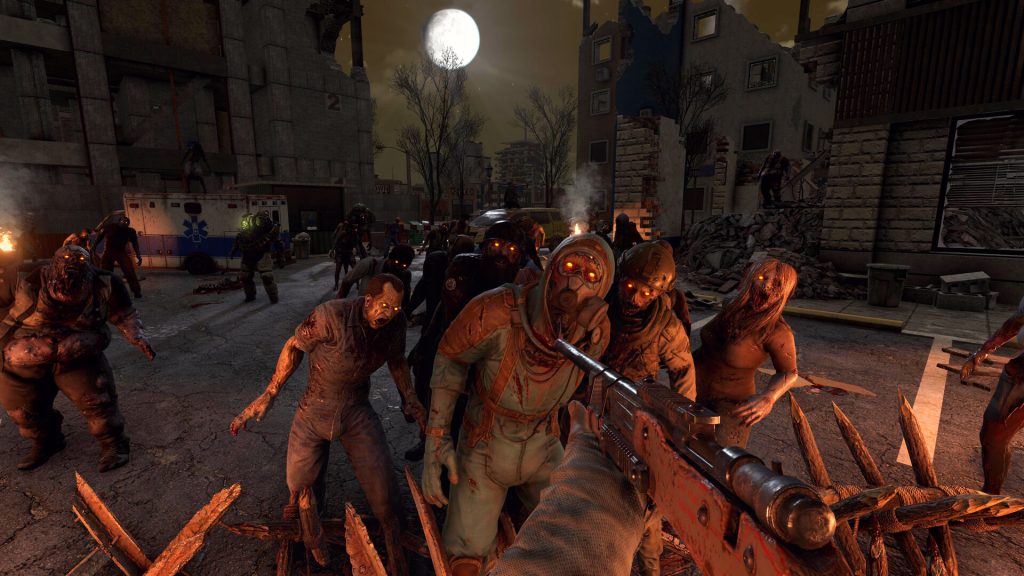
Zombies in 7 Days to Die are not just enemies—they are mechanics. Different types introduce different pressures: diggers undermine foundations, spitters disrupt safe zones, runners punish open layouts.
Importantly, zombie behavior evolves with player level and progression. The game responds to how you play, not just how long you survive.
This adaptive hostility ensures that no solution remains optimal forever. Every base design eventually faces a new problem.
5. Looting and Exploration: Risk vs. Preparation
Exploration in 7 Days to Die is driven by necessity. Players loot abandoned buildings for tools, food, schematics, and weapons.
These locations are dangerous, often filled with ambushes and environmental hazards. Entering a building is a gamble: resources gained versus time lost and risk taken.
This reinforces a key theme: preparation requires exposure. To survive the horde, you must repeatedly place yourself in danger beforehand.
6. Crafting, Skills, and Long-Term Planning
Progression systems in 7 Days to Die are broad and interconnected. Skills affect crafting efficiency, combat effectiveness, and survival capabilities.
Specialization matters. Players who spread points too thin often struggle. Teams benefit from defined roles—builder, scavenger, fighter, crafter.
This system rewards foresight. Early decisions shape late-game survivability. Poor planning does not lock you out—but it makes survival harder.
7. Psychological Pressure and the Blood Moon
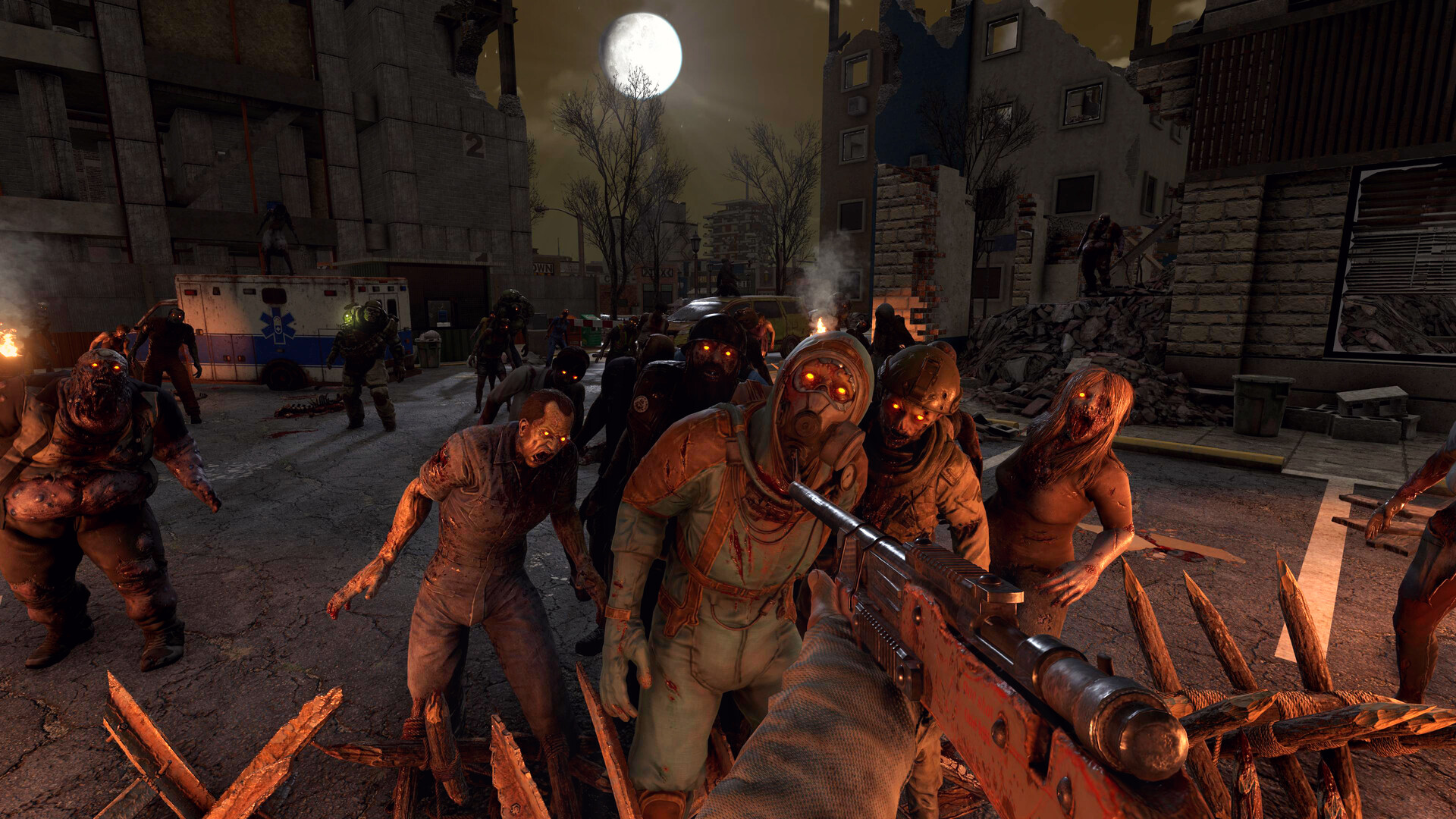
Few games create anticipation like the Blood Moon in 7 Days to Die. The red sky, ominous music, and relentless waves of enemies transform preparation into dread.
Players often spend entire in-game days reinforcing walls, crafting ammunition, and checking structural weak points. Anxiety builds long before the horde arrives.
This emotional arc is the game’s core achievement. The threat is predictable, but never comfortable. Knowing it is coming makes it worse—not easier.
8. Multiplayer: Shared Anxiety and Responsibility
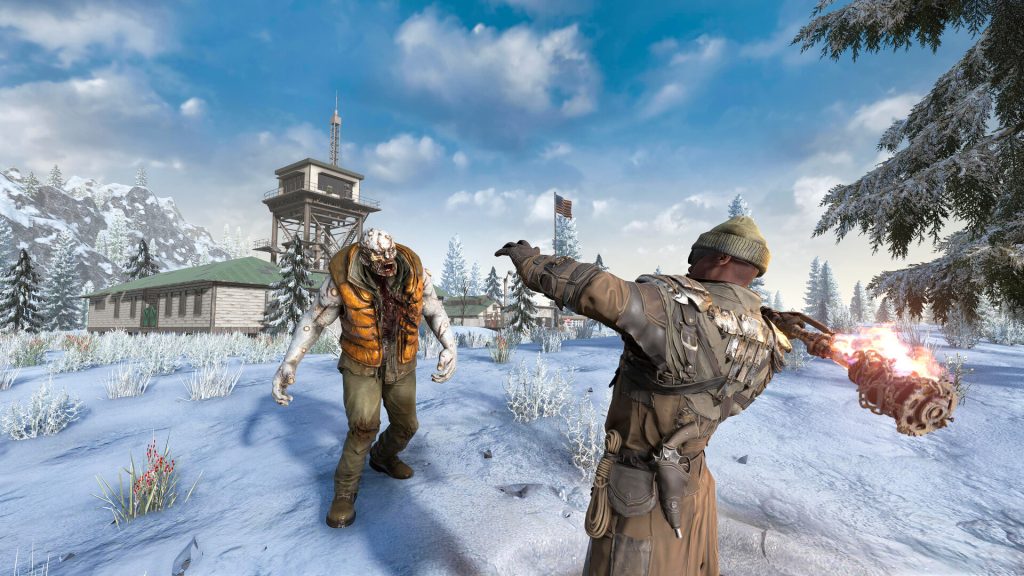
In multiplayer, 7 Days to Die becomes a social survival experiment. Cooperation amplifies both efficiency and pressure.
Teams must divide labor, coordinate defenses, and survive together on Blood Moon night. One weak link can doom everyone.
This shared vulnerability creates strong group dynamics. Success feels communal. Failure feels collective. The game naturally generates stories of panic, sacrifice, and recovery.
9. Progression Without Finality
7 Days to Die has no true end state. There is no final boss, no definitive victory screen.
Instead, the game encourages players to set their own goals: survive longer, build better bases, experiment with new designs, increase difficulty.
This open-endedness reinforces the game’s theme. Survival is ongoing. There is no moment when danger disappears—only moments when you are better prepared.
10. Limitations, Friction, and Identity
The game’s ambition introduces friction. Performance issues, long development cycles, and balance shifts can frustrate players.
Some systems feel rough or unfinished. Difficulty spikes may feel unfair. New players can be overwhelmed by complexity and lack of guidance.
However, these rough edges are inseparable from the game’s identity. 7 Days to Die prioritizes depth and systemic interaction over polish.
Pros
Unique cyclical survival structure with Blood Moon events
Deep base-building and structural mechanics
Zombies function as adaptive gameplay systems
Strong tension built through time pressure
Excellent cooperative multiplayer dynamics
Cons
Performance and optimization issues
Steep learning curve for new players
Long development history with uneven updates
Can feel punishing or exhausting
Limited narrative direction
Conclusion: Survival as a Habit, Not a Victory
7 Days to Die succeeds because it refuses to let players relax. It does not promise safety—it promises another test. Every success simply resets the countdown.
For players who enjoy long-term survival planning, systemic problem-solving, and games that reward preparation under pressure, 7 Days to Die offers a uniquely tense and enduring experience. It is not about escaping the apocalypse.
It is about learning how to live with it – seven days at a time.