

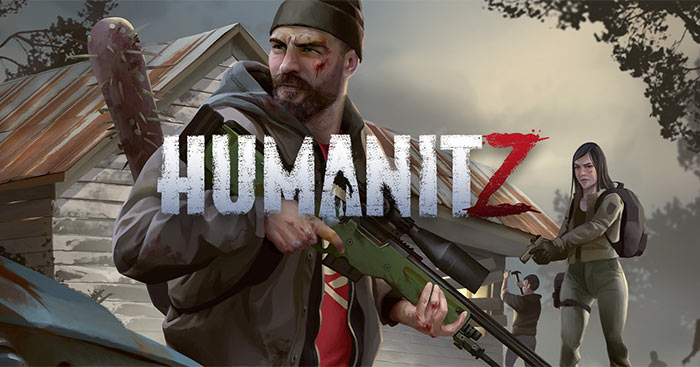
HumanitZ – Fragile Humanity, Persistent Consequences, and Survival Without Spectacle

Introduction: When Survival Is Quietly Personal
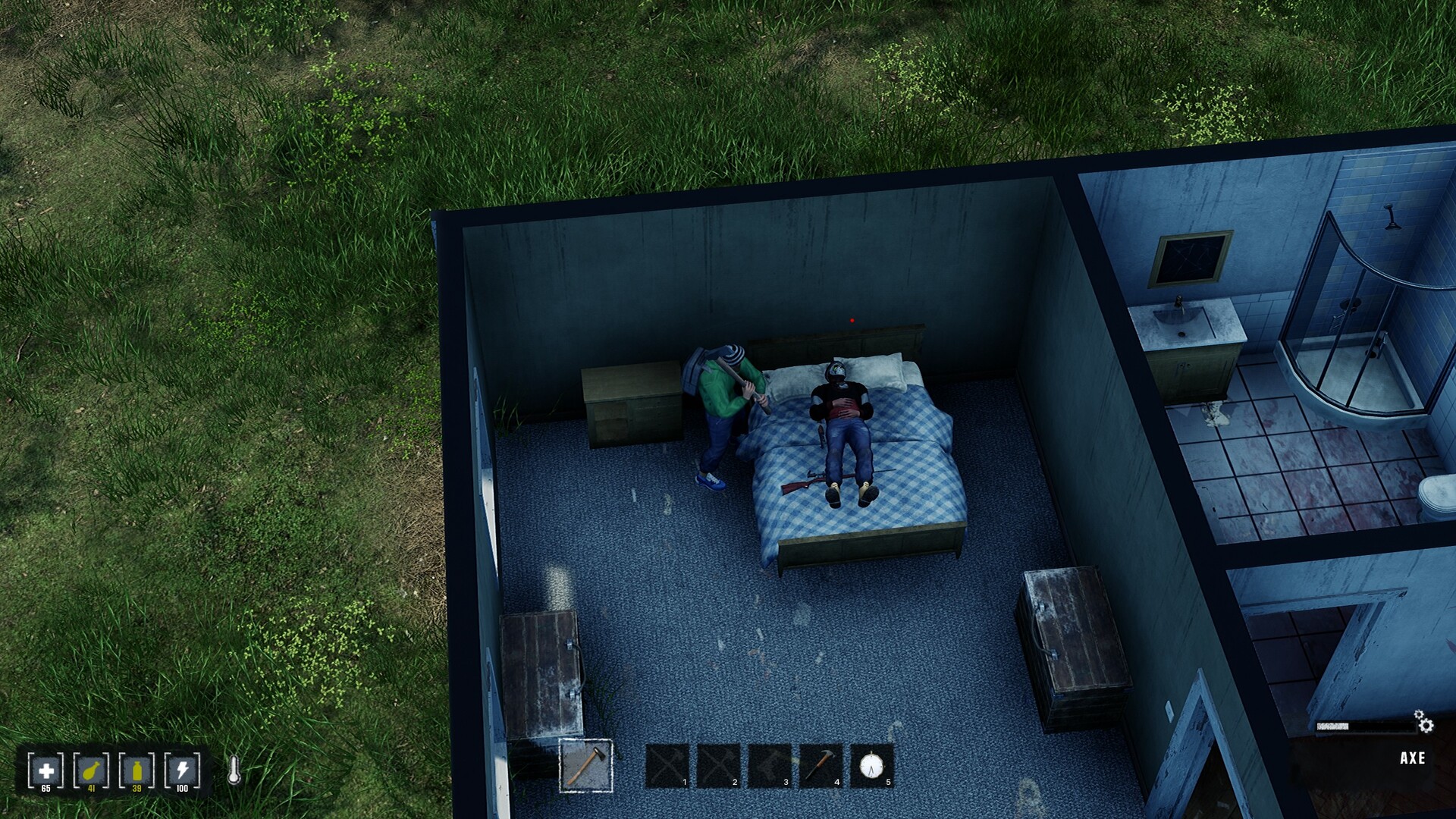
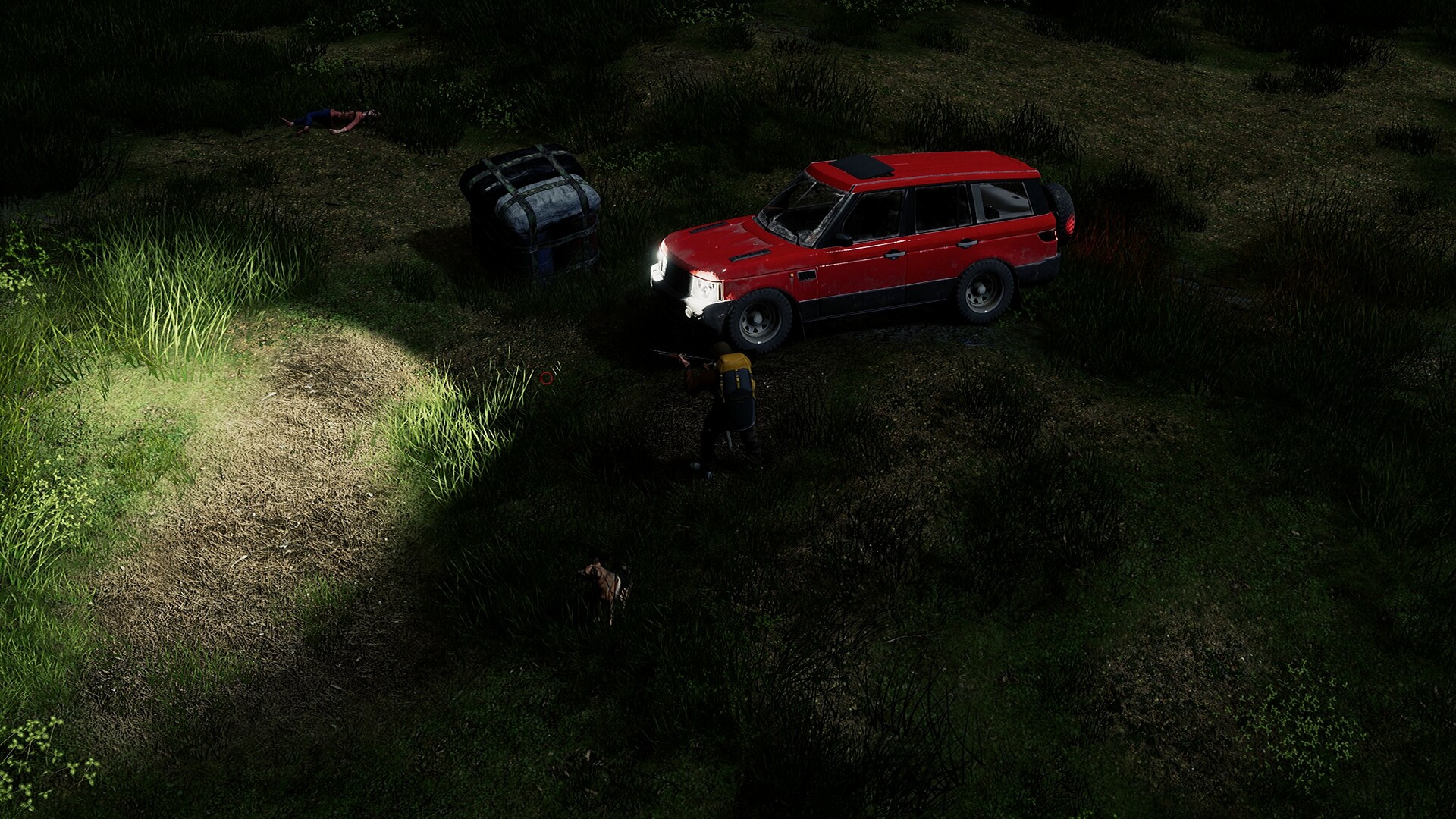
HumanitZ does not open with cinematic destruction or heroic urgency. Instead, it places the player into a world already lost, where survival is no longer dramatic—it is routine. Civilization has collapsed, not explosively, but gradually, leaving behind empty structures, scarce resources, and a lingering sense that the worst has already happened.
HumanitZ distinguishes itself within the zombie survival genre by rejecting spectacle. There are no power fantasies, no exaggerated weapons, and no artificial escalation designed to thrill. What it offers instead is continuity: survival as a sustained condition rather than a series of dramatic moments. This review explores HumanitZ as a systems-driven survival experience, focusing on its emphasis on persistence, player responsibility, and the emotional weight of long-term consequence.
Quick Info (Overview Box)
Release Year: 2023 (Early Access)
Genre: Isometric survival / Zombie apocalypse
Platforms: PC
Game Modes: Single-player, Online co-op
Target Audience: Players who enjoy grounded survival systems, slow pacing, and long-term decision-making
1. Core Design Philosophy: Survival Without Escalation
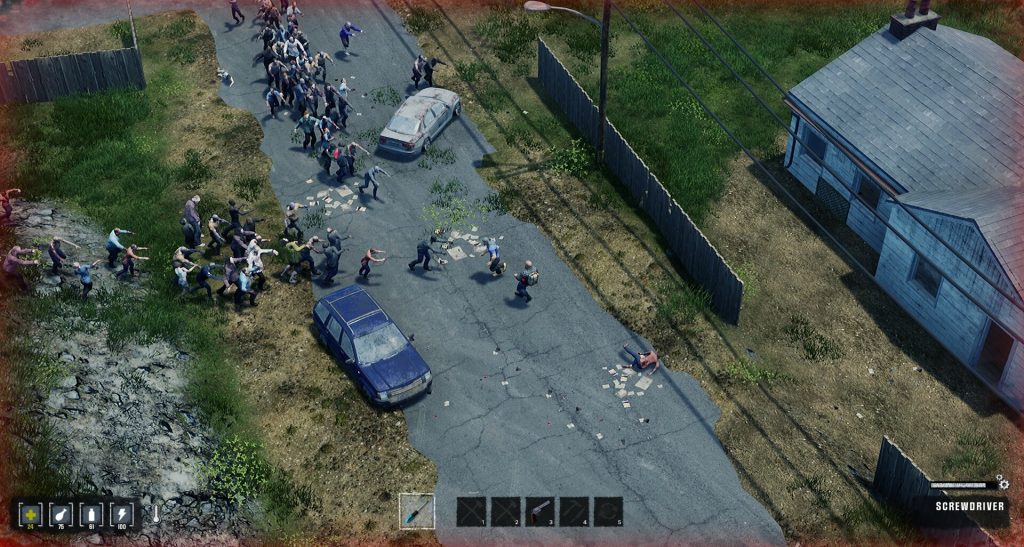
The defining philosophy of HumanitZ is restraint. The game does not escalate danger through scripted events or artificial difficulty spikes. Instead, it relies on consistency.
Zombies remain threatening not because they grow absurdly powerful, but because the player remains fragile. Resources stay scarce. Mistakes remain costly. Familiar areas never become entirely safe.
This approach reframes difficulty. HumanitZ does not ask players to overcome the apocalypse—it asks them to exist within it. Survival is not a climb toward dominance, but a constant negotiation with risk.
2. Isometric Perspective and Emotional Distance
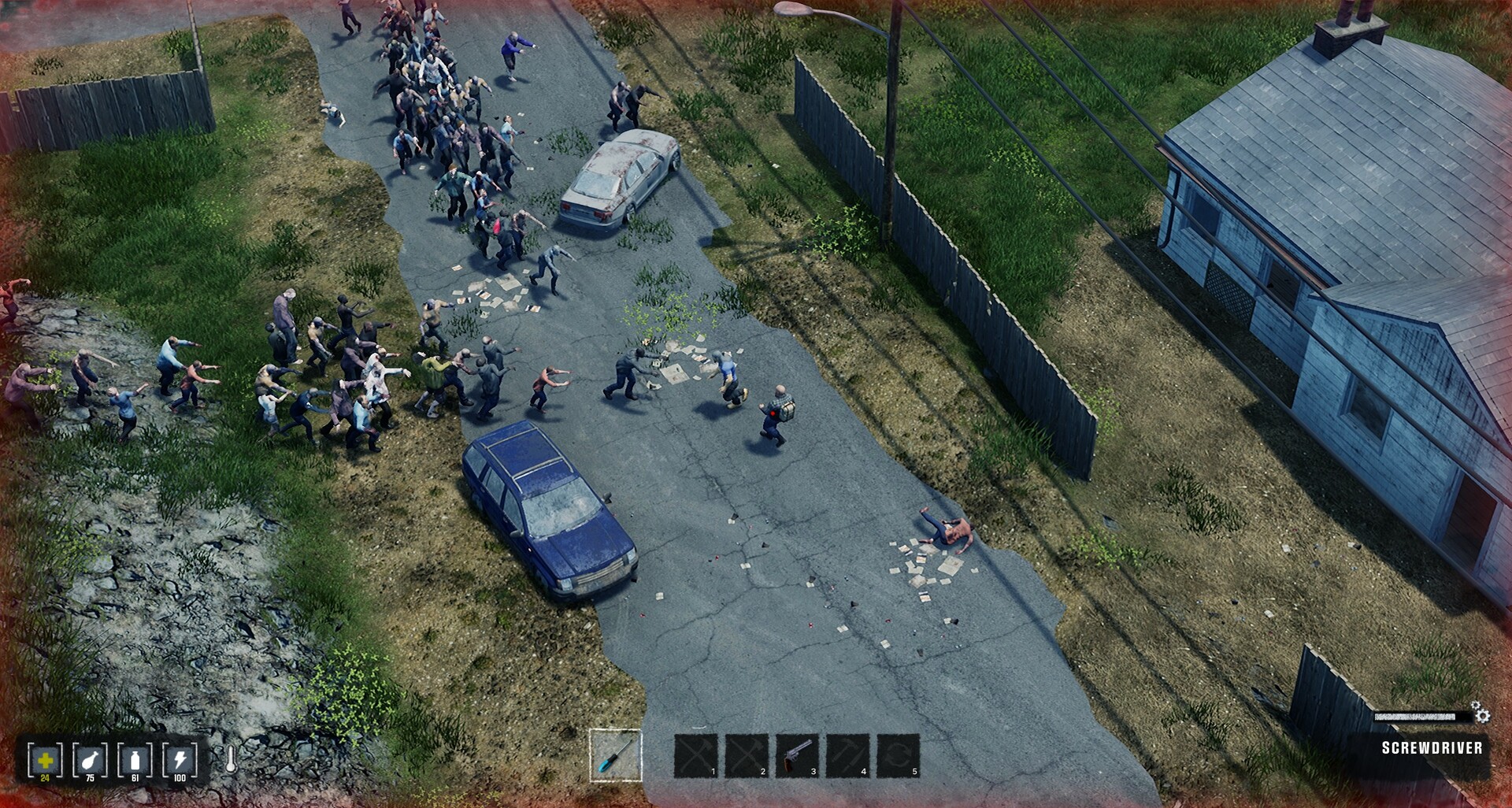
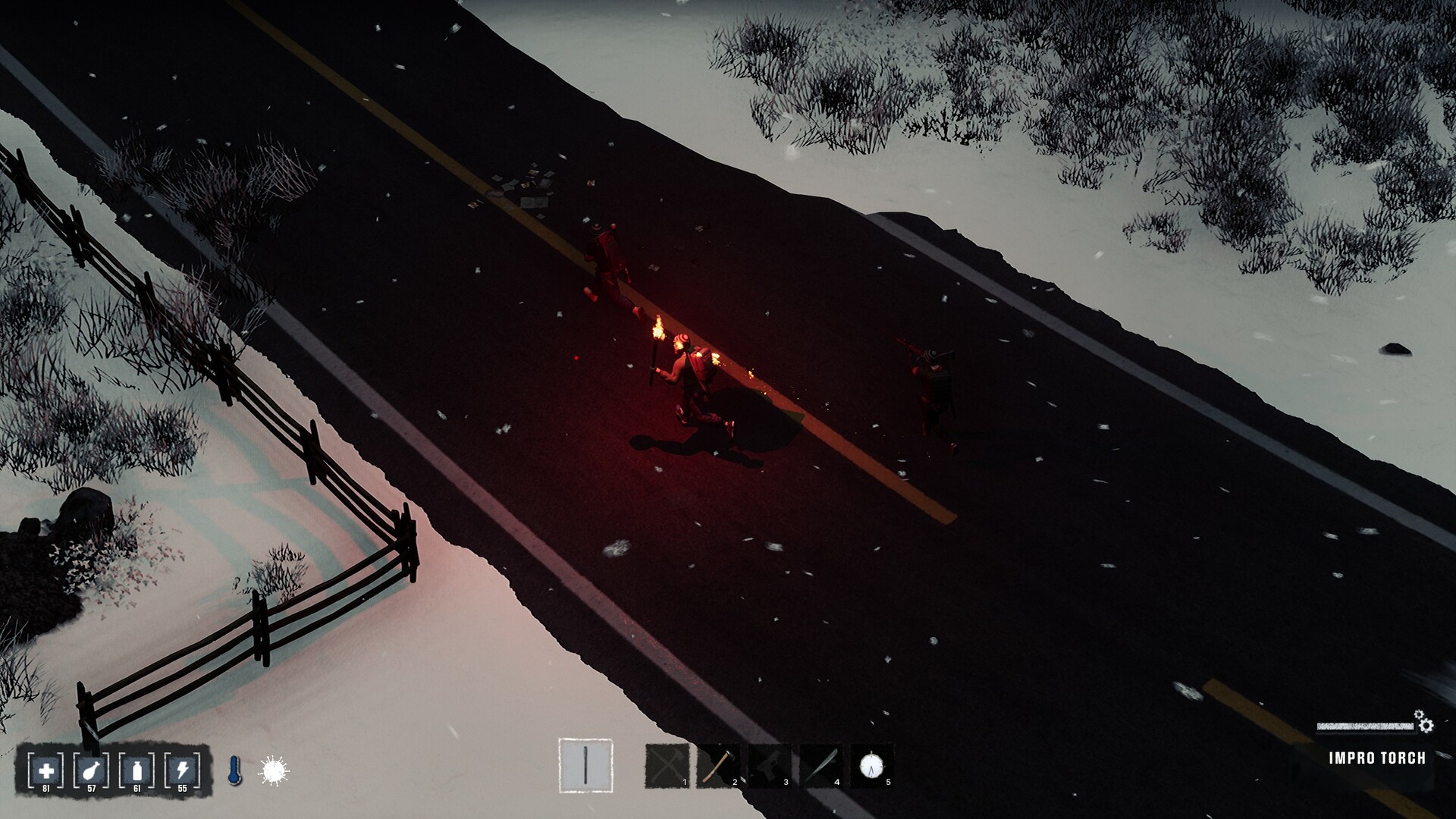
The isometric camera in HumanitZ creates a subtle but important emotional effect. Players observe their character from a slight distance, which reduces immediate immersion but increases situational awareness.
This perspective encourages planning rather than panic. You see threats approaching, but you also see how limited your options are. There is no cinematic framing to elevate danger—only spatial reality.
The result is a quieter tension. Fear is not sudden; it is anticipatory. The camera does not dramatize events—it documents them.
3. Movement, Stamina, and Physical Limitation
Movement in HumanitZ is deliberately constrained. Characters tire easily. Sprinting is a limited resource. Carrying too much slows you down.
These physical limitations define playstyle. You cannot outrun danger indefinitely. You cannot hoard without consequence. Every movement decision has weight.
This creates a grounded rhythm. Players learn to move deliberately, to avoid unnecessary exertion, and to retreat early rather than late. The game teaches caution not through instruction, but through exhaustion.
4. Combat as Last Resort
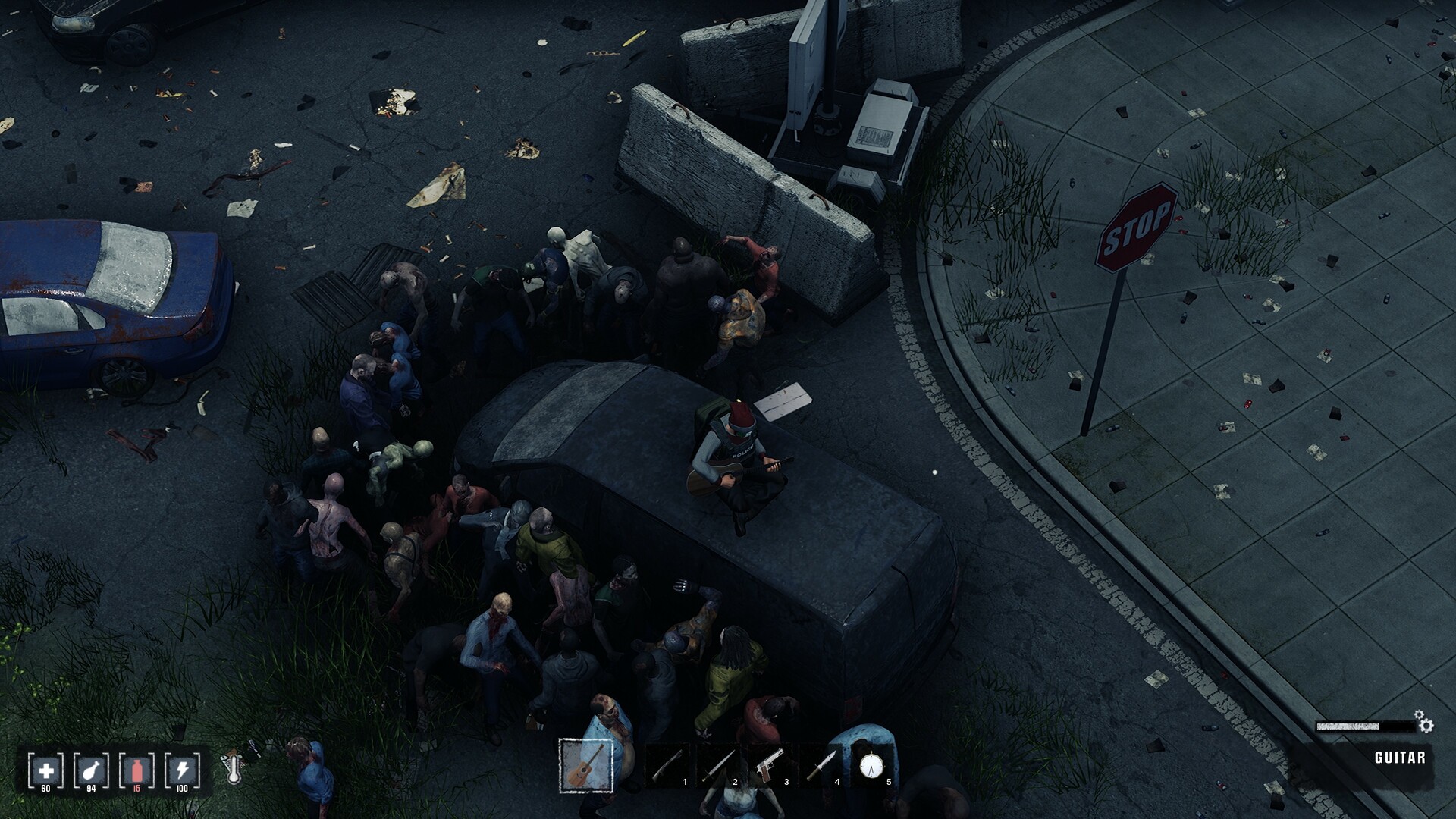
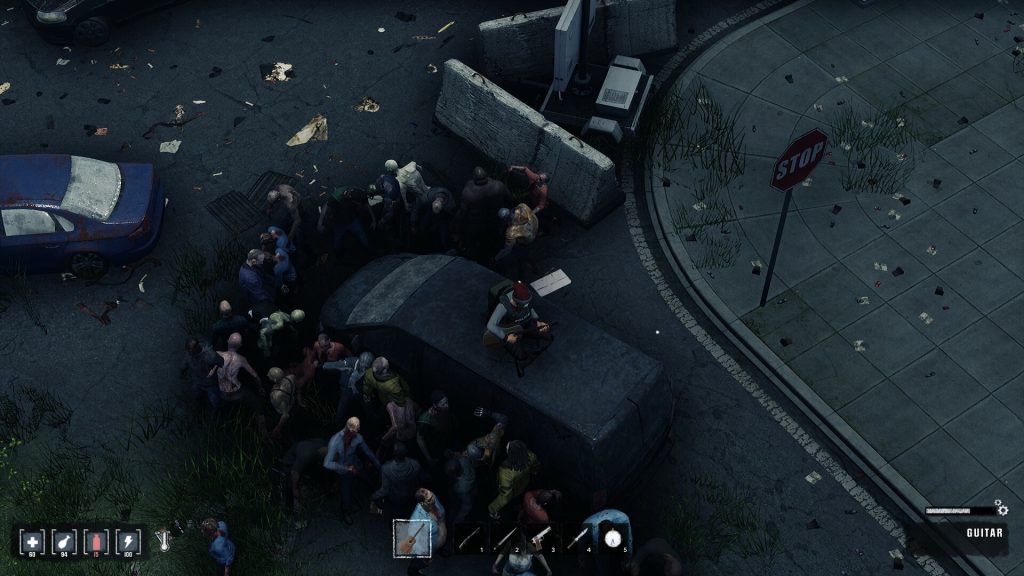
Combat in HumanitZ is intentionally unsatisfying—and that is by design. Weapons are crude, ammunition is limited, and even basic fights carry significant risk.
Zombies are dangerous in numbers, but even single enemies can be fatal if mishandled. Injuries persist. Healing takes time and resources.
This discourages aggression. Players learn quickly that avoiding conflict is often smarter than winning it. Combat becomes a contingency plan, not a strategy.
5. Resource Scarcity and Psychological Pressure
Scarcity in HumanitZ is not dramatic—it is constant. Food, medicine, ammunition, and tools are all limited, and replenishment is uncertain.
This creates a persistent psychological burden. Players are never fully stocked. There is always something missing, something running low.
Over time, this scarcity reshapes behavior. Players become conservative, cautious, and risk-averse. The game rewards planning and restraint over bravery.
6. Injury, Illness, and Consequence
One of HumanitZ’s most impactful systems is its treatment of injury and illness. Wounds do not vanish after combat. Sickness lingers. Poor decisions echo forward.
This persistence makes every encounter meaningful. A single mistake can compromise days of progress. Recovery is slow and imperfect.
The game uses physical vulnerability to create emotional investment. Survival feels earned not because it is difficult, but because it is fragile.
7. Exploration: Familiar Spaces, Empty Meaning
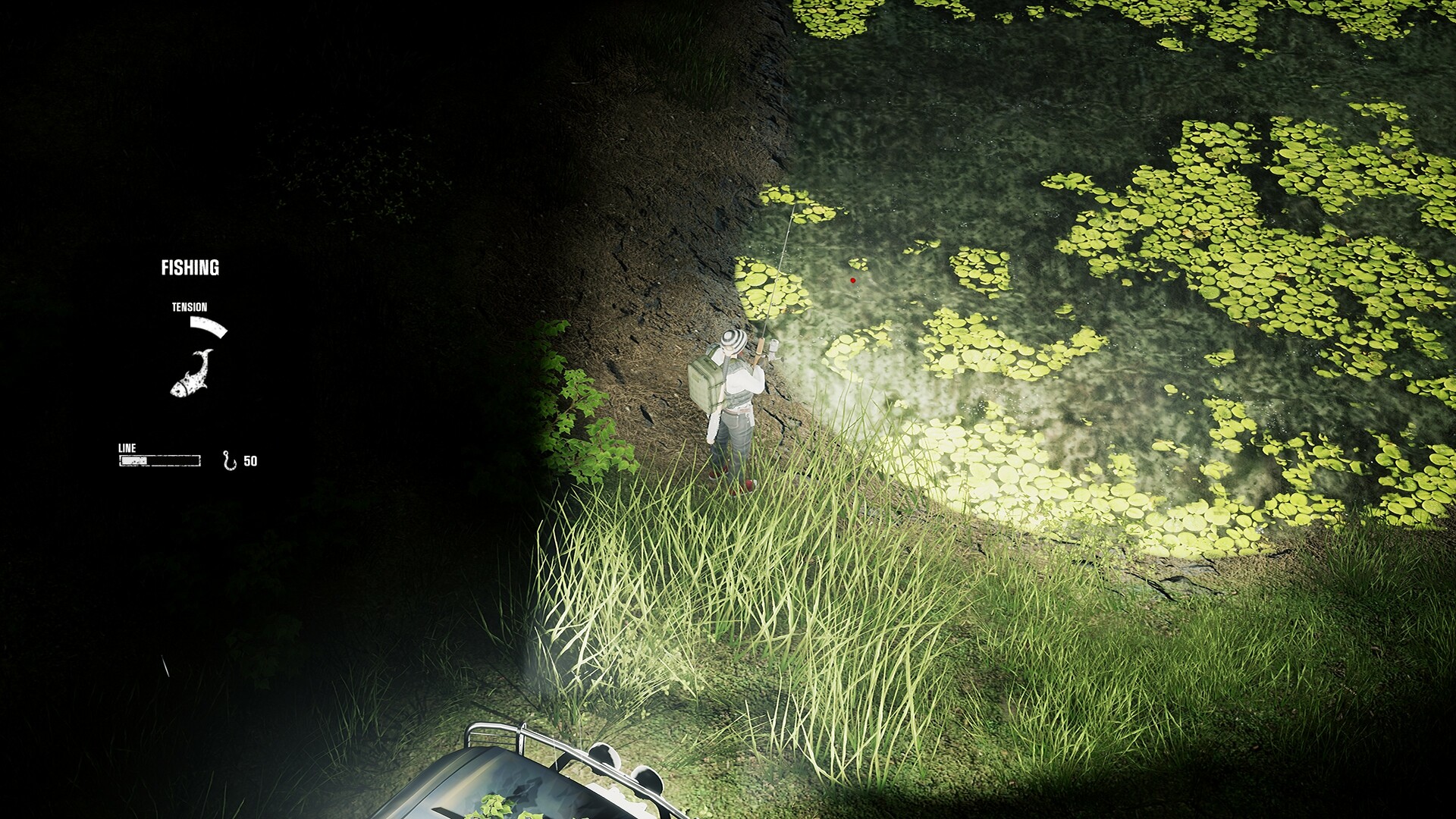
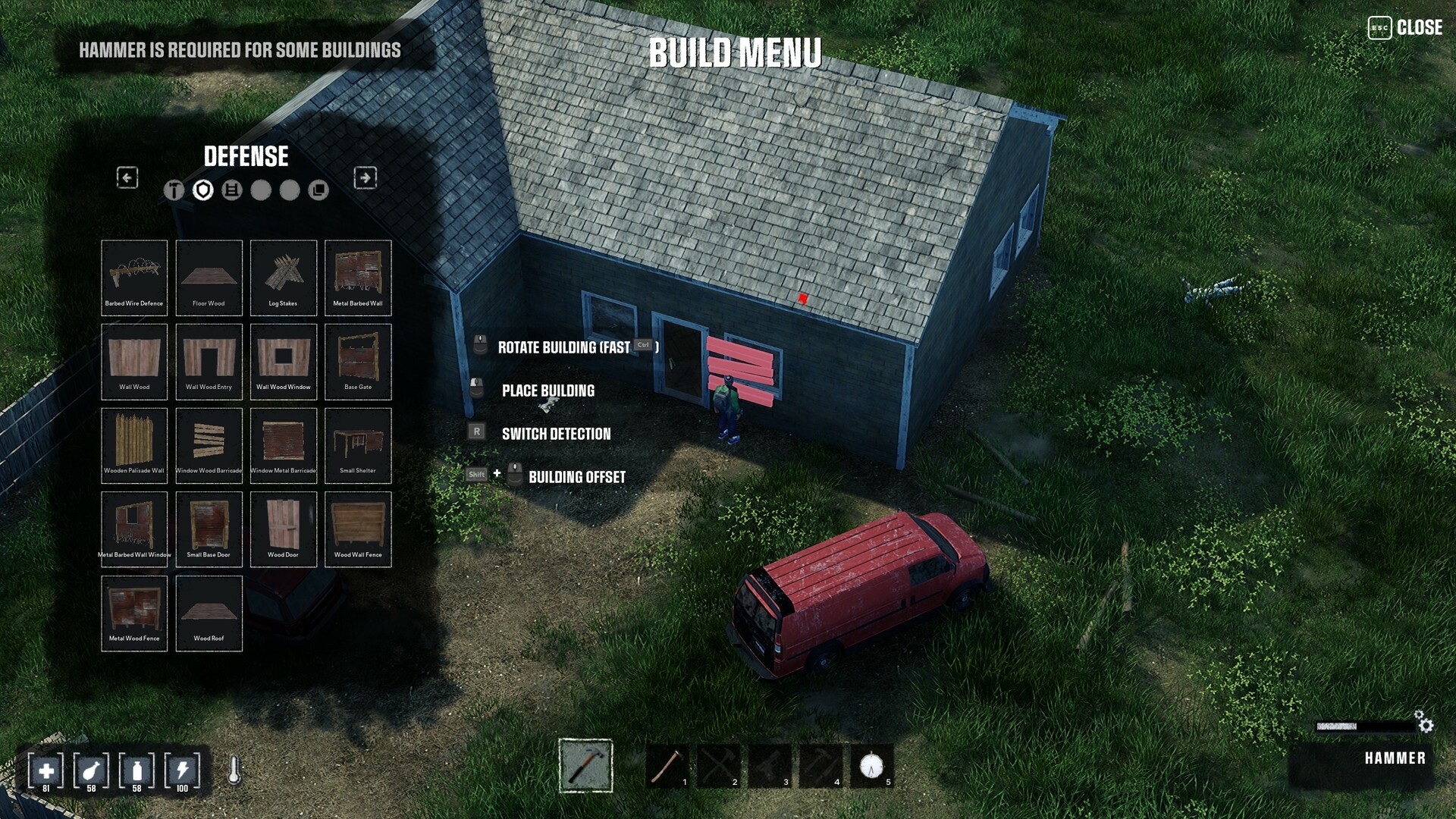
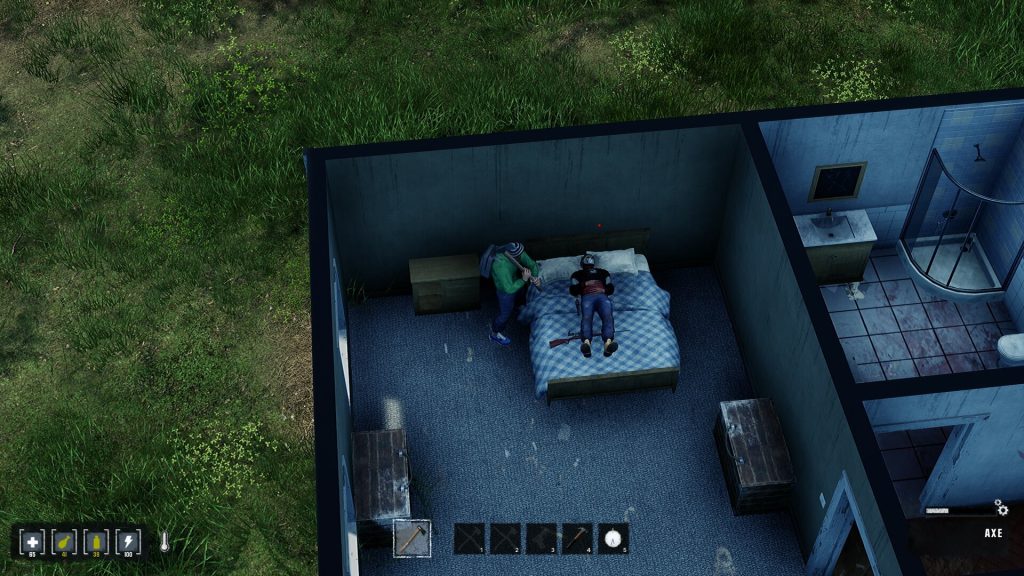
Exploration in HumanitZ involves moving through familiar human spaces—homes, stores, warehouses—that have lost their purpose.
These environments rarely reward curiosity with lore or spectacle. Instead, they offer practical resources and quiet reminders of absence.
This design choice reinforces tone. The apocalypse is not theatrical—it is mundane. The world feels abandoned, not ruined, which makes survival feel lonelier.
8. Co-op Play: Shared Fragility
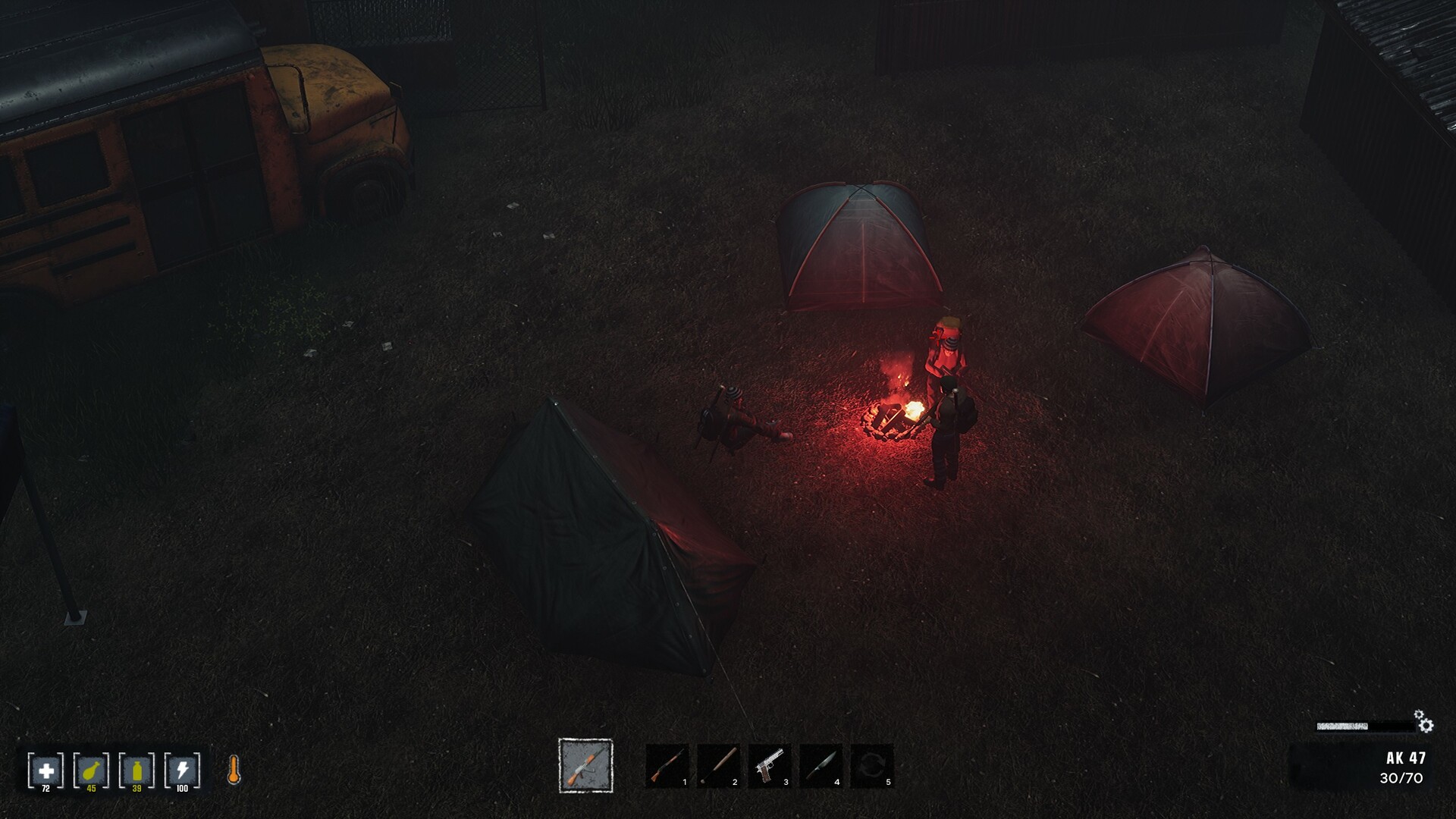
In multiplayer, HumanitZ becomes a study in shared vulnerability. Cooperation improves survival odds, but does not remove danger.
Players must coordinate movement, share resources, and protect each other during retreat. One person’s mistake can end the group.
This shared risk strengthens emotional bonds. Success feels collective. Failure feels mutual. The game does not allow individuals to carry the team alone.
9. Pacing: Slow Time, Heavy Decisions
HumanitZ moves slowly. Travel takes time. Actions consume stamina. Recovery is gradual.
This pacing encourages reflection. Players are rarely overwhelmed by stimuli, but are constantly aware of long-term implications.
The absence of dramatic escalation allows tension to accumulate organically. The game respects patience, even when it becomes uncomfortable.
10. Limitations, Roughness, and Intent
As an Early Access title, HumanitZ shows rough edges. Animations can feel stiff. Systems lack polish. Content depth is still evolving.
However, these imperfections do not undermine the game’s identity. In some ways, they reinforce it. The experience feels raw, unfinished, and uncertain—much like the world it depicts.
HumanitZ does not attempt to be everything. It commits to a narrow vision and accepts its trade-offs.
Pros
Grounded survival systems with lasting consequences
Strong emphasis on planning and restraint
Persistent injury and resource management add emotional weight
Co-op enhances tension and shared responsibility
Consistent tone without artificial escalation
Cons
Slow pacing may deter action-oriented players
Combat lacks depth for skill-focused audiences
Early Access roughness and limited content
Minimal narrative direction
Steep learning curve for new players
Conclusion: Survival Without Illusion
HumanitZ is a survival game that strips away illusion. It does not pretend that survival is exciting, empowering, or heroic. It presents it as exhausting, fragile, and ongoing.
For players who seek a zombie experience grounded in realism, consequence, and emotional restraint, HumanitZ offers something rare: a world where survival is not about winning, but about continuing.
It does not ask how you will save the world.
It asks how long you can live in it
without losing yourself.