

One Move Away – Minimalist Systems, Emotional Weight, and the Quiet Complexity of Leaving
Introduction: When Progress Means Letting Go
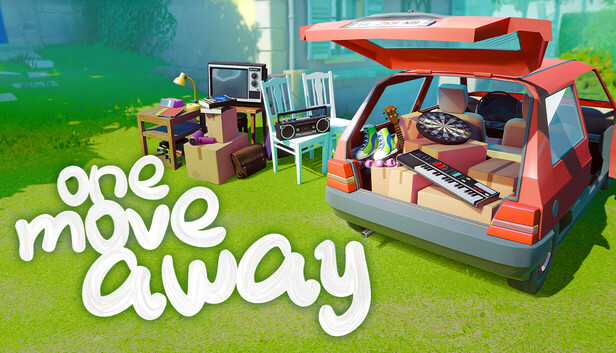
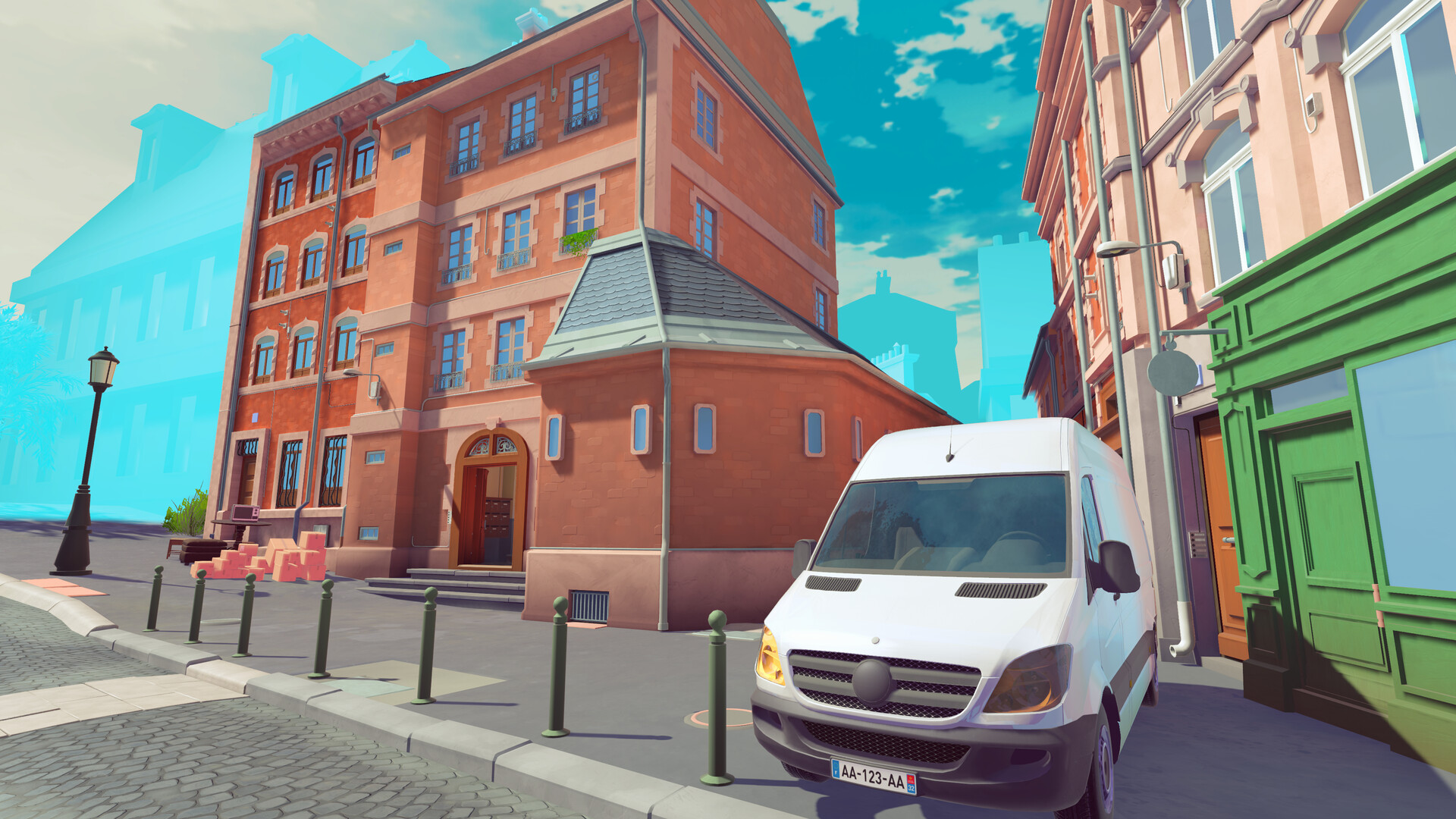
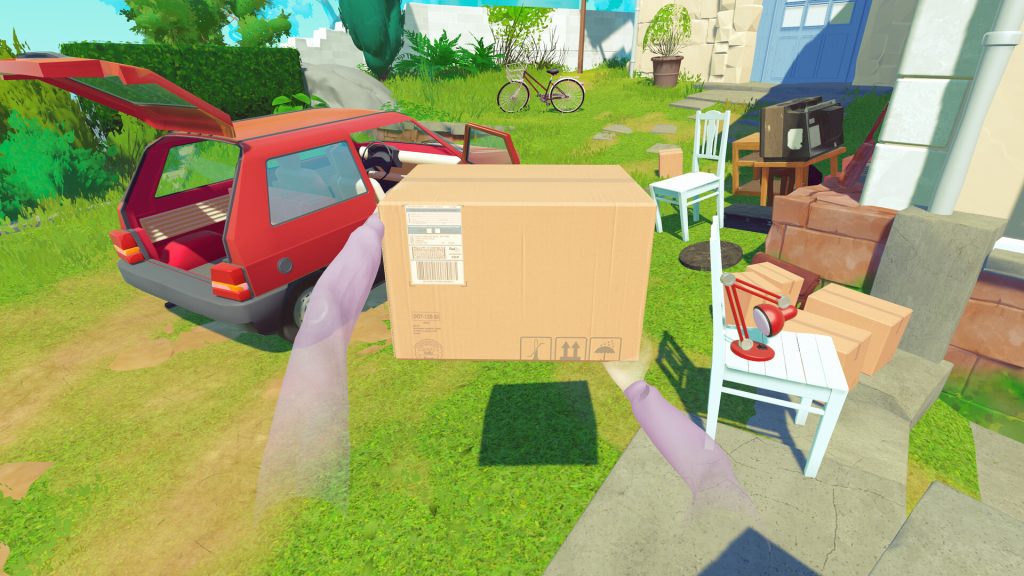
One Move Away is not about victory, speed, or mastery in the traditional sense. It is about transition. It takes a moment most people recognize—packing up a life and moving on—and turns it into an interactive meditation on memory, attachment, and choice. There are no enemies to defeat, no score to optimize, and no pressure to perform well. Instead, the game asks something subtler: what do you take with you, and what do you leave behind?
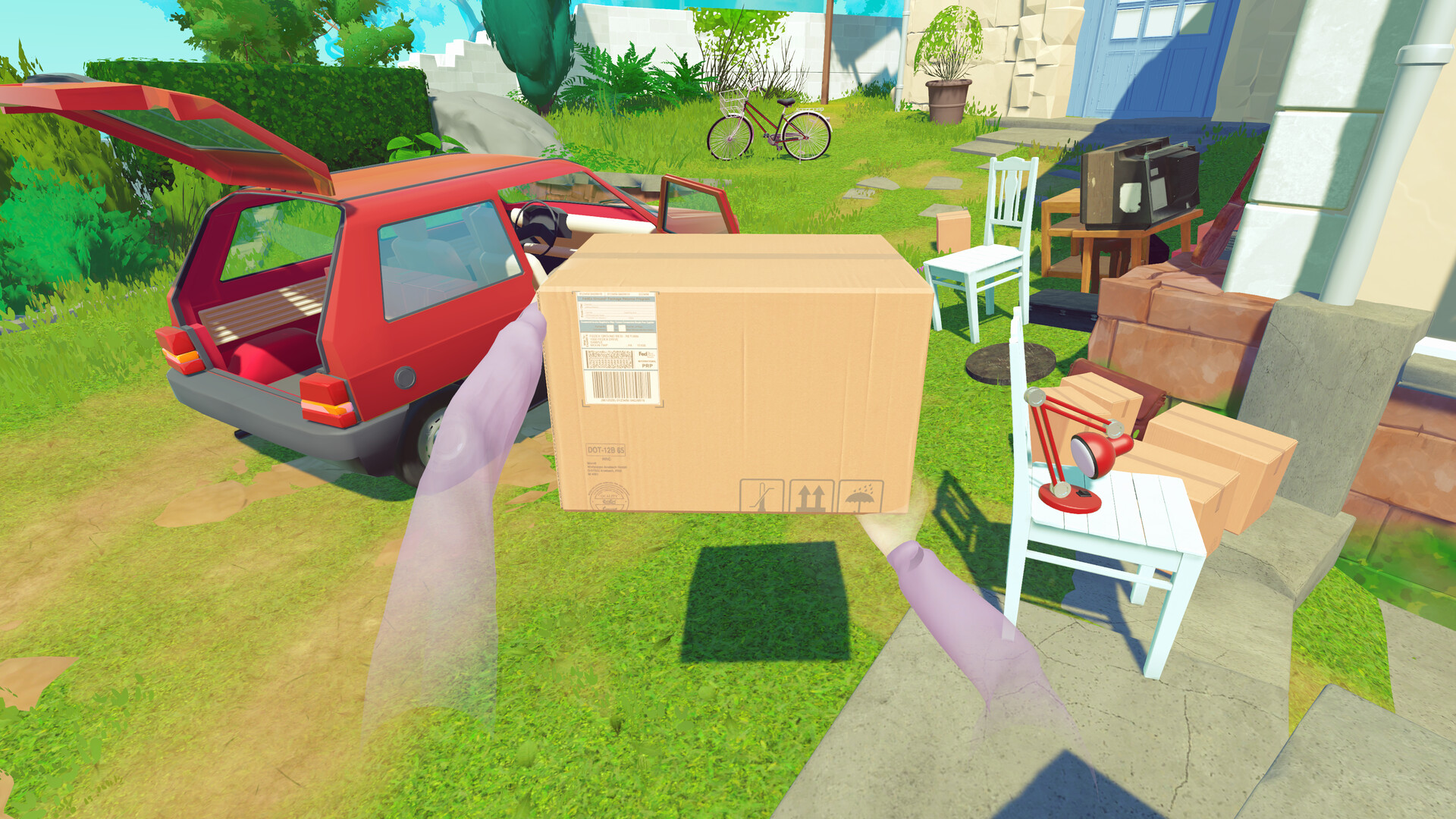
On the surface, One Move Away appears simple. You pack objects into boxes. You organize rooms. You solve spatial puzzles. But beneath this mechanical calm lies an emotional structure that gives weight to every action. This review examines One Move Away as a systems-driven narrative experience, focusing on how minimalist mechanics, environmental storytelling, and player agency transform mundane tasks into a quiet but powerful reflection on change.
Quick Info (Overview Box)
Release Year: 2024
Genre: Puzzle / Narrative / Indie
Platforms: PC
Game Modes: Single-player
Target Audience: Players who enjoy introspective games, environmental storytelling, and emotionally grounded puzzle experiences
1. Core Design Philosophy: Meaning Through Simplicity
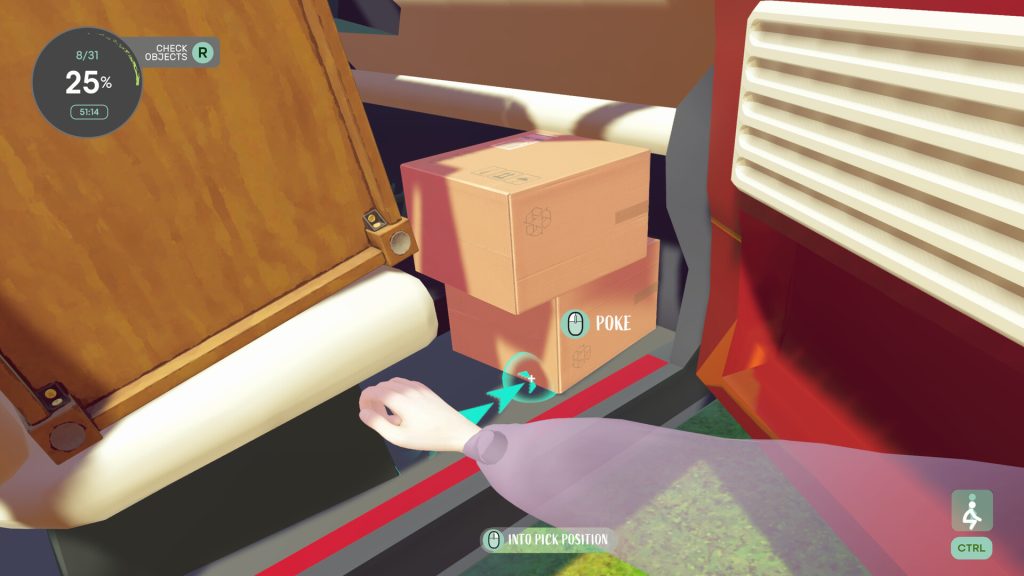
The defining principle of One Move Away is restraint. The game does not overload the player with mechanics, tutorials, or UI elements. Instead, it introduces a small set of interactions and allows meaning to emerge organically.
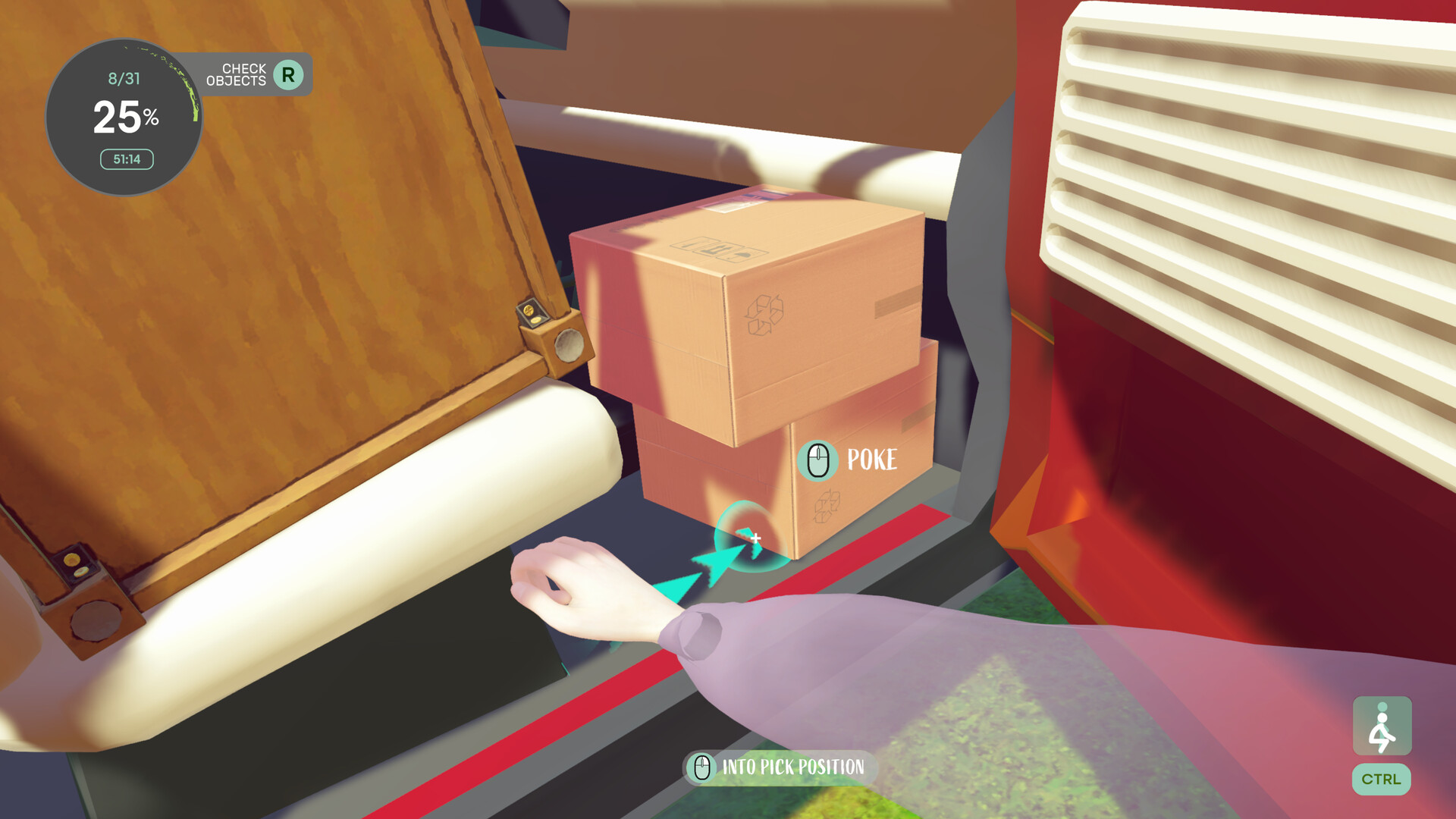
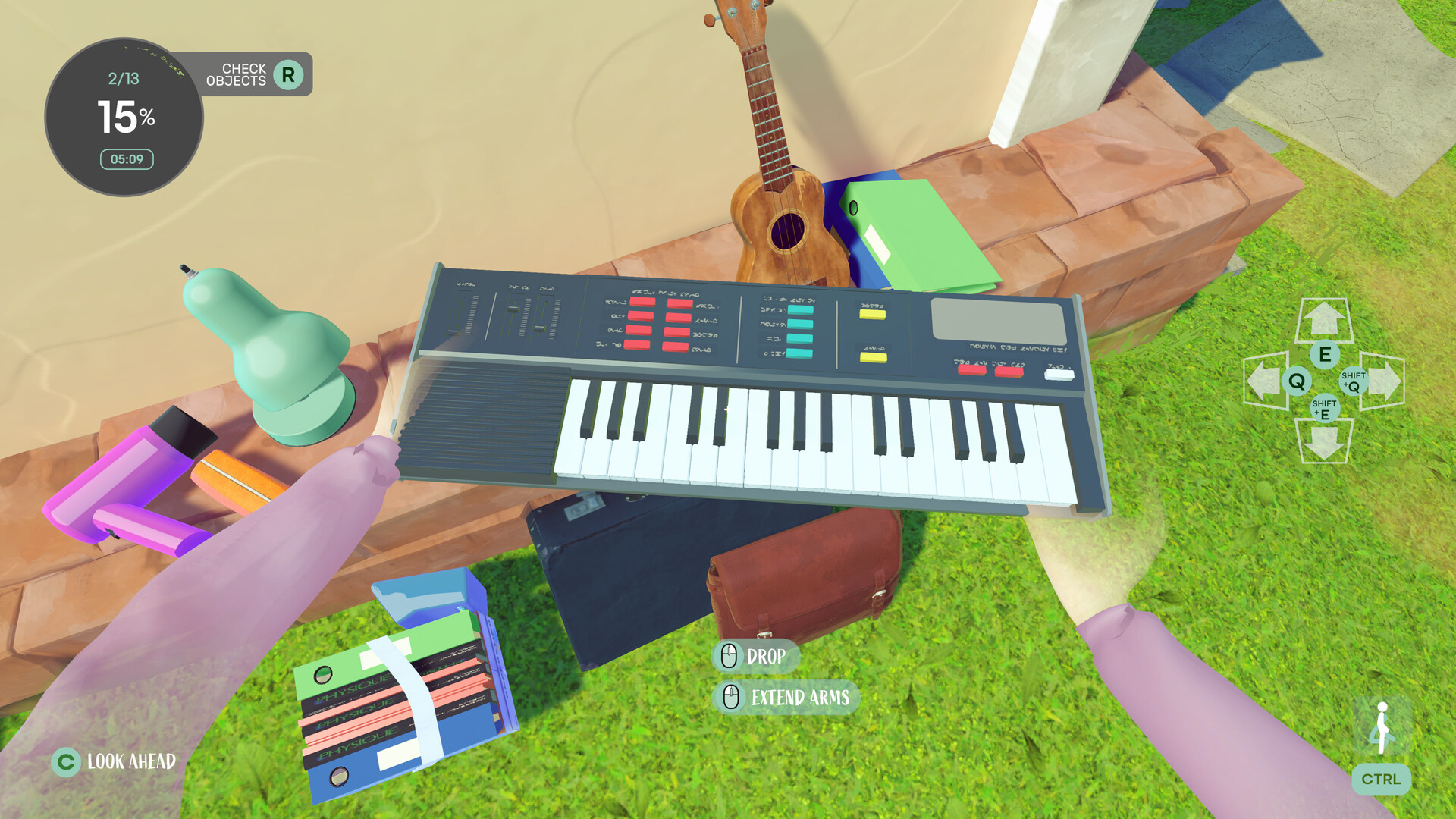
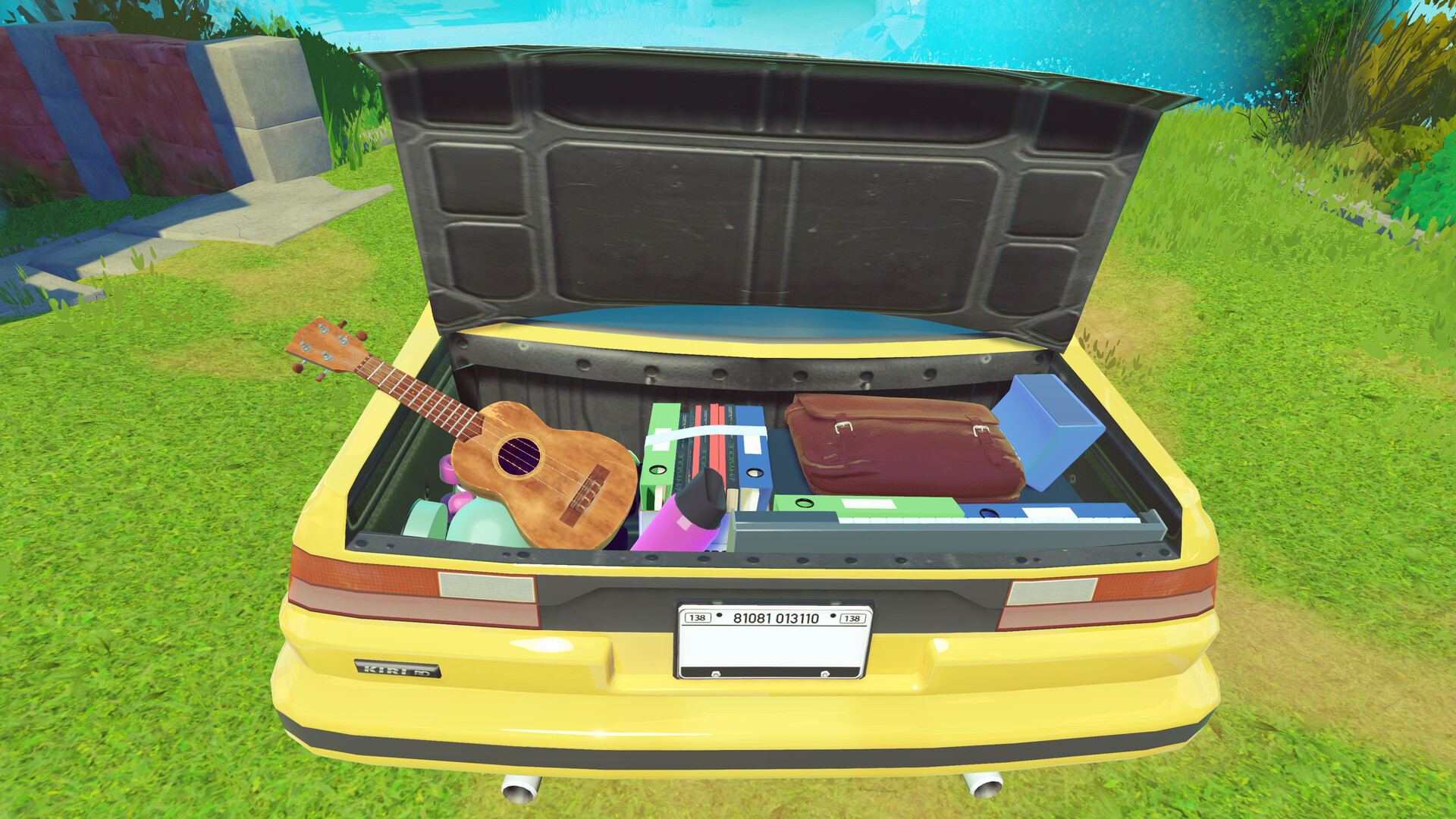
Packing objects into boxes is mechanically straightforward, but the act becomes significant through context. Items are not interchangeable. A book is not just a shape—it represents time spent, interests cultivated, or moments remembered.
By keeping systems simple, the game leaves room for interpretation. It trusts players to project meaning onto actions rather than instructing them how to feel.
2. The Puzzle Language: Space as Decision
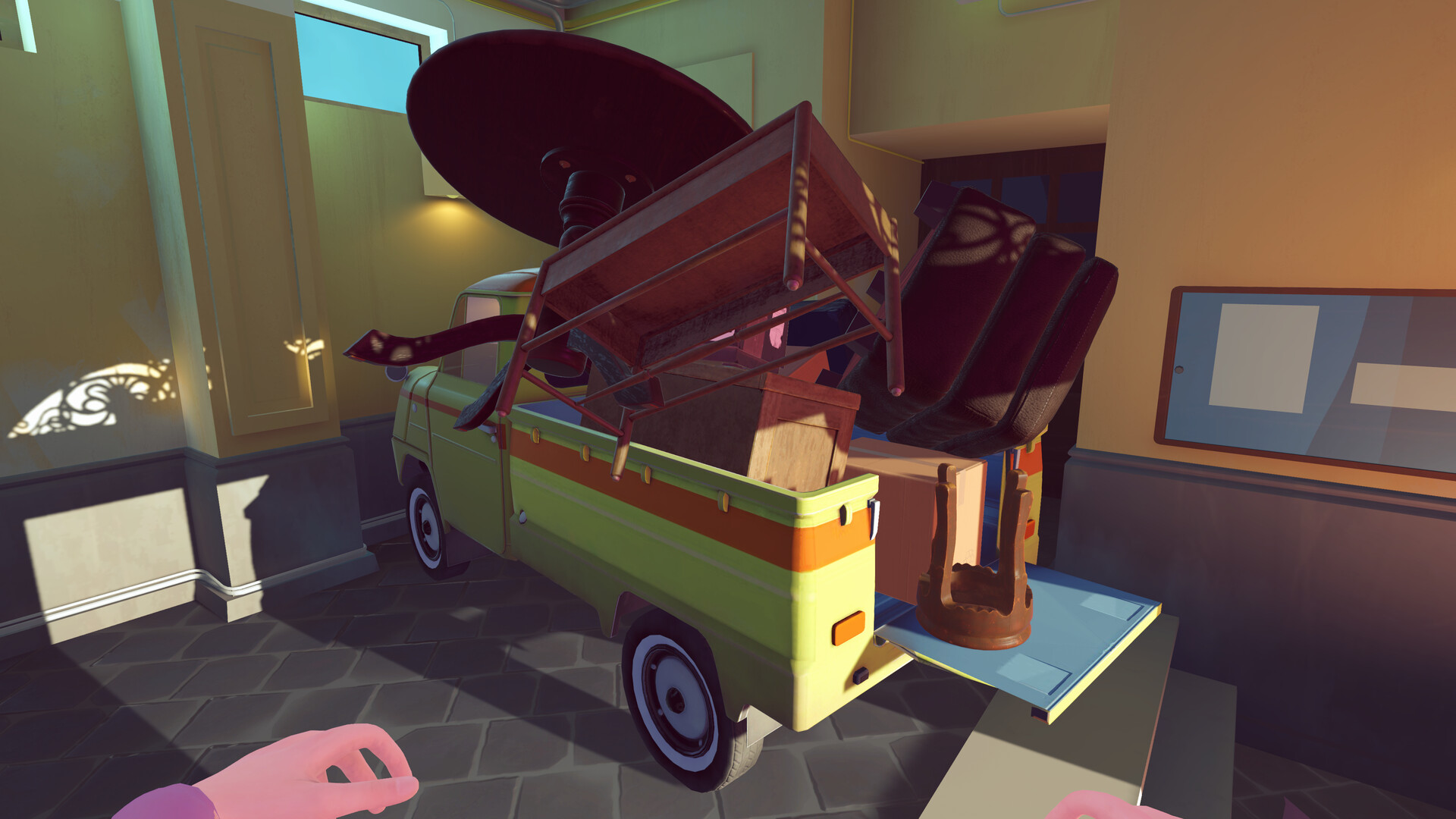
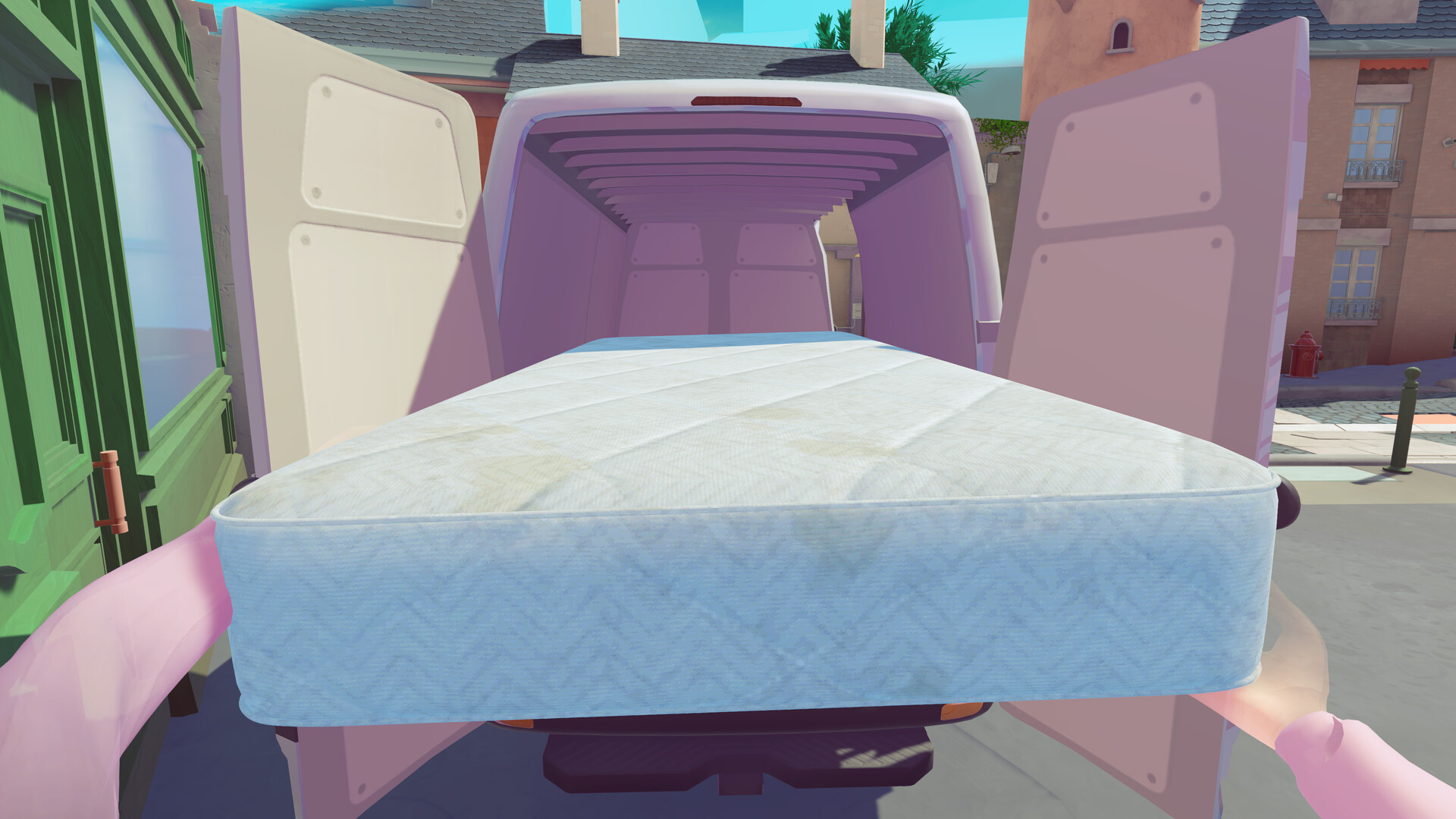
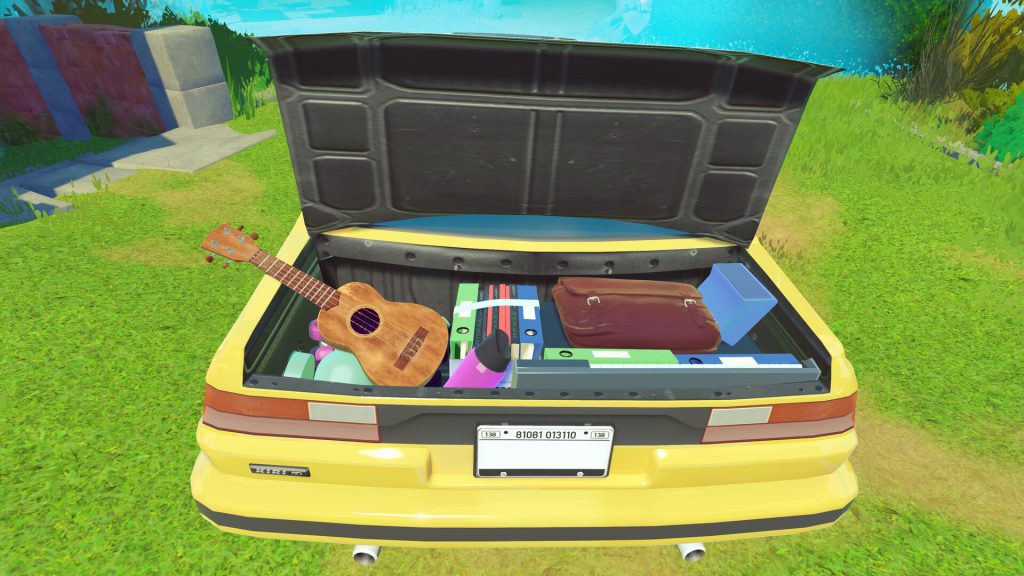
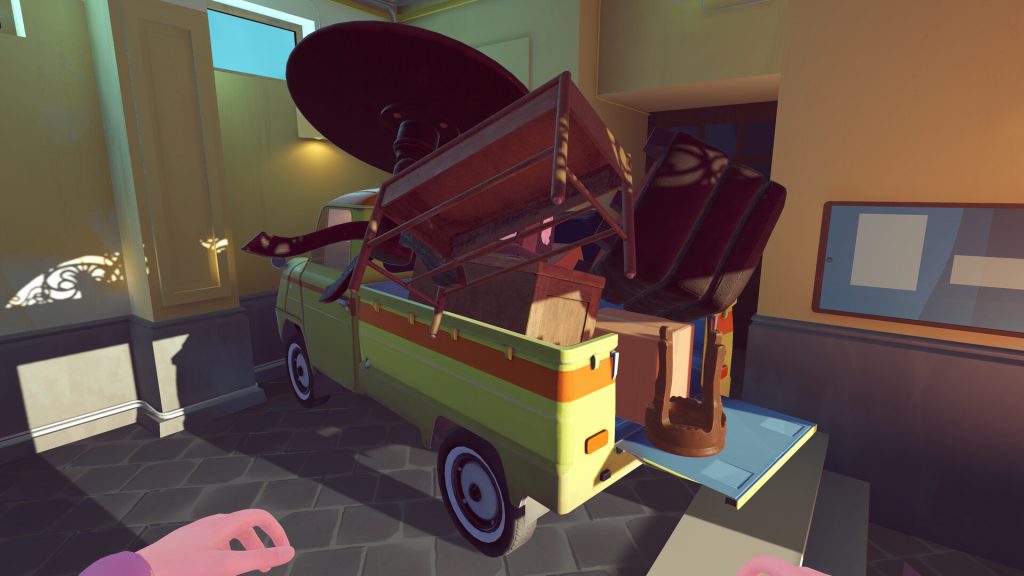
From a mechanical standpoint, One Move Away is a spatial puzzle game. Objects vary in size, shape, and fragility. Boxes have limits. Rooms constrain movement.
However, puzzles are not about efficiency alone. They are about priority. What fits together? What deserves protection? What can be left behind?
This transforms spatial logic into emotional logic. Choosing which items to pack first often reflects subconscious attachment rather than optimal strategy. The game quietly blurs the line between solving a puzzle and revealing personal values.
3. Objects as Narrative Anchors
One Move Away relies heavily on environmental storytelling. There is no traditional dialogue or exposition. Instead, objects tell stories.
A framed photo hints at relationships. Old notes suggest unfinished chapters. Broken items imply conflict or loss. Players piece together a narrative through observation rather than instruction.
Importantly, the game never confirms interpretations. Stories remain incomplete, mirroring real life. Players construct meaning based on what they notice—and what they ignore.
4. Player Agency Without Moral Judgment
One of the most striking aspects of One Move Away is its neutrality. The game does not judge player choices. There is no “correct” way to pack your life.
You can protect sentimental items or prioritize practicality. You can discard reminders of the past or carry them forward. The game records your actions silently, without feedback.
This absence of judgment creates emotional safety. Players are free to explore their instincts without fear of failure or punishment. Reflection emerges naturally.
5. Pacing: Slow, Intentional, and Reflective
One Move Away moves at the player’s pace. There are no timers, no escalating challenges, and no urgency imposed by the game.
This pacing encourages contemplation. Players often pause to examine objects, reposition boxes, or reconsider decisions. The act of stopping becomes part of the experience.
By resisting pressure, the game aligns mechanically with its theme. Moving on is not rushed—it is deliberate, sometimes hesitant.
6. Sound Design and Emotional Atmosphere
The soundscape in One Move Away is understated but effective. Soft ambient tones, subtle environmental sounds, and restrained music create an atmosphere of quiet introspection.
There are no dramatic cues signaling importance. Instead, sound supports mood rather than dictating emotion. Silence is used generously, allowing players to sit with their thoughts.
This audio design reinforces the sense that the experience is personal. The game does not perform emotion—it hosts it.
7. The Psychology of Choice and Attachment
As players progress, they often become aware of their own patterns. Certain objects consistently feel harder to pack—or harder to discard.
The game gently exposes how attachment works. Items associated with identity, comfort, or unresolved feelings carry more psychological weight than neutral objects.
By making these decisions tactile rather than abstract, One Move Away transforms introspection into action. Players do not think about letting go—they practice it.
8. Minimalism as Narrative Strength
One Move Away avoids over-explaining its themes. There is no explicit story arc, no voiced monologue, and no definitive ending that ties everything together.
This minimalism allows players to insert their own experiences. Moving can represent growth, loss, escape, or obligation depending on perspective.
The game’s openness is its narrative strength. It adapts to the player rather than asking the player to adapt to it.
9. Limitations of Mechanical Depth
From a purely mechanical standpoint, One Move Away is limited. Puzzle complexity remains moderate. Systems do not evolve dramatically over time.
For players seeking escalating challenge or mechanical novelty, the experience may feel shallow. The game’s value lies in reflection, not mastery.
This limitation is intentional. The game prioritizes emotional continuity over mechanical progression.
10. One Move Away as an Interactive Moment
Rather than presenting itself as a traditional “game,” One Move Away feels like an interactive moment—a space to slow down and think.
It does not demand replayability or long-term engagement. Its impact comes from resonance, not duration.
The game asks players to be present, attentive, and honest with themselves. Few games dare to be that quiet.
Pros
Emotionally resonant minimalist design
Strong environmental storytelling through objects
Non-judgmental player agency
Calm pacing encourages reflection
Cohesive atmosphere and sound design
Cons
Limited mechanical complexity
Low replay value for puzzle-focused players
Narrative ambiguity may feel unsatisfying to some
Shorter experience compared to traditional games
Not suited for action-oriented audiences
Conclusion: Progress Isn’t Always Forward
One Move Away succeeds by redefining what progress means in games. It is not about unlocking the next area or mastering a system—it is about acknowledging change.
By turning packing into play, the game transforms a mundane act into a meditation on memory, attachment, and acceptance. It does not tell players how to feel. It creates space for feeling to emerge.
For players seeking a thoughtful, emotionally grounded experience that values quiet reflection over excitement, One Move Away offers something rare and sincere.
Sometimes the hardest step forward
is deciding what not to carry with you.