
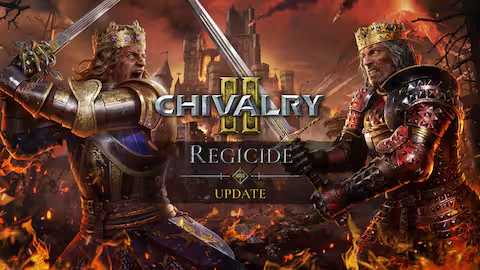
Chivalry 2 – Brutal Spectacle, Player Expression, and the Joy of Controlled Chaos
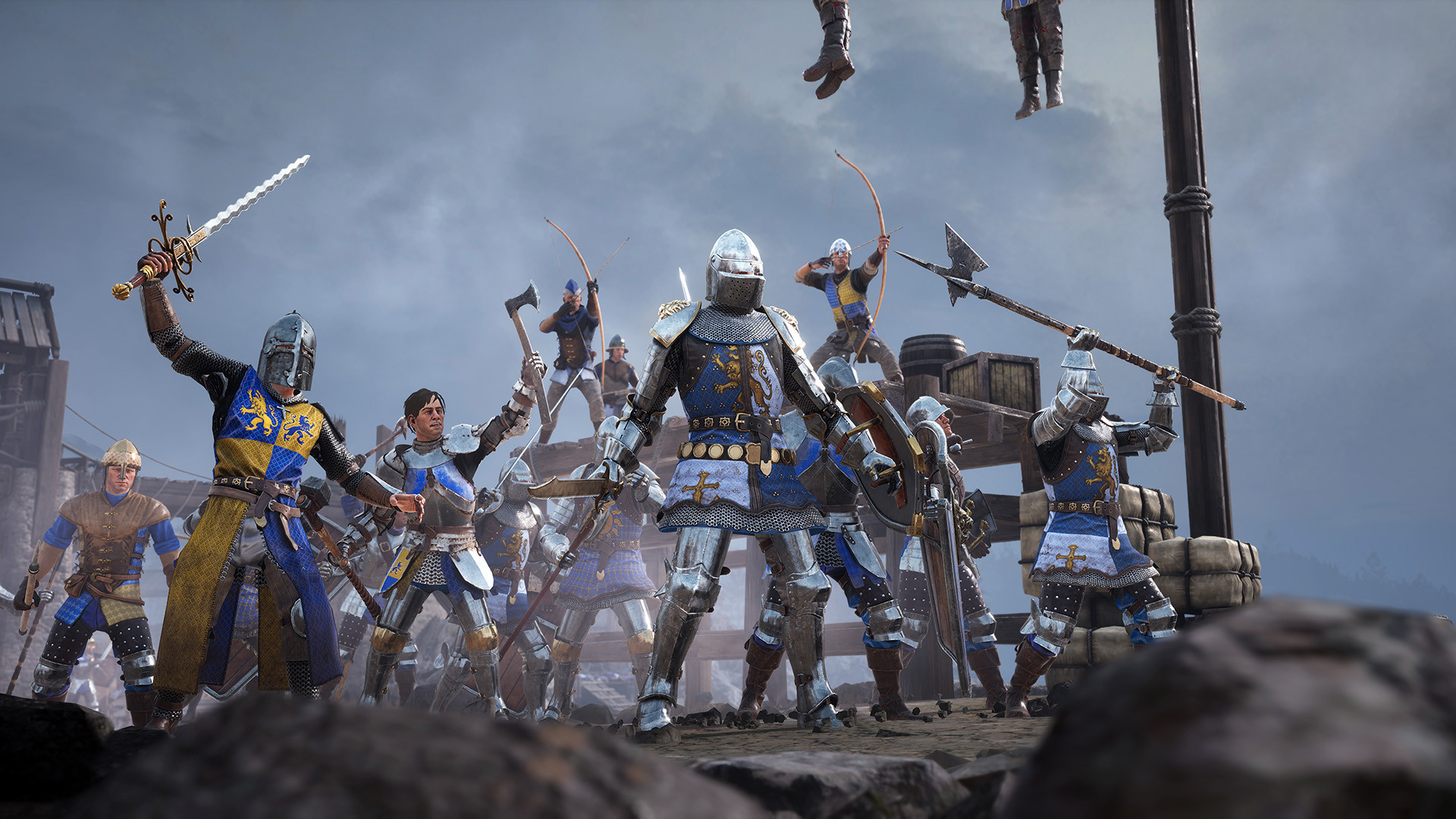
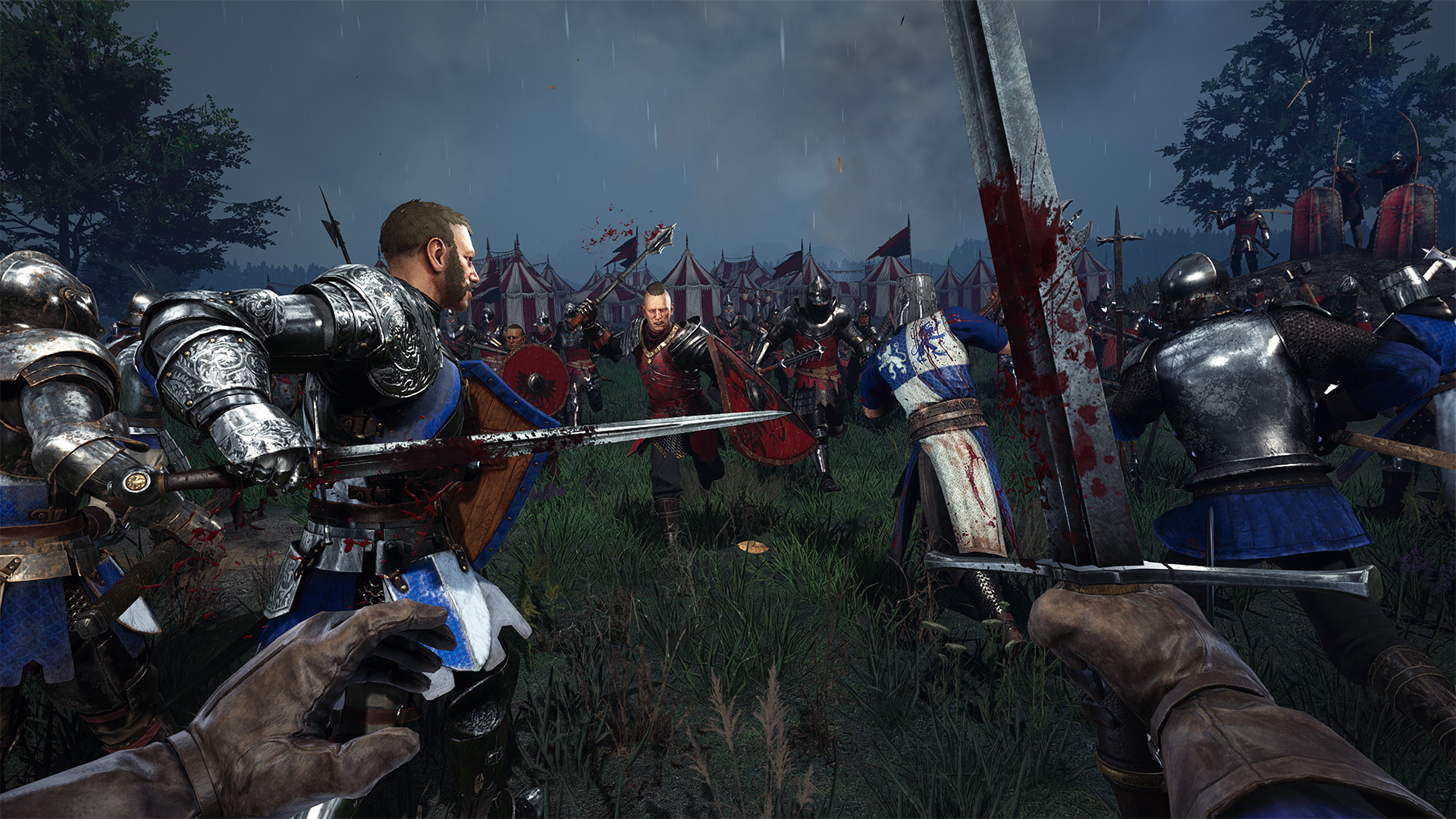
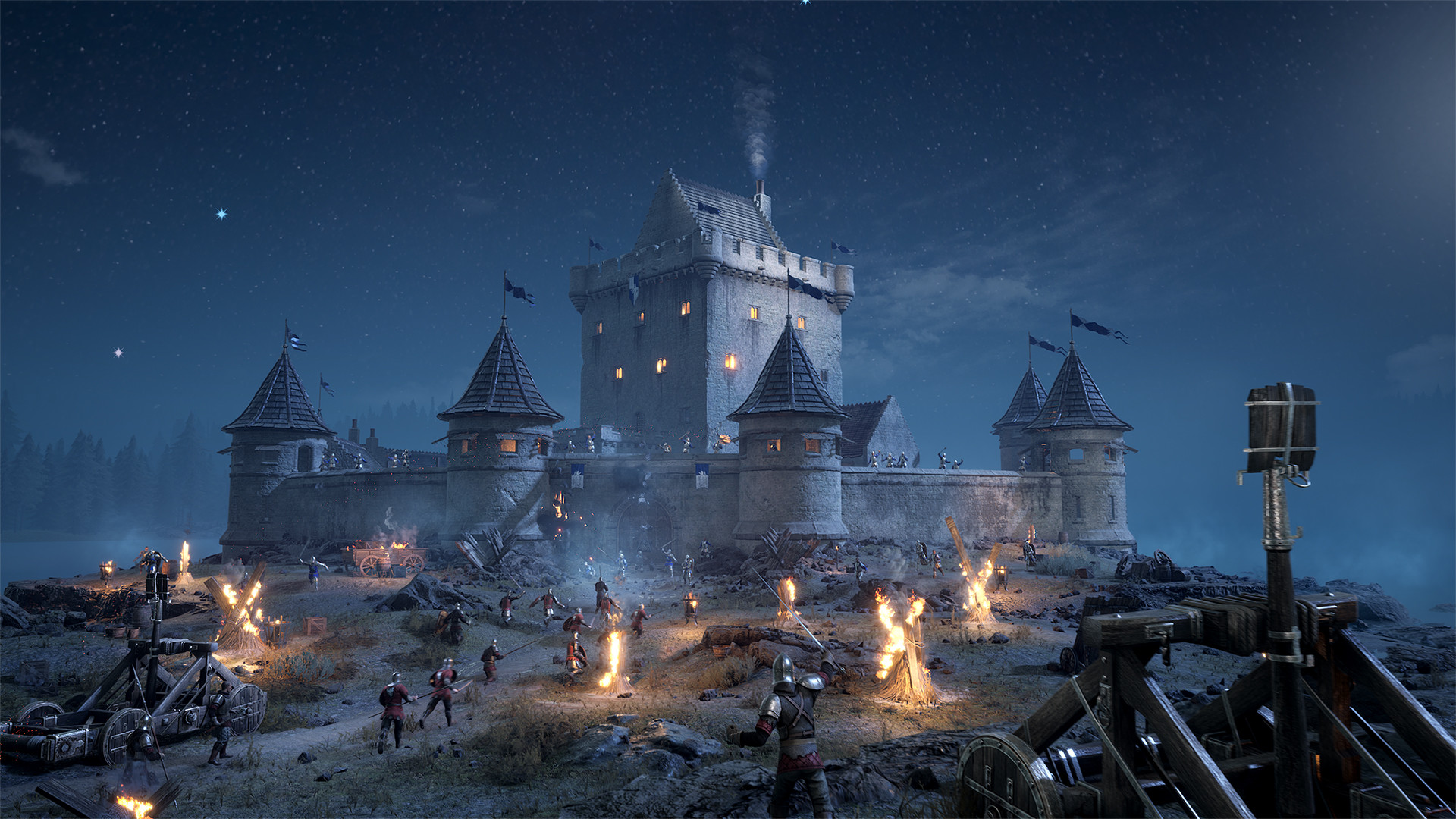
Introduction: Violence as Performance
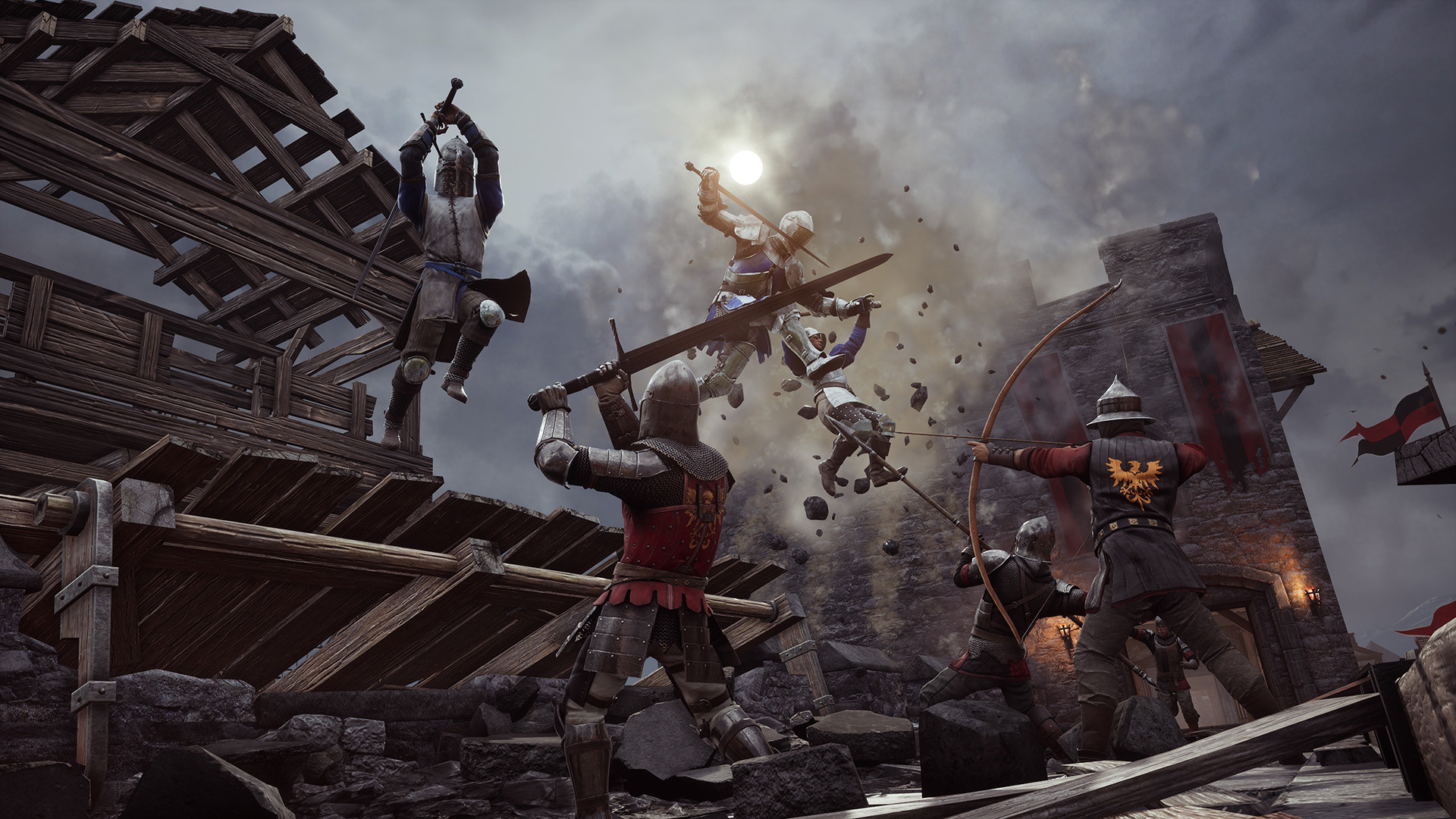
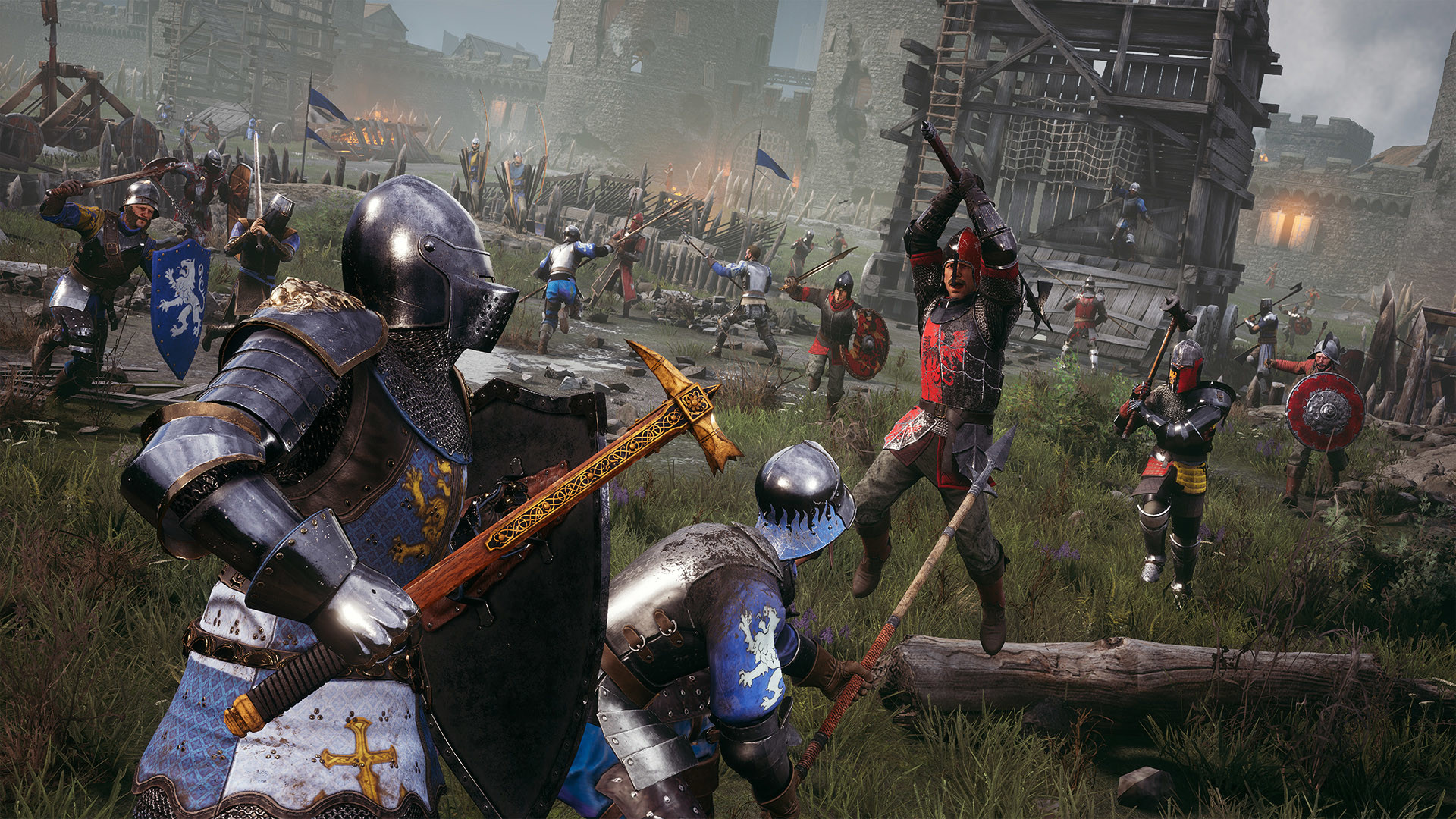
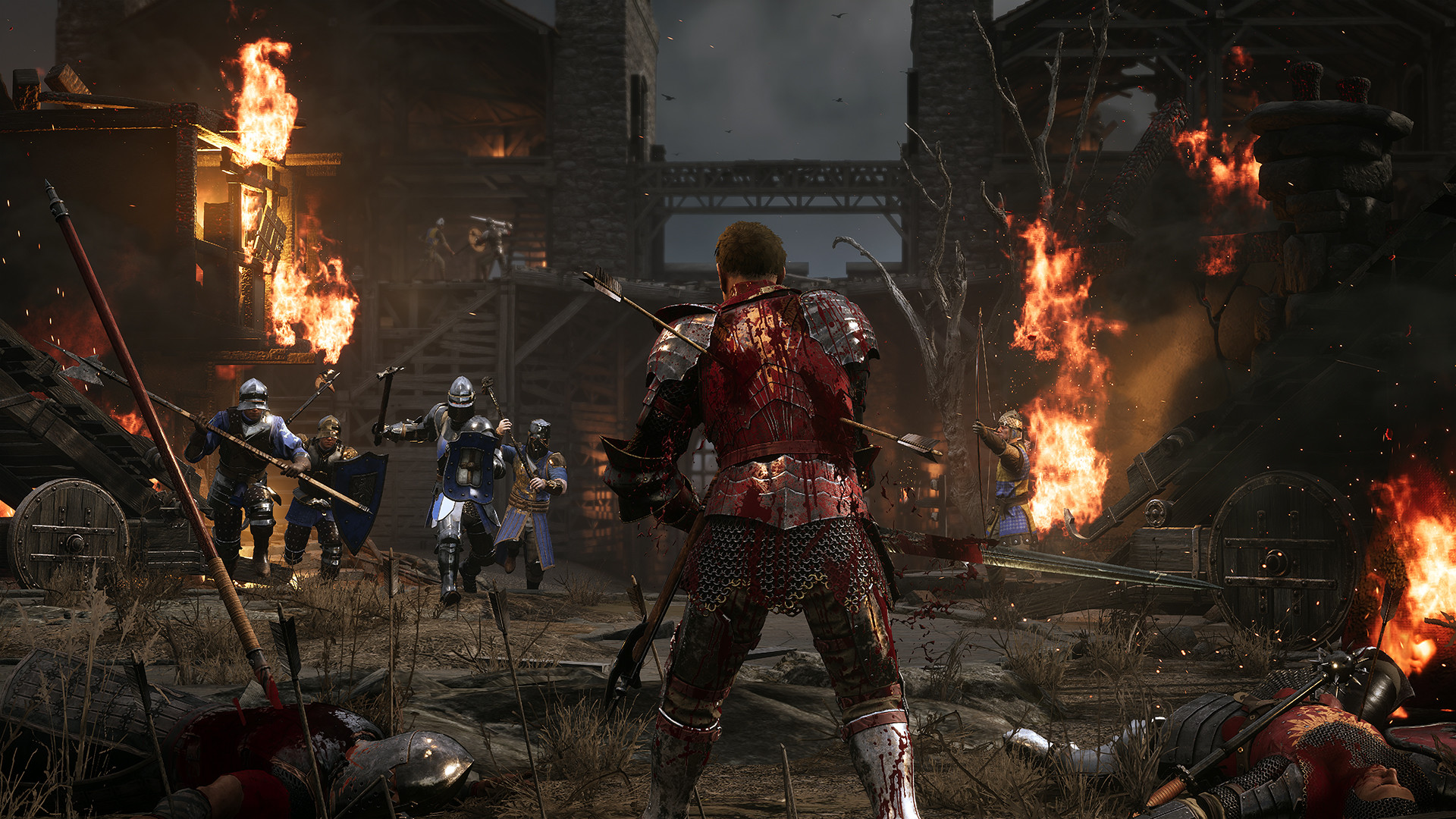
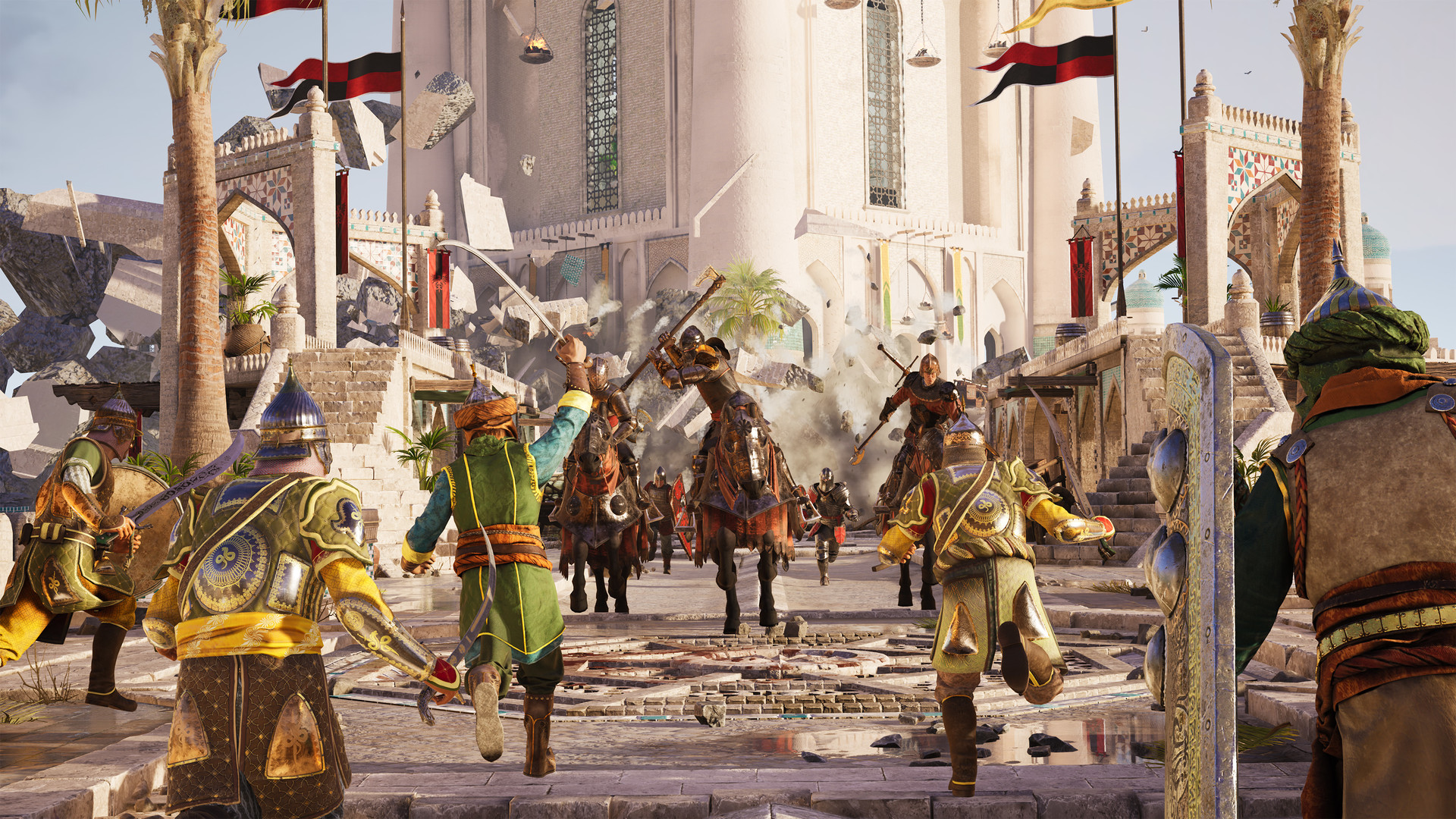
Chivalry 2 does not approach medieval combat as a disciplined duel between equals. It approaches it as a riot. Battles are loud, messy, unfair, and frequently absurd. Limbs fly, voices scream, objectives collapse under pressure, and players die not because they miscalculated one variable—but because war, by design, is uncontrollable.
Chivalry 2 is not a realism simulator, nor is it a shallow arcade brawler. It exists in a carefully balanced space where mechanical skill, spatial awareness, and chaos intersect. This review examines Chivalry 2 as a large-scale multiplayer experience that prioritizes expression over precision, spectacle over symmetry, and fun over purity—while still demanding real skill from those who seek mastery.
Quick Info (Overview Box)
Release Year: 2021
Genre: Multiplayer melee action / Slasher
Platforms: PC, PlayStation, Xbox
Game Modes: Large-scale PvP (32v32), Objective modes, Free-for-All, Training
Target Audience: Players who enjoy large multiplayer battles, melee combat, emergent chaos, and expressive gameplay
1. Core Design Philosophy: Chaos With Structure
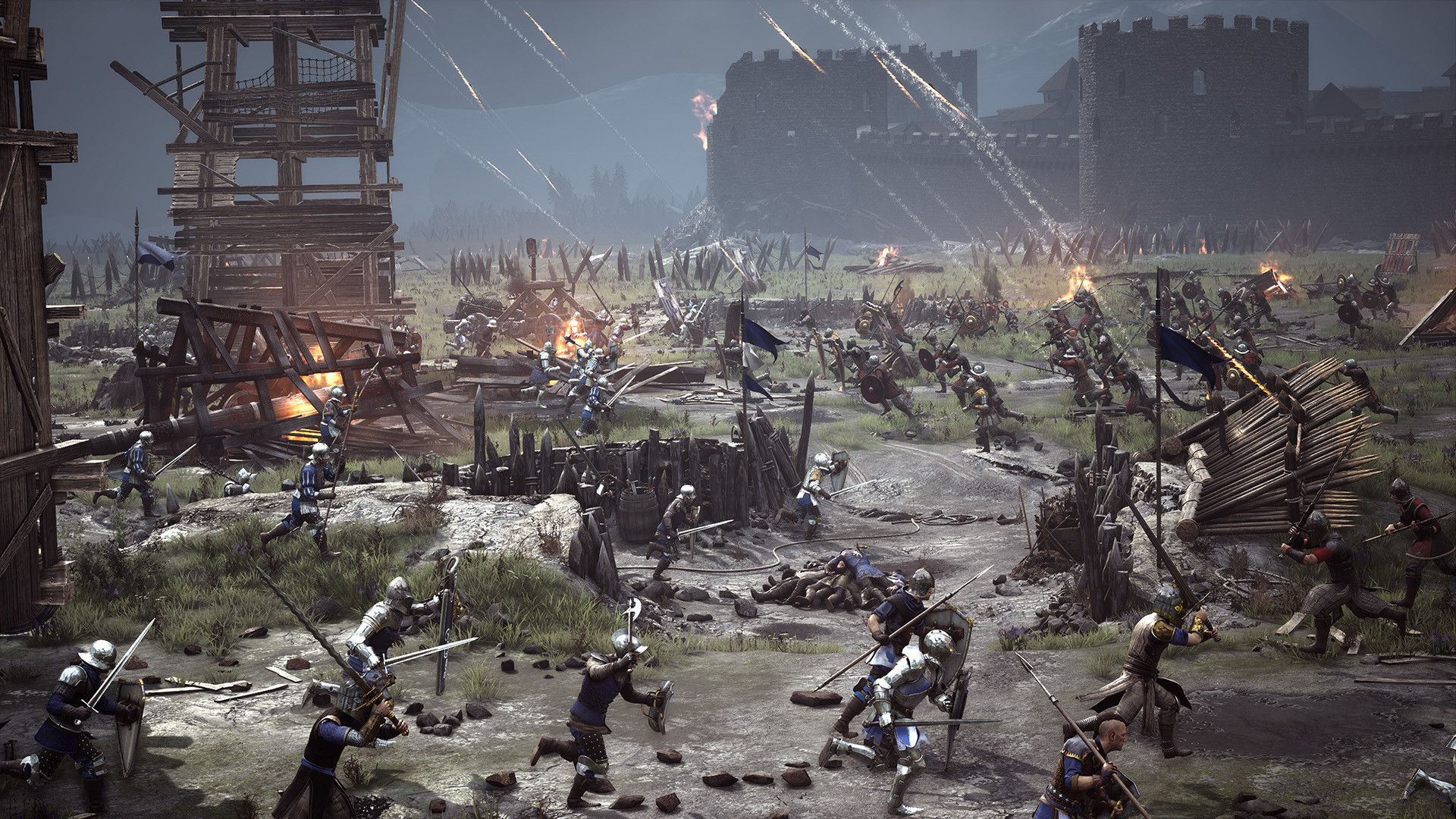
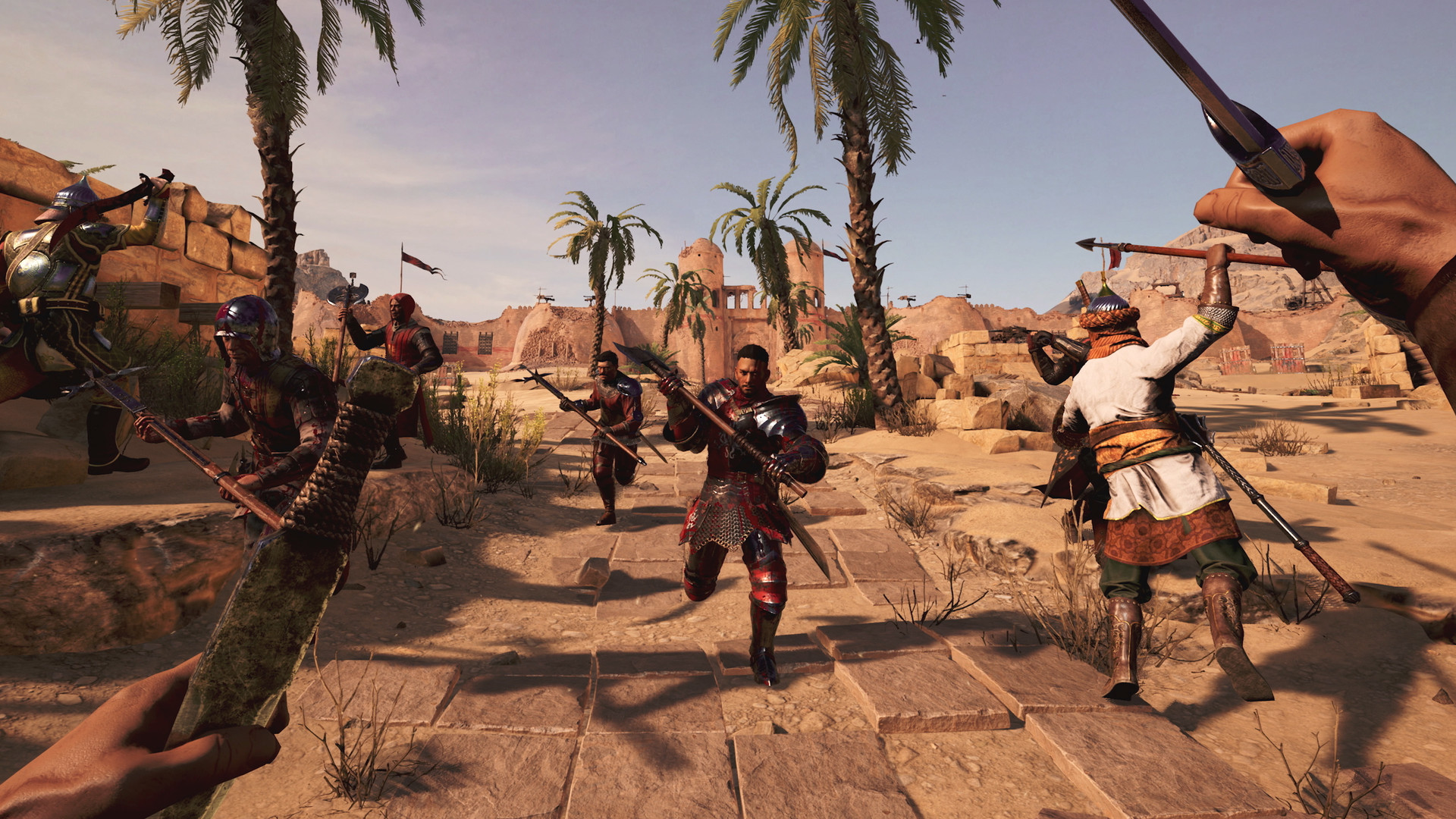
At its heart, Chivalry 2 is about controlled disorder. The game throws dozens of players into confined spaces, gives them lethal tools, and asks them to pursue objectives amid complete sensory overload.
Yet beneath the chaos is a clear structure. Maps are objective-driven. Teams push, defend, retreat, and regroup. The chaos is not random—it is channeled.
This design allows players of different skill levels to coexist. Veterans dominate duels. New players still contribute by being present, pushing lines, and adding pressure. The battlefield accommodates both mastery and participation.
2. Combat System: Weight, Timing, and Commitment
Chivalry 2’s melee combat is built around weight and commitment. Attacks are slow enough to read, fast enough to punish hesitation, and heavy enough to feel consequential.
Players manage swings, stabs, blocks, counters, and footwork simultaneously. Spamming attacks is punished quickly. Overcommitting leaves openings. Hesitation invites interruption.
Importantly, combat is directional. Where you aim matters. How you move matters. Positioning often matters more than reaction speed.
The system rewards awareness over twitch reflex, making large-scale chaos manageable rather than overwhelming.
3. Skill Expression in a Crowd
One of Chivalry 2’s most impressive achievements is how it allows skill expression inside chaos rather than apart from it.
High-level players read crowds, choose engagements carefully, and disengage before being surrounded. They understand when to fight and when to reposition.
Skill is not just about winning duels—it is about surviving momentum. Knowing when to advance, when to retreat, and when to let the crowd absorb danger is a learned art.
This makes mastery visible without isolating it.
4. Classes, Weapons, and Tactical Identity
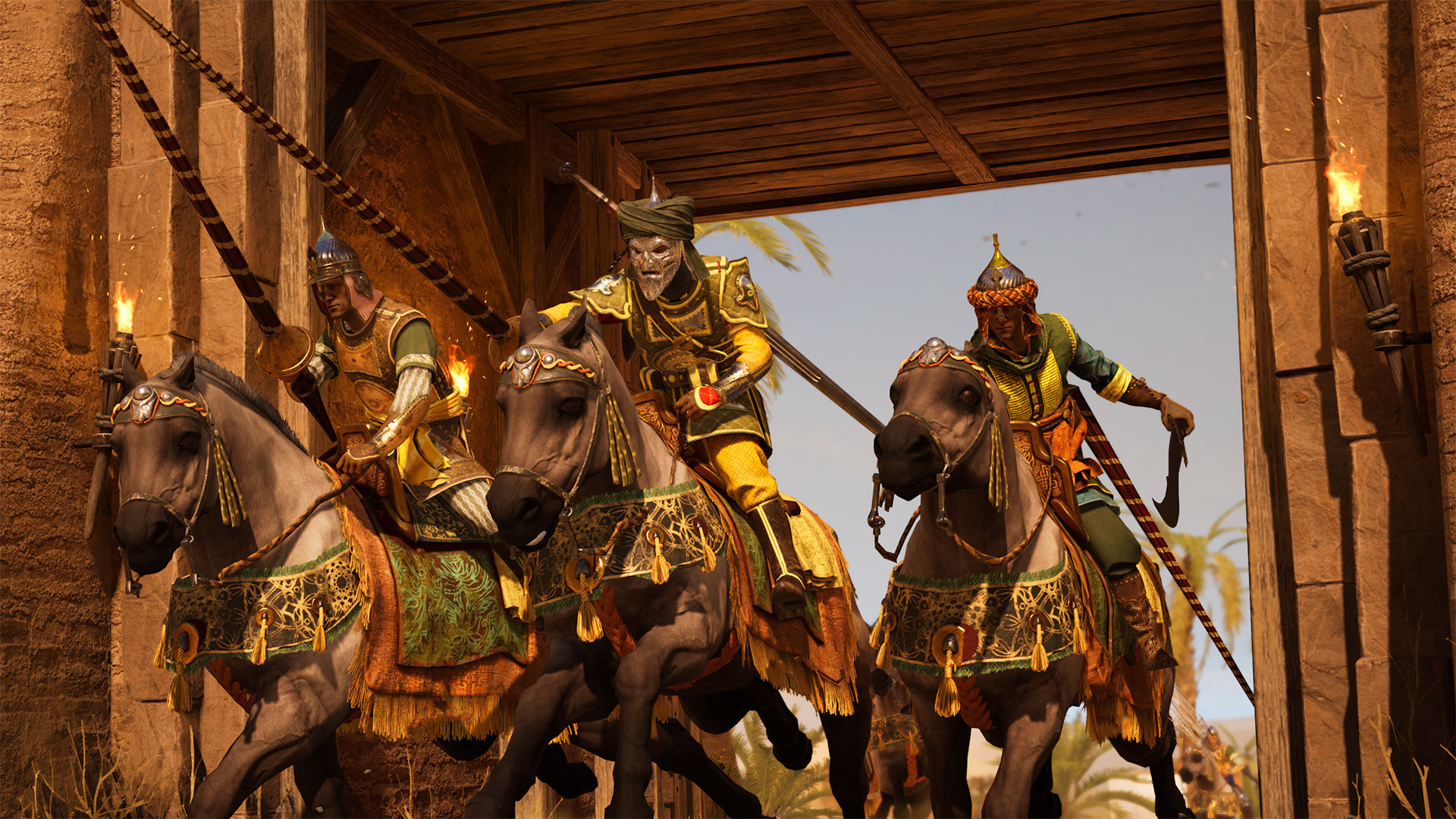
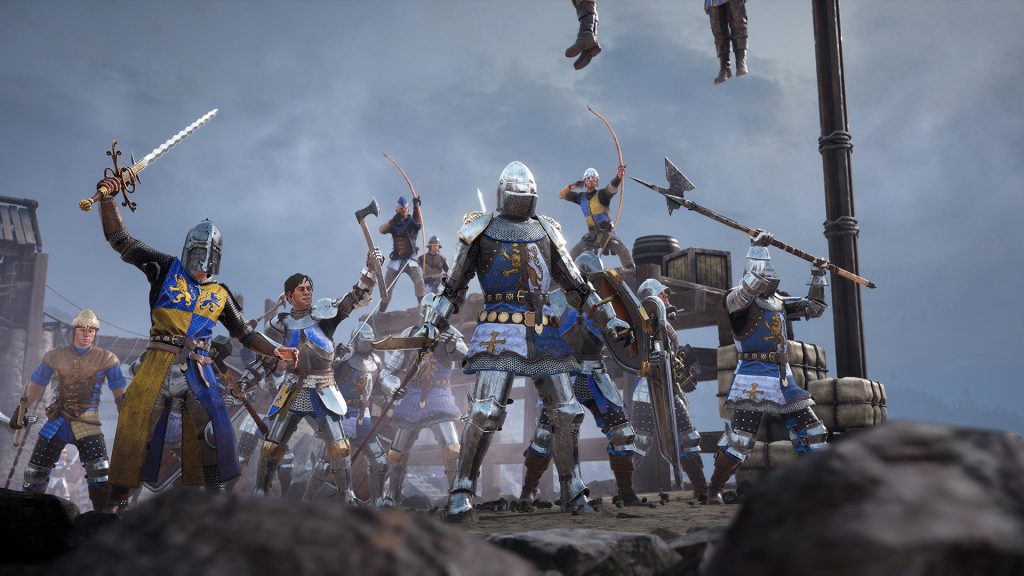
Chivalry 2’s class system is simple but effective. Knights, footmen, vanguards, and archers fulfill distinct battlefield roles.
Weapon choice further refines identity. Heavy weapons dominate crowds. Fast weapons punish overextension. Polearms control space. Shields provide stability.
No class is self-sufficient. Each thrives in context. The game encourages role awareness rather than solo dominance.
This interplay reinforces teamwork without requiring rigid coordination.
5. Objectives Over Kills
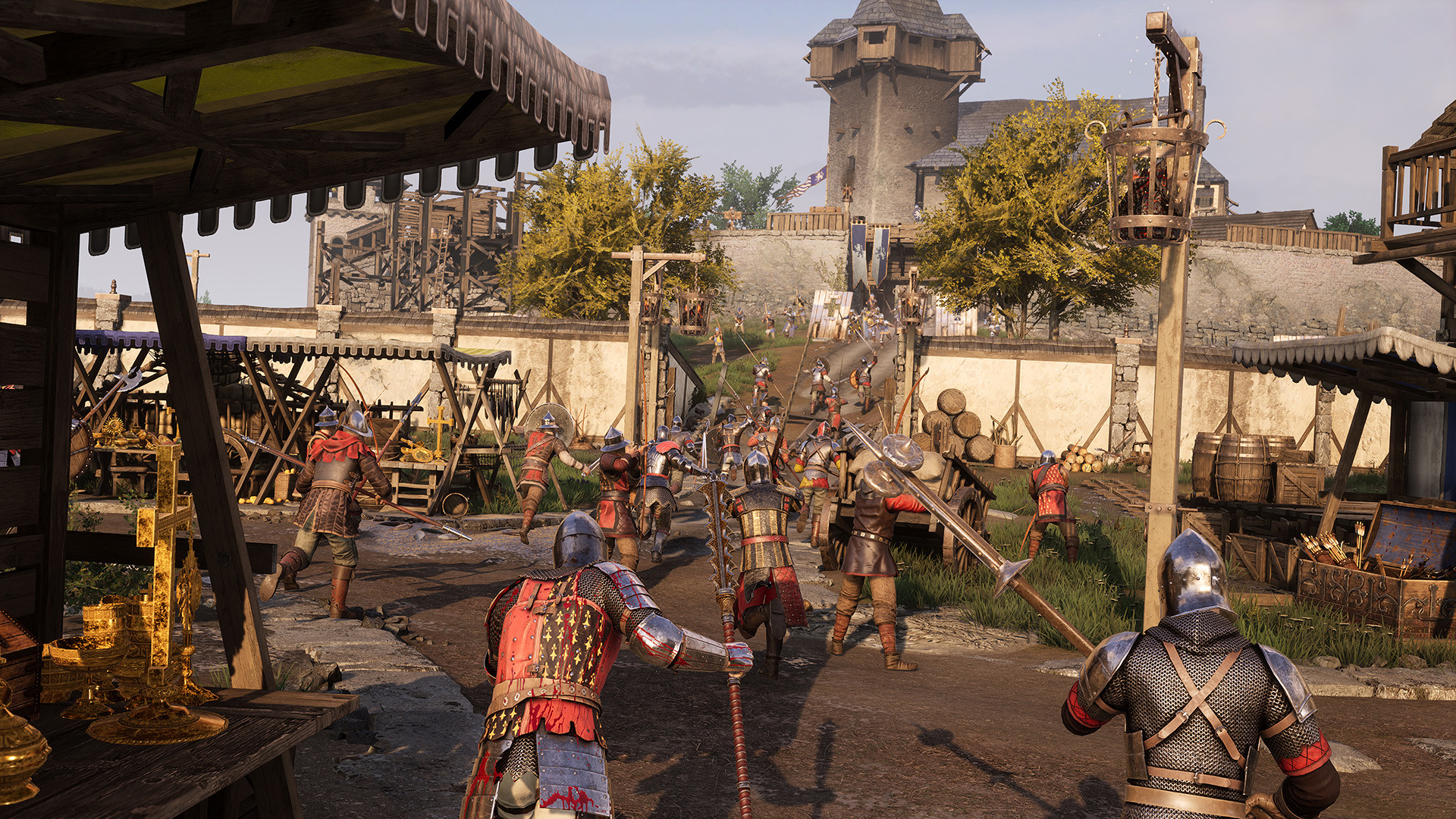
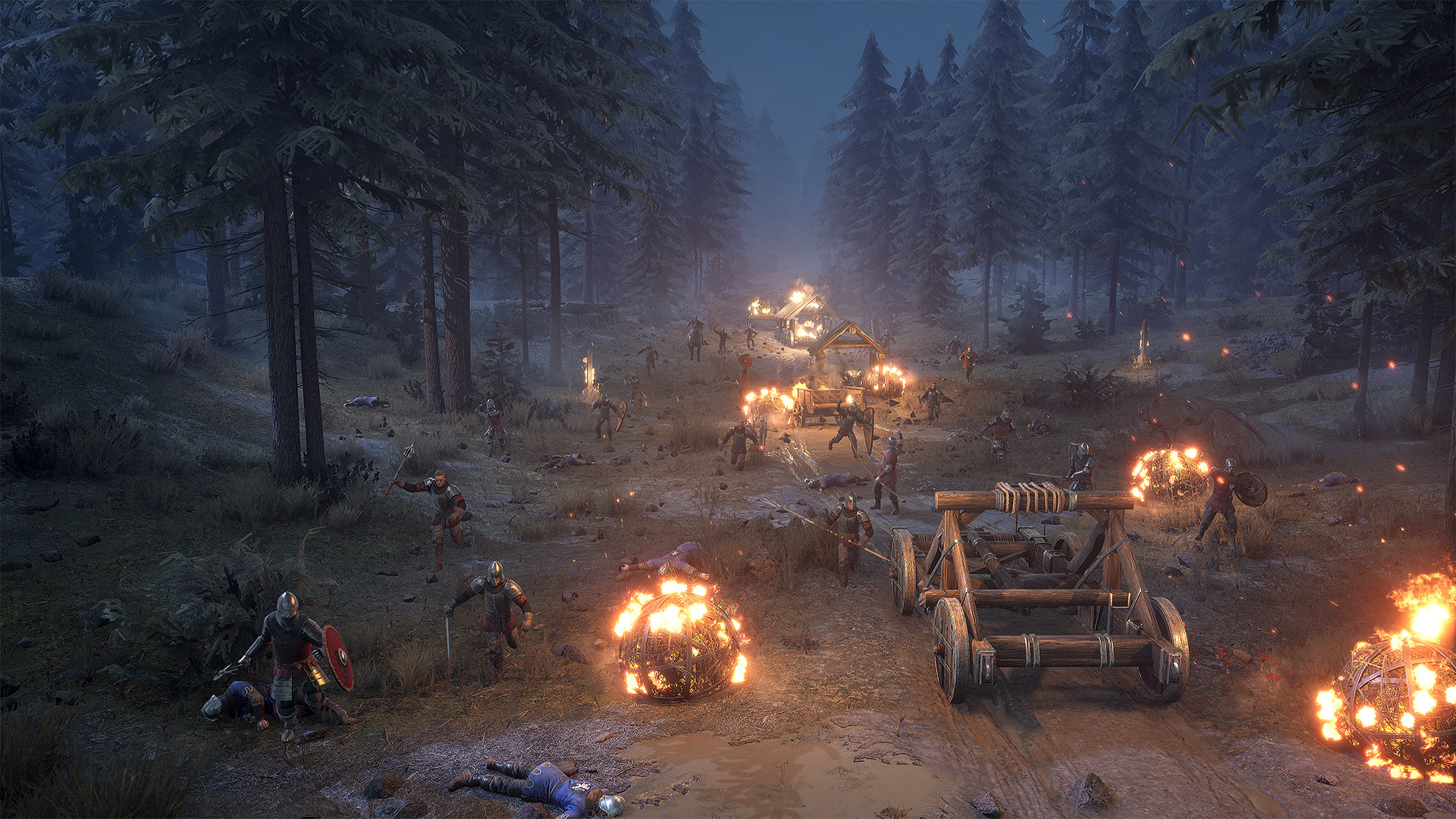
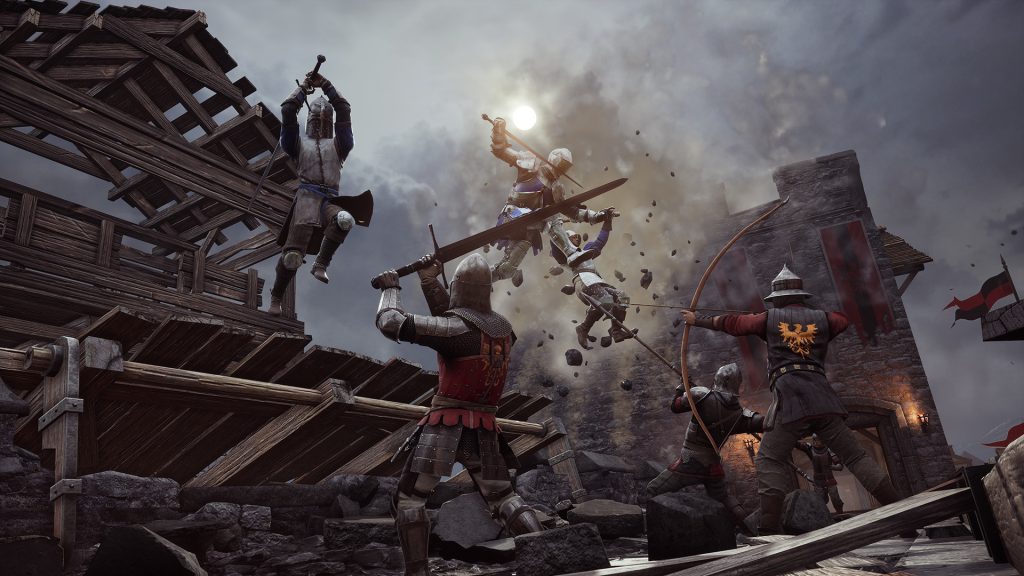
Unlike deathmatch-focused multiplayer games, Chivalry 2 centers its largest modes around objectives: pushing carts, breaching gates, defending positions, executing VIPs.
This reframes success. Individual kill count matters less than presence at the objective. Sacrificial play is often correct.
This design encourages participation even when survival is unlikely. Players throw themselves into danger not because they expect to live—but because pressure matters.
The result is a battlefield that feels alive and desperate rather than optimized.
6. Audio, Visuals, and Emotional Momentum
Chivalry 2 excels at sensory reinforcement. Shouted battle cries, metallic impacts, splintering wood, and distant chaos combine into a cohesive soundscape.
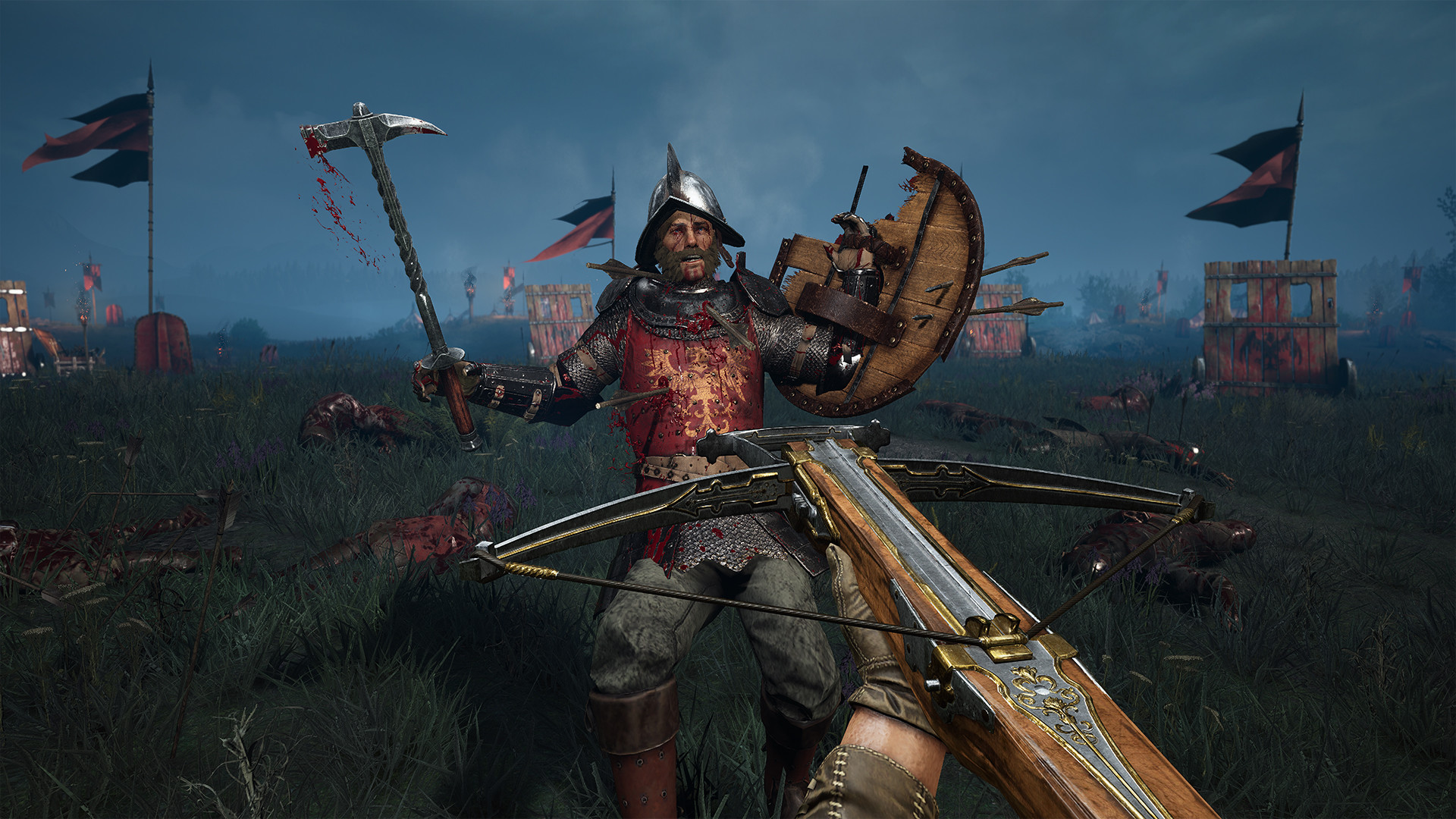
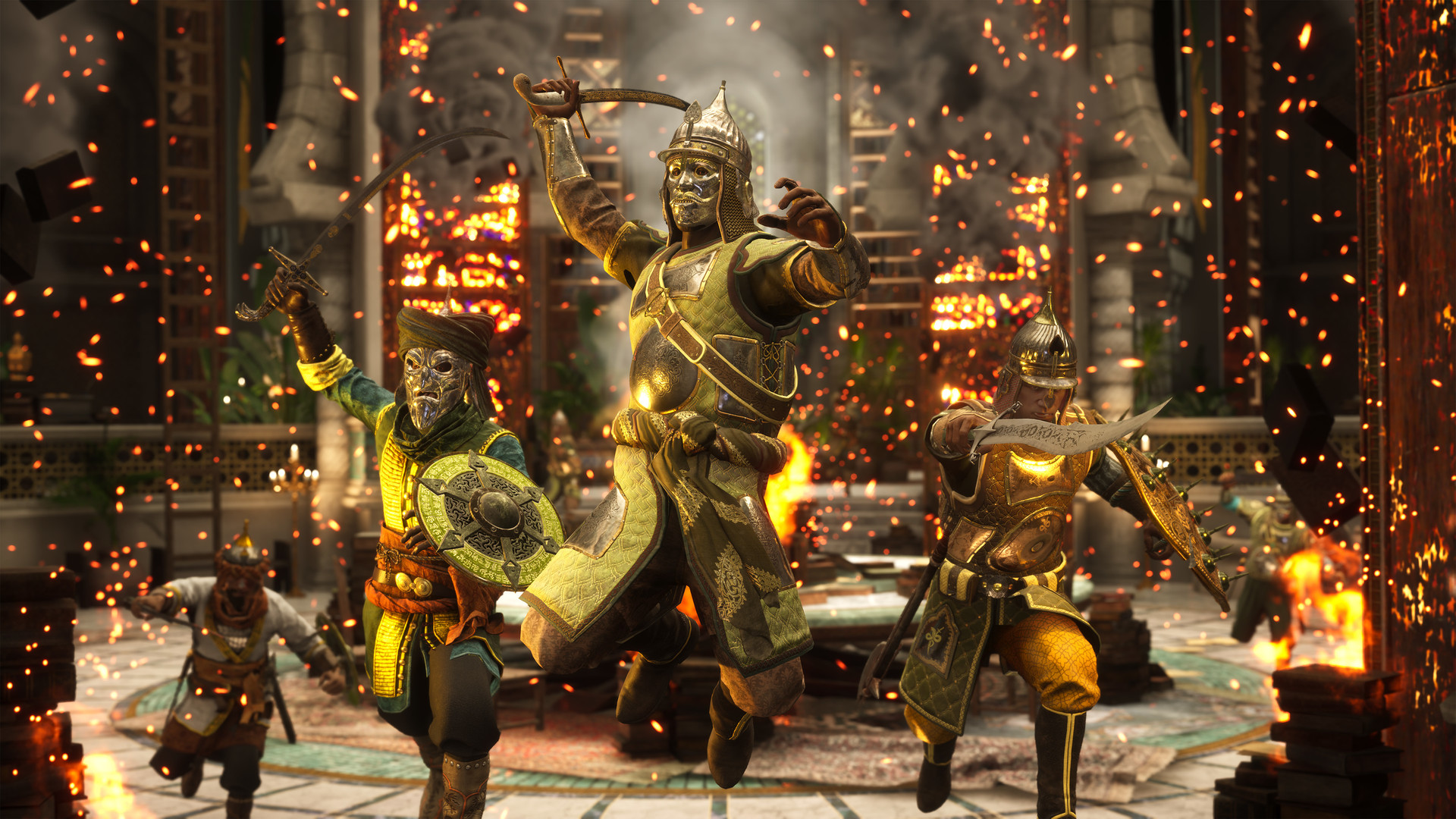
Visually, the game is unapologetically theatrical. Blood sprays dramatically. Armor dents visibly. Animations exaggerate impact.
This spectacle is not just aesthetic—it supports emotional momentum. Players feel swept up in battle, making losses amusing rather than frustrating.
Few multiplayer games understand how important tone is to sustaining fun during failure.
7. Humor as Pressure Release
Chivalry 2 embraces absurdity. Emotes, voice lines, and physics-driven mishaps inject humor into violence.
Being killed by a thrown chicken, accidentally decapitating a teammate, or charging into battle screaming nonsense are not bugs—they are features.
This humor acts as pressure release. It prevents frustration from calcifying. Players laugh at defeat rather than resent it.
The game understands that large-scale multiplayer chaos requires emotional elasticity.
8. Multiplayer Psychology: Belonging Over Dominance
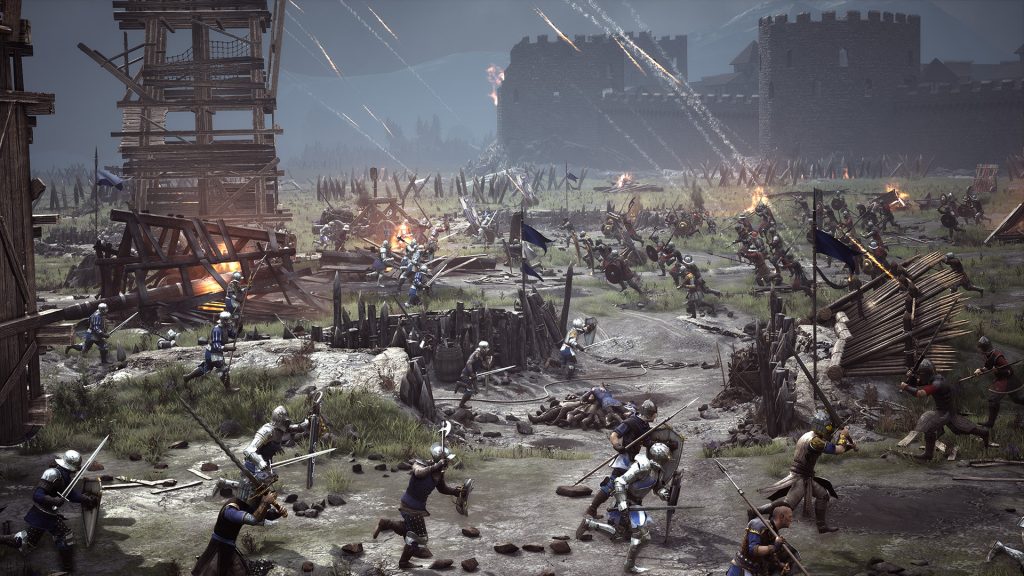
Chivalry 2 fosters a sense of belonging rather than superiority. You are part of something larger, even when you fail.
Respawns are frequent. Death is expected. The game minimizes downtime to maintain engagement.
This reduces performance anxiety. Players are encouraged to experiment, to play aggressively, to take risks.
By lowering the emotional cost of failure, the game keeps players participating rather than retreating into caution.
9. Balance, Asymmetry, and Fairness
Chivalry 2 is not perfectly balanced—and it does not pretend to be. Some weapons dominate certain situations. Some classes excel in crowds. Archers frustrate melee players by design.
Maps often favor attackers or defenders depending on stage. This asymmetry creates narrative tension rather than strict fairness.
The game prioritizes dramatic flow over symmetrical competition. It wants battles to feel desperate, not mathematically equal.
For players seeking esport-level balance, this can be frustrating. For players seeking memorable battles, it is essential.
10. Limitations and Design Trade-Offs
Chivalry 2’s strengths come with costs. Individual agency can feel diluted in massive fights. Skilled players sometimes die to unavoidable chaos.
Match outcomes can feel predetermined by team composition or momentum. Competitive purity is sacrificed for accessibility and spectacle.
These trade-offs define the game. Chivalry 2 is not about perfect execution—it is about participating in controlled madness.
Pros
Deep, weighty melee combat system
Large-scale battles feel dynamic and alive
Strong audio-visual presentation enhances immersion
Humor reduces frustration and promotes fun
Objectives encourage teamwork over kill chasing
Cons
Chaos can undermine individual agency
Balance favors spectacle over fairness
Archers and crowd combat can frustrate duel-focused players
Limited appeal for competitive purists
Match outcomes can feel momentum-driven
Conclusion: War as Shared Spectacle
Chivalry 2 succeeds because it understands that medieval warfare was not elegant—it was overwhelming. By embracing chaos while grounding it in solid mechanics, the game delivers battles that feel wild, memorable, and emotionally engaging.
For players who enjoy expressive melee combat, large-scale multiplayer experiences, and games that prioritize fun over perfection, Chivalry 2 offers one of the most satisfying battlefields in modern multiplayer gaming.
It does not ask you to fight clean.
It asks you to fight loud,
fight together,
and laugh when you fall.