
SAND: Raiders of Sophie – Desolation, Mechanical Survival, and the Romance of Ruined Industry
Introduction: Life After the Sand Took Everything
SAND: Raiders of Sophie is not a game about rebuilding civilization. It is about operating inside its corpse. Set in a vast desert formed from the remains of a drowned world, SAND: Raiders of Sophie imagines a future where oceans have vanished, cities are half-buried, and survival depends not on territory—but on mobility.
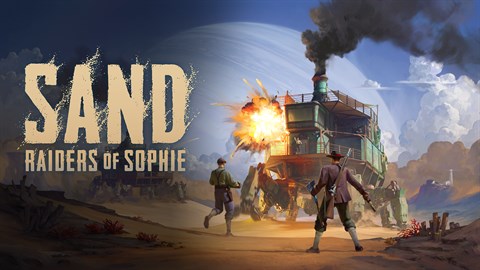
Rather than placing players in static bases or safe hubs, SAND makes movement itself the foundation of existence. Massive walking machines, creaking under their own weight, serve as homes, weapons, and lifelines. The game blends survival, vehicular combat, and exploration into a bleak but strangely romantic experience where every decision is filtered through scarcity, exposure, and mechanical vulnerability.
This review examines SAND: Raiders of Sophie as a systems-driven survival game about impermanence, focusing on how its setting, traversal mechanics, and player psychology combine to create an experience defined less by victory and more by endurance.
Quick Info (Overview Box)
Release Year: 2024
Genre: Survival / Vehicular sandbox / Action
Platforms: PC
Game Modes: Single-player, Online multiplayer
Target Audience: Players who enjoy survival sandboxes, vehicle-based gameplay, emergent encounters, and bleak post-apocalyptic worlds
1. Core Design Philosophy: Survival on Moving Ground
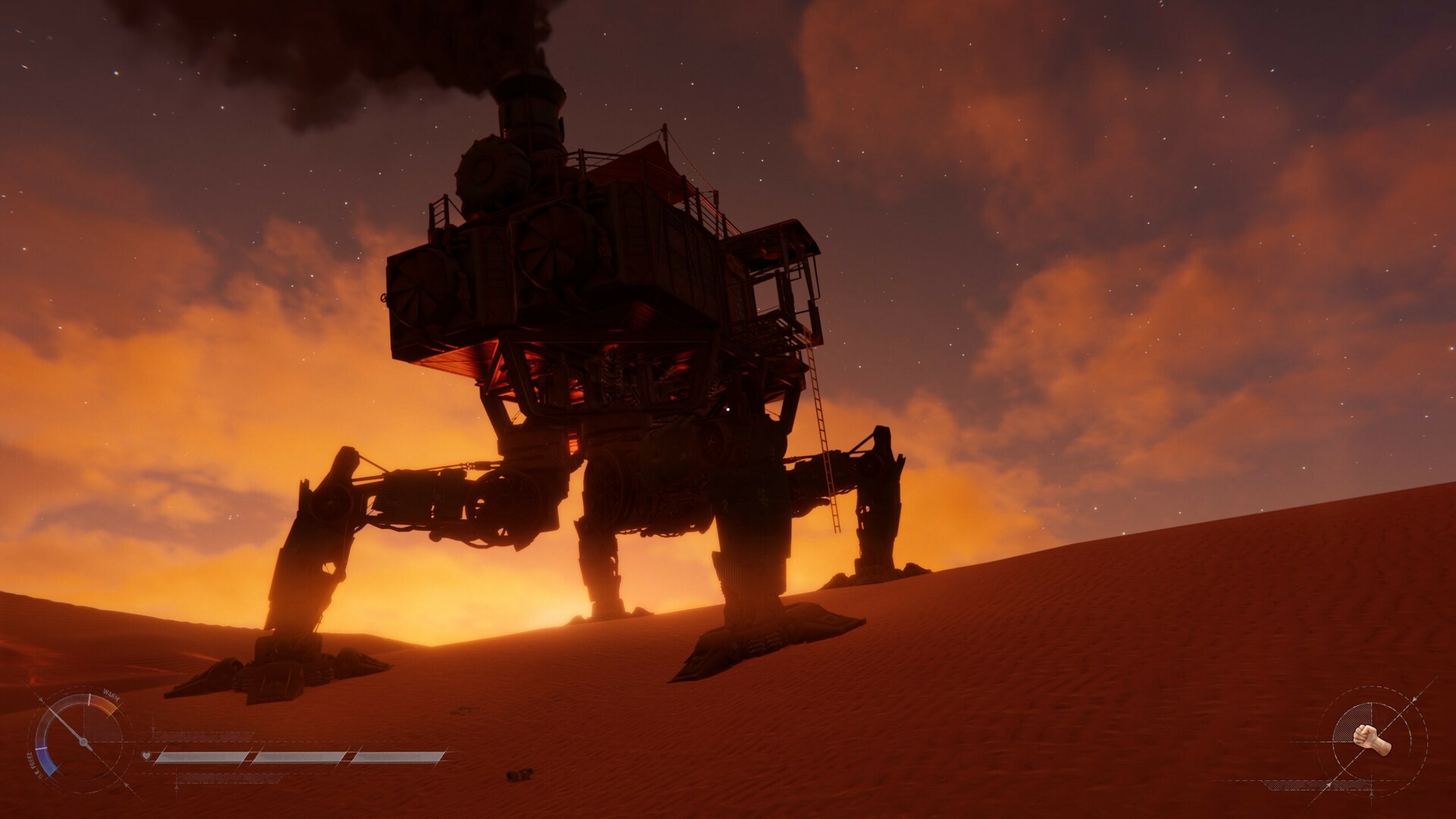
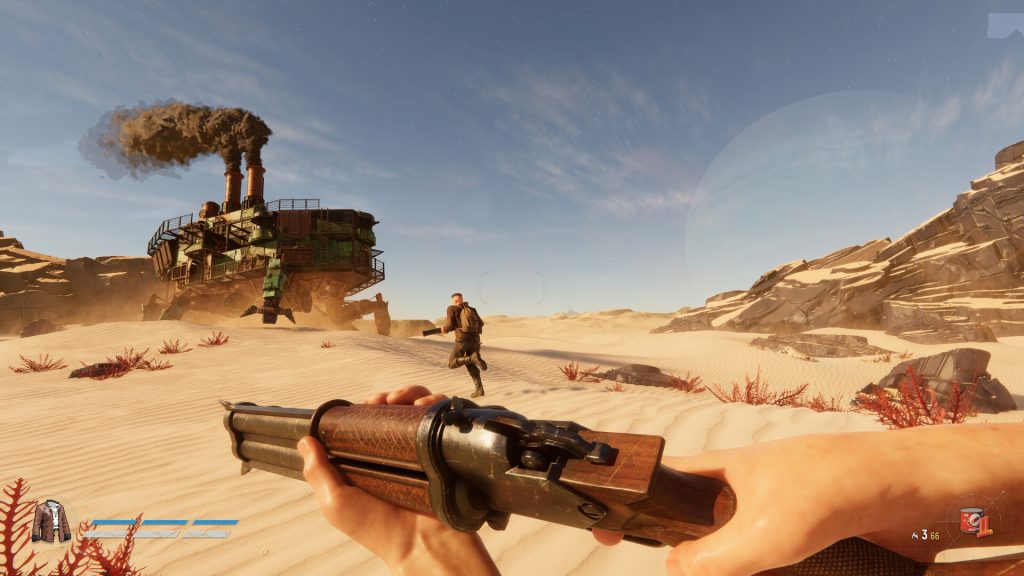
The defining idea behind SAND: Raiders of Sophie is that nothing stands still. There is no permanent base, no fixed stronghold, and no safe location immune to loss. Your walker—the towering mechanical vehicle you inhabit—is your shelter, storage, and identity.
This design choice radically reshapes survival logic. In traditional survival games, progress leads to stability. In SAND, progress increases complexity. The more you build onto your walker, the more you must protect, maintain, and defend.
Survival becomes less about fortification and more about logistics under motion. You are never settled. You are only prepared—or not.
2. The Walker as Home, Weapon, and Liability
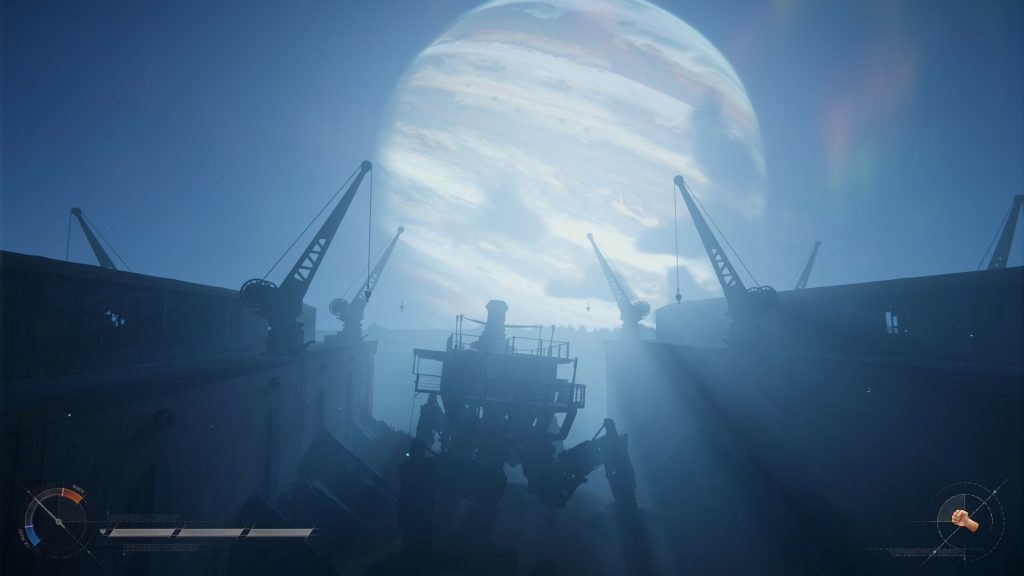
Your walker is the heart of SAND. It is both empowering and terrifying. It allows traversal across massive desert expanses, carries weapons and cargo, and provides a sense of presence in an otherwise hostile world.
But the walker is also fragile. Components degrade. Armor fails. Structural weaknesses become liabilities in combat or storms. A damaged walker is not just inconvenient—it is existentially dangerous.
This duality creates emotional attachment. Players care for their machines not because they are invincible, but because they are fallible. Every modification feels like a commitment with consequences.
3. Traversal as Tension
Movement in SAND: Raiders of Sophie is slow, deliberate, and exposed. Walkers lumber across the desert, visible from afar. There is no stealth in scale.
This creates a unique form of tension. Travel is not downtime—it is risk. Every horizon could hide enemies. Every detour costs fuel, time, and wear.
The vastness of the world amplifies vulnerability. You are always visible. Escape is never instant. Commitment to a direction matters.
4. Environmental Storytelling: Ruins Without Answers
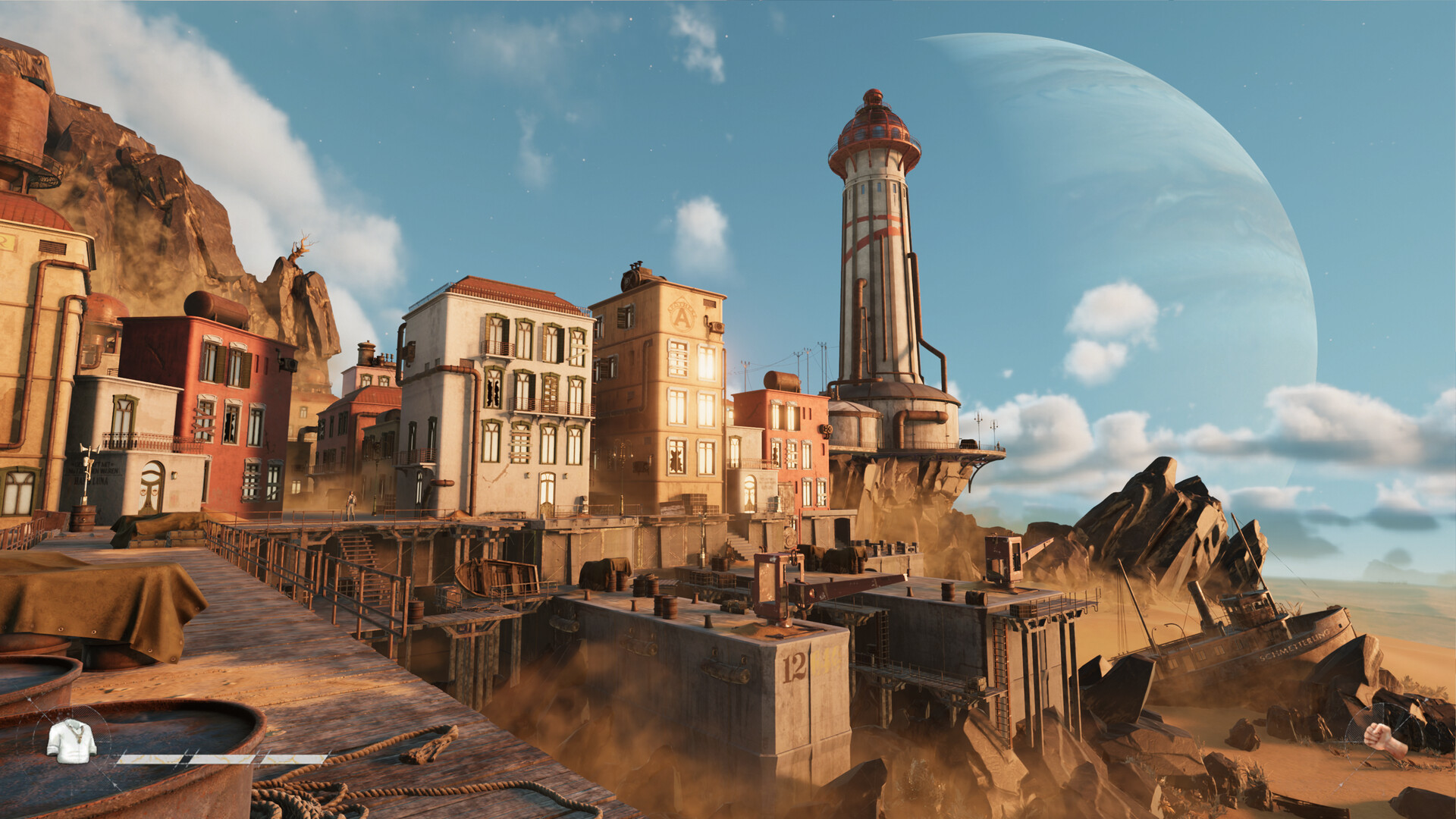
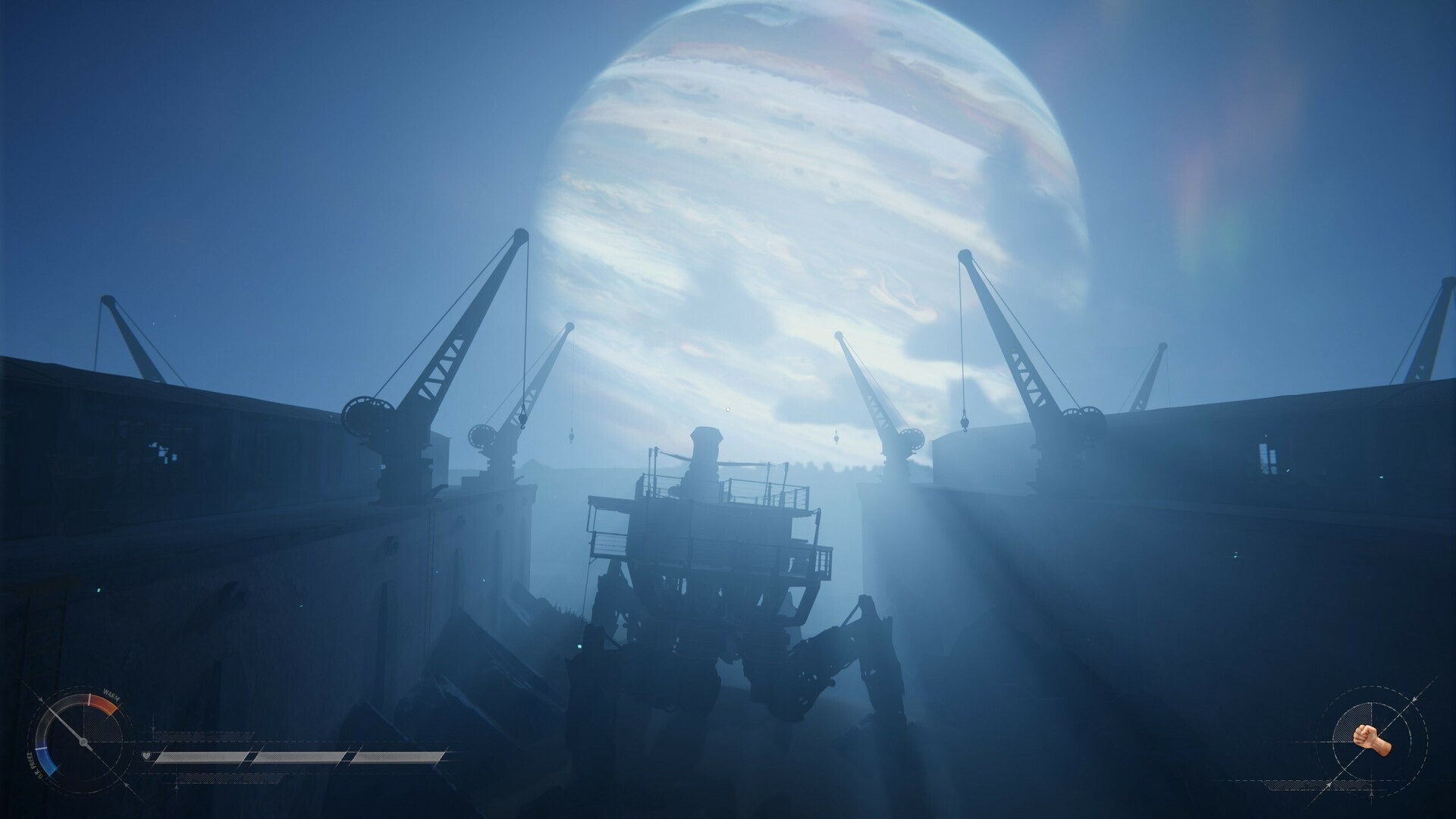
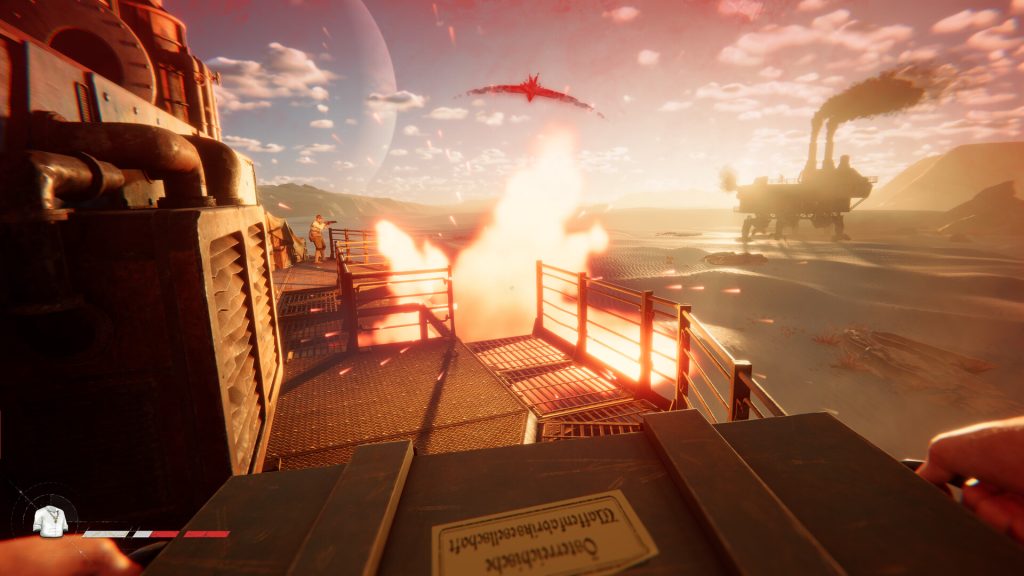
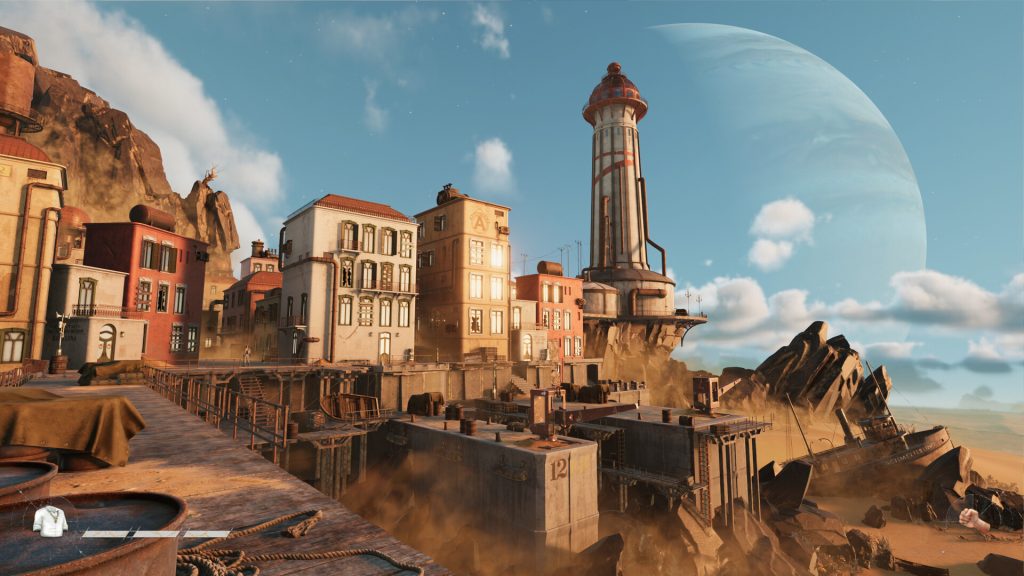
The desert world of SAND is littered with half-buried cities, skeletal infrastructure, and industrial relics. These locations hint at a lost civilization, but never explain it fully.
Exploration yields fragments: broken machines, collapsed towers, abandoned corridors swallowed by sand. There are no clear narratives, no heroes to emulate.
This absence of explanation reinforces the game’s tone. The world does not care to be understood. You are not uncovering history—you are scavenging its remains.
5. Combat: Brutal, Costly, and Inescapable
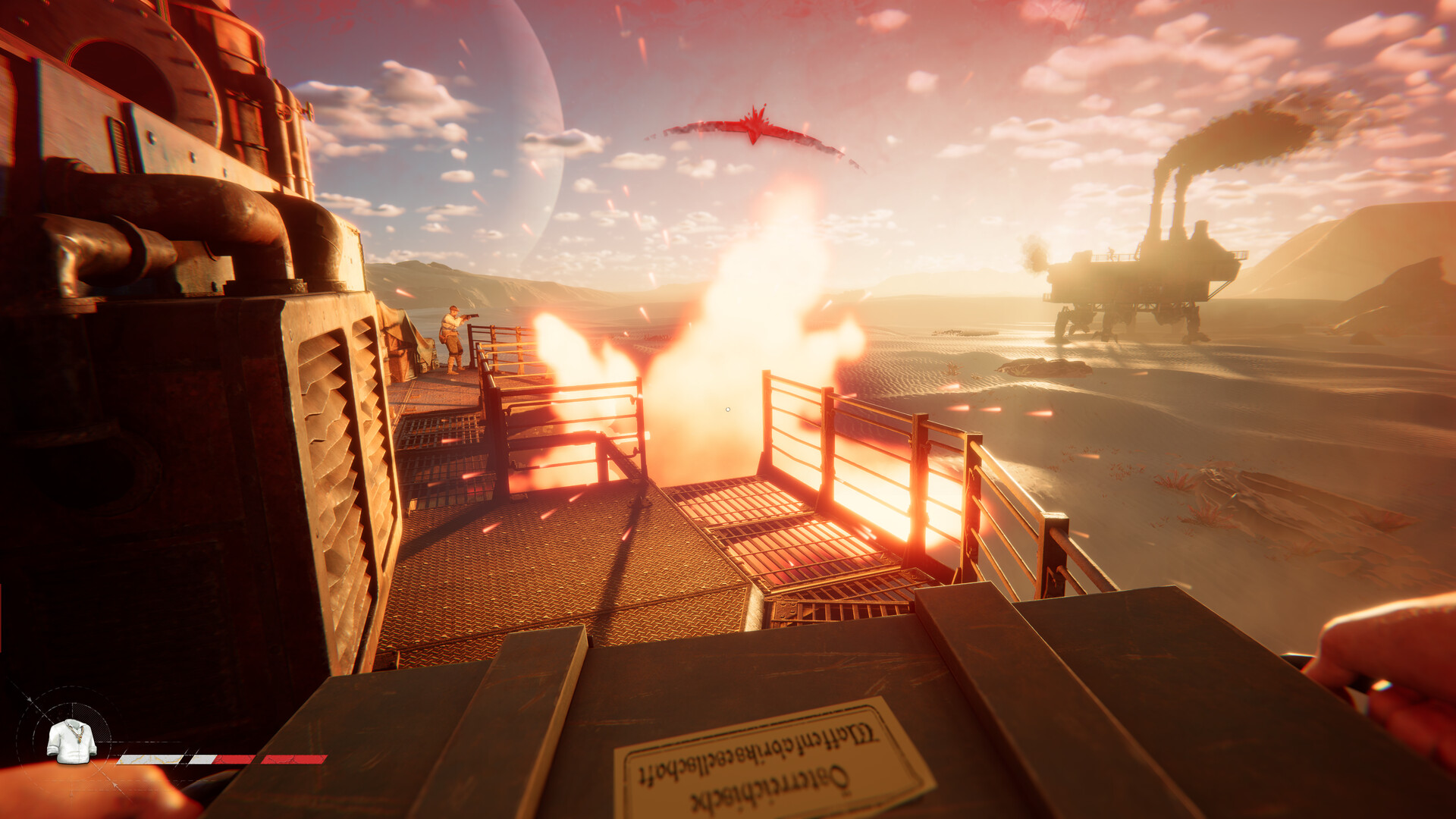
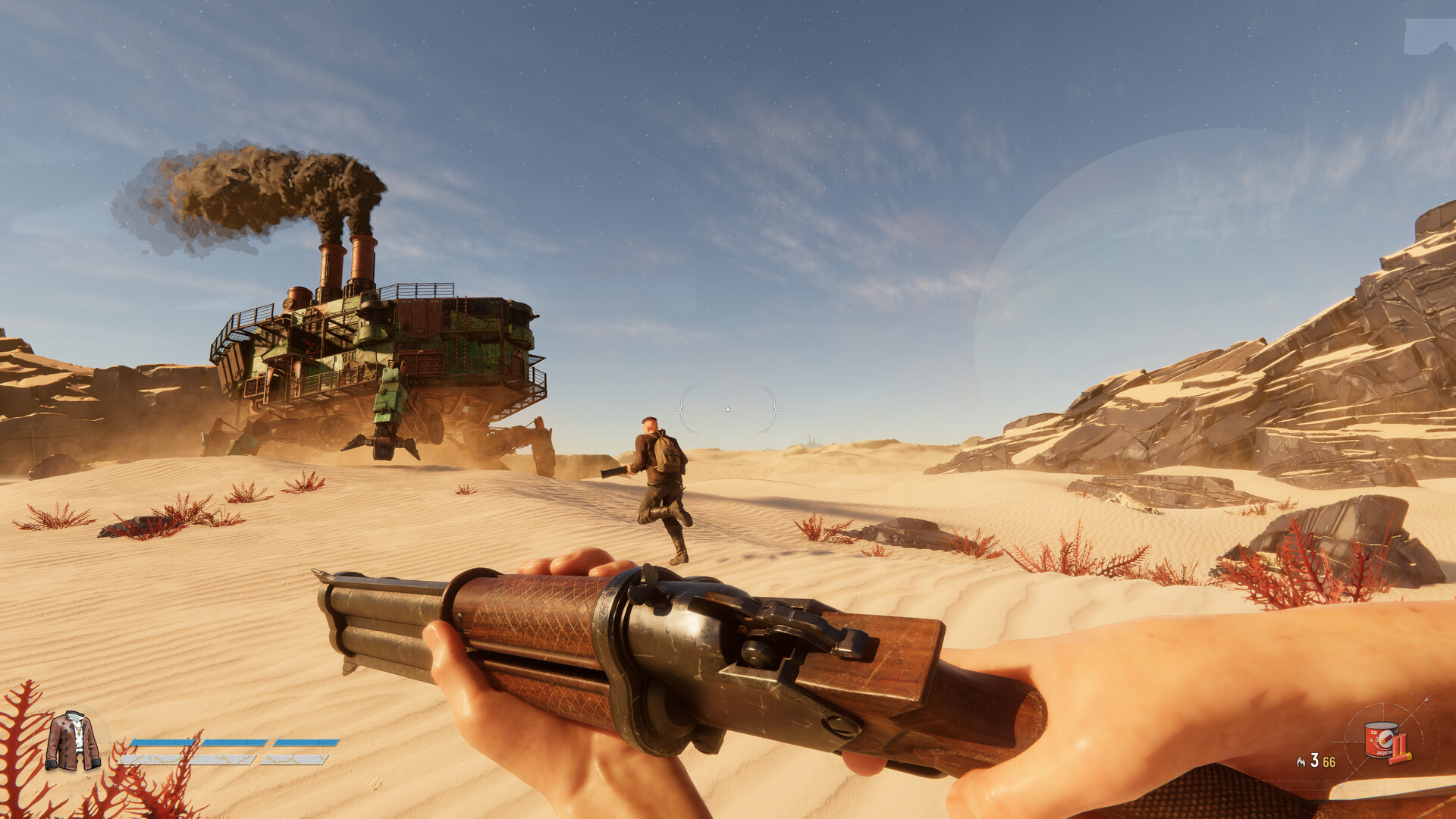
Combat in SAND: Raiders of Sophie is heavy and consequential. Weapons are mounted to walkers, and engagements feel more like duels between machines than firefights between individuals.
Damage is persistent. Losing a component mid-fight changes the battle immediately. Victory often leaves you weaker than before.
This makes combat a calculated risk rather than a default action. Aggression must be justified by necessity or desperation. Survival favors restraint, positioning, and preparedness over bravado.
6. Resource Scarcity and Mechanical Dependency
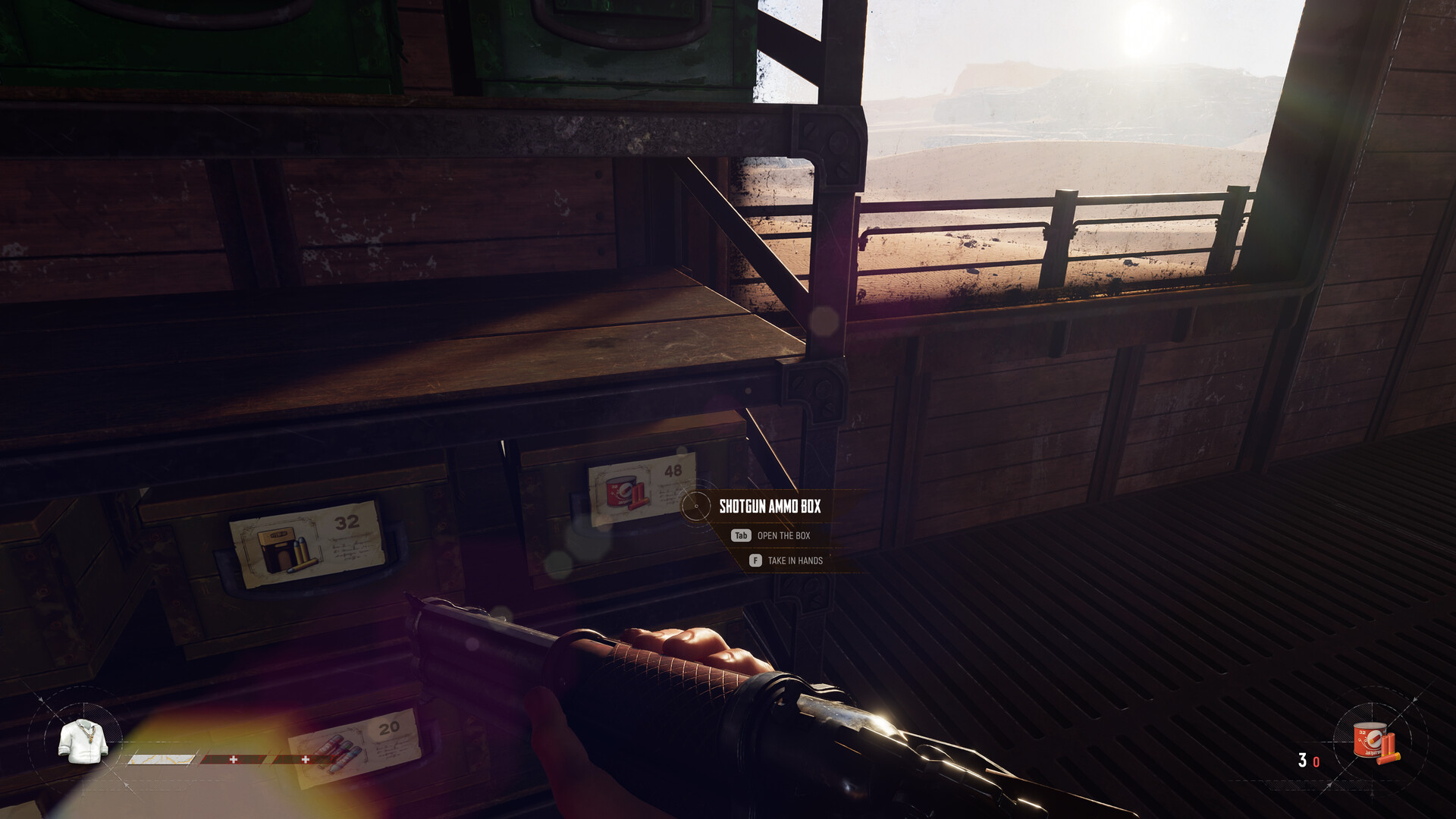
Resources in SAND are always scarce—and always tied to machinery. Fuel, repair materials, ammunition, and components form an interconnected economy.
Running out of fuel strands you. Running out of repair parts cripples you. Poor resource planning cascades into systemic failure.
This creates constant cognitive pressure. Players are always balancing weight, capacity, and consumption. The walker’s design reflects these trade-offs physically and visibly.
7. Multiplayer: Raiders, Encounters, and Social Risk
In multiplayer, SAND: Raiders of Sophie becomes a social survival experiment. Other players are unpredictable variables—potential allies, rivals, or opportunistic raiders.
Encounters are tense because they are costly. Even winning a fight can leave you vulnerable. Negotiation, avoidance, and intimidation become viable strategies.
This emergent social layer gives the game longevity. Stories arise naturally from encounters, betrayals, and narrow escapes across the dunes.
8. Player Psychology: Ownership and Fear of Loss
One of SAND’s most powerful psychological effects is how it amplifies loss aversion. Players invest heavily in their walkers, both materially and emotionally.
Losing a walker is not just losing progress—it is losing identity. The machine represents hours of decision-making and survival.
This fear of loss shapes behavior. Players become cautious, observant, and sometimes paranoid. Survival is not about winning—it is about not losing everything at once.
9. Pacing: Long Silence, Sudden Collapse
SAND’s pacing alternates between long stretches of silence and sudden, irreversible disaster. Travel can feel meditative—until it isn’t.
Mechanical failures, ambushes, or poor decisions can unravel hours of progress in minutes. Recovery is slow, if possible at all.
This pacing creates emotional intensity without constant stimulation. The quiet moments are not safe—they are fragile.
10. Limitations and Design Trade-Offs
SAND: Raiders of Sophie is not a polished or forgiving experience. Its systems are demanding. Its pacing is slow. Its consequences are harsh.
New players may feel overwhelmed. Technical roughness can disrupt immersion. The learning curve is steep and unkind.
Yet these trade-offs are integral to its identity. SAND does not aim to comfort. It aims to immerse players in a world where survival is uncertain and dignity is optional.
Pros
Strong, cohesive post-apocalyptic setting
Unique walker-based survival and traversal
Meaningful mechanical customization with real consequences
Emergent multiplayer encounters create memorable stories
Loss and risk feel emotionally impactful
Cons
Steep learning curve and limited onboarding
Slow pacing may deter action-focused players
Technical rough edges
High punishment for mistakes
Demands patience and long-term commitment
Conclusion: Survival on Borrowed Steel
SAND: Raiders of Sophie is not about reclaiming the world—it is about surviving on what remains. It asks players to live inside machines, trust unstable systems, and accept that nothing they build is permanent.
For players drawn to bleak survival sandboxes, vehicular gameplay, and experiences where loss matters as much as success, SAND offers something rare and resonant. It is a game about motion, decay, and the fragile romance of industrial survival.
You do not conquer the desert.
You cross it
hoping your machine holds together
just a little longer.