
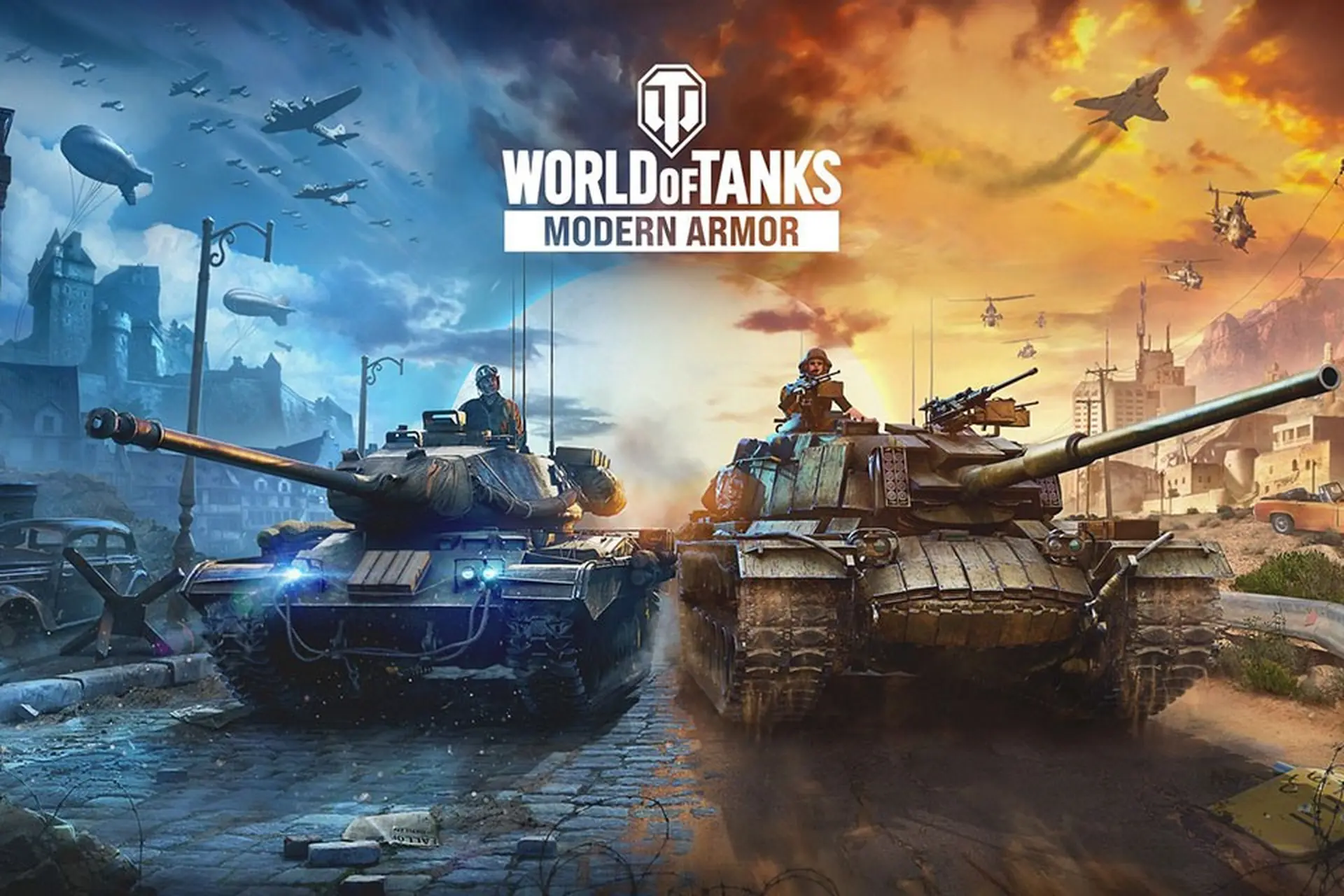
World of Tanks – Armor, Patience, and the Psychology of Measured Destruction
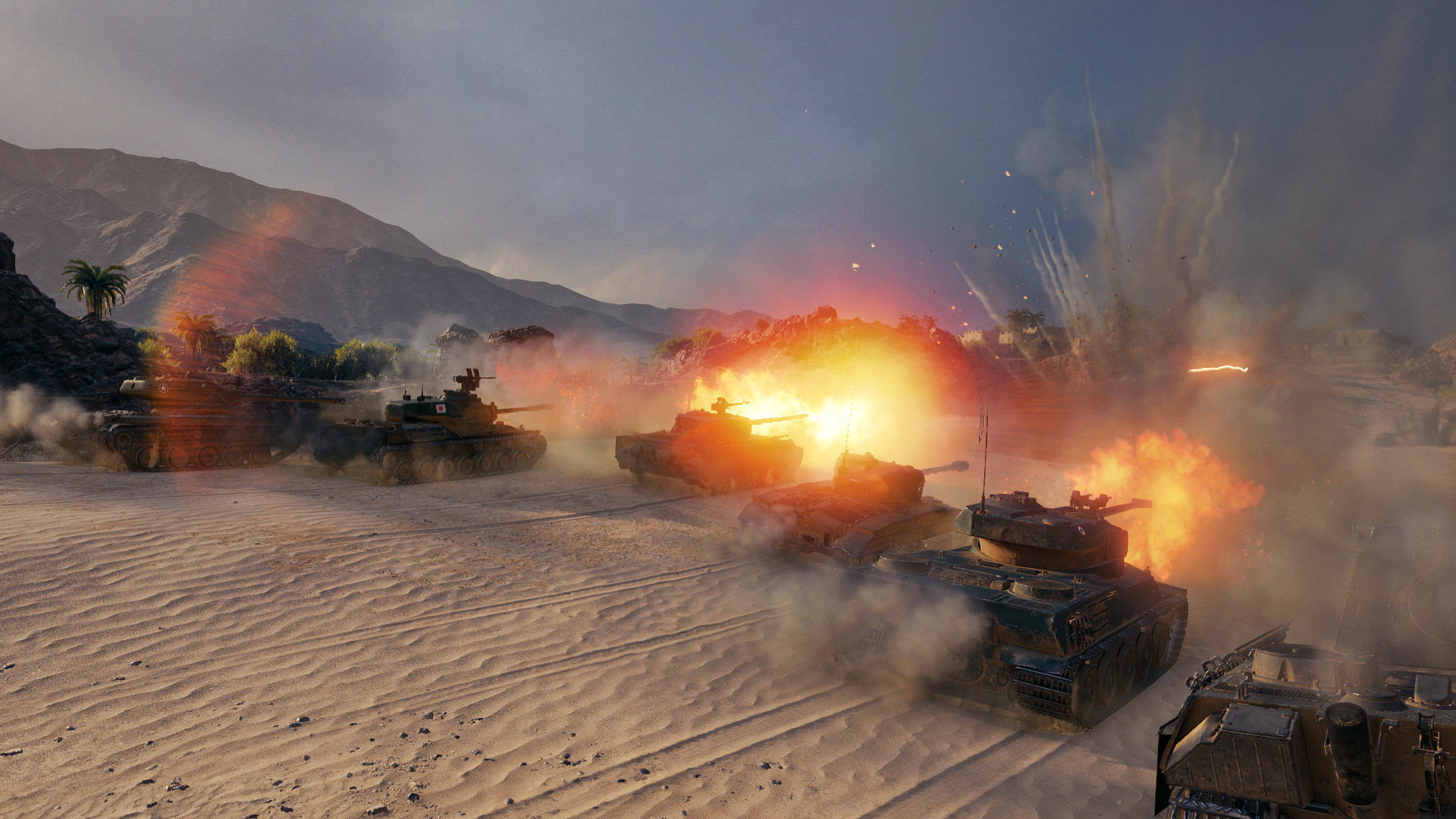
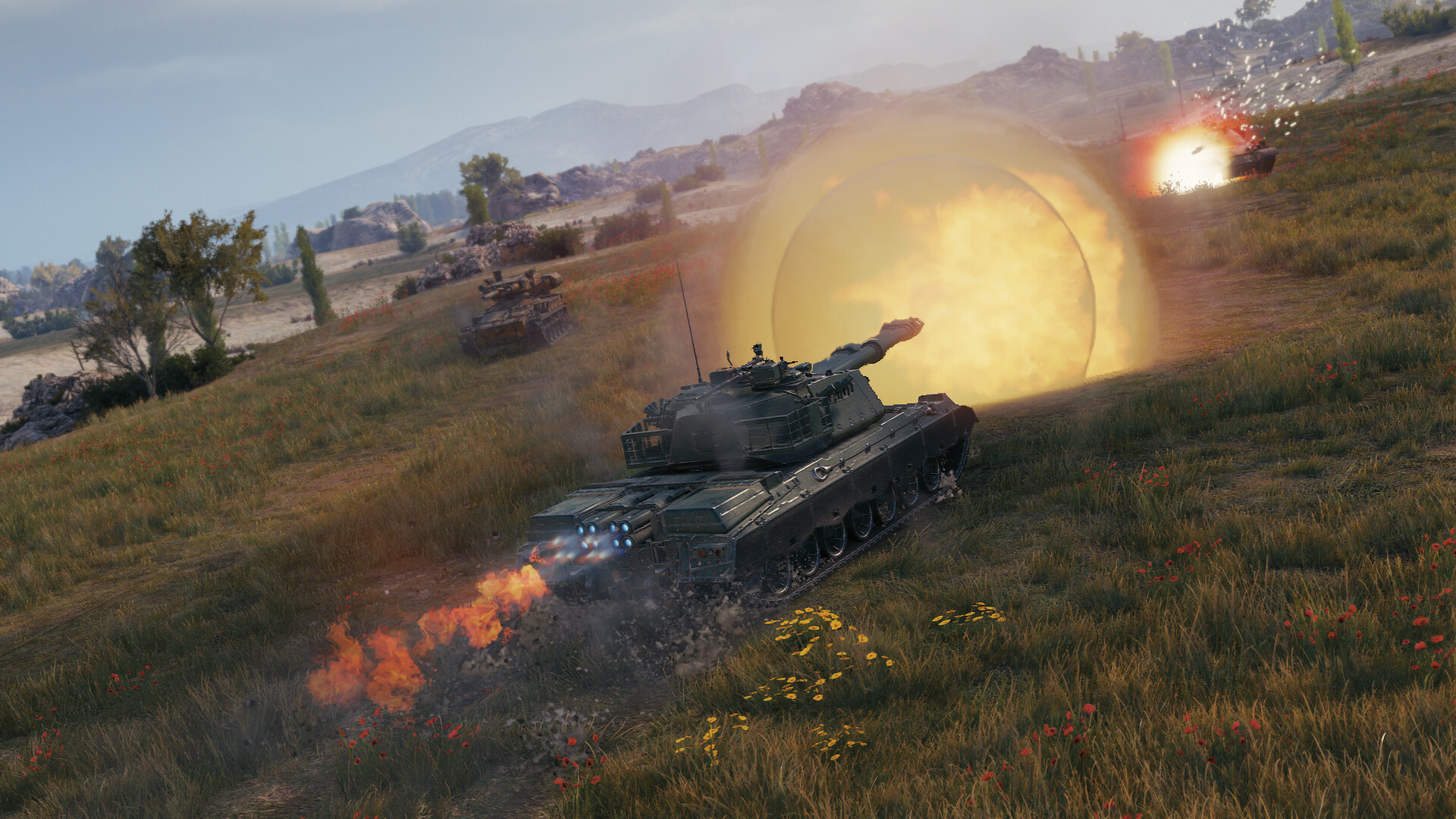
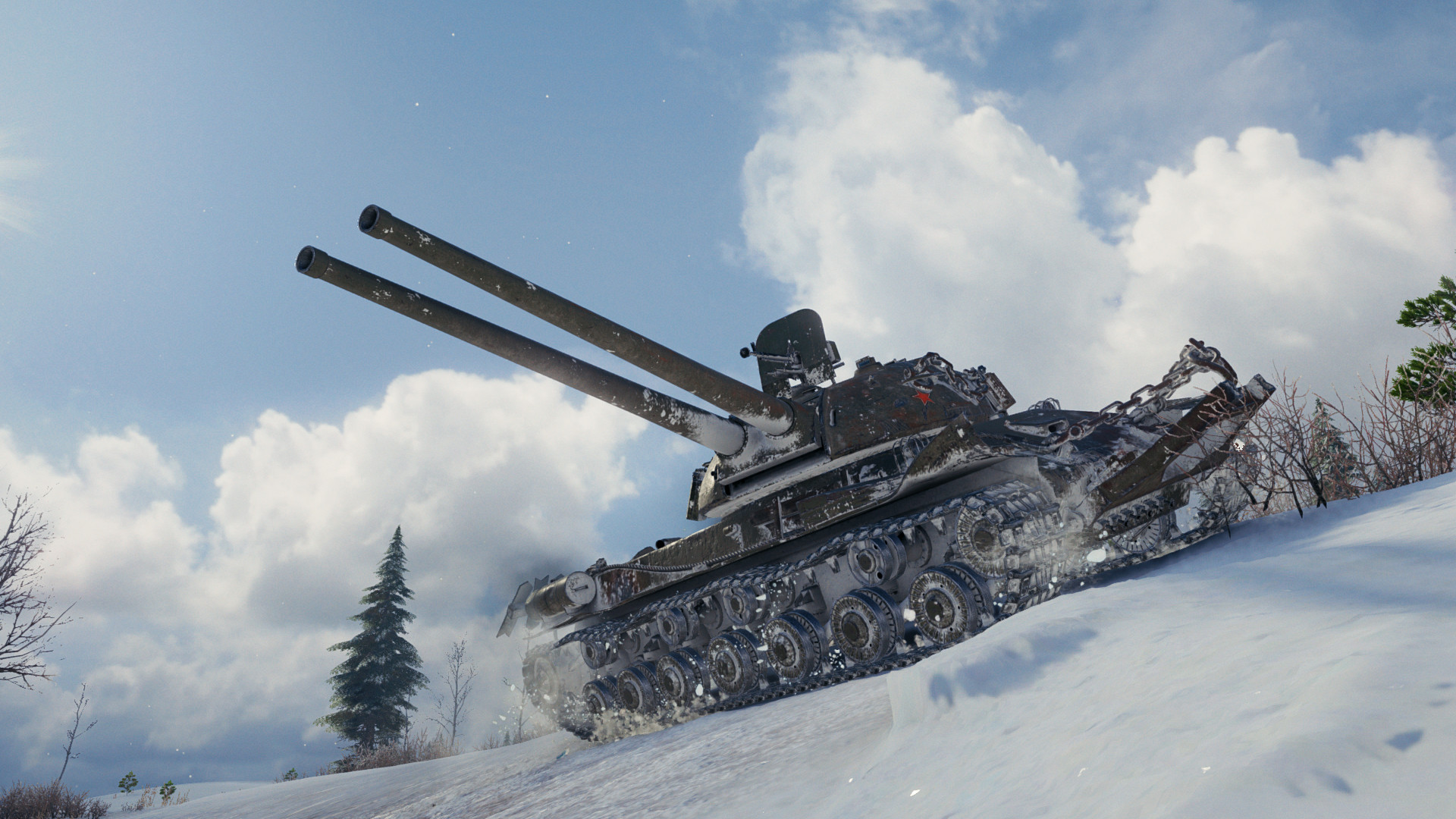
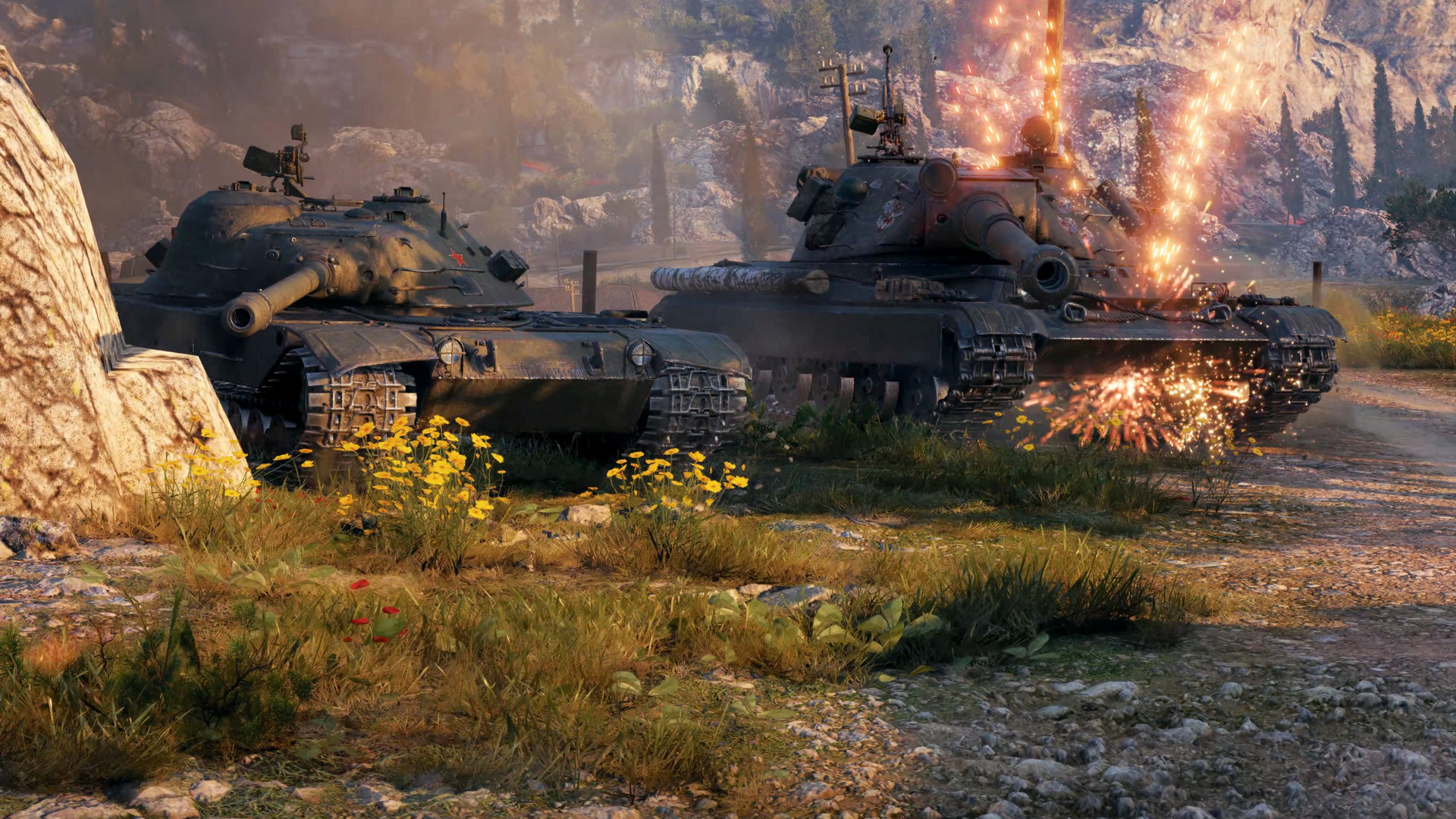
Introduction: When Power Is Heavy and Time Is a Weapon
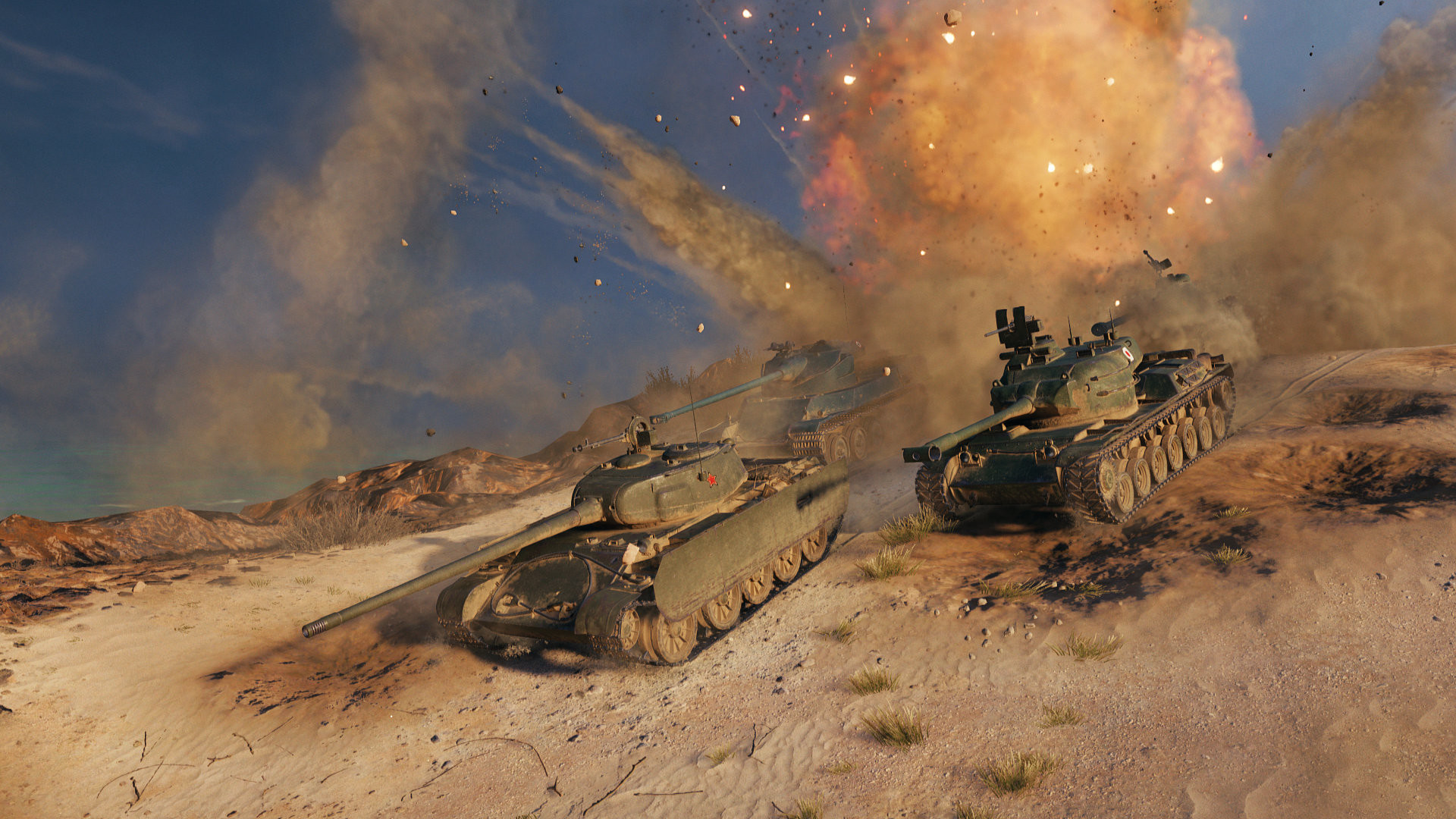
World of Tanks is not a shooter about speed, reflex dominance, or constant action. It is a game about weight. Weight of steel, weight of positioning, and weight of decisions that cannot be undone once committed. Every movement takes time. Every shot carries consequence. Every mistake lingers longer than players expect.
Since its release, World of Tanks has carved out a unique space in multiplayer gaming by slowing combat down rather than speeding it up. It asks players to think before acting, to anticipate rather than react, and to accept that survival often depends more on restraint than aggression. This review examines World of Tanks as a long-running competitive ecosystem, focusing on pacing, player psychology, and how its systems turn armored warfare into a mental contest rather than a reflex test.
Quick Info (Overview Box)
Release Year: 2010
Genre: Multiplayer vehicular combat / Tactical action
Platforms: PC, PlayStation, Xbox
Game Modes: Random Battles, Ranked, Clan Wars, PvE events
Target Audience: Players who enjoy tactical positioning, methodical combat, progression-driven multiplayer, and strategic patience
1. Core Design Philosophy: Deliberation Over Dexterity
At its core, World of Tanks is built around the idea that power should feel earned through positioning, not execution speed. Tanks accelerate slowly, turn deliberately, and reload on long timers.
This immediately differentiates the game from traditional shooters. Players cannot rely on twitch reflexes or constant movement. Instead, they must think in advance: where to go, when to expose armor, when to retreat.
The game rewards foresight. A good decision made thirty seconds earlier often matters more than a perfect shot in the moment.
2. Armor as Geometry, Not Statistics
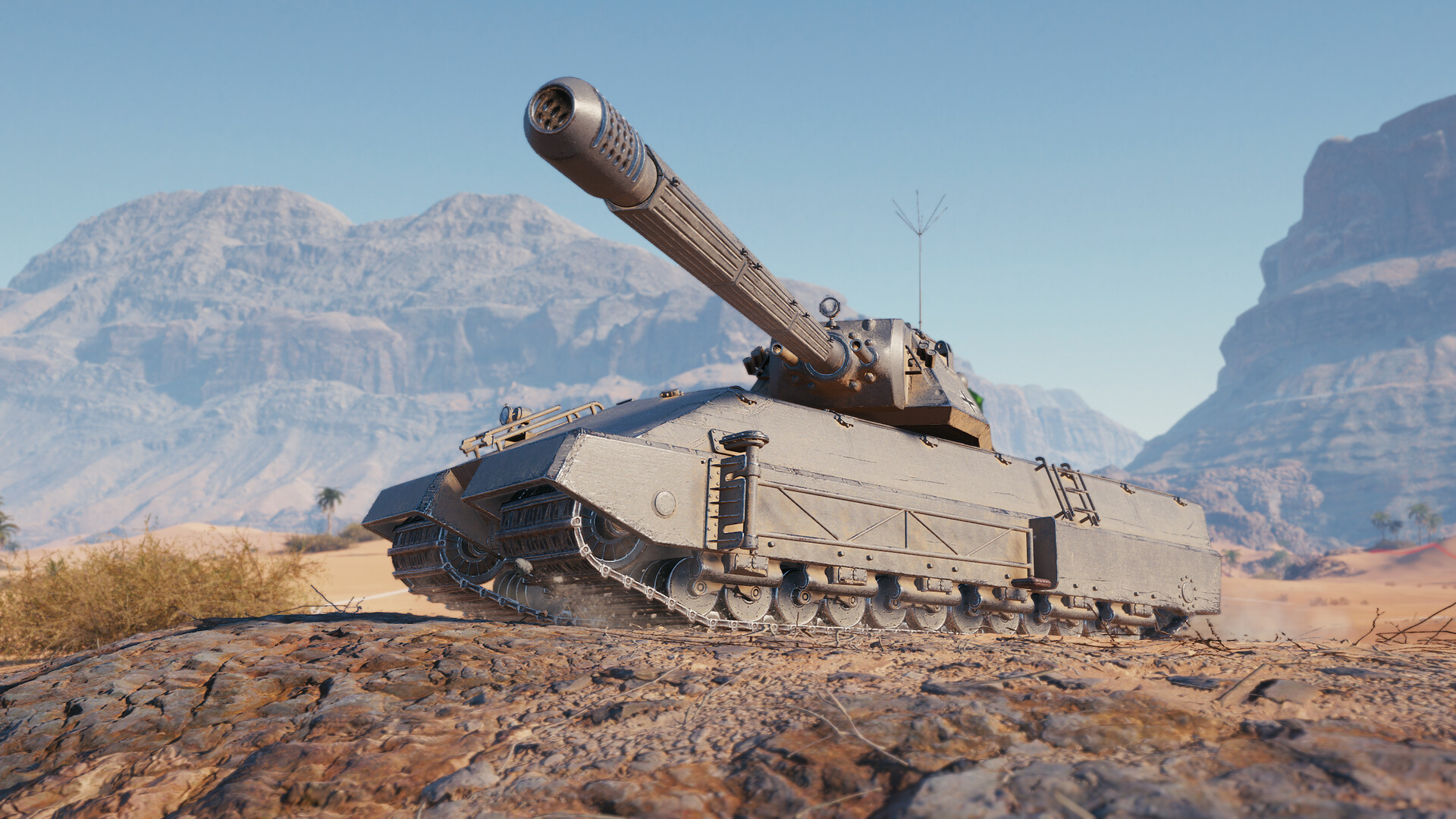
One of World of Tanks’ defining mechanics is its armor system. Armor is not just a number—it is shape. Angle, thickness, and impact direction all influence outcomes.
This turns combat into a spatial puzzle. Players learn how to angle hulls, hide weak points, and bait enemy shots into ineffective angles.
Knowledge becomes power. Understanding armor profiles and penetration values creates a skill gap that rewards experience over reaction time. Victory often goes to the player who understands geometry better, not the one who clicks faster.
3. Vision, Concealment, and Invisible Pressure
Unlike many shooters, World of Tanks emphasizes what you cannot see. Vision range, spotting mechanics, and camouflage values define battlefield awareness.
Enemies may be present without being visible. Firing reveals position. Movement breaks concealment. Bushes, terrain, and distance matter constantly.
This creates psychological pressure. Players hesitate not because danger is visible, but because it might exist. Fear comes from uncertainty rather than chaos.
The game turns patience into a survival skill.
4. Map Design: Lanes, Traps, and Silent Agreements
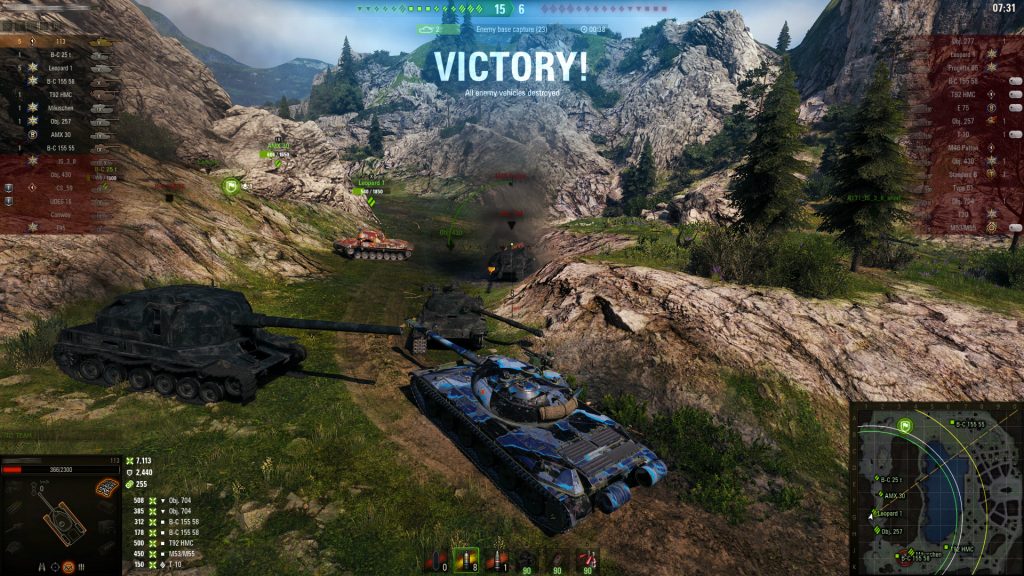
Maps in World of Tanks are carefully structured spaces that guide behavior without explicitly instructing players. Lanes form naturally. High ground offers dominance. Chokepoints invite stalemates.
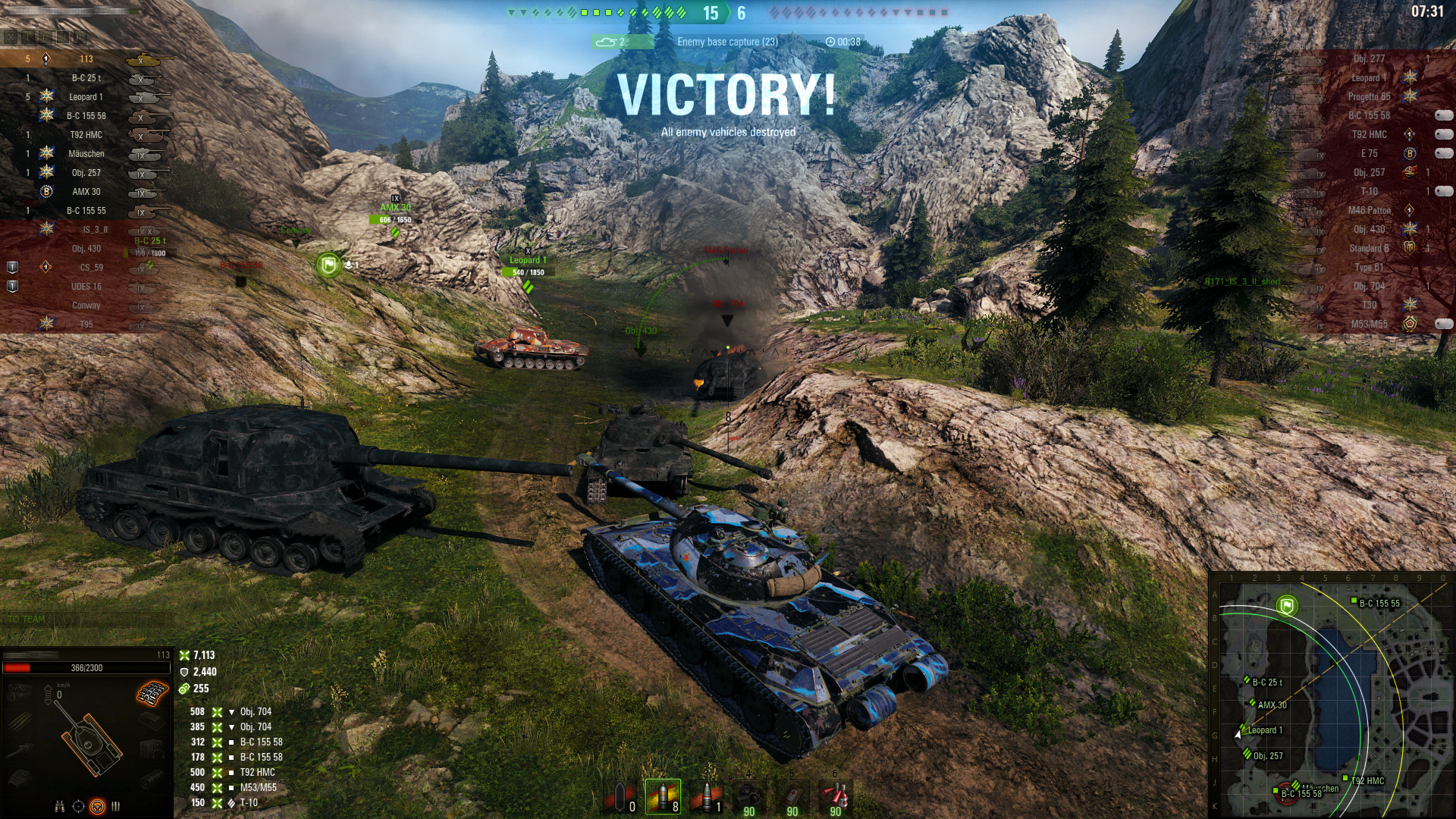
Over time, experienced players develop silent agreements about where different tank classes operate. Heavy tanks brawl. Tank destroyers anchor lines. Light tanks scout.
Breaking these conventions can win games—or lose them catastrophically. The maps reward understanding collective behavior as much as individual creativity.
5. Tank Classes and Role Identity
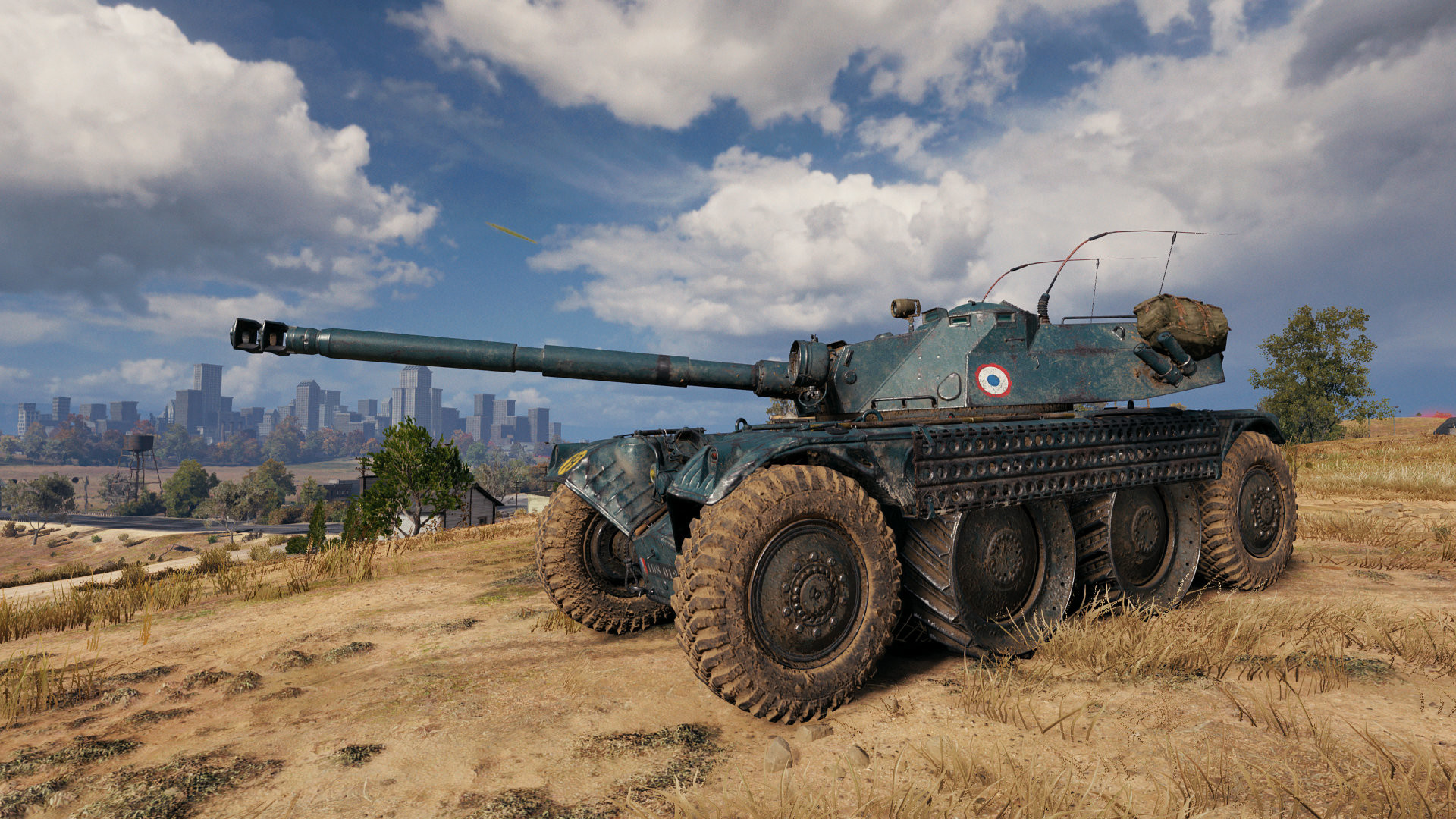
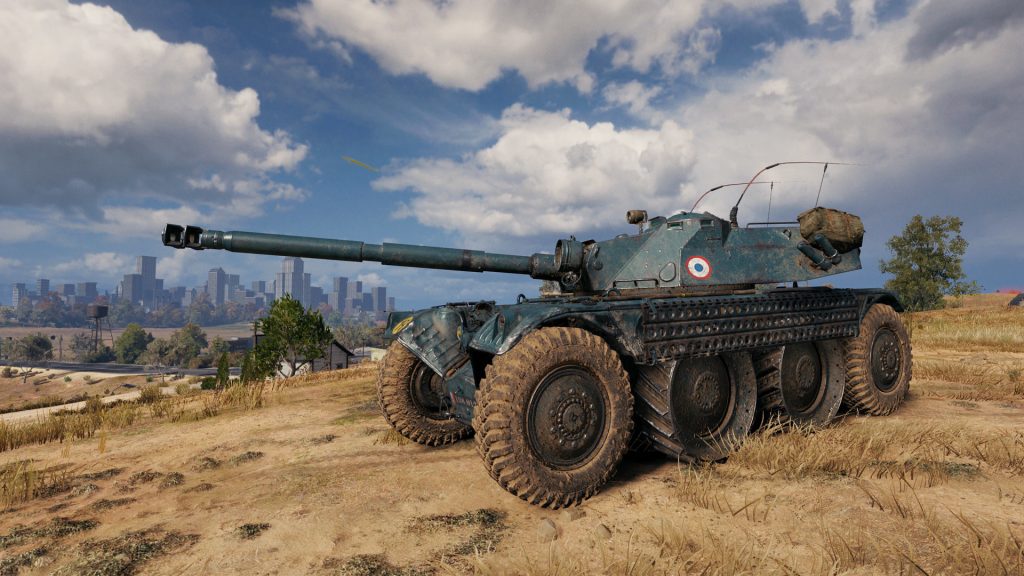
World of Tanks divides vehicles into distinct classes: light, medium, heavy, tank destroyers, and artillery. Each class carries expectations and responsibilities.
Light tanks gather information and disrupt. Heavy tanks absorb pressure. Tank destroyers punish mistakes. Artillery reshapes movement through threat rather than presence.
This class structure encourages interdependence. No tank type functions optimally alone. Success depends on roles overlapping correctly at the right time.
The game becomes less about individual dominance and more about formation integrity.
6. Pacing: Long Tension, Short Consequences
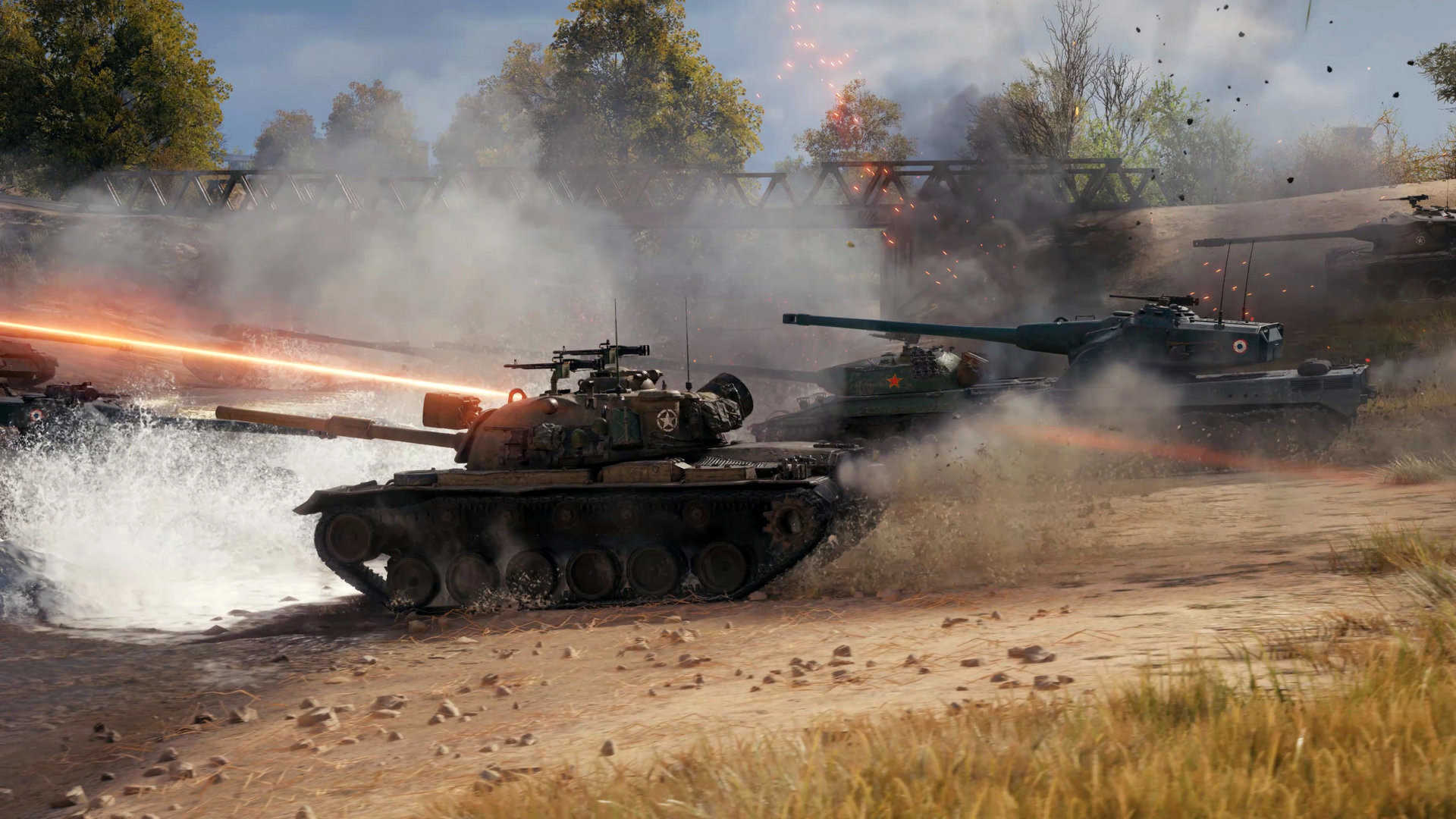
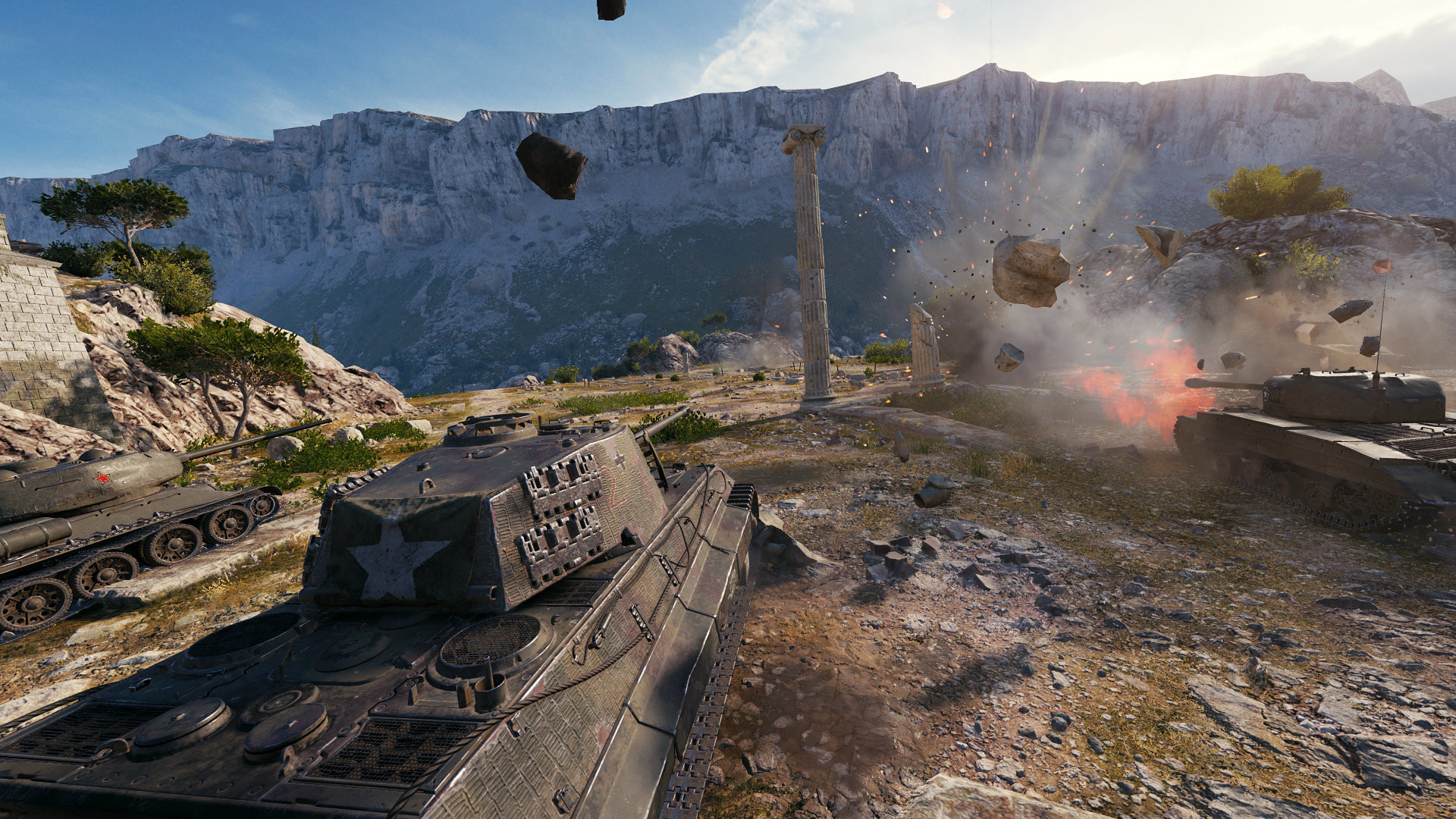
Matches in World of Tanks are slow to unfold but quick to resolve. Positioning takes minutes. Engagements take seconds.
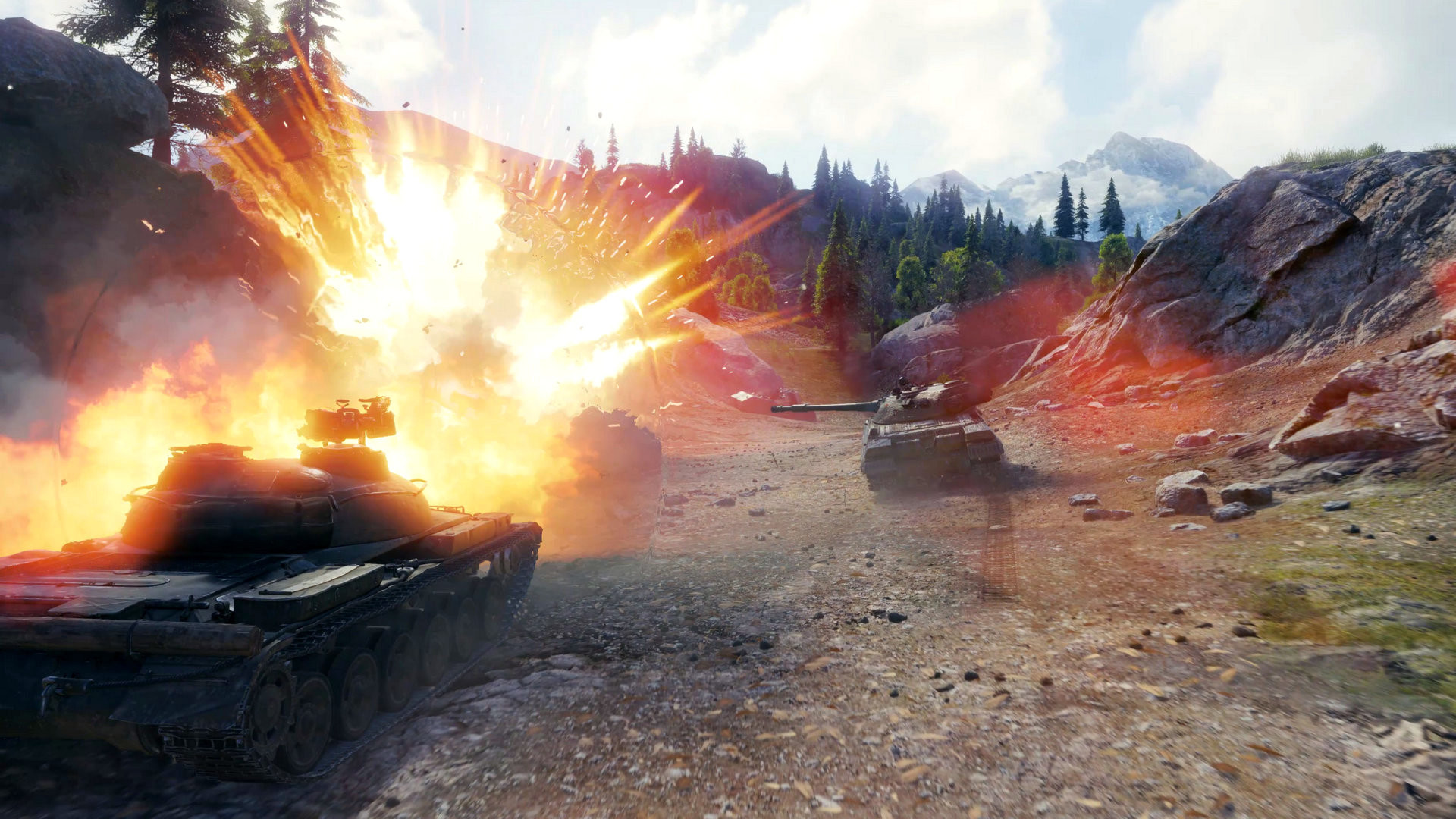
A single exposure can lead to instant destruction. There are no health regeneration mechanics, no second chances once hitpoints are gone.
This pacing creates constant tension. Players invest time into positioning, knowing that one mistake can erase it all. Victory feels fragile. Defeat feels abrupt.
The emotional weight of each decision is amplified by permanence.
7. Player Psychology: Caution, Frustration, and Discipline
World of Tanks demands emotional control. Impatience leads to overextension. Greed leads to exposure. Anger leads to reckless play.
Successful players learn restraint. They wait. They accept stalemates. They reposition rather than force outcomes.
This discipline can feel satisfying—or exhausting. The game rewards calm minds but punishes emotional decision-making harshly.
For some players, this creates a deep sense of mastery. For others, it generates frustration when progress feels slow or externally constrained.
8. Progression Systems and Long-Term Investment
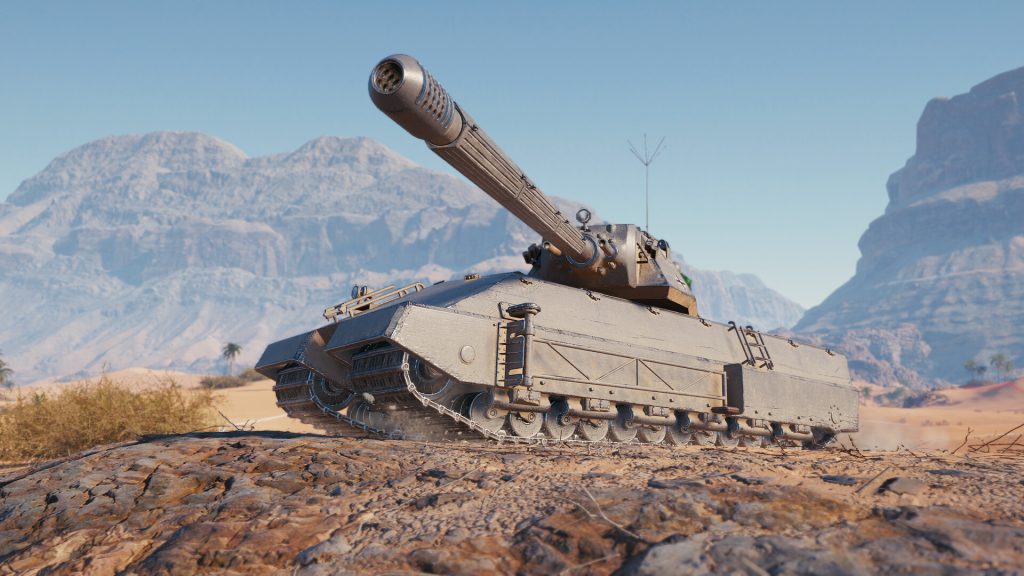
Progression in World of Tanks is extensive. Hundreds of vehicles across nations, tiers, and playstyles create a long-term engagement loop.
Unlocking new tanks offers variety, but also resets familiarity. Each vehicle demands learning its strengths, weaknesses, and role.
This progression system encourages specialization. Players often gravitate toward certain classes or nations, building identity through preference.
However, progression can also feel grind-heavy, especially for players seeking immediate competitiveness.
9. Monetization, Balance, and Competitive Perception
World of Tanks operates as a free-to-play game with monetization tied to premium vehicles, experience boosts, and economy advantages.
While skill remains decisive, progression speed and economic flexibility are undeniably influenced by spending. This creates tension within the community.
Balance debates are constant. Premium tanks, matchmaking spreads, and artillery mechanics divide player opinion.
Despite controversy, the game’s core remains intact: positioning and knowledge still matter more than raw numbers.
10. Longevity Through Consistency
What keeps World of Tanks alive after more than a decade is not novelty, but consistency. The core mechanics have remained recognizable even as content expanded.
Players return because the game feels familiar yet demanding. It does not chase trends or radically reinvent itself.
World of Tanks understands its identity. It is not fast. It is not flashy. It is methodical—and unapologetic about it.
Pros
Deep tactical gameplay built on positioning and knowledge
Unique armor and spotting mechanics
Strong class identity and team interdependence
High tension created through slow pacing and permanence
Long-term progression with extensive content
Cons
Steep learning curve for new players
Matches can feel slow or passive
Monetization impacts progression perception
Balance debates are ongoing
Emotional frustration can build quickly
Conclusion: Power That Must Be Earned Slowly
World of Tanks is a game that refuses to rush you. It demands patience, discipline, and understanding in a genre often dominated by speed and spectacle.
For players who enjoy tactical combat, long-term mastery, and the satisfaction of outthinking rather than outshooting opponents, World of Tanks offers a uniquely enduring experience. It is not about being the fastest or the loudest.
It is about being the one
who waited,
positioned,
and survived long enough
to fire the shot that mattered.