
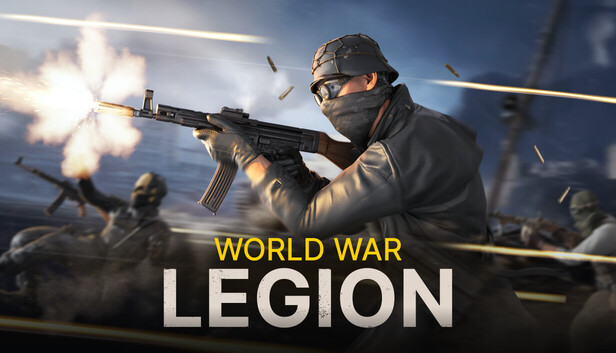
World War Legion – Scale, Simplification, and the Strategy of Managing Endless Conflict
Introduction: When War Becomes an Interface
World War Legion is not a game about commanding individual soldiers or executing clever battlefield maneuvers in real time. It is a game about abstraction. War, in World War Legion, is not experienced through chaos and immediacy, but through layers of systems, numbers, timers, and long-term planning. The player does not fight wars—they administer them.
At first glance, World War Legion resembles many other large-scale strategy games: armies march, territories are contested, upgrades unlock, and power grows over time. But its defining identity lies in how it compresses the idea of global conflict into manageable, repeatable loops. This review examines World War Legion as a systems-heavy strategy experience, focusing on scale, simplification, player psychology, and how the game sustains engagement through perpetual conflict rather than decisive victory.
Quick Info (Overview Box)
Release Year: 2023
Genre: Strategy / War simulation
Platforms: Mobile (Android, iOS)
Game Modes: Single-player progression, Online competitive modes
Target Audience: Players who enjoy long-term strategy planning, large-scale warfare themes, and progression-driven systems
1. Core Design Philosophy: War as Continuity
The central design philosophy of World War Legion is continuity over resolution. Conflicts do not end—they cycle. Territories change hands, power shifts incrementally, and wars are never conclusively won.
This design removes the traditional concept of “completion.” Instead, the game encourages perpetual engagement. Players are not building toward a final goal, but maintaining relevance within an ongoing system.
By framing war as an endless process rather than a narrative arc, World War Legion aligns itself with strategy games that emphasize persistence, patience, and incremental dominance.
2. Scale Without Micromanagement
World War Legion sells the idea of massive warfare. Maps span continents. Armies number in the thousands. Conflicts imply global stakes.
However, this scale is carefully abstracted. Players do not manage individual units in detail. Decisions are strategic rather than tactical: where to deploy, what to upgrade, when to attack.
This abstraction makes large-scale war accessible. Players feel powerful without being overwhelmed. The cost is intimacy—battles are understood through outcomes rather than moments.
3. Combat Resolution: Calculation Over Chaos
Combat in World War Legion is resolved primarily through calculation. Unit strength, upgrades, positioning, and modifiers determine outcomes more than moment-to-moment decision-making.
This removes reflex from the equation entirely. Success is decided before the battle begins, based on preparation rather than execution.
For strategy-focused players, this is liberating. It rewards foresight and planning. For others, it can feel detached—victory arrives as data, not drama.
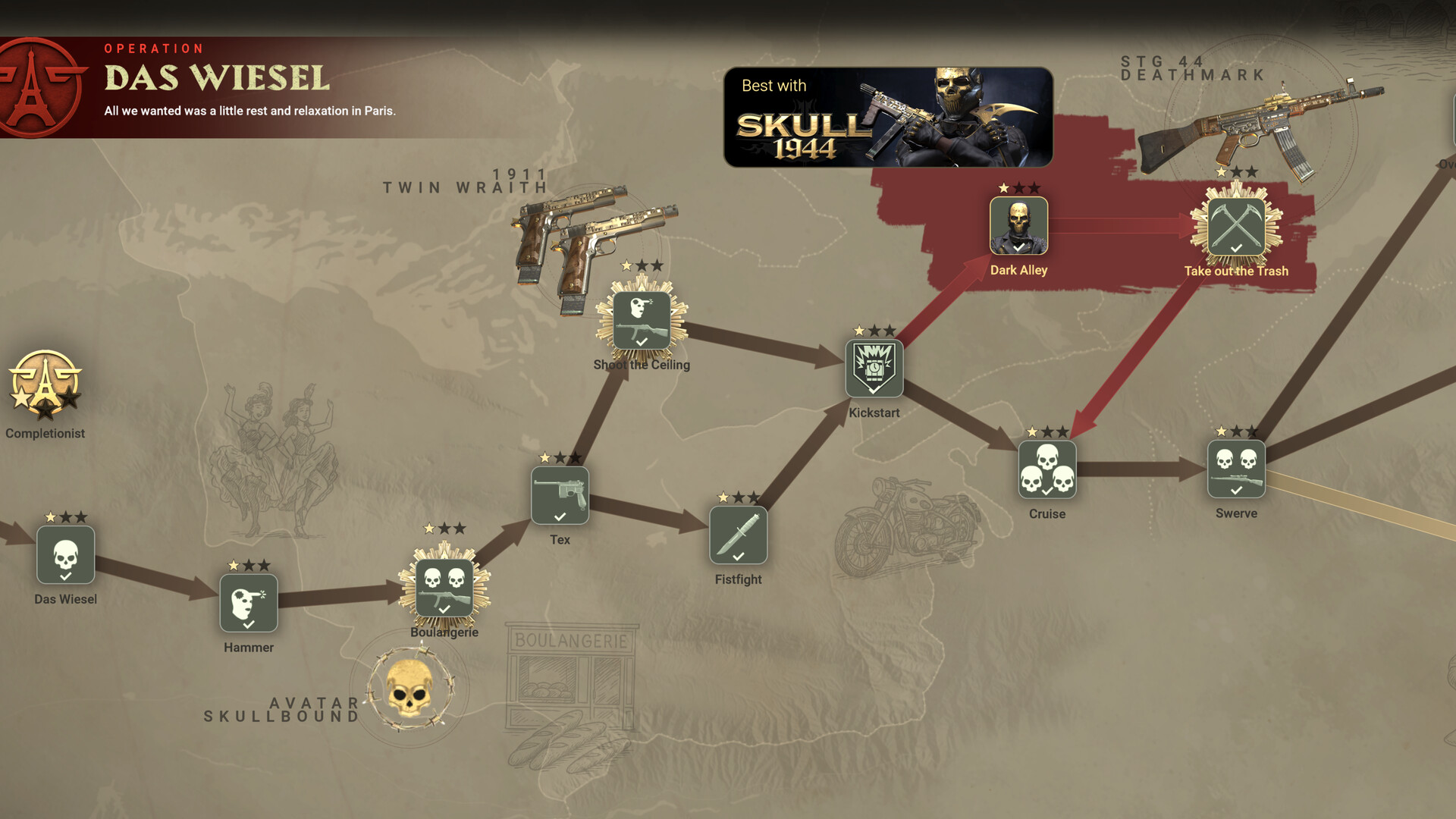
4. Progression Systems and Power Accumulation
Progression is the primary motivator in World War Legion. Players unlock stronger units, improve infrastructure, and gain access to advanced technologies.
Power accumulation is steady and deliberate. Early-game progress is rapid, reinforcing engagement. Later progression slows, encouraging long-term commitment.
This creates a familiar strategy-game rhythm: early optimism, mid-game optimization, late-game endurance. The game is not about reaching maximum power—it is about staying competitive.
5. Resource Management: Stability Over Scarcity
Resources in World War Legion are plentiful enough to avoid constant frustration, but limited enough to require prioritization.
Players juggle upgrades, deployments, and expansion carefully. Poor allocation does not usually cause immediate collapse, but it delays growth and weakens competitive position.
This forgiving resource economy lowers stress. The game avoids harsh punishment, instead encouraging course correction over recovery from disaster.
6. Strategic Geography and Territory Control
Maps in World War Legion emphasize territory as a symbol of influence rather than a source of unique mechanics. Owning land represents reach and dominance.
Territory control is less about defensive positioning and more about momentum. Holding ground signals strength. Losing it invites pressure.
This design reinforces a macro-strategy mindset. Players think in trends rather than tactics, watching fronts shift gradually over time.
7. Multiplayer Dynamics: Asynchronous Competition
In online modes, World War Legion becomes an exercise in asynchronous competition. Players rarely confront each other directly in real time.
Instead, they compete through preparation, timing, and system mastery. Knowing when opponents are vulnerable matters more than outplaying them moment-to-moment.
This structure suits mobile play well. Engagement happens in bursts. Strategy unfolds over hours or days rather than minutes.
8. Player Psychology: The Comfort of Predictability
One of World War Legion’s most subtle strengths is predictability. Systems behave consistently. Progress is measurable. Outcomes are explainable.
This creates psychological comfort. Players know that time invested produces results. There are few surprises, few sudden reversals.
For some, this predictability becomes meditative. For others, it risks monotony. The game appeals most strongly to players who enjoy stability over excitement.
9. Presentation: Functional Grandeur
Visually, World War Legion aims for functional grandeur. Icons suggest scale. Animations imply movement and power without overwhelming detail.
Sound design supports progression rather than immersion. Feedback confirms actions rather than deepening atmosphere.
The presentation reinforces the idea that the player is managing war from a distance. Emotional engagement comes from progress, not spectacle.
10. Limitations and Design Trade-Offs
World War Legion’s abstraction limits emotional impact. Battles lack drama. Losses feel numerical rather than personal.
The absence of decisive endings can lead to fatigue. Without a sense of narrative closure, motivation must be self-sustaining.
Monetization and progression pacing can influence competitive balance, especially in online modes. These pressures are inherent to long-term strategy games on mobile platforms.
Pros
Accessible large-scale strategy without micromanagement
Clear, consistent systems that reward planning
Long-term progression supports sustained engagement
Asynchronous multiplayer fits mobile play patterns
Low stress due to forgiving resource economy
Cons
Combat lacks immediacy and emotional impact
Repetition can lead to fatigue over time
Limited tactical depth
Progression may feel slow in late stages
Competitive balance influenced by time investment
Conclusion: War as an Ongoing Equation
World War Legion is not about winning wars—it is about staying in them. It reframes global conflict as a continuous equation of growth, pressure, and adaptation.
For players who enjoy strategy as administration rather than action, and who find satisfaction in long-term planning and steady progress, World War Legion offers a stable and absorbing experience. It does not dramatize war—it normalizes it.
There is no final victory here.
Only the next calculation,
the next expansion,
and the quiet question of whether you can maintain power
just a little longer.