


Exit Together – Shared Panic, Fragile Trust, and the Art of Escaping as a Group





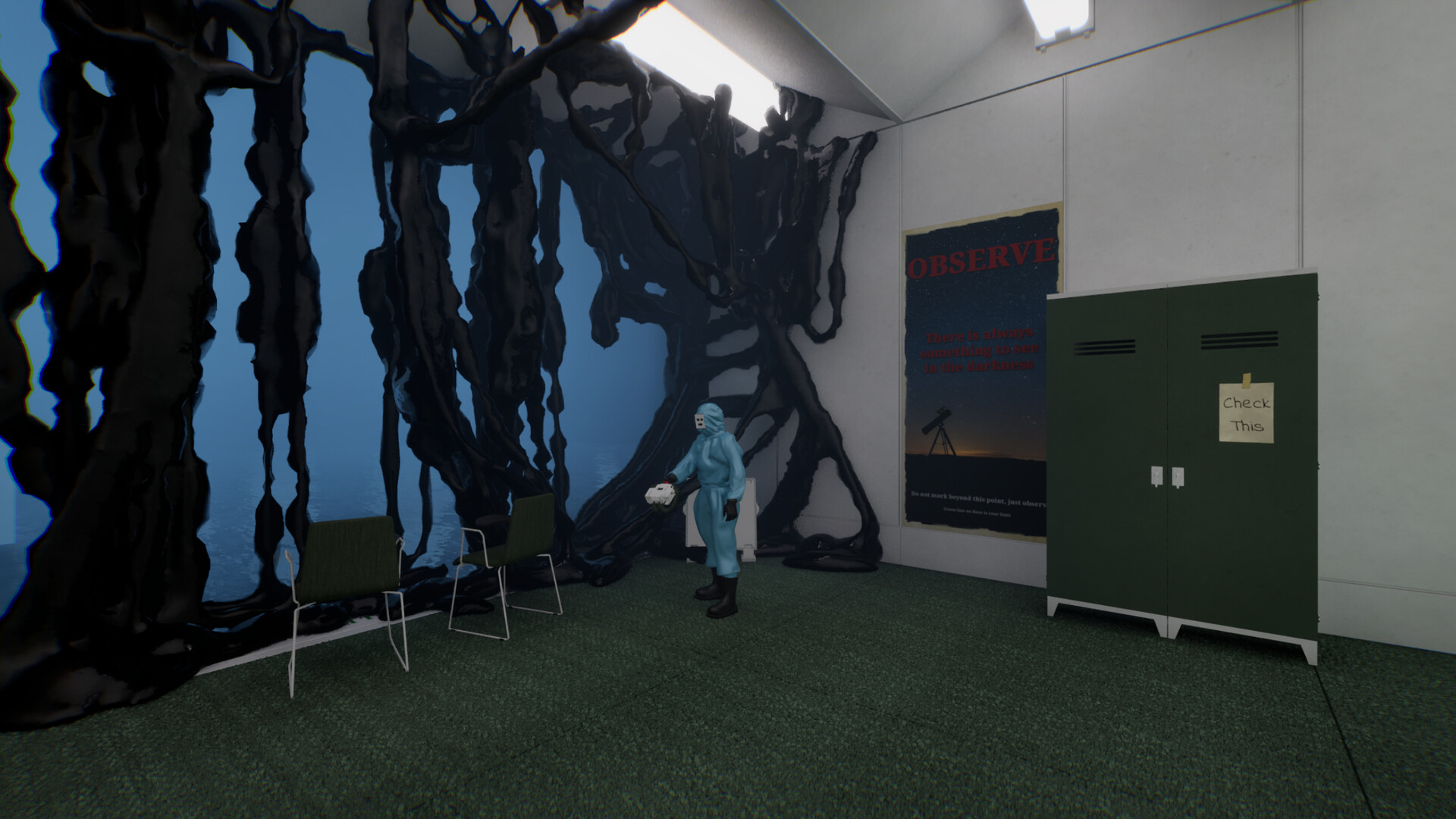
Introduction: Escape Is Not an Individual Skill
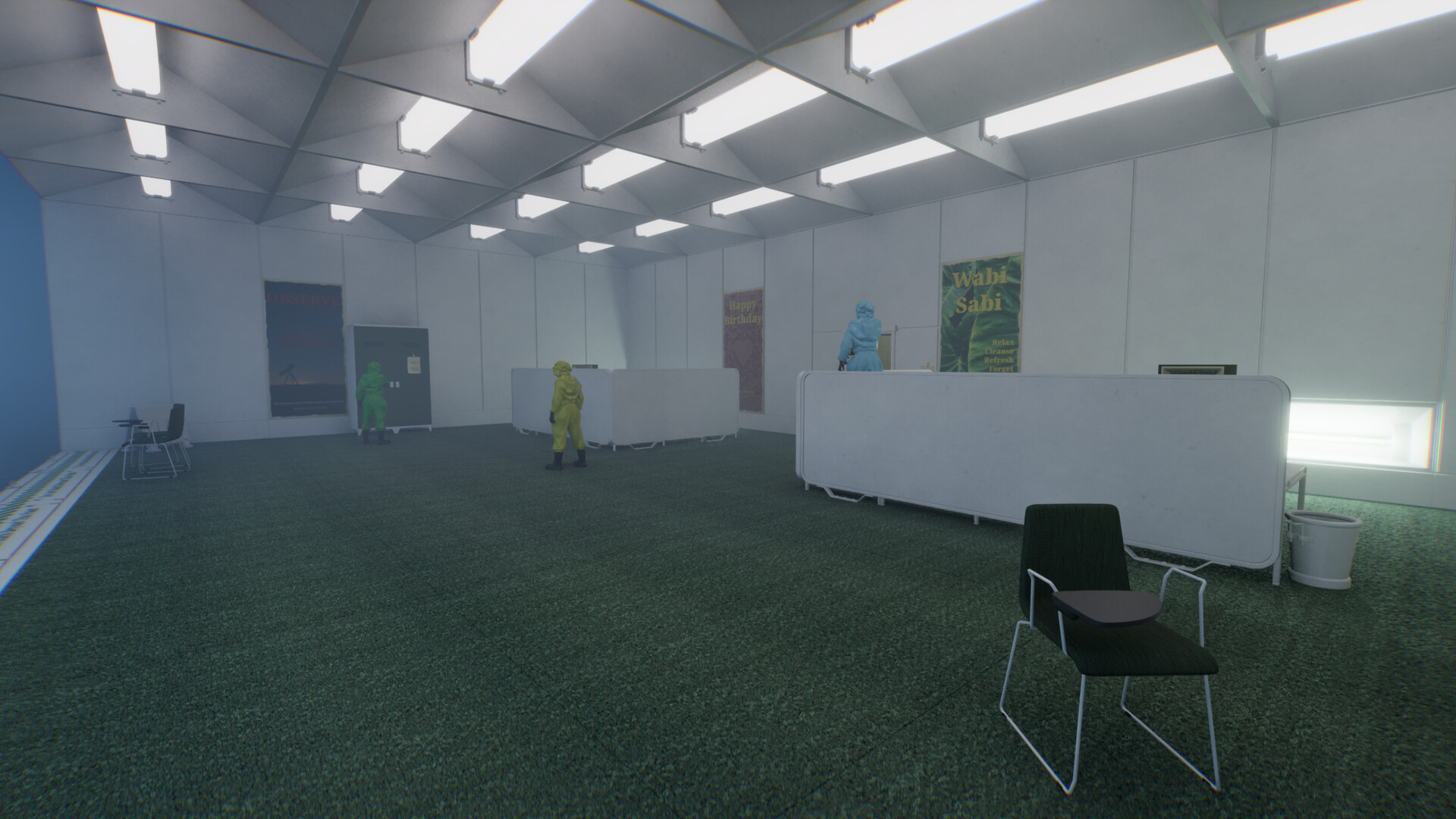
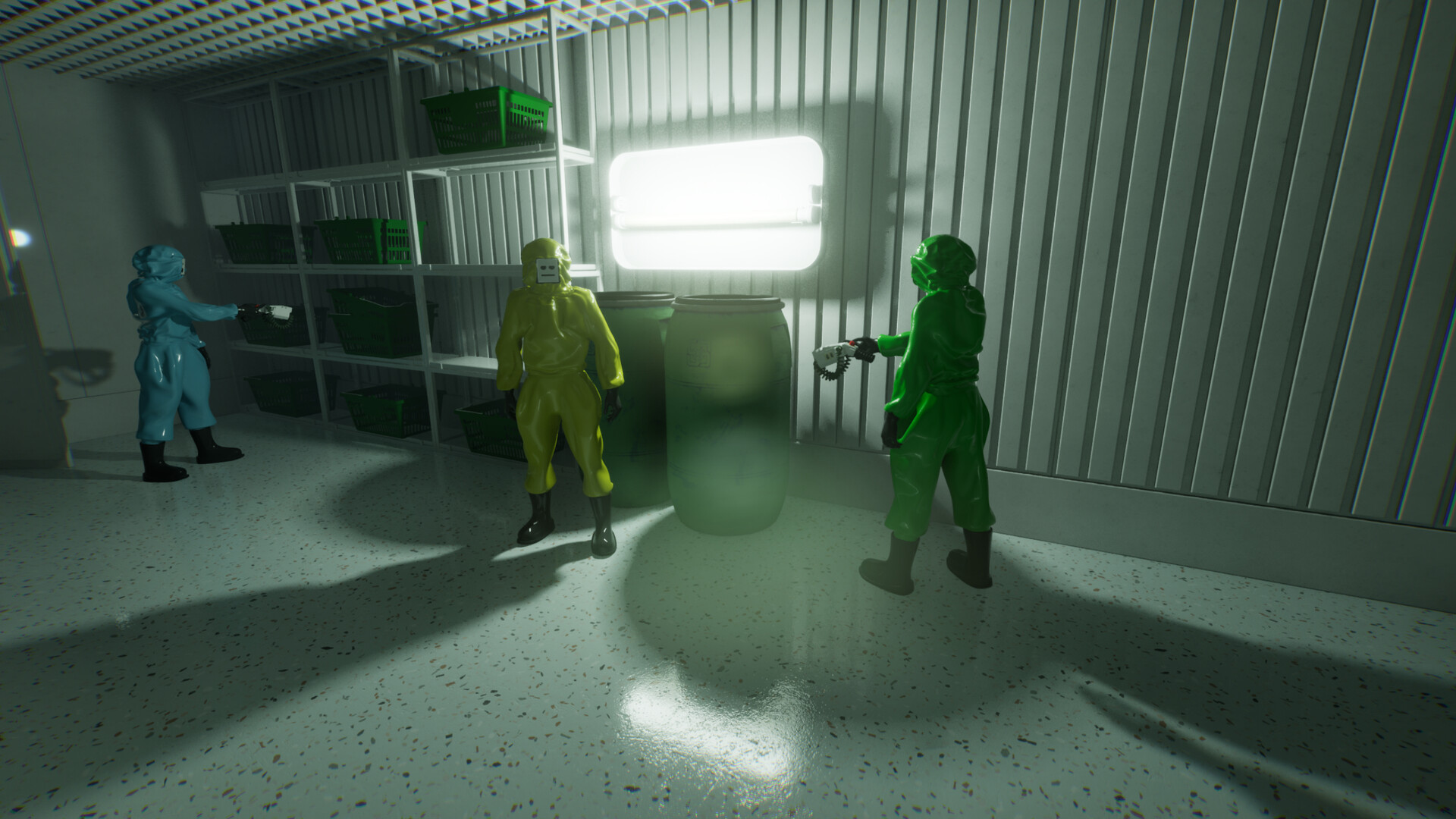
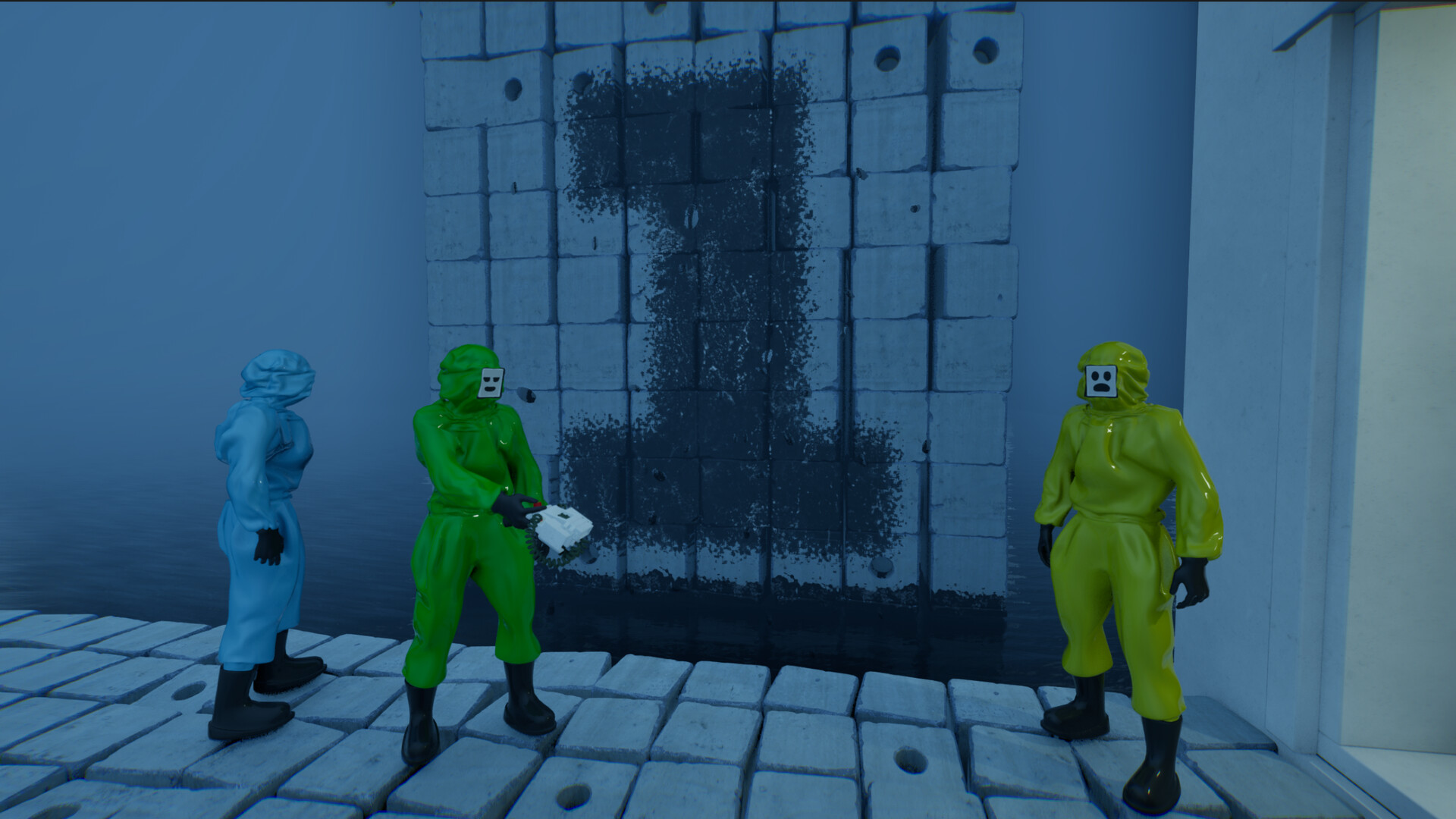
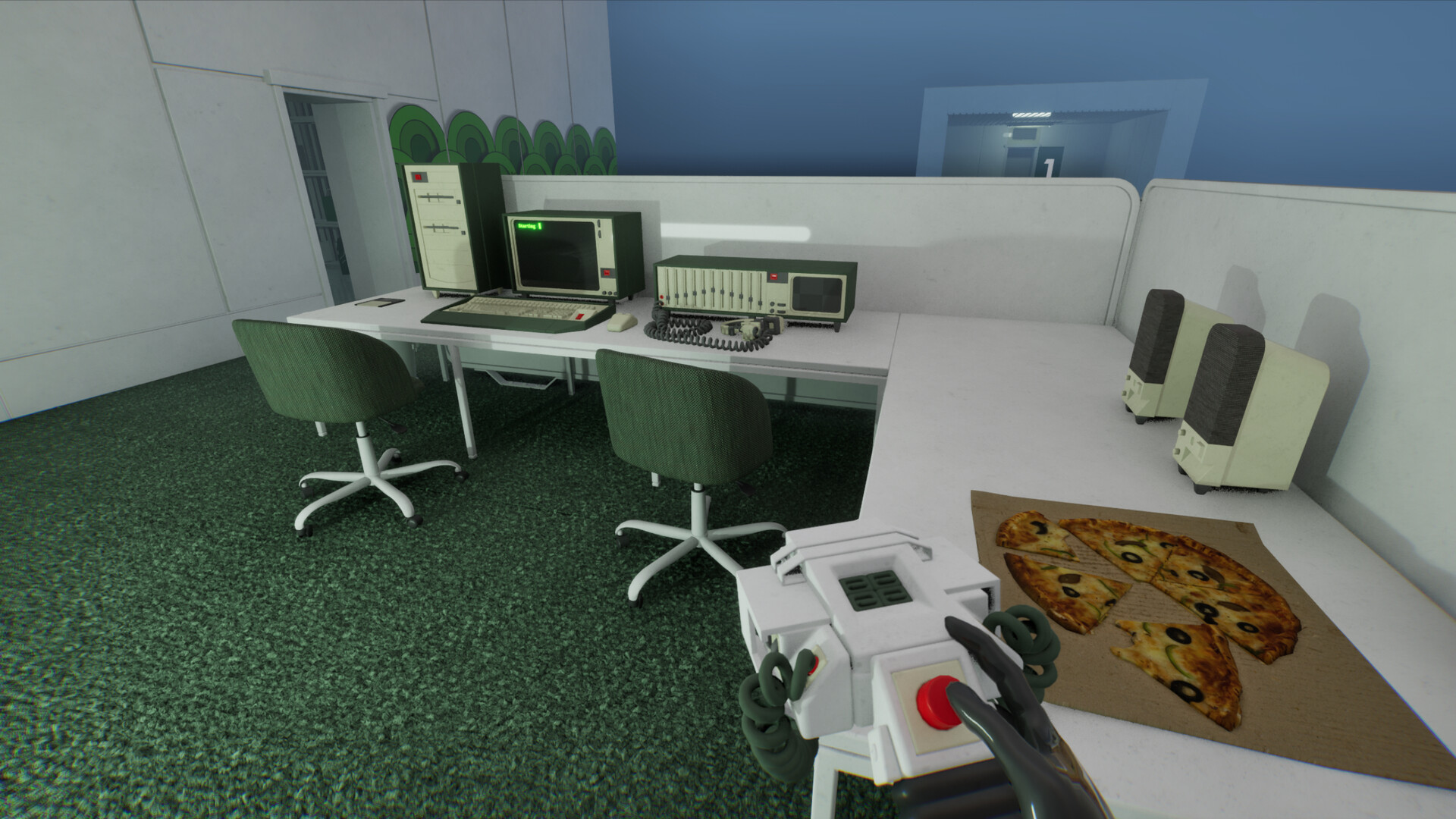
Exit Together is not a game about solving puzzles faster than others or proving individual intelligence. It is a game about alignment. Every mechanic, every room, and every failure reinforces a single idea: escaping is not about knowing the answer—it is about acting together. The moment coordination breaks, progress collapses.
At first glance, Exit Together appears to sit comfortably within the cooperative puzzle genre. Players are trapped in spaces, presented with obstacles, and tasked with finding a way out. But beneath this familiar structure lies a more subtle design goal: to expose how fragile cooperation really is under pressure. This review examines Exit Together as a social systems game—one that uses escape mechanics to explore communication breakdowns, shared responsibility, and the tension between individual insight and collective action.
Quick Info (Overview Box)
Release Year: 2024
Genre: Cooperative puzzle / Escape room
Platforms: PC
Game Modes: Online co-op
Target Audience: Players who enjoy communication-heavy co-op games, escape rooms, and social problem-solving under pressure
1. Core Design Philosophy: No One Leaves Alone
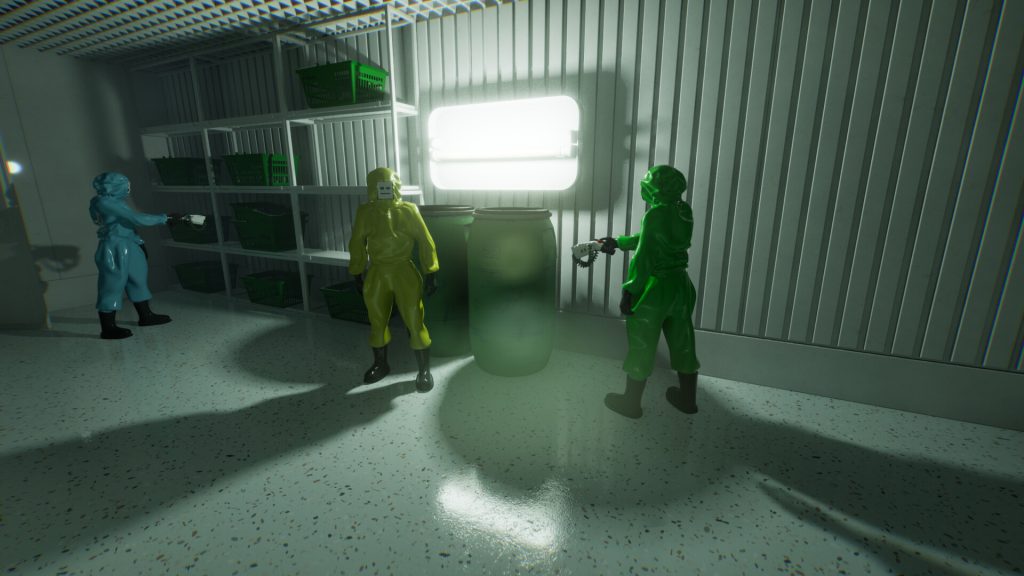
The defining rule of Exit Together is absolute: progress is collective. Doors do not open for one player. Solutions do not trigger unless everyone is aligned. The game does not allow partial success.
This philosophy immediately separates Exit Together from many cooperative games that tolerate asymmetry—where one skilled player can carry others. Here, that is impossible. Even perfect understanding is useless without synchronized execution.
By enforcing collective action, the game transforms cooperation from a convenience into a requirement. Success is not about brilliance; it is about consensus.
2. Escape Rooms as Social Tests
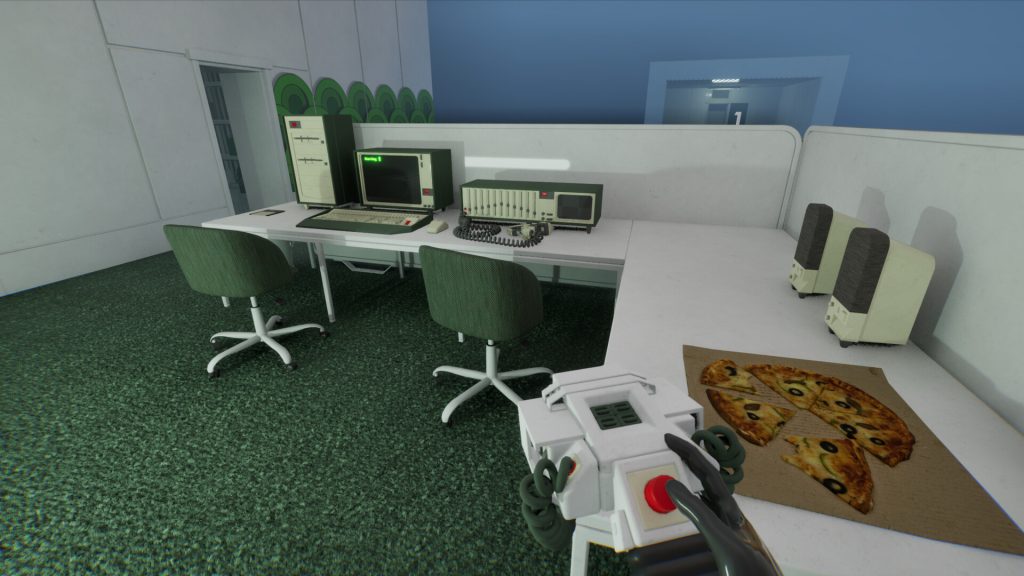
Each room in Exit Together functions as a test of group coordination rather than logic alone. Puzzles are rarely complex in isolation. What complicates them is distribution.
Information is split. Controls are separated. Actions must occur simultaneously or in precise sequences. One player often knows what to do, while another controls how to do it.
This design ensures that communication is always active. Silence becomes a liability. Assumptions become dangerous. The puzzle is not the obstacle—the group is.
3. Information Asymmetry and Dependence
Exit Together frequently withholds full context from any single player. Visual cues, instructions, or controls are deliberately fragmented.
This creates enforced dependence. Players must trust information they cannot verify personally. Misheard details, incorrect assumptions, or vague descriptions can derail progress instantly.
The game exploits a core social vulnerability: people overestimate how clearly they communicate. Exit Together exposes that gap mercilessly.
4. Timing, Synchronization, and Shared Pressure
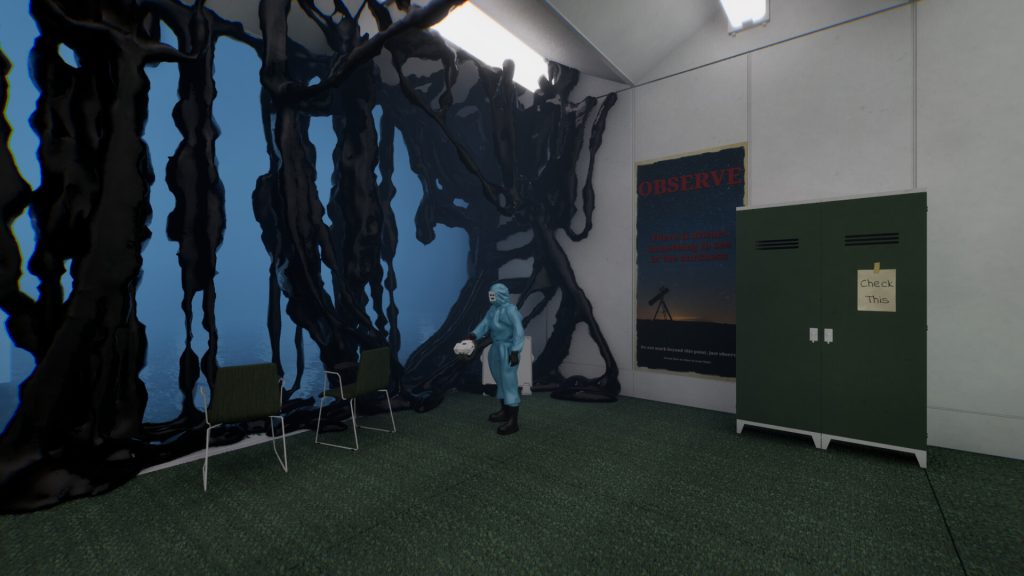
Many challenges in Exit Together require precise timing. Buttons must be pressed together. Levers must be held while others move. Paths must be cleared in exact order.
Timing introduces stress. Even when everyone understands the solution, execution becomes the challenge. Hesitation causes resets. Overconfidence causes mistakes.
This pressure transforms simple mechanics into tense moments. Success feels earned not because the puzzle was clever, but because coordination held under stress.
5. Communication as a Mechanical Skill
In Exit Together, communication is not flavor—it is a mechanical skill that improves with play. Groups learn to give clearer instructions, confirm actions, and reduce ambiguity.
Players develop shared language: shorthand terms, references, and cues. Over time, groups become more efficient—not because puzzles change, but because communication improves.
This progression is invisible in systems but deeply felt in experience. The game tracks no communication stat, yet improvement is unmistakable.
6. Failure Loops and Emotional Friction
Failure in Exit Together is frequent and often frustrating. Progress resets. Rooms must be retried. Mistakes feel preventable in hindsight.
Crucially, failure is almost always attributable to misalignment, not misunderstanding. Someone acted too early. Someone waited too long. Someone assumed instead of asking.
This creates emotional friction. Mild blame emerges. Apologies follow. Laughter often breaks tension. The game becomes a mirror for group dynamics under pressure.

7. Pacing: Mental Fatigue Over Mechanical Difficulty
Exit Together’s pacing is defined by cognitive load rather than mechanical complexity. Rooms do not overwhelm players with systems, but they demand sustained attention.
Long sessions can be mentally exhausting. Constant communication, vigilance, and synchronization drain focus. The game rewards breaks and shorter play sessions.
This pacing aligns with real-world escape rooms. Intensity is high, but endurance is limited. The game respects that rhythm rather than fighting it.
8. Trust, Leadership, and Group Roles
Although Exit Together avoids formal roles, informal leadership often emerges. One player may naturally coordinate, another execute, another verify.
These roles are not fixed. Leadership shifts depending on context. When one player falters, another steps in.
The game subtly teaches flexible leadership. Rigid authority fails. Adaptive guidance succeeds. Trust becomes fluid rather than hierarchical.
9. Replayability Through Human Variation
Exit Together’s puzzles do not radically change between runs, but the experience does—because people do.
Different groups approach problems differently. Some over-communicate. Others assume silently. Some hesitate. Others rush.
This human variability gives the game replay value beyond its content. The puzzles are consistent; the social dynamics are not.
10. Limitations of Scope and Depth
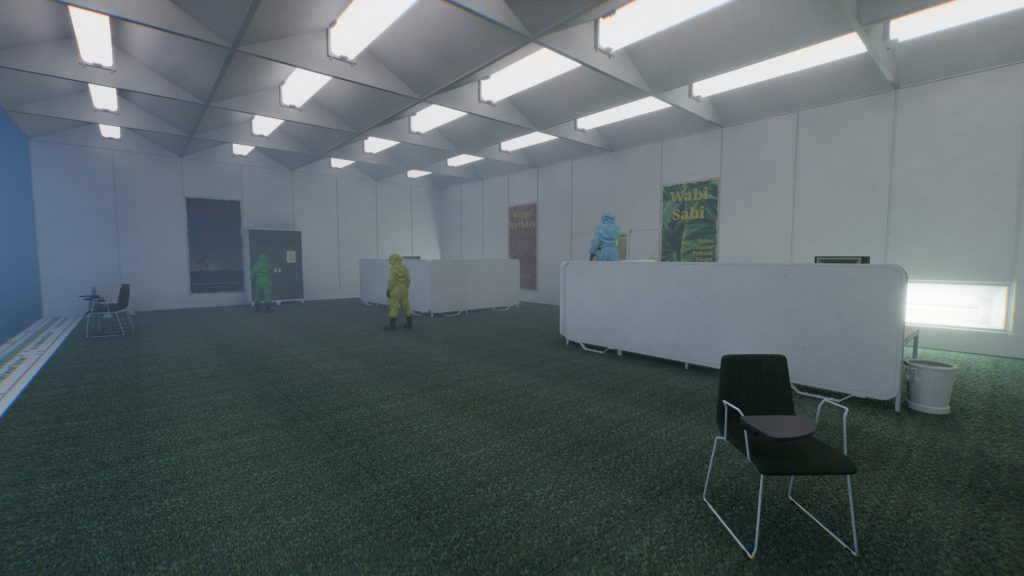
Exit Together is intentionally narrow in scope. It does not offer deep mechanical systems, progression trees, or customization.
Its longevity depends entirely on social engagement. Without active communication and emotional investment, the experience collapses quickly.
Players seeking solitary problem-solving or mechanical mastery may find the game shallow. Its depth is social, not systemic.
11. Accessibility and Group Compatibility
The game is accessible mechanically, but demanding socially. Groups with mismatched communication styles may struggle.
Language barriers, microphone quality, or personality clashes can undermine enjoyment. Exit Together assumes willingness to communicate openly and patiently.
This makes group compatibility more important than skill level. The game succeeds best among friends or communicative strangers.
12. Exit Together as a Social Experiment
More than a puzzle game, Exit Together functions as a social experiment. It asks how people behave when success depends entirely on others.
Do players listen? Do they clarify? Do they adapt when plans fail? Do they stay calm under pressure?
The answers vary—and that variability is the content.
Pros
Strong emphasis on true cooperation
Clever use of information asymmetry
Communication-driven progression
Tension emerges naturally from synchronization demands
High replay value with different groups
Cons
Requires active voice communication
Limited mechanical depth
Mentally exhausting in long sessions
Not suitable for solo play
Enjoyment depends heavily on group dynamics
Conclusion: Escaping Together Means Thinking Together
Exit Together succeeds because it refuses to let players retreat into individual competence. It insists that escape is a shared act, and that coordination is harder than intelligence.
For players who enjoy cooperative experiences built on communication, trust, and shared pressure, Exit Together offers a focused and revealing journey. It is not about solving rooms—it is about aligning people.
You do not escape because you were right.
You escape because everyone moved,
waited,
and trusted
at the same time.