


Car Dealer Simulator – Negotiation, Risk, and the Quiet Drama of Small Decisions



Introduction: Business as a Series of Judgments
Car Dealer Simulator does not rely on speed, spectacle, or dramatic set pieces. Instead, it builds tension from something far more ordinary—and far more human: decision-making under uncertainty. Every car is a question. Every deal is a gamble. Every interaction asks the player to judge value, intent, and timing with imperfect information.
At its core, Car Dealer Simulator is not about cars—it is about judgment. The game turns everyday commercial activity into a layered simulation of trust, risk, and incremental growth. This review approaches Car Dealer Simulator as a business-oriented sandbox, examining how its systems create pressure without violence, challenge without enemies, and satisfaction without spectacle.
Quick Info (Overview Box)
Release Year: 2024
Genre: Simulation / Management
Platforms: PC
Game Modes: Single-player
Target Audience: Players who enjoy business simulations, negotiation systems, incremental progression, and low-action strategic gameplay

1. Core Design Philosophy: Value Is Never Obvious
The foundational idea behind Car Dealer Simulator is that value must be interpreted, not revealed. Cars do not arrive with transparent histories or guaranteed outcomes. Condition, mileage, hidden defects, and market demand all intersect in ways that resist certainty.
This design immediately positions the player as an evaluator rather than an executor. You are not following a checklist—you are forming opinions based on partial data. Over time, players learn that instincts matter as much as numbers.
The game teaches that profitability does not come from perfection, but from acceptable risk.
2. Cars as Unfinished Stories
Every vehicle in Car Dealer Simulator carries a narrative, even if it is never fully told. A scratched exterior hints at careless ownership. Engine noise suggests deeper issues. Clean interiors may conceal mechanical neglect.
The game encourages players to read these signs. Inspection is not a binary process—it is interpretive. Missed details often reveal themselves later, sometimes at the worst possible moment.
This narrative framing transforms inventory into characters. Cars are not static assets; they are liabilities waiting to surface.
3. Negotiation: Psychology Over Math
Negotiation in Car Dealer Simulator is not a simple numbers game. NPCs exhibit varying levels of flexibility, impatience, and bluffing behavior.
Players must decide when to push, when to concede, and when to walk away. Overconfidence costs money. Hesitation loses opportunities.
What makes negotiation compelling is its ambiguity. You rarely know whether you made the best deal—only whether you made a survivable one. This uncertainty mirrors real-world commerce more closely than rigid bargaining systems.
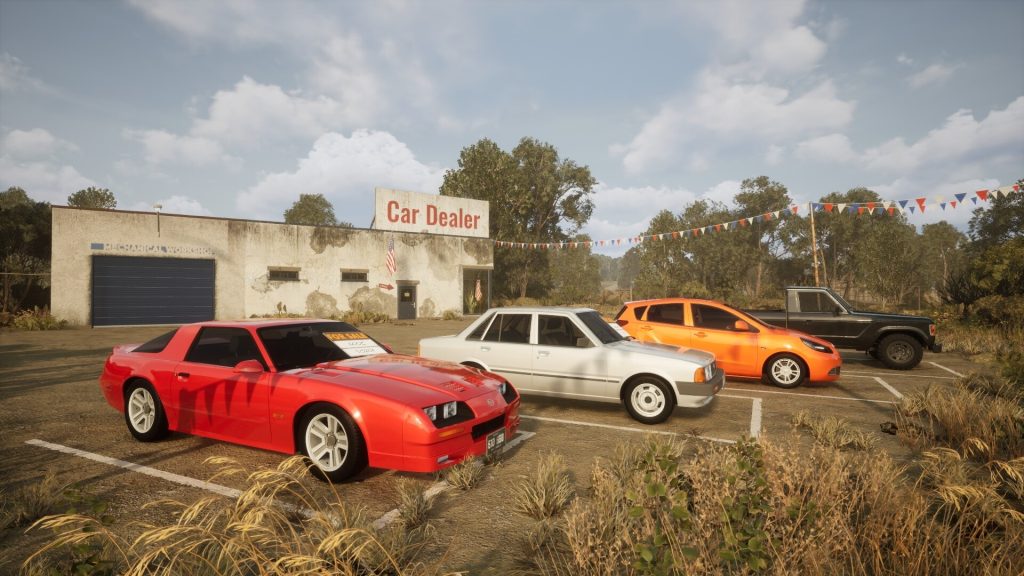
4. Risk Management as Core Gameplay
Unlike games where failure is immediate and visible, Car Dealer Simulator delays consequences. Buying a questionable car may not hurt now—but repairs, refunds, or reputational damage may arrive later.
This delayed feedback creates strategic tension. Players must think beyond the current transaction and consider downstream effects.
The game rewards players who diversify risk rather than chase maximum profit. Stability emerges from restraint, not greed.
5. Progression Through Infrastructure, Not Power
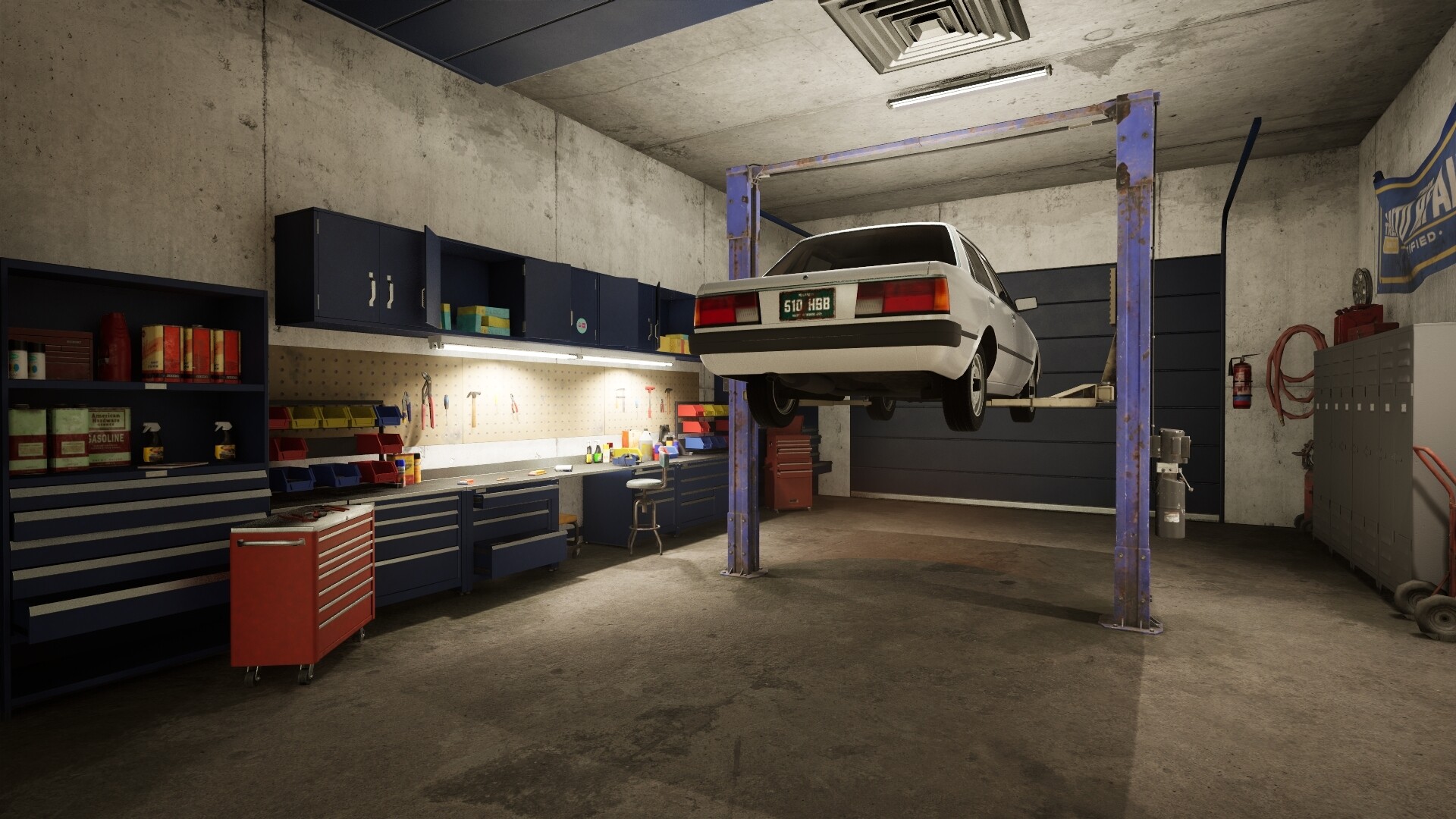
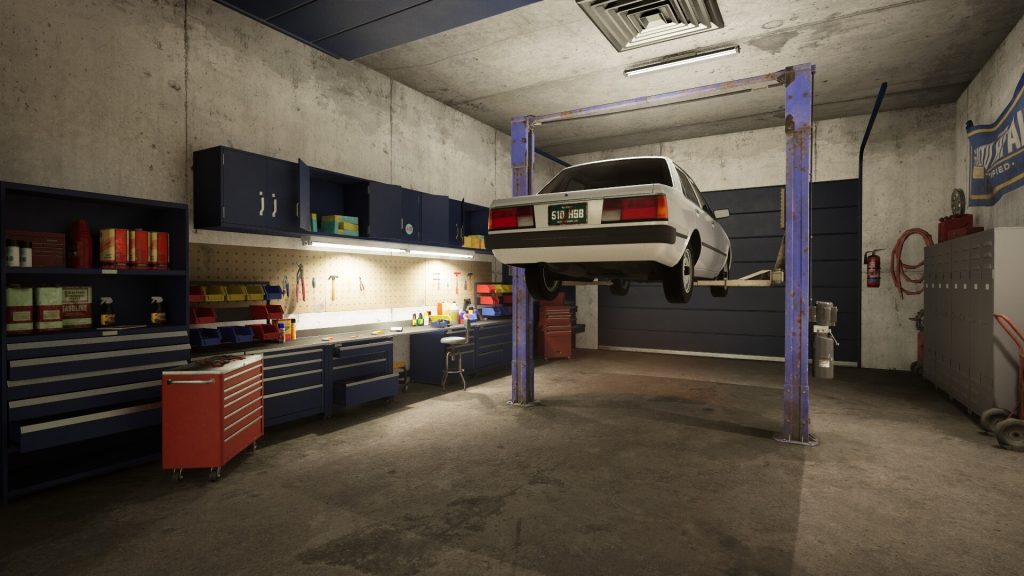
Progression in Car Dealer Simulator is subtle. You do not unlock abilities that make deals easier. Instead, you expand infrastructure: better inspection tools, improved workshop capacity, refined logistics.
These upgrades do not remove uncertainty—they reduce friction. They help players make better decisions, not safer ones.
This reinforces a grounded sense of growth. You do not become untouchable; you become more informed.
6. Market Dynamics and Economic Pressure
The in-game market fluctuates based on supply, demand, and timing. Certain vehicles rise in value. Others stagnate or depreciate unexpectedly.
Players who ignore market signals suffer quietly. Inventory sits unsold. Capital locks up. Momentum slows.
This system encourages awareness rather than exploitation. There are no guaranteed “meta” strategies—only trends that require interpretation and adaptation.
7. Time as a Cost
Time in Car Dealer Simulator is not just a backdrop—it is a resource. Holding inventory costs money. Delays compound expenses. Slow turnover creates vulnerability.
This temporal pressure prevents passive play. Even without enemies or timers, players feel urgency through opportunity cost.
The game communicates pressure without forcing action, allowing players to experience stress organically.
8. Player Psychology: Confidence, Doubt, and Second-Guessing
One of the most compelling aspects of Car Dealer Simulator is how it induces self-doubt. After every deal, players reflect: “Did I miss something?” “Could I have negotiated better?”
The game rarely confirms correctness immediately. Outcomes unfold slowly, reinforcing introspection.
This emotional loop—confidence followed by doubt, then resolution—keeps players mentally engaged even during low-action moments.
9. Repetition and the Risk of Familiarity
Over time, systems in Car Dealer Simulator become familiar. Experienced players recognize patterns, reducing uncertainty.
This familiarity can flatten tension if not counterbalanced by variety. The game relies on procedural variation and market shifts to maintain engagement.
While depth remains, long-term appeal depends on player motivation rather than mechanical escalation.
10. What Car Dealer Simulator Ultimately Explores
Car Dealer Simulator is not about becoming rich—it is about staying afloat. It explores the fragile balance between ambition and caution, between trust and skepticism.
The game finds drama in routine decisions. It proves that tension does not require danger—only uncertainty.
In doing so, it offers a thoughtful simulation of small business life, where success is quiet and failure is slow.
Pros
Strong focus on decision-making and risk evaluation
Negotiation systems feel human and unpredictable
Delayed consequences create meaningful tension
Grounded progression through infrastructure
Calm pacing with consistent strategic engagement
Cons
Limited mechanical variety over long sessions
Minimal narrative framing
Repetition may reduce tension for experienced players
Not suitable for action-oriented audiences
Depth depends heavily on player curiosity
Conclusion: The Drama of Ordinary Choices
Car Dealer Simulator succeeds by refusing to dramatize business artificially. It finds meaning in routine, pressure in uncertainty, and satisfaction in survival rather than domination.
For players who enjoy simulations that reward judgment, patience, and introspection, Car Dealer Simulator offers a quiet but compelling experience. It does not rush you. It does not threaten you.
It simply asks:
Was that a good decision—or just a lucky one?