
Ktrl Smash – Precision Combat, Mechanical Mastery, and the Satisfaction of Total Control
Introduction: When Input Becomes Intention
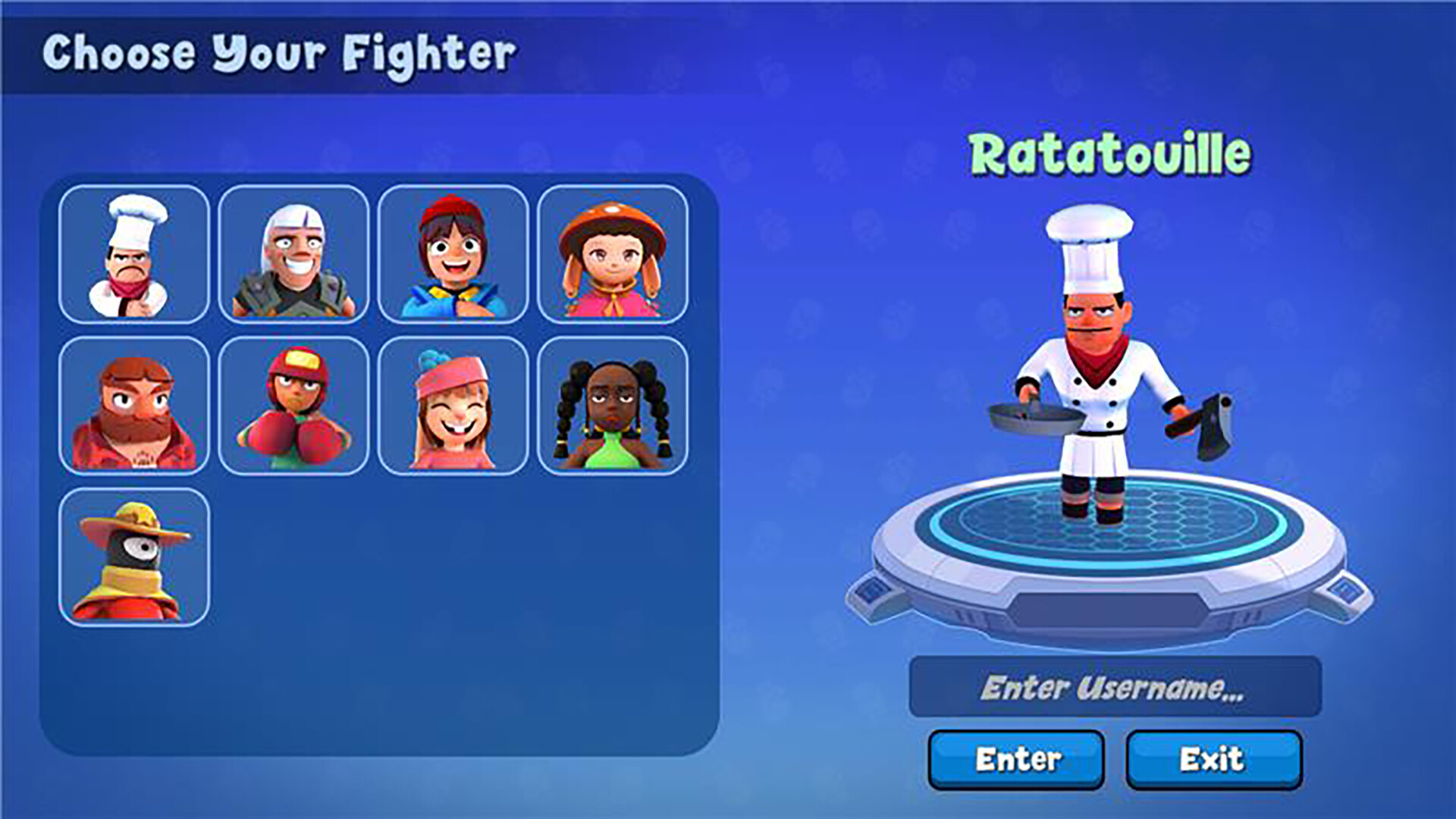
Ktrl Smash is built on a deceptively simple promise: every action happens because you made it happen. There are no automated combos, no generous aim correction, and no hidden systems smoothing over mistakes. Instead, the game foregrounds control—explicit, immediate, and unforgiving. Victory is not a product of stats or progression; it is the result of clarity between thought and input.
Rather than chasing spectacle or accessibility, Ktrl Smash positions itself as a game about mechanical honesty. It invites players to learn a language of timing, spacing, and commitment, then tests whether they can speak it under pressure. This review examines Ktrl Smash as a skill-forward combat experience, focusing on how control fidelity, readable systems, and intentional friction shape its identity.
Quick Info (Overview Box)
Release Year: 2024
Genre: Action / Arena combat
Platforms: PC
Game Modes: Local and online competitive modes, practice arenas
Target Audience: Players who value mechanical depth, precise inputs, and competitive mastery
1. Core Design Philosophy: Control Is the Game
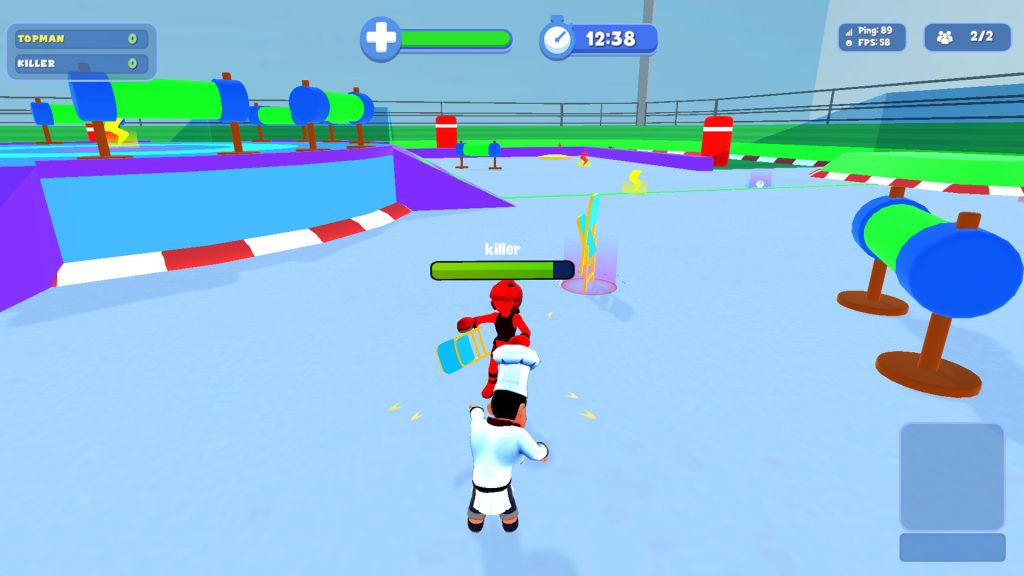
At the heart of Ktrl Smash is a commitment to transparency. Inputs map directly to outcomes. If an attack misses, it missed because of spacing or timing—not because the game intervened.
This philosophy reframes learning. Players cannot rely on automation to succeed; they must internalize mechanics. The game communicates this clearly through immediate feedback—hits feel earned, whiffs feel deserved.
By refusing to compensate for error, Ktrl Smash builds trust. Players believe outcomes are fair because systems are legible.
2. Combat Fundamentals: Timing, Spacing, Commitment
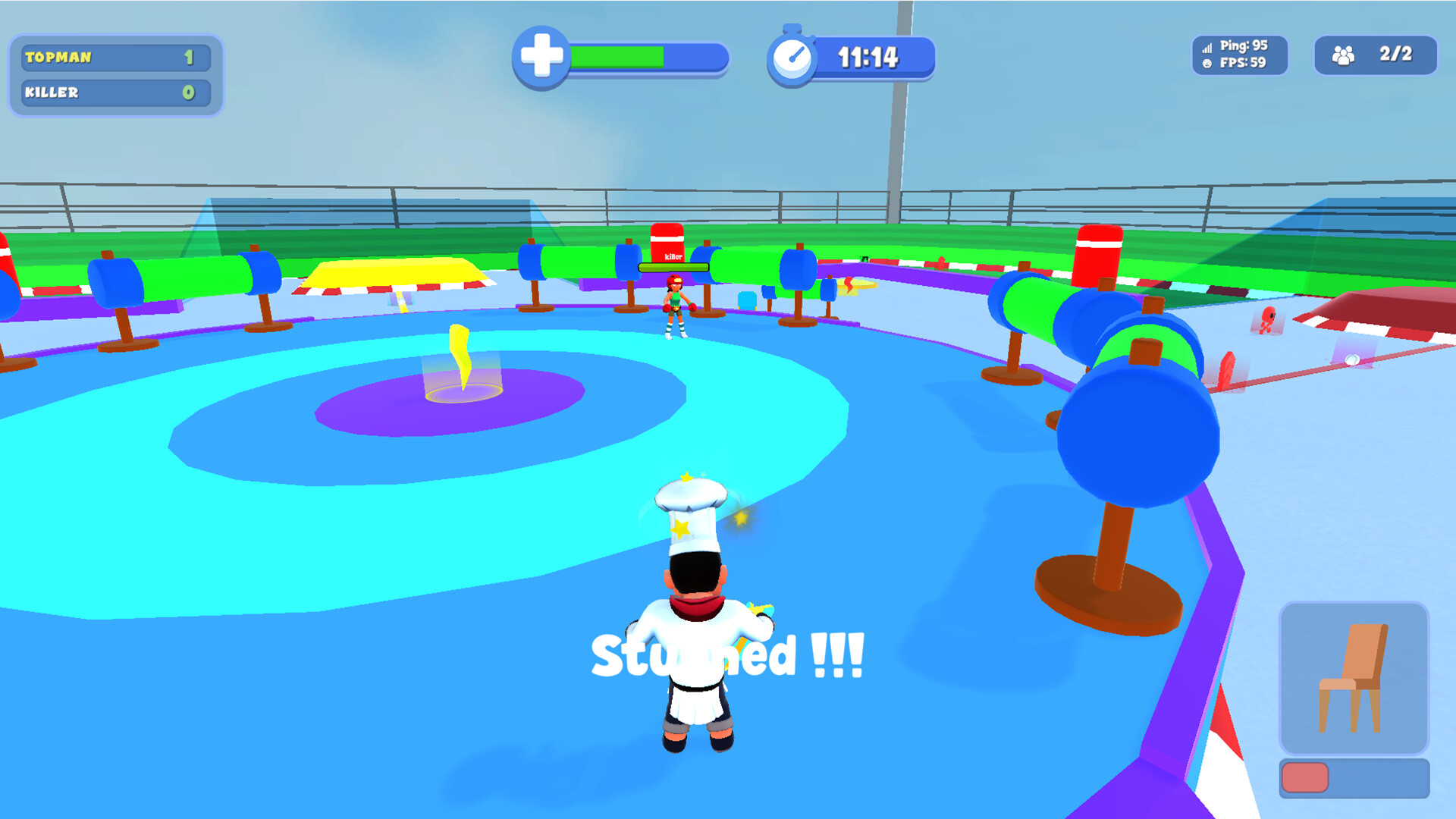
Combat in Ktrl Smash revolves around three pillars: timing, spacing, and commitment. Attacks have startup and recovery. Movement has inertia. Positioning matters more than button speed.
Every choice is a commitment. Overextend and you are punished. Hesitate and you lose initiative. The game discourages indecision by making neutral play a real, contested space.
This creates a rhythm that rewards patience as much as aggression. Mastery emerges from restraint, not spam.
3. Input Fidelity and Learning Curve
Ktrl Smash’s controls are responsive but demanding. Precision is required not just to attack, but to defend correctly. Blocks, dodges, and counters rely on timing windows that must be learned.
The learning curve is steep—but honest. Early losses teach fundamentals rather than obscure tricks. Improvement feels tangible because mistakes are obvious.
The game respects practice. Time spent in training arenas translates directly into match performance.
4. Readability and Visual Clarity
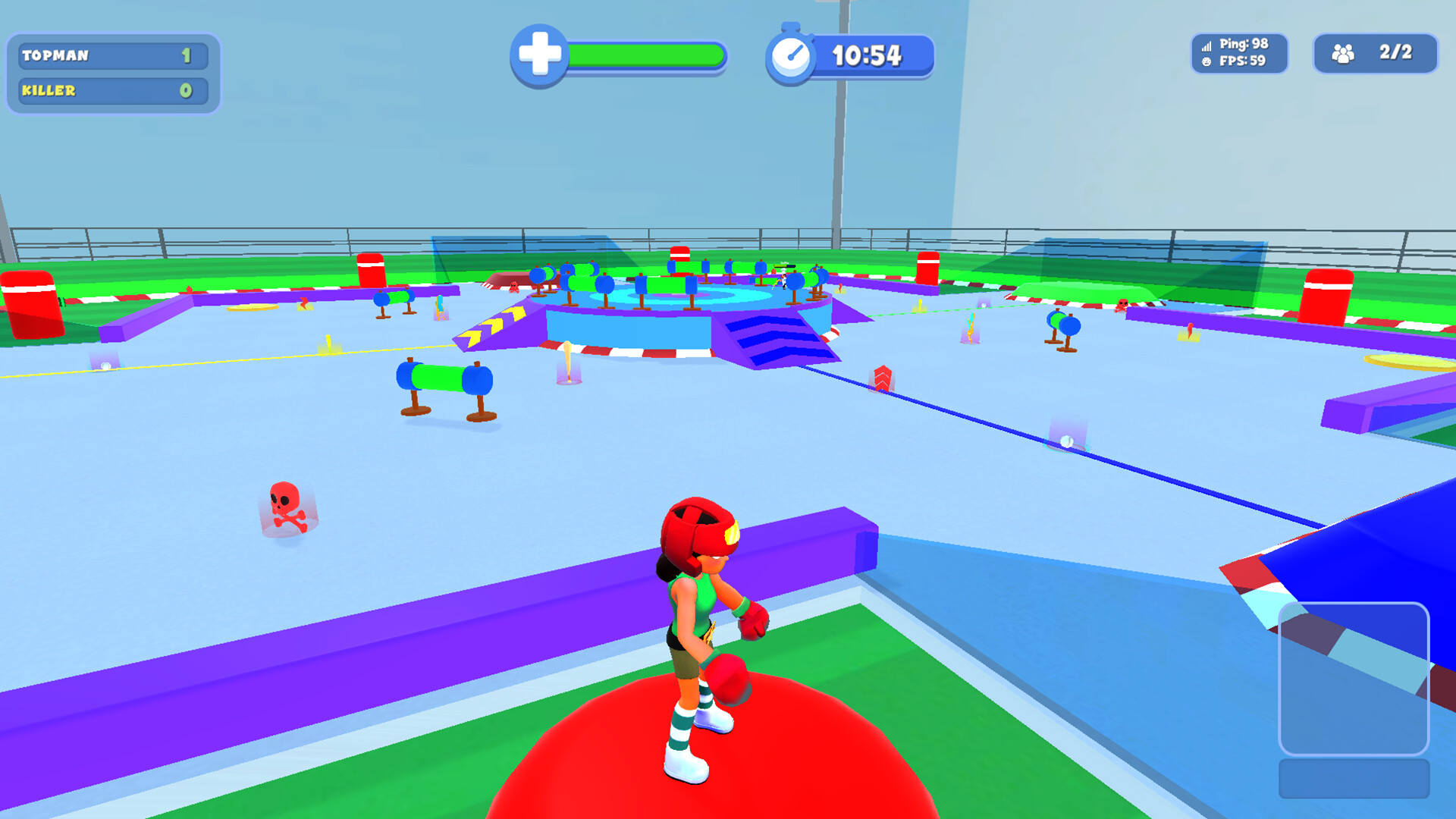
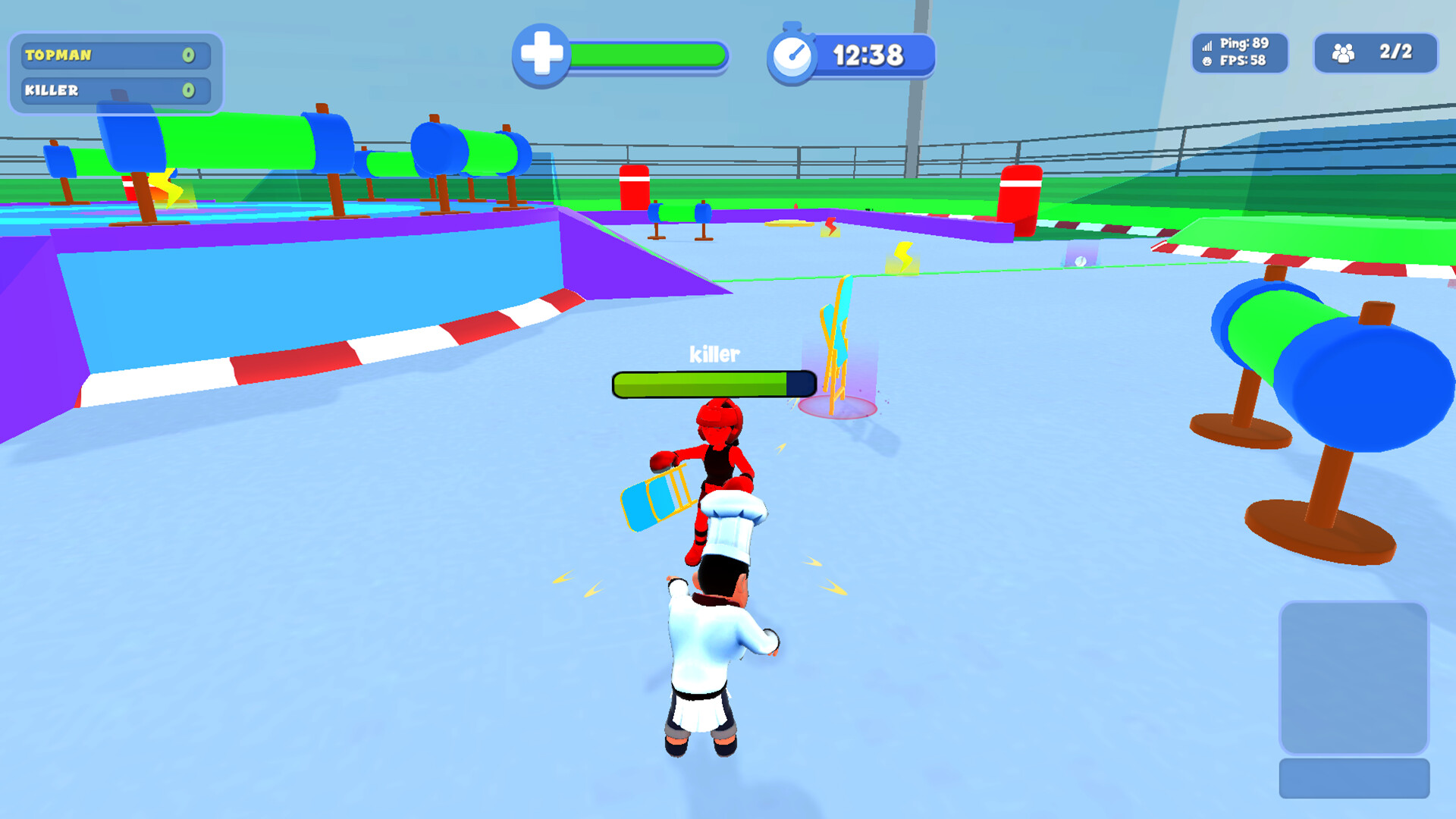
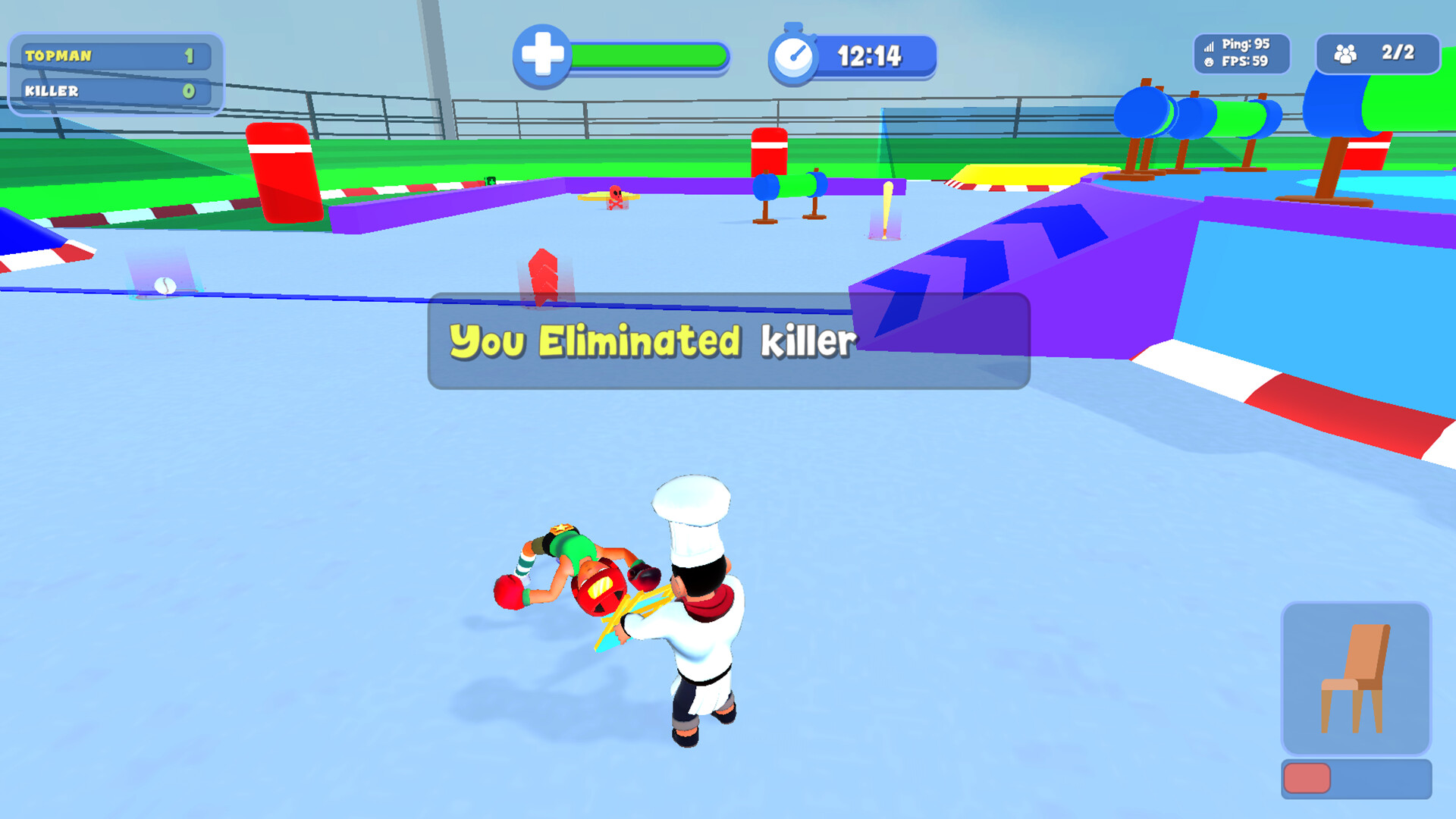
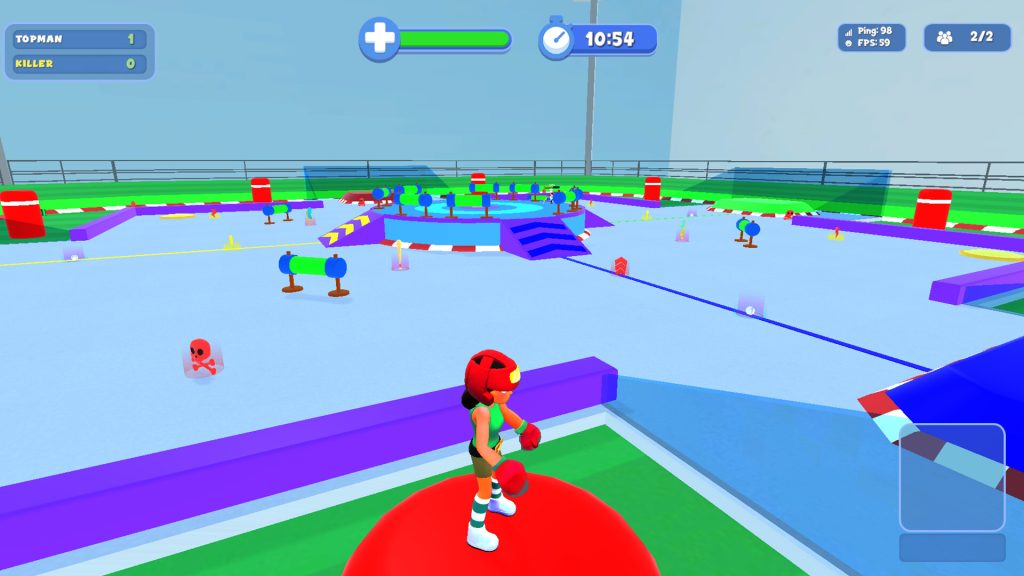
Visual design in Ktrl Smash prioritizes clarity over spectacle. Animations are readable. Hitboxes align with visuals. Effects communicate impact without obscuring information.
This readability is critical for competitive play. Players can analyze interactions mid-fight and adjust quickly. There is little visual noise masking intent.
The result is a game that feels fair even when it is brutal.
5. Movement as a Tactical Choice
Movement in Ktrl Smash is not a default state—it is a decision. Acceleration and deceleration matter. Direction changes have weight.
This makes footsies meaningful. Closing distance too early invites punishment. Retreating too often cedes space. Control of the arena becomes a strategic layer rather than a background detail.
Players learn to move with purpose, not just to reposition.
6. Match Flow and Psychological Pressure
Matches in Ktrl Smash are tense because momentum is fragile. A single mistake can swing control, but dominance is never permanent.
This creates psychological pressure. Players must manage nerves, avoid autopilot, and read opponents continuously. Mind games emerge naturally as patterns form and break.
The game rewards adaptability over memorization. Winning a rematch often requires rethinking assumptions.
7. Competitive Balance: Systems Over Characters
Rather than leaning on asymmetrical character gimmicks, Ktrl Smash emphasizes system mastery. Differences exist, but fundamentals dominate outcomes.
This reduces matchup volatility and increases emphasis on player skill. Balance discussions focus on frame data and options, not hard counters.
The competitive environment benefits from this restraint. Players argue less about fairness and more about execution.
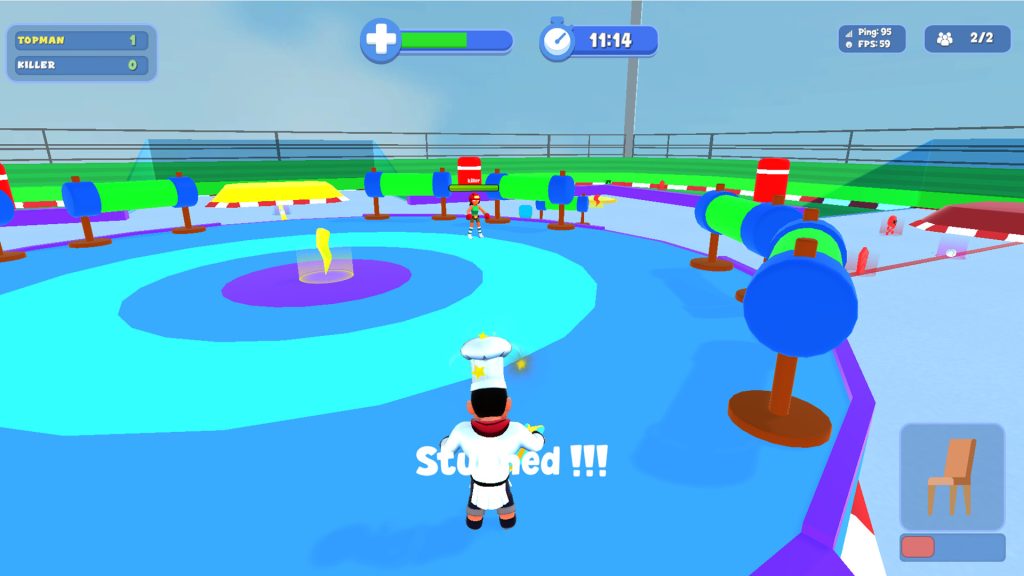
8. Practice Tools and Skill Expression
Training modes in Ktrl Smash are functional and focused. Players can isolate mechanics, test timings, and refine movement without distraction.
Because systems are consistent, practice yields reliable improvement. There is no hidden randomness undermining repetition.
Skill expression becomes visible not through flashy combos, but through clean decision-making under pressure.
9. Limitations of Accessibility
Ktrl Smash does not bend toward casual accessibility. New players may feel overwhelmed. There are few safety nets.
This exclusivity is intentional. The game prioritizes depth over onboarding comfort. Tutorials explain what to do, not how to win.
As a result, the community skews toward players willing to invest time and effort.
10. What Ktrl Smash Ultimately Values
Ktrl Smash values agency. It trusts players to learn, fail, and improve without interference. It refuses to disguise difficulty or manufacture excitement.
This makes it a niche experience—but a focused one. It does not ask everyone to enjoy it. It asks the right players to commit.
Pros
High input fidelity and mechanical honesty
Strong emphasis on timing, spacing, and decision-making
Clear visuals and readable combat
Competitive balance favors skill expression
Practice tools meaningfully support improvement
Cons
Steep learning curve
Limited accessibility features for newcomers
Less spectacle than mainstream action games
Smaller audience due to niche focus
Requires sustained practice to enjoy fully
Conclusion: Mastery Earned, Not Given
Ktrl Smash is a game that believes in players. It believes they want clarity, fairness, and challenge without compromise. It strips away automation and asks for intention in every action.
For players who crave mechanical depth and competitive integrity, Ktrl Smash offers a rewarding, demanding experience where improvement is visible and victory feels deserved. It does not flatter.
It teaches.
It tests.
And it rewards those who listen to their own inputs.