

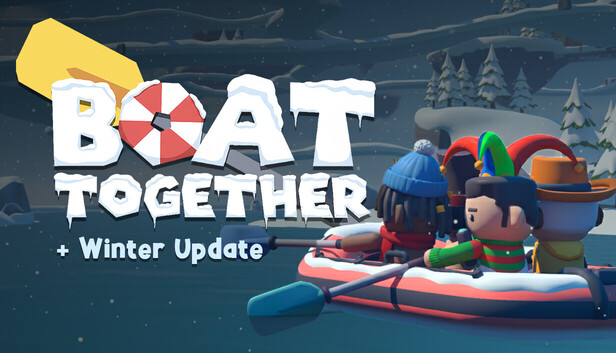
Boat Together – Cooperative Navigation, Shared Responsibility, and the Quiet Drama of Staying Afloat
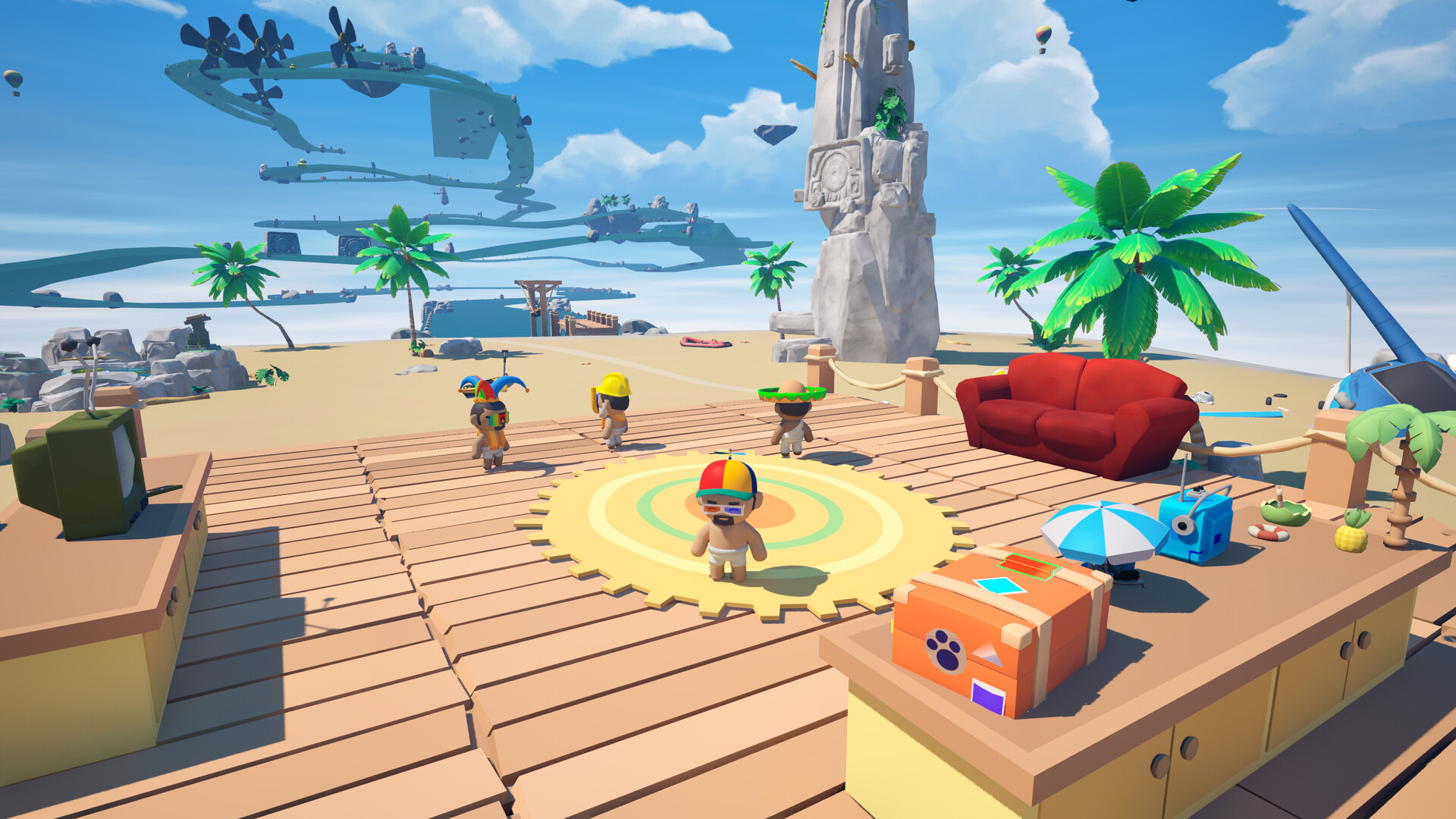
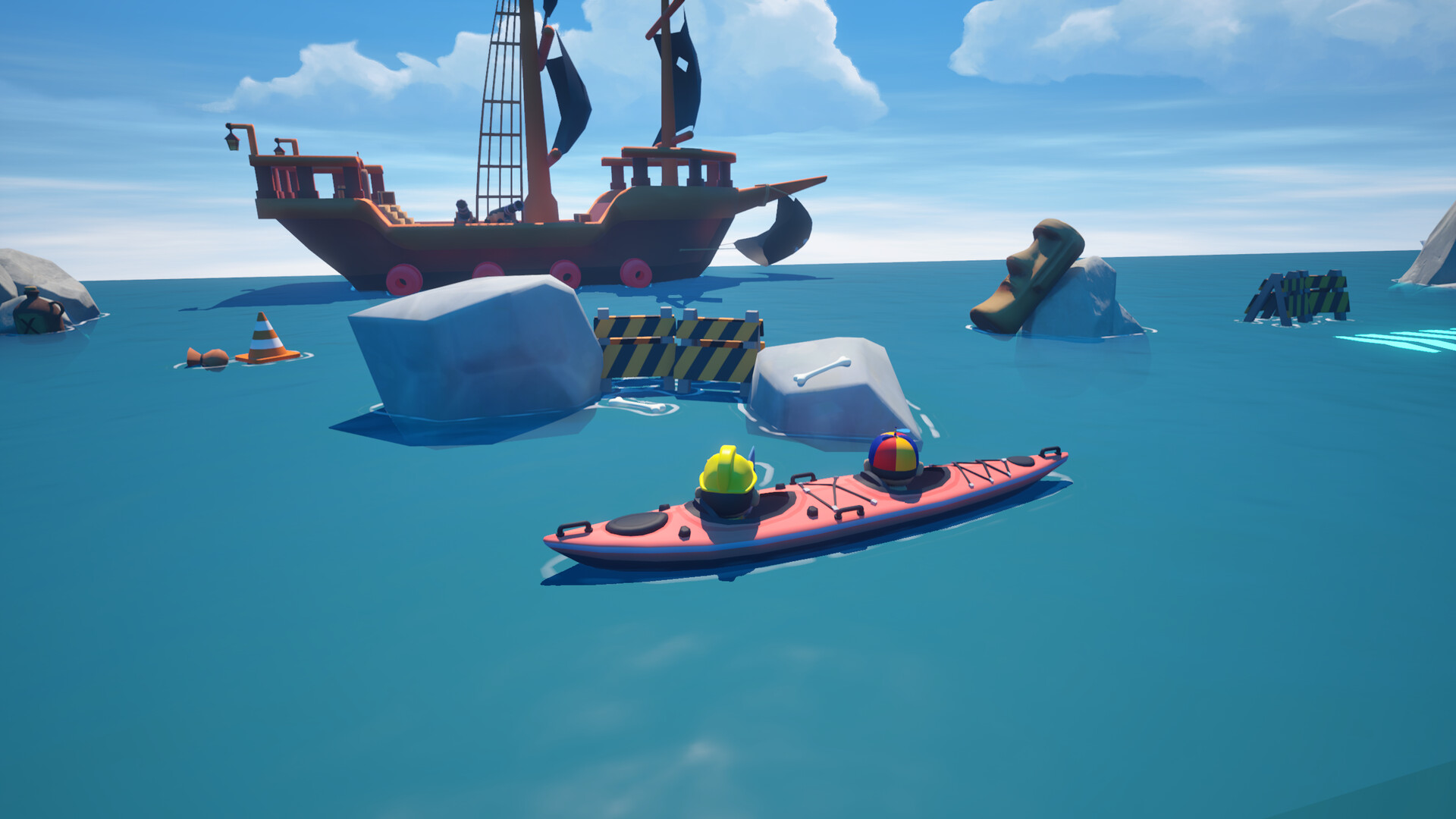
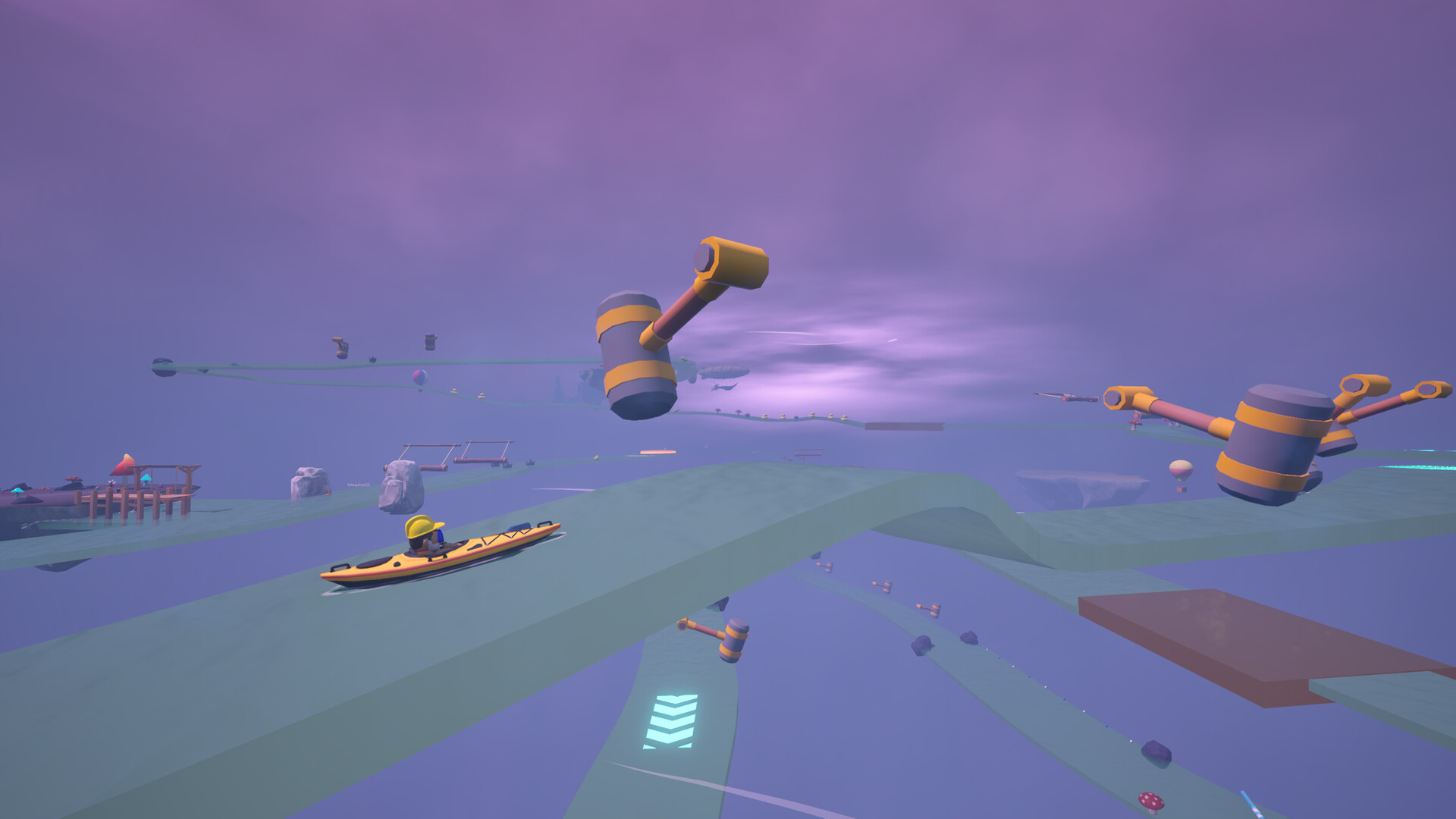
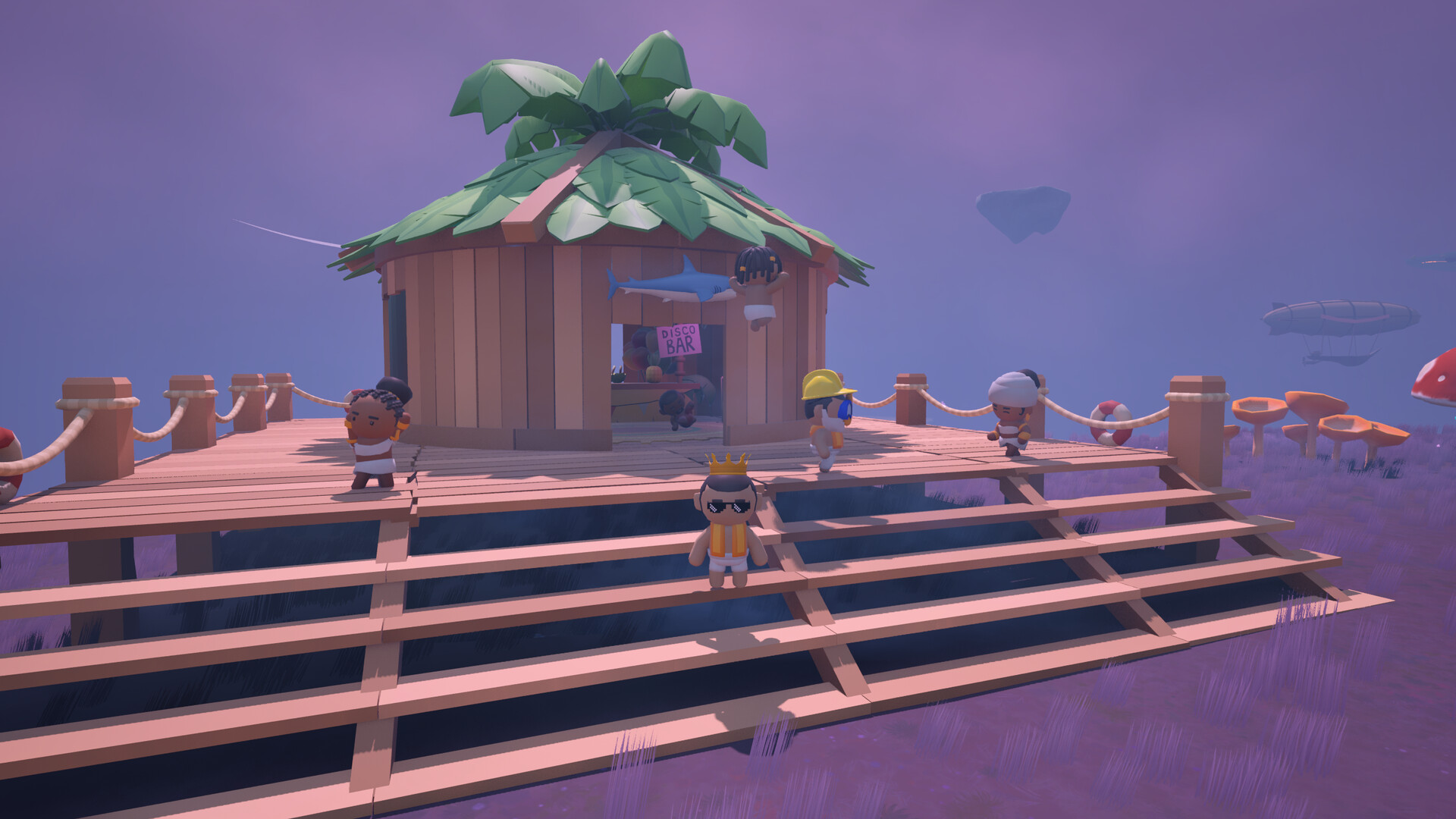
Introduction: Progress Is a Direction, Not a Destination
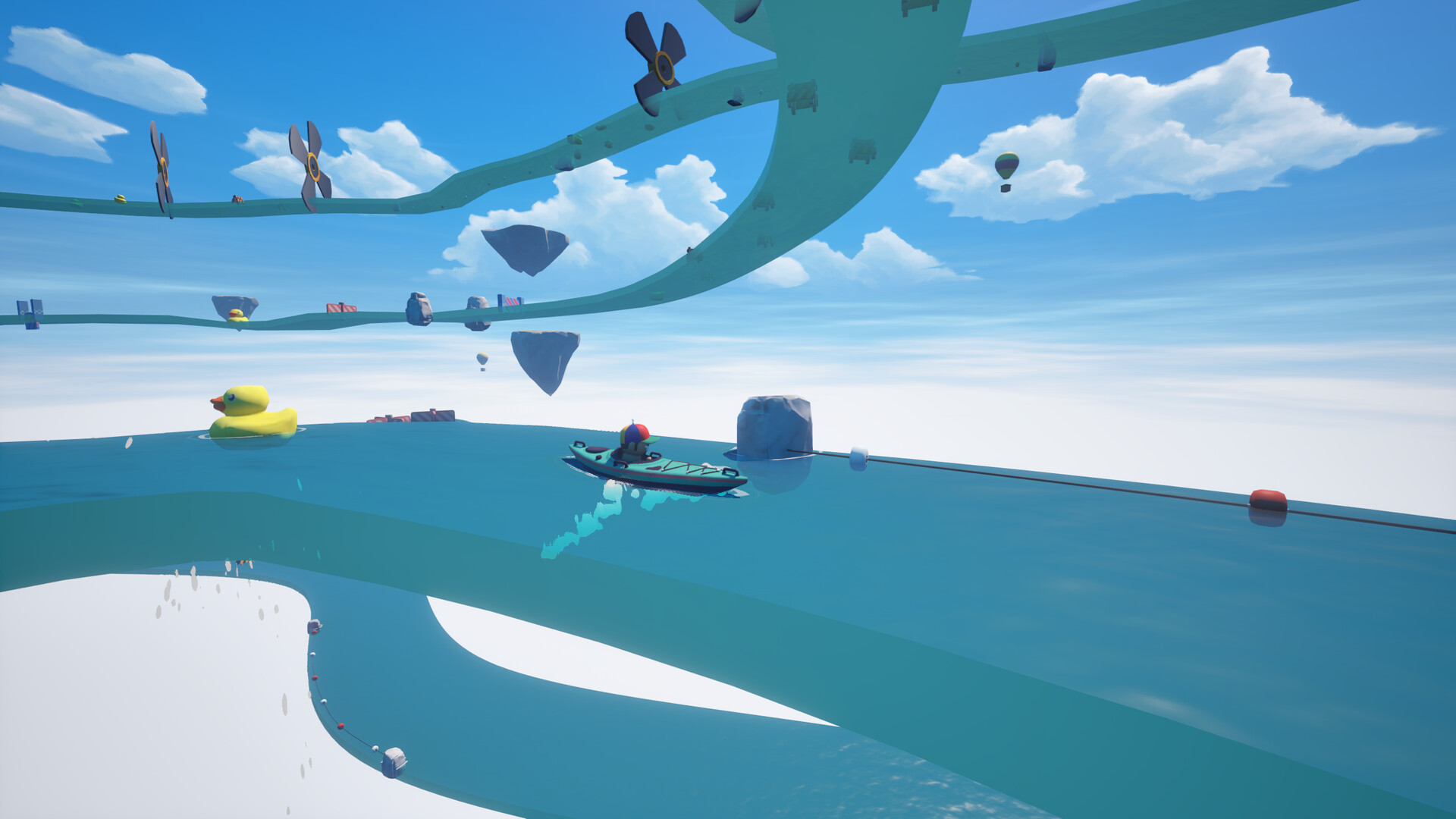
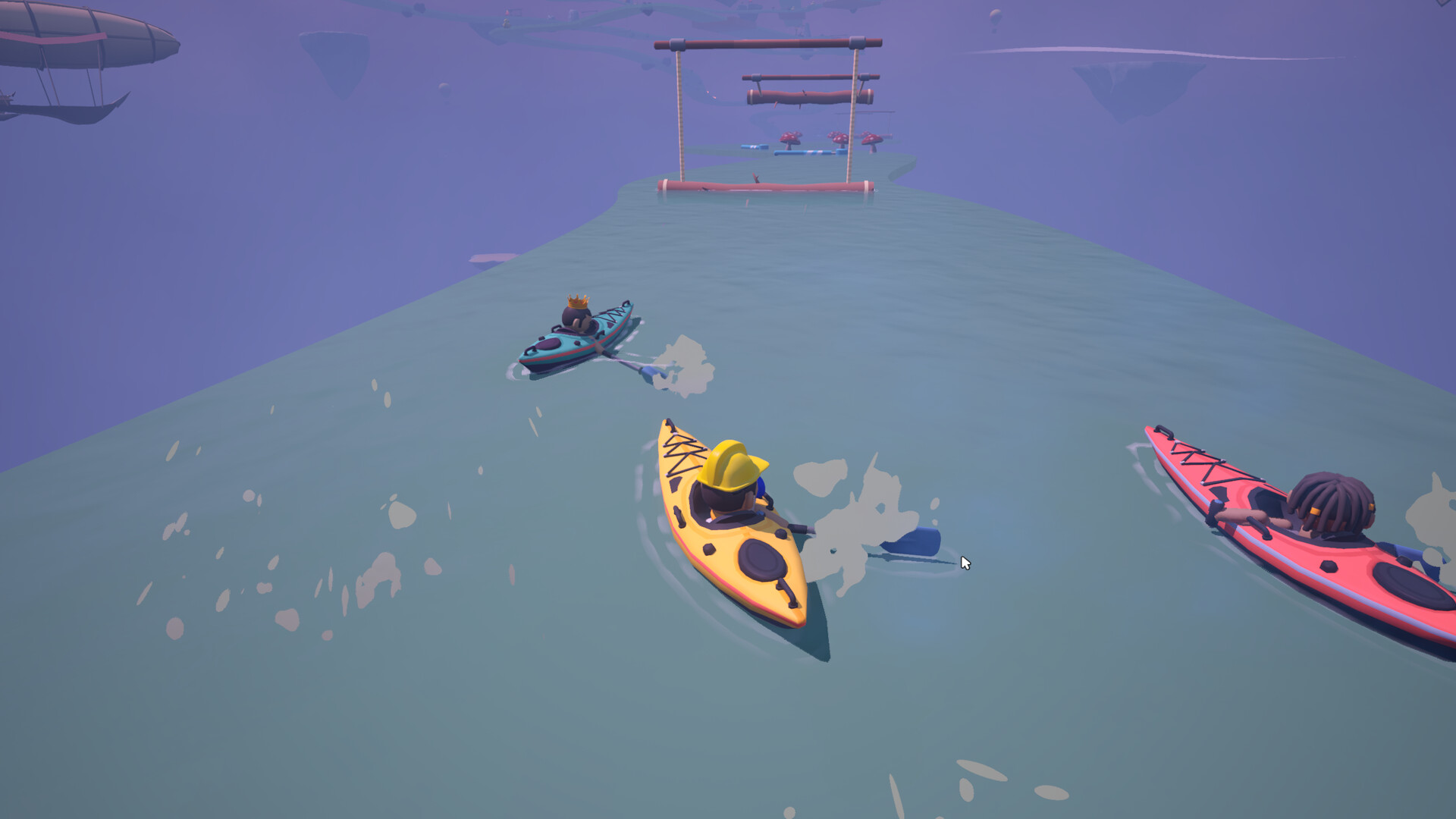
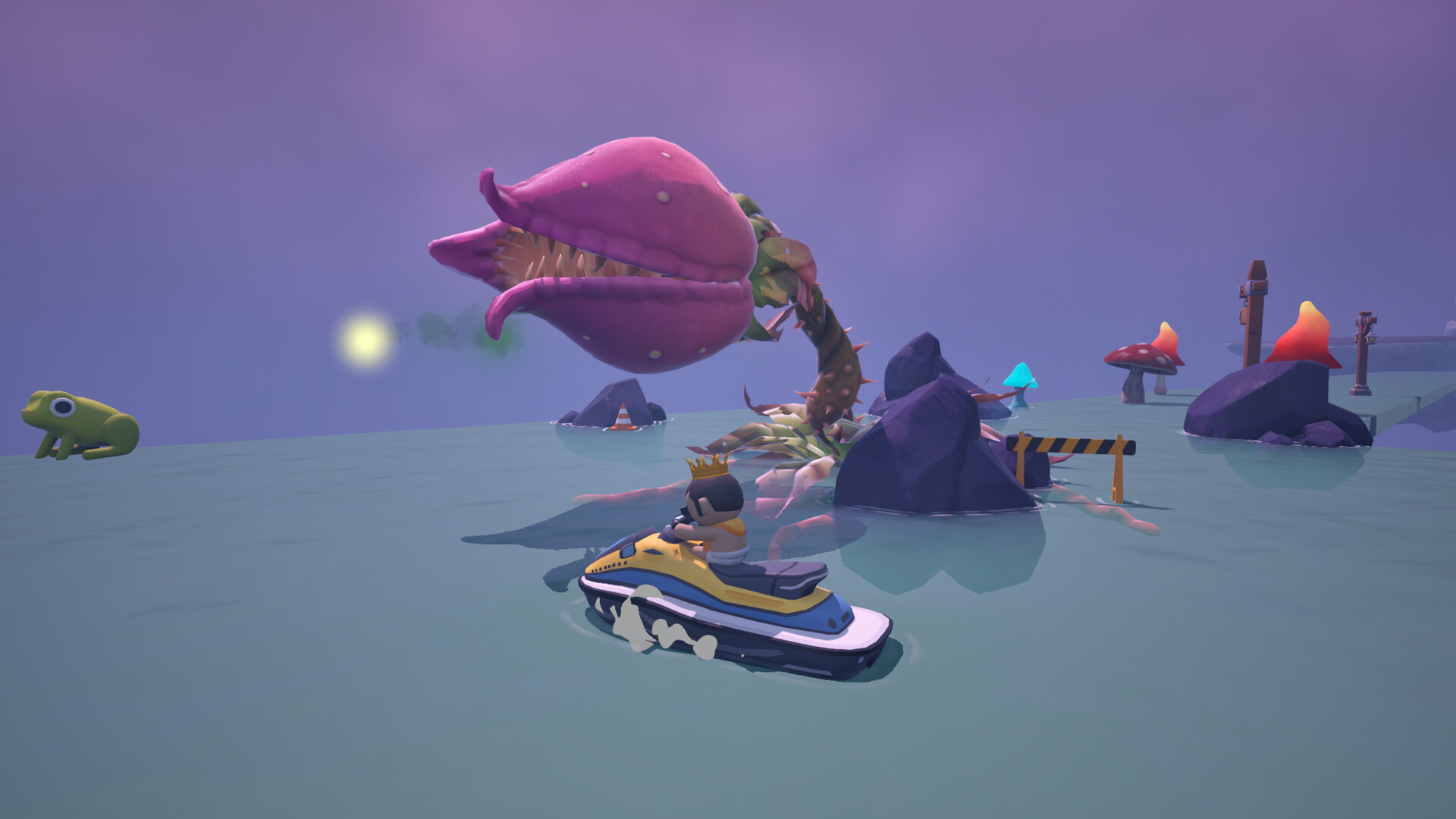
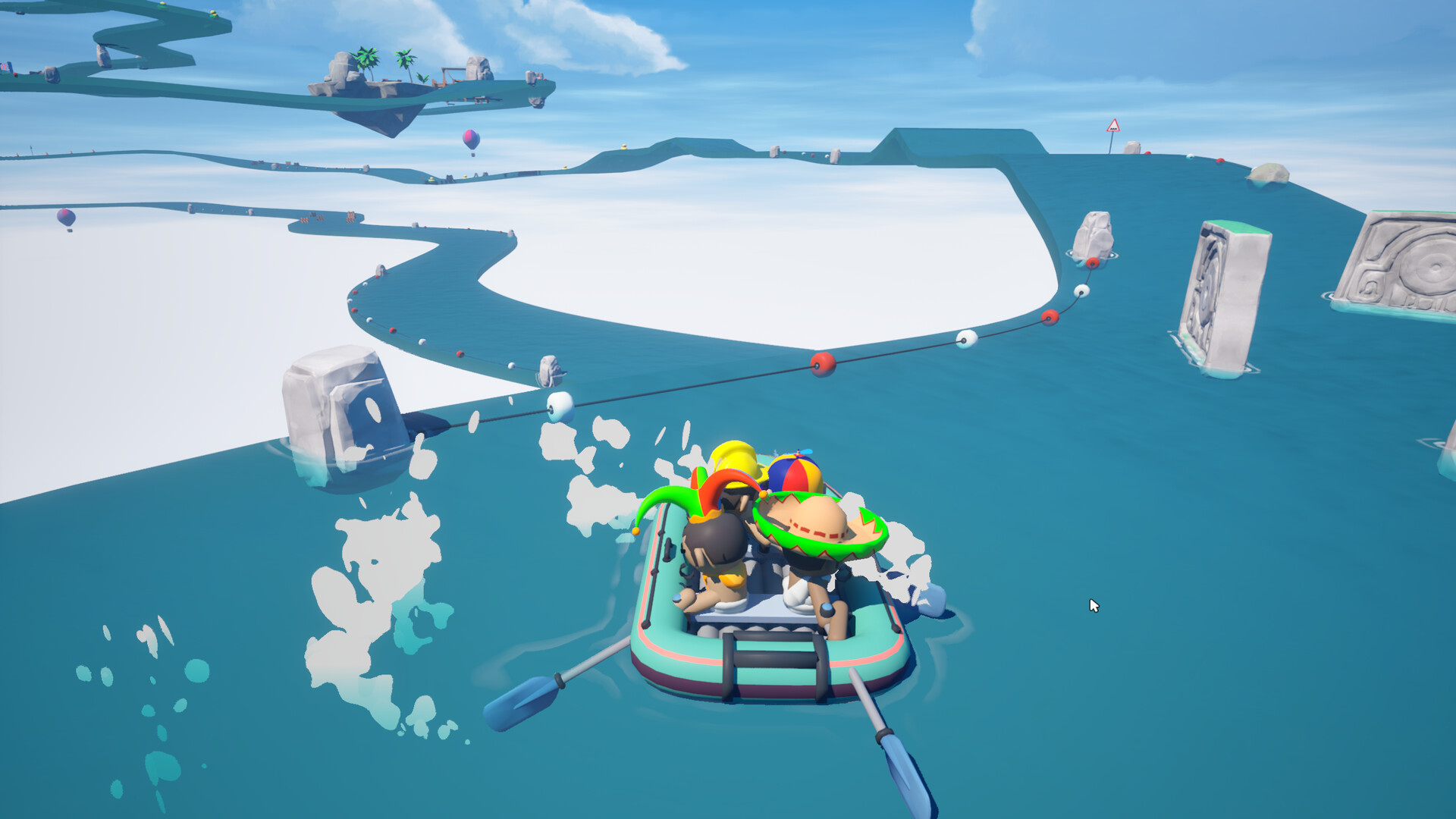
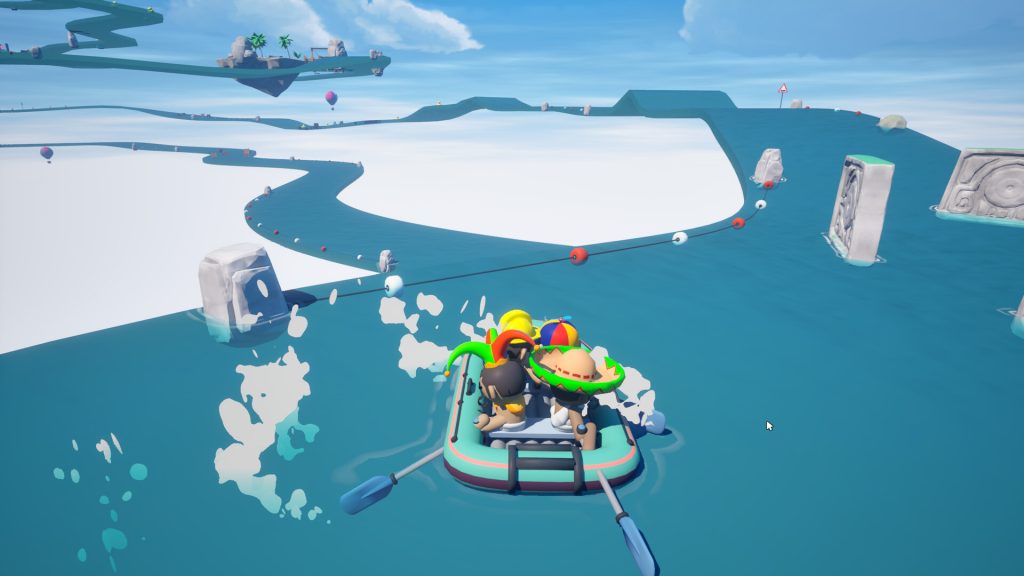
Boat Together is a cooperative experience built around a deceptively calm premise: a group of players share control of a single boat and try to keep it moving, functioning, and afloat. There are no epic bosses, no cinematic set pieces, and no heroic arcs. Instead, the game focuses on something far more fragile—coordination. Boat Together asks what happens when progress depends not on individual skill, but on shared awareness, timing, and responsibility.
Rather than dramatizing survival through constant danger, Boat Together finds tension in routine. Steering, managing systems, navigating environments, and responding to small problems become meaningful because they are collective. This review explores Boat Together as a cooperative systems game, examining how simplicity, shared control, and human error create engagement without spectacle.
Quick Info (Overview Box)
Release Year: 2024
Genre: Cooperative simulation / Casual teamwork
Platforms: PC
Game Modes: Online co-op, Local co-op
Target Audience: Players who enjoy cooperative games, communication-driven gameplay, low-pressure simulation, and shared problem-solving
1. Core Design Philosophy: One Vehicle, Many Minds
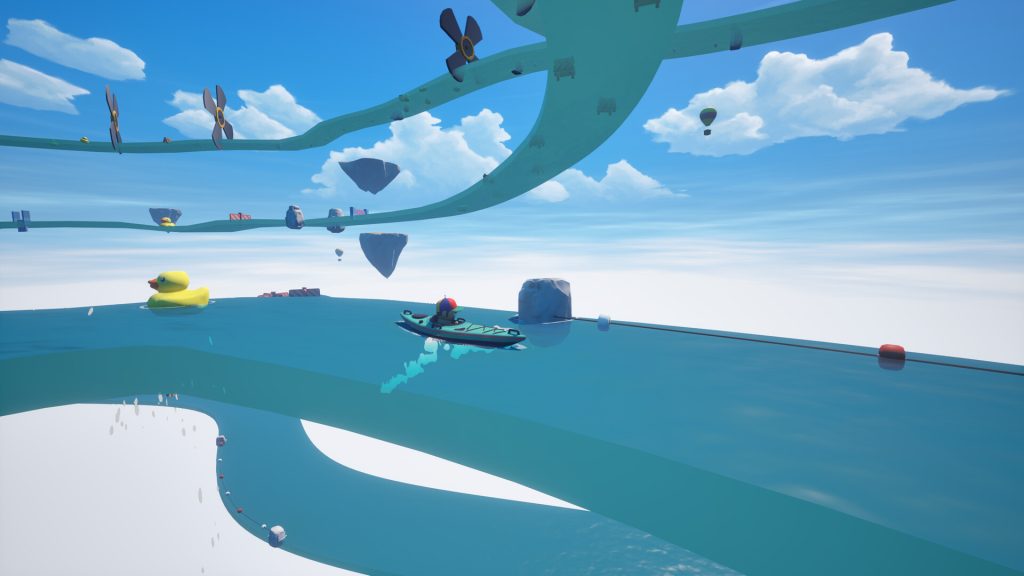
At the heart of Boat Together is a strict constraint: everyone is responsible for the same vessel. There are no separate characters pursuing independent goals. Every action affects a shared outcome.
This immediately reframes cooperation. Players cannot simply “do their own thing.” Steering without communication disrupts navigation. Ignoring maintenance creates cascading issues. Even small decisions ripple outward.
The game’s philosophy is not about optimizing performance—it is about aligning intention. Boat Together treats teamwork not as a bonus, but as the core mechanic.
2. Simplicity as a Design Strength
Mechanically, Boat Together is simple. Controls are intuitive. Systems are easy to understand individually. Steering, operating equipment, and responding to environmental challenges require minimal explanation.
This simplicity is deliberate. By reducing mechanical complexity, the game shifts cognitive load toward social coordination. The challenge is not how to perform a task, but when and who should do it.
As a result, Boat Together is accessible to a wide range of players without sacrificing depth of interaction.
3. Shared Control and Emergent Tension
Unlike games where players have distinct, locked-in roles, Boat Together allows overlap. Multiple players can attempt to steer, adjust systems, or intervene simultaneously.
This overlap is where tension emerges. Conflicting inputs cause inefficiency. Overcorrection leads to mistakes. Silence leads to drift.
The game does not prevent these conflicts—it exposes them. Players learn that coordination is not automatic; it must be negotiated continuously.
4. Navigation as a Social Skill
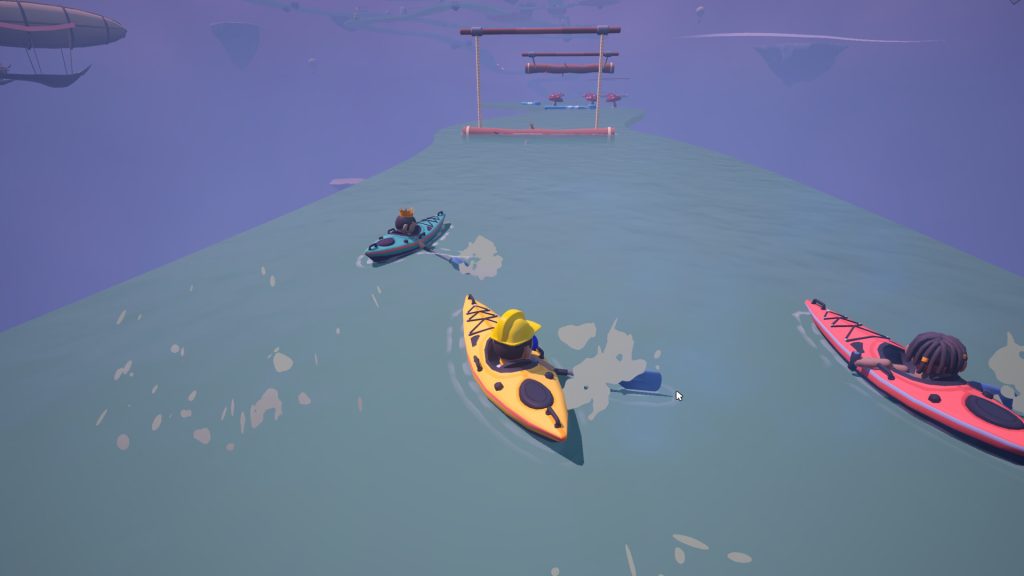
Navigation in Boat Together is not just spatial—it is social. Deciding where to go, how fast to move, and when to adjust course requires consensus.
Environmental obstacles are rarely overwhelming on their own. They become dangerous when players disagree or fail to communicate. A narrow passage is trivial with coordination and disastrous without it.
This transforms navigation into dialogue. Direction is discussed, debated, and sometimes argued—creating organic social dynamics.
5. Systems That Fail Gradually
Boat Together excels at graceful failure. Systems do not collapse instantly. Problems emerge slowly—reduced efficiency, minor malfunctions, small deviations from course.
This gives players time to notice, react, and correct. Failure feels earned rather than sudden. The boat becomes messier, less responsive, harder to manage.
Because collapse is gradual, tension builds naturally. Players sense things slipping before disaster strikes, creating urgency without panic.
6. Communication as the Primary Resource
There is no scarce ammo or health pool in Boat Together. The scarce resource is attention. Players must decide where to focus and when to speak.
Clear communication prevents overlap and confusion. Poor communication amplifies small mistakes. Silence is rarely neutral—it usually signals neglect.
The game rewards teams that develop shared language: short cues, expectations, and rhythms. Over time, crews function more smoothly—not because systems change, but because people do.
7. Player Psychology: Responsibility Without Pressure
Boat Together strikes a careful emotional balance. Players feel responsible, but rarely punished harshly. Mistakes are visible, but not humiliating.
This creates a low-anxiety environment where experimentation is safe. New players can learn without fear of ruining everything instantly. Experienced players can guide without dominating.
The game encourages collective ownership rather than individual blame. When things go wrong, it usually feels like “we messed up,” not “you messed up.”
8. Humor Through Human Error
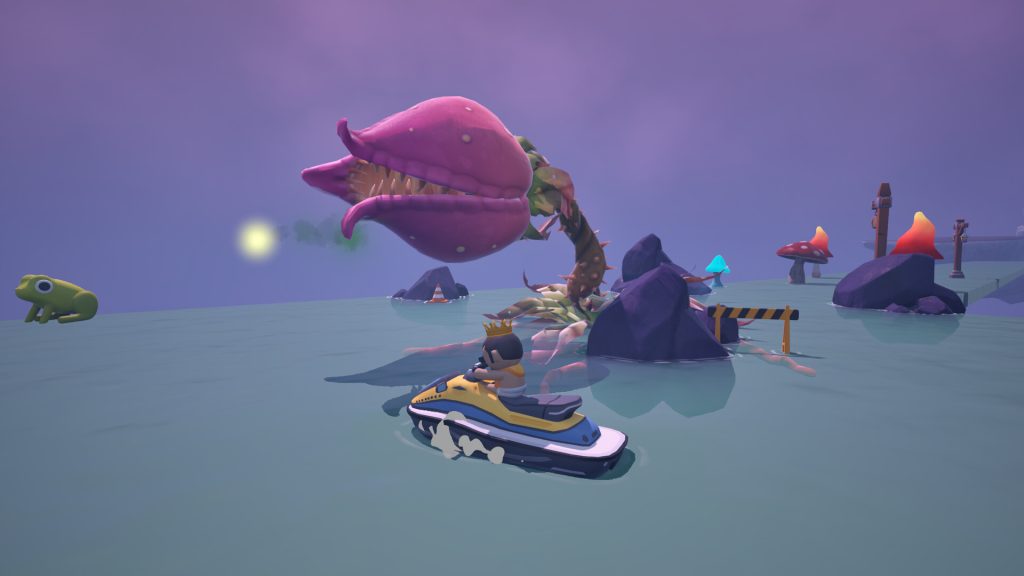
Much of Boat Together’s charm comes from unscripted humor. Oversteering, conflicting commands, forgotten systems, and last-second corrections generate moments of laughter.
These moments are not built through jokes or animations—they arise from human imperfection interacting with simple systems.
The humor feels shared rather than performative. Players laugh because they recognize themselves in the chaos.
9. Pacing and Session Flow
Sessions in Boat Together tend to follow a natural rhythm. Early moments are calm and experimental. Mid-session coordination improves. Late-session fatigue introduces new mistakes.
This arc mirrors real teamwork dynamics. The game does not force escalation. Instead, time and human attention shape pacing organically.
Because stakes are moderate, sessions feel sustainable. Players can stop and start without feeling punished or behind.
10. Limits of Depth and Replayability
Boat Together is intentionally focused. Systems do not expand dramatically over time. Mastery is social rather than mechanical.
This means long-term replayability depends heavily on group composition. Playing with the same people repeatedly can become predictable; playing with new players refreshes the experience.
The game does not aim for infinite depth. It aims for repeatable social moments.
Pros
Strong emphasis on genuine cooperation
Accessible mechanics with meaningful interaction
Gradual failure systems reduce frustration
Emergent humor from human behavior
Low-pressure, inclusive design
Cons
Limited mechanical complexity
Reliant on communication to stay engaging
Less satisfying for solo or silent play
Repetition with static groups
Minimal progression systems
Conclusion: A Game About Moving Forward Together
Boat Together succeeds by understanding that cooperation is not about specialization—it is about awareness. By giving players a shared vessel and simple tools, it creates a space where communication, timing, and patience matter more than skill execution.
For players seeking a relaxed cooperative experience built on shared responsibility rather than competition, Boat Together offers something quietly effective. It turns direction into discussion and progress into agreement.
It is not about reaching a destination.
It is about learning how to move
as one crew.