
Disposable Corps – Mass Warfare, Moral Distance, and the Horror of Being Replaceable
Introduction: When Survival Is Not the Point
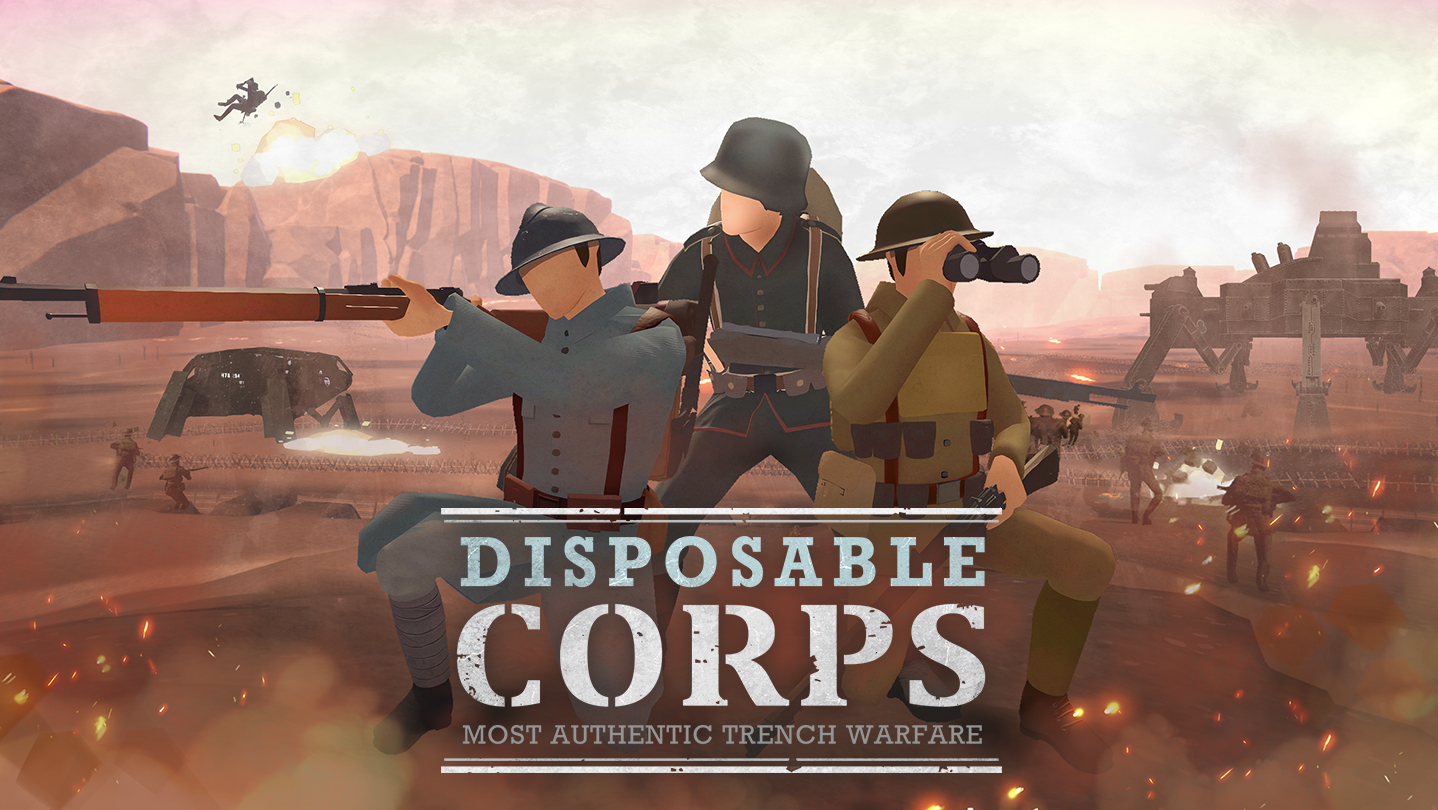
Disposable Corps is not a game about heroism. It is a game about expendability. From its very premise, Disposable Corps makes one thing clear: you are not special, you are not protected, and you are not meant to last. You exist to be used, lost, and replaced.
Unlike most war-themed games that attempt to empower the player through skill mastery or narrative importance, Disposable Corps does the opposite. It strips away individuality and reframes the player as a single unit within a vast, indifferent system. This review analyzes Disposable Corps as a design experiment in dehumanization, systemic violence, and how large-scale mechanics deliberately distance the player from traditional notions of survival, attachment, and victory.
Quick Info (Overview Box)
Release Year: 2024
Genre: Tactical action / Large-scale warfare
Platforms: PC
Game Modes: Single-player scenarios, Large-scale battles
Target Audience: Players interested in experimental war games, systems-driven combat, and themes of sacrifice and anonymity
1. Core Design Philosophy: Replaceability as Identity
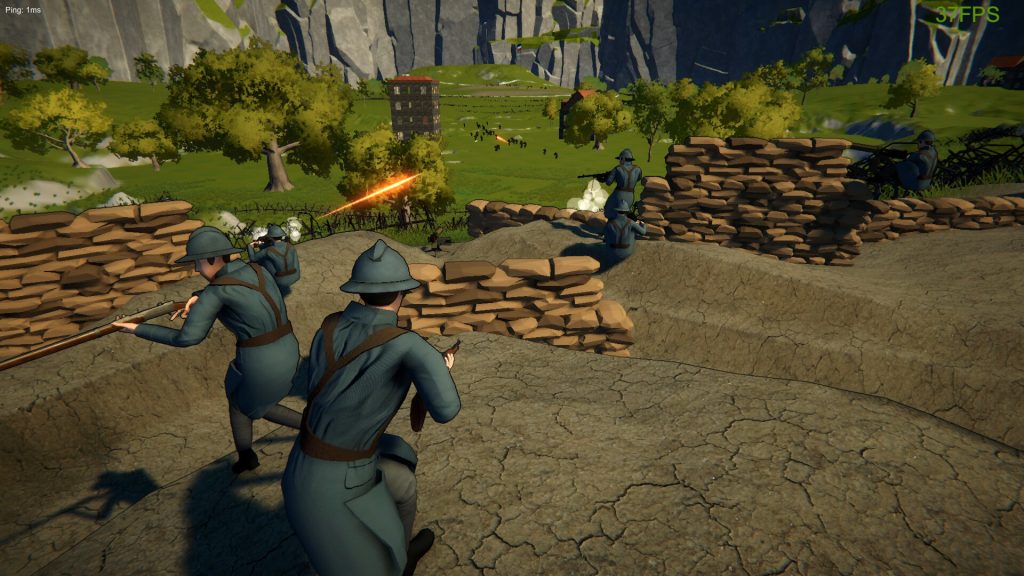
The foundational concept of Disposable Corps is simple and brutal: death is expected. You are not punished emotionally or narratively for dying—you are replaced and sent back.
This design removes the protective layer most games rely on. There is no illusion of plot armor. The game does not pretend your survival matters. What matters is continuity of force.
By framing death as routine rather than failure, Disposable Corps redefines player motivation. The question shifts from “Can I survive?” to “What can I accomplish before I am gone?”
2. Scale as Psychological Weapon
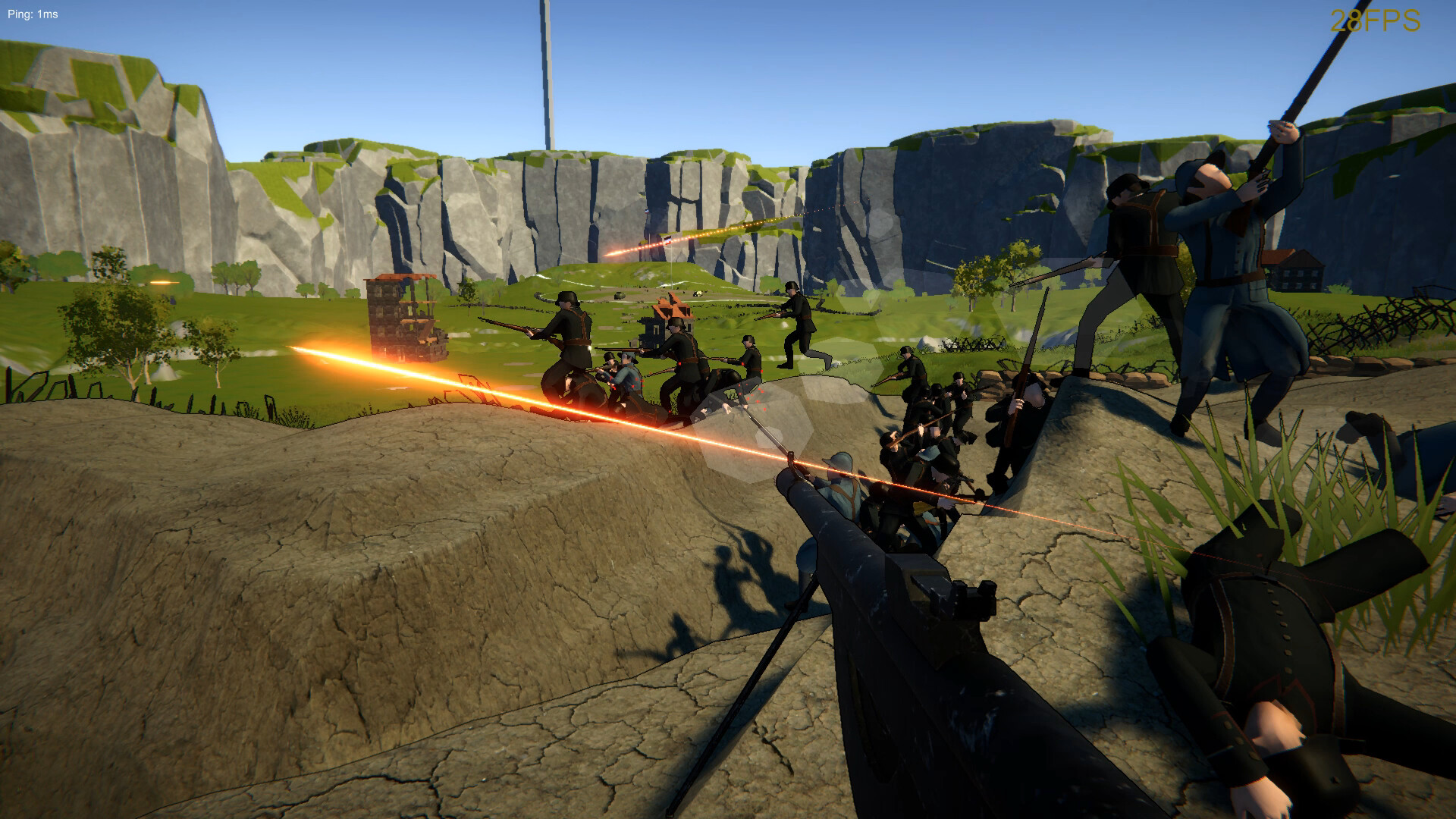
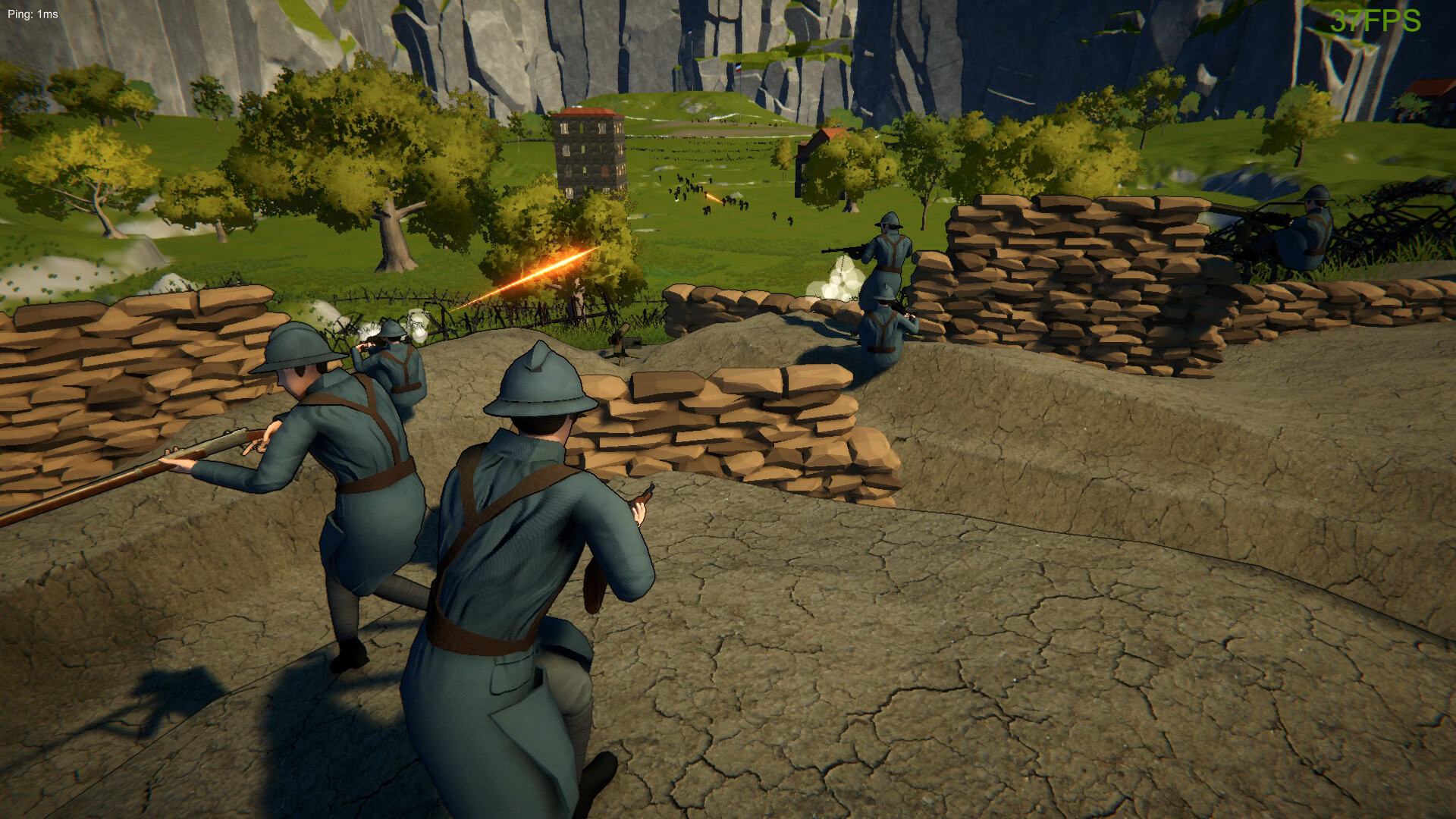
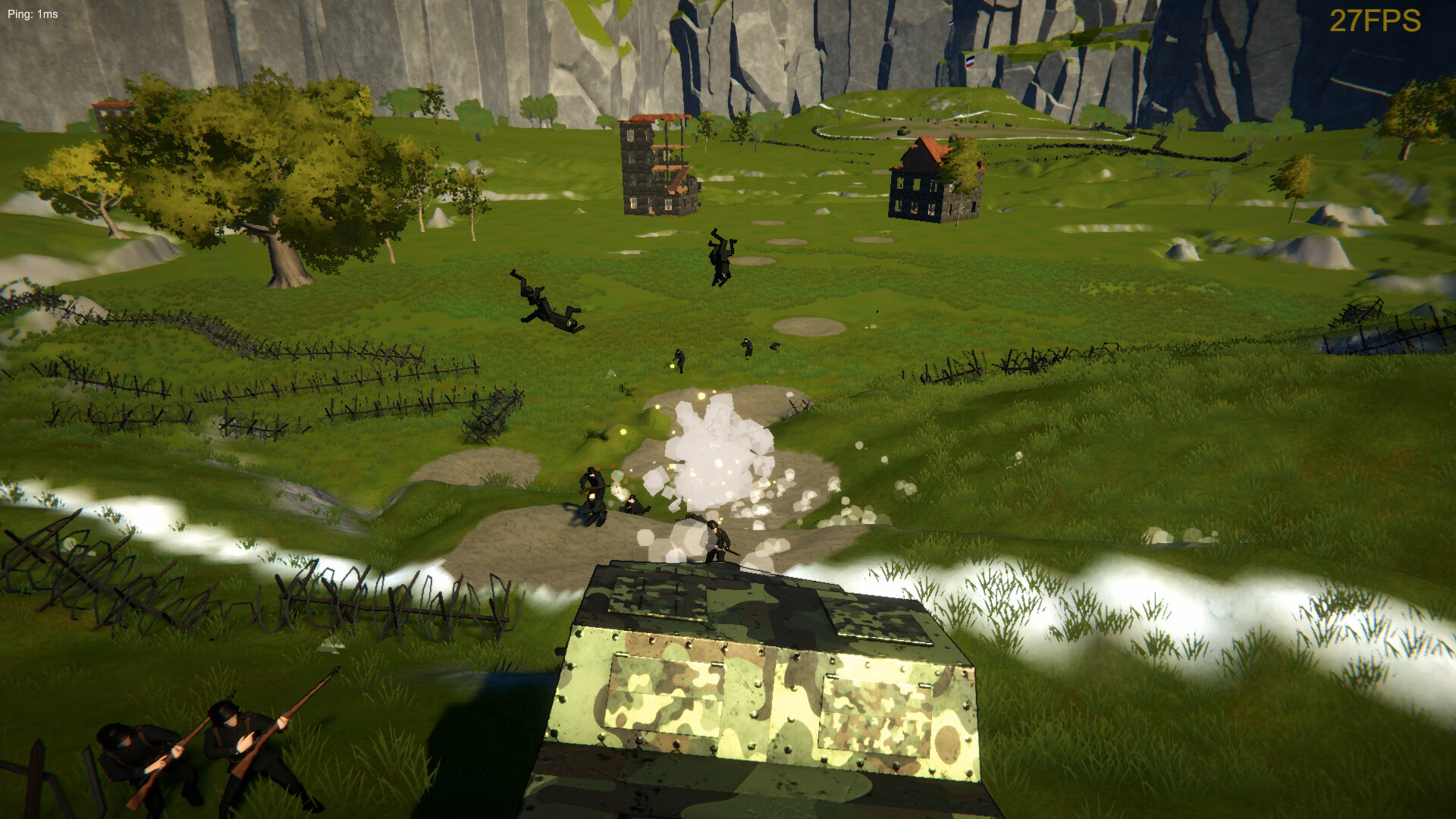
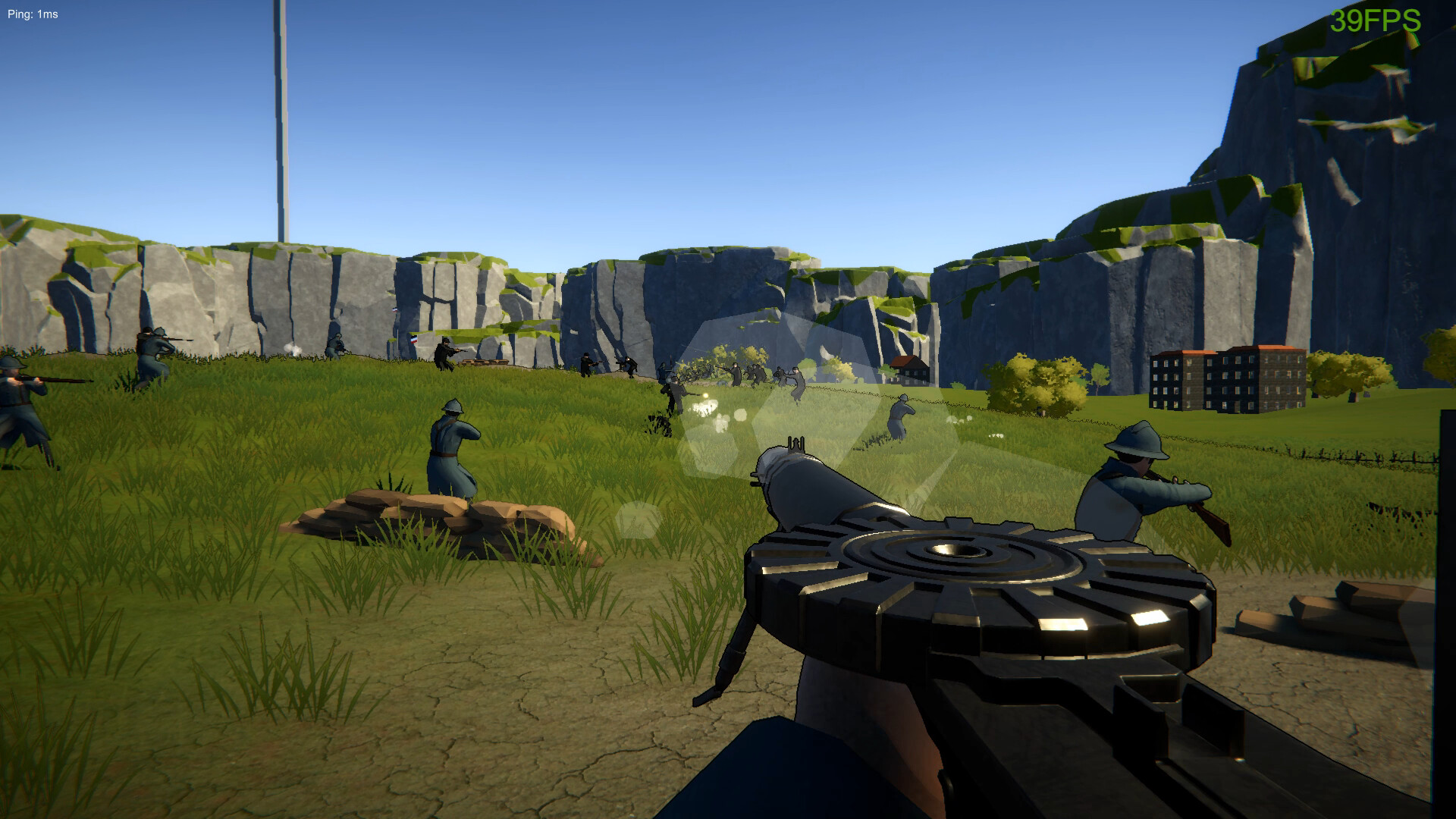
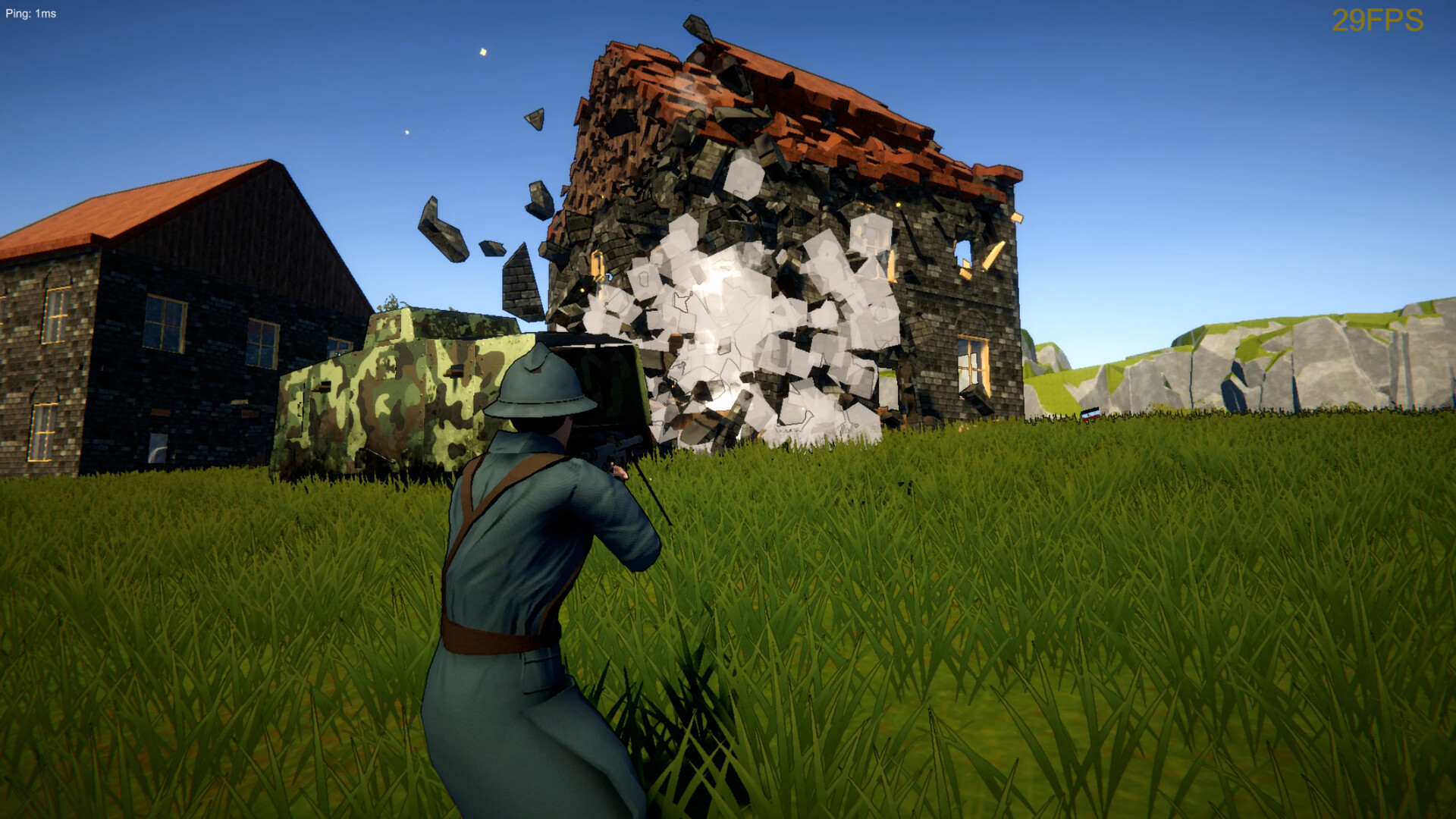
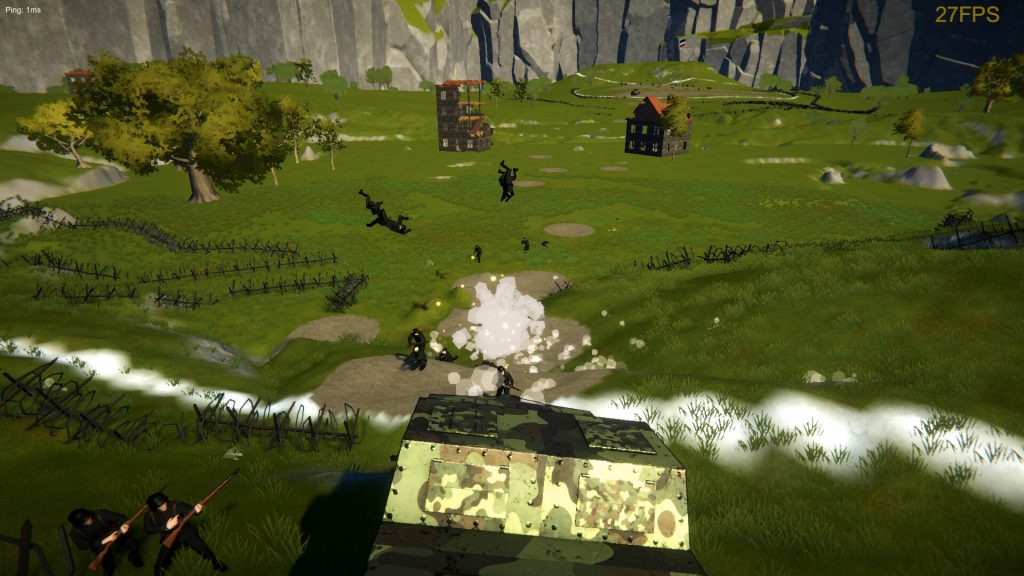
Disposable Corps emphasizes scale relentlessly. Battlefields are wide. Unit counts are high. Explosions, gunfire, and movement overwhelm individual perception.
This scale is not just visual—it is emotional. You are constantly reminded of how small you are. Losing your unit barely affects the battlefield. The war continues without pause.
By denying the player a sense of impact at the individual level, the game creates a cold, unsettling atmosphere where participation feels obligatory rather than empowering.
3. Combat Design: Efficiency Over Expression
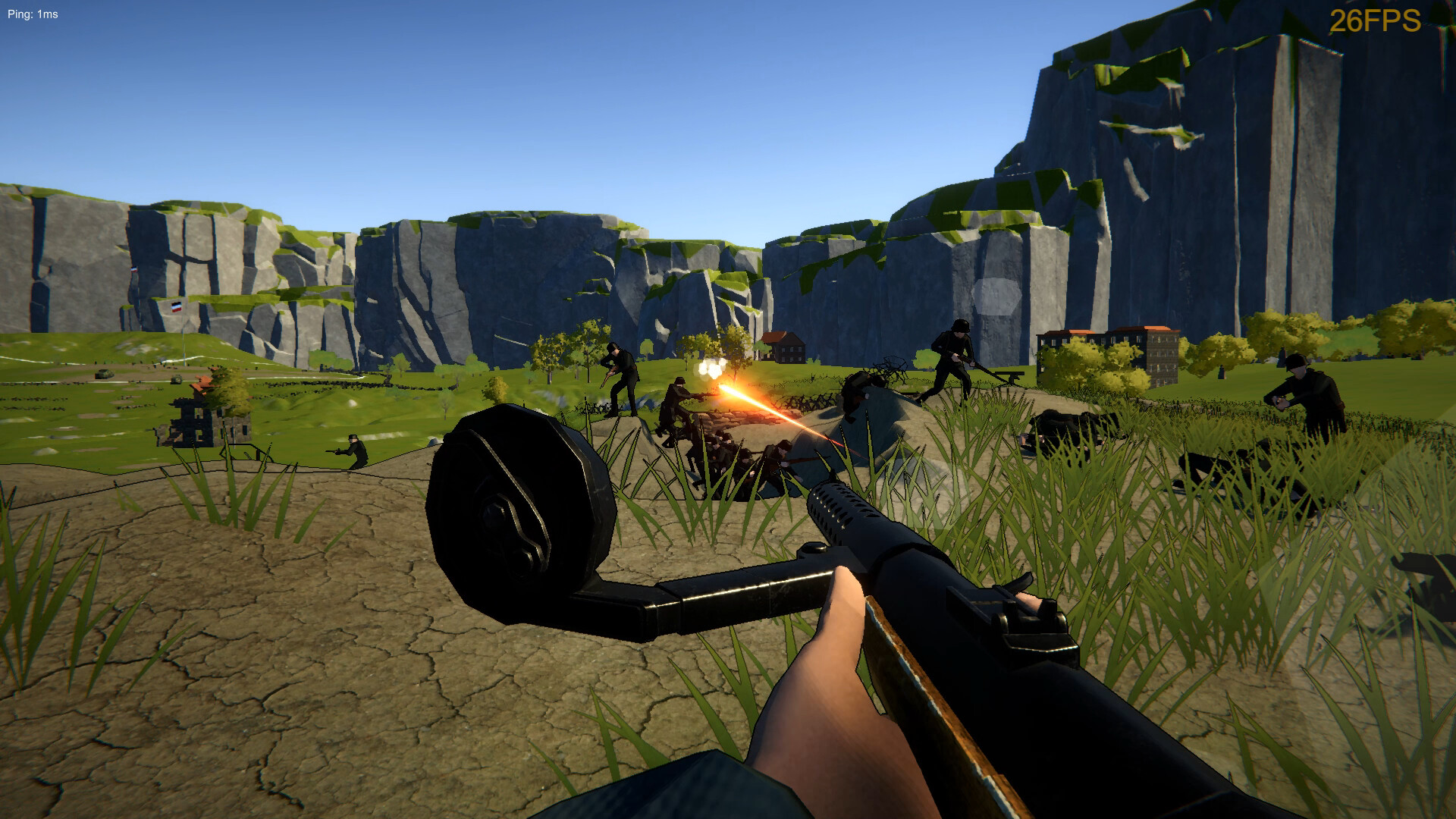
Combat in Disposable Corps is functional, not expressive. Weapons are tools, not extensions of identity. There is little room for stylish play or personal flair.
Engagements are fast and lethal. Positioning matters more than reflexes. Survival often depends on timing and situational awareness rather than raw skill.
This reinforces the idea that you are part of a machine. Combat is about output, not personal triumph.
4. Death Without Drama
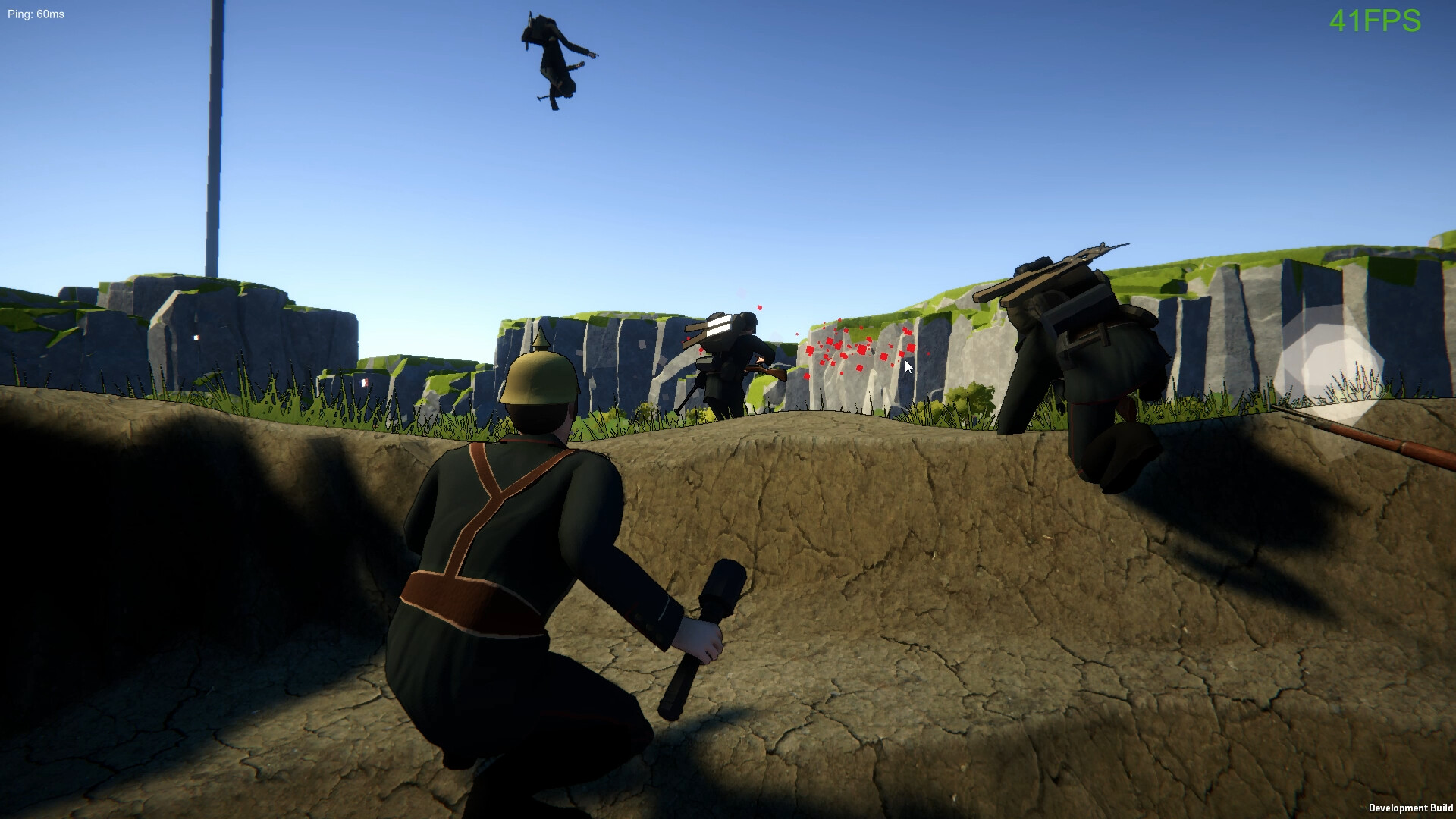
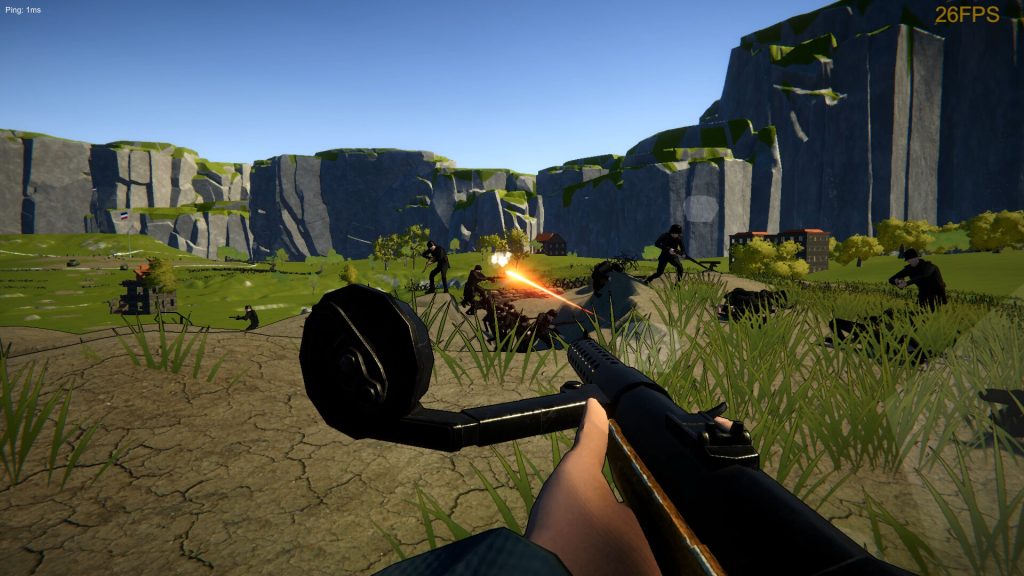
One of Disposable Corps’ most striking features is how it handles death. There are no slow-motion effects, no dramatic music cues, no emotional framing.
Death is immediate, often abrupt, and frequently confusing. You may not even know what killed you.
This lack of ceremony is intentional. It removes the narrative comfort normally attached to player death and replaces it with indifference. The game does not mourn you—why should you?
5. Player Psychology: Detachment as Survival
Over time, players adapt psychologically. Early deaths feel shocking. Later deaths feel procedural.
This emotional detachment is not a failure of immersion—it is the intended outcome. Disposable Corps trains players to think tactically rather than emotionally.
Attachment becomes inefficient. The game subtly teaches players to stop caring about the individual and start caring about process.
6. Mission Structure: Objectives Over Lives
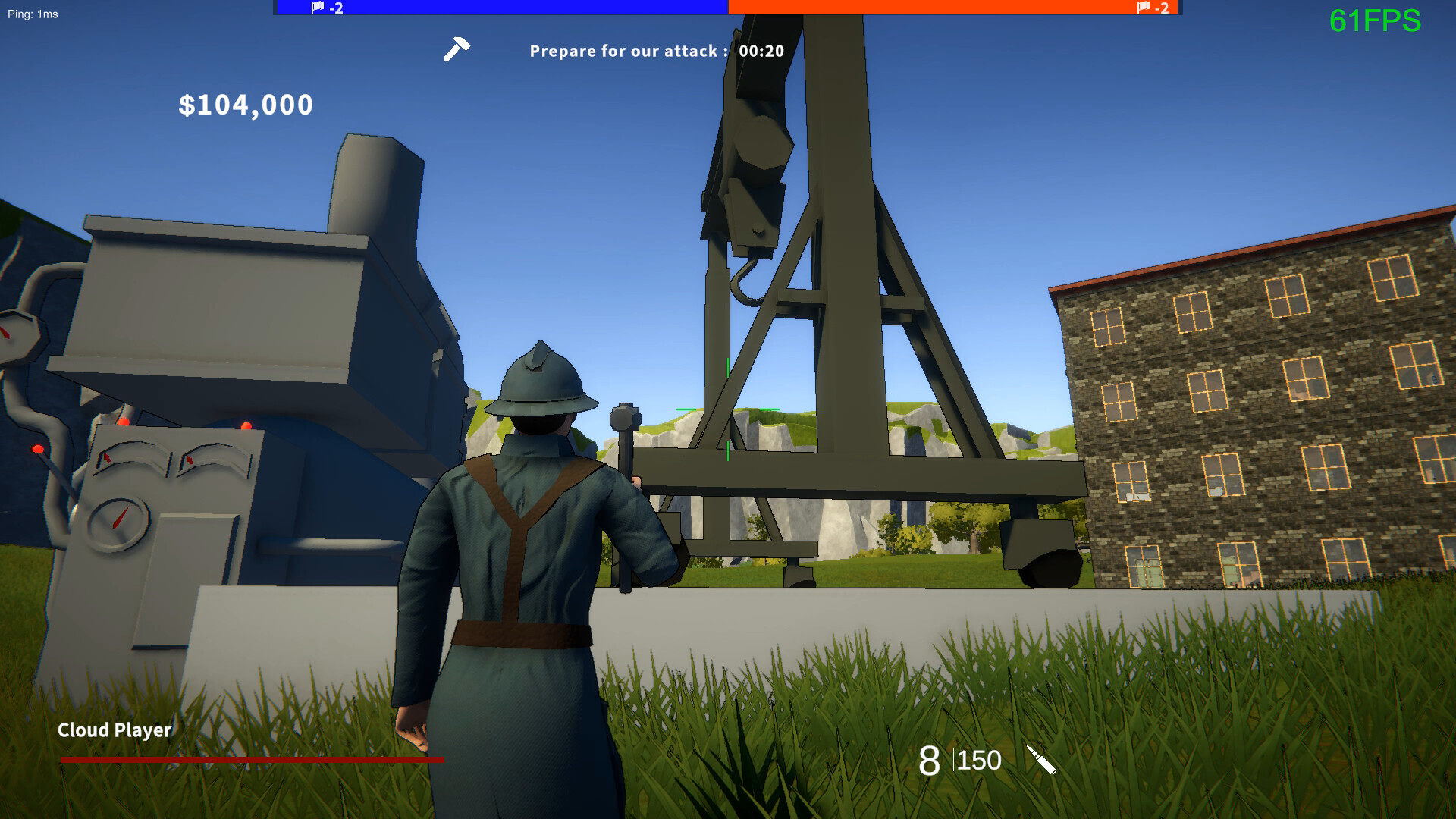
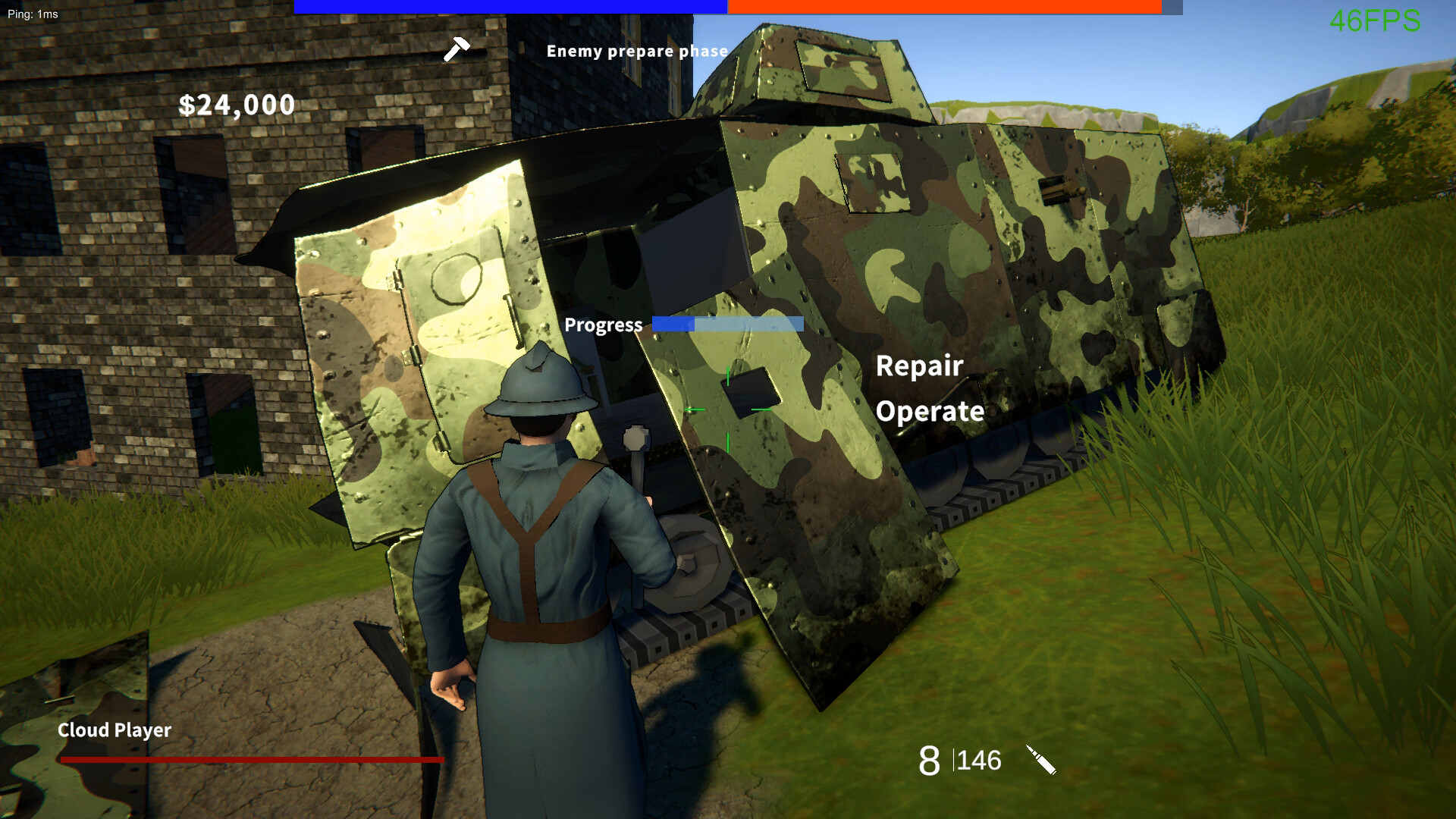
Missions in Disposable Corps focus on objectives that persist beyond individual units. Capture zones. Hold lines. Delay enemies.
Success is measured collectively, not personally. You may complete an objective without surviving to see it succeed.
This creates a rare form of satisfaction. Progress feels abstract, impersonal, and unsettling—mirroring the logic of large-scale warfare.
7. Visual and Audio Presentation: Cold Clarity
The presentation of Disposable Corps avoids spectacle. Visuals are clear, functional, and often intentionally plain.
Audio reinforces chaos without glamorization. Gunfire is constant. Commands are abrupt. Silence is rare and uncomfortable.
The game does not attempt to beautify violence. It presents it as noise, motion, and loss.
8. Comparison to Traditional War Games
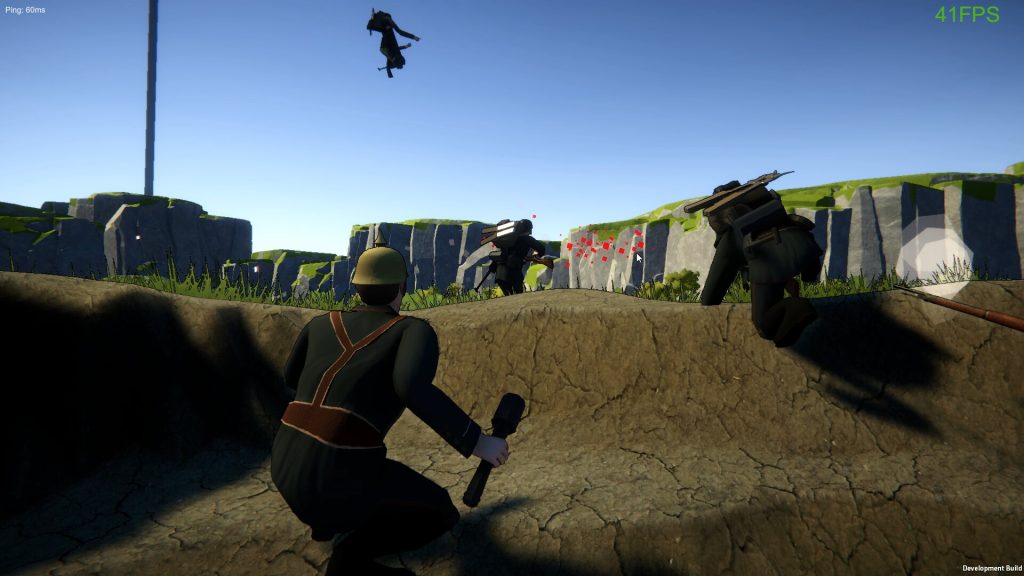
Where traditional shooters focus on empowerment, Disposable Corps focuses on erasure. Where others reward kill counts, this game rewards contribution to momentum.
This makes it difficult to compare directly. It is not a competitor to mainstream shooters—it is a critique of them.
Disposable Corps asks what war looks like when the individual is no longer the narrative center.
9. Limitations and Emotional Fatigue
The game’s commitment to dehumanization can become exhausting. Some players may find the lack of personal progression demotivating.
Without attachment, engagement relies heavily on intellectual interest in systems rather than emotional investment.
This limits its appeal. Disposable Corps is not designed for comfort or long-term relaxation—it is designed to unsettle.
10. What Disposable Corps Is Ultimately Saying
Disposable Corps is not subtle in its message, but it is precise. It uses mechanics—not dialogue—to communicate the expendability of individuals in large systems.
By removing heroism, permanence, and identity, it exposes how war reduces people to resources.
Few games are willing to be this uncomfortable.
Pros
Unique focus on replaceability and large-scale warfare
Strong thematic cohesion between mechanics and message
Honest, unsentimental portrayal of combat
Emphasis on objectives over kill counts
Distinct identity among war games
Cons
Emotional detachment may alienate some players
Limited sense of personal progression
Can feel repetitive over long sessions
Not designed for casual play
Niche thematic appeal
Conclusion: A Game That Refuses to Care About You
Disposable Corps succeeds precisely because it does not care about the player in the traditional sense. It does not flatter skill, protect identity, or reward survival for its own sake.
Instead, it offers a stark, systems-driven reflection on warfare where individuals are interchangeable and loss is normalized. For players interested in experimental design and games that communicate meaning through mechanics rather than narrative, Disposable Corps delivers a rare and unsettling experience.
It does not ask you to be a hero.
It asks you to be useful – for as long as you last.