

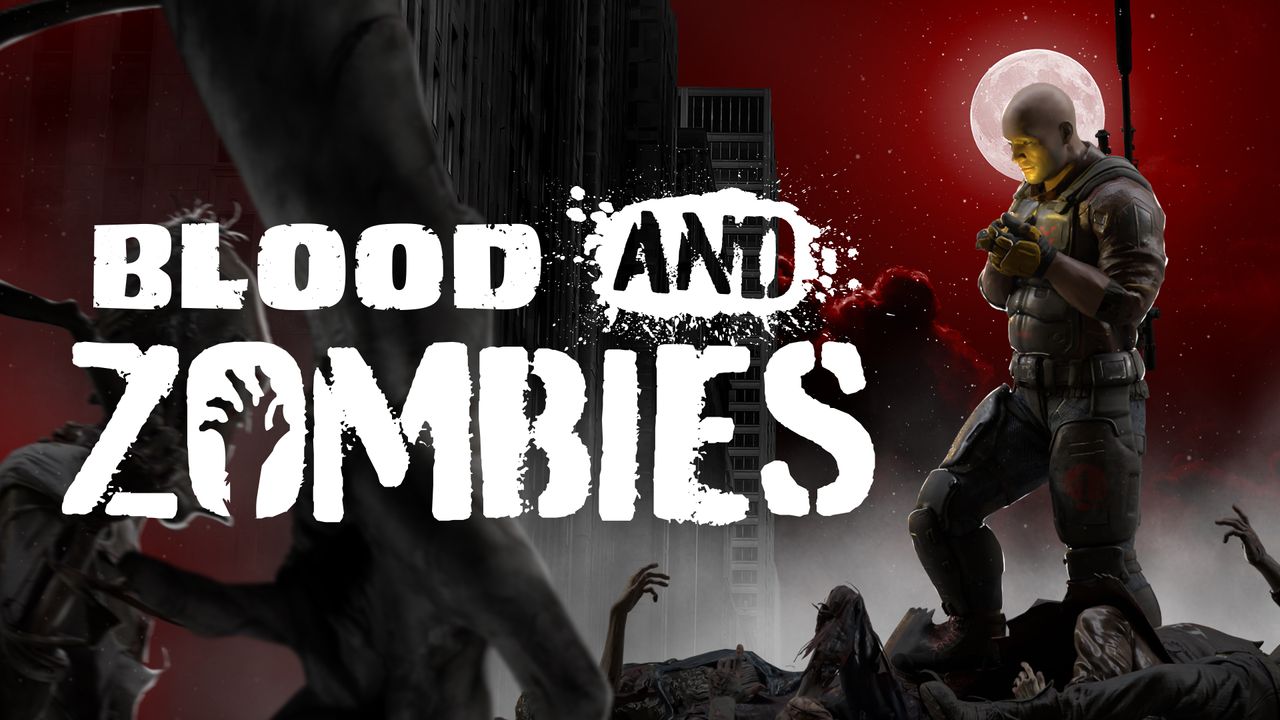
Blood And Zombies – Repetition, Resistance, and the Thin Line Between Endurance and Exhaustion
Introduction: When Survival Becomes a Grind
Blood And Zombies enters the zombie genre from an angle that feels familiar yet intentionally constrained. It does not attempt to reinvent undead horror or overwhelm players with narrative ambition. Instead, it focuses on attrition: waves of enemies, limited resources, and the mental endurance required to repeat failure until systems are understood.
Blood And Zombies positions itself between arcade action and survival roguelite. It borrows the language of horde shooters—tight arenas, escalating waves, and constant pressure—while layering in progression systems meant to reward persistence rather than mastery alone. This review examines Blood And Zombies as a study in repetition-driven design, asking when repetition becomes tension, when it becomes comfort, and when it risks becoming fatigue.
Quick Info (Overview Box)
Release Year: 2022
Genre: Survival shooter / Roguelite
Platforms: PC
Game Modes: Single-player, Online co-op
Target Audience: Players who enjoy wave-based combat, incremental progression, and survival experiences built around endurance
1. Core Design Philosophy: Survival Through Repetition
The foundational idea of Blood And Zombies is not adaptation through intelligence, but adaptation through exposure. You are meant to die. You are meant to repeat encounters. Progress is measured not in narrative milestones, but in familiarity.
Unlike survival games that emphasize exploration or base-building, Blood And Zombies confines players to combat loops. The environment does not change dramatically. Enemies do not evolve narratively. What changes is you—your understanding of timing, positioning, and upgrade priorities.
This philosophy places repetition at the center of the experience. Whether that repetition feels motivating or draining depends heavily on player mindset.
2. Combat Loop: Pressure Without Complexity
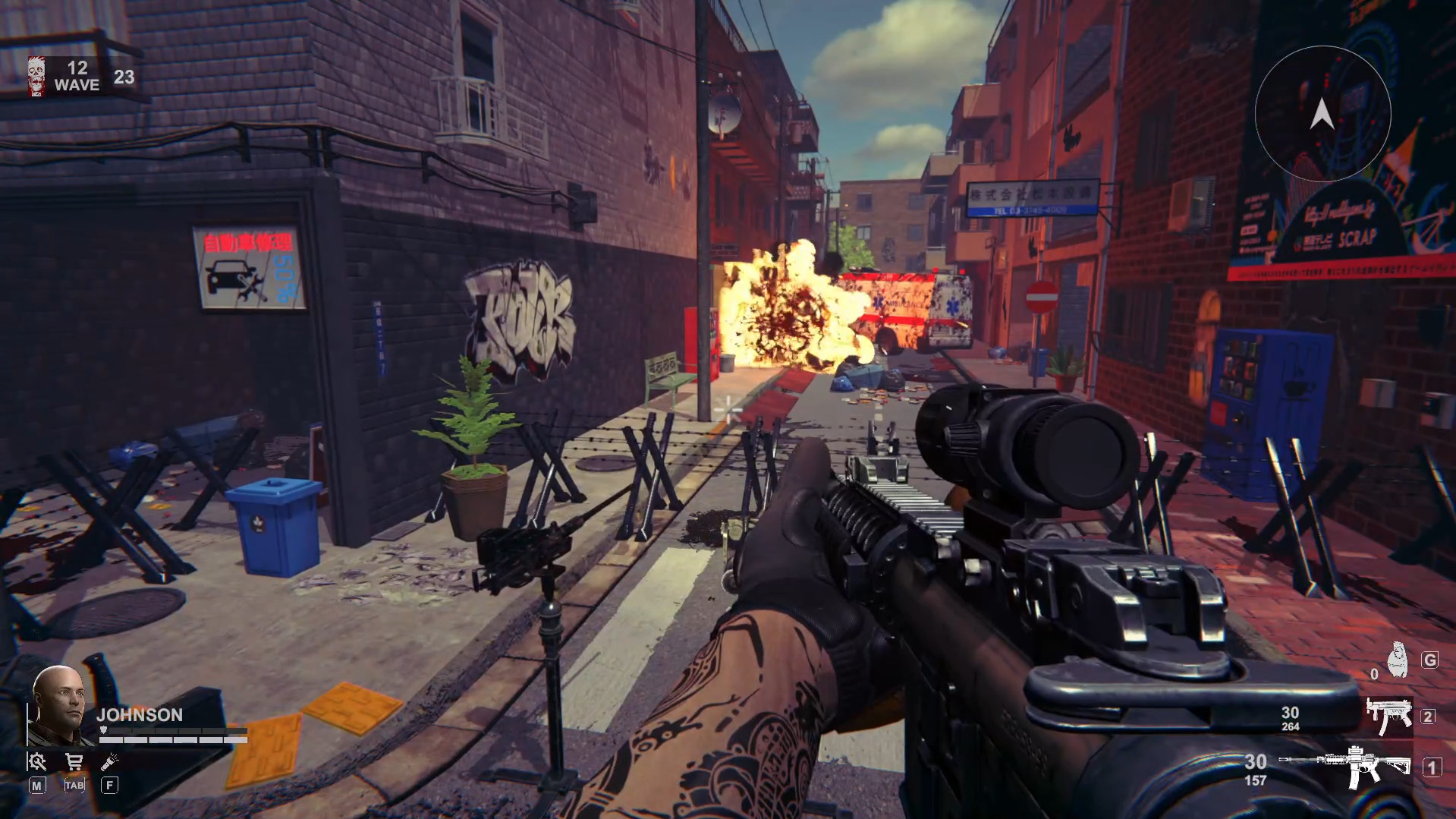
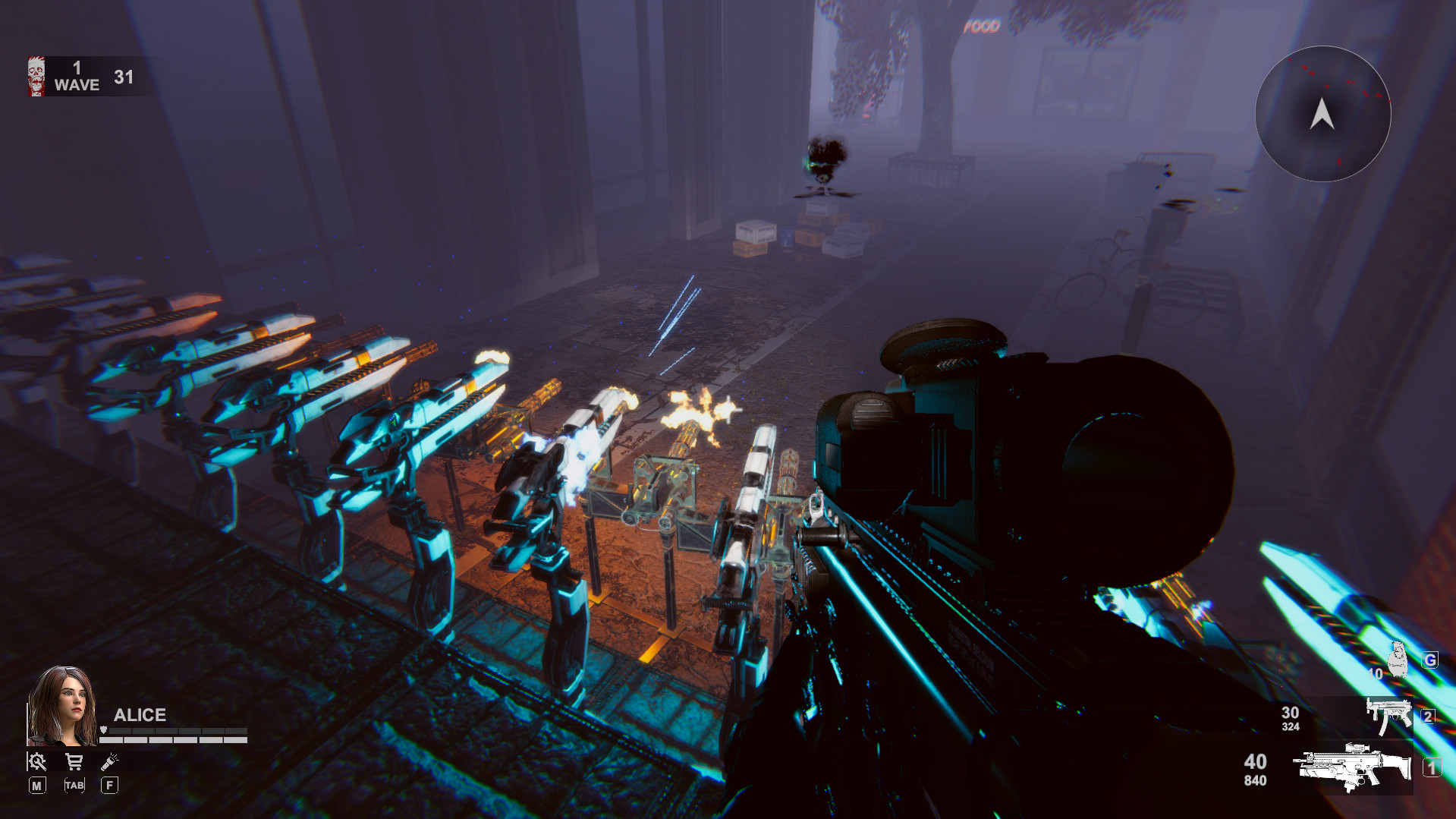
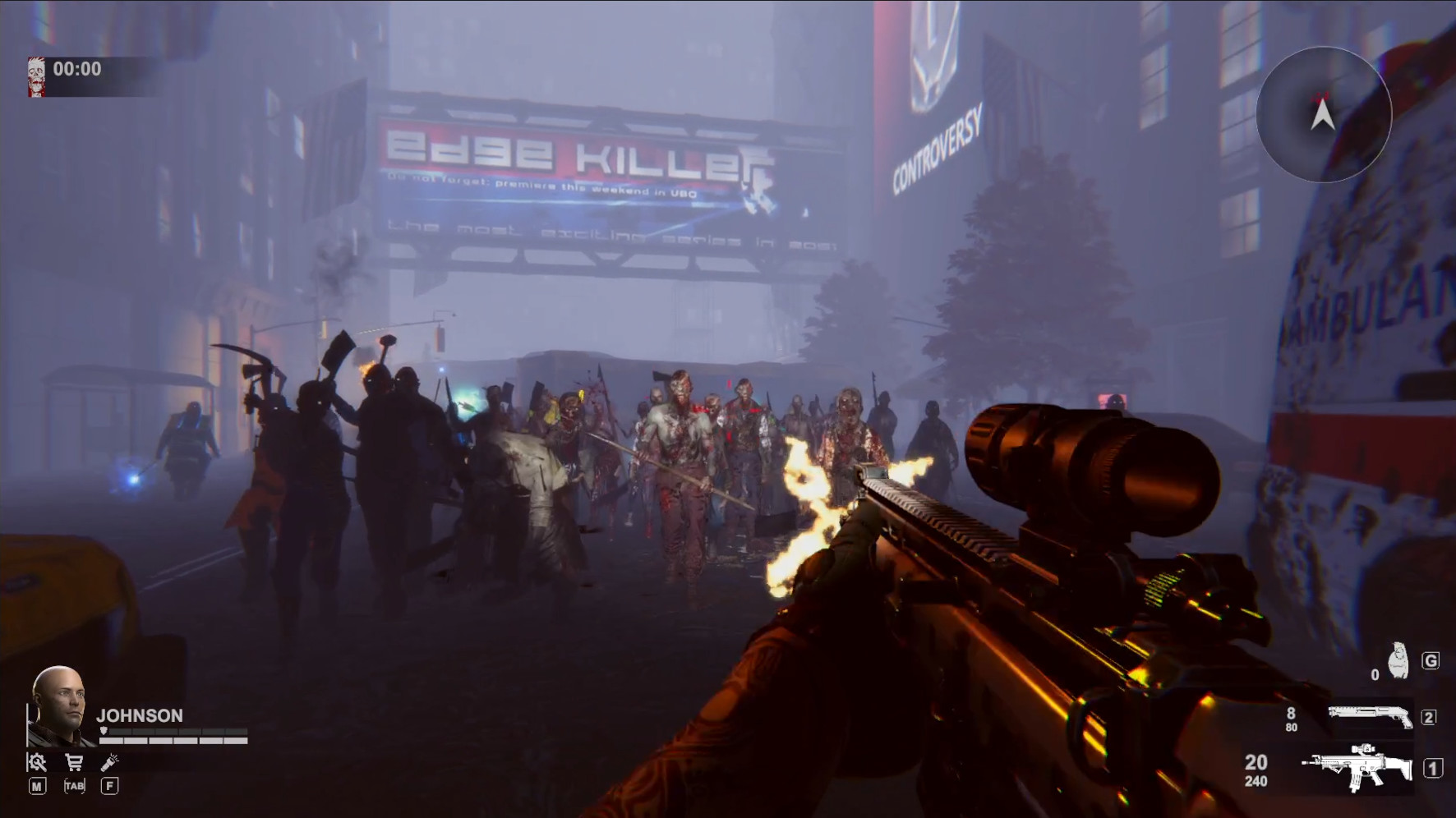
Combat in Blood And Zombies is straightforward by design. Enemies swarm aggressively. Weapons are functional rather than expressive. Movement is constrained to encourage confrontation.
There is little room for stealth, avoidance, or creative problem-solving. Success depends on positioning, target prioritization, and resource management under constant pressure.
This simplicity creates clarity. Players always know what they are supposed to do: survive the wave. However, it also limits variety. The challenge lies in execution rather than discovery.
3. Zombies as Numbers, Not Characters
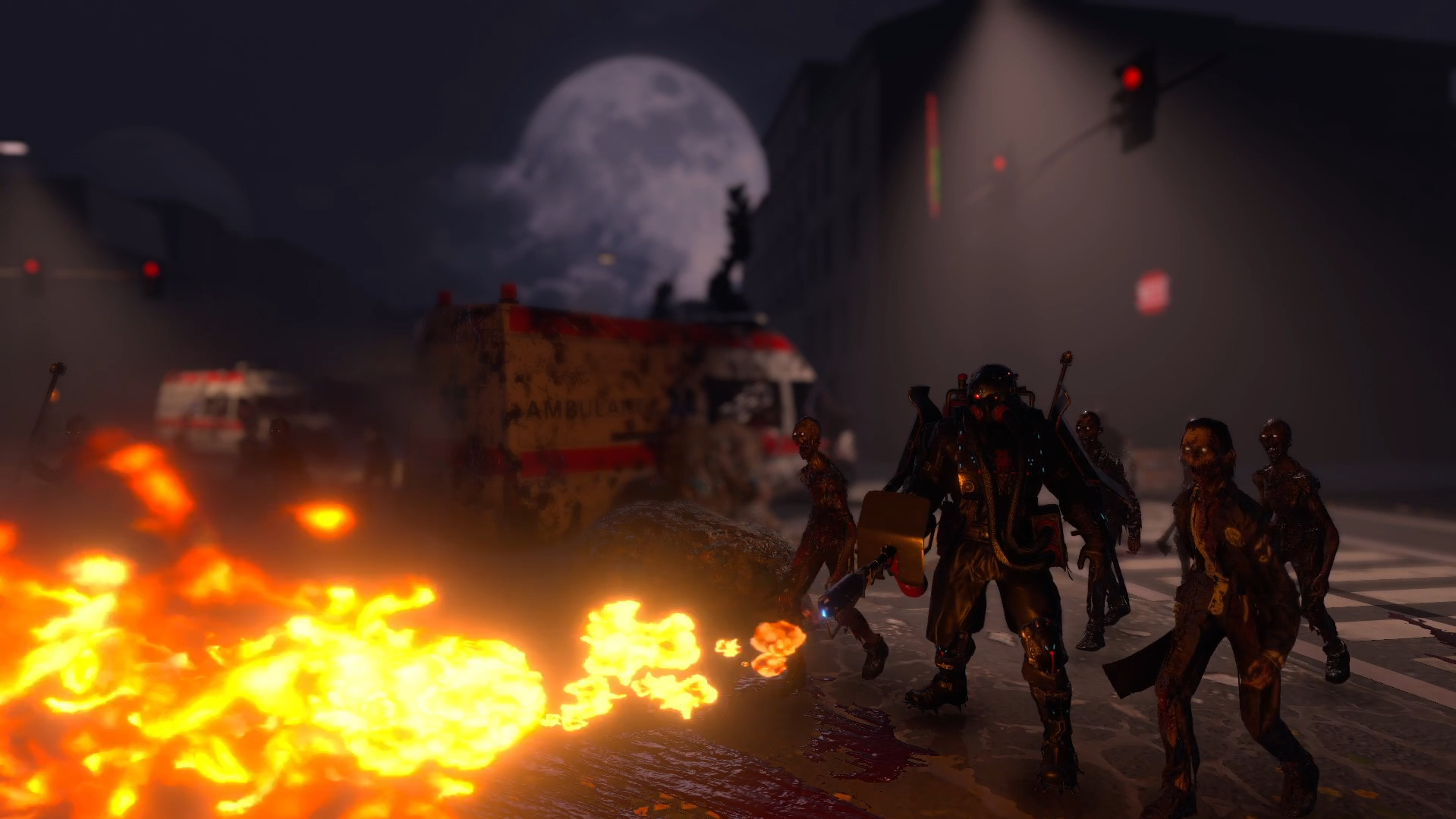
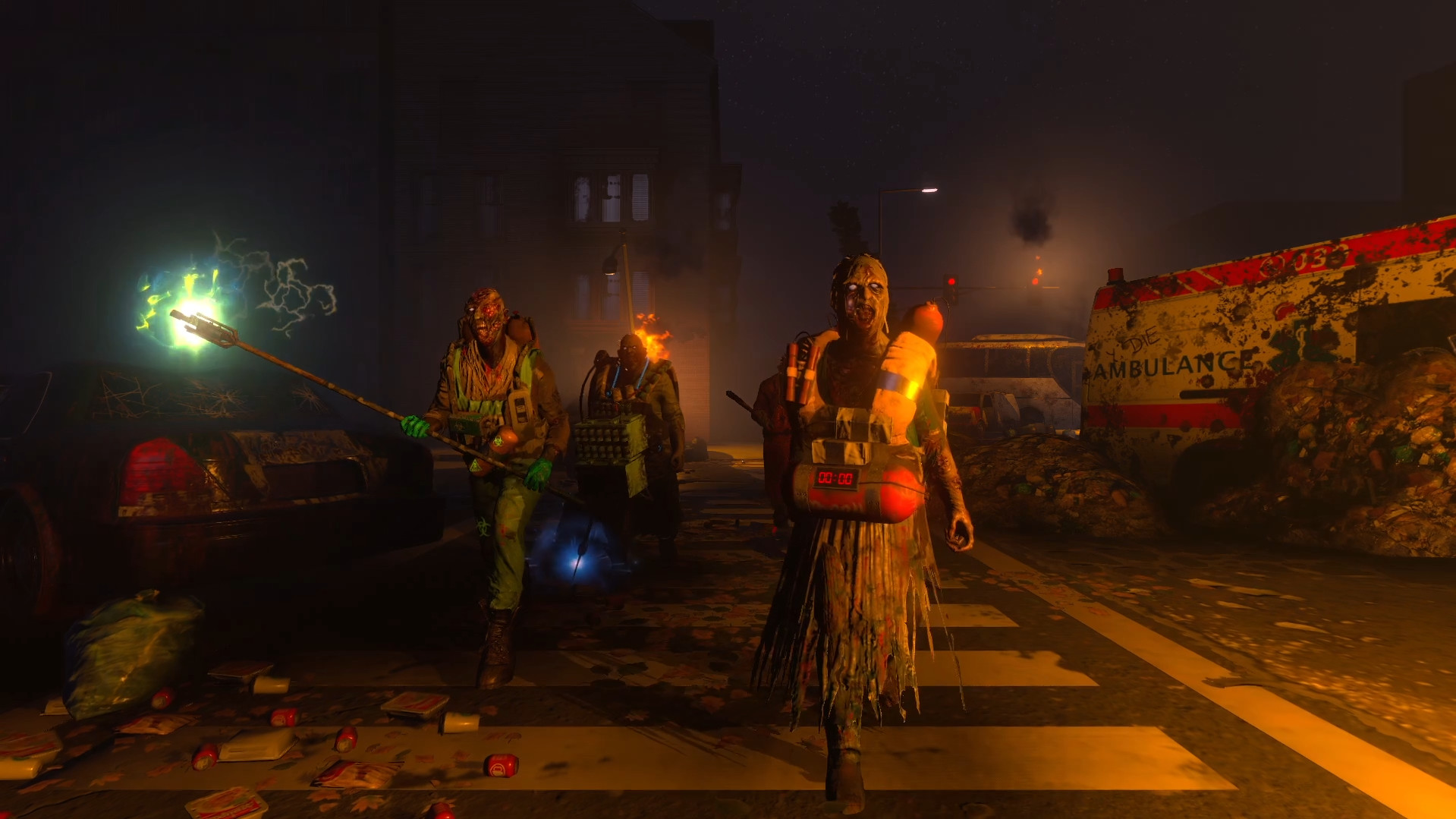
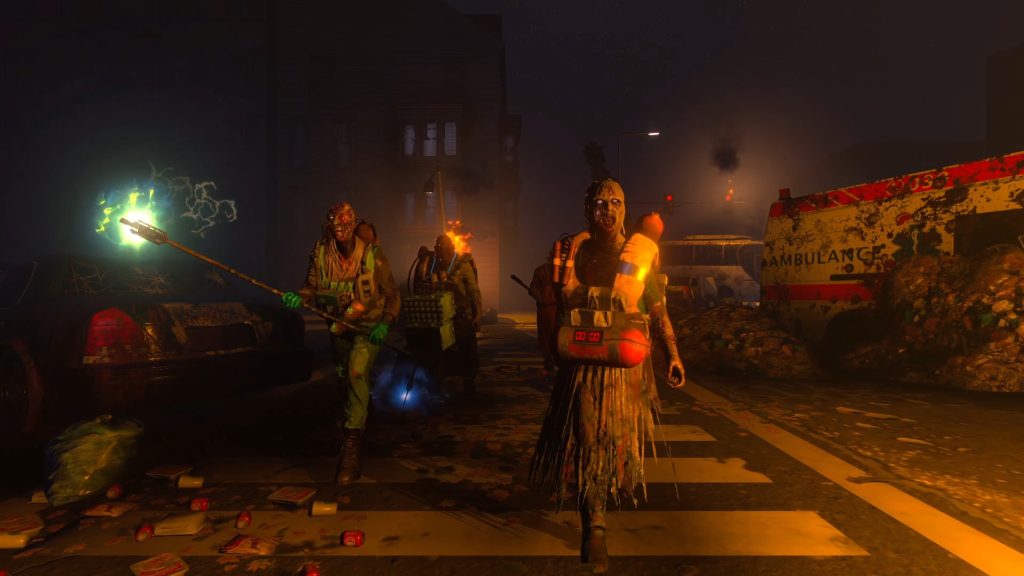
Zombies in Blood And Zombies are defined more by quantity than personality. They are threats through volume, not through individual behavior.
Different enemy types exist, but they function primarily as modifiers to pressure—faster units, tougher units, ranged disruption. They do not tell stories or demand emotional responses.
This design choice reinforces the game’s tone. Zombies are not tragic or frightening; they are obstacles. Fear is replaced by fatigue and urgency.
4. Progression Systems: Incremental Relief
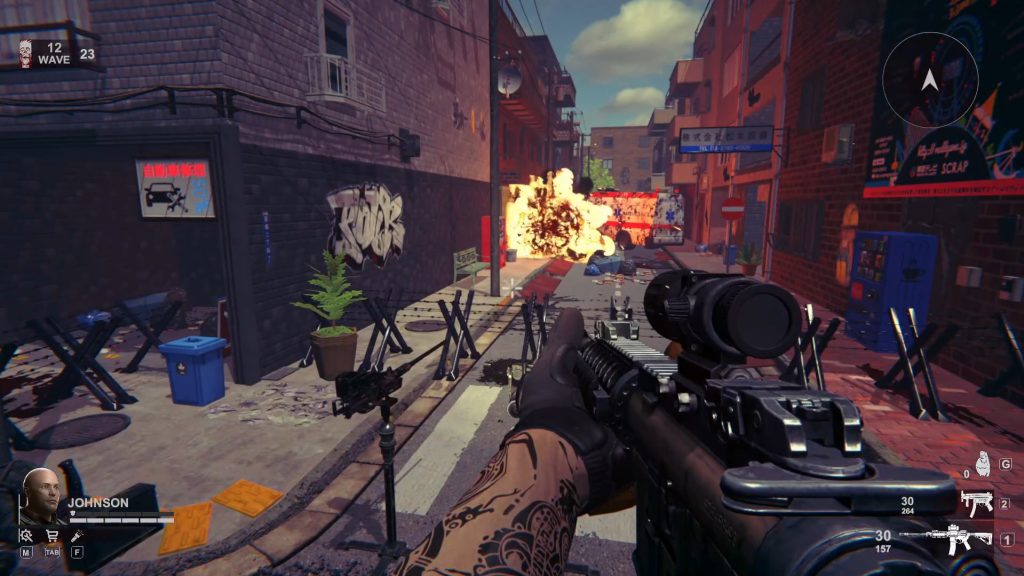
Progression in Blood And Zombies is incremental and persistent. Each run contributes resources toward unlocking upgrades, weapons, and passive bonuses.
These upgrades do not radically alter gameplay, but they smooth edges. Slightly more damage. Slightly more survivability. Slightly more time before collapse.
This creates a psychological safety net. Even failed runs feel productive. However, progression can also mask repetition rather than transform it.
5. Roguelite Structure: Failure as Expectation
Failure is not punished harshly in Blood And Zombies—it is assumed. Runs end abruptly and often without ceremony.
The roguelite structure reframes failure as data collection. Players learn enemy patterns, wave timing, and personal limits.
However, because environments and encounters change minimally, the learning curve plateaus quickly. Once systems are understood, repetition becomes the primary obstacle rather than challenge.
6. Cooperative Play: Shared Load, Shared Fatigue
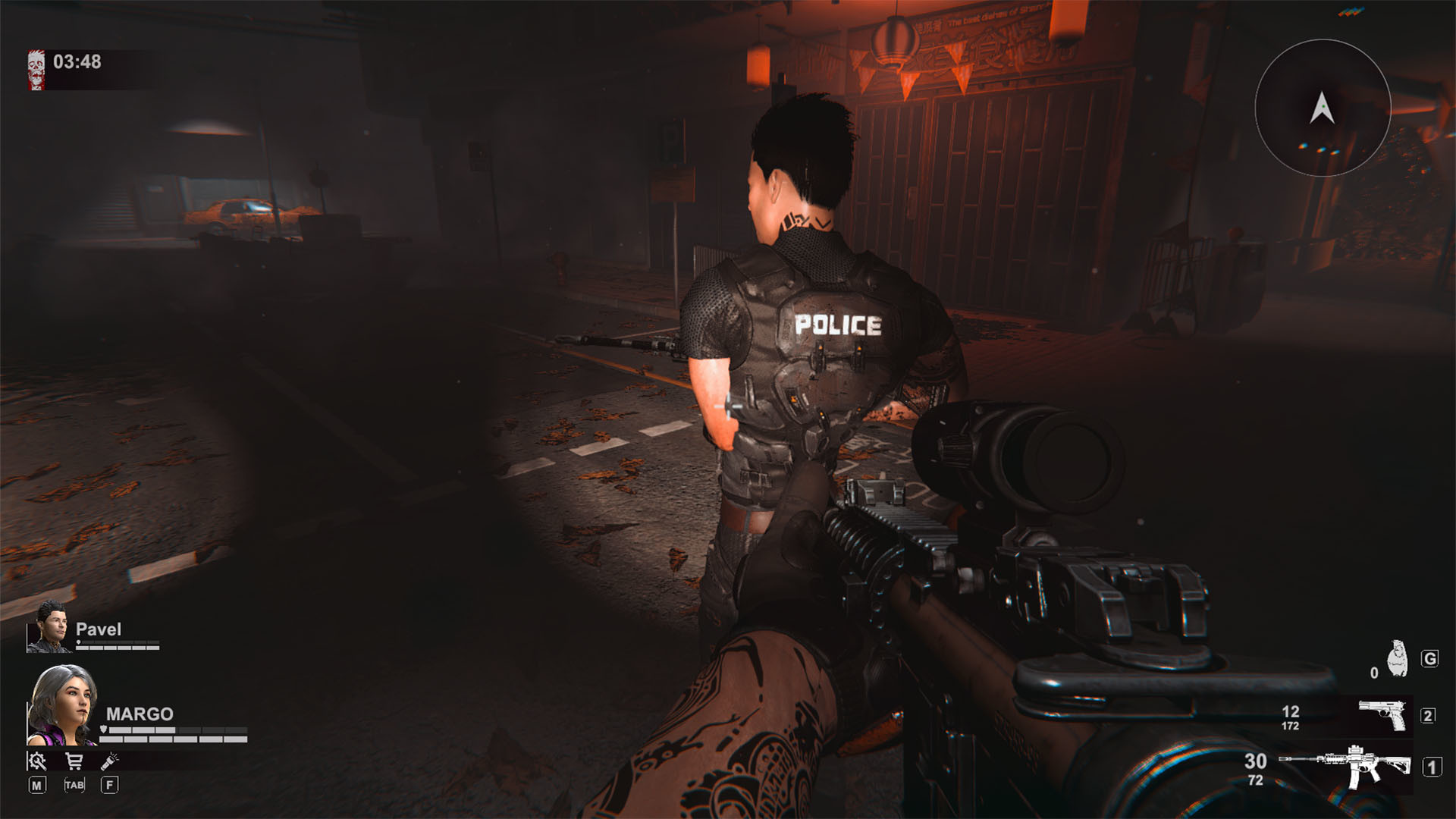
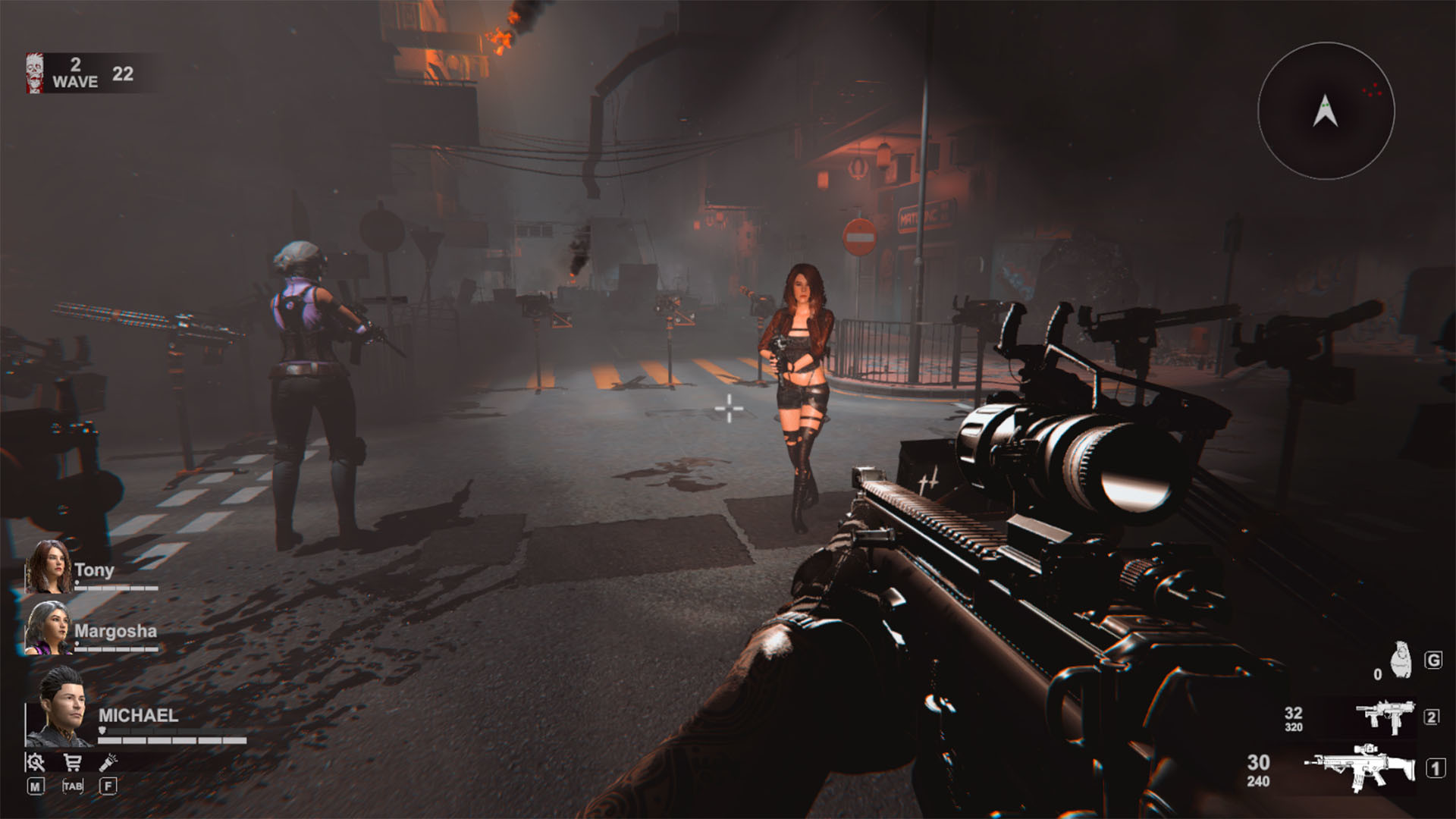
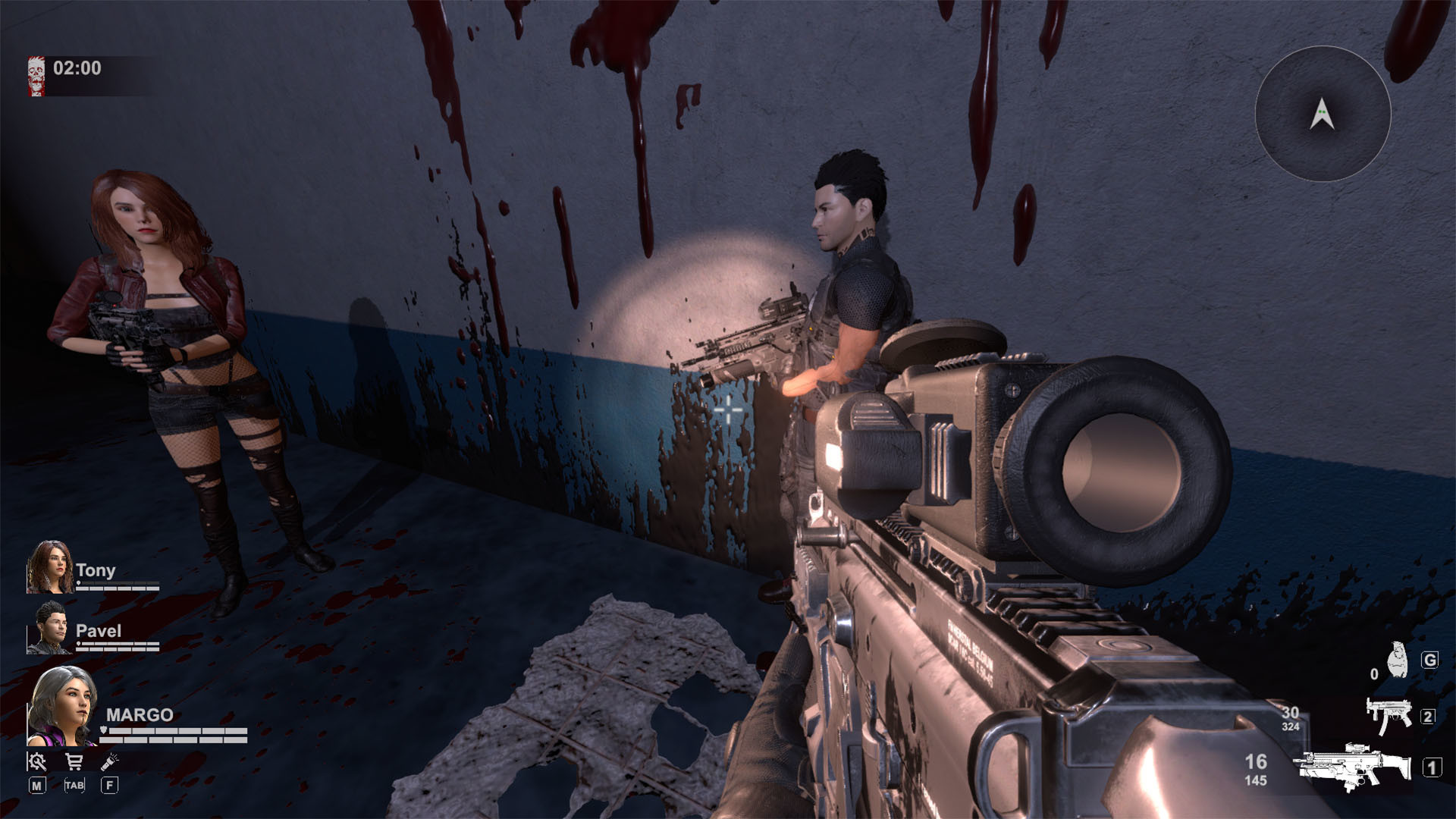
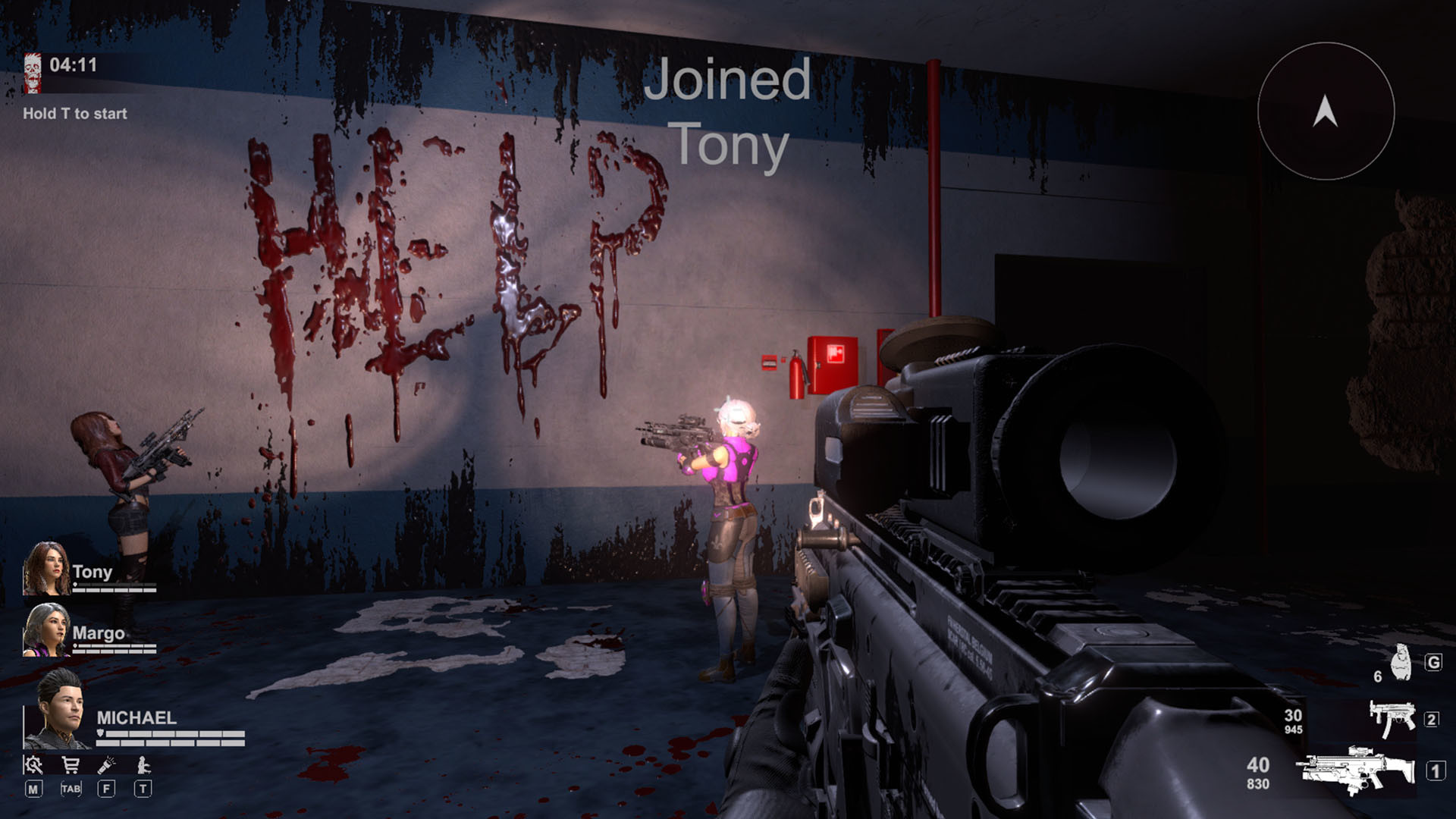
In co-op mode, Blood And Zombies gains emotional texture. Shared responsibility reduces individual pressure and introduces coordination dynamics.
Players divide attention, cover angles, and revive each other. Mistakes feel communal rather than personal.
However, co-op does not fundamentally change the loop. It spreads fatigue across players, but does not eliminate it. The experience becomes social endurance rather than solitary struggle.
7. Pacing: Constant Escalation Without Release
The pacing in Blood And Zombies is relentless. There are few moments of calm. Downtime exists only between waves, and even then, preparation replaces rest.
This constant escalation maintains tension, but offers little contrast. Without valleys, peaks lose impact.
Over long sessions, the absence of pacing variation can become mentally exhausting. The game demands sustained attention without providing emotional release.
8. Atmosphere and Presentation: Functional, Not Expressive
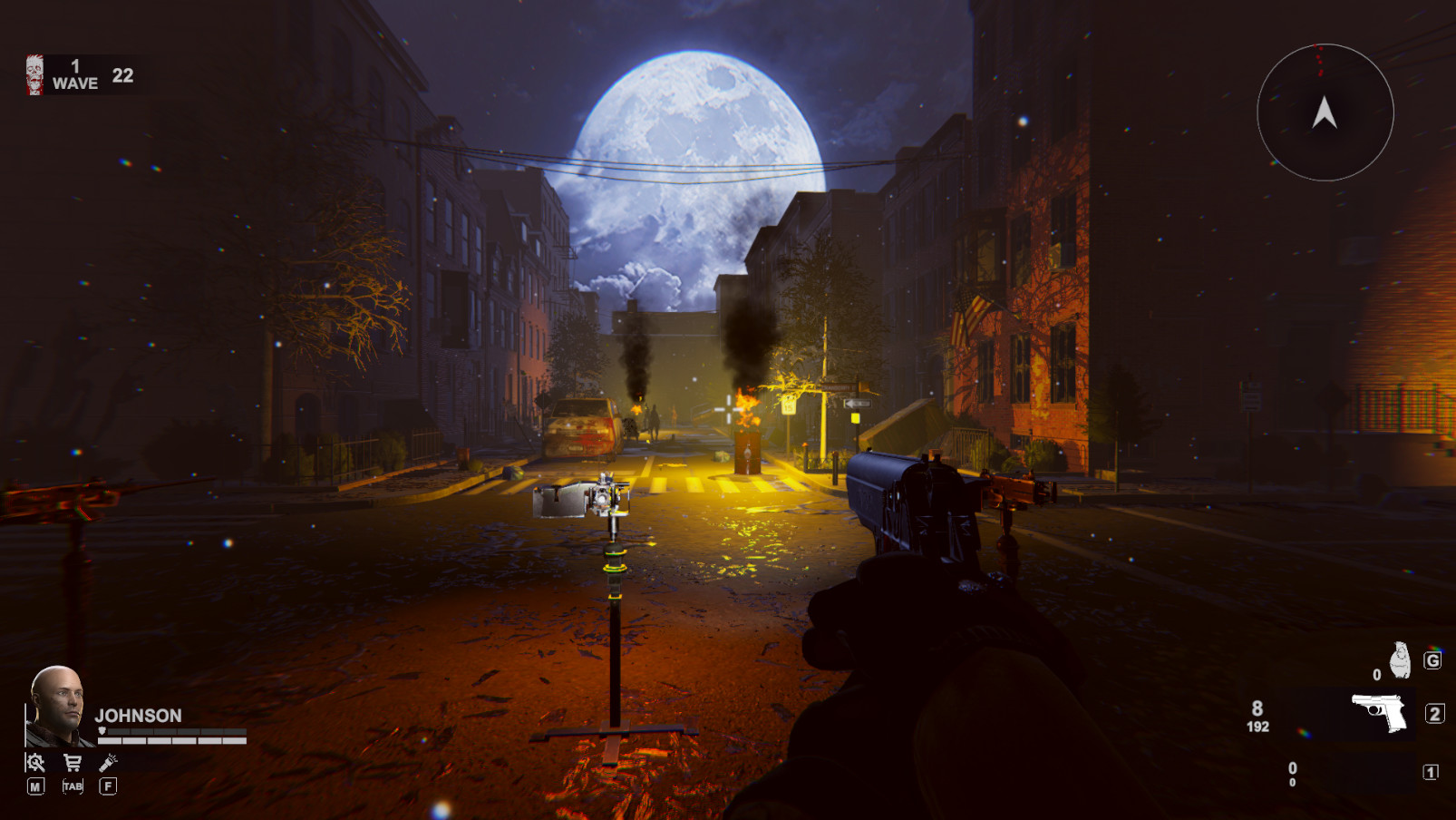
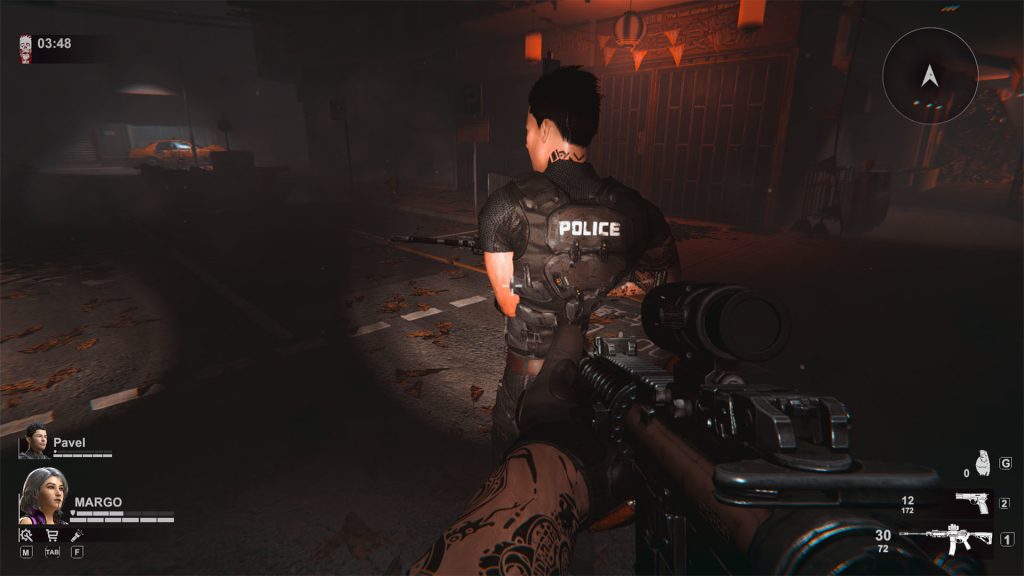
Visually, Blood And Zombies is utilitarian. Environments are readable but repetitive. Effects communicate danger but rarely inspire awe.
Sound design supports urgency but lacks subtlety. Audio cues are functional rather than immersive.
This presentation aligns with the game’s systems-first identity. It does not attempt to emotionally engage beyond immediate threat perception.
9. Player Psychology: Endurance vs. Motivation
Blood And Zombies tests a specific psychological threshold: how long players are willing to repeat similar challenges for incremental improvement.
For some, this loop is meditative. Familiarity breeds confidence. Improvement feels earned.
For others, motivation declines once novelty fades. Without evolving context or narrative framing, repetition risks becoming obligation rather than desire.
The game succeeds best when played in short, focused sessions rather than prolonged marathons.
10. Design Trade-Offs and Limitations
Blood And Zombies commits fully to its loop, and that commitment defines both its strengths and weaknesses.
The lack of systemic variety limits long-term engagement. Enemy behavior remains predictable. Environmental interaction is minimal.
At the same time, this restraint creates accessibility. Players are never confused about objectives. The game respects clarity over complexity.
Pros
Clear, focused combat loop
Persistent progression softens failure
Cooperative play enhances survivability
Accessible mechanics with low cognitive load
Suitable for short, intense sessions
Cons
Limited enemy and environmental variety
Repetition can lead to fatigue
Minimal narrative or atmospheric depth
Pacing lacks contrast
Progression does not significantly alter gameplay
Conclusion: Survival as Stamina
Blood And Zombies is not a game about fear, mystery, or discovery. It is a game about stamina. It asks how long players are willing to push through pressure, repetition, and incremental gains.
For players who enjoy wave-based survival, roguelite persistence, and cooperative endurance challenges, Blood And Zombies offers a clear and uncompromising experience. For players seeking variety, narrative, or evolving systems, its limitations become visible quickly.
It does not ask you to outthink the apocalypse.
It asks you to outlast it – one wave at a time.