

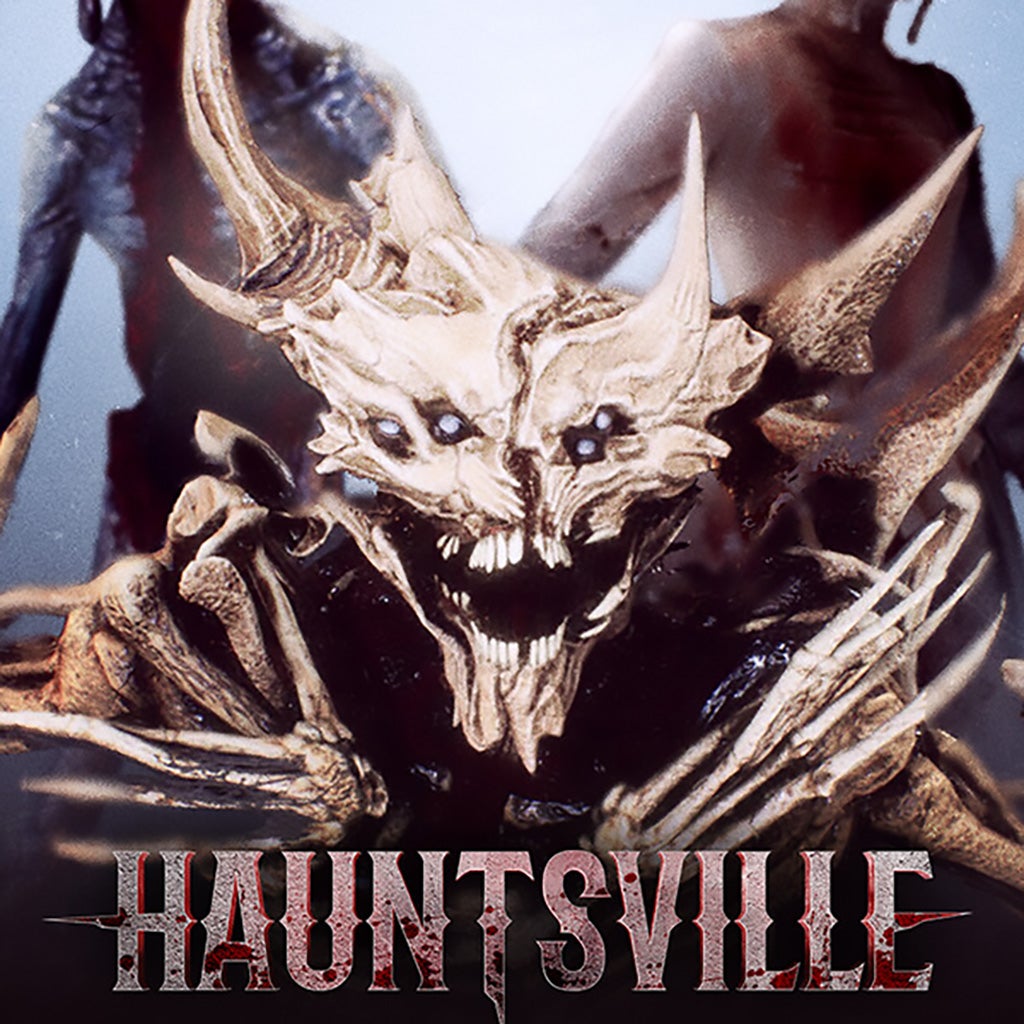
Hauntsville – Social Deception, Quiet Terror, and the Fragility of Trust in Small Communities
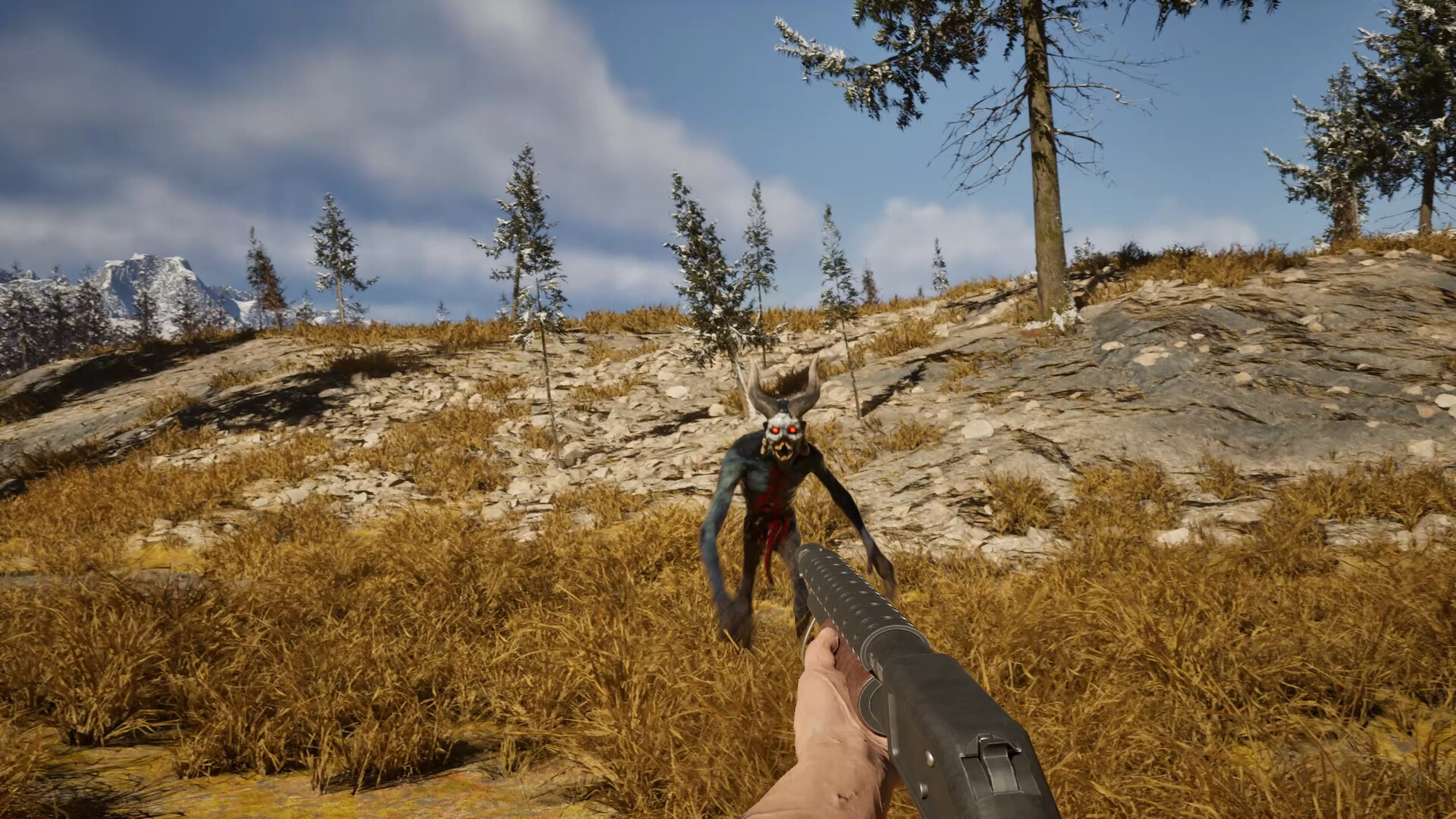
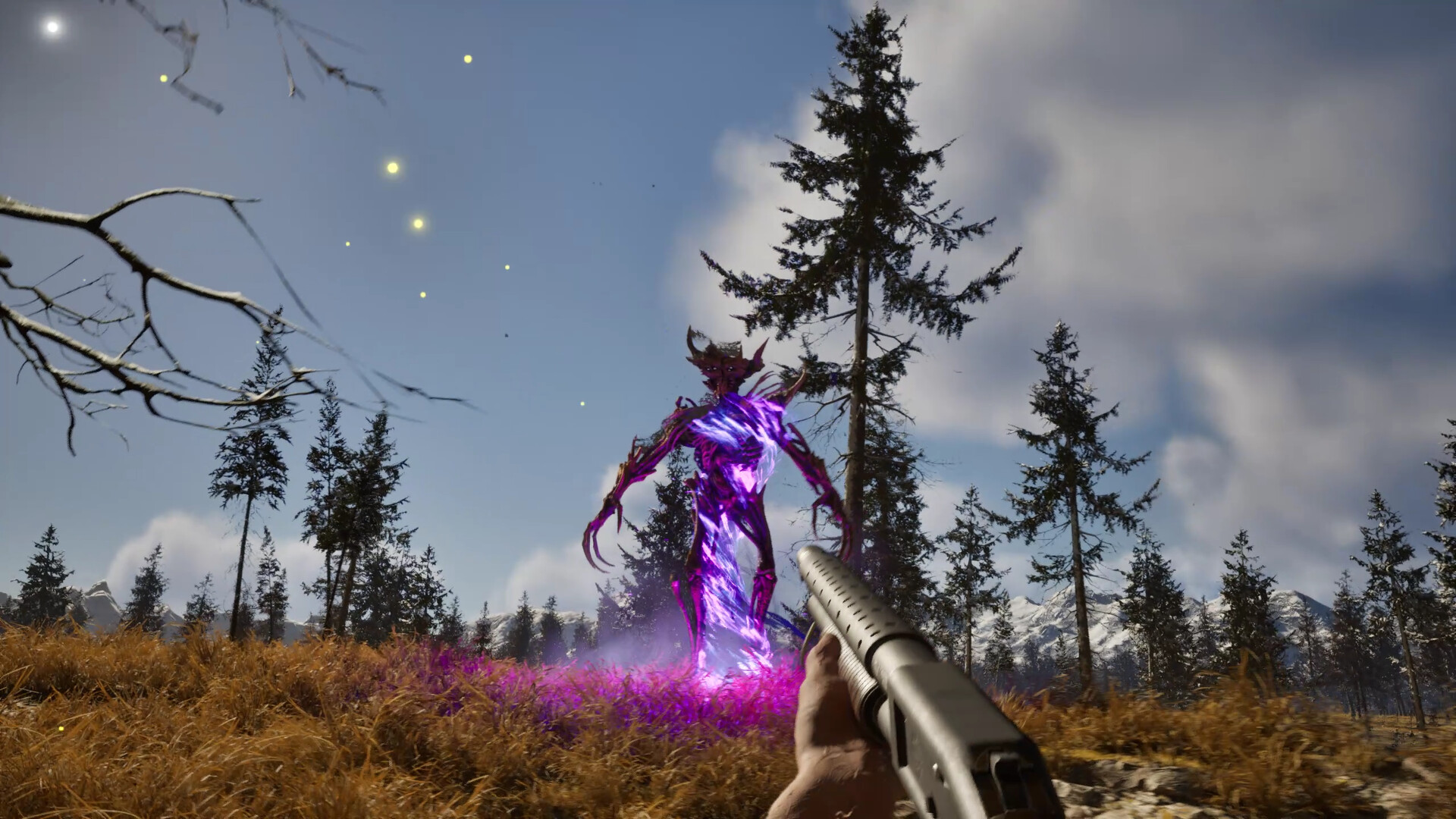
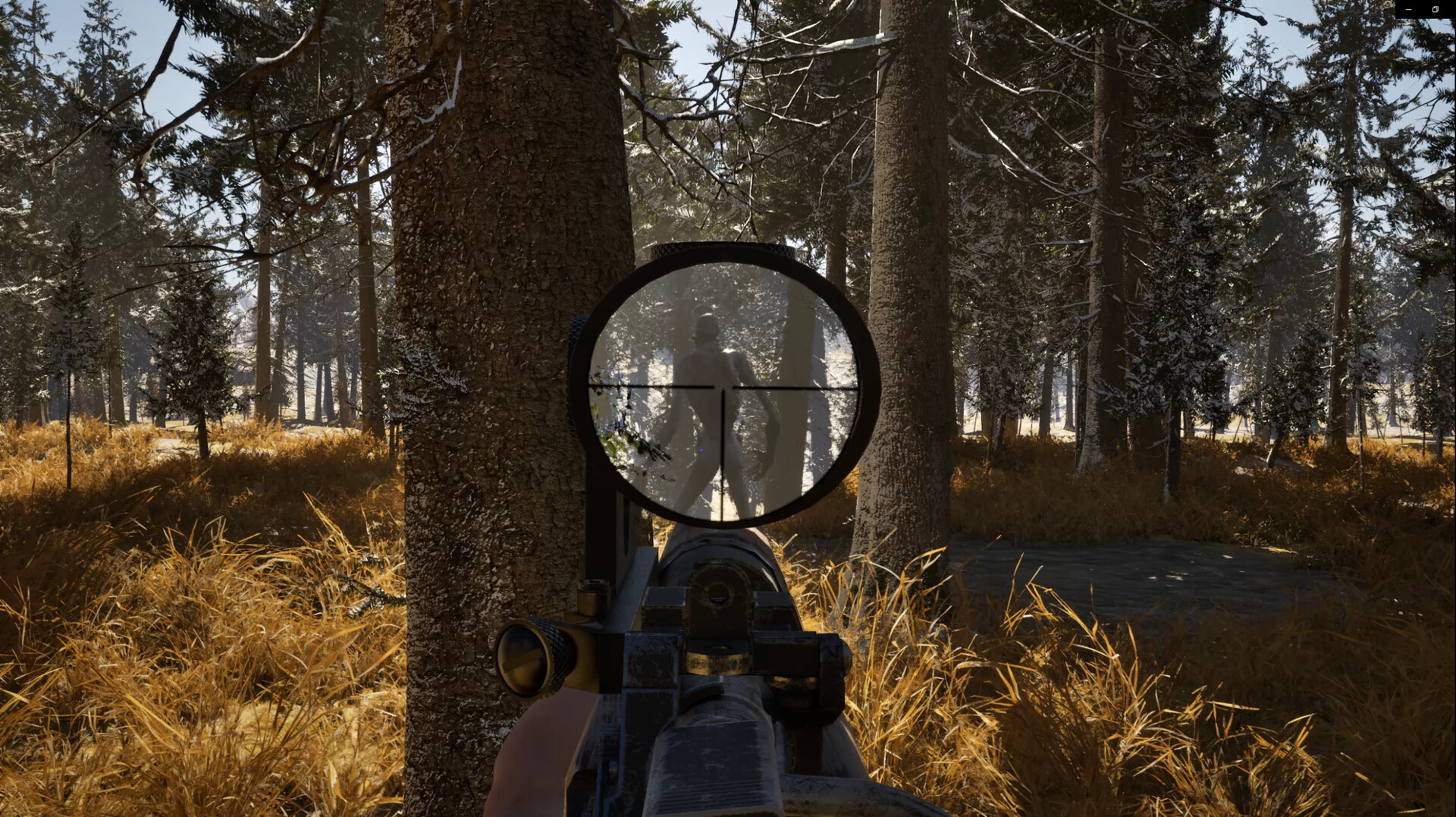
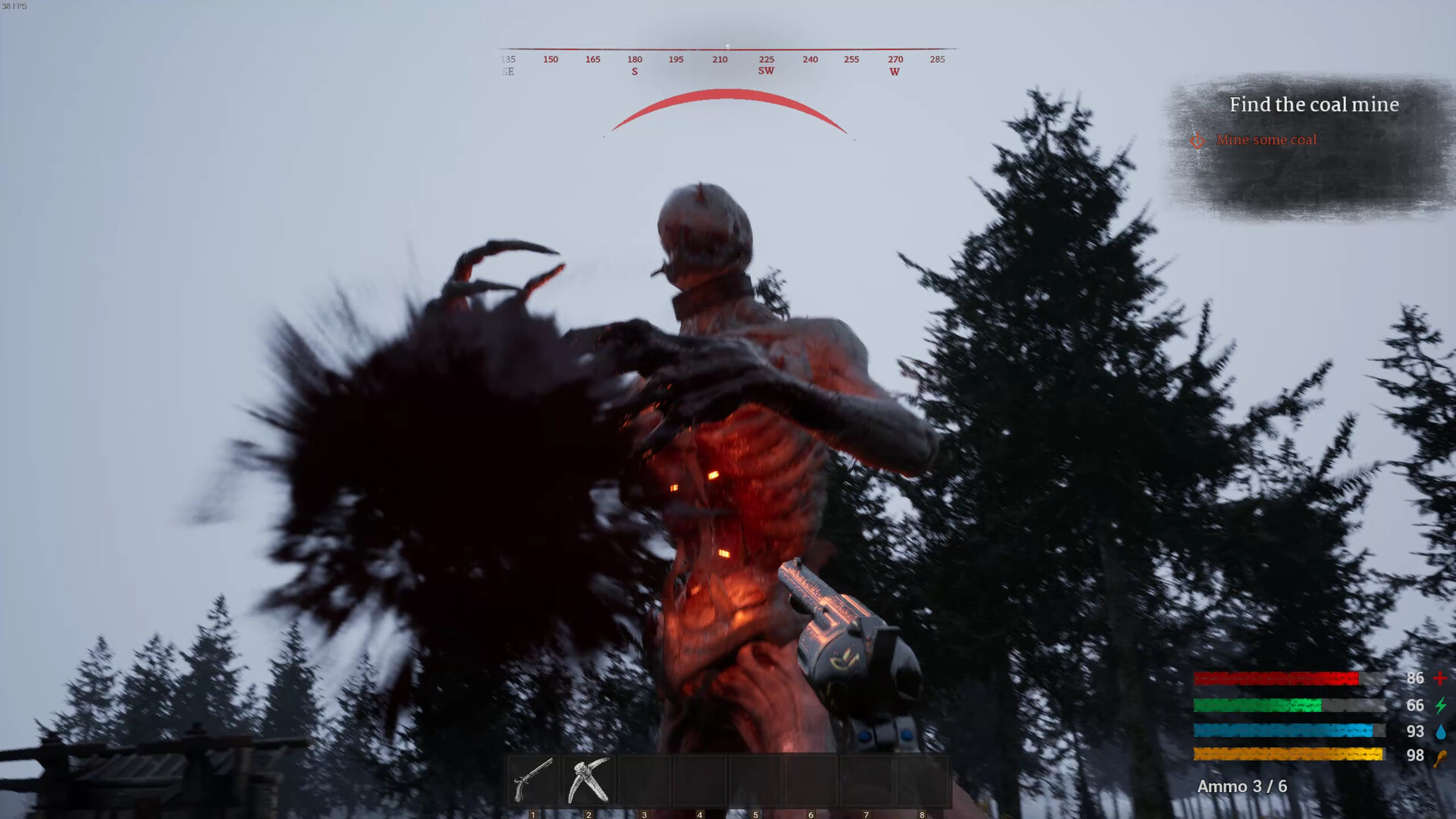
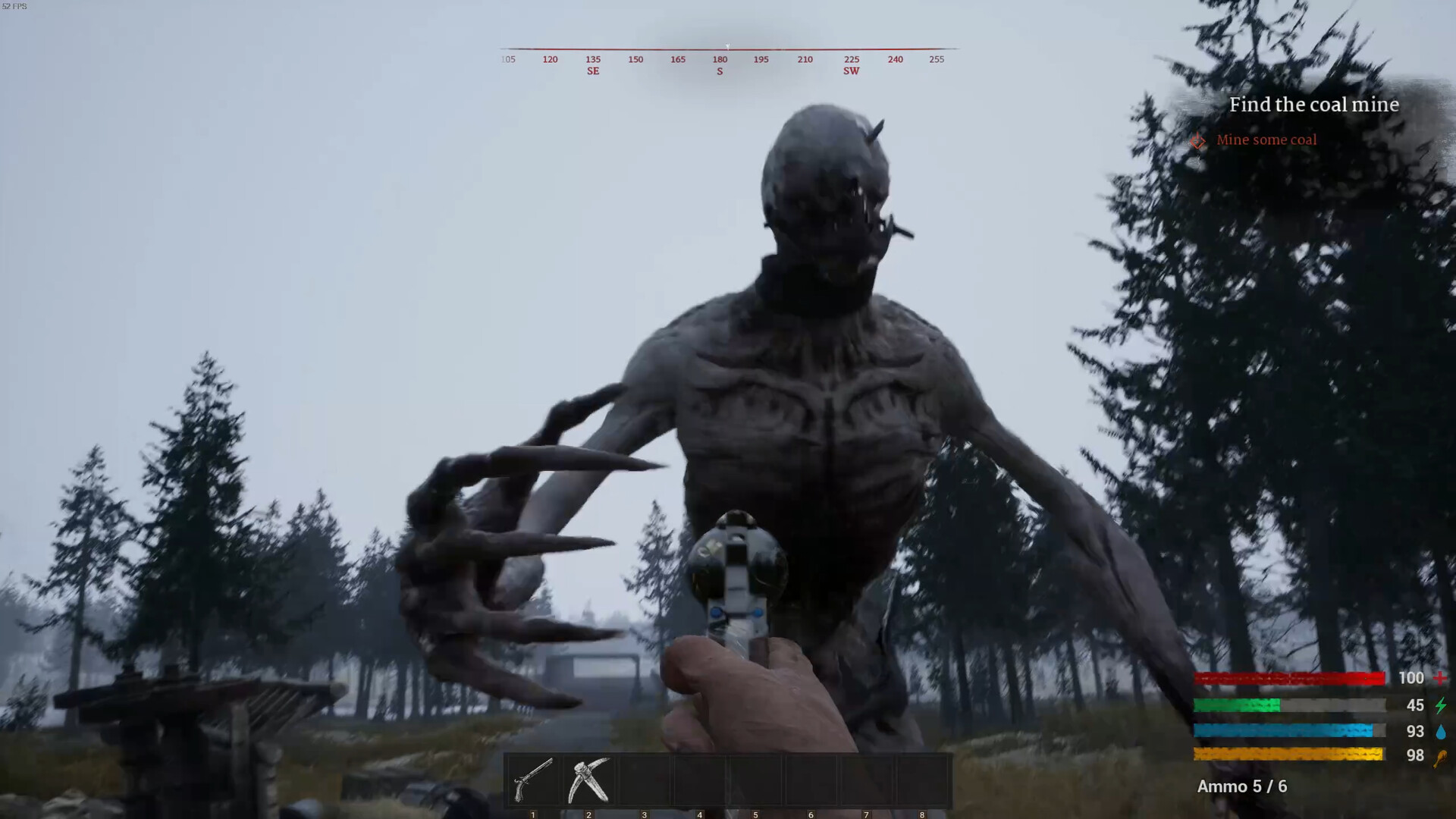
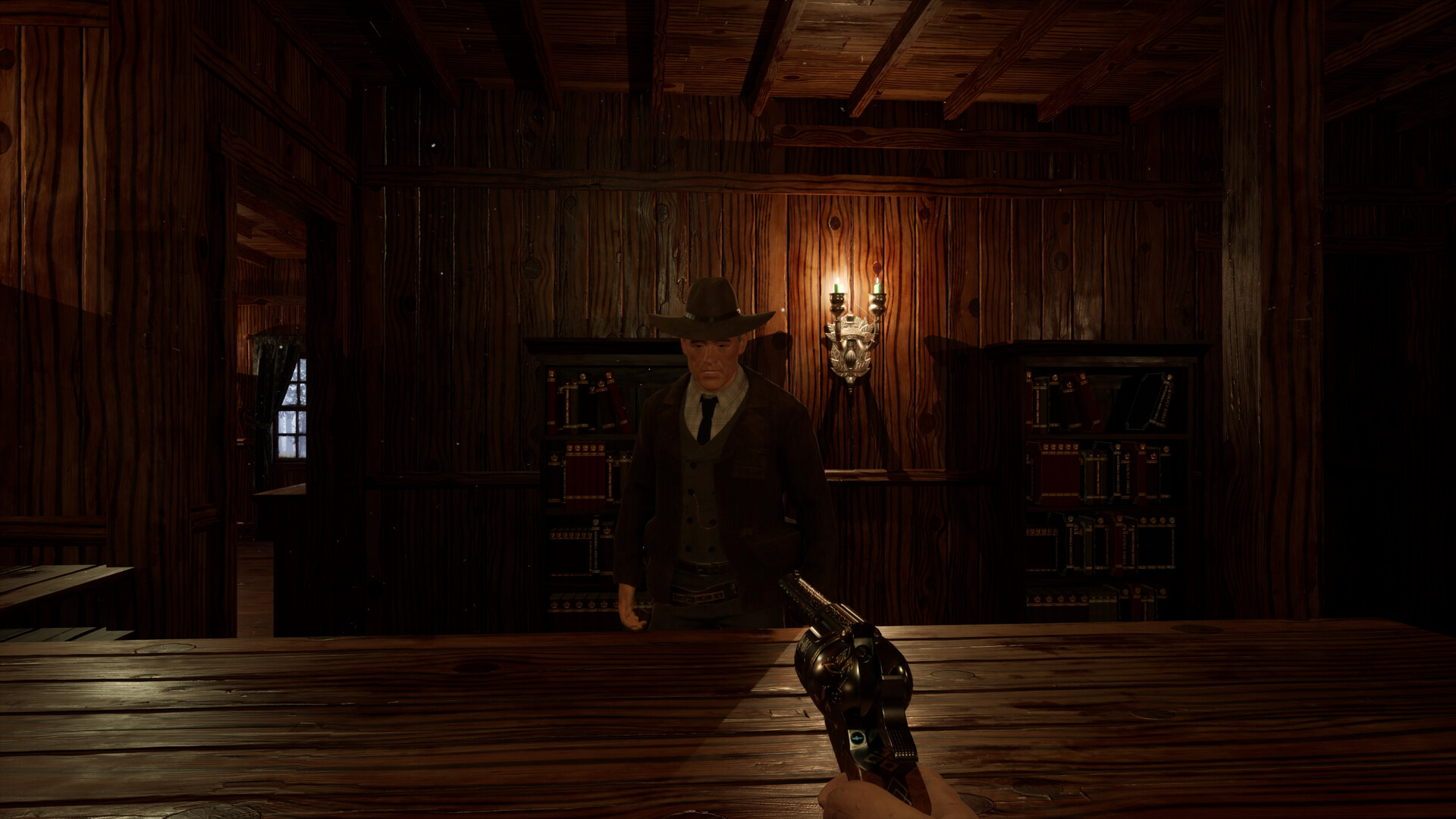

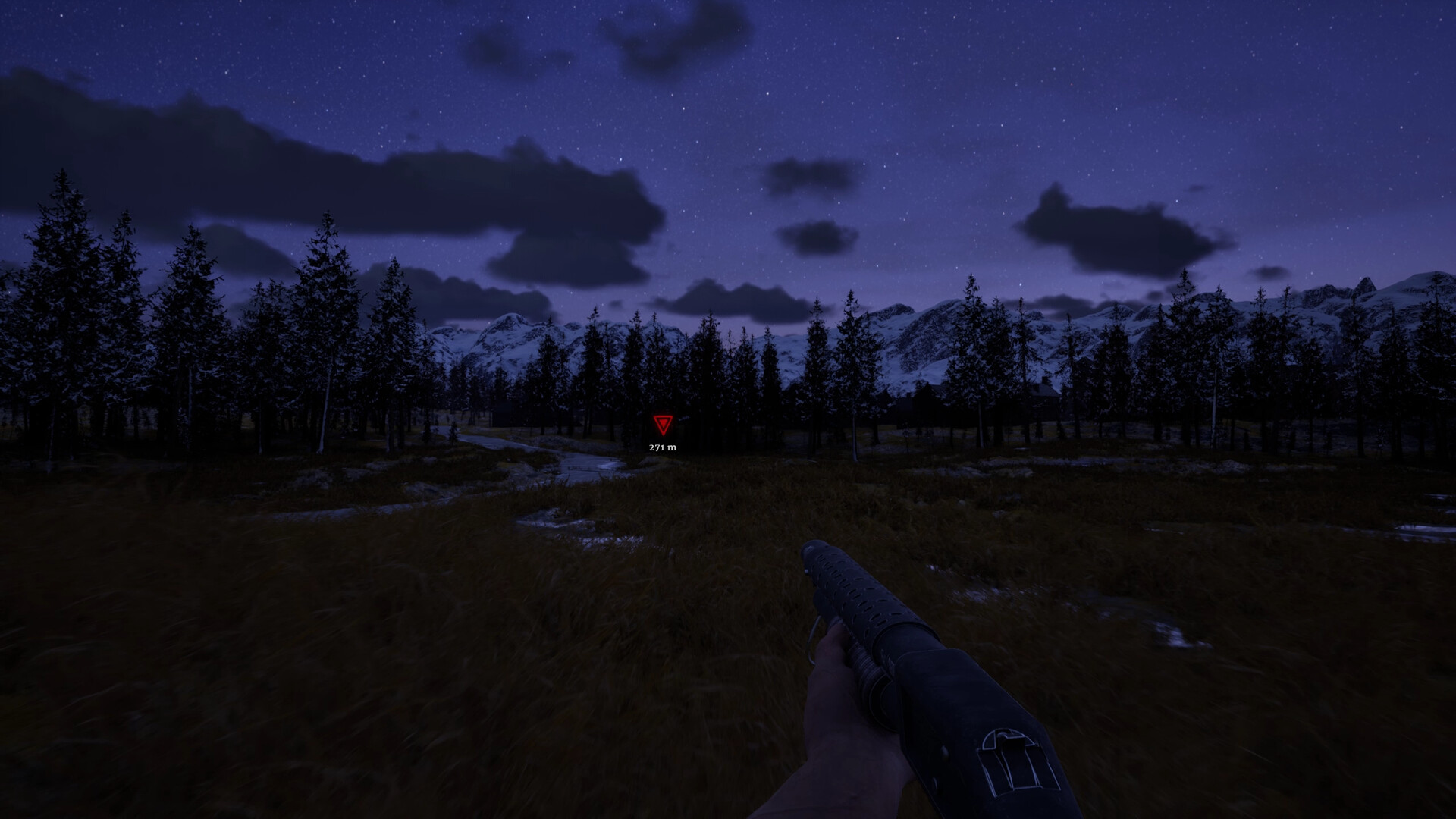
Introduction: Horror Without a Monster You Can See
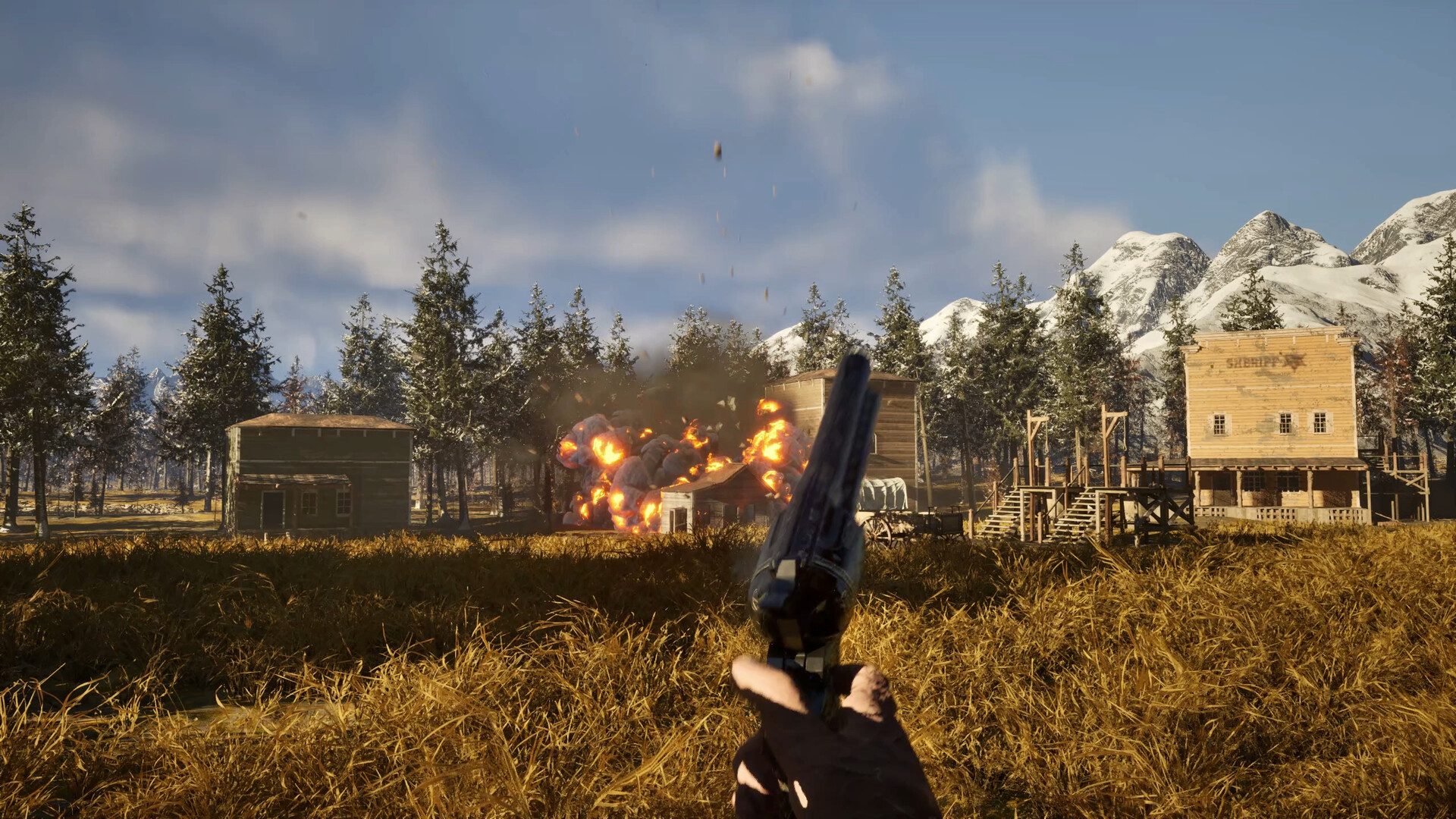
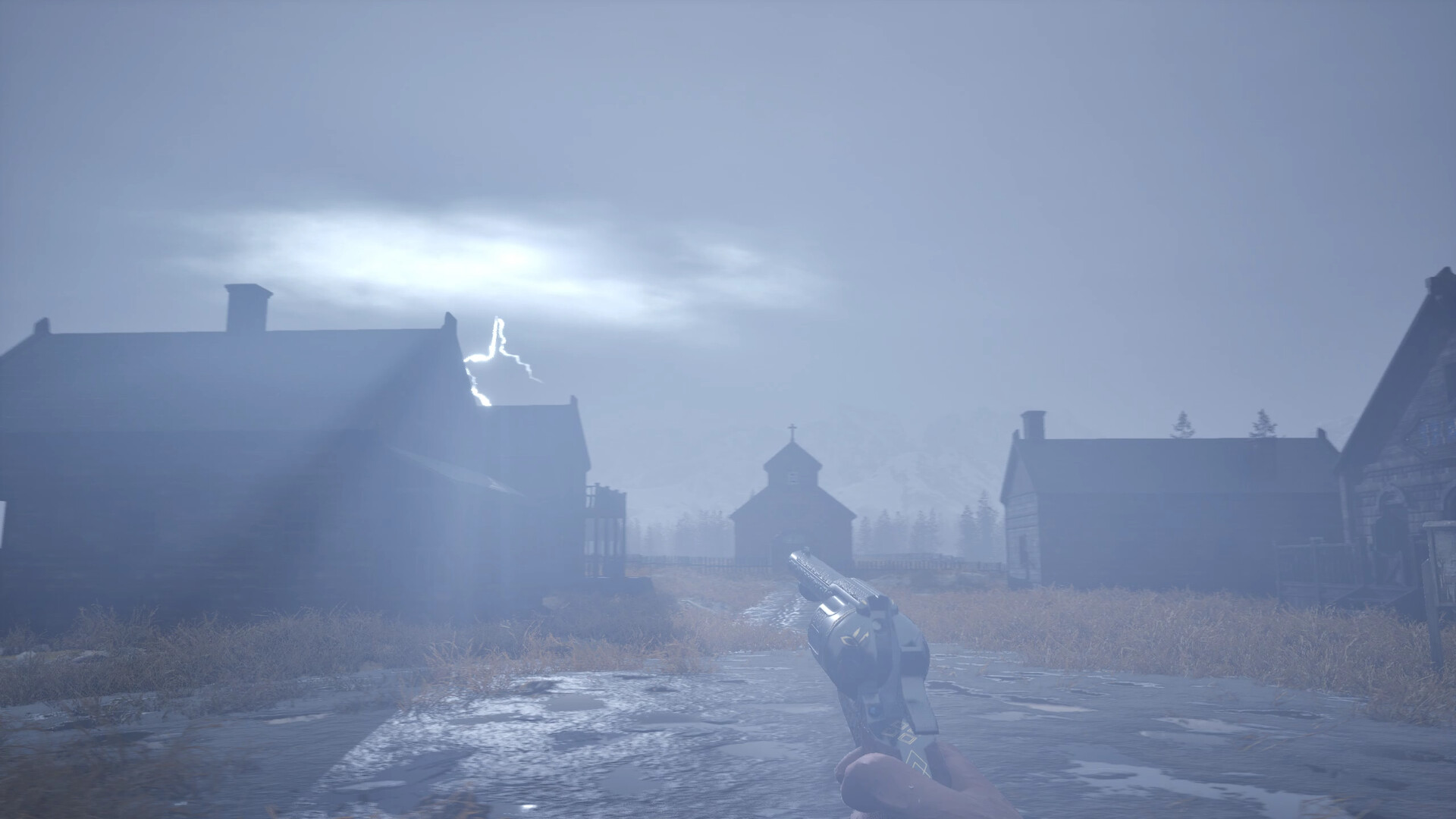
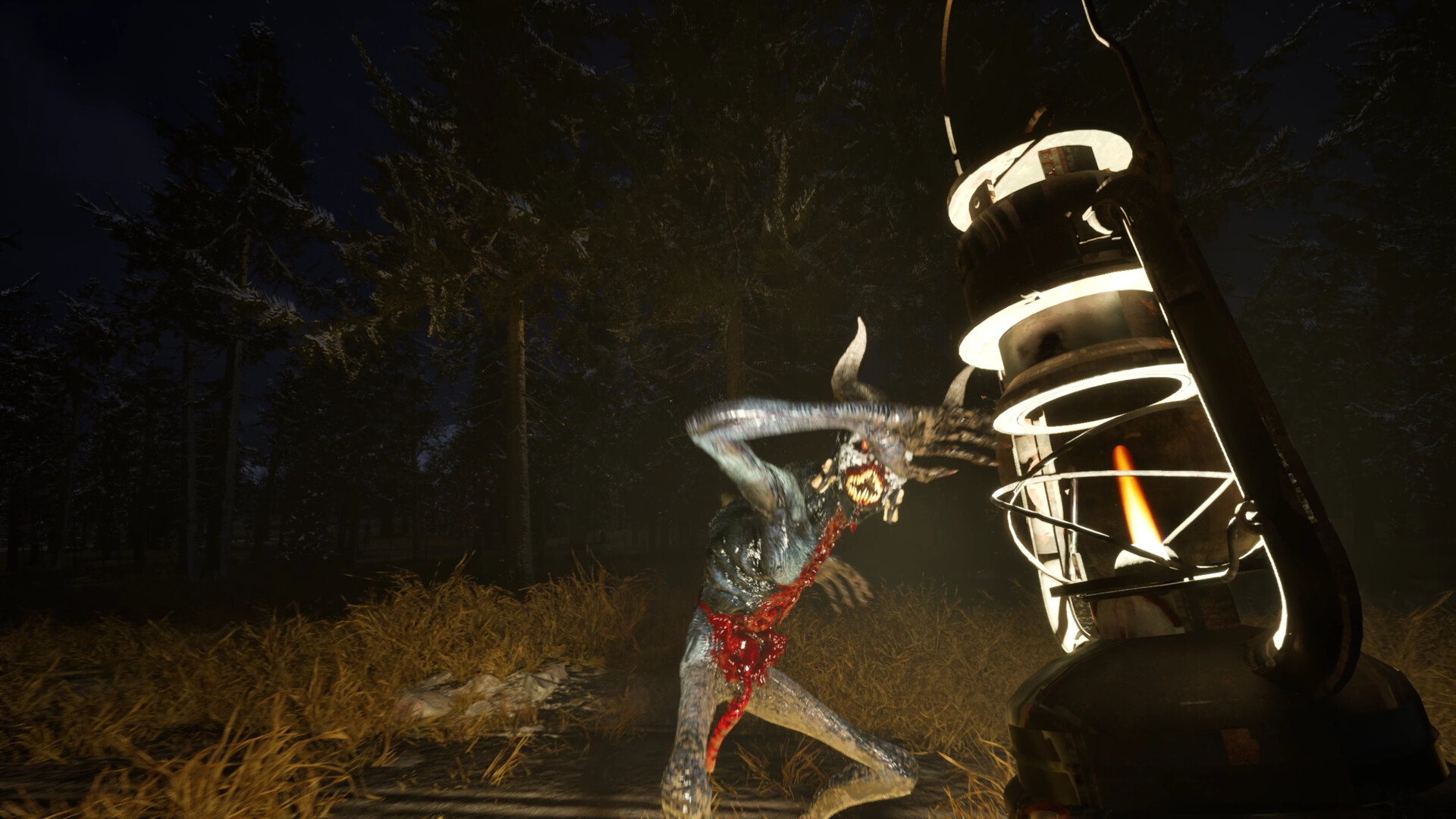
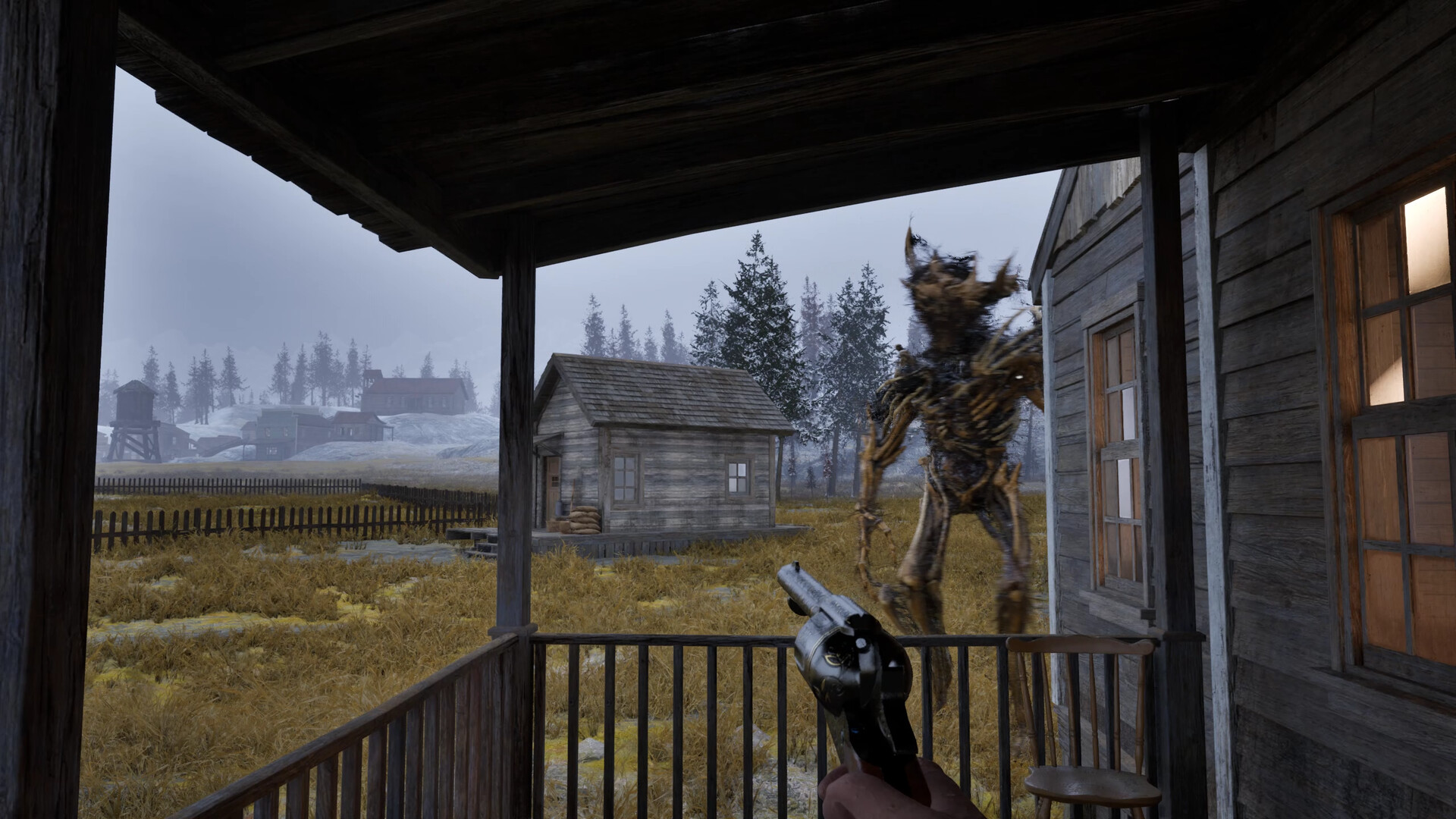
Hauntsville does not present horror as something loud, grotesque, or immediately violent. Instead, it builds fear out of uncertainty, routine, and the slow erosion of trust between people who should be allies. Set in a small, isolated settlement, Hauntsville asks a deceptively simple question: what happens when you no longer know who belongs here—and who does not?
Rather than focusing on mechanical complexity or cinematic scares, Hauntsville centers its design around social tension. The threat is rarely obvious. Danger emerges gradually through behavior, timing, and subtle inconsistencies. This review explores Hauntsville as a social horror experience, examining how deception, community dynamics, and ambiguity combine to create a uniquely unsettling form of fear that depends as much on players as it does on systems.
Quick Info (Overview Box)
Release Year: 2024
Genre: Social horror / Survival / Deception
Platforms: PC
Game Modes: Online multiplayer
Target Audience: Players who enjoy social deduction, psychological tension, emergent storytelling, and horror driven by player behavior
1. Core Design Philosophy: Horror as Social Breakdown
At its core, Hauntsville is not about surviving monsters—it is about surviving each other. The game constructs a fragile community and then introduces uncertainty into its foundation.
Players are encouraged to cooperate: gather resources, maintain the settlement, and protect one another. But layered beneath this cooperation is the possibility of betrayal, possession, or deception. Not everyone is what they seem.
This philosophy reframes horror. Fear does not come from jump scares, but from suspicion. Every interaction carries risk, not because of violence, but because of misplaced trust.
2. The Village as a Psychological Space
The setting of Hauntsville is deliberately intimate. The settlement is small enough that players frequently cross paths, yet large enough that not everyone can be monitored constantly.
This scale is crucial. In large maps, suspicion dissipates. In Hauntsville, absence is noticeable. When someone is missing, questions arise. When someone acts strangely, it is remembered.
The village becomes a psychological map rather than a physical one. Players track routines, behaviors, and anomalies more than locations.
3. Roles, Secrecy, and Asymmetry
Hauntsville thrives on asymmetry. Some players carry hidden roles, conditions, or influences that others cannot see.
This asymmetry is not purely mechanical—it is behavioral. A player’s knowledge, intent, and limitations differ based on hidden factors, creating uneven information flow.
The game avoids clear “good versus evil” binaries. Instead, it introduces blurred roles that complicate judgment. Players may act suspiciously for legitimate reasons, while actual threats may appear cooperative.
This ambiguity ensures that certainty is always temporary.
4. Routine as Camouflage
One of Hauntsville’s most effective tools is routine. Daily tasks—resource gathering, maintenance, preparation—create predictable behavior patterns.
These routines provide comfort and structure. They also provide camouflage. A malicious player who understands the rhythm of the village can blend in seamlessly.
Over time, players begin to rely on pattern recognition. Deviations feel alarming. Consistency feels reassuring—even when it should not.
The horror lies in realizing that familiarity does not equal safety.
5. Communication: The Weapon Everyone Carries
Voice and text communication in Hauntsville are not auxiliary features—they are central mechanics. Conversations shape perception, form alliances, and spread doubt.
Tone matters. Timing matters. Silence matters. A delayed response can provoke suspicion. Over-explaining can feel rehearsed.
Because there is no omniscient system validating claims, players must interpret communication subjectively. Truth becomes social rather than factual.
The game transforms language into a survival tool—and a weapon.
6. Player Psychology: Paranoia Without Proof
Hauntsville excels at cultivating paranoia without confirmation. Players often feel something is wrong long before they can articulate why.
This emotional imbalance creates tension between instinct and evidence. Acting too early can fracture trust. Acting too late can doom the group.
The game forces players to live with uncertainty. Decisions are made with incomplete information, and consequences unfold slowly.
This psychological pressure is sustained rather than explosive, making fear persistent instead of momentary.
7. Emergent Storytelling Through Accusation
Every session of Hauntsville produces its own narrative. Accusations arise. Defenses are mounted. Alliances form and dissolve.
Importantly, these stories are not scripted. They emerge from player interaction. A false accusation can spiral into chaos. A missed warning can haunt survivors after the session ends.
Players often discuss matches long after they finish—not because of victory or defeat, but because of unresolved doubt.
The game’s greatest content is not its systems—it is the stories players create through mistrust.
8. Pacing: Slow Burn, Sudden Collapse
Hauntsville’s pacing is deliberately uneven. Long stretches of calm labor are punctuated by moments of confrontation or revelation.
This contrast heightens emotional impact. When tension finally breaks, it feels earned. When violence occurs, it feels tragic rather than triumphant.
The slow burn allows fear to accumulate quietly. Collapse feels sudden only because pressure has been building unseen.
9. Limitations of Player Dependency
Hauntsville’s greatest strength—its reliance on player behavior—is also its greatest vulnerability. Sessions depend heavily on participant engagement.
Uncooperative players, trolls, or silent participants can weaken immersion. The game cannot force social tension; it can only enable it.
This makes Hauntsville inconsistent. Some sessions are unforgettable. Others fall flat. The experience varies dramatically based on group composition.
10. Design Trade-Offs and Identity
Hauntsville does not chase mass appeal. It sacrifices accessibility for depth of social interaction.
There is little mechanical safety net. New players may feel lost. The game assumes emotional literacy and willingness to engage.
These trade-offs define its identity. Hauntsville is not a horror game for everyone—it is a horror game for those who value ambiguity, psychology, and human unpredictability.

Pros
Strong social horror driven by player interaction
Effective use of routine and suspicion
Emergent storytelling creates memorable sessions
Communication plays a meaningful mechanical role
Psychological tension sustained over time
Cons
Highly dependent on player quality
Inconsistent session experience
Limited appeal for solo or passive players
Minimal mechanical depth beyond social systems
Steep learning curve for newcomers
Conclusion: Horror Lives Between People
Hauntsville succeeds because it understands that the most unsettling horror does not come from monsters—it comes from uncertainty about people. By placing players in a fragile community and allowing trust to erode naturally, the game creates fear that lingers far beyond any single moment.
For players who enjoy social deduction, psychological tension, and horror rooted in human behavior rather than spectacle, Hauntsville offers a rare and powerful experience. It does not ask you to fight what haunts the village.
It asks you to decide
who you are willing to trust – and what happens when you are wrong.