
Zoonomaly – Mascot Horror, Spatial Anxiety, and the Illusion of Safety
Introduction: When Familiar Shapes Turn Hostile
Zoonomaly presents itself as a mascot horror game, but its real strength lies in how it manipulates player expectation. Cute environments, oversized characters, and playful colors initially suggest safety. That assumption is systematically dismantled. Instead of relying purely on jump scares, Zoonomaly builds dread through spatial control, delayed threats, and the unsettling behavior of things that should not feel dangerous.
This is a game less interested in shocking the player and more focused on unbalancing them. What follows is a deep examination of Zoonomaly through atmosphere, level design, player psychology, and systemic horror rather than surface-level scares.
Quick Info (Overview Box)
-
Release Year: 2023
-
Genre: Horror / Puzzle / Exploration
-
Platforms: PC
-
Game Modes: Single-player
-
Target Audience: Players who enjoy atmospheric horror, mascot horror fans, and psychological tension over action
1. Core Horror Philosophy: Fear Through Distortion
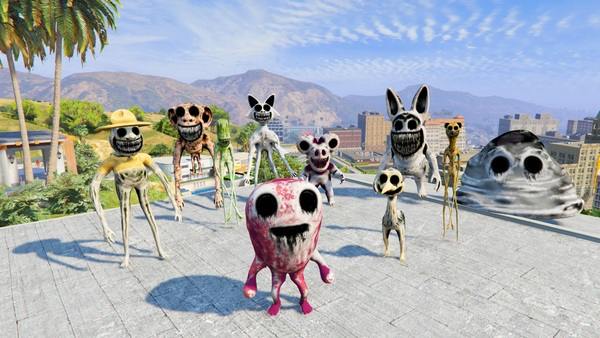
At its core, Zoonomaly is built around distortion. Spaces subtly change, enemies behave inconsistently, and rules feel unreliable. The game never clearly tells you what is safe—only what was safe moments ago.
This uncertainty is the foundation of Zoonomaly’s horror. Instead of escalating threats linearly, it erodes player trust in the environment. Doors that worked before may no longer function. Paths that were empty may suddenly feel watched. The fear comes not from surprise, but from anticipation without clarity.
2. The Zoo as a Psychological Trap
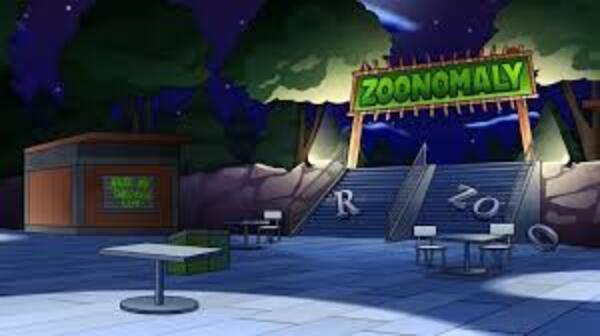
The zoo setting in Zoonomaly is more than a backdrop—it is a psychological device. Zoos are traditionally places of control: animals contained, paths defined, rules enforced. Zoonomaly subverts this by slowly dissolving structure.
Enclosures no longer feel like barriers. Open spaces feel exposed rather than freeing. The player is no longer the observer; they are the exhibit. This inversion is subtle but effective, and it reinforces the core theme of lost control.
3. Environmental Storytelling Over Explicit Lore
Zoonomaly avoids heavy exposition. There are no long monologues or detailed lore dumps. Instead, the story emerges through environmental clues, altered spaces, and enemy behavior.
This restraint works in the game’s favor. By withholding answers, Zoonomaly encourages players to project meaning onto events. Horror becomes personal rather than prescribed, which increases immersion and unease.
4. Puzzle Design as Tension Maintenance
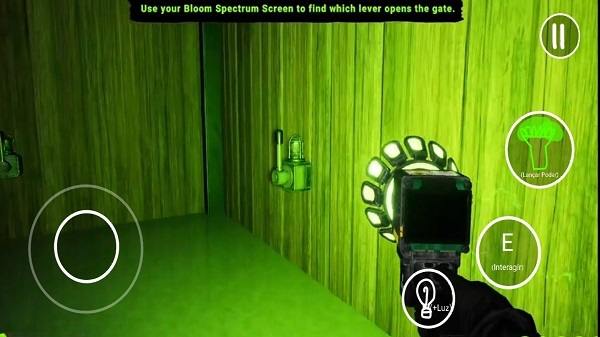
Puzzles in Zoonomaly are intentionally simple in isolation, but they are placed under psychological pressure. Solving a puzzle is rarely intellectually difficult—it is emotionally difficult.
The act of standing still, focusing on an interaction, or backtracking through known danger zones amplifies tension. Zoonomaly understands that fear thrives when players are forced to slow down.
5. Enemy Design: Presence Over Pursuit
Enemies in Zoonomaly are used sparingly, and this restraint is critical. They are not constant pursuers; they are interruptions. Their appearances are unpredictable, and their behavior feels intentionally wrong.
Rather than learning patterns, players learn to feel unsafe even when enemies are absent. This design shifts fear from reaction-based to psychological, making every quiet moment suspicious.
6. Audio Design and Sensory Manipulation
Sound is one of Zoonomaly’s most effective tools. Audio cues are often subtle—distant movement, ambient distortion, sudden silence. The game frequently removes sound rather than adding it, creating moments of sensory deprivation.
This manipulation keeps players alert without exhausting them. Fear is sustained rather than spiked, which suits the game’s slow-burn pacing.
7. Visual Language and Mascot Subversion
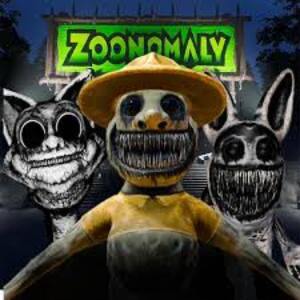
Visually, Zoonomaly uses exaggerated proportions, bright colors, and toy-like environments. This aesthetic dissonance is deliberate. Familiar shapes become threatening not through gore, but through behavior and placement.
The mascots are unsettling because they violate expectation, not because they are visually grotesque. This makes the horror accessible but still deeply uncomfortable.
8. Player Agency and Helplessness
Zoonomaly gives the player limited power. There is little combat, and escape is often conditional rather than guaranteed. This reinforces vulnerability without removing agency entirely.
Players are not powerless—they are restricted. That distinction matters. The game allows choice, but always within uncomfortable constraints.
9. Pacing and Psychological Fatigue
The pacing of Zoonomaly is deliberate and controlled. It avoids constant escalation, opting instead for cycles of tension and brief relief.
This rhythm prevents burnout and keeps the experience engaging. The game knows when to pull back before pushing again, which is a mark of confident horror design.
10. Where Zoonomaly Succeeds—and Where It Divides
Zoonomaly will not appeal to everyone. Players expecting fast-paced chases or explicit storytelling may find it slow or vague. However, for players who enjoy atmosphere-driven horror, it delivers a focused and memorable experience.
It succeeds because it knows its limits and commits fully to its identity.
Pros
-
Strong psychological horror without reliance on jump scares
-
Effective use of environment and space
-
Disturbing mascot design through behavior, not gore
-
Controlled pacing that sustains tension
-
Minimalist storytelling that encourages interpretation
Cons
-
Limited mechanical depth
-
Short runtime for players seeking replayability
-
Story ambiguity may frustrate lore-focused players
-
Not suitable for action-oriented horror fans
Conclusion: Horror Through Uncertainty
Zoonomaly is a game about unease, not terror. It thrives on ambiguity, environmental manipulation, and the slow breakdown of perceived safety. Rather than shocking the player, it quietly convinces them that something is wrong—and never fully explains why.
For players who value atmosphere, psychological tension, and subtle horror design, Zoonomaly offers a compact but effective descent into discomfort. It does not scream. It whispers—and waits.