
Battlefield™ 6 – Scale, Systems, and the Return of Collective Warfare
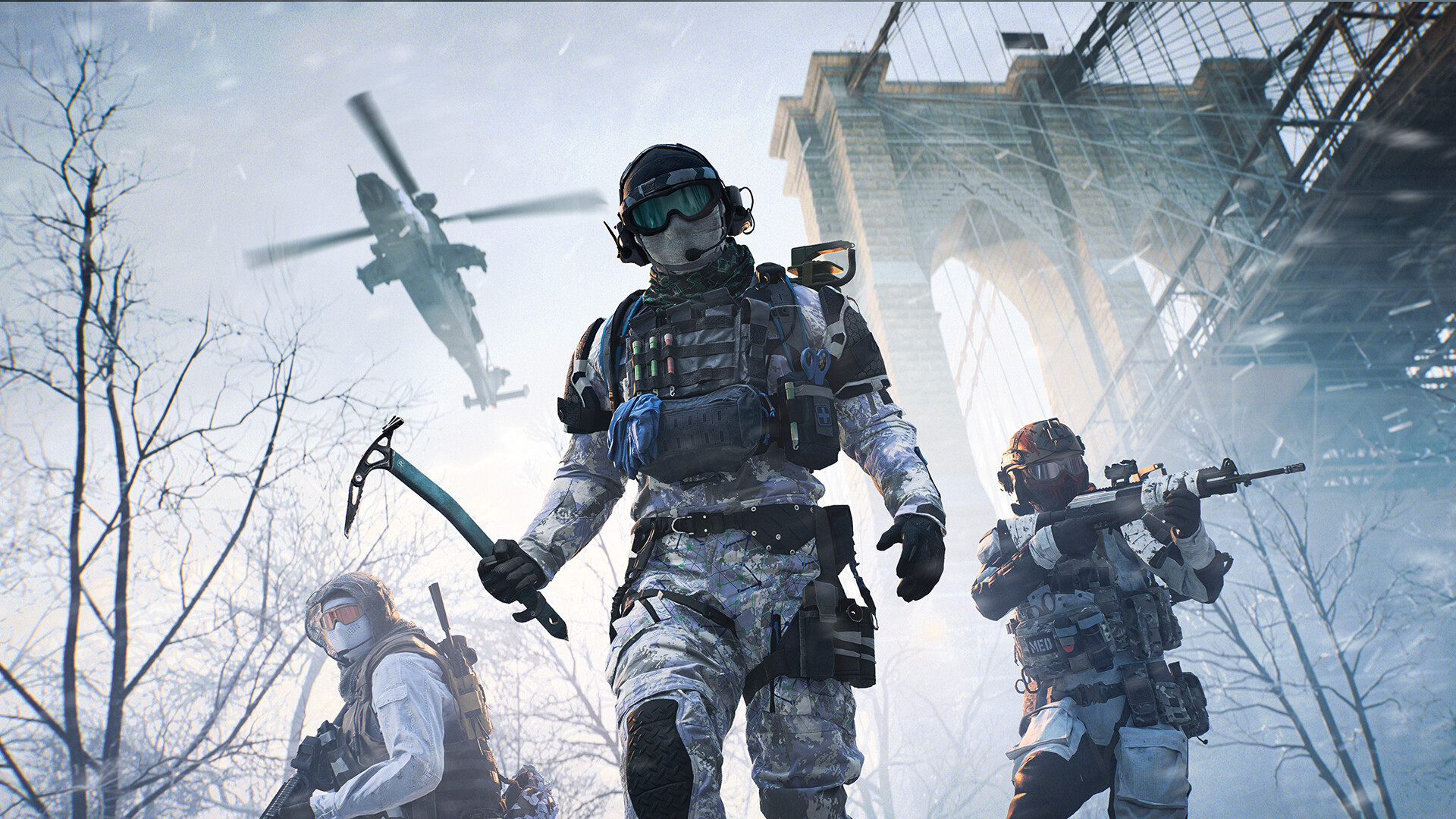
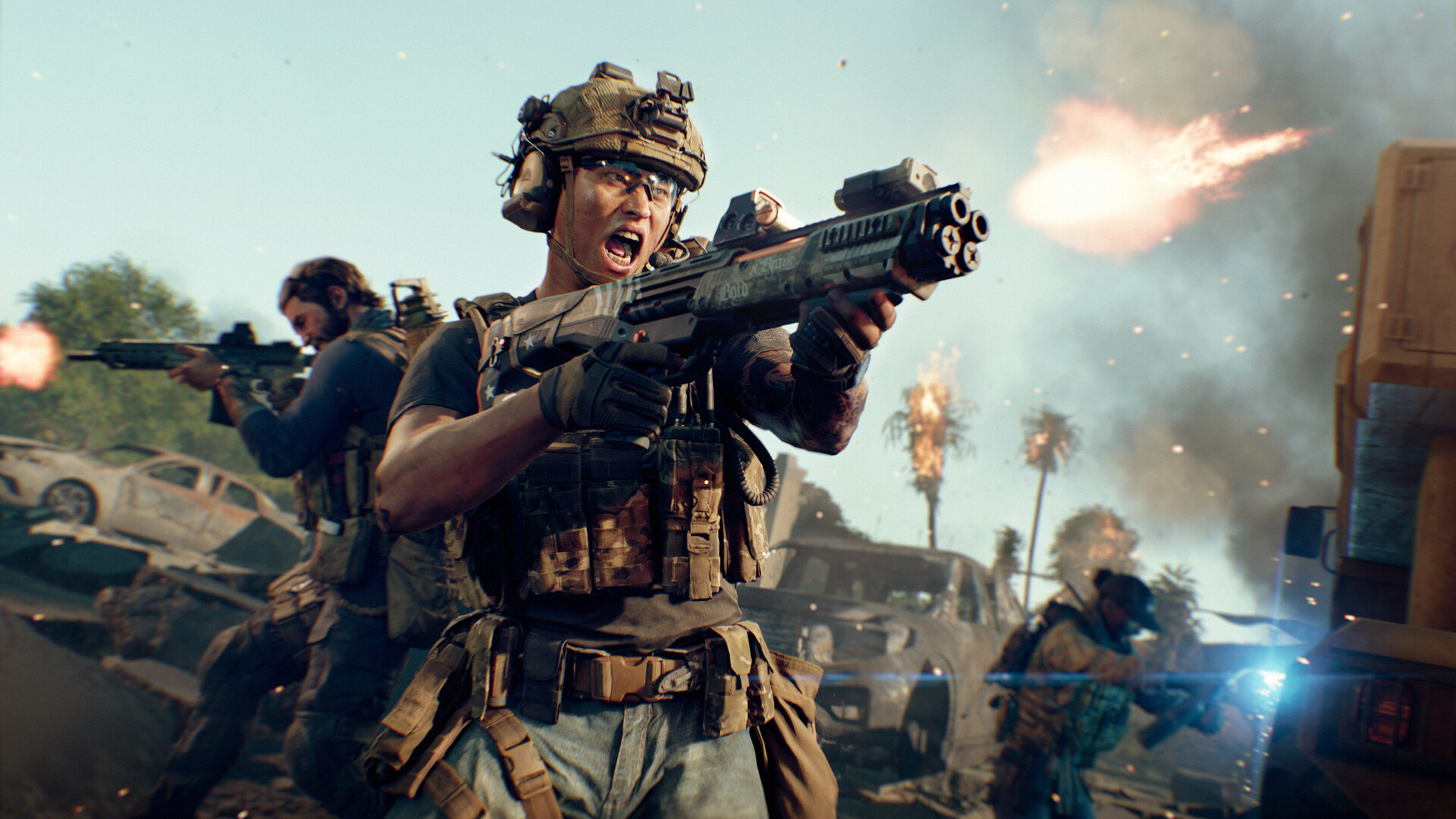
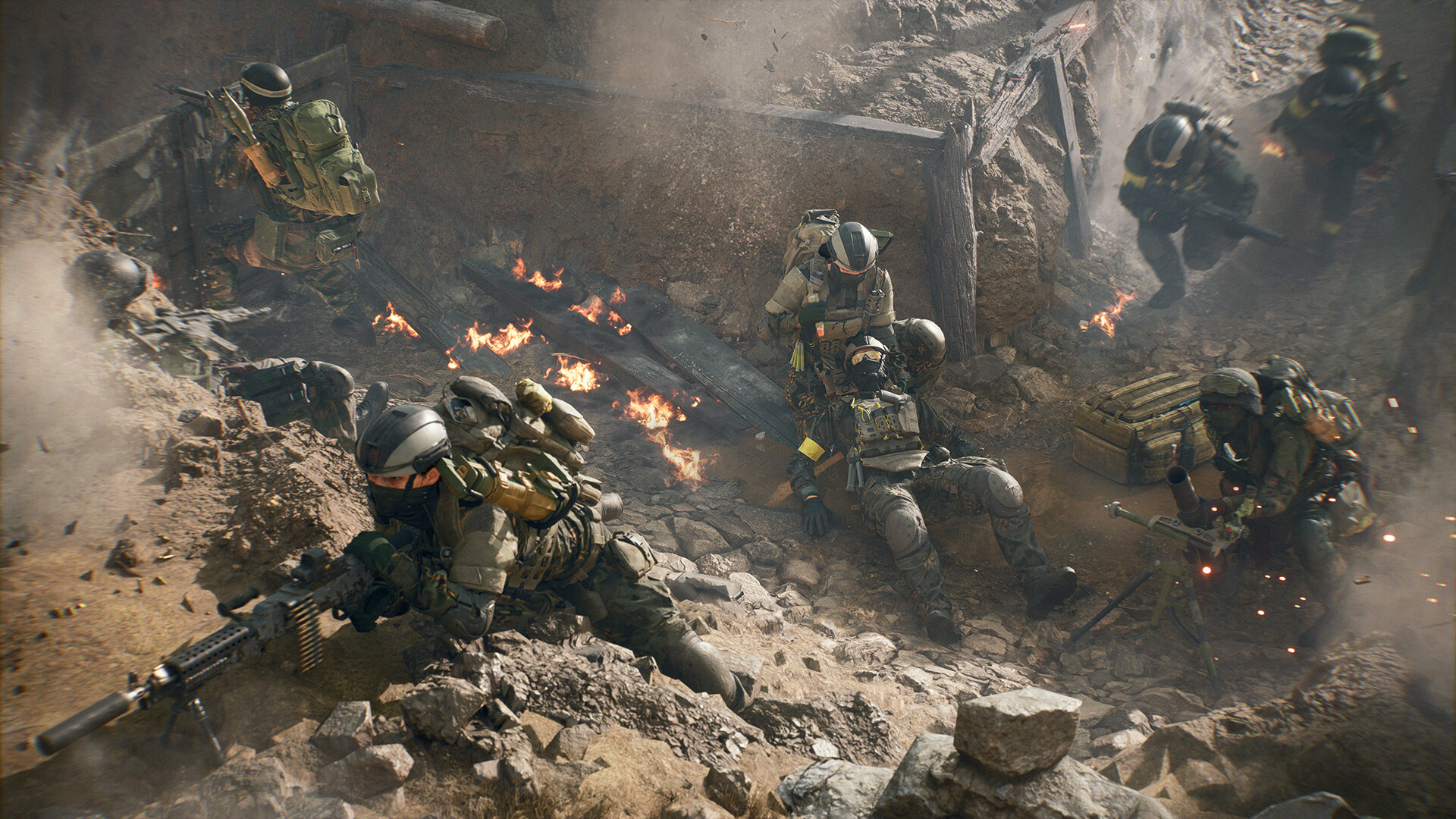
Introduction: When the Battlefield Belongs to Everyone
Battlefield™ 6 exists under enormous expectations. Battlefield is not just a shooter franchise; it is a philosophy of multiplayer warfare built on scale, teamwork, and emergent chaos. After years of identity tension—between arcade speed, tactical realism, and live-service pressures—Battlefield™ 6 arrives with a clear question hanging over it: what does large-scale war mean in a modern multiplayer context?
Rather than chasing novelty for its own sake, Battlefield™ 6 positions itself as a recalibration. It aims to reassert what Battlefield does best: combined arms, readable chaos, and player-driven moments that no script could replicate. This review examines Battlefield™ 6 not as a list of features, but as a systems-driven war sandbox—analyzing how scale, class identity, pacing, and player psychology interact to define its experience.
Quick Info (Overview Box)
Release Year: 2025
Genre: Multiplayer FPS / Combined-arms warfare
Platforms: PC, PlayStation, Xbox
Game Modes: Large-scale PvP, Objective-based warfare, Squad-focused modes
Target Audience: Players who enjoy large multiplayer battles, team-based shooters, vehicle combat, and emergent gameplay
1. Core Design Philosophy: War as a Shared System
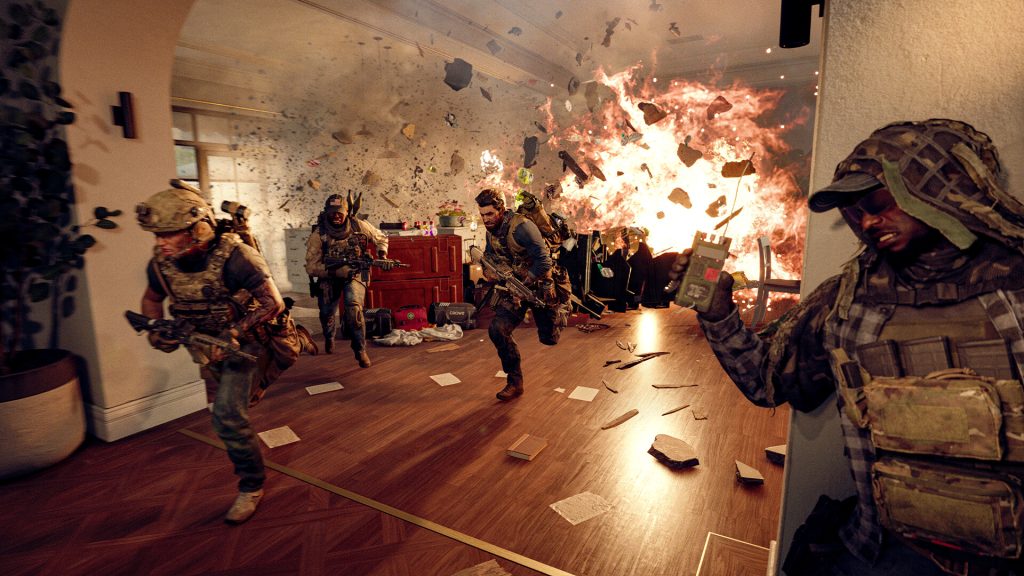
The foundational idea behind Battlefield™ 6 is that war is not an individual performance—it is a shared system. Unlike shooters that center the player as the hero, Battlefield disperses agency across dozens of participants, vehicles, and objectives.
Victory rarely comes from individual dominance. It emerges from pressure applied collectively: squads pushing in sync, vehicles creating space, and support roles sustaining momentum. The game consistently reinforces this by rewarding presence and contribution over kill counts.
This philosophy shapes everything from map design to scoring. Battlefield™ 6 wants players to feel like part of a machine, not the engine itself.
2. Map Design: Controlled Chaos at Scale
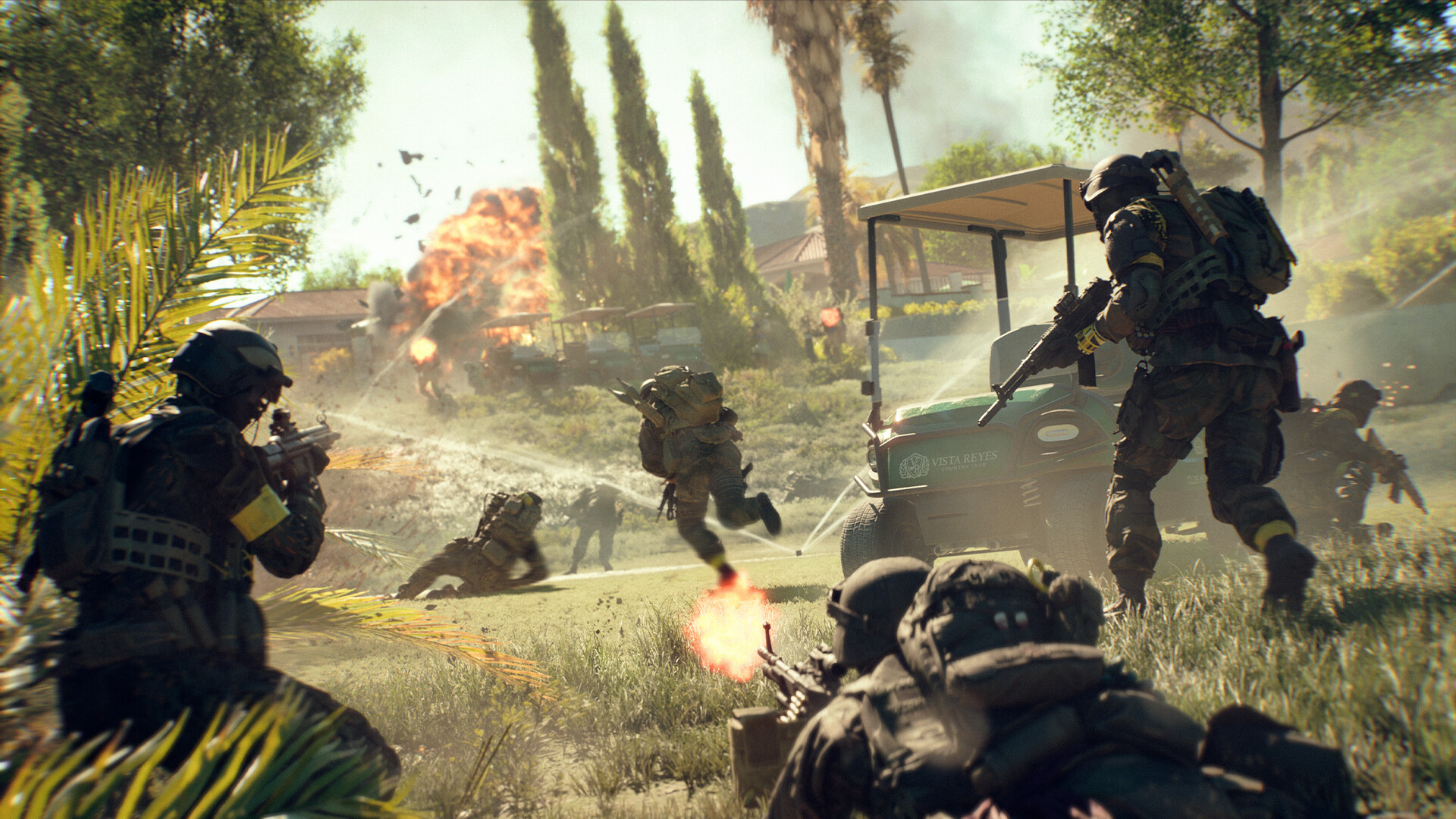
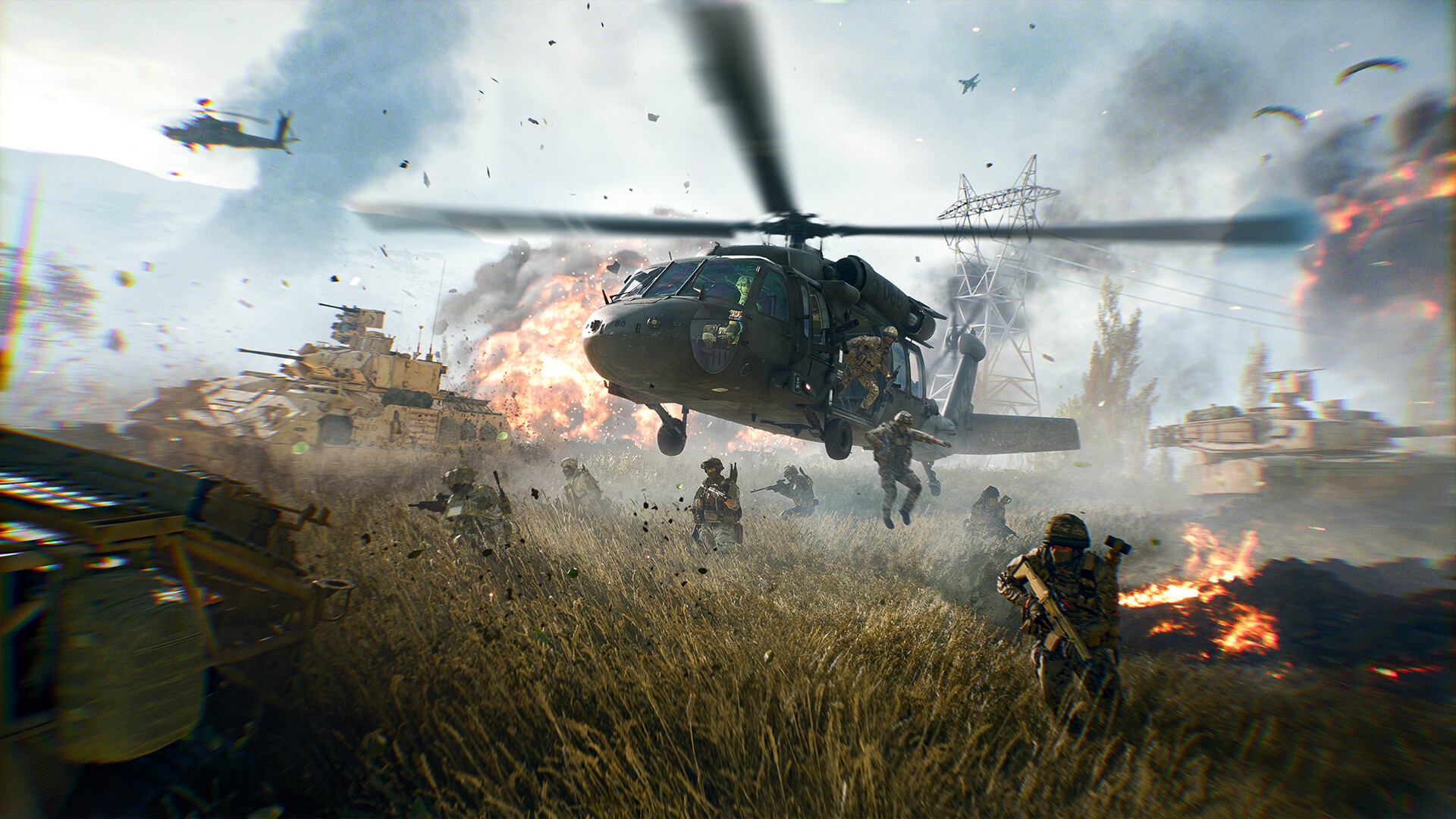
Maps in Battlefield™ 6 are designed as multi-layered conflict spaces. Instead of linear lanes, they offer overlapping routes, elevation changes, and contested objectives that shift relevance over time.
Importantly, scale is curated rather than raw. Large player counts exist, but maps funnel combat into readable fronts. This prevents the battlefield from dissolving into random firefights.
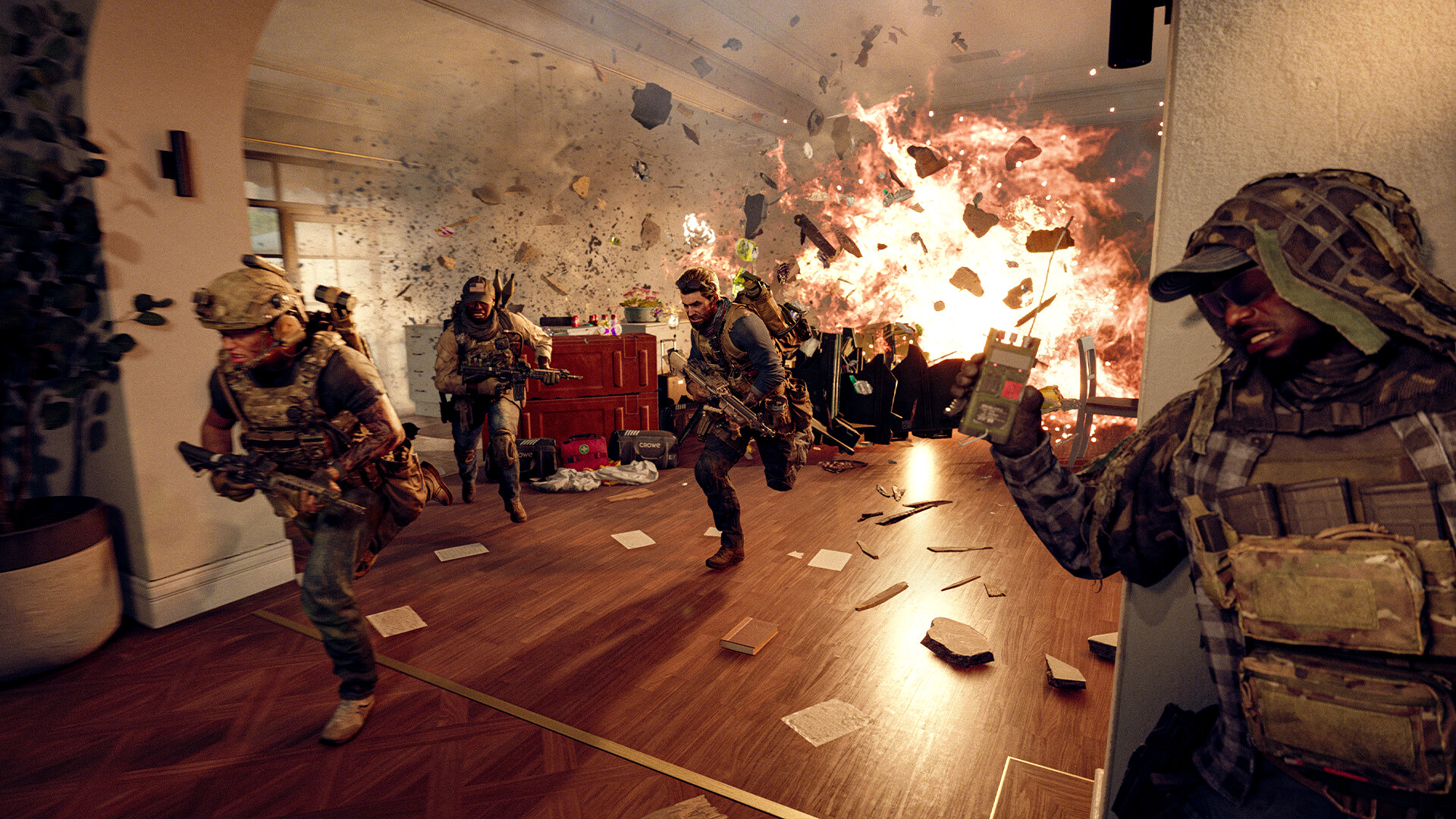
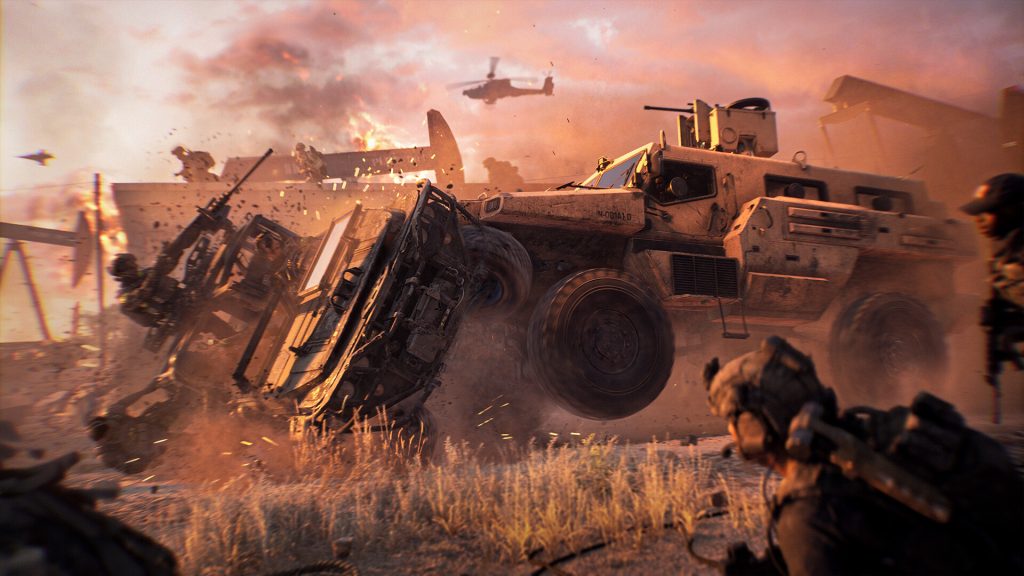
Environmental destruction further reshapes flow. Buildings collapse, cover disappears, and safe routes become liabilities. The map is not static—it evolves alongside the match, reinforcing the feeling of a living warzone.
3. Infantry Combat: Readability Over Twitch
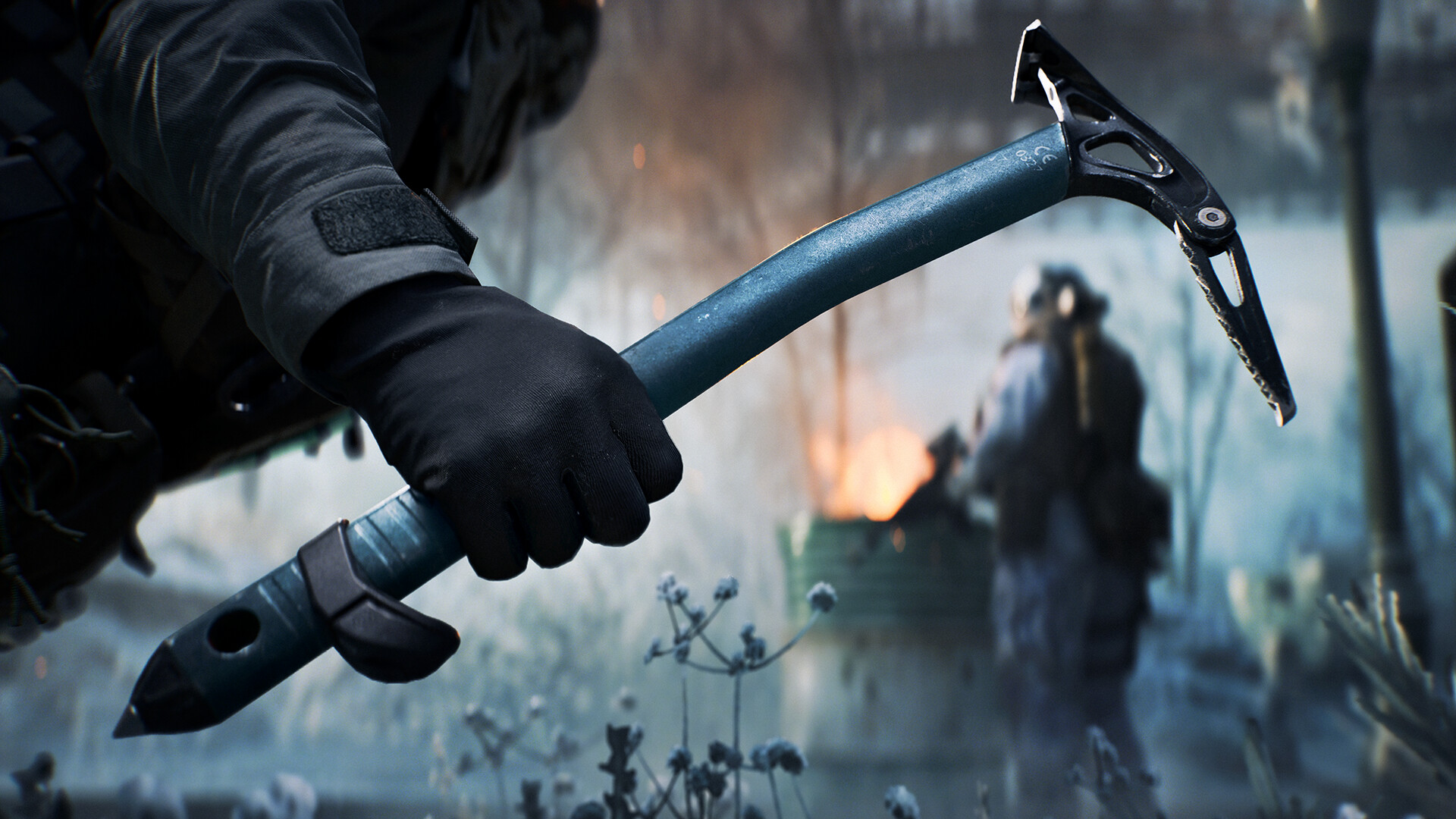
Infantry gunplay in Battlefield™ 6 prioritizes clarity and consistency. Weapons feel grounded. Time-to-kill is lethal but forgiving enough to allow reaction.
Movement avoids extremes. There is no excessive sliding or acrobatic evasion. Positioning, cover usage, and spacing matter more than raw reflex speed.
This design makes infantry combat approachable without trivializing skill. Players win fights through awareness and teamwork rather than mechanical exploitation.
4. Vehicles: Force Multipliers, Not Win Buttons
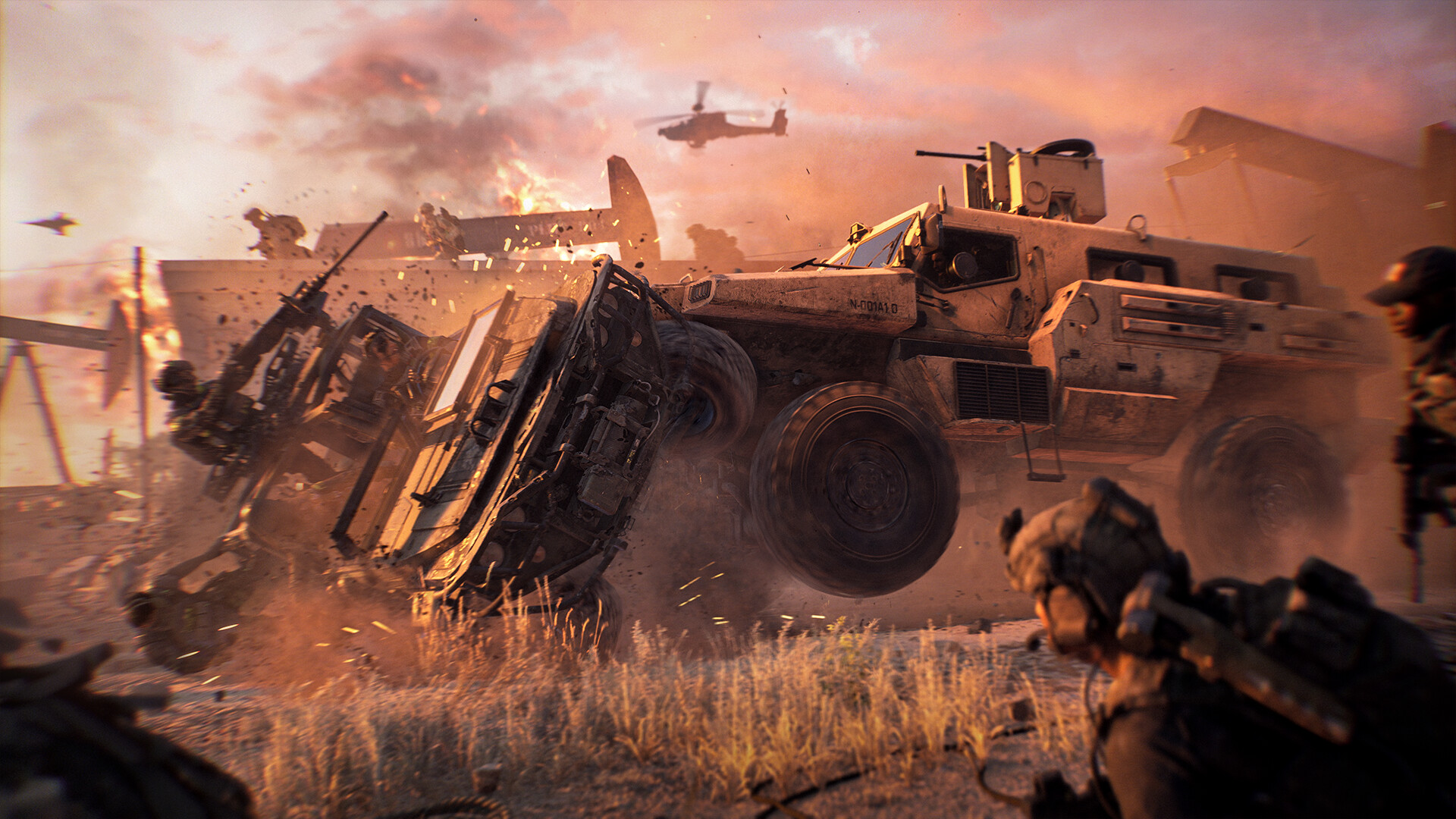
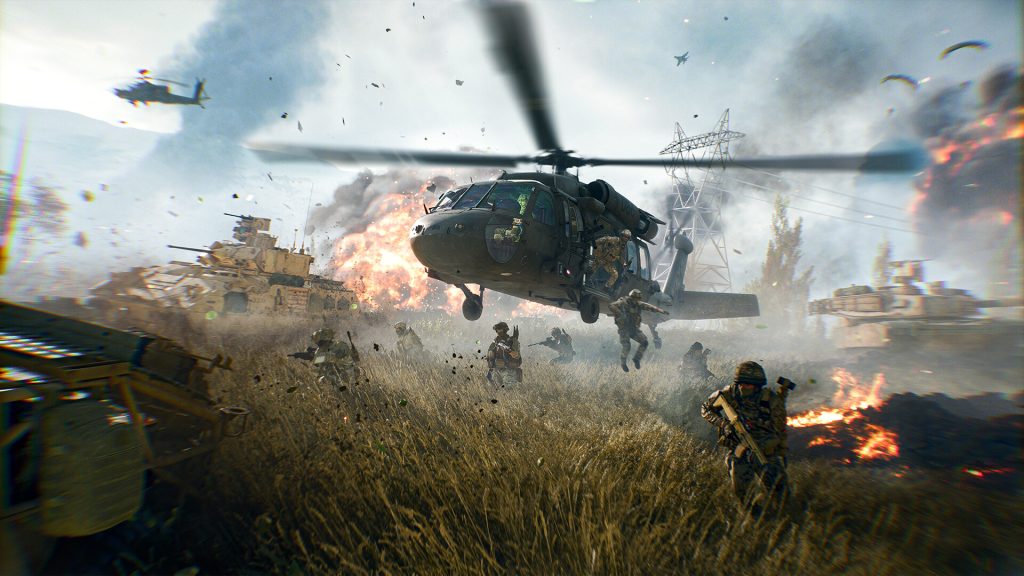
Vehicles have always been central to Battlefield’s identity, and Battlefield™ 6 treats them as force multipliers, not solo power fantasies.
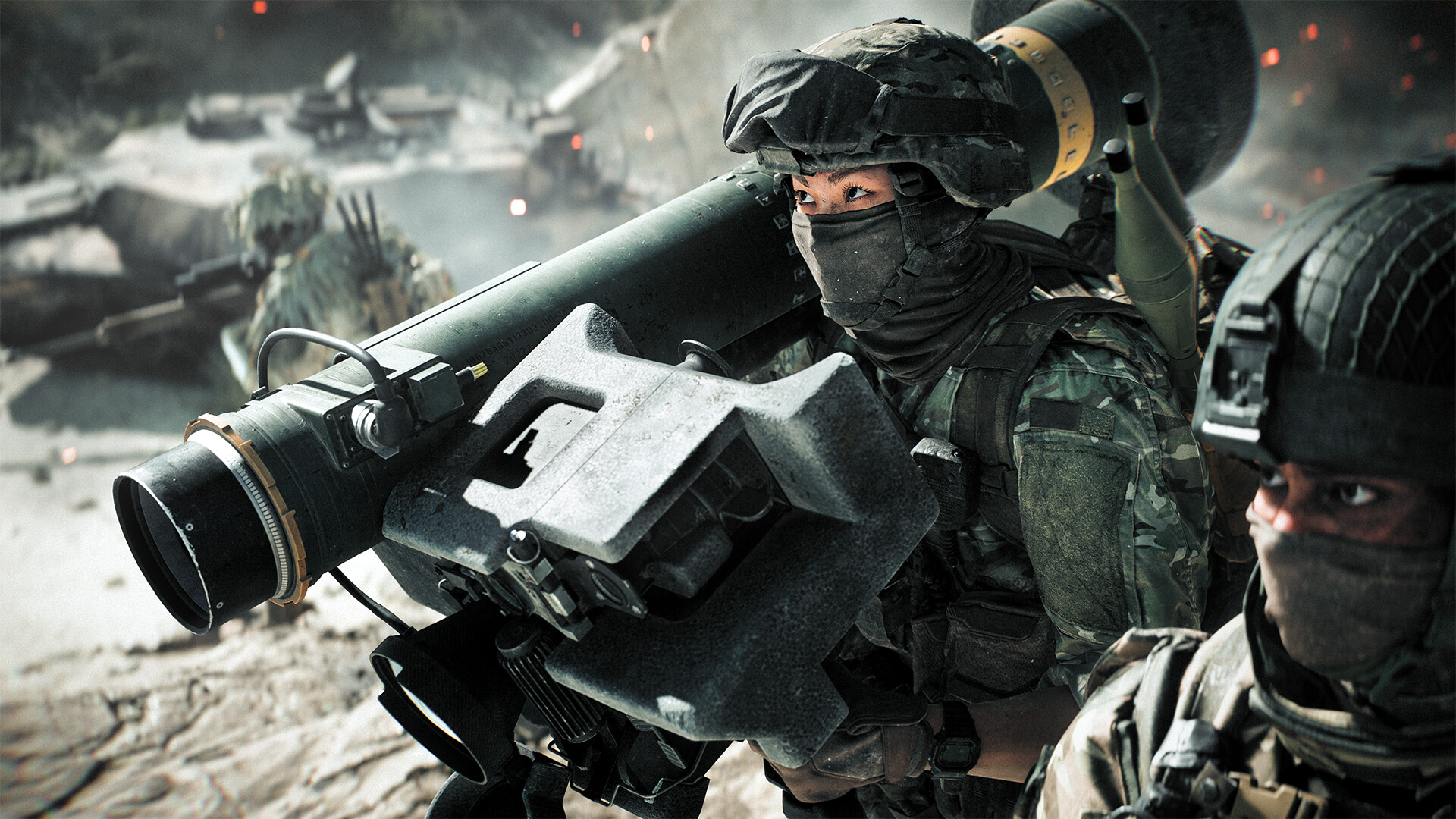
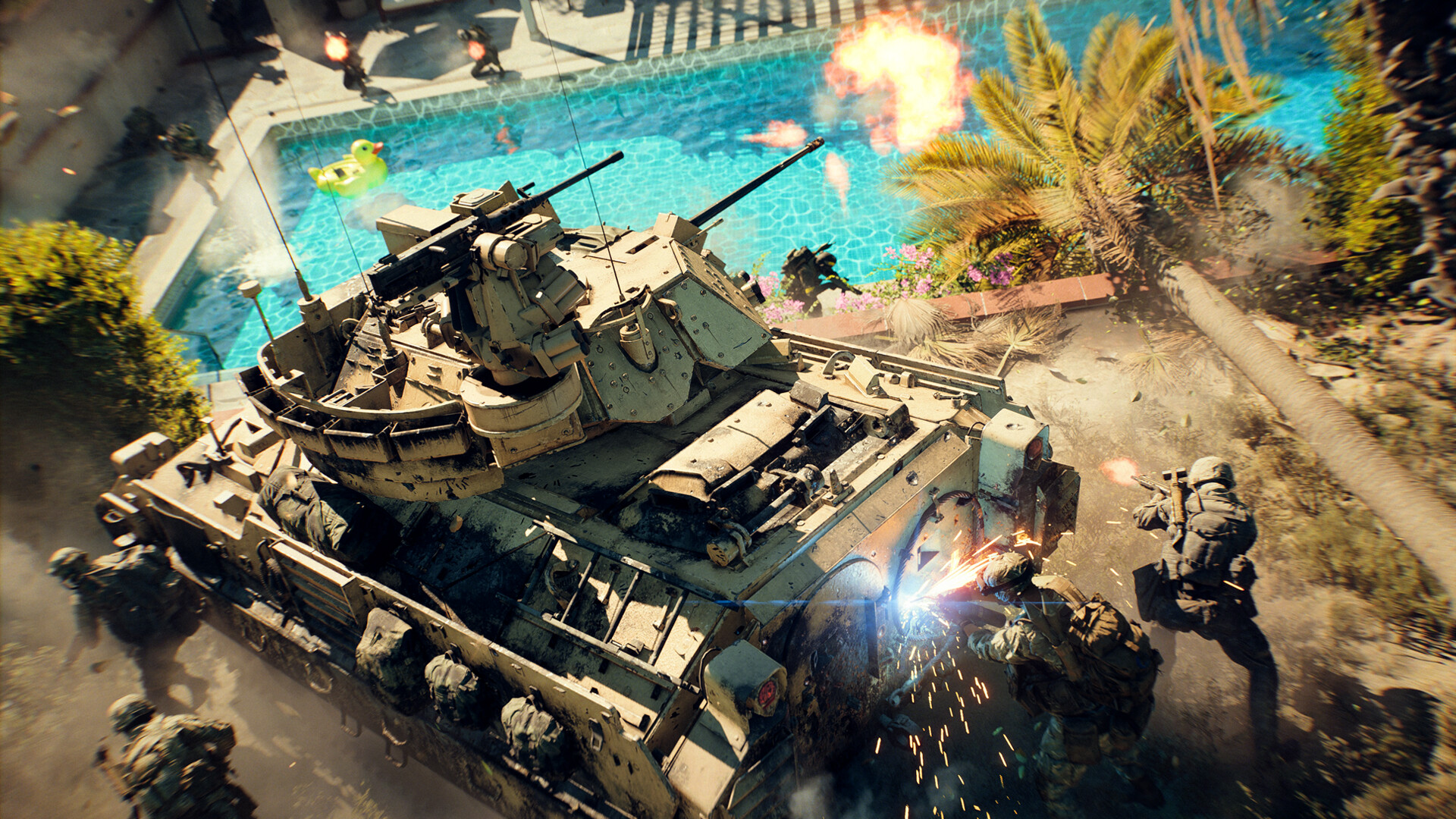
Tanks dominate open ground but rely on infantry support to avoid flanking threats. Aircraft control airspace but are vulnerable to coordinated anti-air responses. Transport vehicles enable momentum rather than damage.
This interdependence prevents vehicles from overshadowing infantry play. Power exists—but only when integrated into the broader system.
5. Class Design and Squad Identity
Battlefield™ 6 reinforces traditional class roles without locking players into rigid playstyles. Each class brings utility: healing, resupply, reconnaissance, or anti-vehicle pressure.
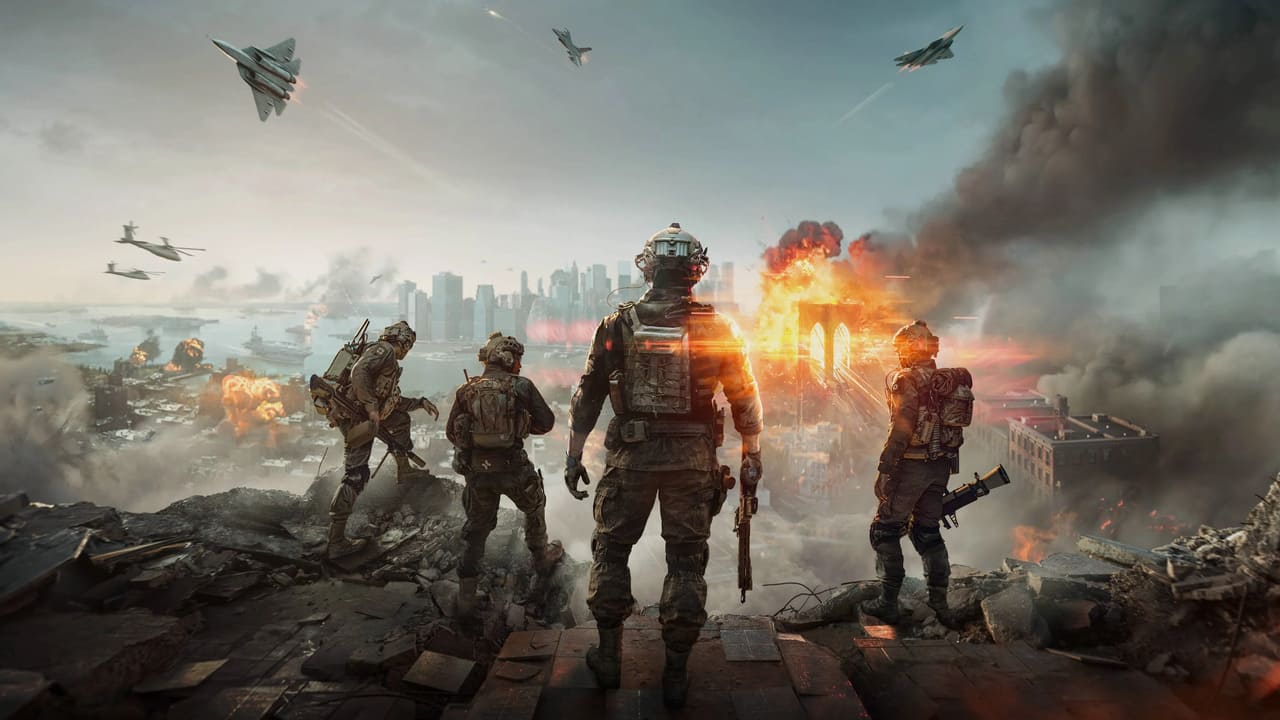
Squads function as micro-teams within the larger army. Revives, spawn points, and shared objectives reward staying together.
This layered team structure creates social gravity. Players gravitate toward cooperation not because the game forces it—but because efficiency demands it.
6. Objectives Over Statistics
Objective play sits at the center of Battlefield™ 6. Capturing zones, holding positions, and supporting pushes matter more than personal metrics.
The scoring system reflects this priority. Assists, support actions, and objective presence contribute meaningfully to progression.
This design reduces ego-driven play. Players chasing kills away from objectives contribute less, while supportive roles feel valuable.
The battlefield rewards engagement, not isolation.
7. Pacing: Rhythms of Advance and Collapse
Battlefield™ 6 excels at pacing through rhythm. Matches oscillate between buildup, clash, and reset.
Quiet moments of positioning give way to explosive engagements. After intense battles, fronts stabilize briefly before collapsing again.
This ebb and flow keeps matches emotionally engaging without exhausting players. The game avoids constant peak intensity, allowing tension to rebuild naturally.
8. Audio-Visual Communication
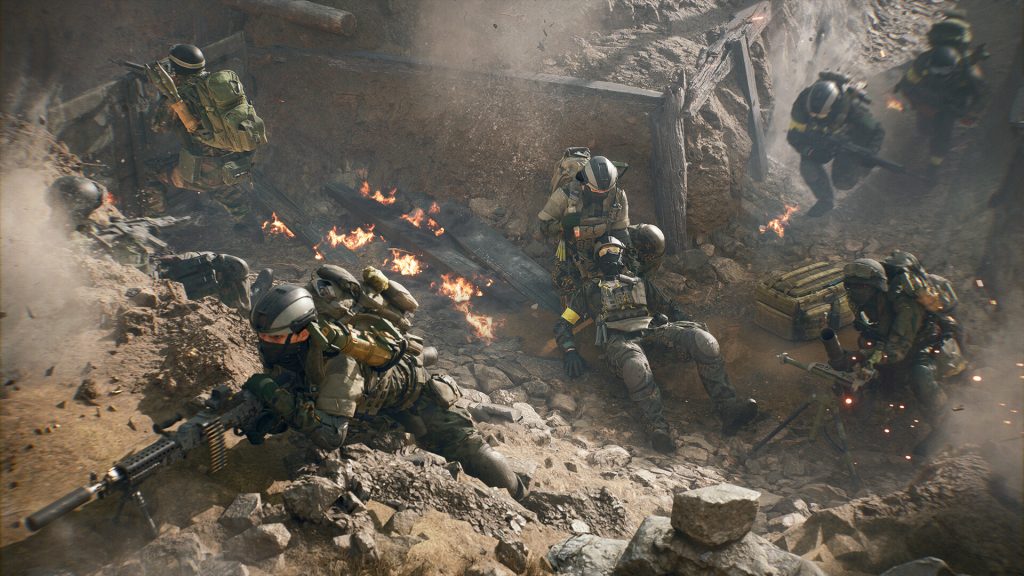
Sound design in Battlefield™ 6 is not just immersive—it is functional. Distant gunfire, vehicle engines, and explosions communicate battlefield state.
Players learn to read soundscapes: where pressure is building, where vehicles are approaching, where objectives are contested.
Visually, the game prioritizes readability over spectacle. Effects communicate danger without obscuring information. Chaos remains legible.
9. Player Psychology: Belonging Over Dominance
Battlefield™ 6 subtly shifts player motivation away from domination toward belonging. You are rarely the best player on the server—but you are often essential.
This reduces performance anxiety. Dying is expected. Respawning is fast. Contribution is cumulative.
Players feel encouraged to take risks, push objectives, and support teammates. The emotional reward comes from shared success rather than personal glory.
10. Balance, Asymmetry, and Accepting Imperfection
Battlefield™ 6 is not perfectly balanced—and it does not aim to be. Certain positions are stronger. Certain vehicles dominate specific scenarios.
This asymmetry creates narrative tension. Some battles feel uphill. Others feel desperate. Fairness is contextual rather than absolute.
The game embraces imperfection as texture. War is not symmetrical, and Battlefield™ 6 reflects that reality.
11. Progression and Long-Term Engagement
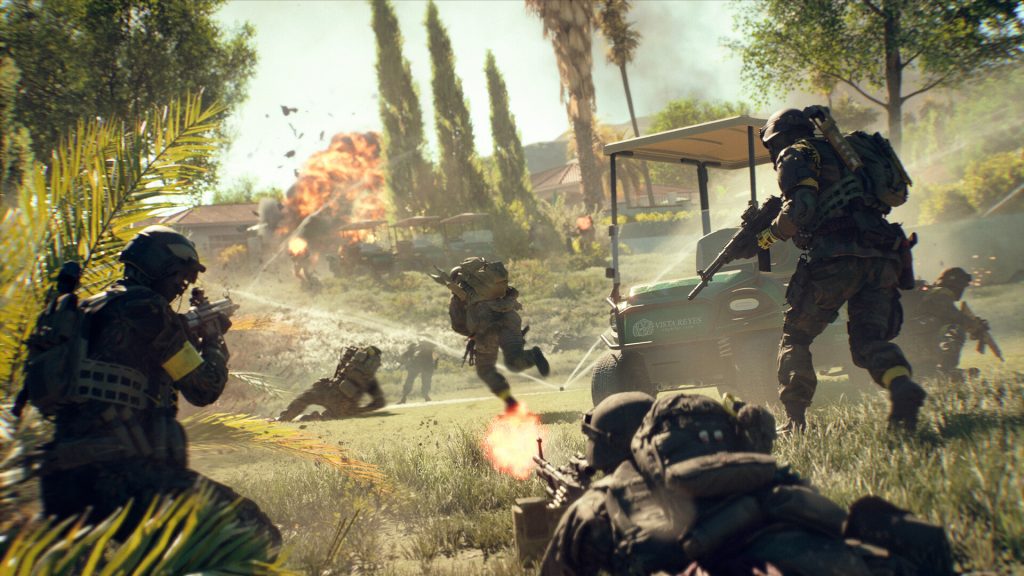
Progression systems in Battlefield™ 6 are structured to reward participation rather than grind optimization.
Unlocks expand options rather than creating insurmountable power gaps. Skill and positioning remain more important than equipment tiers.
This supports long-term engagement without fragmenting the player base. New players can contribute meaningfully early on.
12. Limitations and Design Trade-Offs
Battlefield™ 6’s strengths create trade-offs. Individual impact can feel diluted in massive matches. Coordinated squads can overwhelm disorganized teams.
Some players may prefer smaller, more controlled competitive environments. Others may find the chaos overwhelming.
Technical performance, server stability, and balance tuning remain ongoing challenges—especially at scale.
These limitations are not flaws of intent, but consequences of ambition.
Pros
Strong combined-arms gameplay with clear interdependence
Large-scale battles remain readable and structured
Emphasis on objectives and teamwork
Vehicles integrated without dominating infantry play
Pacing balances tension and recovery
Cons
Individual agency can feel diluted
Chaos may overwhelm new players
Balance varies by map and mode
Coordination disparity impacts match quality
Competitive purists may prefer smaller-scale shooters
Conclusion: The Battlefield as a Collective Experience
Battlefield™ 6 succeeds by remembering what Battlefield has always done best: creating spaces where dozens of players generate stories together. It does not promise fairness in every moment or heroism for every player.
It promises participation.
For players who value scale, teamwork, and emergent multiplayer moments that cannot be scripted, Battlefield™ 6 offers a return to form grounded in systems rather than spectacle.
You are not the hero here.
You are part of the front.
And the front only moves
when everyone pushes together.