

Zefyr: A Thief’s Melody – Freedom, Flow, and the Gentle Art of Movement


Introduction: Stealing Time Rather Than Things
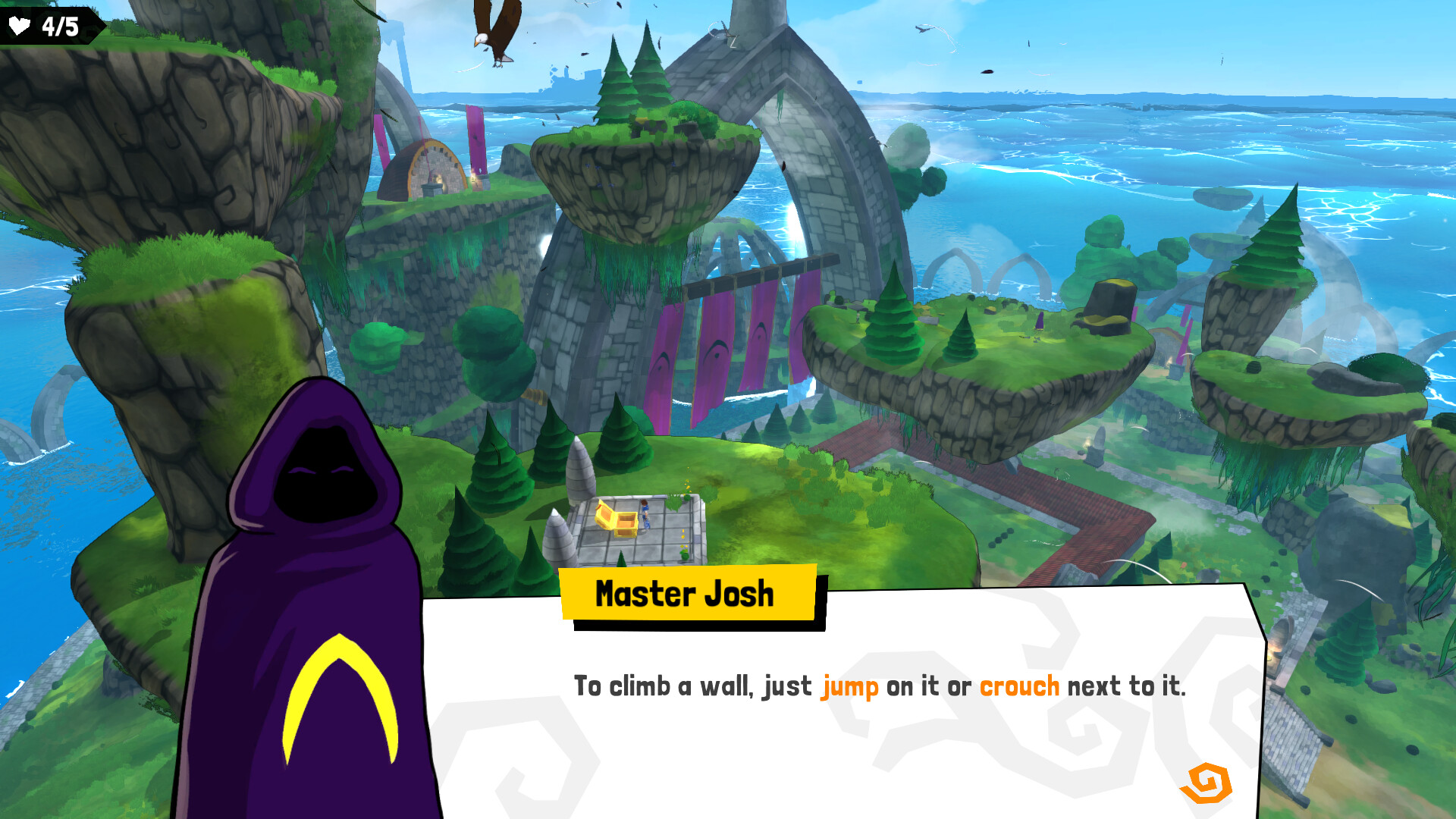
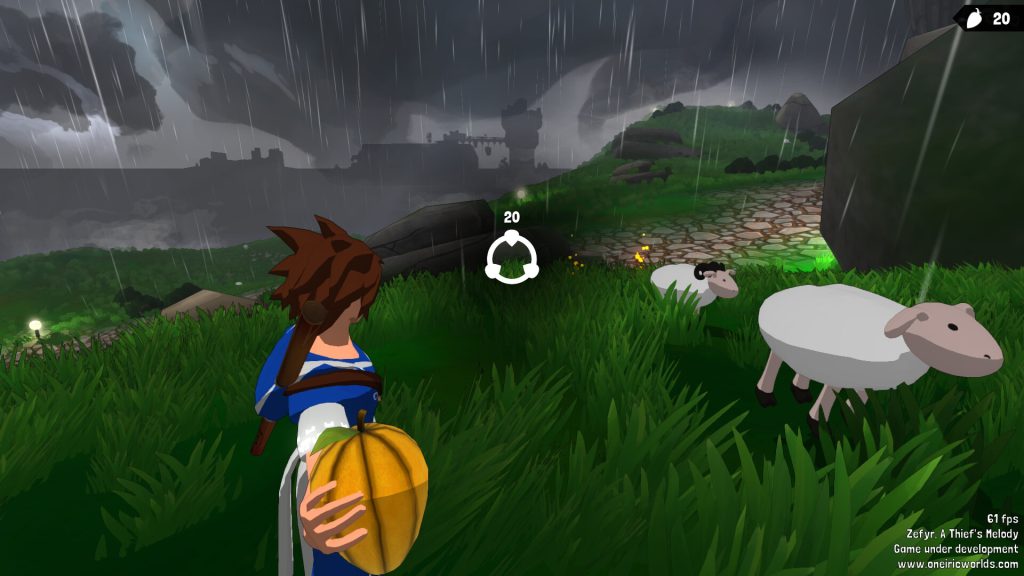
Zefyr: A Thief’s Melody is not a game about theft in the traditional sense. There are no heists driven by greed, no escalating power fantasies, and no obsession with accumulation. Instead, Zefyr is a game about motion, curiosity, and presence. It invites the player into a sunlit archipelago where the act of moving—running, climbing, gliding, and exploring—is the primary reward.
At a time when many open-world games equate scale with density and freedom with excess, Zefyr: A Thief’s Melody chooses restraint. It is deliberately quiet, mechanically focused, and emotionally gentle. This review examines Zefyr as a movement-first adventure, exploring how its systems, pacing, and tone create a distinct experience rooted in flow rather than pressure, and how its design philosophy reframes what “progress” means in an open world.
Quick Info (Overview Box)
Release Year: 2024
Genre: Open-world adventure / Exploration
Platforms: PC
Game Modes: Single-player
Target Audience: Players who enjoy exploration, fluid movement systems, atmospheric worlds, and low-stress adventure experiences
1. Core Design Philosophy: Movement as Meaning
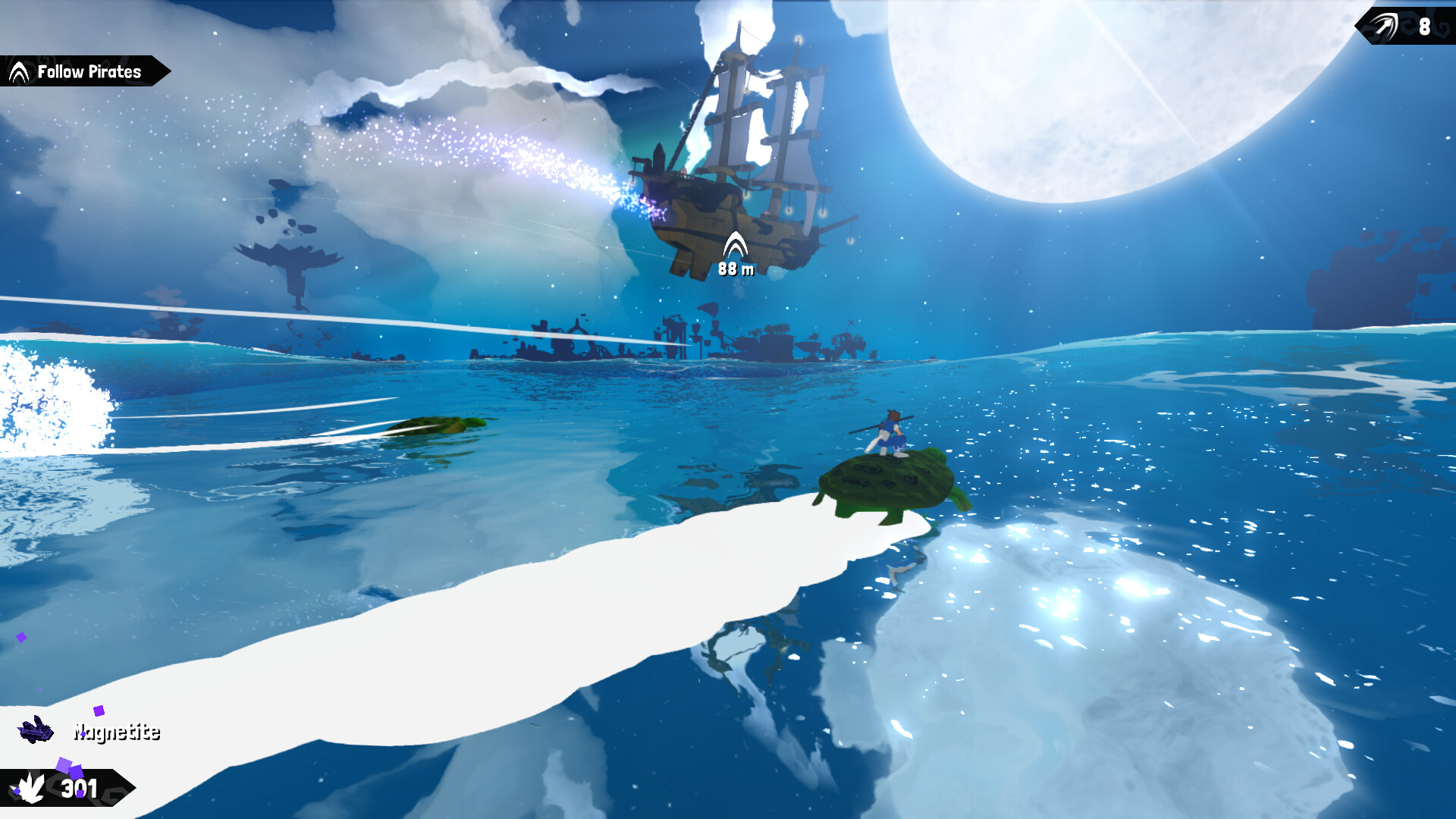
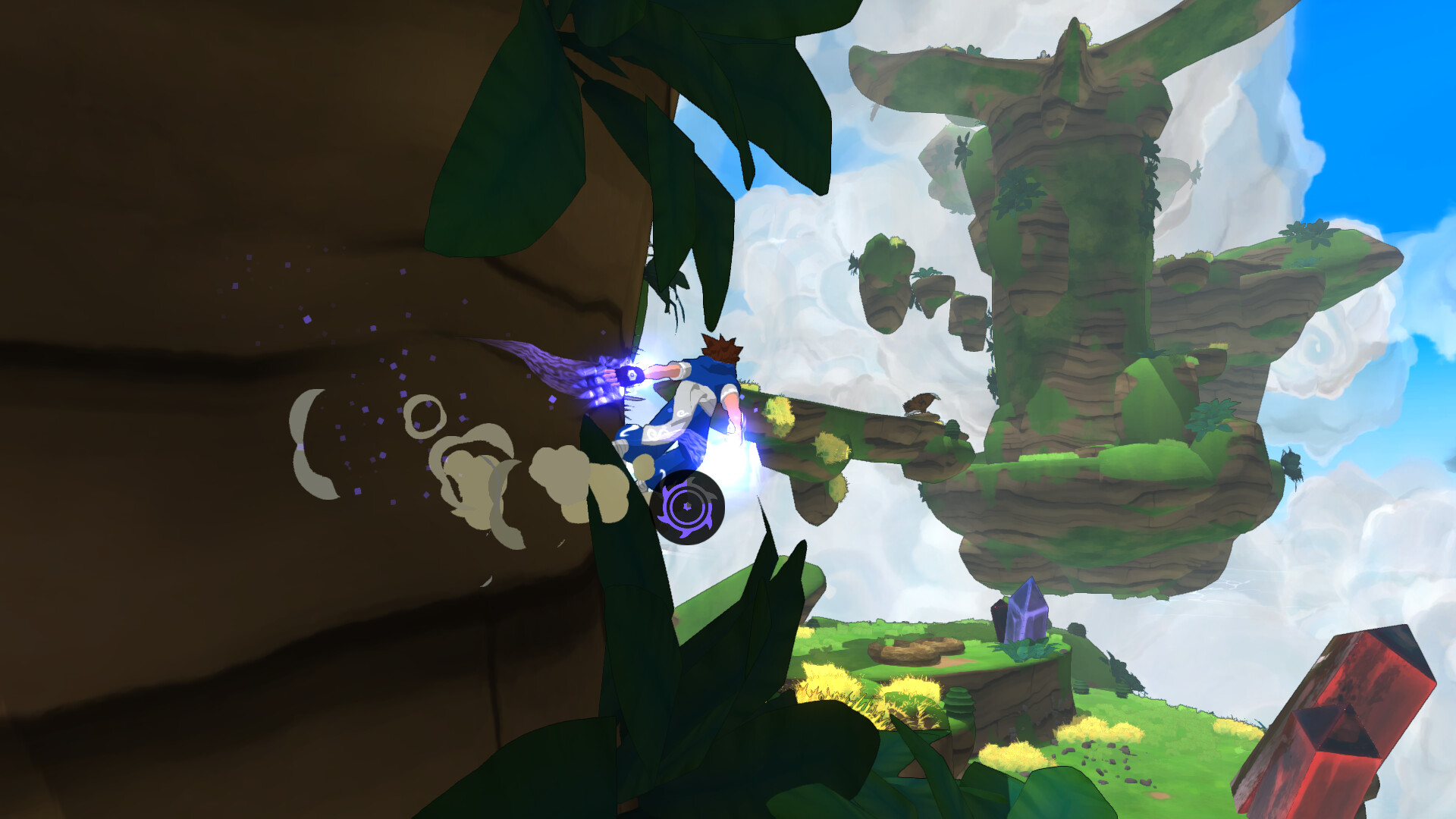
The central idea behind Zefyr: A Thief’s Melody is that movement itself can be expressive. The game does not treat traversal as a means to reach content—it treats traversal as the content.
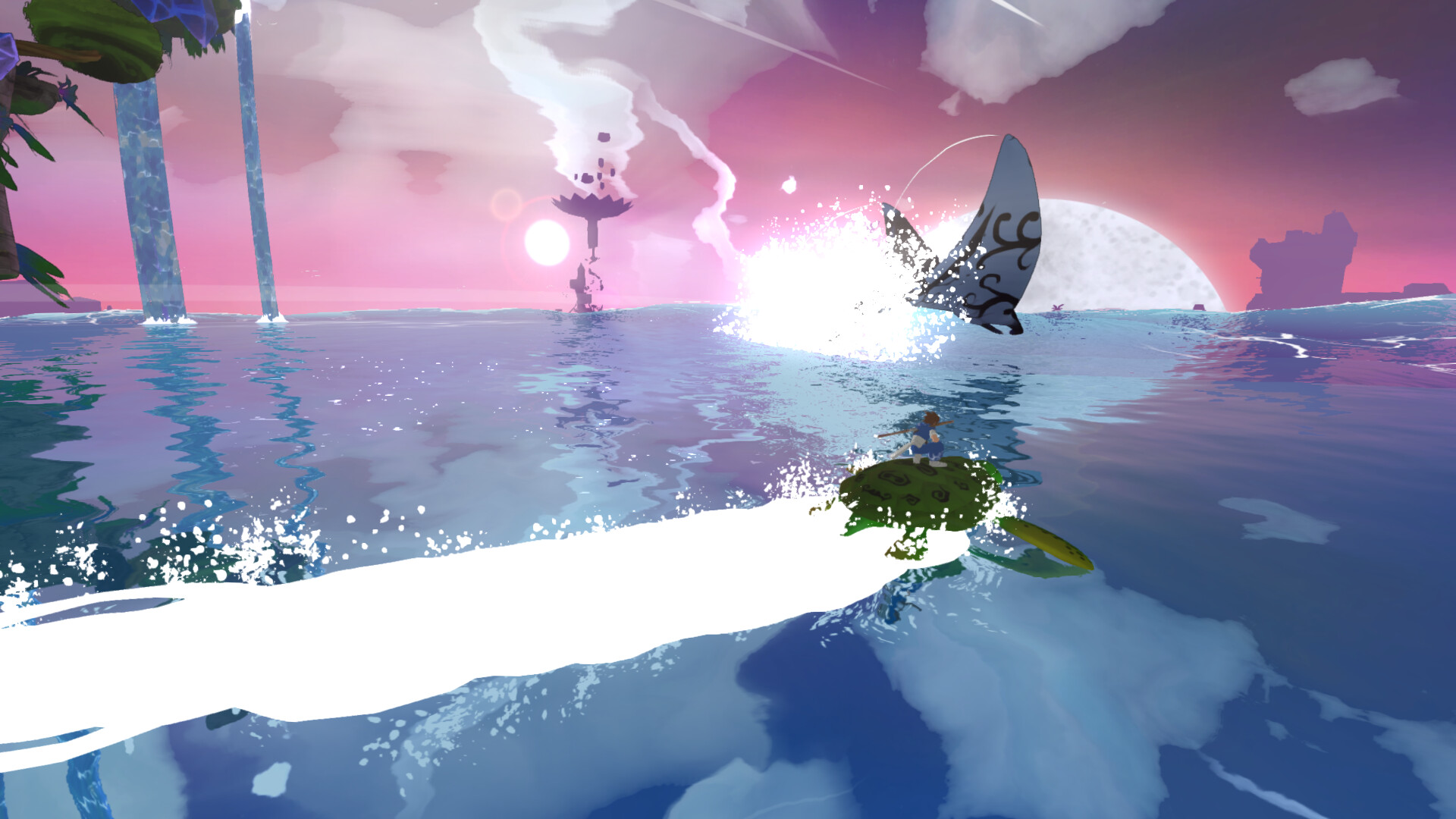
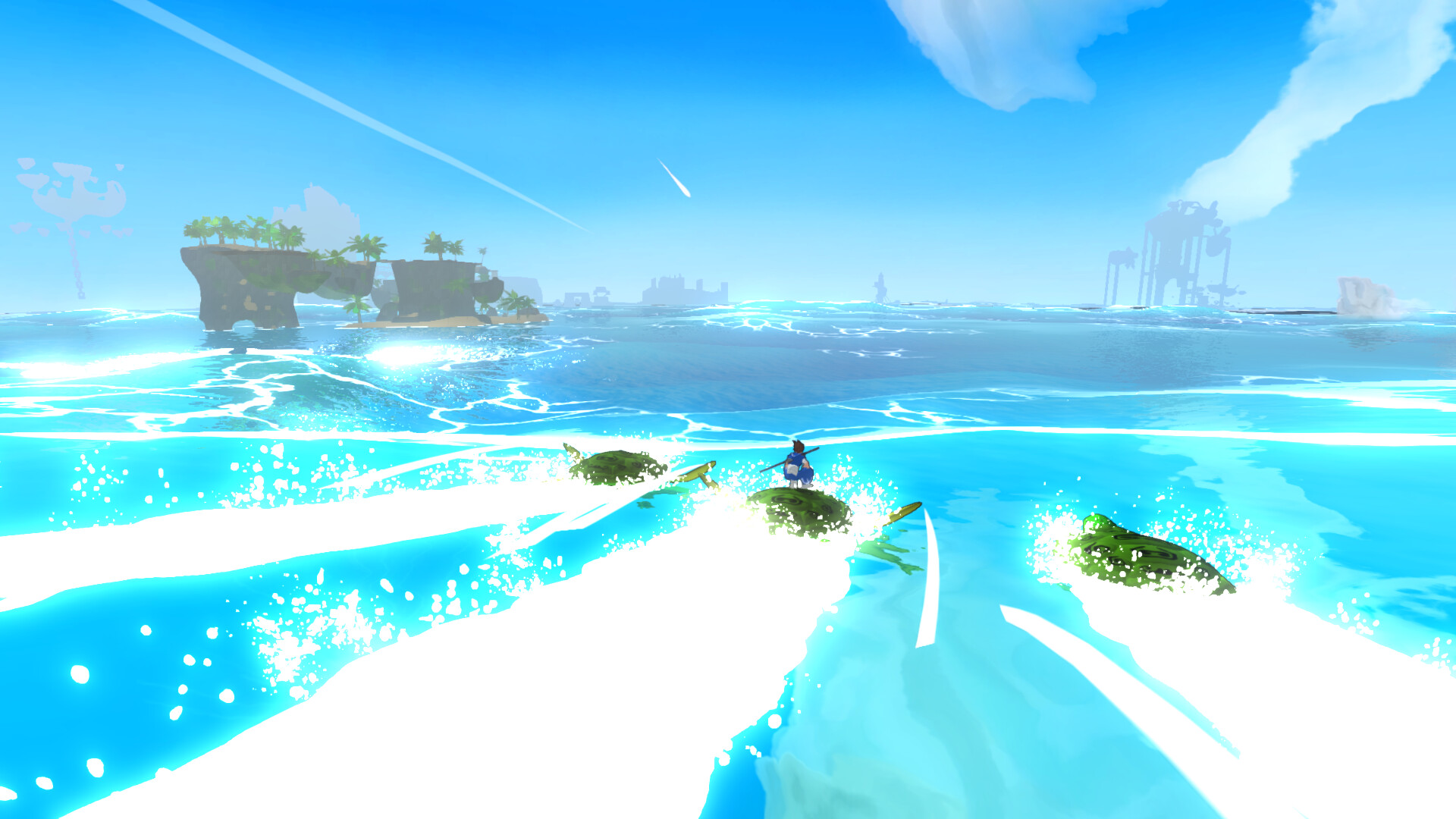
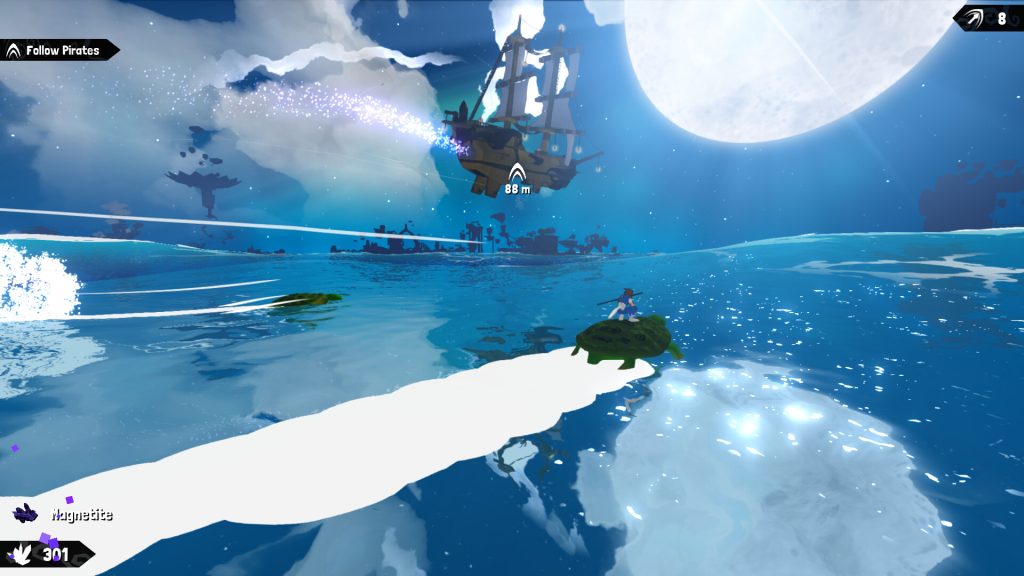
Running across rooftops, leaping between cliffs, gliding over water, and climbing vertical surfaces are not filler actions. They are carefully tuned interactions designed to feel smooth, responsive, and rewarding. The joy of the game comes from mastering flow rather than overcoming obstacles.
By removing urgency and threat, Zefyr allows players to focus on sensation. How it feels to move matters more than what movement unlocks.
2. A World Designed for Flow
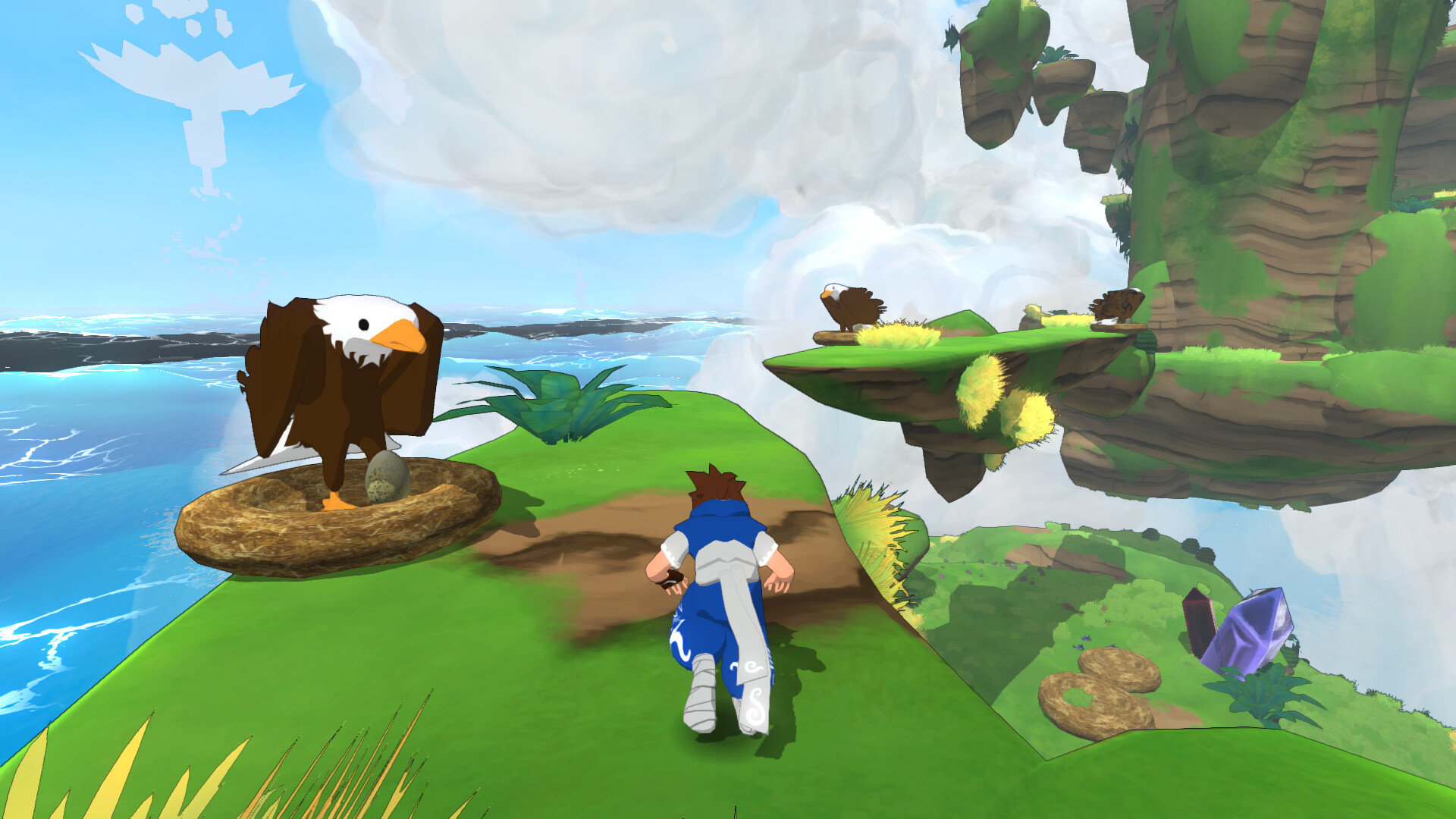
The archipelago in Zefyr is not built around combat encounters or loot density. It is built around routes. Every island, structure, and vertical space feels placed with traversal in mind.
Elevation changes invite experimentation. Rooftops form natural parkour lines. Open spaces encourage gliding rather than sprinting. The environment gently teaches players how to move through it without explicit tutorials.
This results in a world that feels cooperative rather than hostile. The environment does not resist the player—it responds to them.
3. Absence of Combat as a Design Statement
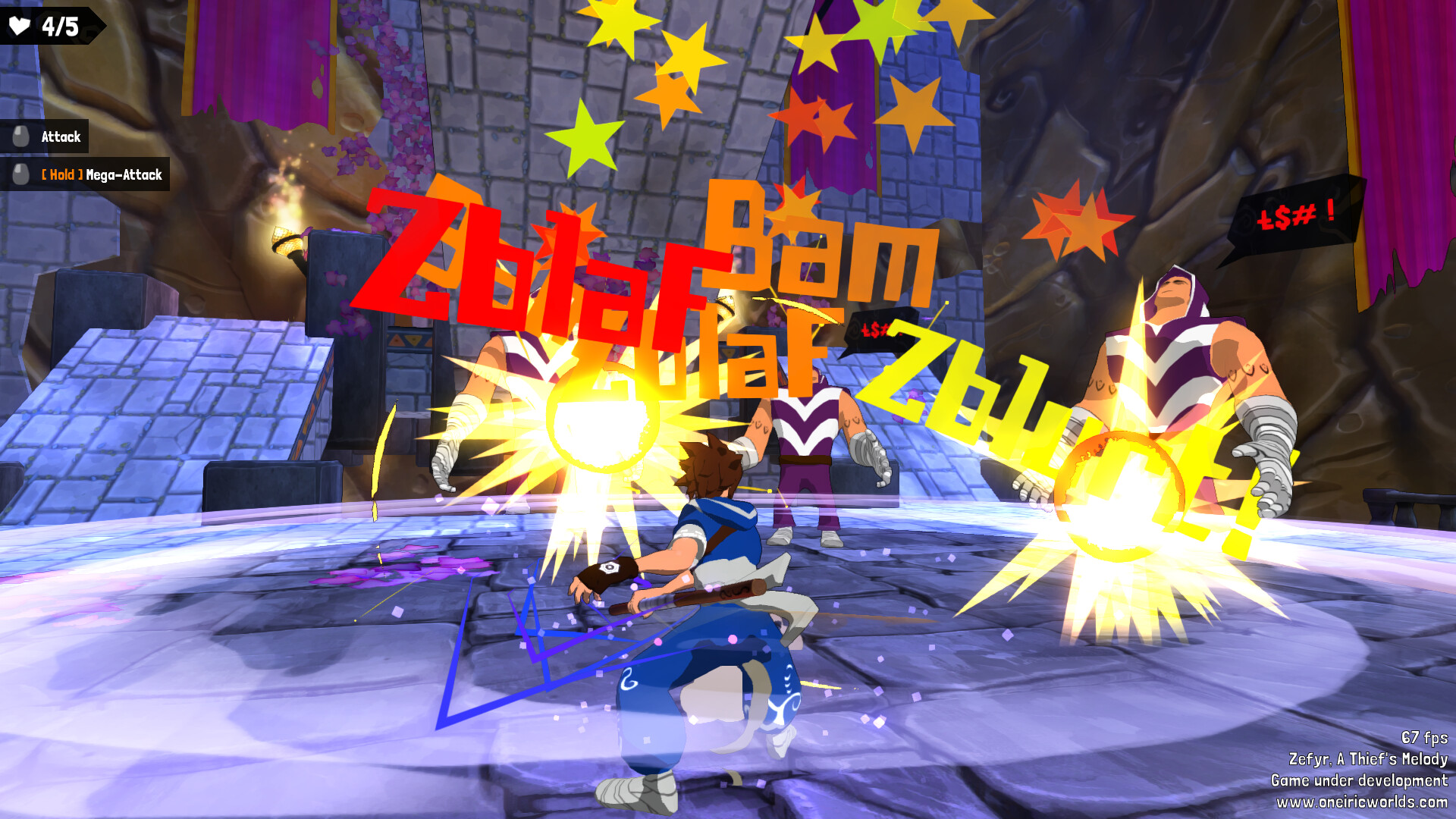
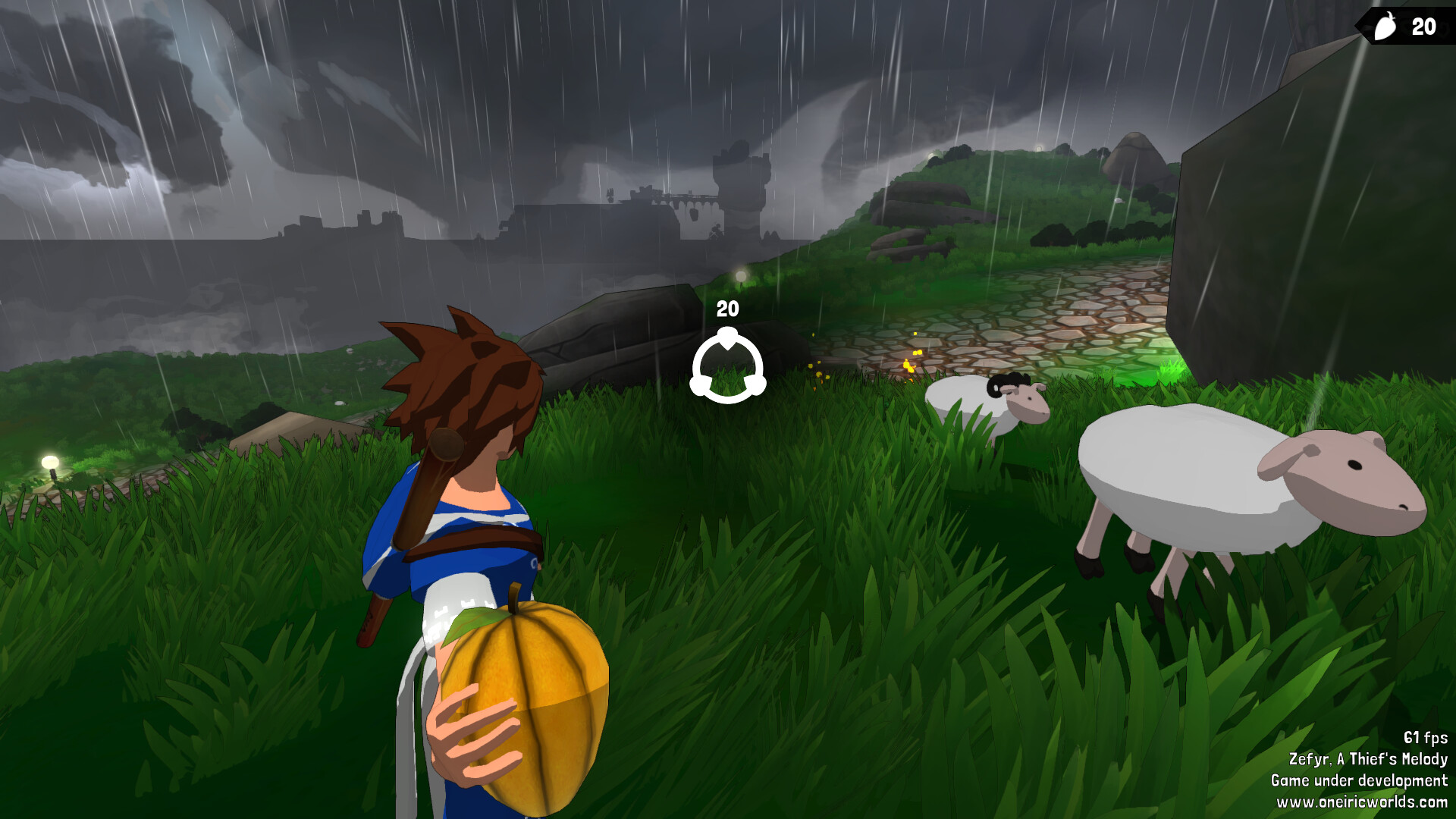
One of the most striking choices in Zefyr: A Thief’s Melody is the absence of traditional combat. There are no enemies to defeat, no health bars to manage, and no weapons to upgrade.
This absence is not a limitation—it is a declaration. By removing combat, the game eliminates stress, urgency, and failure states associated with violence. Players are never punished for curiosity.
The result is a fundamentally different emotional texture. Exploration feels safe. Risk is replaced by wonder. The player is free to experiment without fear of loss.
4. Stealth Without Tension
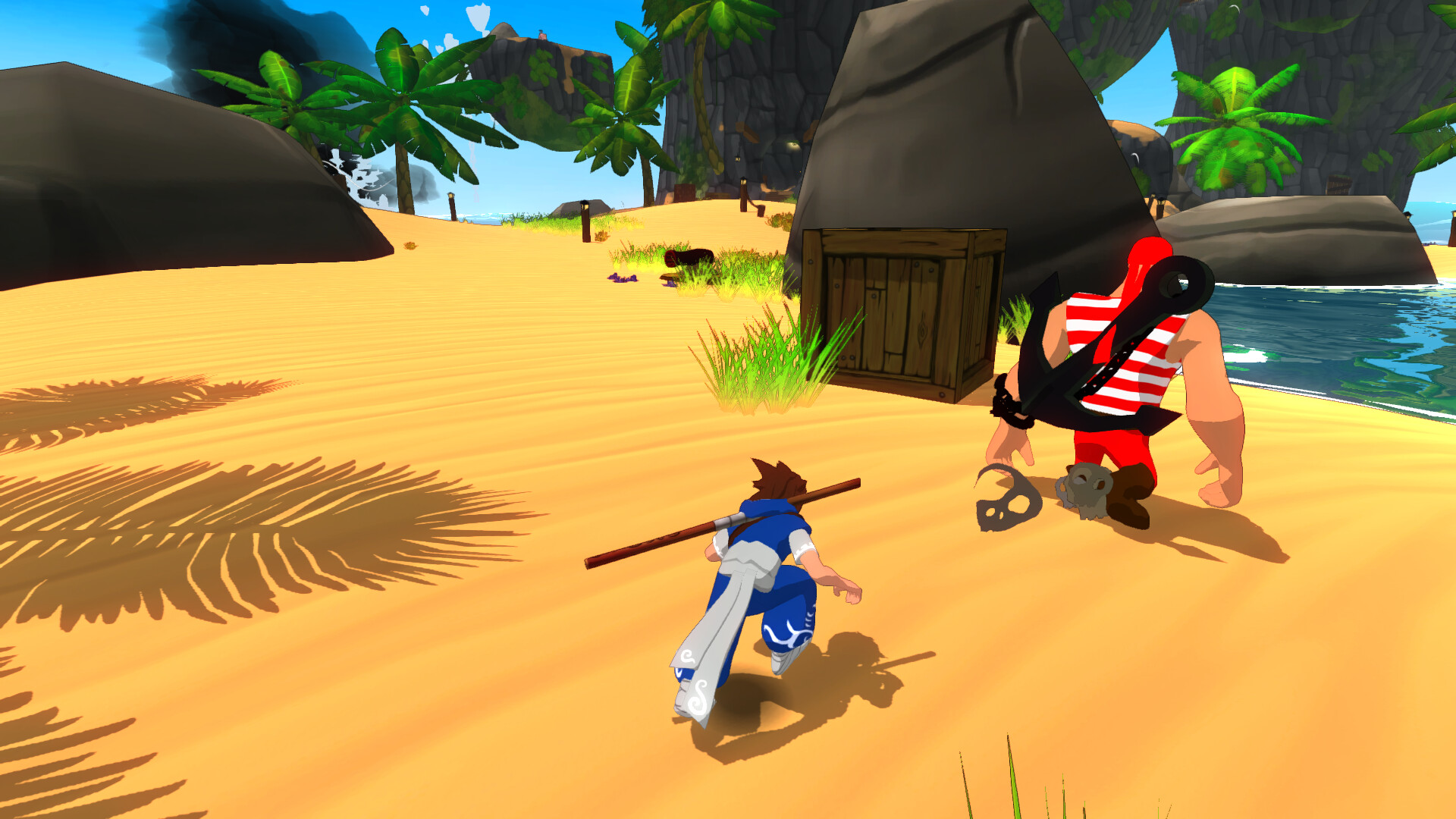
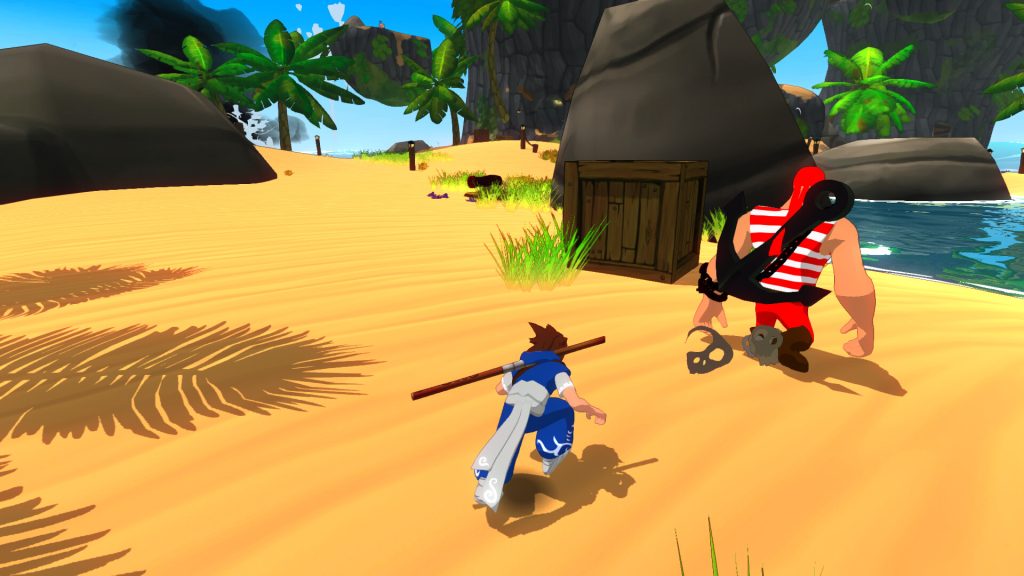
Although the protagonist is a thief, stealth in Zefyr is not about tension or punishment. It is about playfulness.
Sneaking past guards, avoiding detection, and accessing restricted areas feel like puzzles rather than threats. Failure does not result in harsh consequences—it redirects flow.
This approach reframes stealth as a form of movement optimization rather than survival. The player learns routes, timing, and environmental cues without emotional pressure.
Stealth becomes a dance, not a test.
5. The Role of Music and Atmosphere
Music in Zefyr: A Thief’s Melody is subtle and responsive. Rather than dominating attention, it complements movement, swelling gently during glides or quiet moments of discovery.
The soundtrack reinforces the game’s identity as an experience rather than a challenge. Sound cues rarely signal danger; they signal presence.
Combined with warm color palettes and soft lighting, the audio-visual presentation creates a meditative atmosphere. The world feels alive, but never overwhelming.
6. Progression Without Accumulation
Progression in Zefyr does not revolve around gear, stats, or power. Instead, it revolves around capability.
As players advance, they unlock new movement options that expand how they can interact with the world. These upgrades do not trivialize earlier areas—they reinterpret them.
Returning to familiar spaces with new abilities reveals alternate routes and perspectives. Progress feels like understanding rather than dominance.
This design reinforces intrinsic motivation. Players progress because they want to move better, not because they need higher numbers.
7. Player Psychology: Comfort Through Control
Zefyr creates a rare emotional state in games: relaxed attentiveness. The player is engaged, but not stressed. Focused, but not pressured.
Control responsiveness reinforces this comfort. Inputs feel immediate. Mistakes rarely carry consequences. Recovery is always possible.
This encourages experimentation. Players try risky jumps not because they must, but because they are curious. Failure becomes part of learning, not a setback.
8. Pacing: A Game That Respects Time
Unlike open-world games that demand hours of continuous engagement, Zefyr: A Thief’s Melody respects the player’s time.
Sessions can be short or long without penalty. There are no daily systems, no forced progression gates, and no artificial urgency.
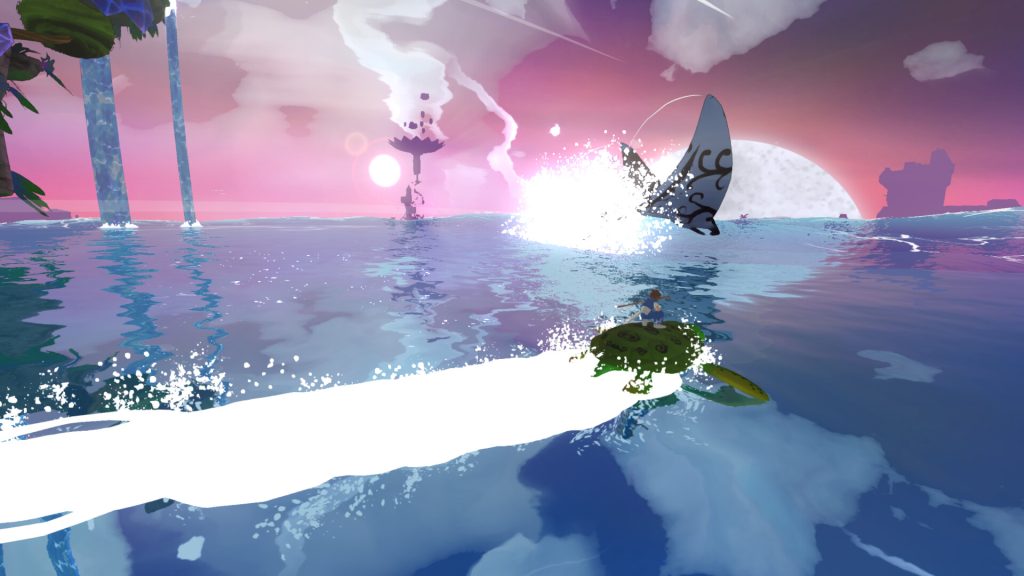
This pacing supports reflection. Players can stop at a scenic overlook, glide aimlessly, or simply enjoy motion without goals.
The game trusts players to decide when enough is enough.
9. Limitations of Minimalism
Zefyr’s restraint is also its greatest risk. Players seeking challenge, narrative complexity, or mechanical depth may find the experience too light.
The absence of conflict limits emotional range. There are few moments of tension or surprise. Some players may crave stakes that never arrive.
Additionally, the game’s focus on movement means other systems remain underdeveloped by design. Zefyr is not a sandbox of possibilities—it is a curated experience.
10. Zefyr’s Place in the Indie Landscape
Within the indie space, Zefyr: A Thief’s Melody stands alongside games that prioritize feeling over mechanics and experience over mastery.
It aligns more closely with meditative adventures than with traditional action games. Its ambition lies not in scale, but in coherence.
By committing fully to a singular design vision, Zefyr avoids compromise. It may not appeal to everyone—but it offers something distinct and intentional.
Pros
Exceptionally smooth and satisfying movement systems
Peaceful, low-stress exploration-focused gameplay
Strong environmental design built around traversal
Atmospheric audio-visual presentation
Progression enhances understanding rather than power
Cons
Lack of challenge may feel limiting to some players
Minimal narrative and emotional conflict
Limited mechanical variety beyond movement
Shorter experience compared to large open-world games
Not suited for action- or combat-focused audiences
Conclusion: Stealing Moments, Not Rewards
Zefyr: A Thief’s Melody is a game about reclaiming a sense of calm in interactive spaces. It does not ask players to optimize, dominate, or conquer. It asks them to move, to listen, and to notice.
For players who value fluid movement, gentle exploration, and games that respect attention rather than demand it, Zefyr offers a rare and refreshing experience. It reminds us that not every adventure needs danger to be meaningful.
Sometimes, the greatest theft
is stealing time from urgency
and giving it back to curiosity.