
Sea of Thieves – Emergent Piracy, Social Trust, and the Meaning of Adventure
Introduction: A World That Exists Only When Players Collide
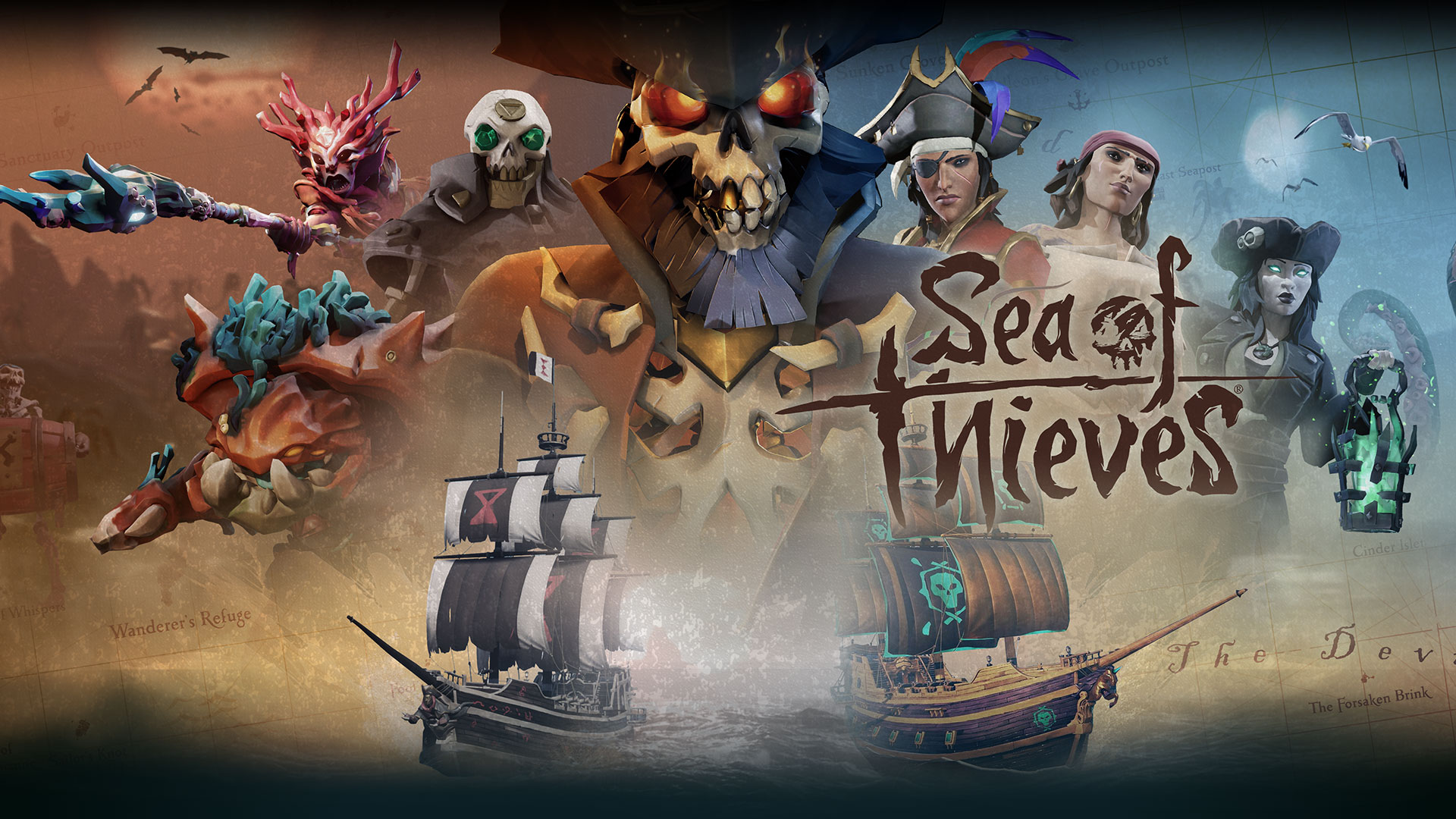
Sea of Thieves is not a pirate game in the traditional sense. It has no rigid progression ladder, no power creep, and no scripted “hero’s journey” that guarantees payoff. Instead, Sea of Thieves is a social simulation disguised as an open-world adventure. Its oceans are vast but empty by design, its mechanics are simple on the surface, and its true depth only emerges when players interact with one another.
This is a game about stories, not stats. Stories of betrayal, unexpected alliances, narrow escapes, and catastrophic greed. Sea of Thieves does not ask players what they want to achieve—it asks what kind of pirate they are willing to become. This review explores the game through emergent design, player psychology, and long-term engagement rather than traditional content checklists.
Quick Info (Overview Box)
-
Release Year: 2018
-
Genre: Open-world adventure / Sandbox multiplayer
-
Platforms: PC, Xbox
-
Game Modes: Shared-world multiplayer, Co-op crews, PvPvE
-
Target Audience: Players who enjoy emergent gameplay, social interaction, cooperation, and unpredictable multiplayer encounters
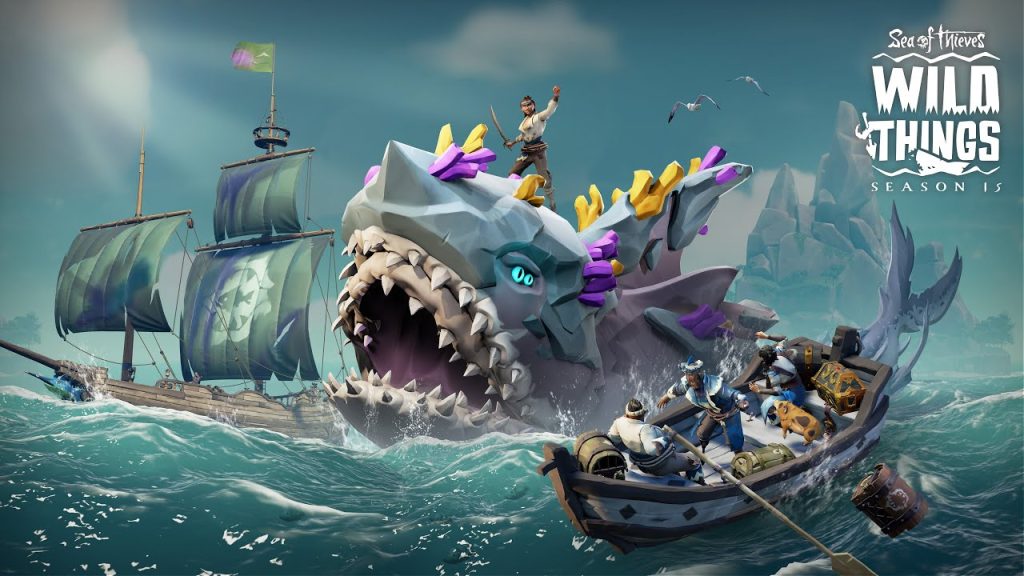
1. Core Design Philosophy: Freedom Without Power
At its foundation, Sea of Thieves is built around a radical idea: progression without advantage. No matter how long you play, your weapons remain functionally identical to a new player’s. Cosmetics replace power, and reputation replaces dominance.
This decision fundamentally shapes player behavior. Encounters are not decided by gear checks, but by awareness, coordination, and intent. Victory feels earned, not guaranteed. Defeat feels personal, not statistical.
By removing numerical progression, Sea of Thieves shifts the focus from optimization to experience. What matters is not what you have unlocked—but what you do with what you have.
2. The Ocean as a Social Engine
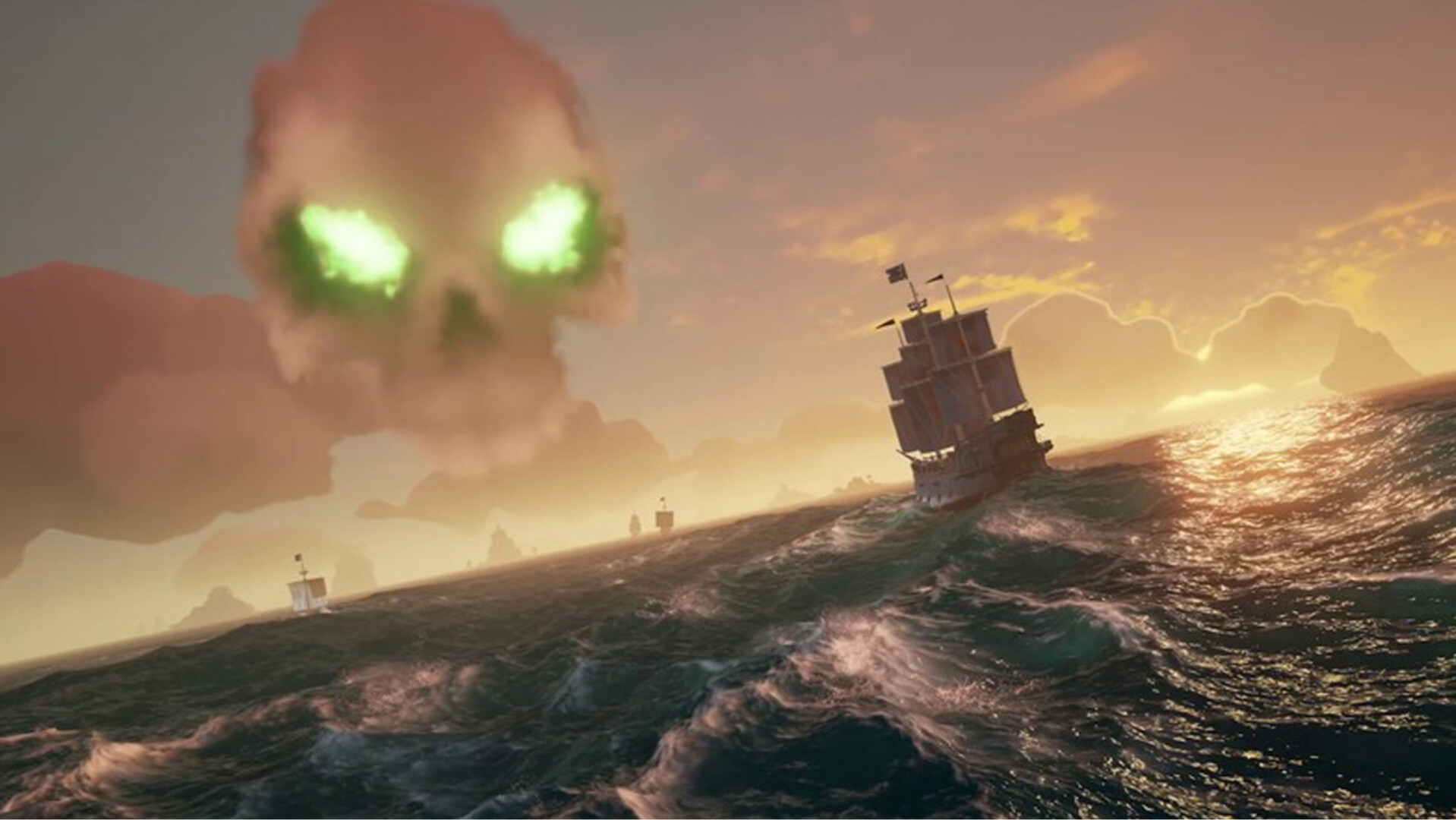
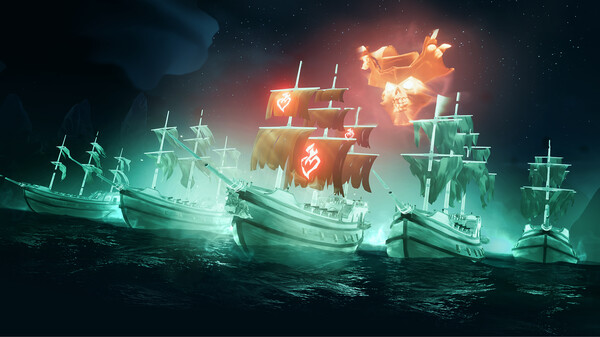
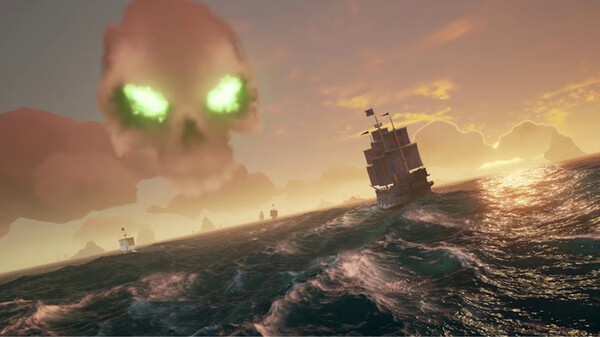
The sea itself is the game’s primary system. Vast stretches of water separate islands, forcing downtime, anticipation, and vulnerability. Travel is slow. Visibility is limited. Threats can appear from the horizon with little warning.
This creates a unique psychological state. Long periods of calm lull players into comfort, making sudden encounters more impactful. You are never fully safe, but you are often unsure whether danger even exists.
The ocean is not just a map—it is a pacing tool, a tension generator, and a social filter.
3. Ships as Cooperative Machines
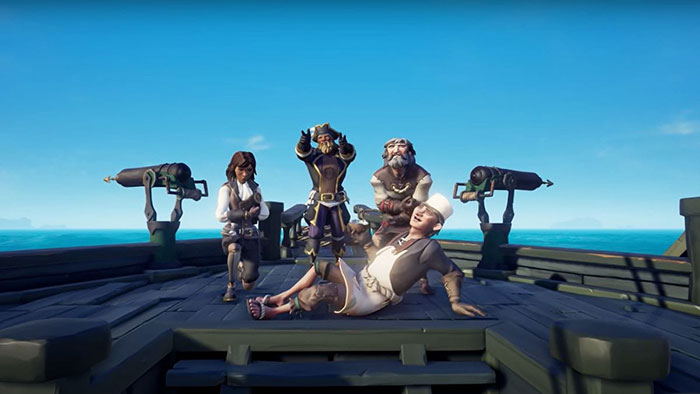
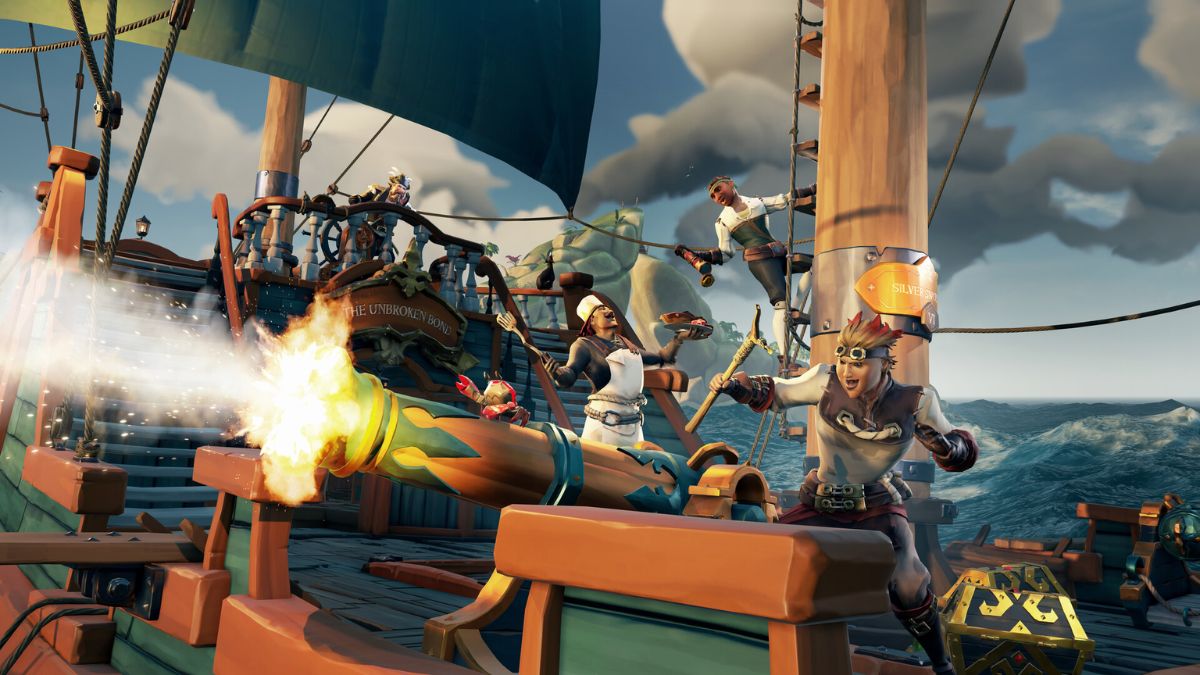
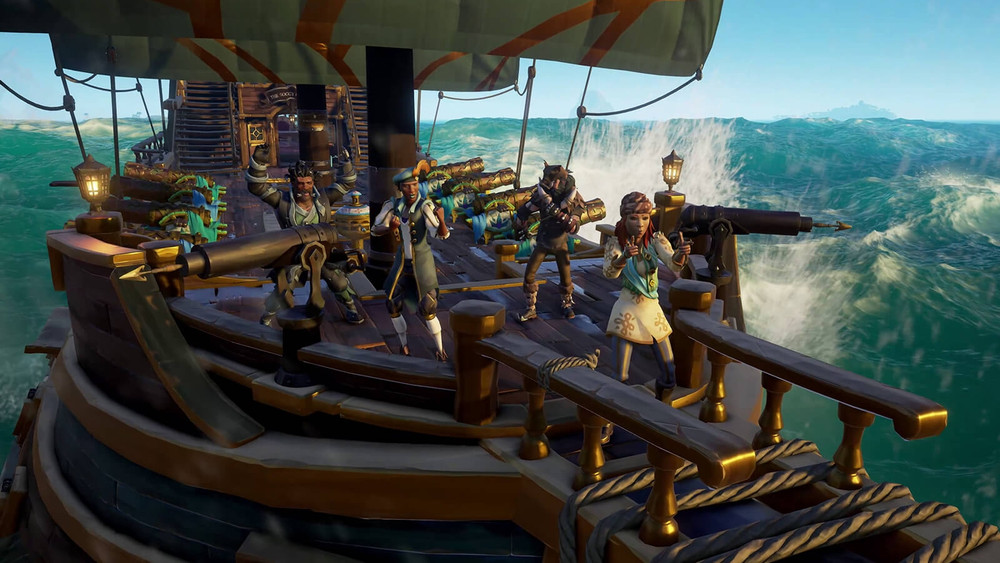
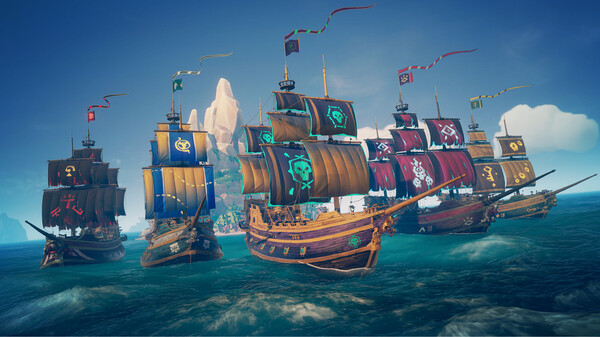
Ships in Sea of Thieves are not vehicles; they are teamwork tests. Every action—raising sails, adjusting angle, steering, repairing damage – requires coordination.
There is no autopilot. Even basic sailing demands communication. Under pressure, cracks appear quickly. Crews that lack coordination spiral into chaos; disciplined crews operate with surprising efficiency.
This design transforms the ship into a social microcosm. Success depends less on individual skill and more on group trust and rhythm.

4. Combat: Simple Mechanics, Complex Context
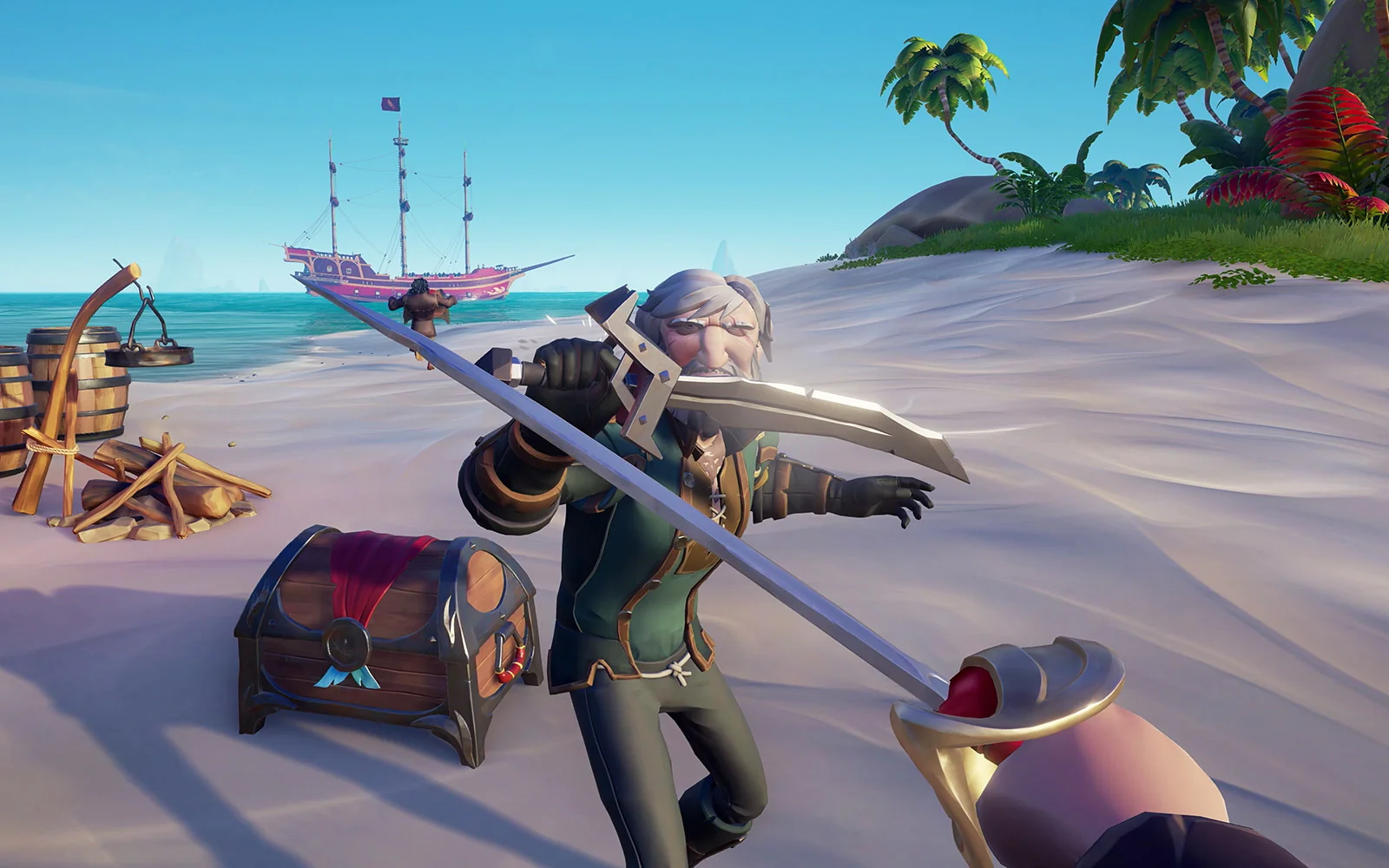
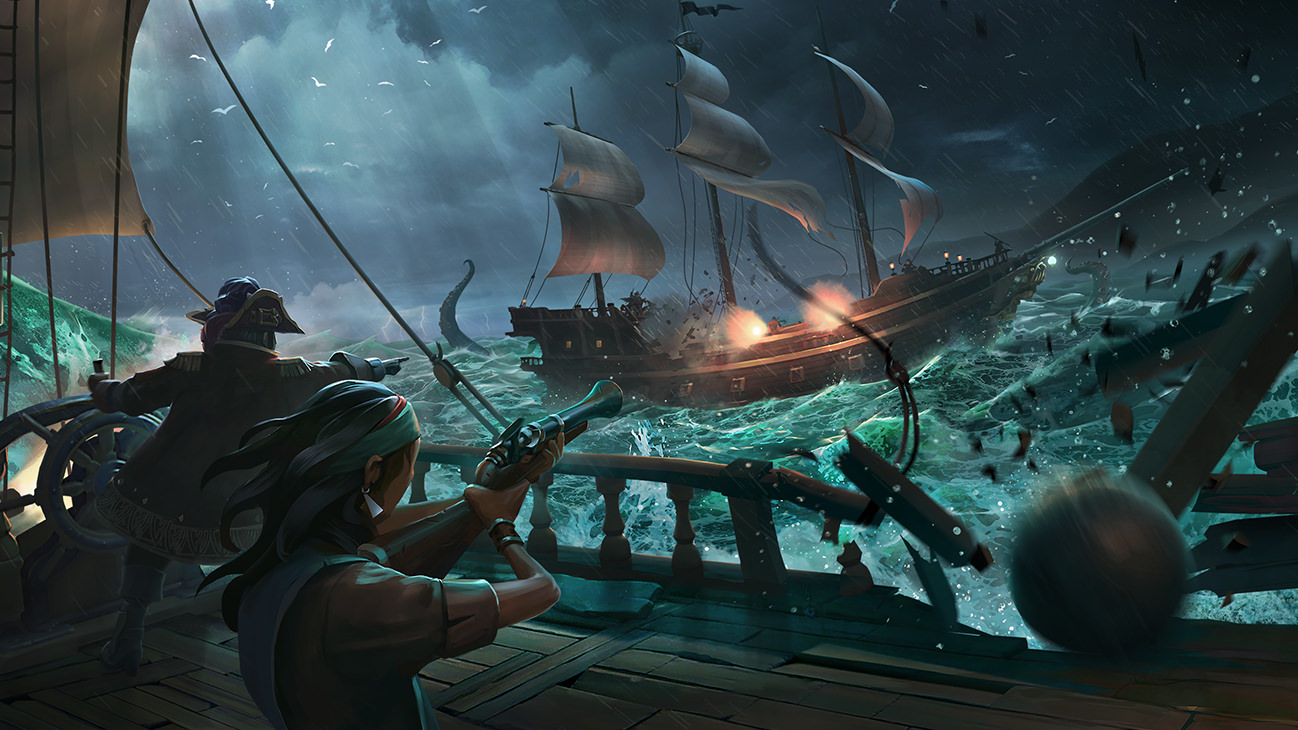
Combat in Sea of Thieves is mechanically straightforward. Sword swings are basic. Gunplay is slow and deliberate. There are no combos, perks, or advanced techniques.
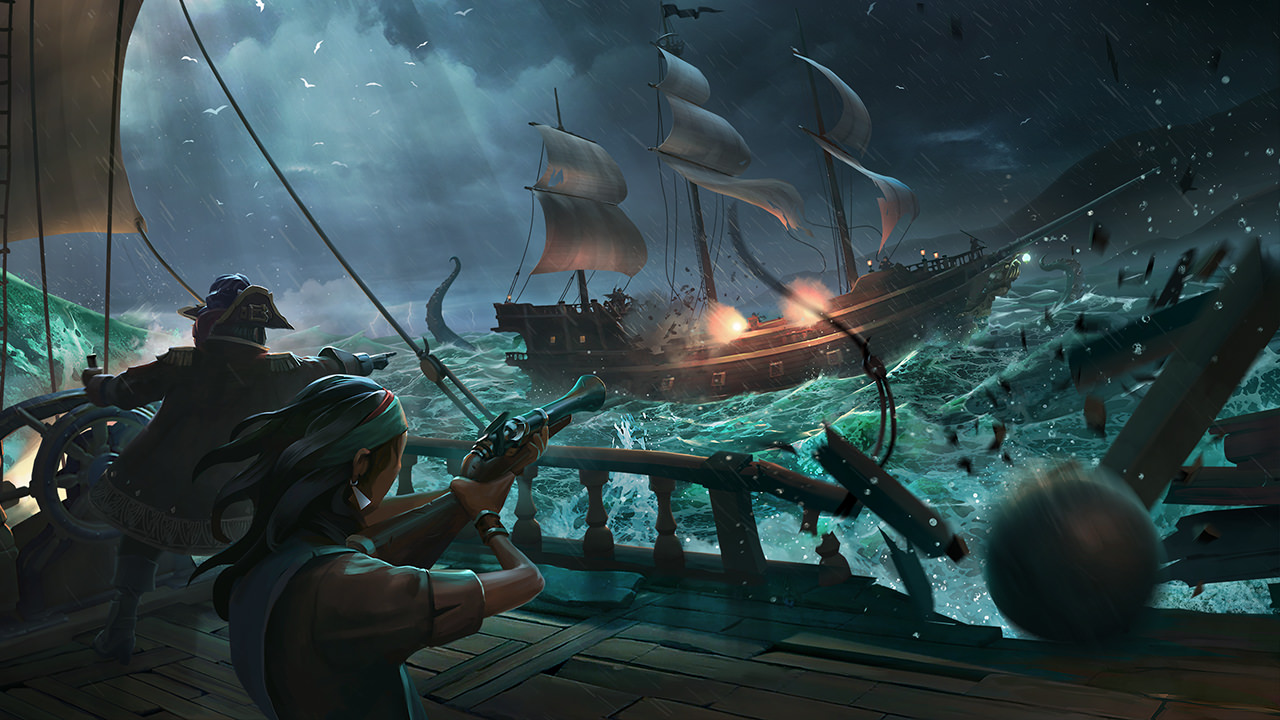
Yet combat outcomes are rarely simple. Positioning, awareness, ship control, and timing matter more than reflexes. A poorly timed cannon volley can doom an entire crew. A single boarded enemy can collapse defenses.
The game intentionally avoids mechanical complexity so that context becomes the deciding factor.
5. PvP as a Moral Choice
Unlike many multiplayer games, Sea of Thieves does not clearly define good or bad behavior. Attacking another crew is neither punished nor rewarded mechanically—it is simply allowed.
This ambiguity creates fascinating social tension. Every sail on the horizon represents uncertainty. Are they friendly? Are they baiting? Are they desperate?
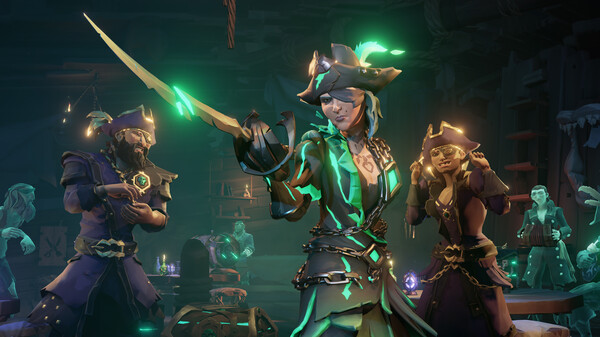
PvP encounters are not just mechanical—they are psychological. Decisions are driven by fear, greed, boredom, or curiosity. The game never tells you what kind of pirate to be—it watches what you choose.
6. Treasure, Risk, and the Illusion of Ownership
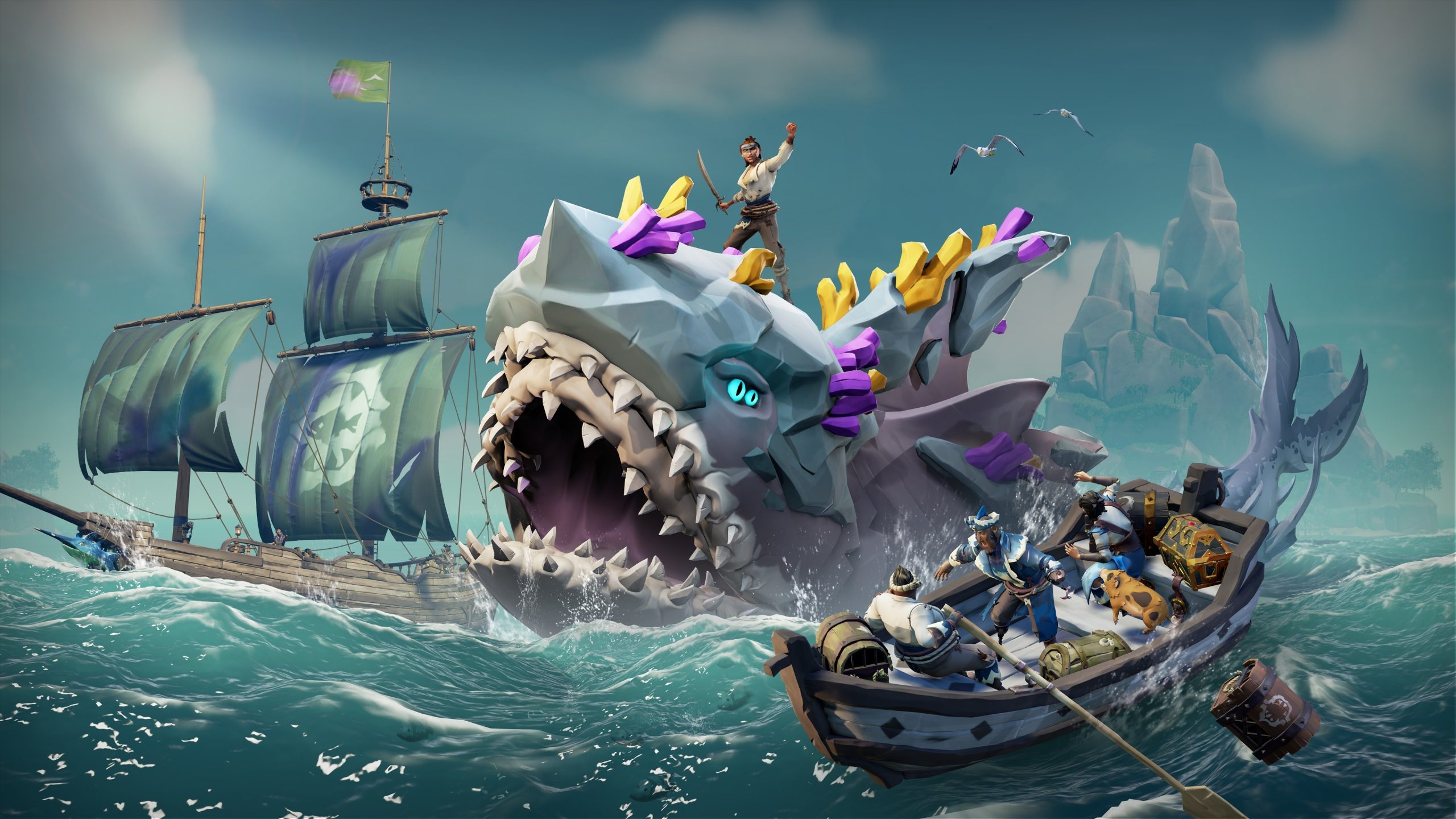
In Sea of Thieves, treasure has no value until it is sold. Carrying loot makes you visible, slow, and vulnerable. The longer you hold it, the greater the risk.
This creates a powerful emotional loop. Players grow attached to treasure not because it improves their stats, but because it represents time invested. Losing loot hurts precisely because it reflects lost effort, not lost power.
The game leverages human loss aversion masterfully, turning simple chests into sources of real tension.
7. Emergent Storytelling Over Scripted Narrative
Sea of Thieves contains lore, factions, and world events—but none of these define the experience. The real stories come from unscripted moments: alliances formed on the fly, double-crosses at outposts, last-second escapes through storms.
Players remember encounters, not quests. They remember names of ships, not mission objectives. This is storytelling without authorship—driven entirely by interaction.
Few games trust players this much to create their own meaning.
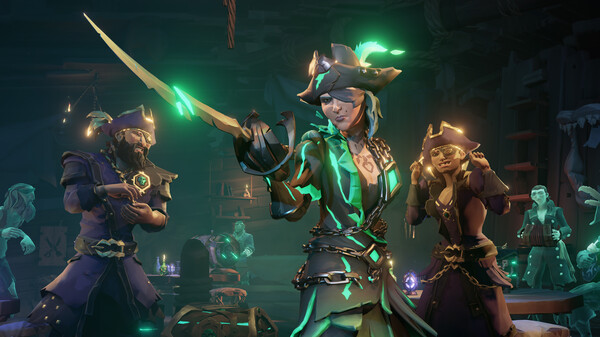
8. Social Dynamics: Trust Is a Resource
Voice chat, proximity communication, and shared spaces make social interaction unavoidable. Crews negotiate, deceive, cooperate, and betray in real time.
Trust becomes a resource as valuable as ammunition. Alliances are fragile. Promises are temporary. The game encourages players to read tone, behavior, and timing—not UI indicators.
This makes Sea of Thieves emotionally engaging in ways most games avoid. Interactions feel human, messy, and memorable.
9. Long-Term Engagement: Why Players Stay
What keeps players returning to Sea of Thieves is not content density, but possibility. Every session could become something unexpected. A quiet voyage might turn into a multi-crew war. A routine delivery might end in friendship.
The lack of vertical progression prevents burnout from chasing numbers. Instead, engagement comes from curiosity and social energy.
Players stay not because they must—but because no two sessions feel alike.
10. Limitations and Design Trade-Offs
The same design choices that make Sea of Thieves special also limit its appeal. Players seeking structure, clear goals, or guaranteed rewards may feel lost or frustrated.
Sessions can feel aimless without self-direction. PvP encounters can feel unfair emotionally, even if mechanically balanced. Solo players face a steep psychological challenge.
These are not flaws—they are consequences of the game’s philosophy.
Pros
-
Strong emergent gameplay driven by player interaction
-
No power-based progression, ensuring fair encounters
-
Deep cooperative mechanics centered on teamwork
-
Memorable social and emotional experiences
-
Unique sense of adventure and unpredictability
Cons
-
Can feel directionless for goal-oriented players
-
Solo play is significantly more challenging
-
PvP losses can feel emotionally punishing
-
Combat mechanics are intentionally simple
-
Enjoyment heavily depends on player mindset
Conclusion: A Game That Asks Who You Are
Sea of Thieves is not about conquest or completion. It is about choice, trust, and consequence. It gives players a beautiful world and simple tools—and then steps back.
For players who enjoy uncertainty, social tension, and self-driven adventure, Sea of Thieves offers something rare: a multiplayer space where stories are not written by developers, but lived by players.
It does not promise fairness.
It promises freedom.