
Delta Force – Large-Scale Tactics, Player Freedom, and the Origins of Modern Military Sandboxes
Introduction: Before Spectacle, There Was Space
Delta Force occupies a unique place in shooter history—not because it was flashy, cinematic, or mechanically complex, but because it trusted players with space. Released at a time when most shooters relied on corridors, scripted encounters, and artificial difficulty, Delta Force did something radical: it gave players enormous battlefields and asked them to think like soldiers rather than arcade heroes.
This is not a game remembered for tight gunplay or dramatic storytelling. It is remembered for approach. Delta Force treated combat as a problem-solving exercise, not a reflex test. It allowed patience, planning, and restraint to matter. This review explores Delta Force as a foundational design experiment—one that quietly shaped how modern tactical shooters think about scale, freedom, and player agency.
Quick Info (Overview Box)
Release Year: 1998
Genre: Tactical first-person shooter / Military simulation-lite
Platforms: PC, Mobile
Game Modes: Single-player campaigns, Multiplayer
Target Audience: Players who value tactical freedom, long-range engagement, and methodical combat over fast-paced action

1. Core Design Philosophy: Give the Player Distance
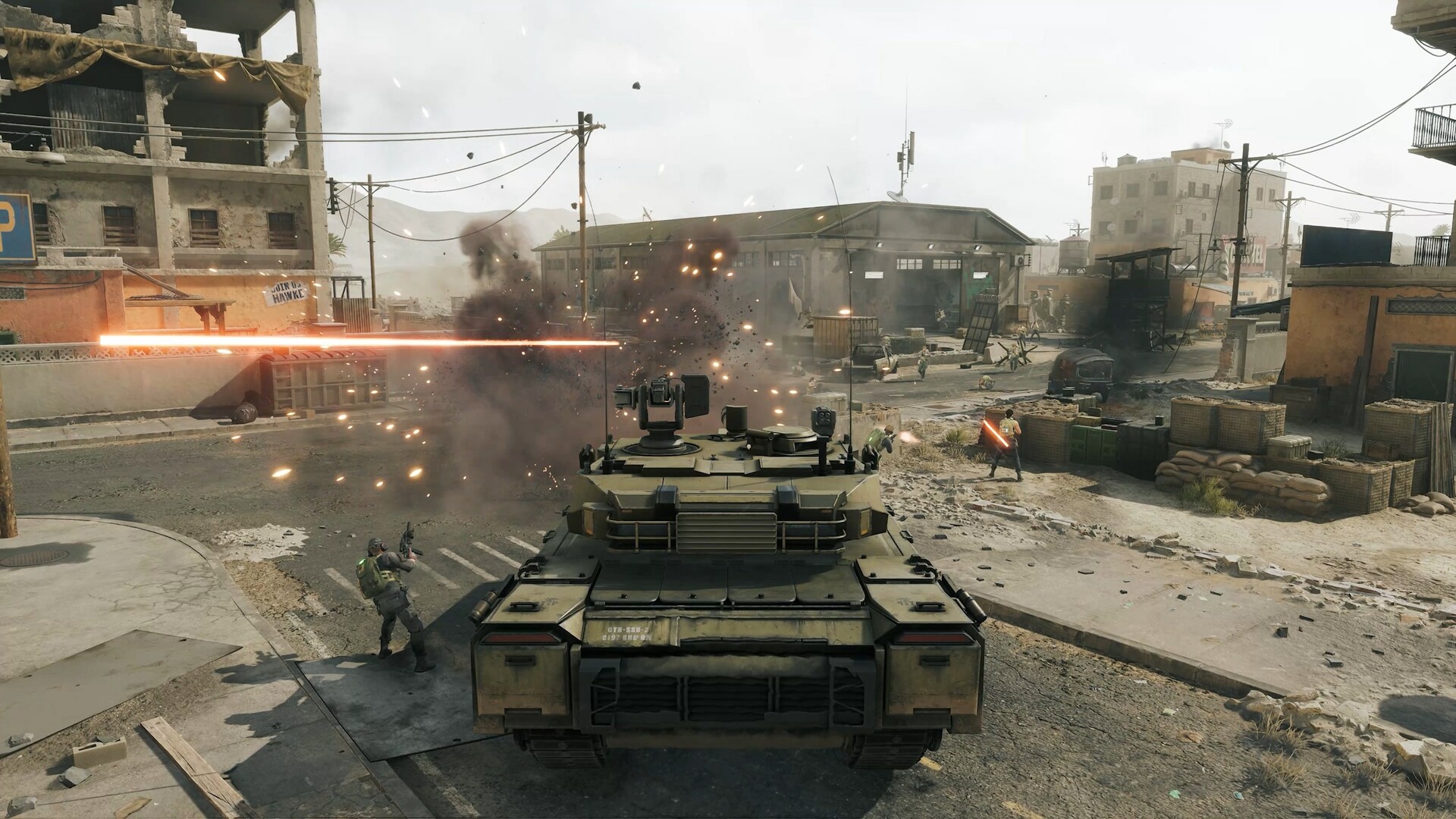
The defining design choice of Delta Force is its emphasis on distance. Engagements often happen hundreds of meters apart. Enemies are not always visible. Gunfights are rarely immediate.
This fundamentally changes player behavior. Instead of reacting to threats, players anticipate them. You scout, observe, reposition, and only then engage. The game encourages a mindset closer to reconnaissance than run-and-gun.
In doing so, Delta Force rejects the idea that tension requires constant action. Instead, it proves that tension can come from silence, uncertainty, and waiting.
2. The Terrain Engine: Technology Serving Design
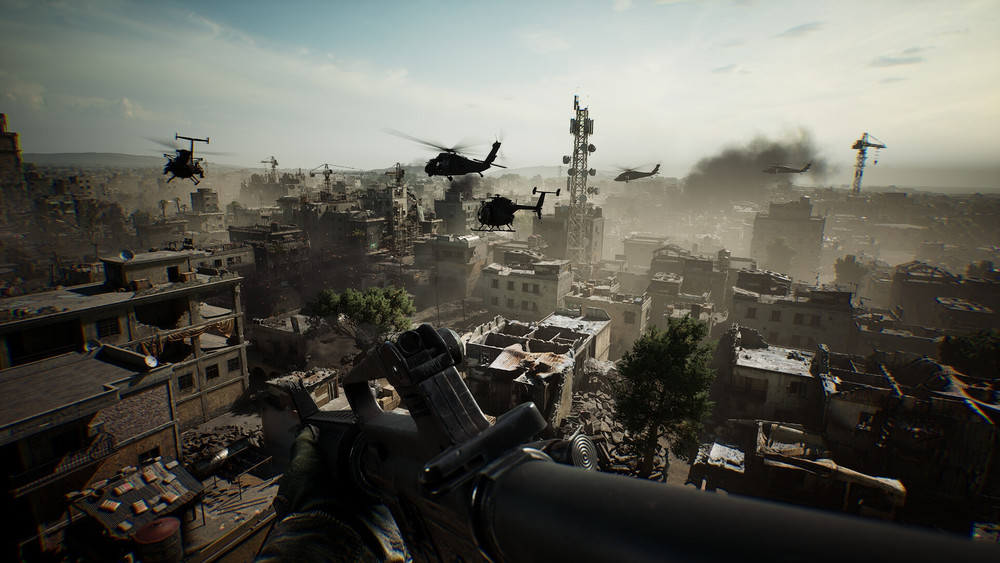
Delta Force’s use of voxel-based terrain was revolutionary for its time. While characters and objects were polygonal, terrain could stretch far into the distance without the performance costs that limited other games.
This technology mattered because it enabled design freedom. Large hills, valleys, open deserts, and forests were not decorative—they were playable. Elevation mattered. Sightlines mattered. Terrain was not a backdrop; it was a tactical variable.
More importantly, the terrain supported choice. Players could approach objectives from multiple angles, at multiple distances, with multiple strategies.
3. Combat as Observation, Not Reflex
Gunplay in Delta Force is deliberately restrained. Weapons feel lethal, but not forgiving. There is no aim assist, no hit markers, no feedback-heavy UI.
This forces players to rely on visual confirmation and situational awareness. You do not know if you hit an enemy unless you see the result. There is no artificial reassurance.
As a result, combat feels slower and more deliberate. Shots matter. Misses matter more. Every engagement carries risk, not because enemies are overwhelming, but because information is incomplete.
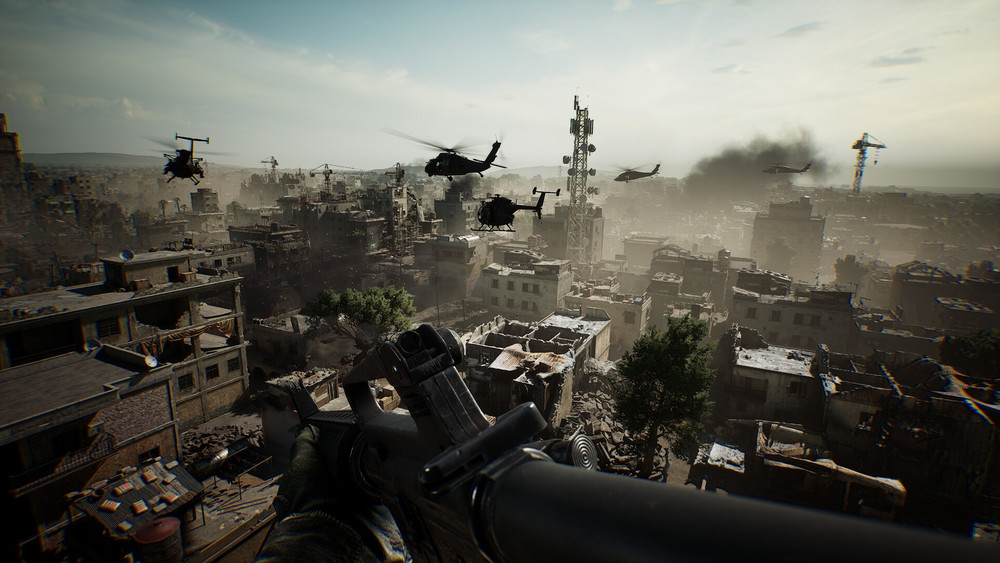
4. Player Agency Through Non-Linearity
One of Delta Force’s most influential ideas is non-linear mission design. Objectives are clear, but routes are not. The game rarely tells you how to complete a mission—only what needs to be done.
This grants players agency rarely seen at the time. You can snipe from afar, infiltrate quietly, or engage directly. None of these approaches are explicitly favored by the game.
This openness transforms missions into personal stories. Success feels authored by the player, not prescribed by the designer.
5. Difficulty Without Artificial Pressure
Delta Force does not rely on enemy spam, bullet sponge health, or forced encounters to create difficulty. Instead, it uses exposure and vulnerability.
Enemies can kill you quickly. You are often alone. Backup is distant or nonexistent. Mistakes compound quietly rather than explosively.
This creates a calm but unforgiving difficulty curve. Players are not overwhelmed—they are outmatched if careless. The game respects intelligence more than reaction speed.
6. Sound Design and Environmental Awareness
Audio in Delta Force is subtle but functional. Gunfire echoes across distances. Movement sounds are minimal but informative.
Because visibility is often limited by terrain rather than walls, sound becomes an early warning system. Distant shots signal enemy presence long before visual contact.
This reinforces a realistic flow of information. You are not reacting to UI alerts—you are interpreting the environment.
7. Multiplayer: Freedom at Scale
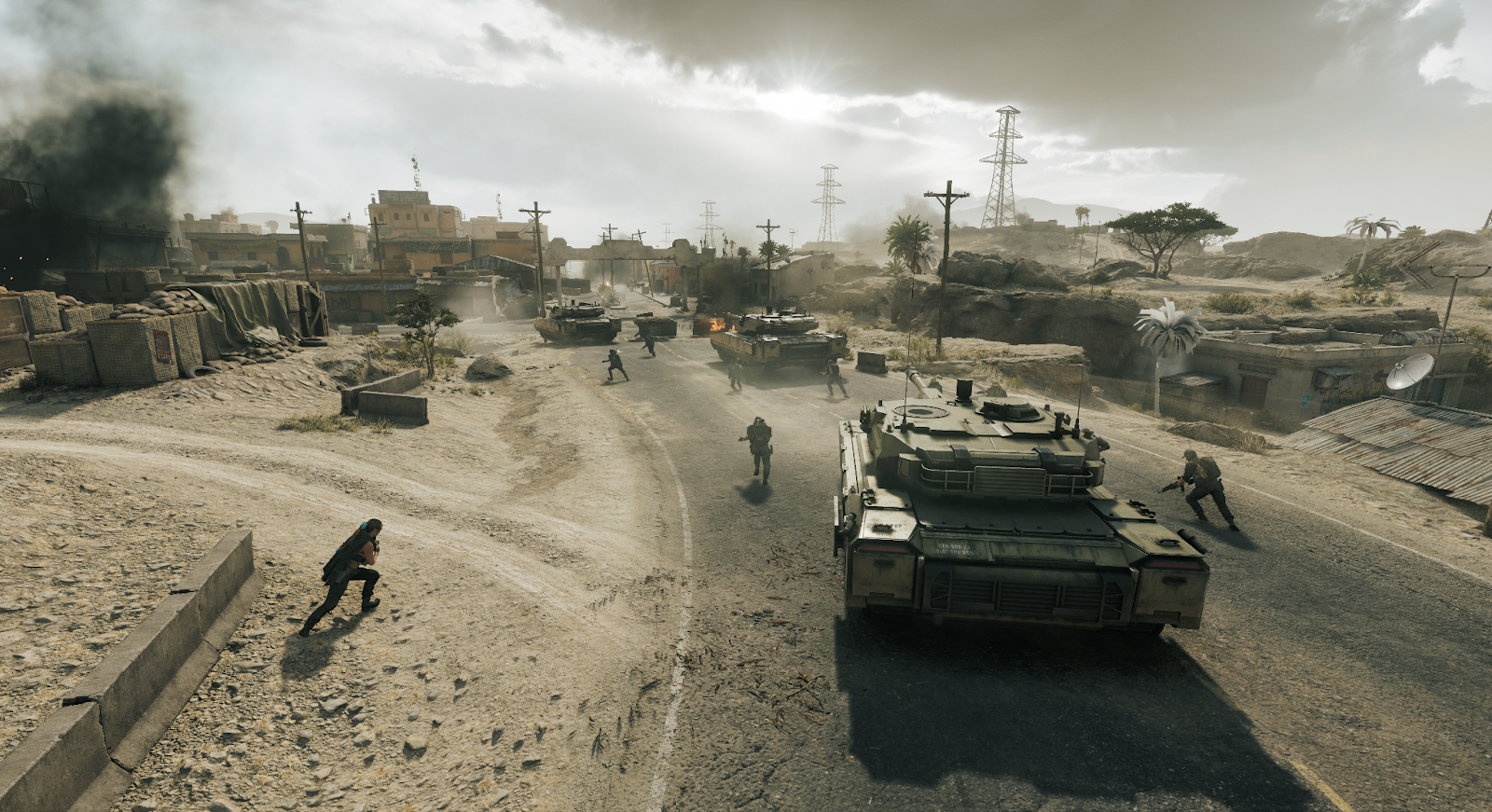
Multiplayer in Delta Force embraced the same openness as its single-player design. Large maps allowed players to choose roles organically—sniper, scout, attacker, or support—without formal class systems.
This created emergent team dynamics. Players naturally occupied positions based on terrain and weapon choice rather than predefined roles.
The absence of rigid structure made matches unpredictable and often chaotic, but also deeply personal. Multiplayer felt less like a sport and more like a simulation of contested space.

8. Player Psychology: Patience as a Skill
Delta Force rewards a psychological trait that many shooters actively discourage: patience. Rushing is rarely effective. Hesitation, however, is not punished.
Players learn to slow down, observe patterns, and plan movements. Victory comes from avoiding mistakes rather than forcing outcomes.
This shapes a very specific player mindset. Delta Force does not energize—it focuses. It trains players to value restraint over aggression.
9. Limitations and Aging Design
Viewed today, Delta Force shows its age. Animations are stiff. Gunplay lacks modern responsiveness. AI behavior can feel simplistic.
However, these limitations do not undermine its core ideas. In fact, they highlight how much modern games compensate for player error through feedback systems and automation.
Delta Force offers no such safety nets. What it lacks in polish, it replaces with clarity of intent.
10. Legacy: The Quiet Blueprint
Delta Force rarely receives the same recognition as other genre pioneers, but its influence is undeniable. Large-scale tactical shooters, open-map military games, and even modern extraction shooters borrow from its philosophy.
The idea that shooters can be about space, planning, and patience traces directly back to Delta Force. It demonstrated that immersion does not require realism—only freedom.
In many ways, Delta Force predicted the future before the technology fully caught up.
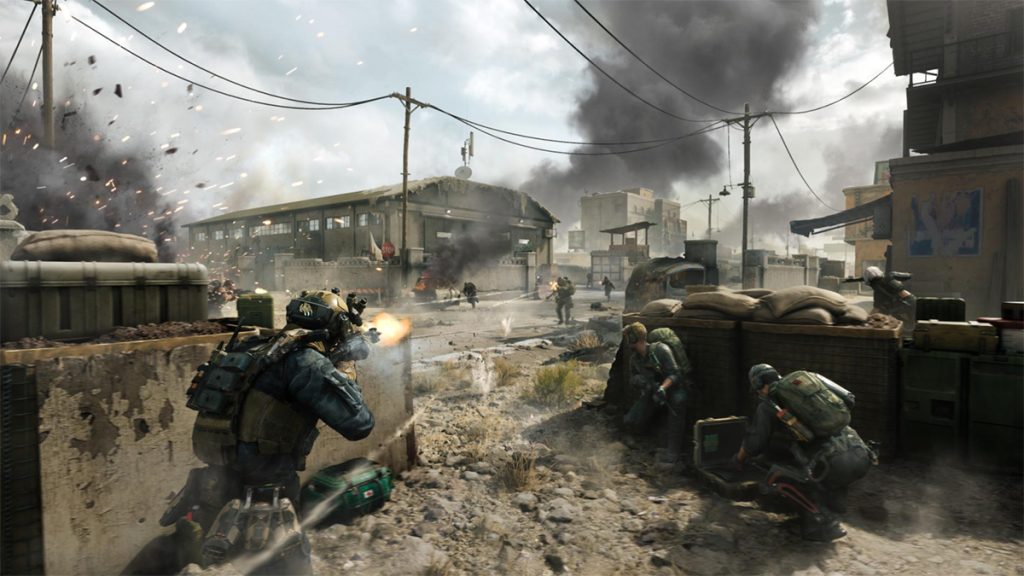
Pros
Large, open maps that encourage multiple approaches
Strong emphasis on planning and observation
Non-linear mission design enhances player agency
Terrain plays a meaningful tactical role
Calm, focused pacing unlike arcade shooters
Cons
Dated visuals and animations
Gunplay lacks modern feedback and responsiveness
AI behavior can feel limited
Minimal narrative or character development
Not suitable for fast-paced or casual playstyles
Conclusion: A Game That Trusted the Player
Delta Force is not remembered because it was loud or flashy. It is remembered because it was confident. Confident enough to step back, remove constraints, and let players think.
It treated combat as a decision-making space rather than a reflex challenge. It assumed players were capable of patience, curiosity, and restraint.
For players who value tactical freedom, long-range engagement, and the satisfaction of solving problems without hand-holding, Delta Force remains a landmark—quiet, influential, and still relevant in spirit.
It did not try to impress you.
It trusted you.