

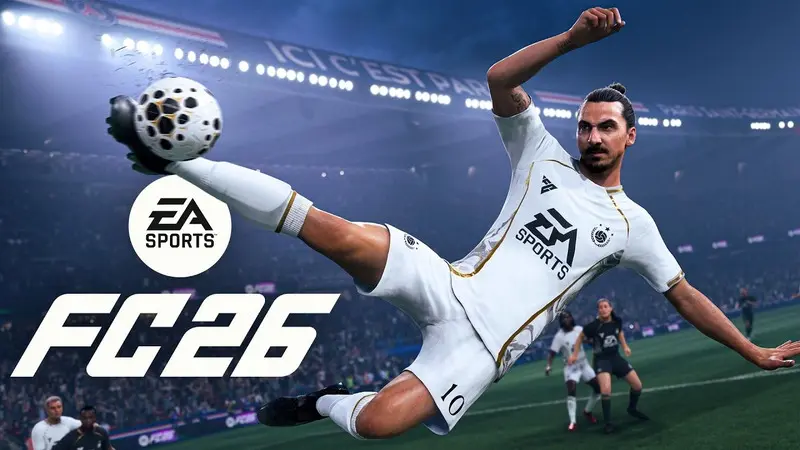
EA SPORTS FC™ 26 – Systems Football, Player Agency, and the Quiet War Between Simulation and Spectacle
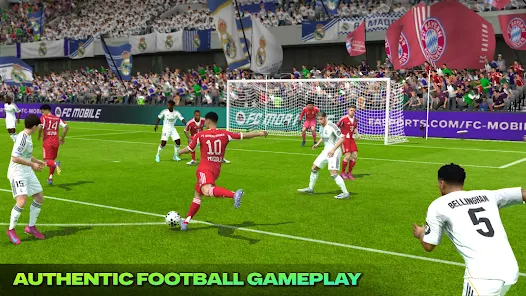

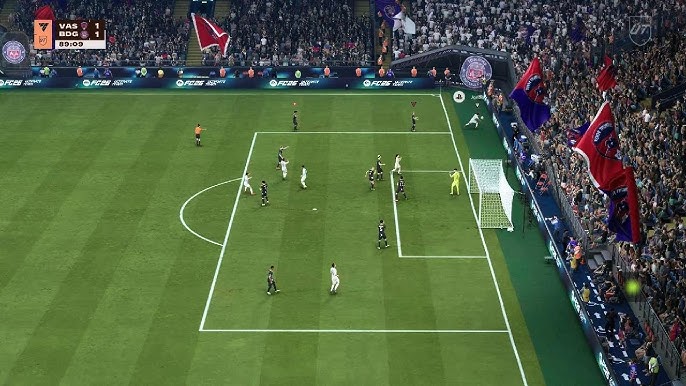
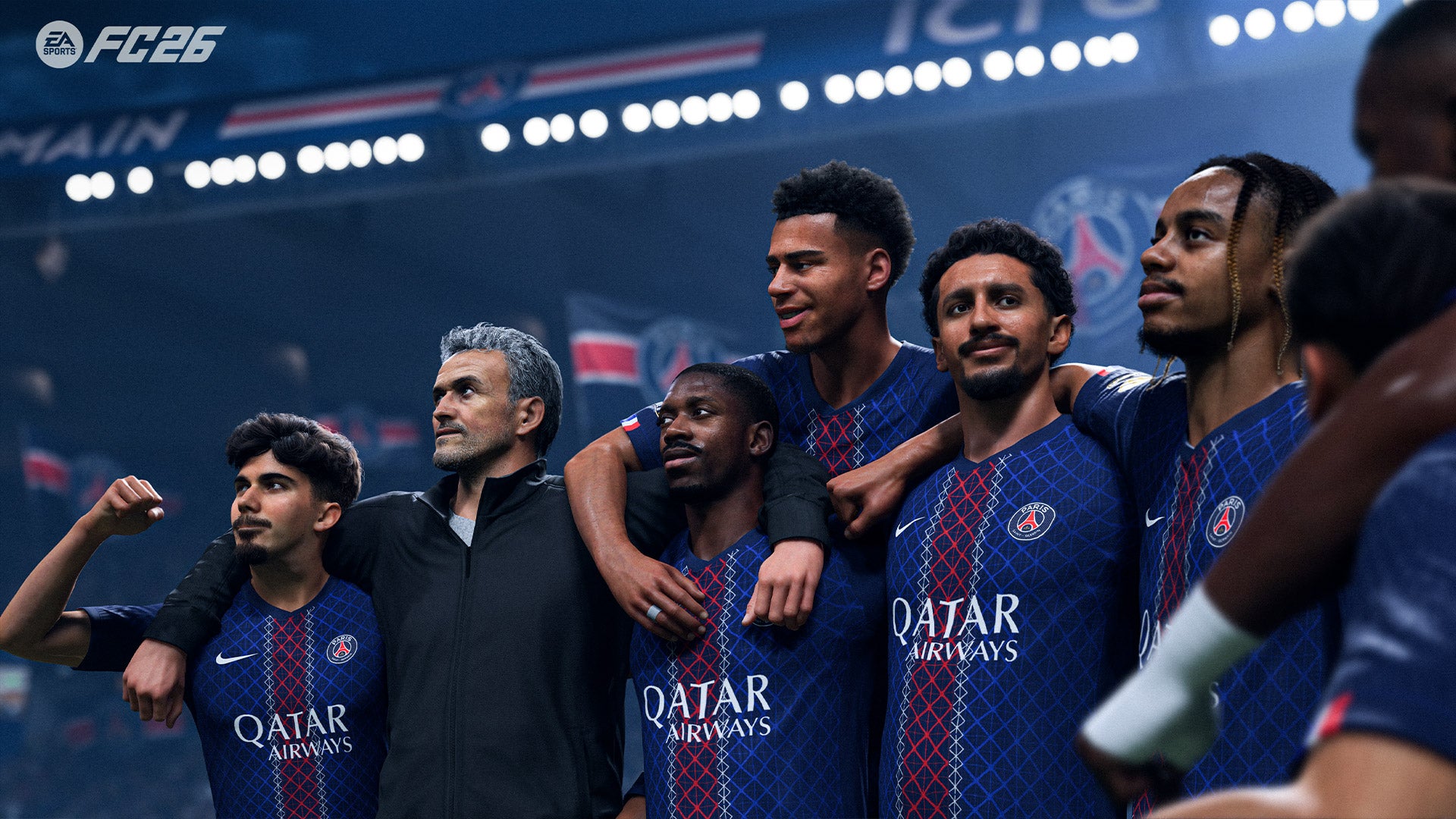
Introduction: After FIFA, Identity Becomes the Game
EA SPORTS FC™ 26 is no longer burdened by the FIFA name, but it is still burdened by something heavier: expectation. By this point, EA SPORTS FC is not trying to convince players that it can replace FIFA—it already has. The real challenge for FC 26 is subtler and more difficult. It must decide what kind of football game it wants to be.
This is not a revolution-driven release. EA SPORTS FC™ 26 is about system tuning, behavioral adjustment, and long-term ecosystem control. It exists at the intersection of realism, accessibility, esports viability, and live-service retention. This review examines FC 26 not as a checklist of features, but as a football simulation system—one that constantly negotiates between player freedom and developer control.
Quick Info (Overview Box)
Release Year: 2025
Genre: Sports / Football simulation
Platforms: PC, PlayStation, Xbox
Game Modes: Ultimate Team, Career Mode, Clubs, Kick-Off, Online Seasons
Target Audience: Football fans, competitive players, career-mode enthusiasts, online-focused live-service audiences
1. Core Design Philosophy: Football as a System, Not a Script
At its heart, EA SPORTS FC™ 26 treats football less as a sequence of scripted moments and more as a dynamic system of probabilities. Every pass, interception, deflection, and rebound exists within a simulation framework that balances player input, animation logic, and contextual modifiers.
This design philosophy creates a specific emotional experience. Success rarely feels absolute. Failure rarely feels entirely random. Instead, outcomes feel negotiated—the result of positioning, timing, player attributes, and decision-making layered together.
This also explains why FC 26 can feel deeply rewarding one match and frustrating the next. The game is not promising control—it is promising influence.
2. Match Pacing: Slower Football, Heavier Decisions
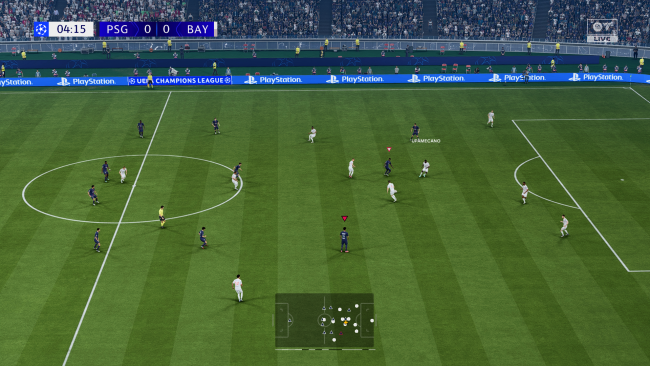
One of the most noticeable shifts in EA SPORTS FC™ 26 is pacing. Matches feel heavier. Build-up play is slower. Defensive recovery is more deliberate.
This change alters player behavior dramatically. Spamming through balls is riskier. Overcommitting defenders is punished. Maintaining shape matters more than mechanical flair.
The game encourages patience—not through tutorials, but through consequence. Players who rush feel exposed. Players who recycle possession gain control. FC 26 quietly nudges users toward footballing logic rather than arcade instinct.
3. Ball Physics and Passing: Uncertainty as Realism
Passing in EA SPORTS FC™ 26 emphasizes contextual imperfection. Even simple passes are influenced by body orientation, pressure, and momentum.
This introduces uncertainty. The ball does not always go exactly where intended. Slight deflections, imperfect touches, and loose balls are common. This can feel frustrating—but it also creates realism.
Football, after all, is not deterministic. FC 26 leans into this truth, forcing players to anticipate second balls rather than assume clean execution.
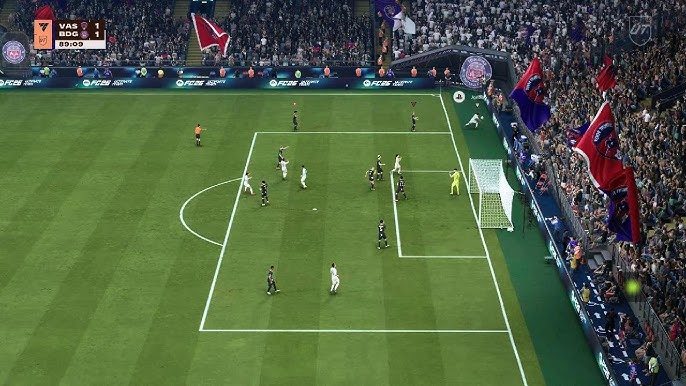
4. Defensive Systems: Reading the Game, Not Chasing It
Defending in EA SPORTS FC™ 26 rewards anticipation over reaction. Manual jockeying, positional discipline, and patience outperform aggressive tackling.
The game actively punishes reckless pressure. Overusing sprint pulls defenders out of shape. Missed tackles create cascading vulnerabilities. Defensive success comes from denying space, not hunting the ball.
This shifts the skill ceiling. High-level defenders are not flashy—they are invisible. They prevent danger before it materializes, which mirrors real-world defensive mastery.
5. Attacking Play: Creativity Within Constraint
Attacking in FC 26 is less about exploiting mechanics and more about creating conditions. One-on-one dribbling exists, but it is situational. Skill moves require timing and spacing.
Goals often emerge from layered decisions: drawing defenders, switching play, exploiting half-spaces. The game discourages repetition and rewards variation.
This makes attacking play intellectually engaging. You are not executing combos—you are solving problems posed by the opposition’s shape.
6. Career Mode: Structure, Stability, and Role-Playing
Career Mode in EA SPORTS FC™ 26 emphasizes structure. Squad roles, player morale, tactical identity, and long-term planning matter more than isolated match results.
The mode encourages role-playing over domination. You are not just winning matches—you are managing expectations, development arcs, and institutional stability.
While Career Mode still lacks narrative depth compared to story-driven games, it excels at simulation immersion. The satisfaction comes from stewardship rather than spectacle.
7. Ultimate Team: The Economy of Desire
Ultimate Team remains the gravitational center of EA SPORTS FC™ 26. It is less a game mode and more an economy-driven ecosystem.
Player cards represent aspiration, status, and optimization. Squad building becomes a form of expression—balancing chemistry, meta relevance, and personal attachment.
However, this system is also where tension peaks. Progression is heavily time- and resource-dependent. The line between engagement and compulsion remains thin.
FC 26 refines Ultimate Team mechanically, but its psychological architecture remains unchanged: desire fuels retention.

8. Online Play and Competitive Balance
Online matches in EA SPORTS FC™ 26 are shaped by network conditions, player psychology, and meta evolution. The simulation behaves differently under competitive stress.
High-level play emphasizes risk management. Players minimize uncertainty, favoring safe patterns. Creativity exists—but only when controlled.
This creates a paradox. The game offers depth, but competitive environments often compress it. FC 26 supports expression, but players frequently self-limit in pursuit of efficiency.
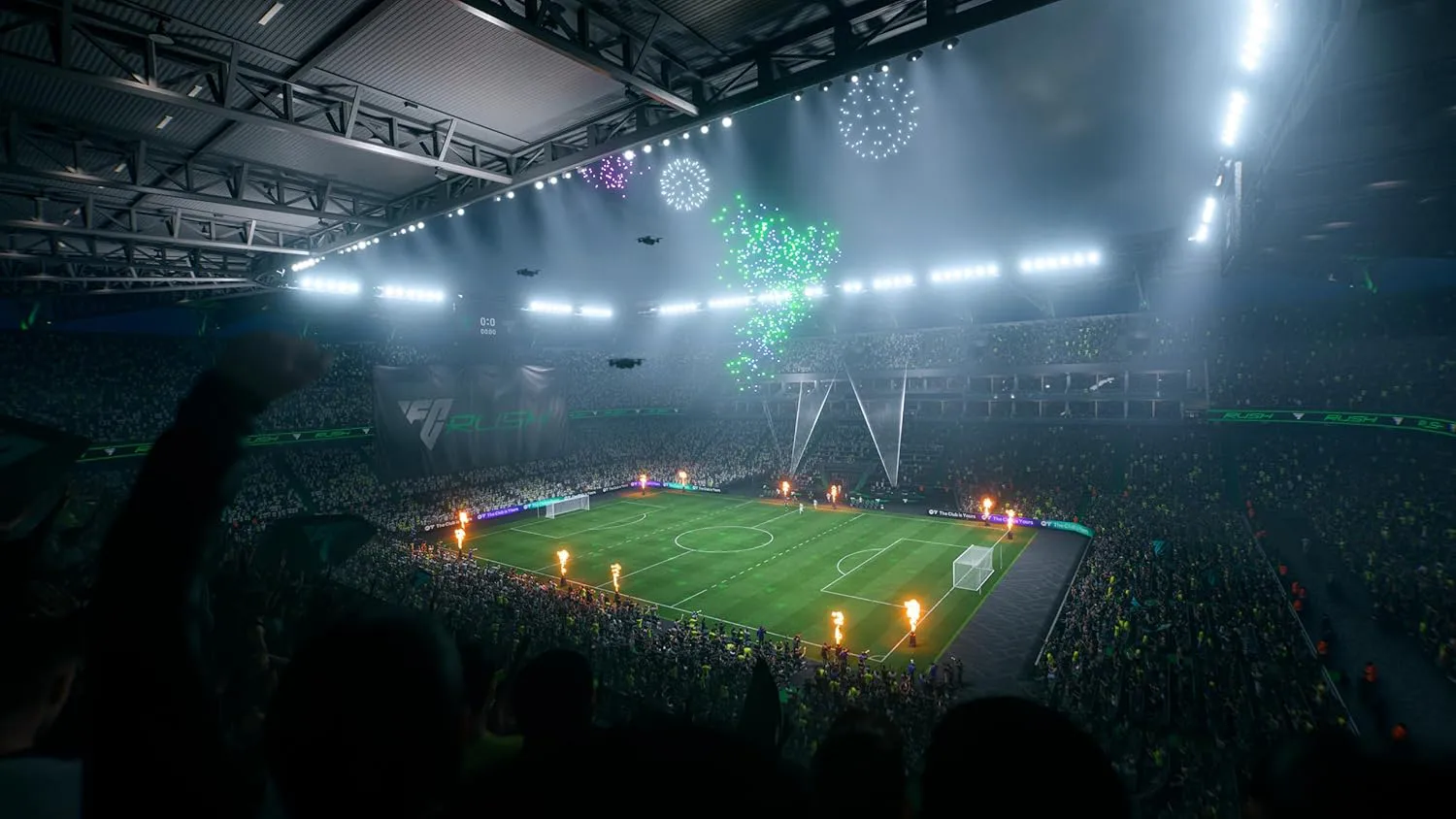
9. Animation Systems and Visual Language
FC 26’s animation system continues to prioritize fluidity and contextual blending. Transitions feel natural. Physical contact is weighted and believable.
Importantly, animations communicate information. Body posture signals intent. Player balance hints at vulnerability. Visual cues replace UI indicators.
This strengthens immersion—but also introduces occasional frustration when animations override input. The game’s realism sometimes competes with player expectation.
10. Identity Crisis or Mature Stability?
The central question surrounding EA SPORTS FC™ 26 is not whether it is good—it is what it is optimizing for. Is it a simulation? A competitive platform? A live-service economy?
The answer is: all of them, simultaneously. And that creates tension. Improvements in realism can conflict with accessibility. Competitive balance can conflict with football authenticity.
FC 26 does not resolve these conflicts. It manages them. It is a game of compromises, refined over years rather than reinvented annually.
Pros
Slower, more thoughtful match pacing
Defensive systems reward intelligence and discipline
Ball physics enhance realism and unpredictability
Career Mode supports long-term immersion
Strong animation fidelity and presentation
Cons
Occasional loss of player control due to animation priority
Ultimate Team economy remains psychologically aggressive
Competitive meta can limit creative expression
Learning curve may frustrate casual players
Incremental evolution may feel conservative
Conclusion: Football as Negotiation
EA SPORTS FC™ 26 is not about dominance. It is about negotiation—between player intent and simulation logic, between realism and fun, between creativity and efficiency.
For players who enjoy reading the game, managing risk, and thinking several passes ahead, FC 26 offers one of the most intellectually engaging football simulations available. For those seeking instant gratification or mechanical exploitation, it may feel restrictive.
EA SPORTS FC™ 26 does not ask you to play football perfectly.
It asks you to understand it.