

Teardown – Destruction as Design, Player Ingenuity, and the Pleasure of Breaking the Rules

Introduction: When the World Is the Tool
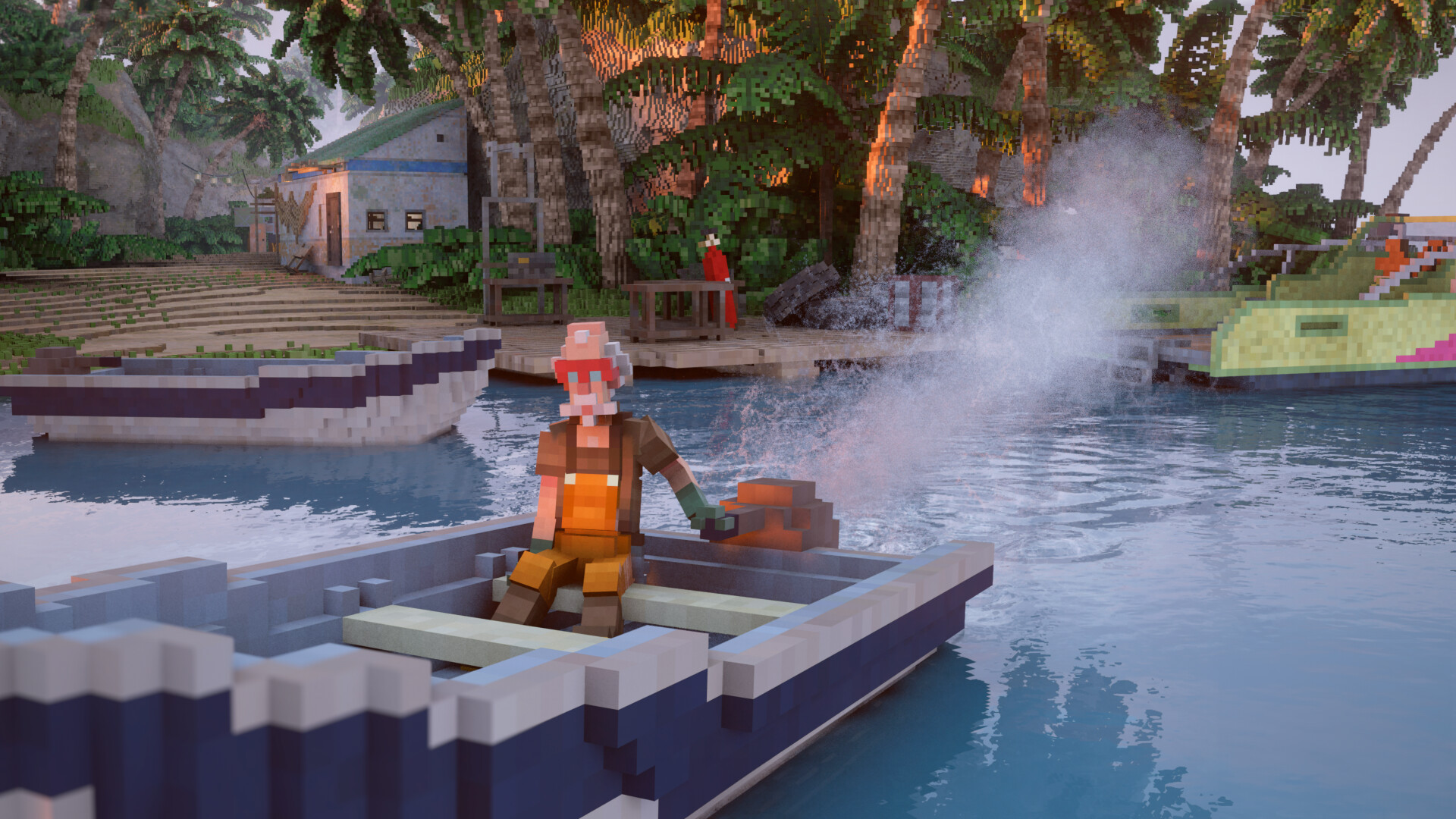
Teardown is often introduced as a destruction game, but that description barely scratches its surface. While its fully destructible voxel environments are the immediate hook, Teardown’s true achievement lies in how it transforms destruction into problem-solving. This is not a game about chaos for its own sake—it is a game about planning, experimentation, and creative execution under pressure.
Teardown does not ask players to follow scripted paths or solve predefined puzzles. Instead, it presents objectives inside rigid constraints—time limits, alarms, limited tools—and then gives players a world that can be reshaped at will. The result is a rare kind of sandbox where intelligence, preparation, and curiosity matter more than reflexes. This review explores Teardown as a design-driven experience, focusing on systems, player psychology, and why destruction feels meaningful rather than gratuitous.
Quick Info (Overview Box)
Release Year: 2022
Genre: Sandbox / Heist / Physics-based puzzle
Platforms: PC, PlayStation, Xbox
Game Modes: Single-player campaign, Sandbox, Modded content
Target Audience: Players who enjoy creative problem-solving, physics experimentation, and open-ended systems
1. Core Design Philosophy: Freedom With Consequences
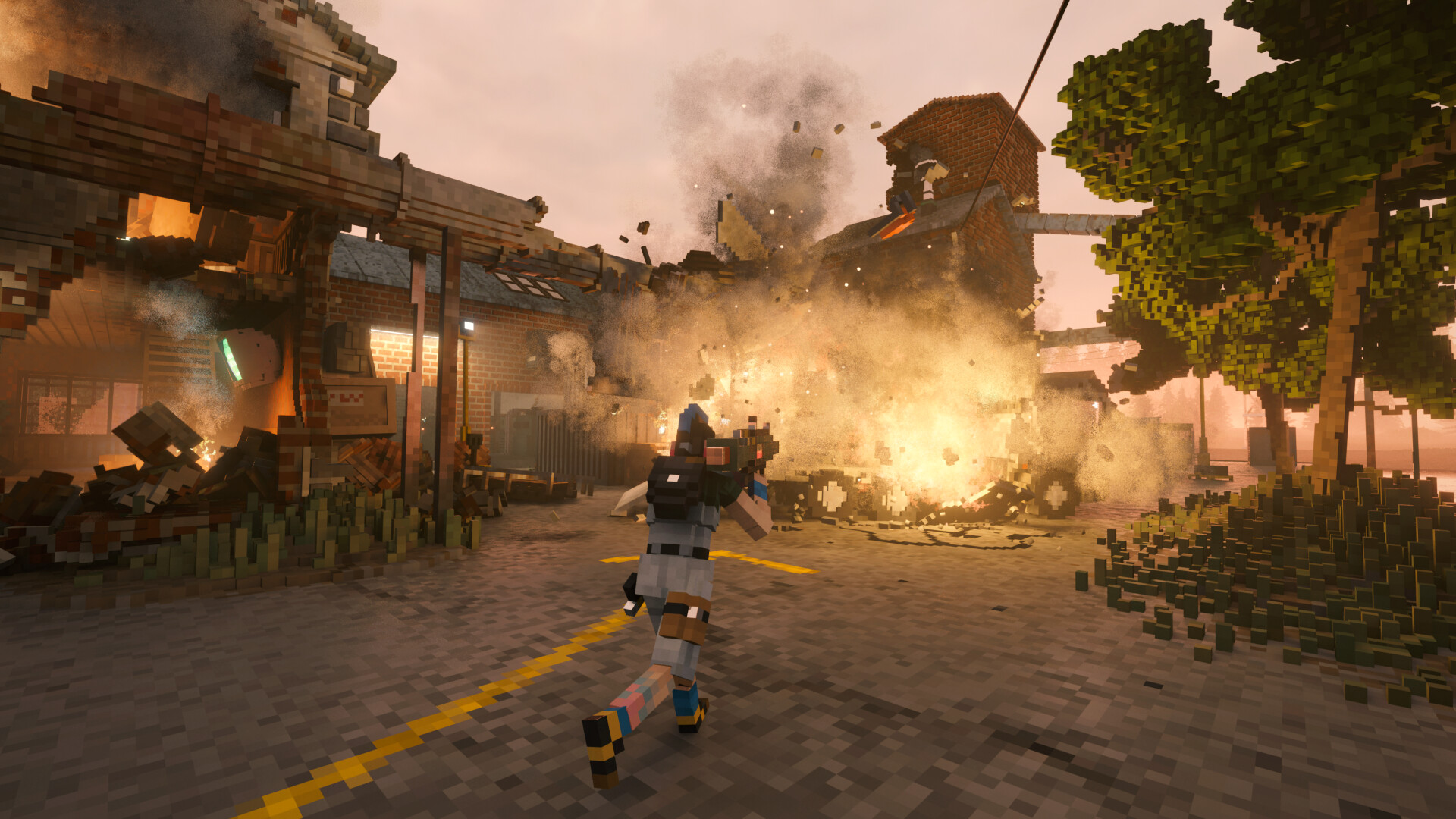
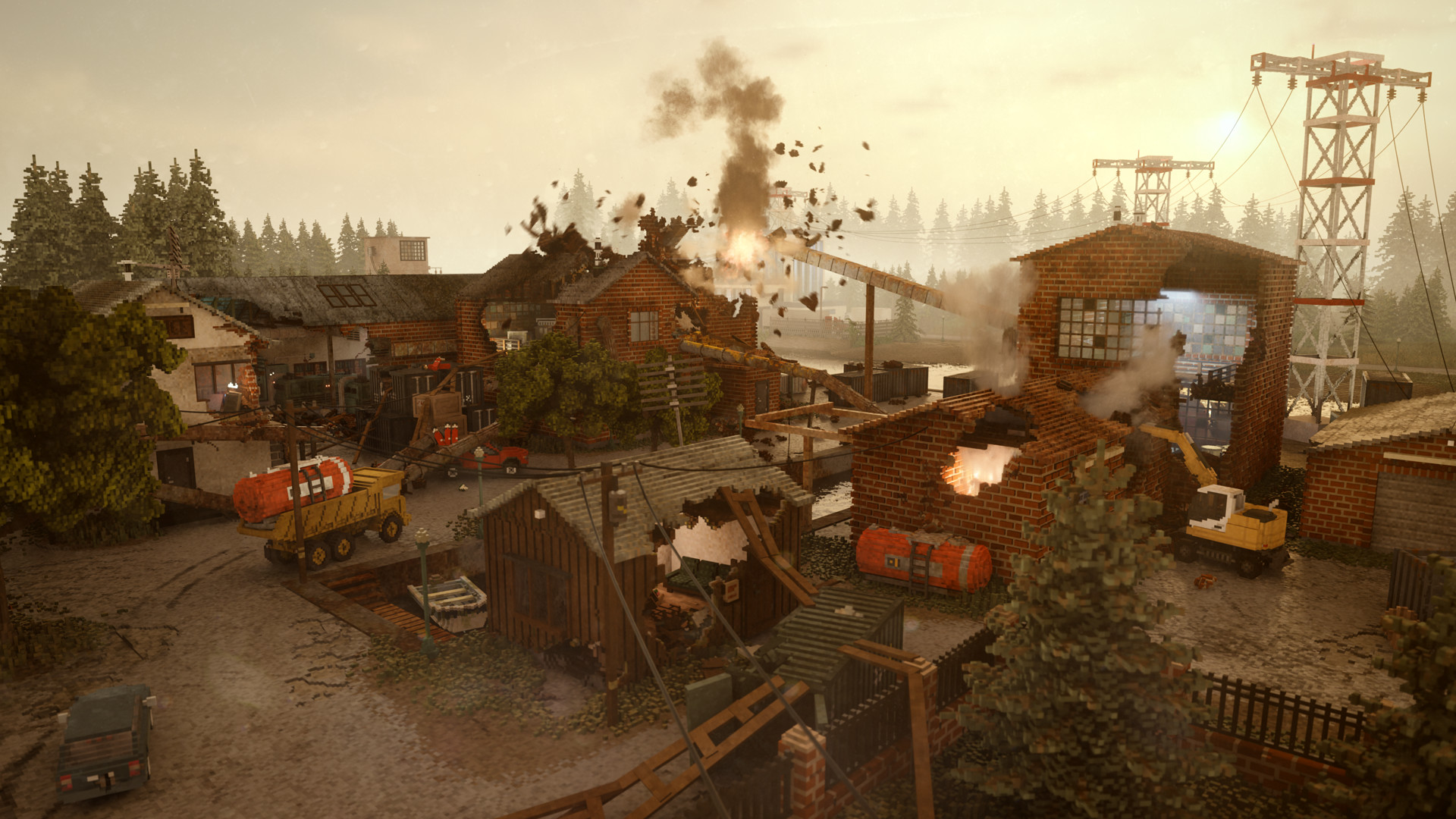
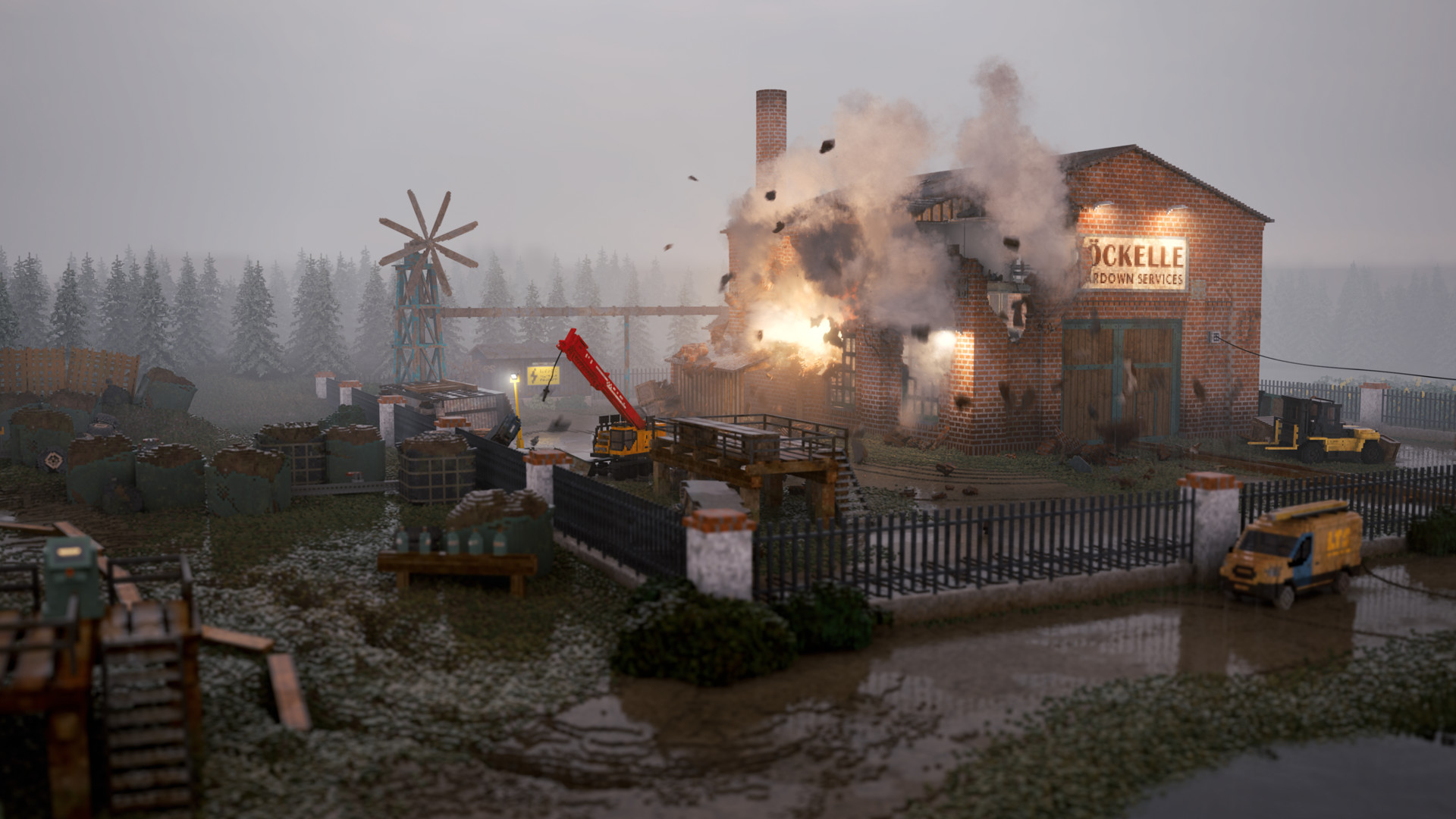
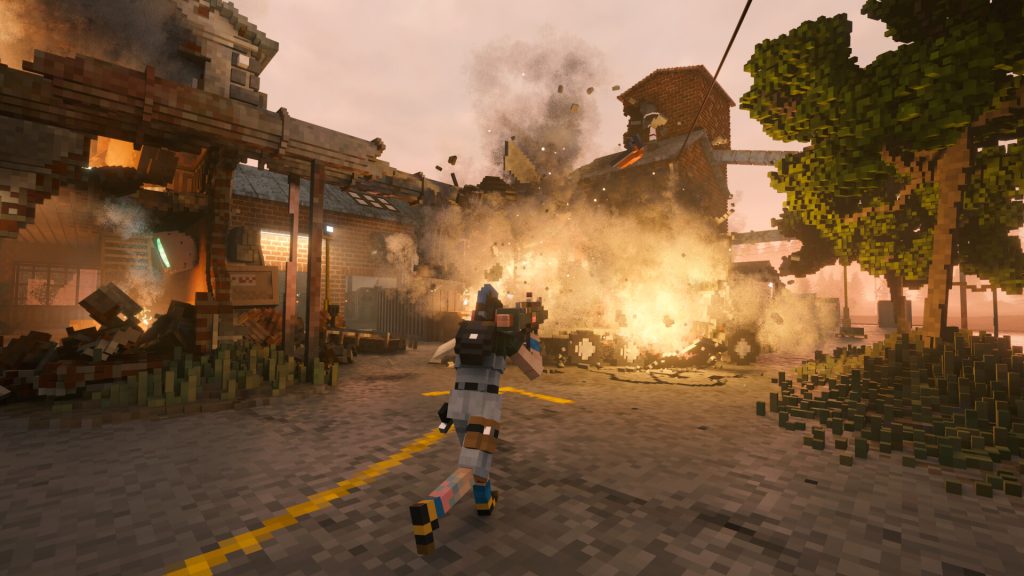
The defining idea behind Teardown is simple but powerful: you can destroy anything—but not without cost. Walls crumble, buildings collapse, and objects shatter realistically, but every action leaves a mark that persists.
This persistence is critical. Destruction is not cosmetic. Breaking a wall creates a new route—but also removes cover. Explosions open shortcuts—but attract attention. The world remembers what you’ve done.
By refusing to reset or “heal” the environment, Teardown makes player choices meaningful. Every act of destruction is both opportunity and liability.
2. Voxel Destruction: More Than a Technical Gimmick
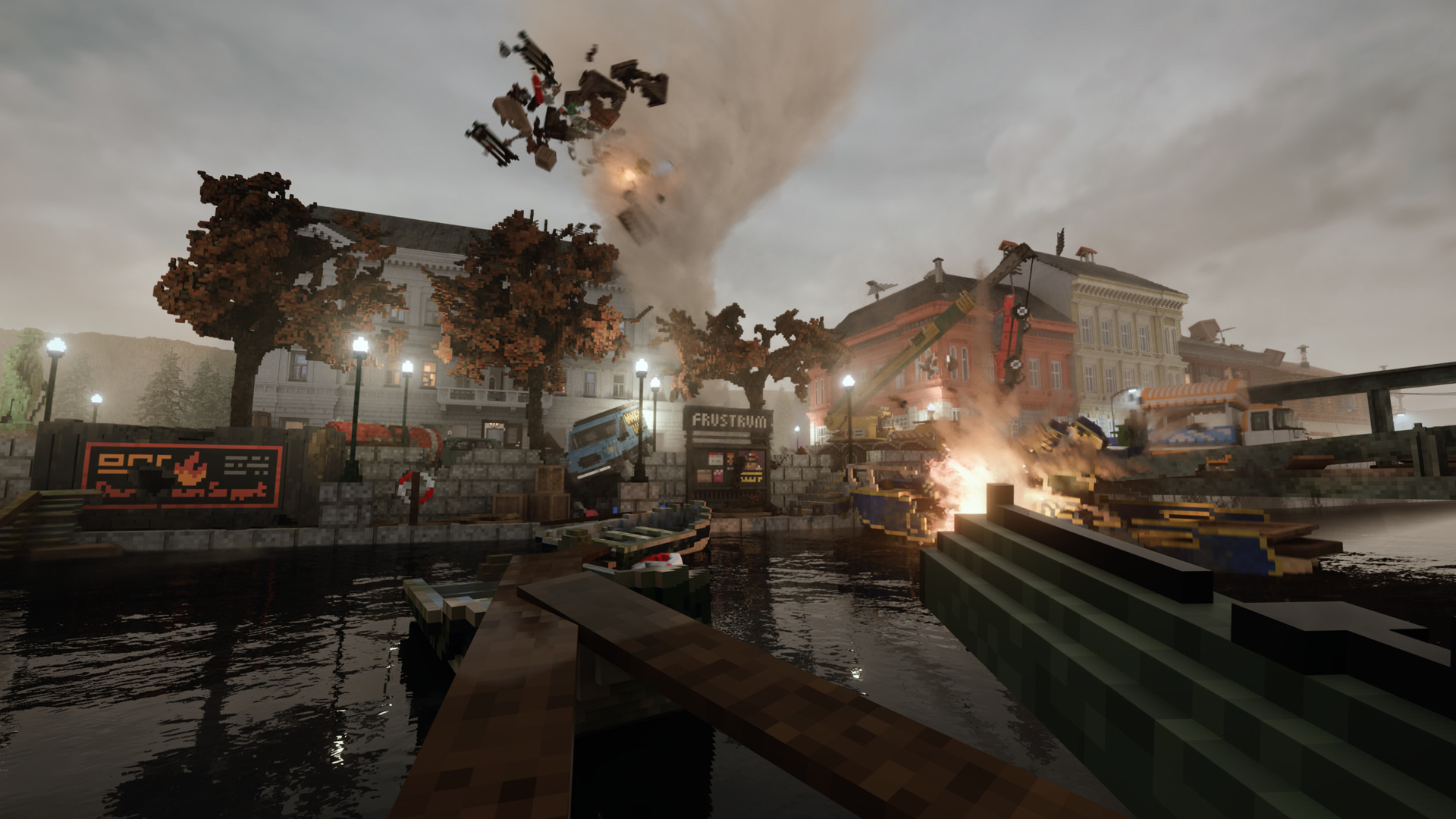
Teardown’s voxel-based world allows every object to be broken into physical fragments. Unlike scripted destruction in many games, this system is universal and consistent.
What makes this special is not just visual spectacle, but predictability. Once players understand how materials behave—wood splintering, metal resisting, concrete collapsing—they can plan accordingly.
The destruction system becomes a language. Players learn how to “speak” to the world by applying force in intelligent ways rather than relying on brute strength.
3. Heist Structure: Planning Before Action
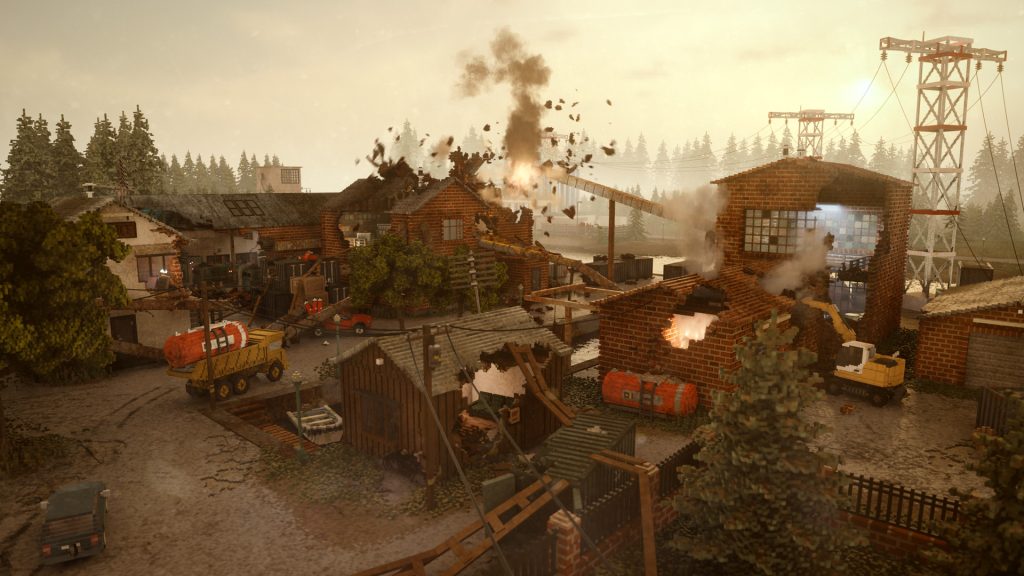
Most missions in Teardown are structured around a two-phase loop: preparation and execution. During preparation, players can explore freely without triggering alarms. During execution, time pressure transforms the environment into a race.
This structure flips traditional action design. The most important decisions happen before the action starts. Players scout routes, create shortcuts, stage vehicles, and pre-break obstacles.
Success feels earned not through speed, but through foresight. When a plan works, it feels brilliant. When it fails, the blame is internal—and motivating.
4. Time Pressure as a Psychological Tool
Time limits in Teardown are not merely mechanical constraints—they are psychological catalysts. Once the alarm is triggered, every second feels expensive.
This pressure amplifies tension without increasing enemy difficulty. The world doesn’t become harder; your margin for error disappears. Panic becomes the enemy.
Importantly, the game allows failure without punishment beyond learning. Restarting a mission is quick, encouraging iteration rather than frustration.
5. Tools as Extensions of Thought
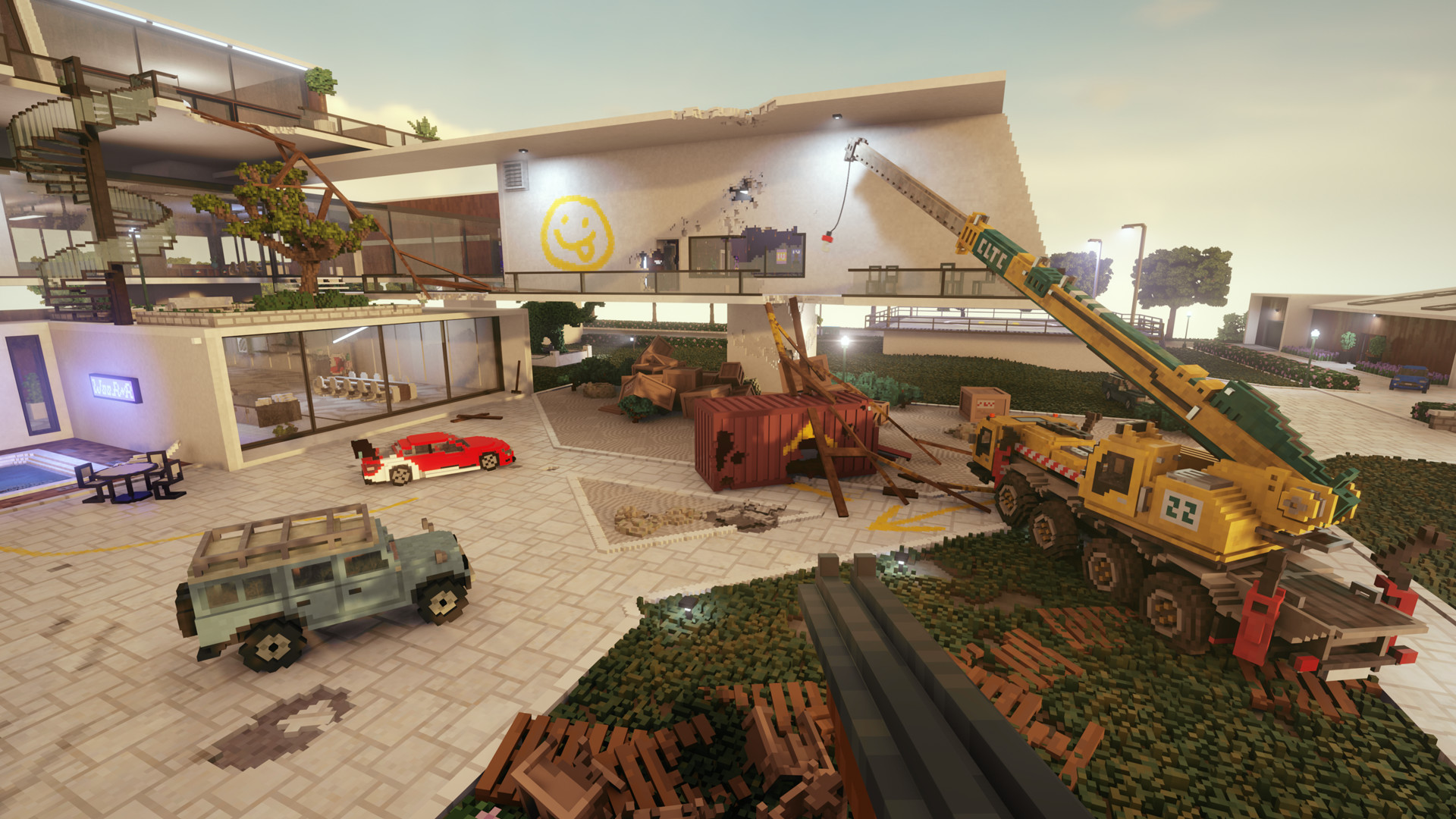
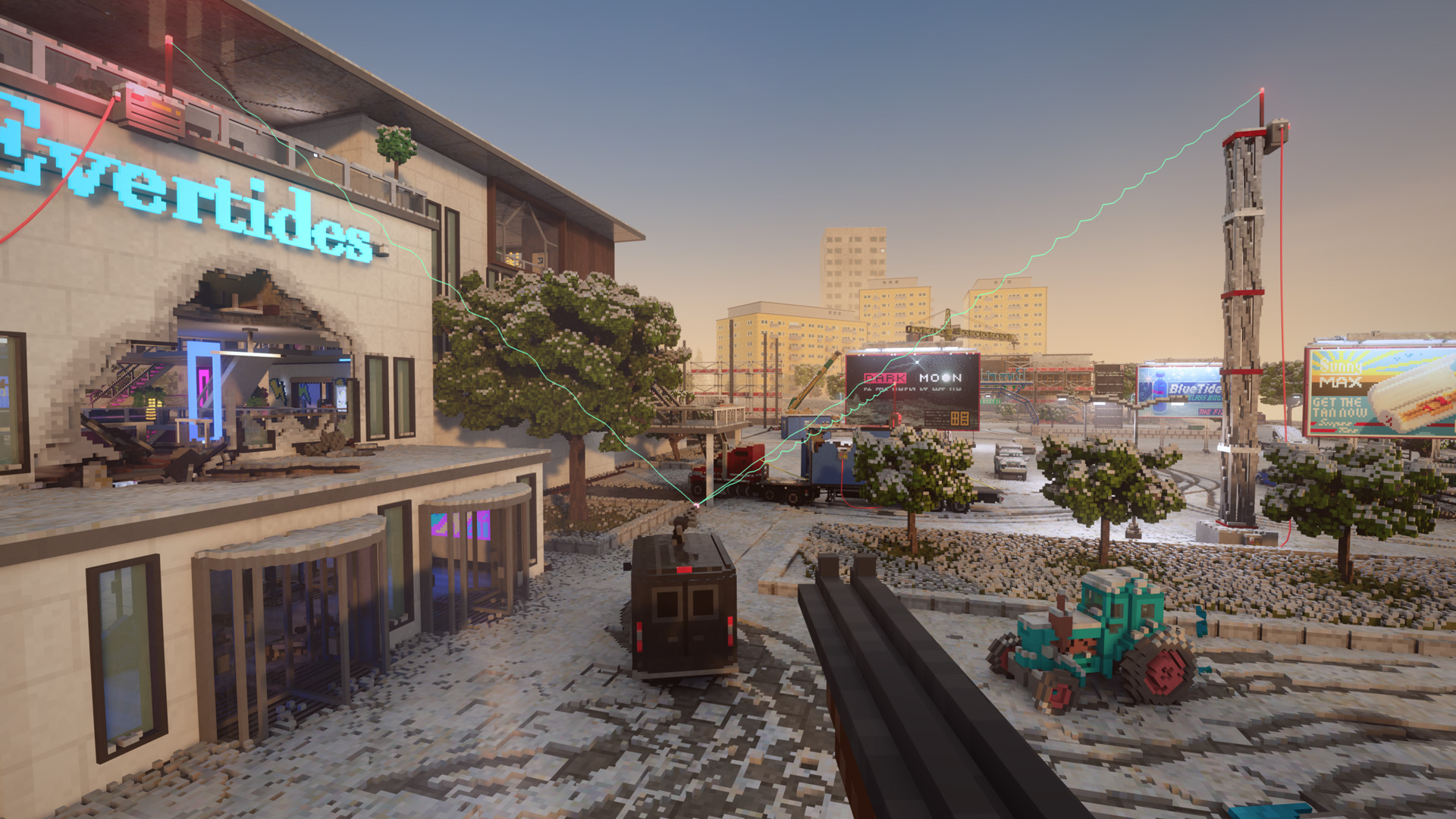
Teardown’s toolset—sledgehammers, explosives, vehicles, rope, planks—feels deliberately grounded. There are no magical gadgets, only tools with clear physical properties.
This encourages lateral thinking. A plank becomes a bridge. A rope becomes a pulley. A vehicle becomes a battering ram.
The game rarely tells players how to use tools. Instead, it trusts them to discover combinations organically. Creativity is not rewarded with points—it is rewarded with success.
6. Environmental Storytelling Without Dialogue
Teardown’s world is quiet. There are no lengthy cutscenes or character-driven narratives. Story emerges through environment and context.
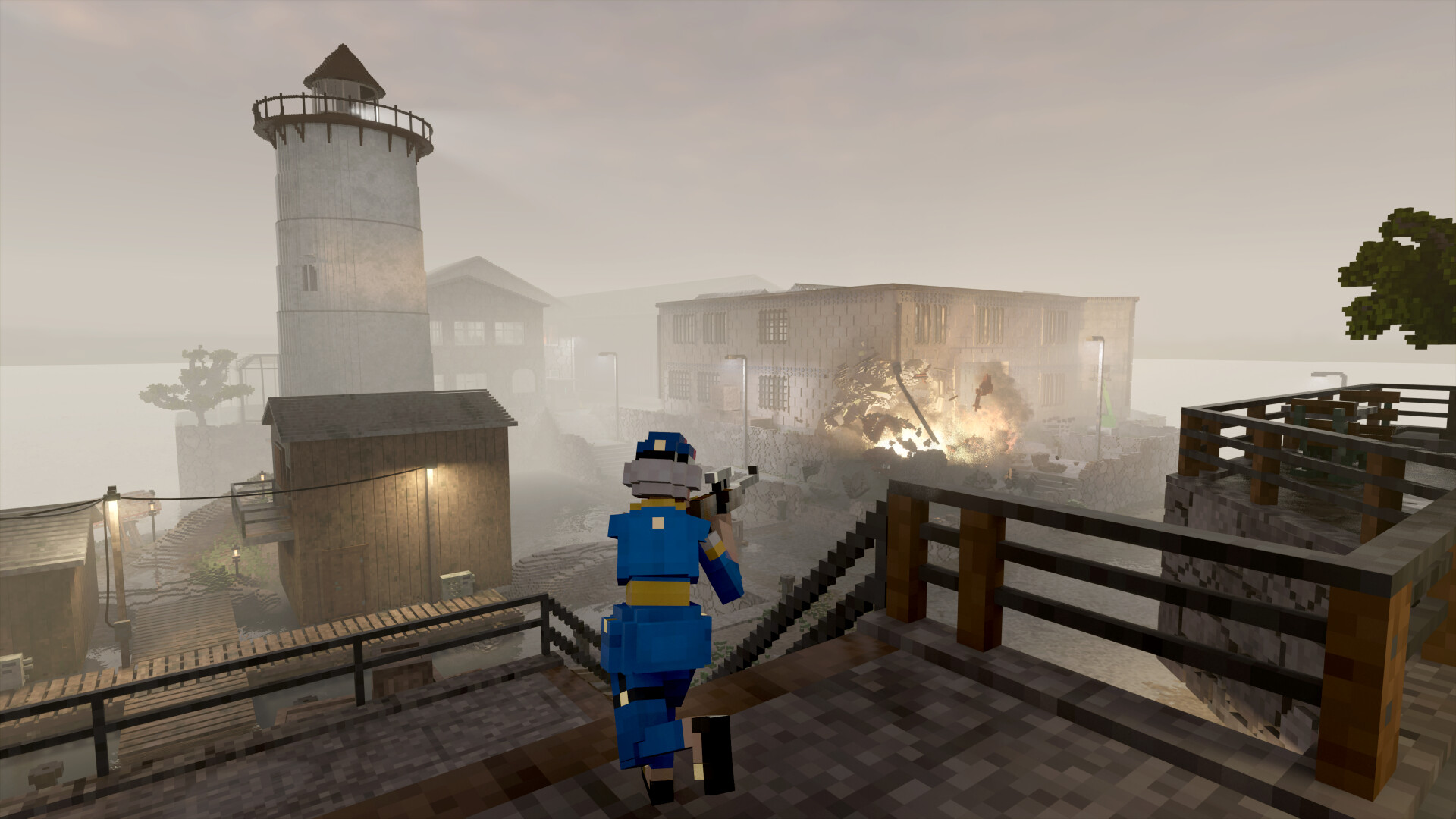
Abandoned buildings, industrial sites, and rural landscapes suggest a world shaped by labor and decay. Missions imply motives without spelling them out.
This restraint keeps focus on interaction rather than exposition. The story exists to justify action, not to dominate it.
7. Player Psychology: From Chaos to Mastery
Early play sessions in Teardown are chaotic. Players experiment wildly, break things impulsively, and fail often. Over time, behavior shifts.
Players become methodical. They scout carefully. They test materials. They plan redundancies. Destruction becomes precise rather than reckless.
This progression is internal rather than numerical. There are no skill trees for intelligence—only experience. Teardown teaches discipline through freedom.
8. Modding and Community Experimentation
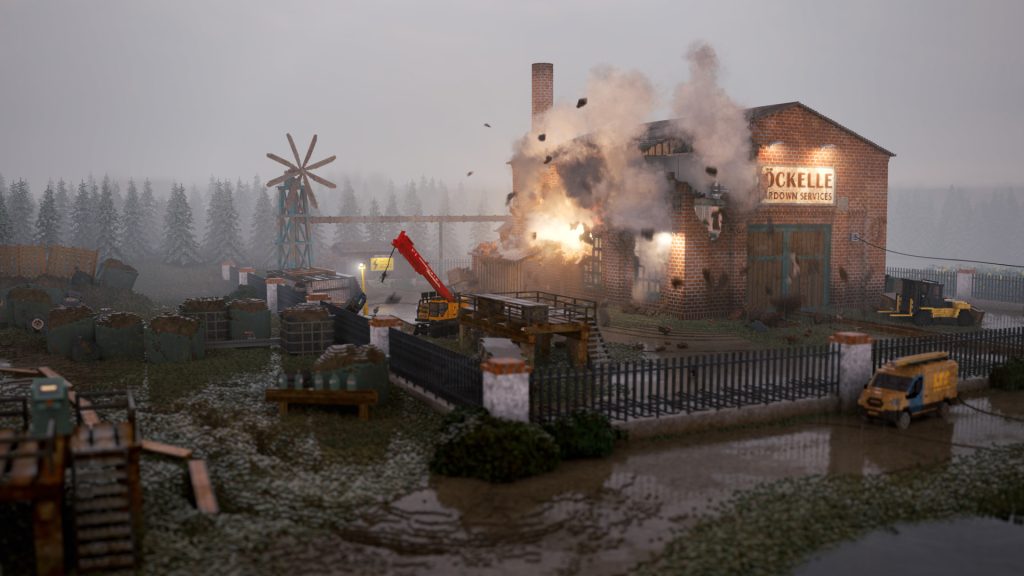
Teardown’s modding community has dramatically expanded its scope. New tools, vehicles, maps, and even entirely new mechanics extend the sandbox far beyond its original design.
Importantly, mods integrate naturally with the physics system. They are not cheats—they are new variables in the same equation.
This community-driven expansion reinforces Teardown’s identity as a platform for experimentation rather than a closed experience.
9. Technical Demands and Performance Reality
Teardown’s ambition comes with technical cost. Real-time physics, voxel destruction, and large-scale environments are demanding, especially on lower-end hardware.
While optimization options exist, the game clearly prioritizes simulation integrity over broad accessibility. Performance dips are not uncommon during large-scale destruction.
This is a trade-off the game makes knowingly. Teardown chooses fidelity of interaction over smoothness of spectacle.
10. What Teardown Ultimately Represents
Teardown is not about destruction—it is about permission. Permission to break rules, reshape environments, and solve problems your own way.
In a landscape filled with guided experiences and invisible walls, Teardown stands out by stepping aside and letting players think. It respects intelligence, curiosity, and experimentation.
It is less concerned with how impressive you look—and more interested in how cleverly you act.
Pros
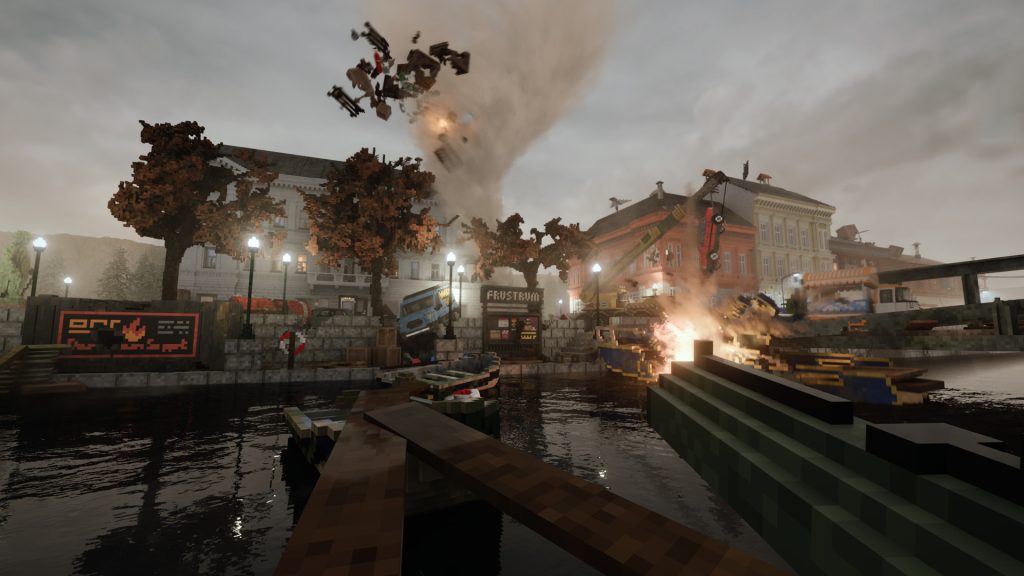
Fully destructible environments with consistent physics
Strong emphasis on planning and problem-solving
Creative freedom rarely seen in modern games
Persistent world makes choices meaningful
Excellent modding support and longevity
Cons
High hardware requirements
Minimal narrative depth
Can feel aimless without self-direction
Performance dips during large-scale destruction
Not suited for players seeking fast-paced action
Conclusion: Destruction With Purpose
Teardown succeeds because it understands that freedom alone is not enough—constraints give freedom meaning. By combining open-ended destruction with time pressure and persistence, it creates a sandbox where intelligence matters.
For players who enjoy experimenting, planning, and discovering solutions that feel uniquely their own, Teardown offers one of the most satisfying problem-solving experiences in modern gaming.
It doesn’t ask how much you can destroy.
It asks why—and how well—you planned it.