
League of Legends – Systems Mastery, Social Pressure, and the Endless Reinvention of Competitive Play
Introduction: A Game That Never Truly Ends
League of Legends is not just one of the most played games in the world—it is one of the most studied, debated, and emotionally charged competitive systems ever created. Released in 2009, League of Legends has outlived entire genres, survived countless balance overhauls, and continuously reinvented itself without ever abandoning its core structure.
What makes League of Legends exceptional is not mechanical novelty, visual fidelity, or narrative ambition. It is the way the game functions as a living competitive ecosystem, where systems, players, psychology, and culture collide. League is not simply played—it is endured, learned, adapted to, argued over, and returned to. This review examines League of Legends as a long-term competitive environment, focusing on systems mastery, player behavior, and why the game remains relevant after more than a decade.
Quick Info (Overview Box)
Release Year: 2009
Genre: MOBA (Multiplayer Online Battle Arena)
Platforms: PC
Game Modes: Summoner’s Rift (Ranked/Normal), ARAM, Teamfight Tactics, Rotating Modes, Custom Games
Target Audience: Competitive players, strategy-focused gamers, esports audiences, and long-term mastery seekers
1. Core Design Philosophy: Complexity Through Interaction
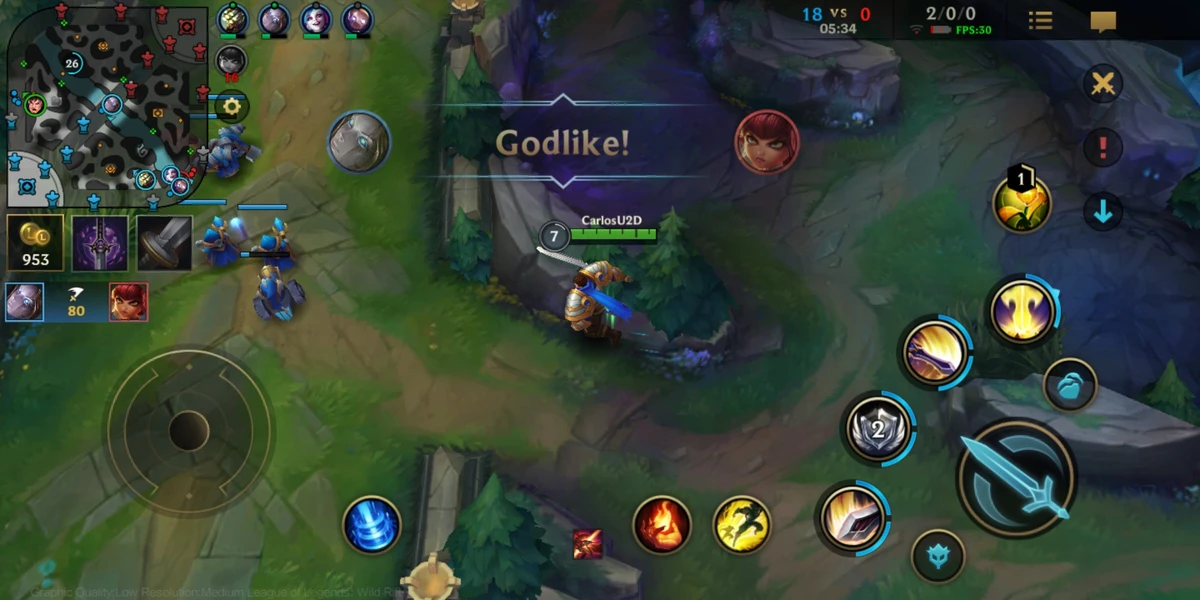
At its foundation, League of Legends is deceptively simple: two teams, three lanes, five players each, and a single objective. But the real complexity emerges not from rules, but from interaction.
Champions interact with items. Items interact with gold economy. Gold interacts with time. Time interacts with power spikes. Power spikes interact with team composition. No system exists in isolation.
This interdependence is what gives League its depth. The game is not difficult because of execution alone—it is difficult because every decision echoes across multiple systems simultaneously.
2. Champions as Systems, Not Characters
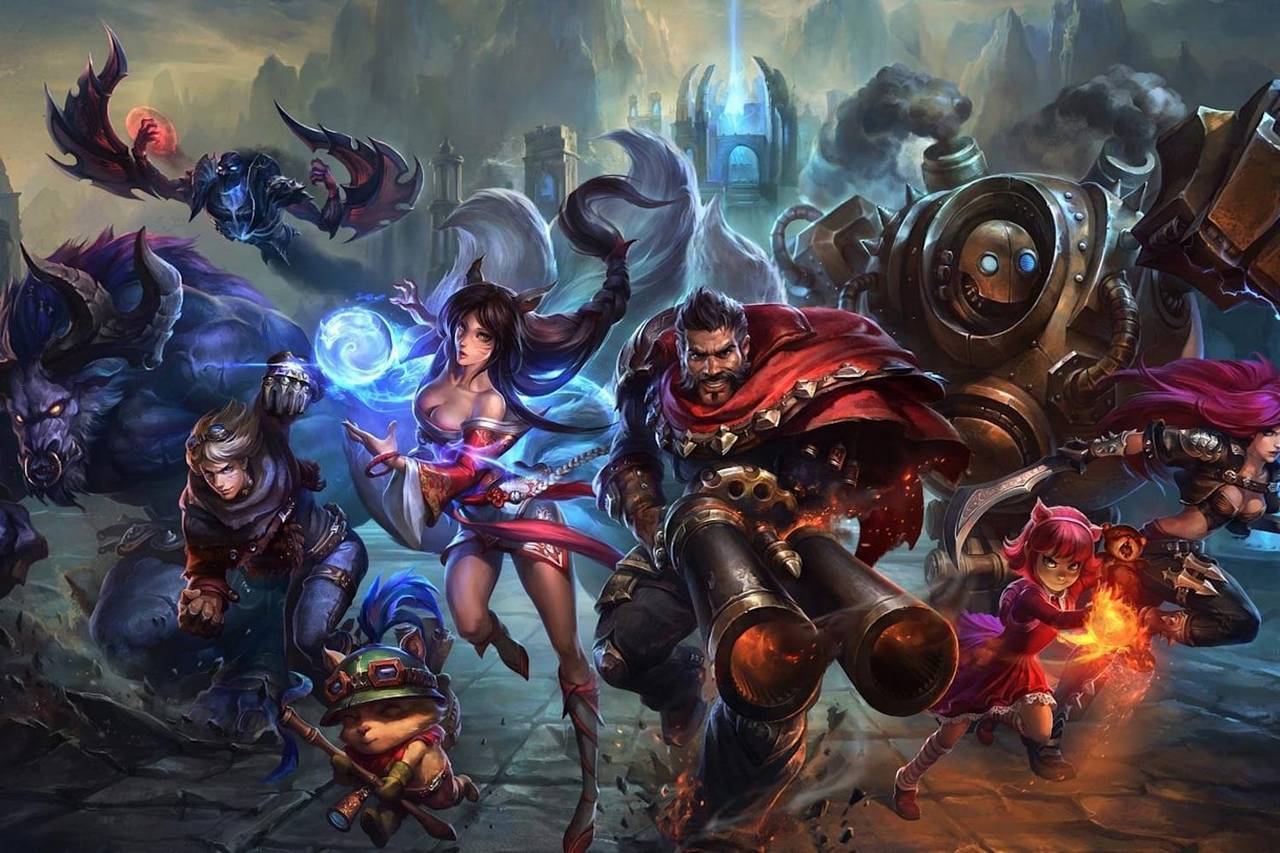
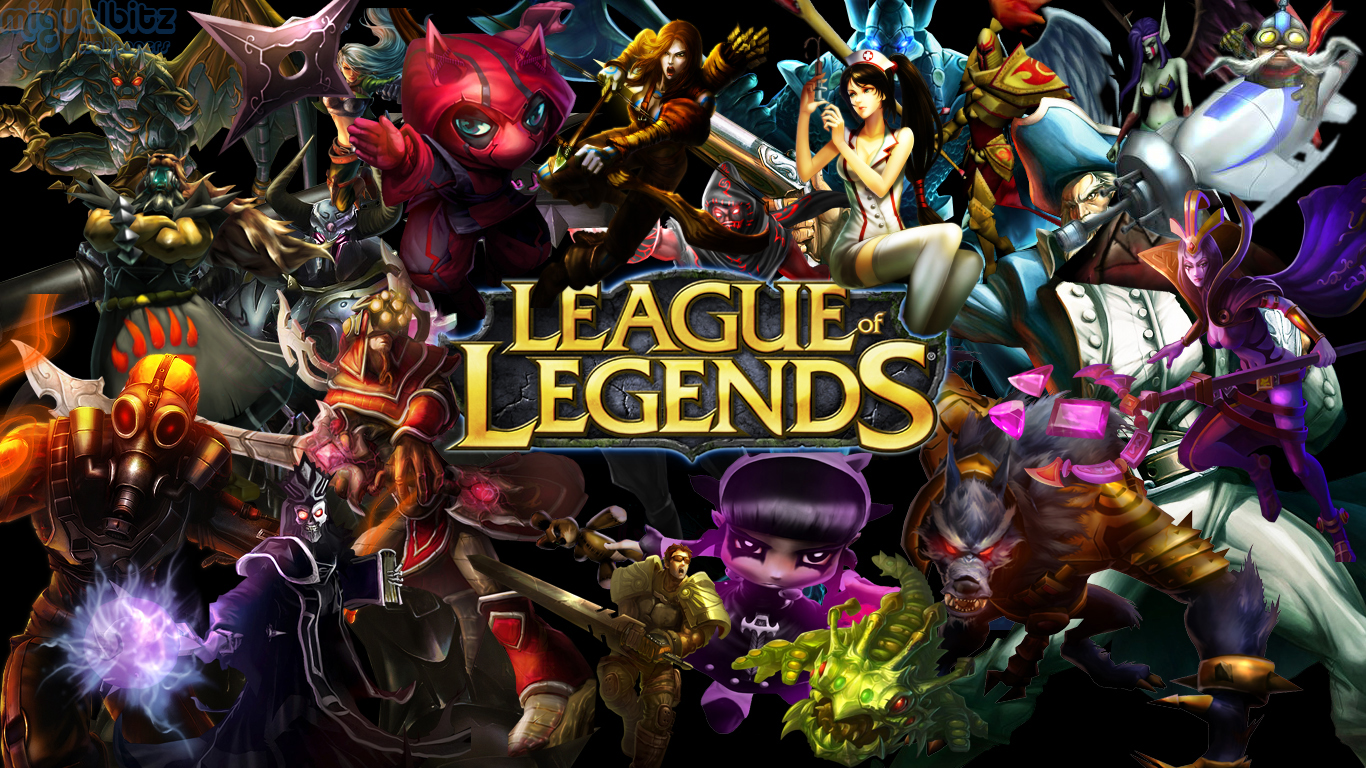
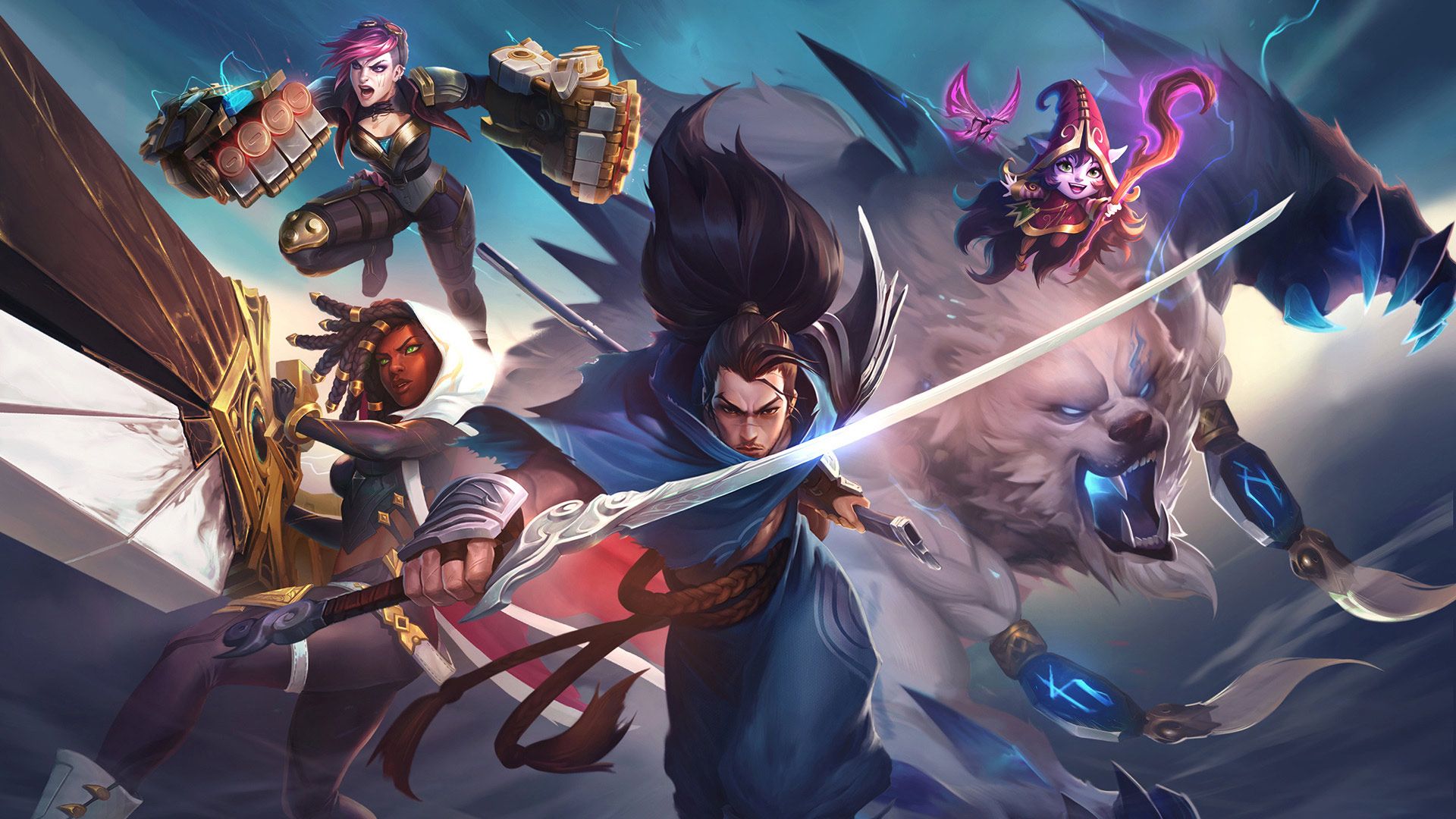
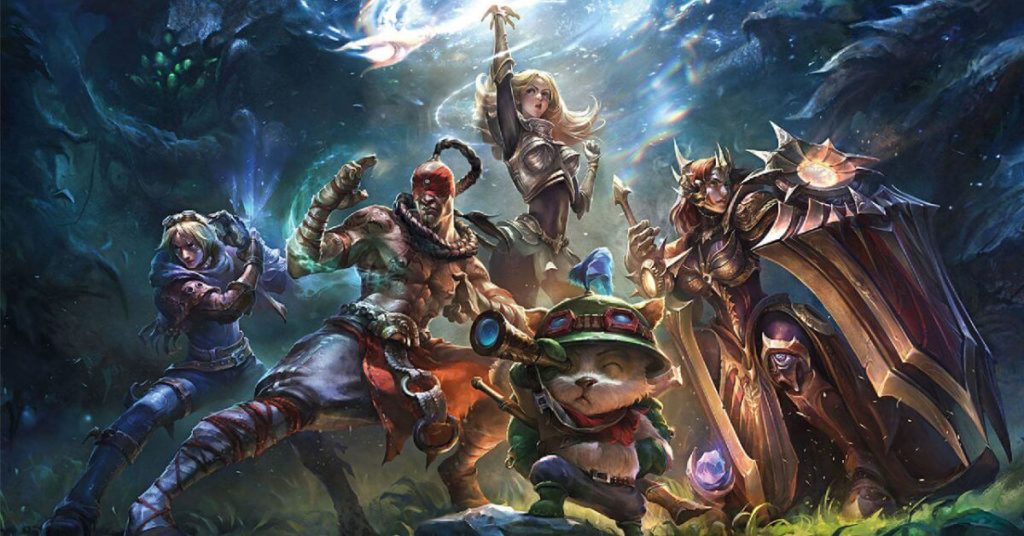
League of Legends features over a hundred champions, but their true function is systemic rather than narrative. Each champion represents a set of constraints and permissions within the game.
Some champions demand precision. Others demand patience. Some dominate early and fade; others sacrifice early presence for late-game inevitability. Choosing a champion is choosing how you intend to interact with the match.
This diversity enables strategic expression, but it also creates imbalance by design. League does not pursue perfect balance—it pursues meta movement.
3. The Laning Phase: Controlled Isolation
The laning phase is where League teaches discipline. Players are isolated, resources are scarce, and mistakes are amplified. Every minion matters. Every trade has consequences.
This phase trains players in restraint. Overextending invites punishment. Passive play invites pressure. Success comes from managing risk rather than forcing outcomes.
The brilliance of laning lies in its psychological tension. You are not just playing against an opponent—you are negotiating space, patience, and ego.
4. Mid Game: Chaos Meets Coordination
As towers fall and lanes open, League transitions into its most volatile phase. Vision becomes critical. Rotations accelerate. Small mistakes lead to cascading losses.
This is where team coordination overtakes individual skill. Mechanics still matter, but decision-making becomes dominant. Where to fight. When to trade objectives. When to disengage.
The mid game exposes teams that lack communication or trust. League does not forgive indecision—it punishes hesitation brutally.
5. Late Game: Pressure and Finality
Late-game League is defined by finality. Death timers are long. One fight can decide everything. Vision denial becomes warfare.
At this stage, mechanics matter less than composure. Panic throws games. Greed loses championships. Discipline wins.
Few games create stakes this high without artificial drama. League achieves it naturally through time-based escalation.
6. Items, Gold, and the Illusion of Control
The item system in League of Legends is a study in delayed gratification. Gold accumulation feels empowering, but power spikes are conditional.
Buying the right item at the wrong time can be fatal. Buying the wrong item at the right time can be worse. Itemization is not about optimization—it is about interpretation.
This reinforces League’s intellectual layer. Players must read the game state, not follow static builds.
7. Vision: The Most Invisible Skill
Vision control is one of League’s most important—and least appreciated—skills. Wards do not deal damage. Clearing vision does not appear on highlight reels.
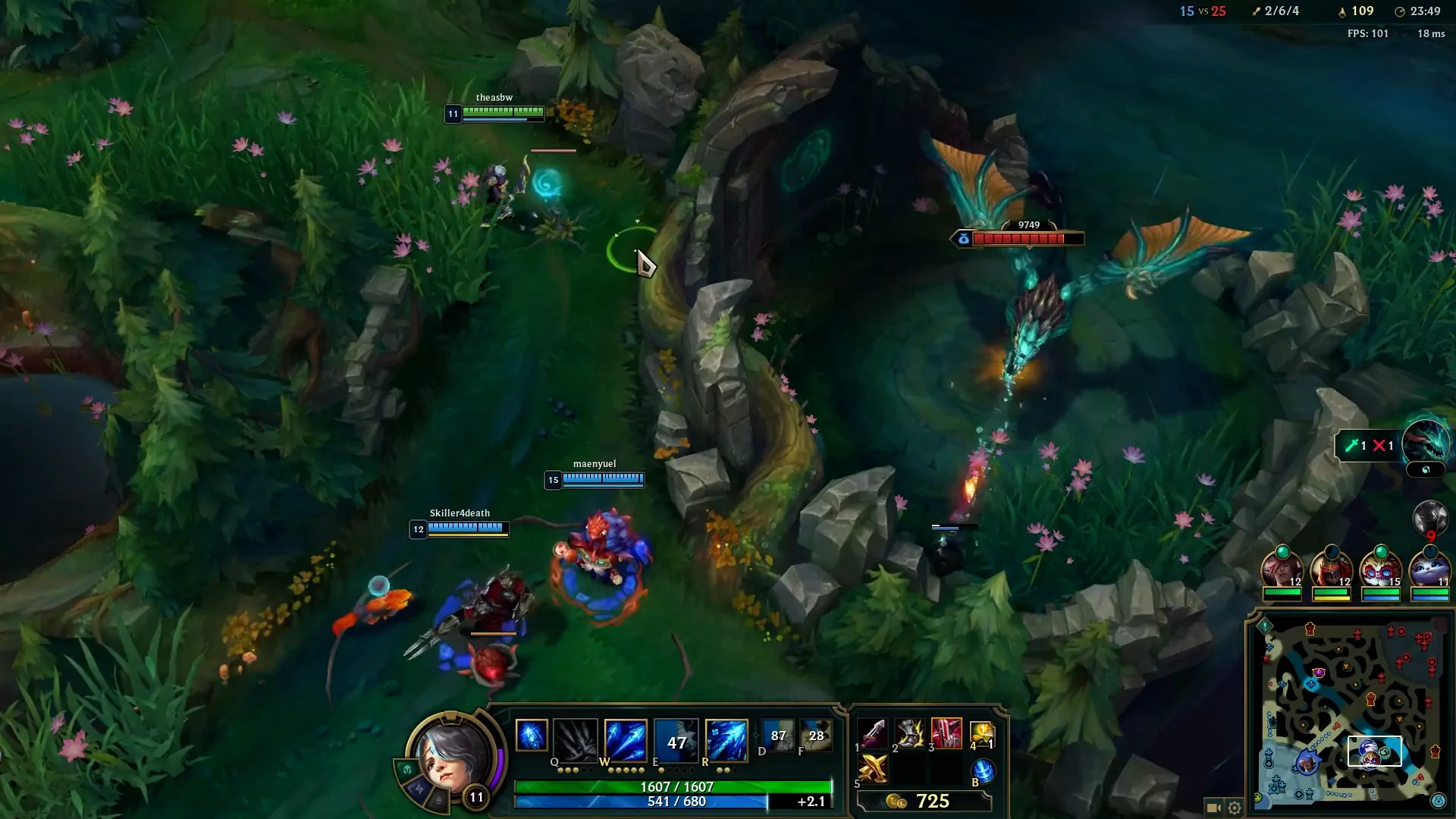
Yet vision dictates everything: rotations, ambushes, objectives, safety. Teams with superior vision play a different game entirely.
League rewards players who understand information as power, even if that power is invisible.
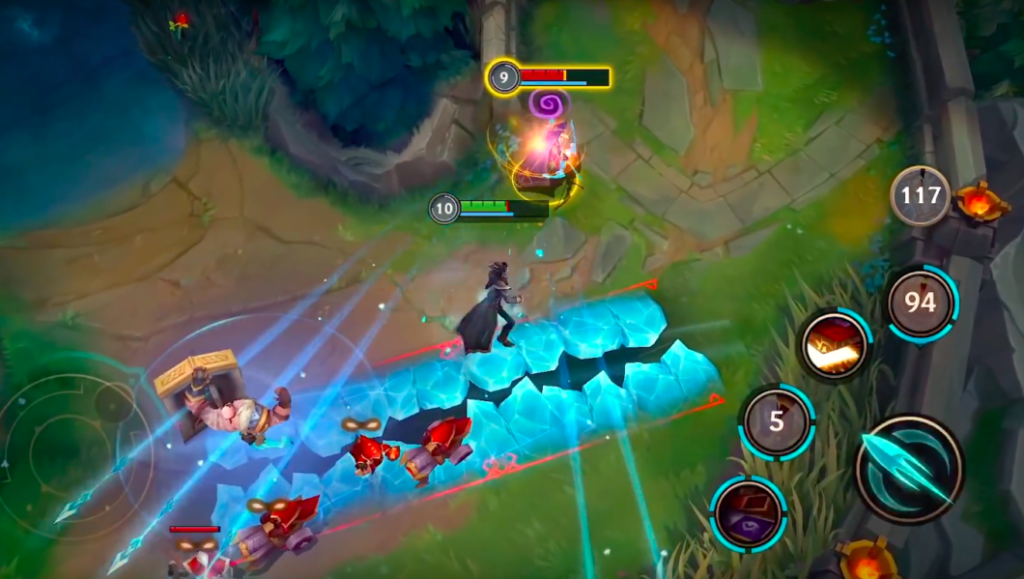
8. Ranked Play and Player Psychology
Ranked League is as much a psychological endurance test as a competitive ladder. Progress is slow. Variance is high. Individual performance does not always correlate with victory.
This exposes emotional weaknesses. Tilt, blame, ego, and burnout are common. The game offers no insulation from frustration.
Those who climb learn emotional regulation as much as mechanics. League quietly teaches resilience—often painfully.
9. Meta Evolution and Eternal Change
League of Legends survives because it refuses to stabilize. Champions rise and fall. Items are reworked. Entire systems are redesigned.
This constant evolution prevents stagnation but creates tension between mastery and relearning. Players must adapt or fall behind.
League’s longevity comes from this deliberate instability. The game never lets comfort last too long.
10. Cultural Impact and Competitive Legacy
Few games have shaped esports culture as deeply as League of Legends. Its professional scene defined modern esports structure: seasonal leagues, international tournaments, global narratives.
Beyond esports, League influenced how players think about teamwork, roles, and shared responsibility. It normalized failure as a learning process—sometimes harshly.
League is not just a game. It is a competitive language spoken worldwide.
Pros
Deep, interconnected systems with immense strategic depth
Massive champion diversity enables endless playstyles
Strong competitive and esports ecosystem
Continuous updates keep the game evolving
High skill ceiling rewards long-term mastery
Cons
Extremely steep learning curve
High emotional and psychological strain
Toxic behavior amplified by team dependency
Balance volatility can frustrate dedicated players
Time investment required to truly improve
Conclusion: A Game That Tests More Than Skill
League of Legends endures because it challenges players beyond mechanics. It tests patience, adaptability, emotional control, and the ability to work with others under pressure.
For some, this makes it exhausting. For others, it makes it endlessly compelling. League does not promise comfort or fairness in every match—but it promises depth, meaning, and the chance to improve if you are willing to endure the process.
League of Legends does not ask if you are talented.
It asks if you are willing to learn forever.