
IdleOn – The Idle RPG: Systems Stacking, Player Agency, and the Art of Long-Term Progress
Introduction: When “Idle” Becomes a Design Philosophy
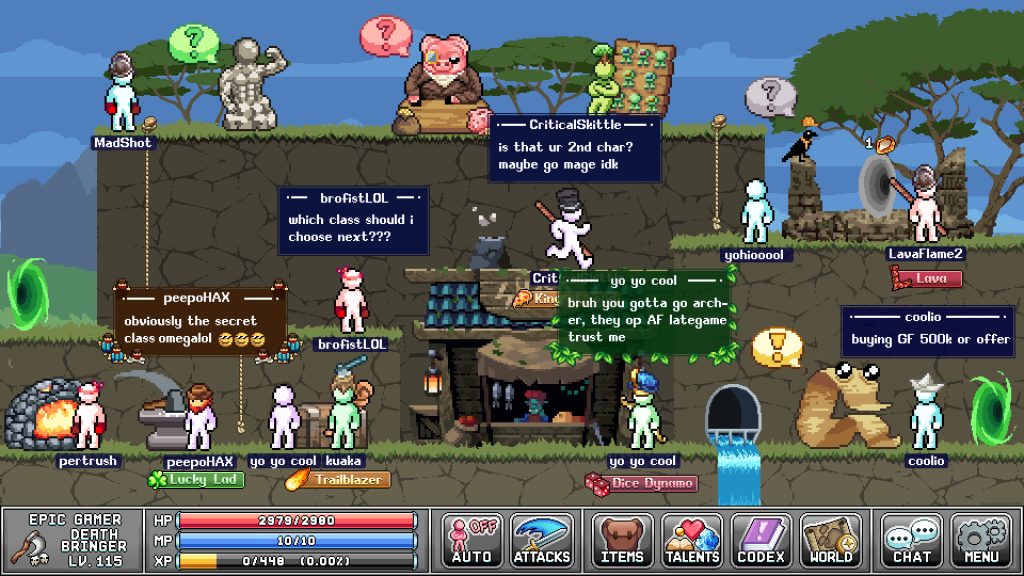
IdleOn – The Idle RPG initially presents itself as a familiar idle game: numbers go up, timers tick down, and progress continues even when you are away. But this first impression is misleading. IdleOn is not just about waiting—it is about orchestrating systems over time. The game blends idle mechanics with MMORPG-style progression, creating an experience that rewards planning, foresight, and long-term commitment more than moment-to-moment action.
Rather than competing for attention with constant stimuli, IdleOn respects absence. It assumes players have lives outside the game and designs progression around that reality. This review examines IdleOn as a systems-driven RPG, focusing on how layered progression, account-wide strategy, and delayed gratification combine to create an unusually deep idle experience.
Quick Info (Overview Box)
Release Year: 2021
Genre: Idle RPG / MMO-lite
Platforms: PC (Browser, Steam), Mobile (Android, iOS)
Game Modes: Persistent online world, multi-character progression
Target Audience: Players who enjoy idle mechanics, long-term planning, system optimization, and gradual account growth
1. Core Design Philosophy: Progress Without Presence
The defining promise of IdleOn – The Idle RPG is that progress does not require constant attention. Characters continue to gain experience, resources, and levels while offline.
However, the game does not trivialize engagement. Instead, it separates activity from strategy. The real gameplay happens when players decide where to allocate characters, what skills to train, and how to balance competing systems.
IdleOn does not ask you to grind harder—it asks you to think further ahead.
2. Multi-Character Progression as a Strategic Layer
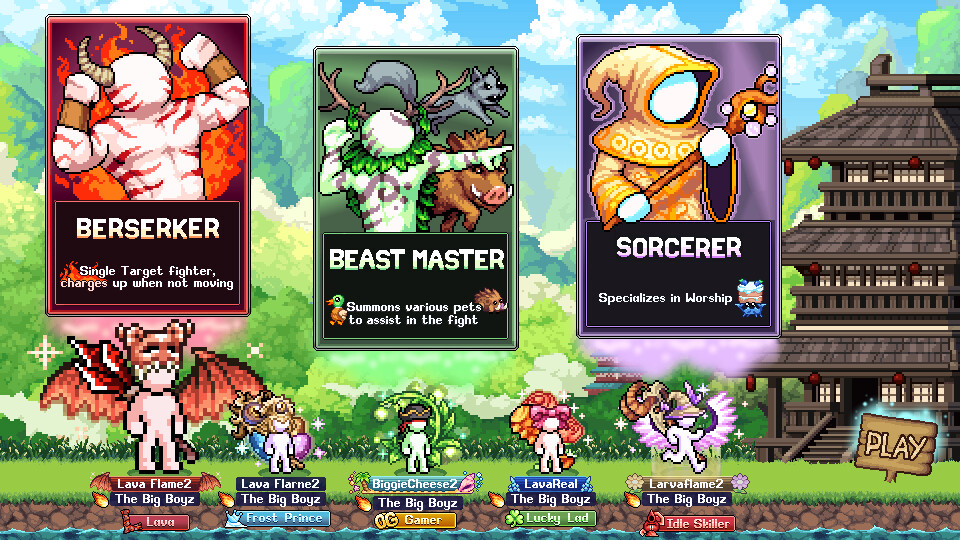
Unlike many idle games that focus on a single avatar, IdleOn encourages players to manage multiple characters simultaneously. Each character can specialize in different skills, combat roles, or resource production paths.
This transforms the account into the true “character.” Individual avatars are tools within a larger system. Progress is measured not by one hero’s strength, but by how efficiently the entire roster works together.
This design introduces meaningful choice. A poorly planned character slows overall progress. A well-optimized roster compounds gains over time.
3. Classes, Skills, and Asymmetric Growth
IdleOn’s class system resembles traditional RPGs, but its real depth comes from how skills grow asymmetrically. Combat classes, gathering skills, crafting paths, and utility bonuses all evolve at different rates.
This prevents linear optimization. Maxing one area often creates bottlenecks elsewhere. Players must decide when to push combat progression and when to pause for infrastructure growth.
The game quietly teaches systems thinking: growth is not about speed, but balance.
4. Combat as a Background Process
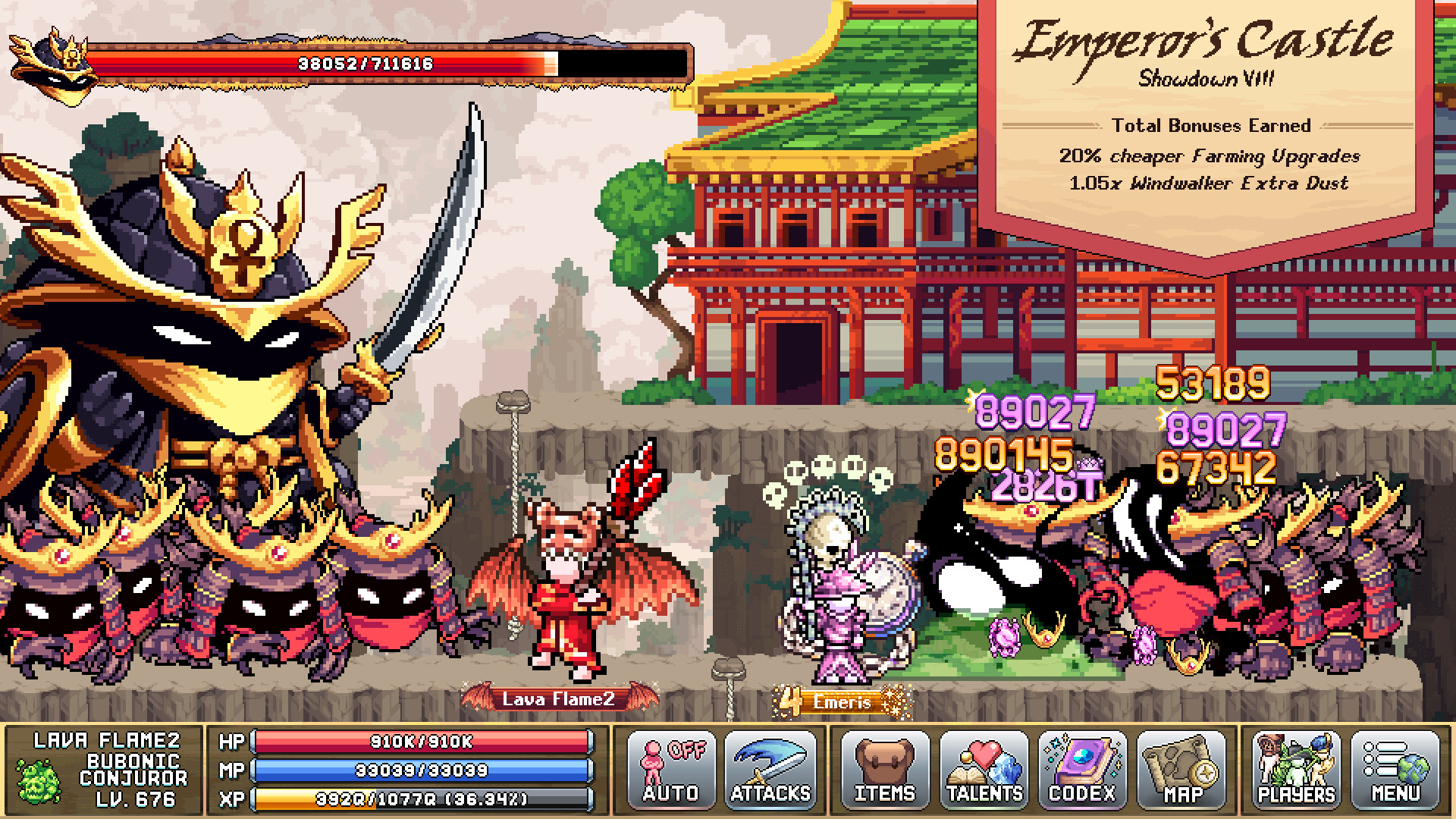
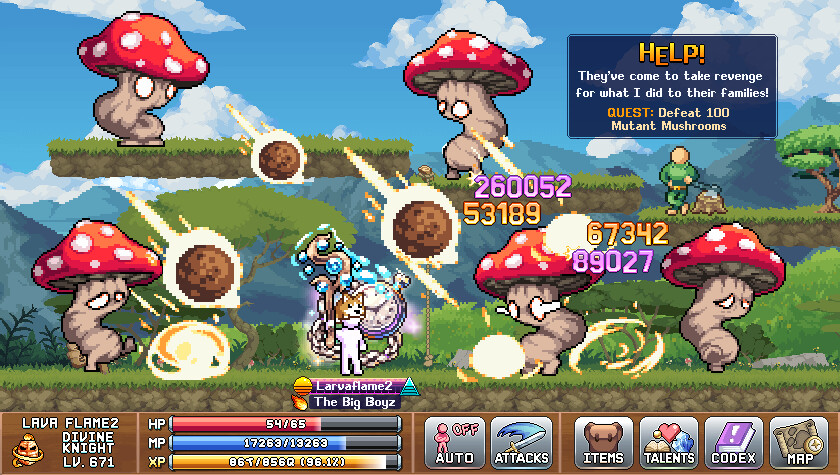
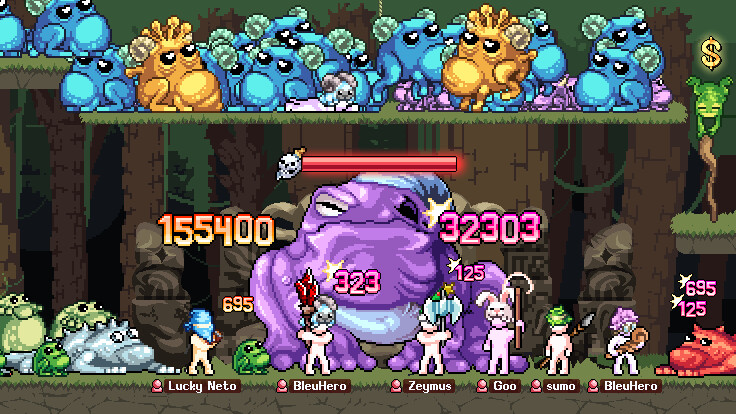
Combat in IdleOn – The Idle RPG is not meant to be actively played minute by minute. Instead, it functions as a background engine that converts time into experience and loot.
Enemy difficulty, spawn density, and survivability determine efficiency. Players tune stats, gear, and positioning to maximize long-term output rather than short-term wins.
This reframes combat from reflex-based challenge into a mathematical optimization problem. Success is measured in hours and days, not seconds.
5. Skills, Professions, and Resource Loops
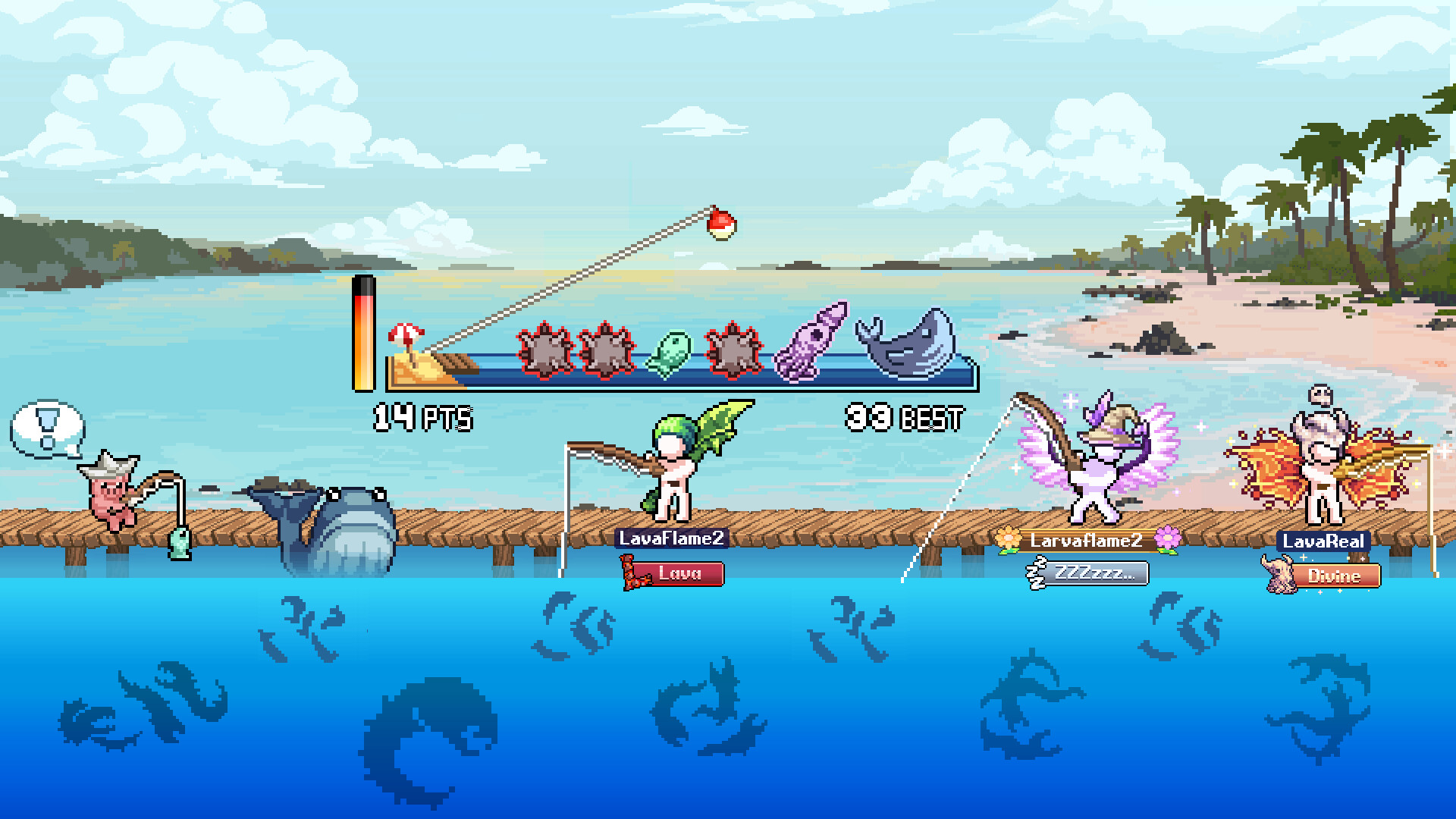
Gathering and crafting skills—mining, chopping, fishing, smithing, alchemy—form the backbone of IdleOn’s economy. These systems feed into one another, creating complex dependency chains.
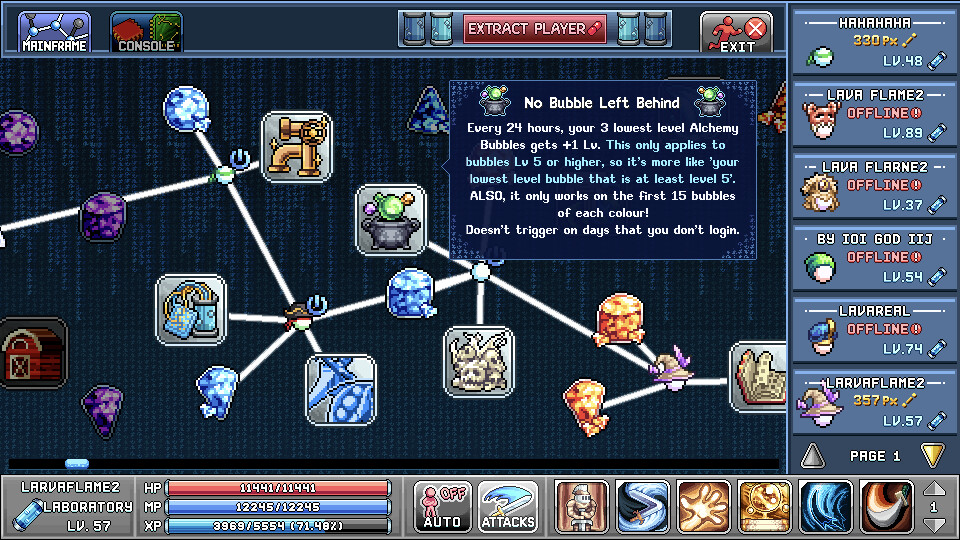
Resources gathered by one character enable upgrades for another. Crafting bottlenecks force players to diversify. Alchemy bonuses ripple across the entire account.
The result is a layered loop where every action contributes indirectly to overall power. No system exists in isolation.
6. World Expansion and Content Scaling
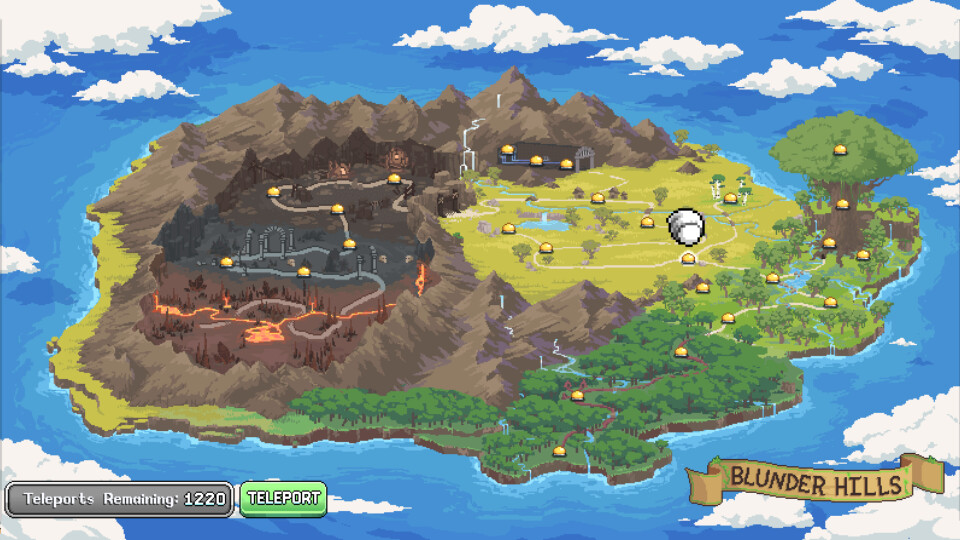
IdleOn expands horizontally through new worlds rather than vertically through endless stat inflation. Each new world introduces mechanics that recontextualize existing systems.
Older content does not become obsolete—it becomes infrastructure. Early-game characters continue to matter because their outputs support later progression.
This design preserves relevance across the entire game lifespan and prevents the “dead content” problem common in live-service games.
7. Player Psychology: Delayed Gratification as Reward
IdleOn is unapologetically slow. Progress unfolds over days, weeks, and months. Immediate rewards are modest, but long-term gains feel substantial.
This pacing filters players naturally. Those seeking instant gratification may bounce off. Those who enjoy watching systems mature over time find deep satisfaction.
The game rewards patience, consistency, and reflection. Logging in feels less like obligation and more like checking on a long-term project.
8. Monetization and Time Acceleration
As a free-to-play game, IdleOn – The Idle RPG offers paid conveniences rather than direct power purchases. Time acceleration, quality-of-life improvements, and cosmetic options dominate monetization.
While spending can speed progress, it rarely replaces strategic understanding. Poor planning remains inefficient regardless of investment.
This approach respects player intelligence while still supporting the game’s ongoing development.
9. Community Knowledge and Meta Evolution
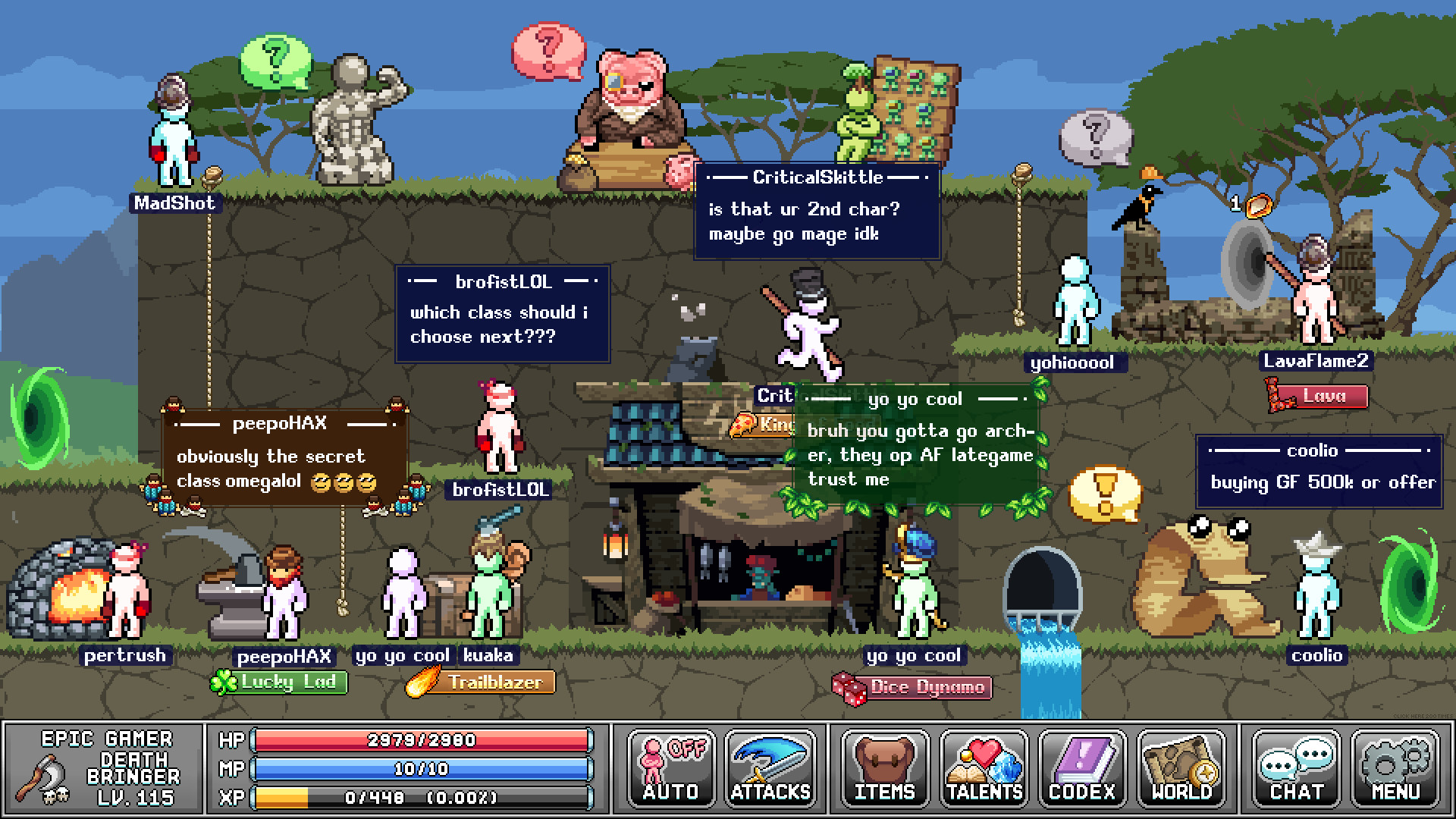
IdleOn’s complexity has fostered a strong community culture focused on guides, spreadsheets, and optimization strategies. Players share discoveries and debate best practices.
Because the game evolves through updates, the meta shifts over time. Optimal paths today may change tomorrow, encouraging continuous learning.
This communal problem-solving adds a social dimension to an otherwise solitary idle experience.
10. Limitations and Design Trade-Offs
IdleOn’s strength—its depth—is also its barrier. New players can feel overwhelmed by the number of systems introduced gradually but persistently.
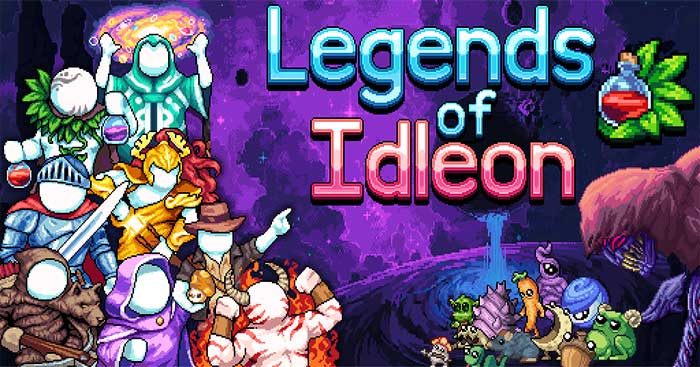
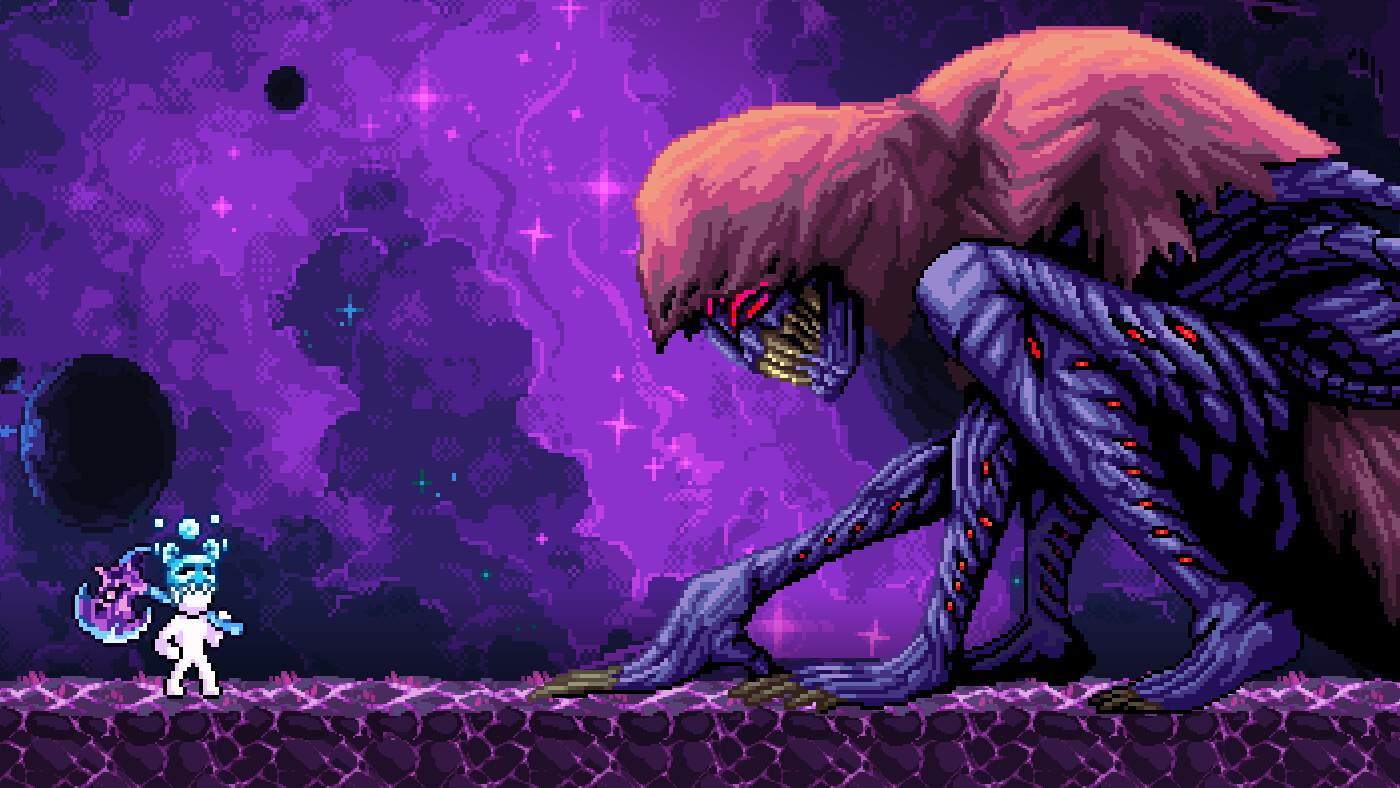
The visual presentation is functional rather than immersive. Combat lacks spectacle. The game demands mental investment more than emotional excitement.
These are deliberate trade-offs. IdleOn chooses clarity and scalability over drama and immediacy.
Pros
Deep, interconnected progression systems
True idle gameplay that respects player time
Multi-character management adds strategic depth
Horizontal world expansion keeps old content relevant
Fair monetization focused on convenience
Cons
Steep learning curve for new players
Slow progression may not suit all audiences
Minimal active gameplay moments
Visual presentation is simple
Requires long-term commitment to fully appreciate
Conclusion: An Idle Game for Thinkers
IdleOn – The Idle RPG is not about constant engagement—it is about intentional absence. It trusts players to step away, reflect, and return with better plans.
For players who enjoy optimization, system interaction, and long-term growth, IdleOn offers one of the most intellectually satisfying idle experiences available. It is less a game you play, and more a system you cultivate.
IdleOn does not reward urgency.
It rewards understanding over time.