

Plants vs. Zombies™ – Strategic Simplicity, Cognitive Flow, and the Timeless Power of Elegant Design
Introduction: When Clarity Becomes Genius
Plants vs. Zombies is often remembered with nostalgia, but nostalgia alone does not explain its longevity. Beneath its playful art style and humorous tone lies one of the most structurally elegant strategy games ever made. Plants vs. Zombies does not overwhelm players with complexity; instead, it teaches them how to think—clearly, calmly, and creatively—under pressure.
Rather than relying on mechanical dexterity or overwhelming content, Plants vs. Zombies™ succeeds through clarity of rules, readable systems, and gradual cognitive escalation. It is a game that respects player intelligence without demanding specialization. This review examines Plants vs. Zombies not as a casual diversion, but as a masterclass in accessible strategy design and psychological pacing.
Quick Info (Overview Box)
Release Year: 2009
Genre: Tower defense / Strategy
Platforms: PC, Mobile, Console
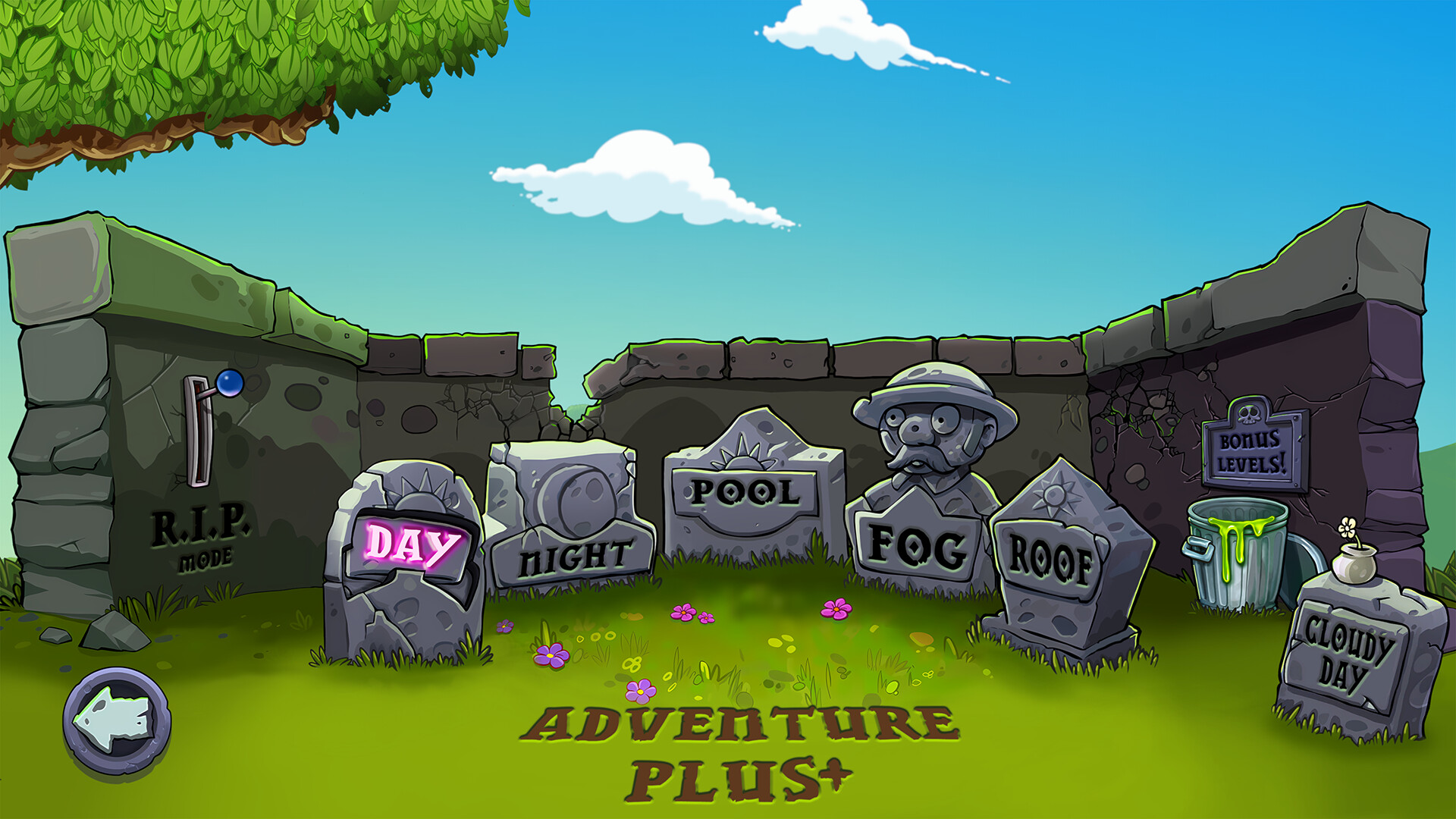
Game Modes: Adventure, Mini-Games, Puzzle, Survival, Zen Garden
Target Audience: Casual and core players, strategy newcomers, players who enjoy thoughtful problem-solving without high stress
1. Core Design Philosophy: Complexity Through Combination
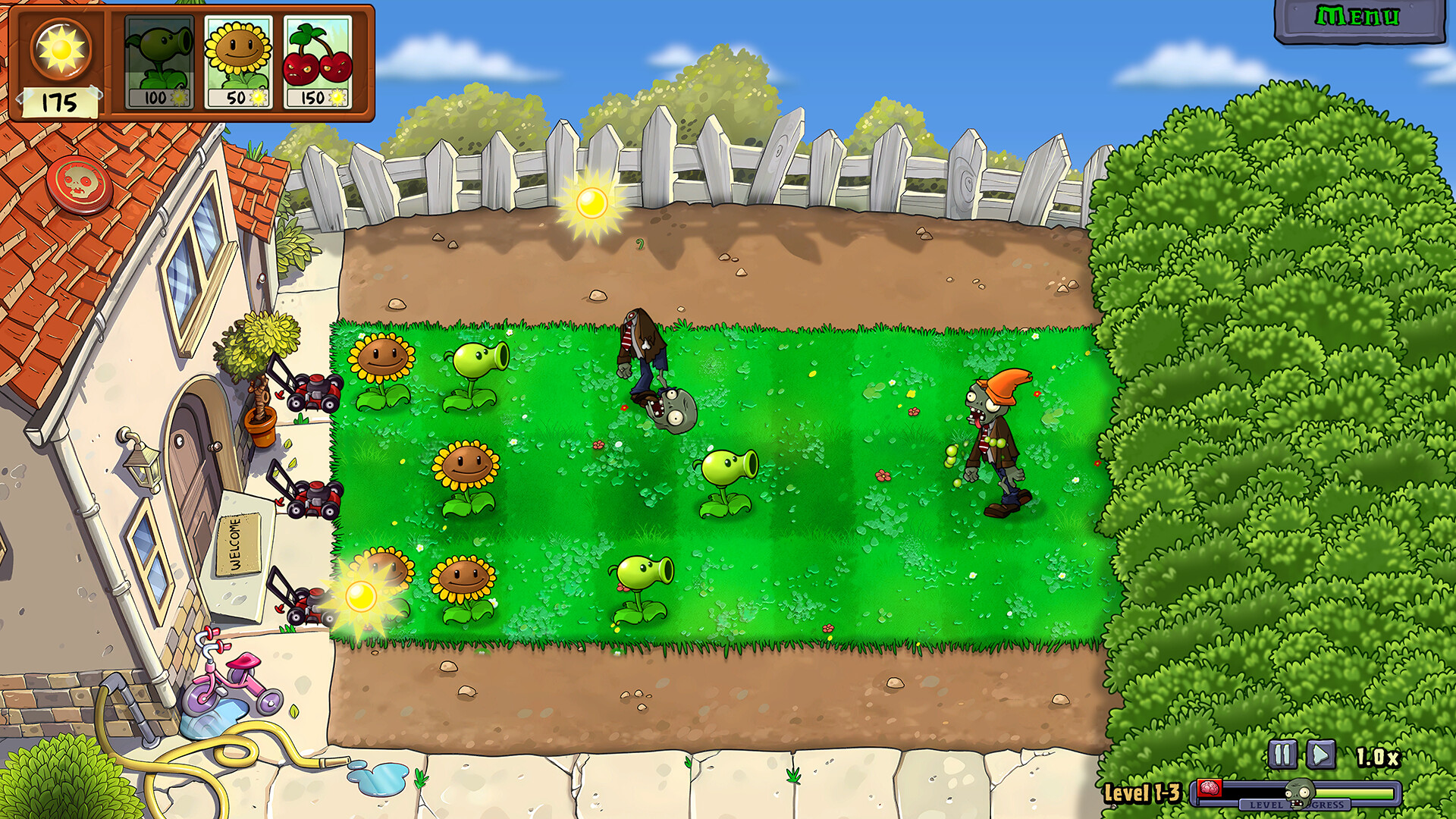
The foundation of Plants vs. Zombies™ is deceptively simple: zombies walk toward your house, and plants stop them. There are no branching tech trees, no real-time micro-management, and no execution-heavy mechanics.
Instead, complexity emerges through combination. Each plant is simple on its own, but their interactions create layered decision-making. Sun production, lane coverage, cooldown timing, and spatial placement interlock seamlessly.
The game demonstrates a powerful design truth: depth does not require complexity—it requires interaction.
2. Learning Curve: Teaching Without Teaching
One of the most impressive achievements of Plants vs. Zombies™ is how effortlessly it teaches players. Early levels introduce one concept at a time. New plants arrive gradually. New zombies challenge assumptions without overwhelming.
There are no intrusive tutorials. The game trusts players to learn through experience. Failure is informative, not punitive.
This design creates confidence. Players rarely feel lost. Instead, they feel curious—eager to test new tools and see what happens next.
3. Visual Clarity and Readability
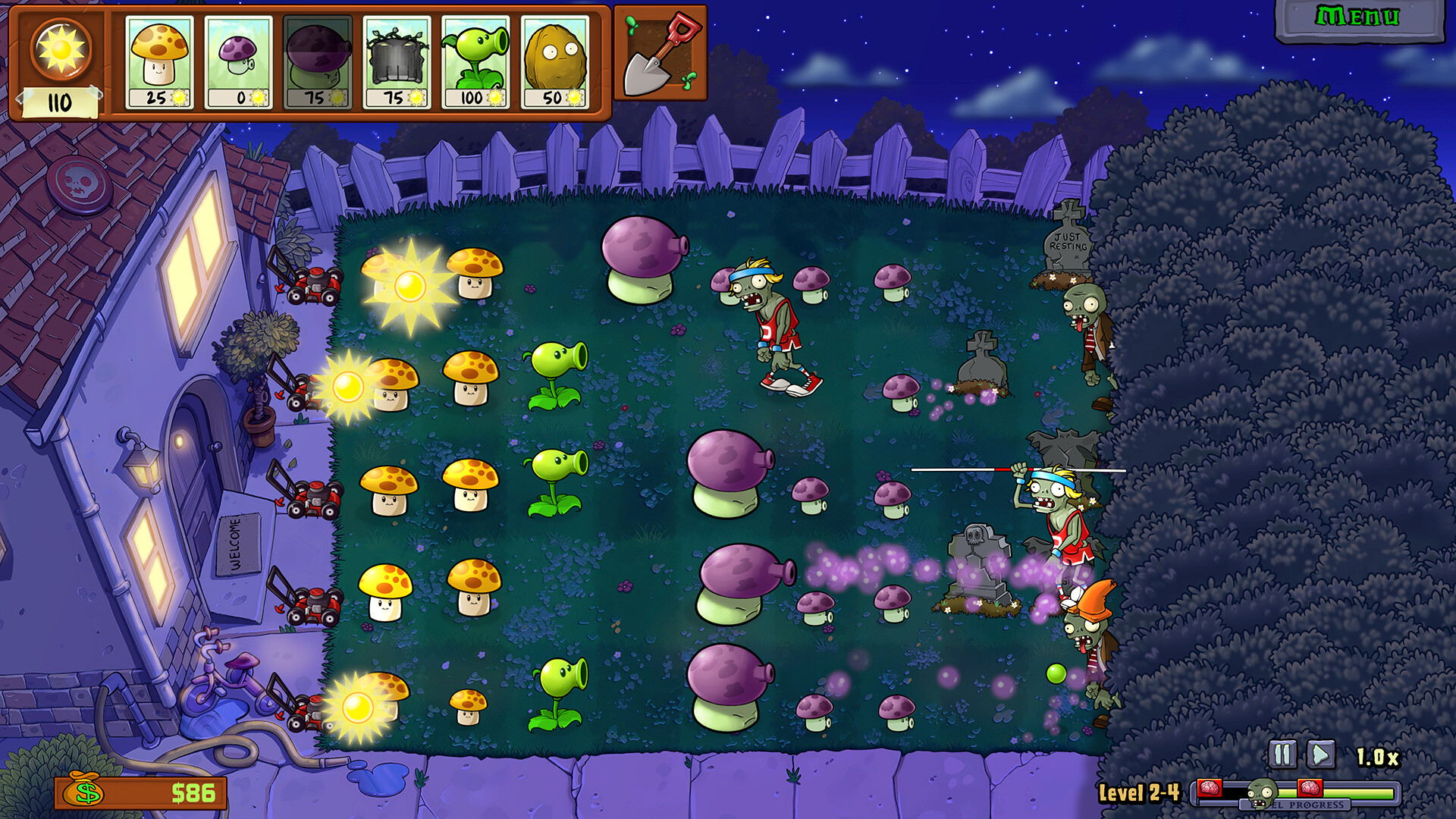
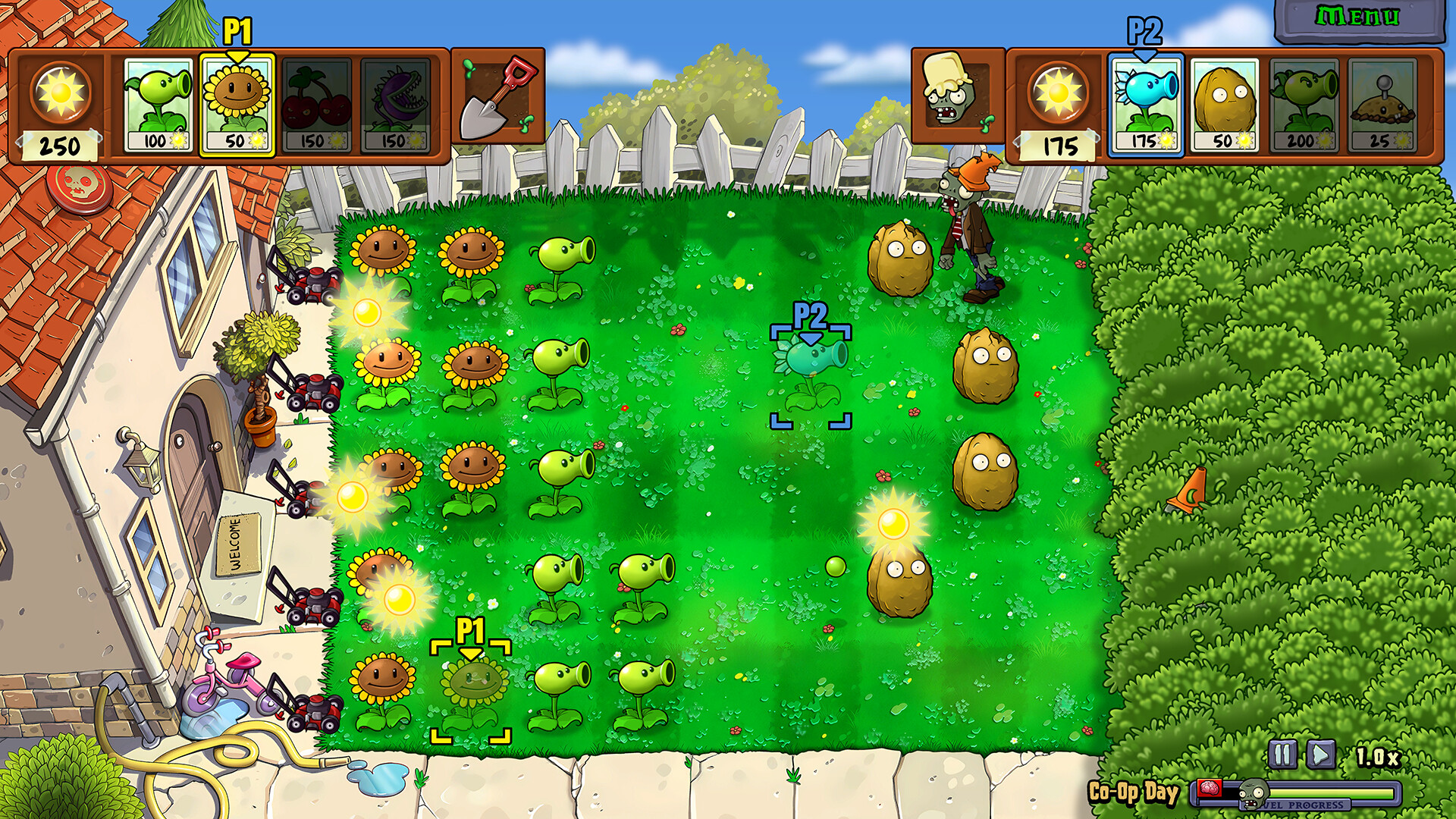
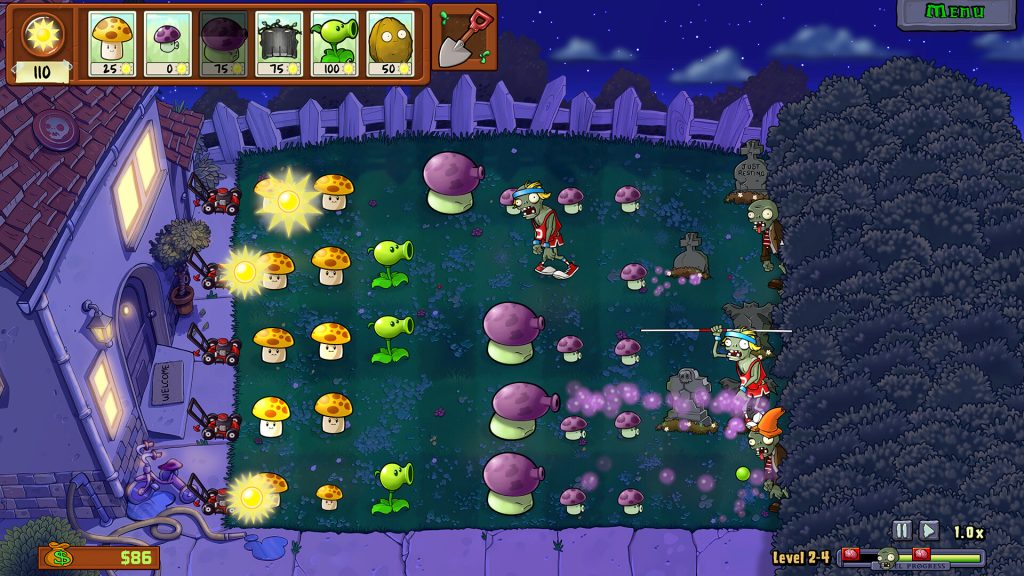
Every element in Plants vs. Zombies™ is visually communicative. Plants signal their function through animation. Zombies telegraph danger through appearance. Lanes are clean, readable, and spatially intuitive.
There is no visual noise. No unnecessary effects. Every animation conveys information. This clarity reduces cognitive load and allows players to focus on strategy rather than interpretation.
The art style is playful, but never frivolous. Humor supports readability rather than distracting from it.
4. Resource Management as Gentle Pressure
Sunlight is the core resource in Plants vs. Zombies™, and its management defines pacing. Generating sun early feels safe—but delays offense. Investing too aggressively can leave defenses exposed.
This creates a soft form of pressure. Players are rarely rushed, but they are always choosing. Every plant placed is a trade-off between present security and future flexibility.
Importantly, the game avoids scarcity anxiety. There is almost always a solution—if the player thinks carefully.
5. Zombie Design: Threat Through Variation
Zombies in Plants vs. Zombies™ are not dangerous because they are fast or aggressive. They are dangerous because they invalidate assumptions. A conehead absorbs more damage. A pole-vaulter bypasses front lines. A balloon zombie ignores ground defenses entirely.
Each new zombie type challenges a previously stable strategy. The game forces players to adapt without escalating raw difficulty.
This keeps the experience intellectually engaging. The player is not reacting faster—they are rethinking.
6. Spatial Strategy and Lane Control
The lane-based design of Plants vs. Zombies™ creates a strategic canvas that is both limited and expressive. Each row is independent, but resources are shared across the grid.
This forces prioritization. A crisis in one lane can compromise another. Players must distribute attention intelligently rather than evenly.
The grid structure transforms the battlefield into a puzzle—one that rewards foresight and balanced planning.
7. Modes That Reinforce Mastery
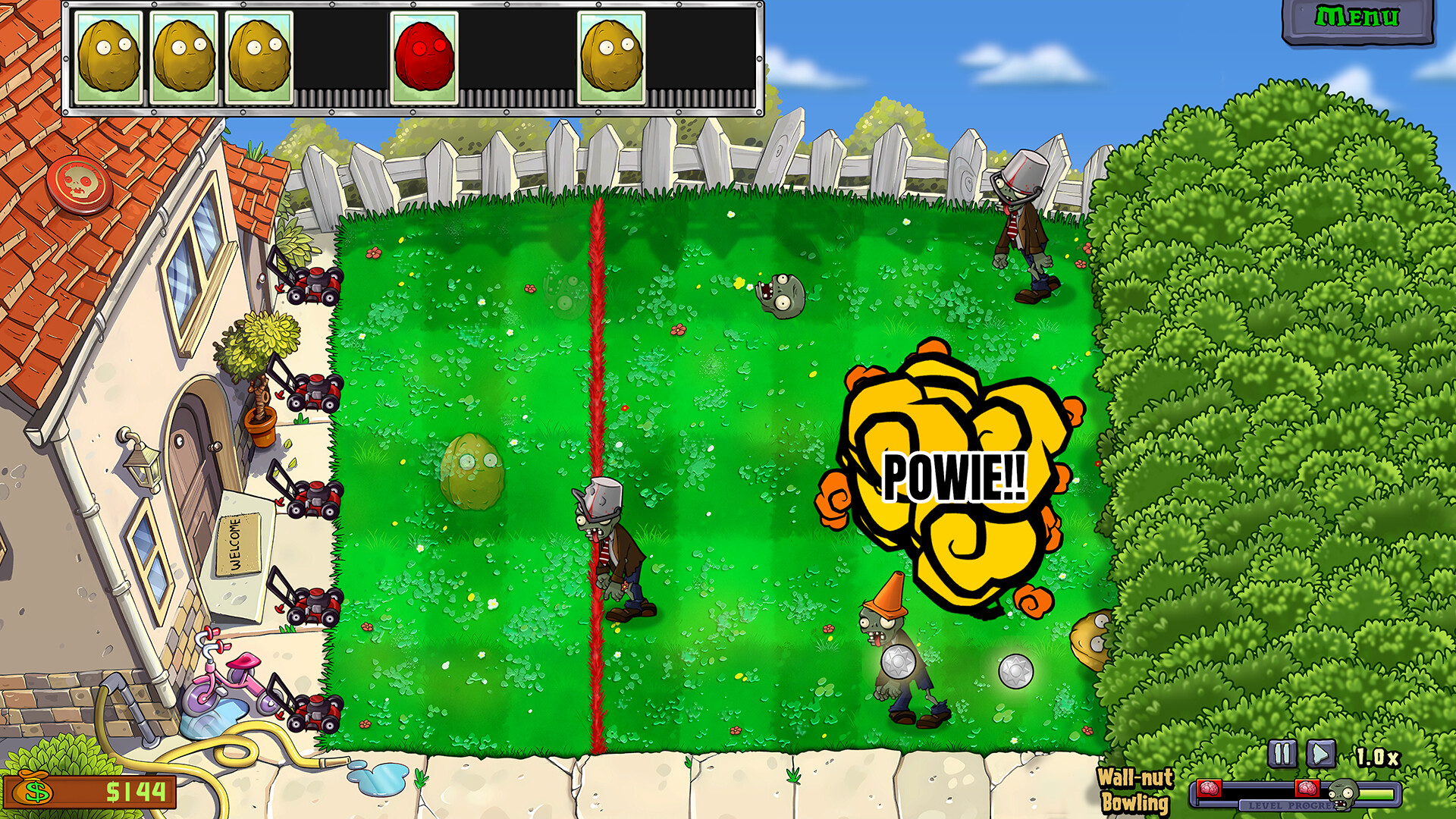
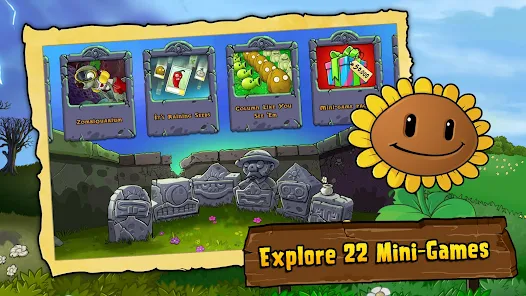
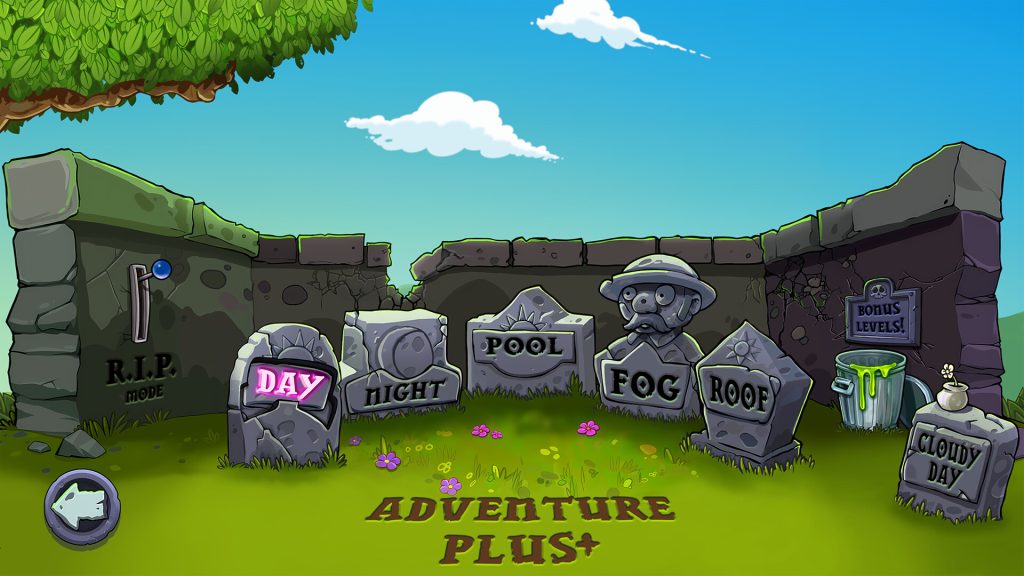
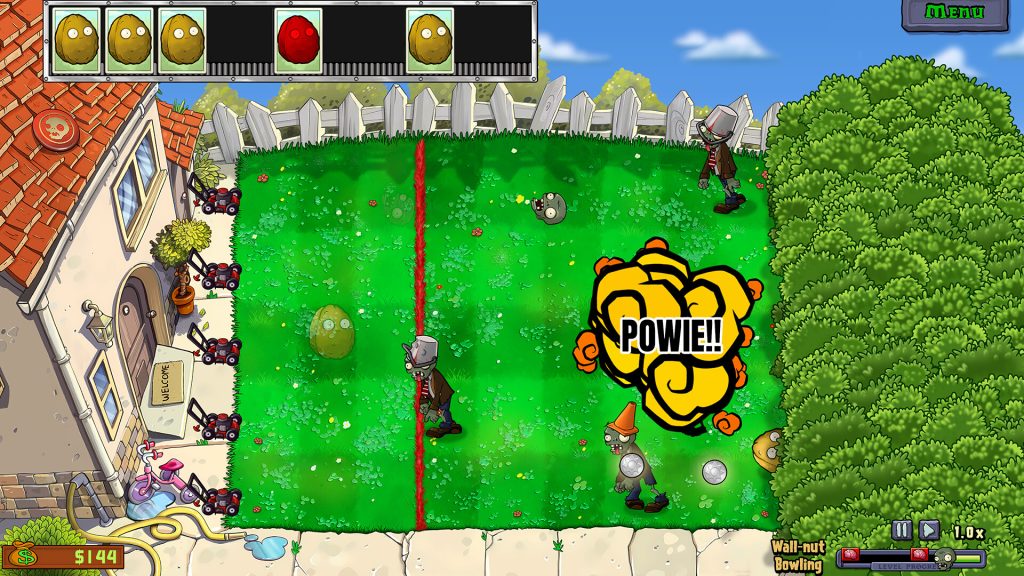
Beyond the main Adventure mode, Plants vs. Zombies™ offers mini-games, puzzles, and survival challenges that recontextualize familiar mechanics.
Puzzle modes flip assumptions by restricting plant choices or altering win conditions. Survival modes test endurance and long-term planning rather than adaptability.
These modes do not add complexity—they reframe it. They ask players to apply known tools in new ways, reinforcing understanding rather than adding noise.
8. Psychological Comfort and Flow
Few strategy games are as emotionally comfortable as Plants vs. Zombies™. The pace is steady. Music is calming. Failure is rarely punishing.
This creates a flow state where players feel focused without stress. Decisions matter, but consequences are recoverable. The game encourages experimentation without fear.
This psychological safety is a major reason for its broad appeal. It welcomes players who might otherwise avoid strategy games.
9. Humor as Structural Support
Humor in Plants vs. Zombies™ is not superficial—it supports engagement. Silly animations, exaggerated zombie behaviors, and absurd plant designs soften tension.
This tone prevents frustration from becoming discouragement. When players fail, the game feels forgiving rather than judgmental.
By reducing emotional stakes, the game increases cognitive risk-taking—a subtle but powerful design choice.
10. Why It Endures
More than a decade after release, Plants vs. Zombies™ remains relevant because it is complete. It does not depend on updates, monetization cycles, or trend alignment.
Its systems are timeless. Its difficulty curve is humane. Its design respects the player’s time and intelligence.
In an industry often driven by excess, Plants vs. Zombies stands as proof that restraint can be revolutionary.
Pros
Exceptionally clear and elegant game design
Smooth learning curve accessible to all skill levels
Strong strategic depth through simple mechanics
High replay value through varied modes
Timeless art style and tone
Cons
Limited mechanical complexity for hardcore strategists
Minimal narrative depth
Fixed grid limits expressive freedom
Later entries dilute the original’s purity
Not designed for competitive multiplayer
Conclusion: Strategy Without Intimidation
Plants vs. Zombies™ succeeds because it understands that strategy is not about intimidation—it is about empowerment. It gives players clear tools, readable problems, and the freedom to think at their own pace.
For newcomers, it is a welcoming introduction to strategic thinking. For experienced players, it is a reminder that elegance often outperforms excess.
Plants vs. Zombies does not try to impress.
It simply works—and that is its greatest strength.