
Enlisted – Scale, Sacrifice, and the Human Cost of Battlefield Systems
Introduction: War as Overlapping Perspectives
Enlisted does not present World War II as a story of lone heroes or cinematic set pieces. Instead, it presents war as a system—a constant collision of manpower, equipment, timing, and attrition. You are not a single soldier fighting against impossible odds. You are a commander managing a fragile squad in a battlefield that does not care whether you survive long enough to matter.
Enlisted sits in an unusual space between arcade shooter and military simulation. It offers large-scale battles, historical weaponry, and layered objectives, while also embracing accessibility and constant action. This review approaches Enlisted not as a historical reenactment or a competitive esport, but as a design experiment in scale, expendability, and how games can portray war as an ongoing process rather than a sequence of victories.
Quick Info (Overview Box)
Release Year: 2021
Genre: Squad-based FPS / Military action
Platforms: PC, PlayStation, Xbox
Game Modes: Large-scale PvP, Squad battles, Campaign-based matchmaking
Target Audience: Players who enjoy large battles, combined arms combat, and tactical decision-making without full simulation complexity
1. Core Design Philosophy: You Are Not the Unit
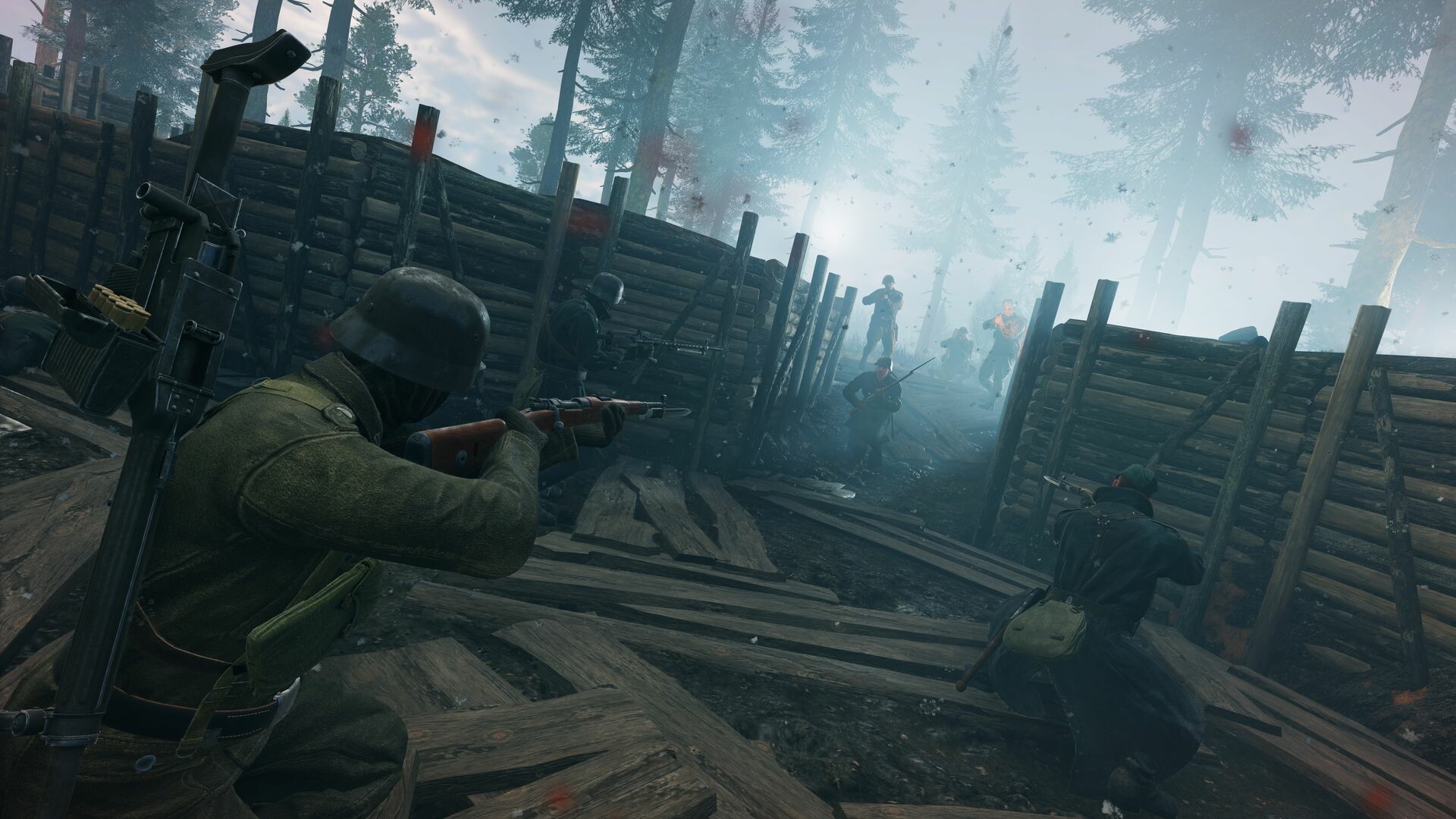
The most important design decision in Enlisted is that the player is not a single character—they are a squad. When one soldier dies, control immediately shifts to another member.
This changes how death is perceived. Individual loss is expected. Survival is temporary. What matters is continuity—keeping the squad functional long enough to influence objectives.
By removing the emotional finality of death, Enlisted reframes combat. The game is less about personal dominance and more about resource management under fire.
2. Squads as Disposable Systems
Squads in Enlisted are not companions in the narrative sense. They are tactical assets. Riflemen, engineers, medics, and specialists exist to fulfill roles, not personalities.
This disposability creates emotional distance, but also strategic clarity. Players make decisions based on utility rather than attachment. Sacrificing a squad to capture an objective can be the correct choice.
The design quietly mirrors real-world military logic: progress often comes at the cost of manpower.
3. Battlefield Scale and Constant Pressure
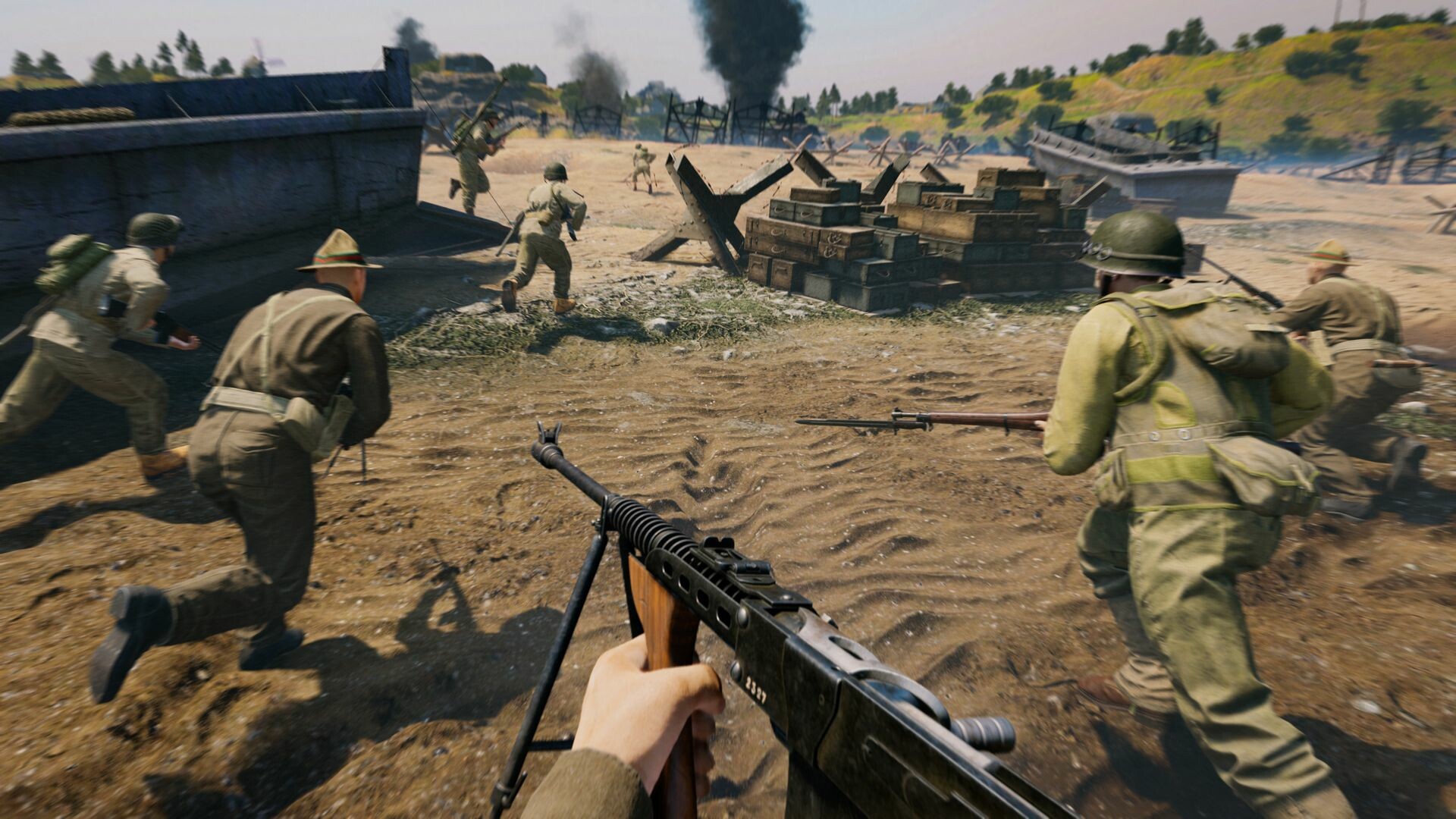
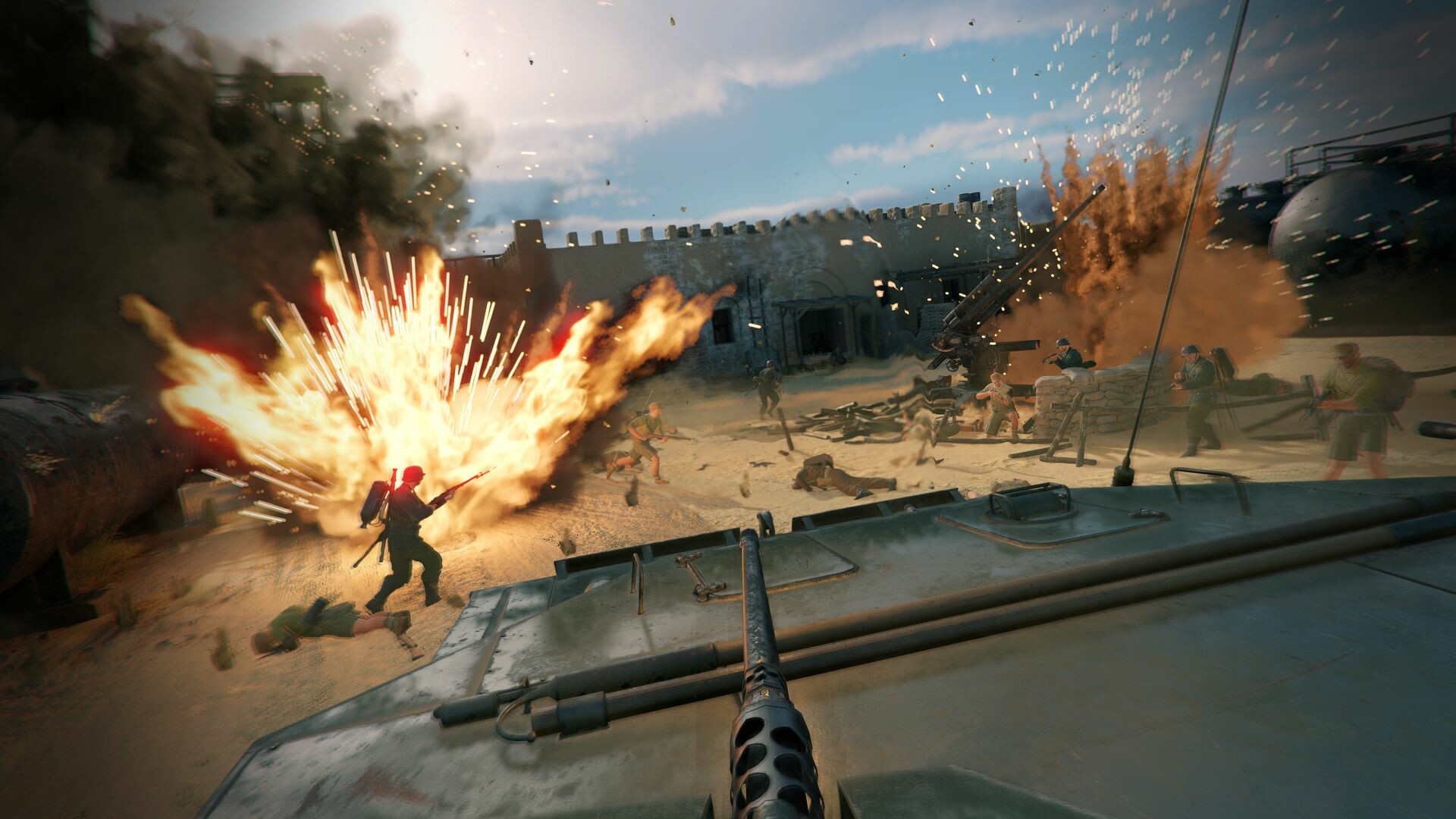
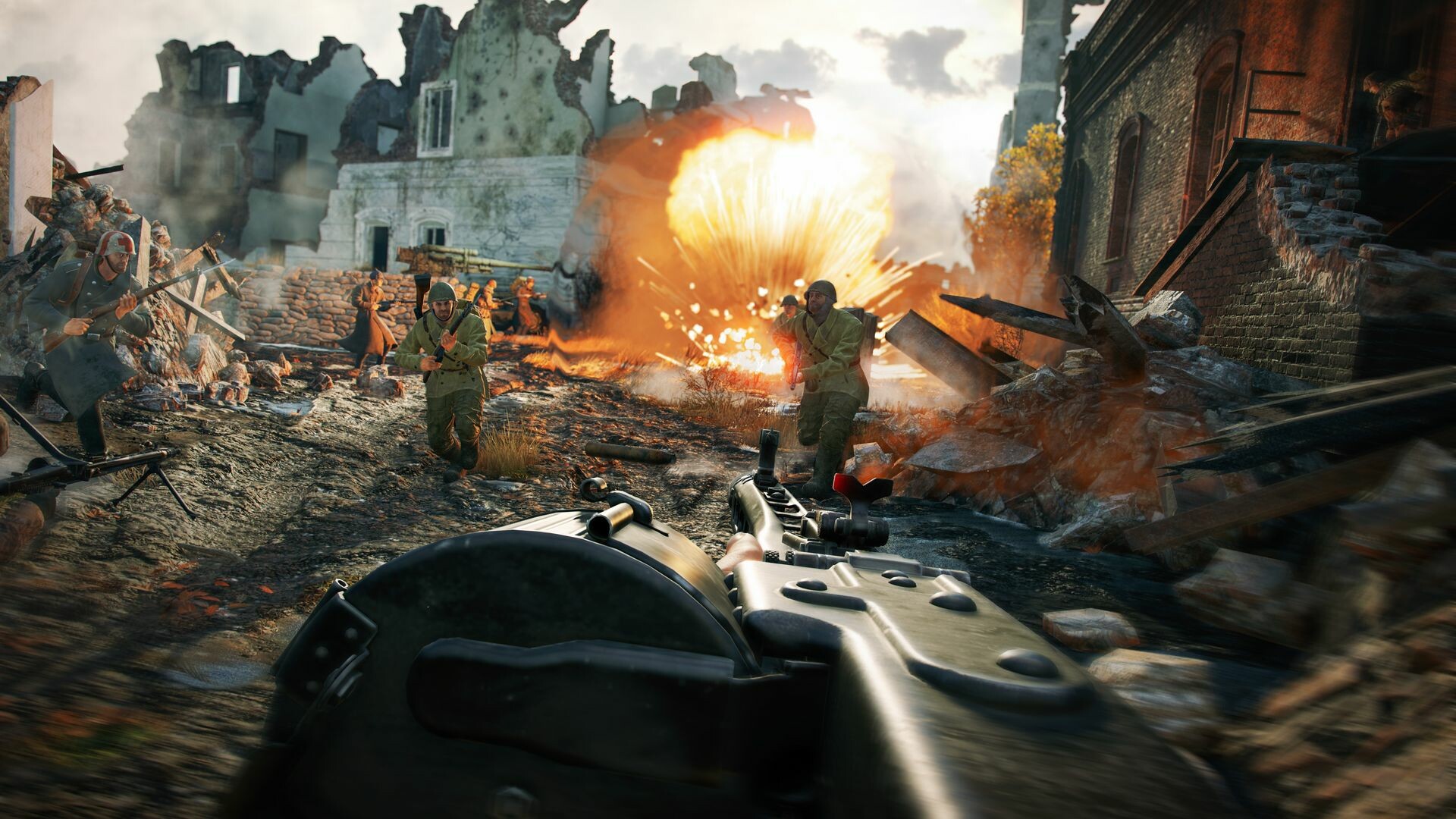
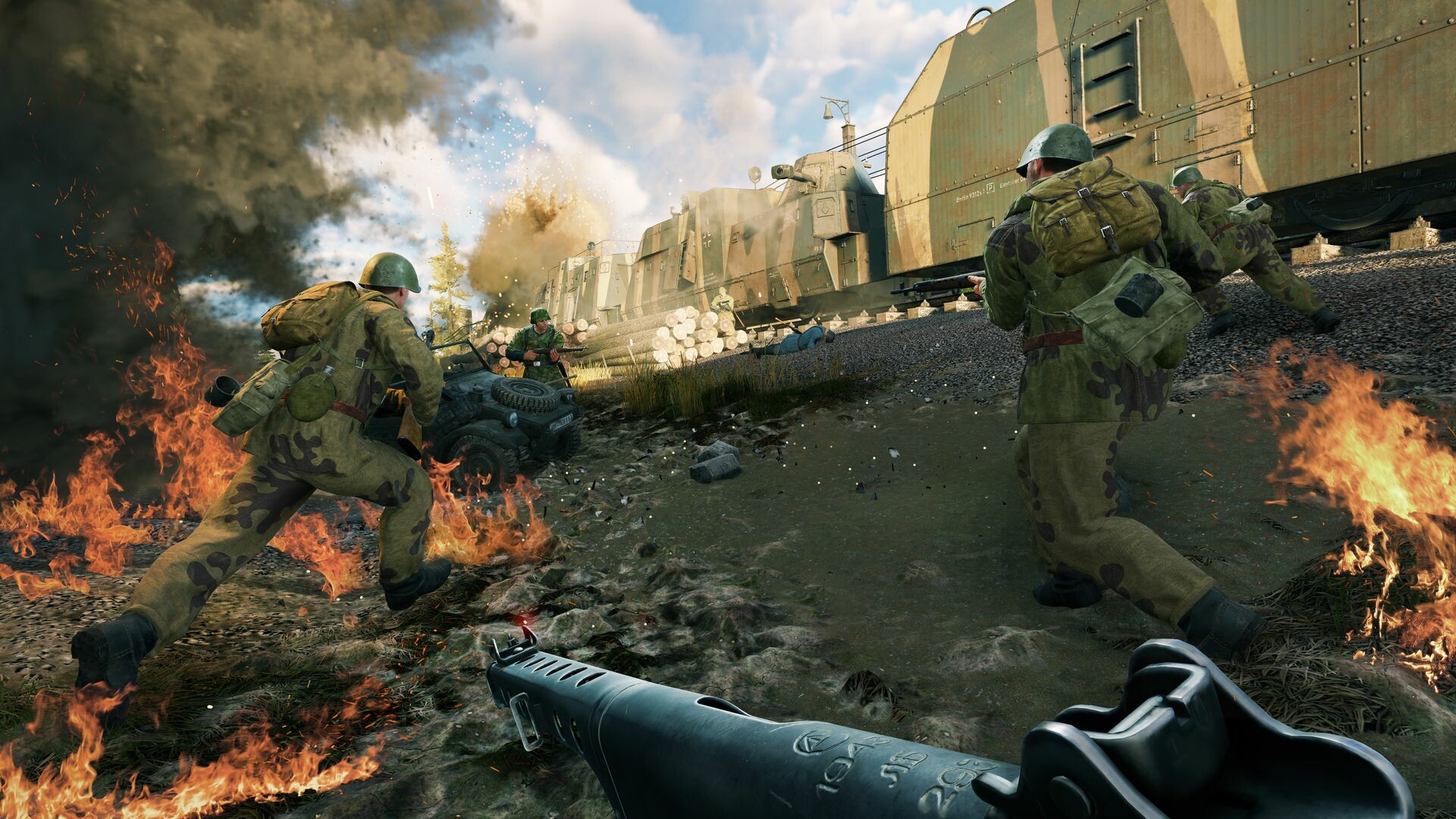
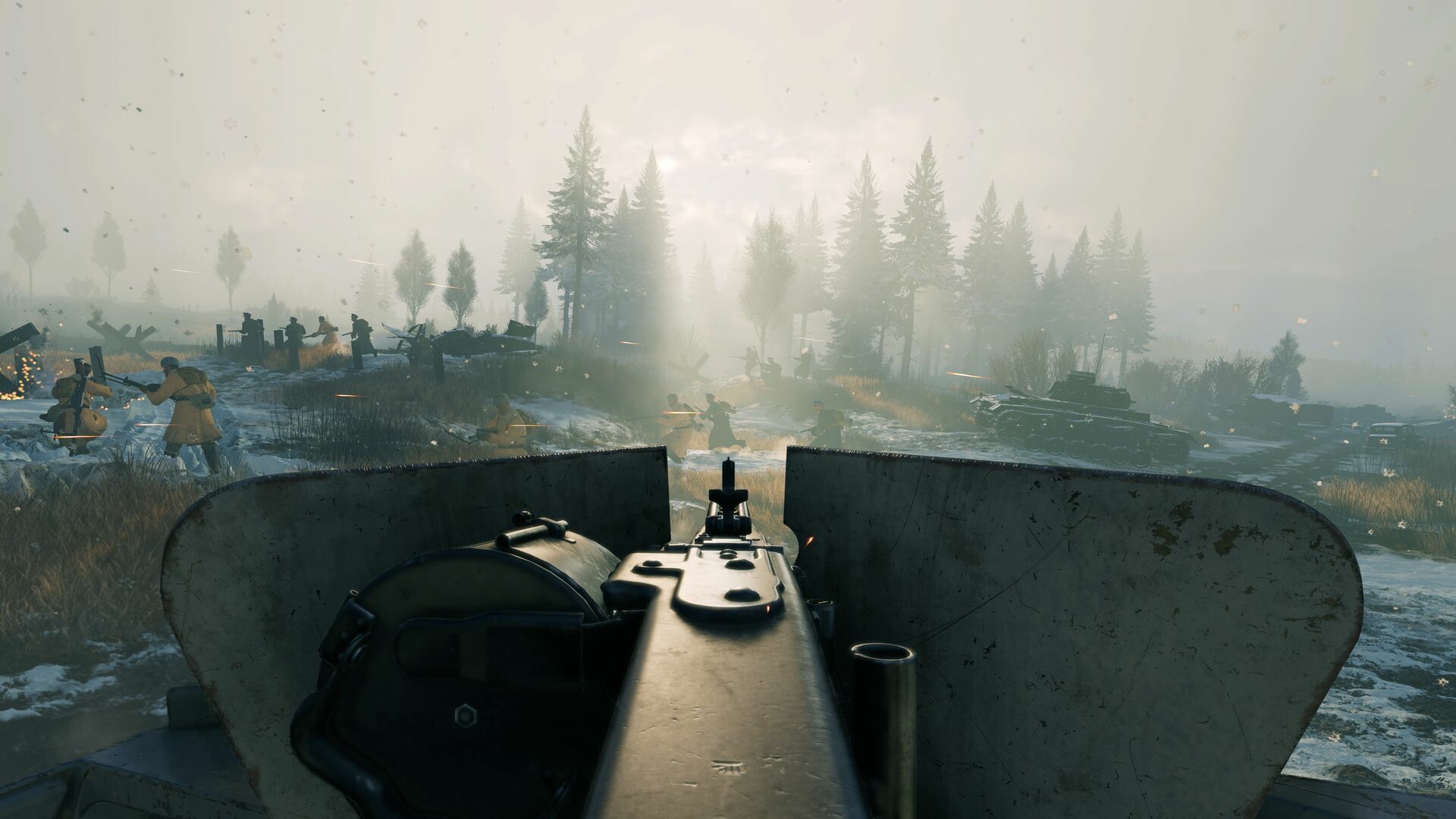
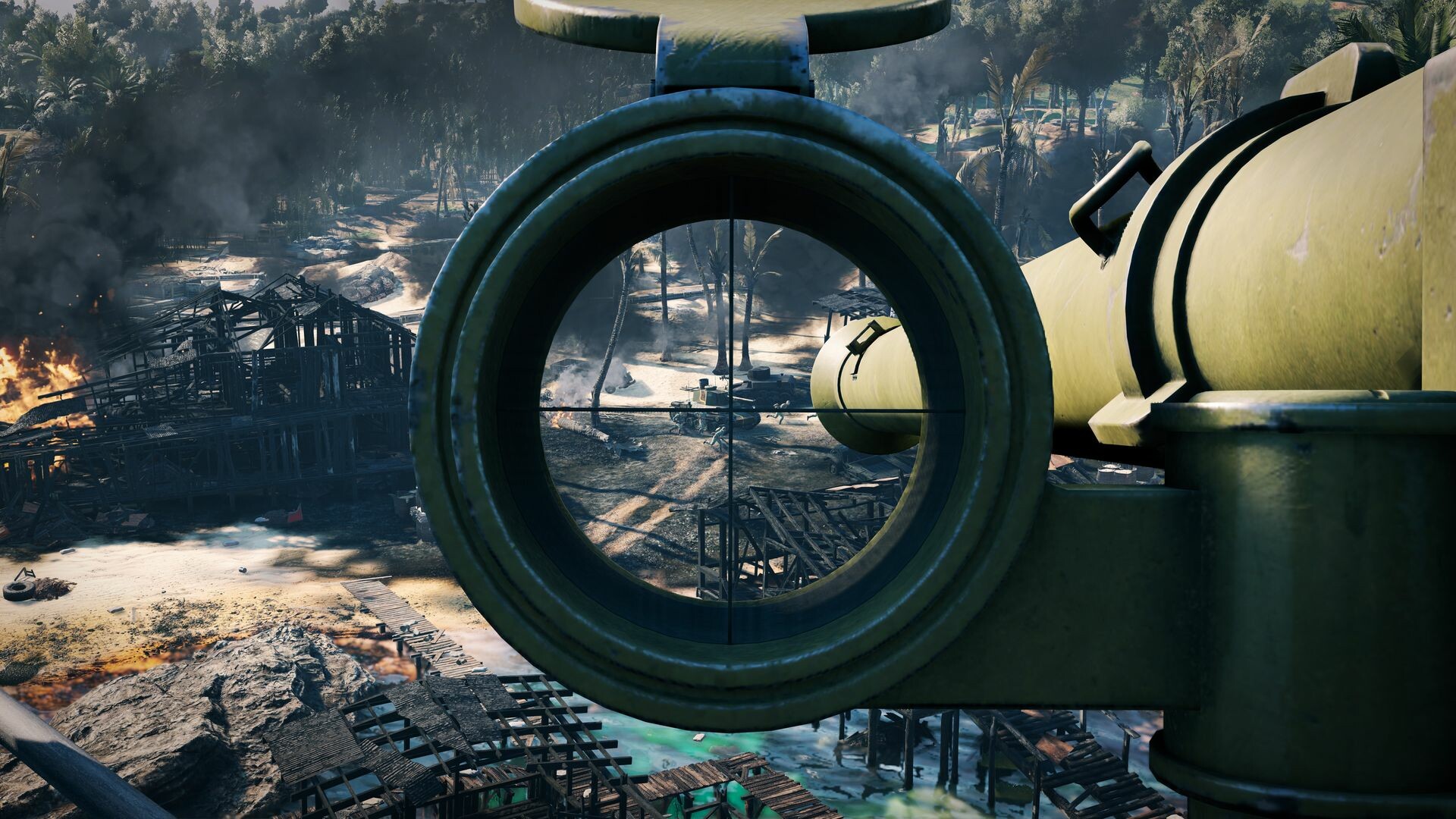
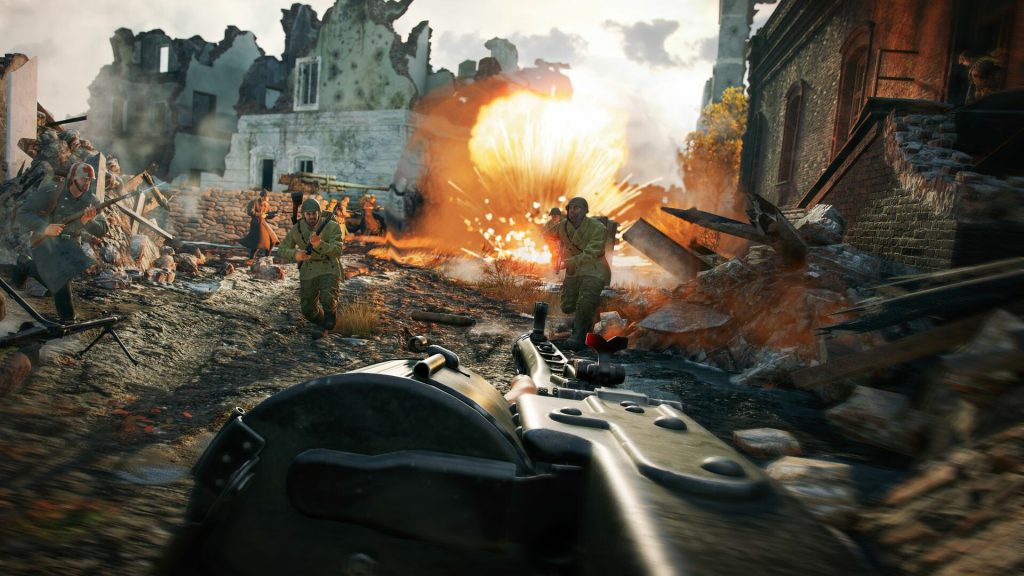
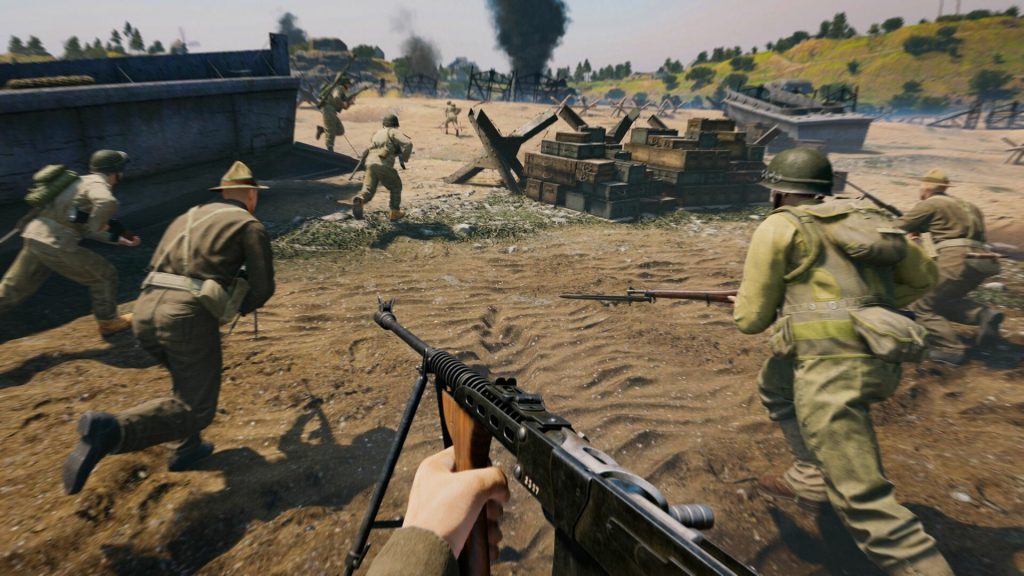
Enlisted thrives on density. Battles are large, noisy, and chaotic. Explosions overlap. Infantry floods choke points. Vehicles dominate open ground.
There is rarely a sense of control—only momentum. Objectives change hands quickly. Frontlines shift constantly. The battlefield feels alive because it is always contested.
This constant pressure ensures that no single player can dominate the experience. Even skilled players must contend with overwhelming numbers and unpredictable conditions.
4. Combined Arms Without Complexity Overload
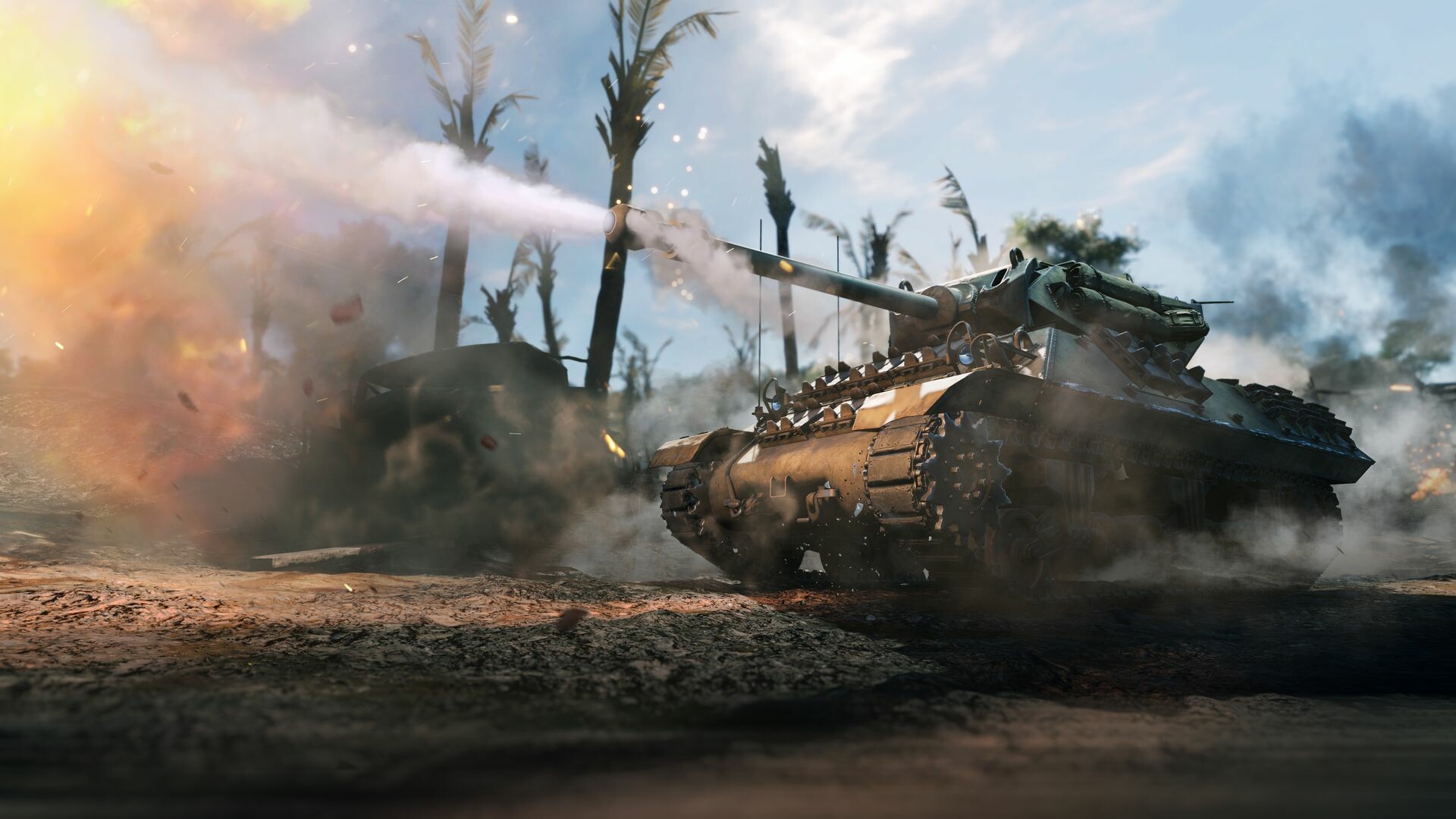
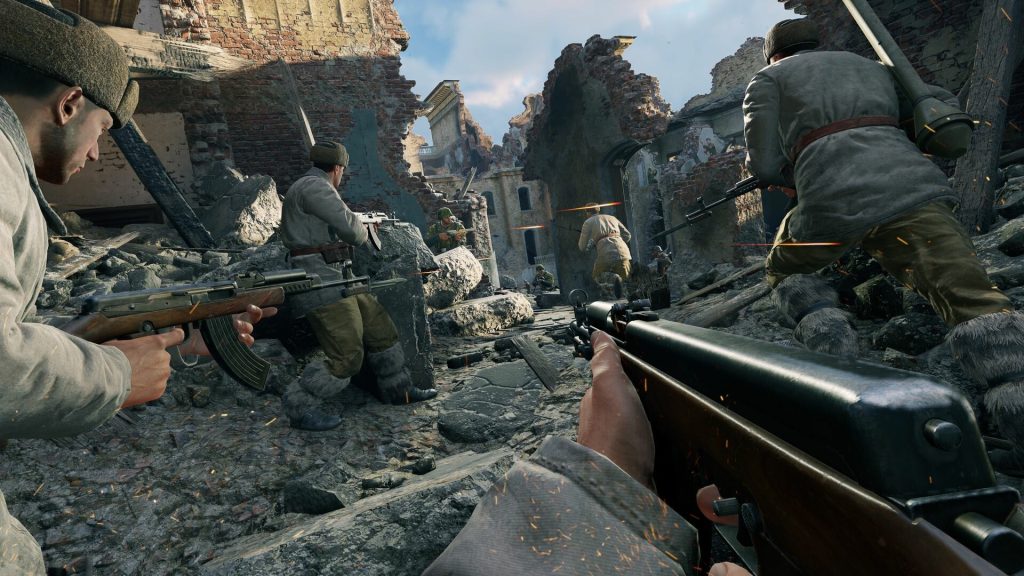
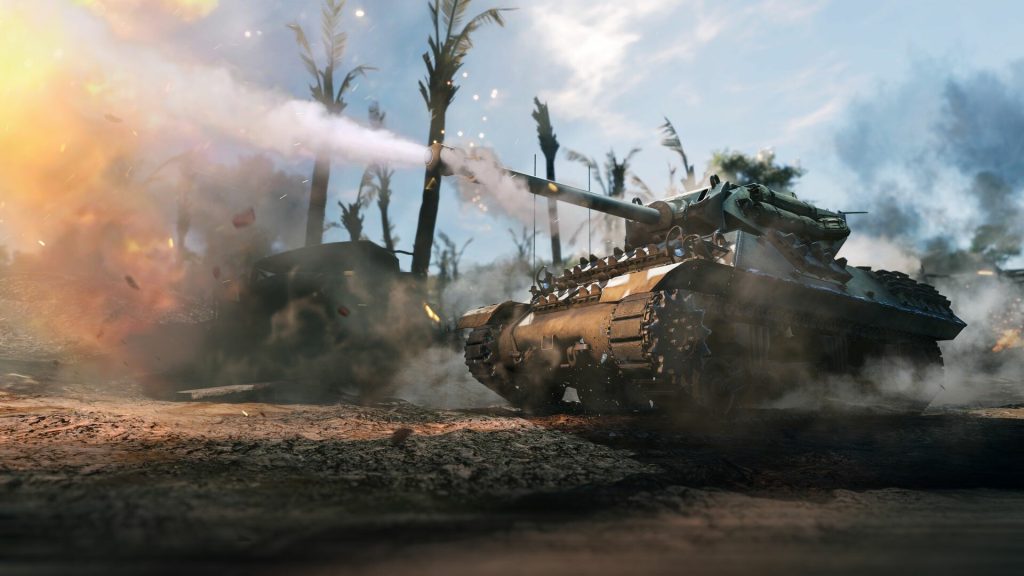
Enlisted integrates infantry, tanks, aircraft, and fortifications into a single battlefield without overwhelming players with simulation-level controls.
Vehicles feel powerful but vulnerable. Tanks dominate lanes but fall to explosives. Aircraft influence flow but require awareness and positioning.
This balance prevents any single system from eclipsing others. Combined arms feel impactful without becoming inaccessible.
5. Weapon Handling and Lethality
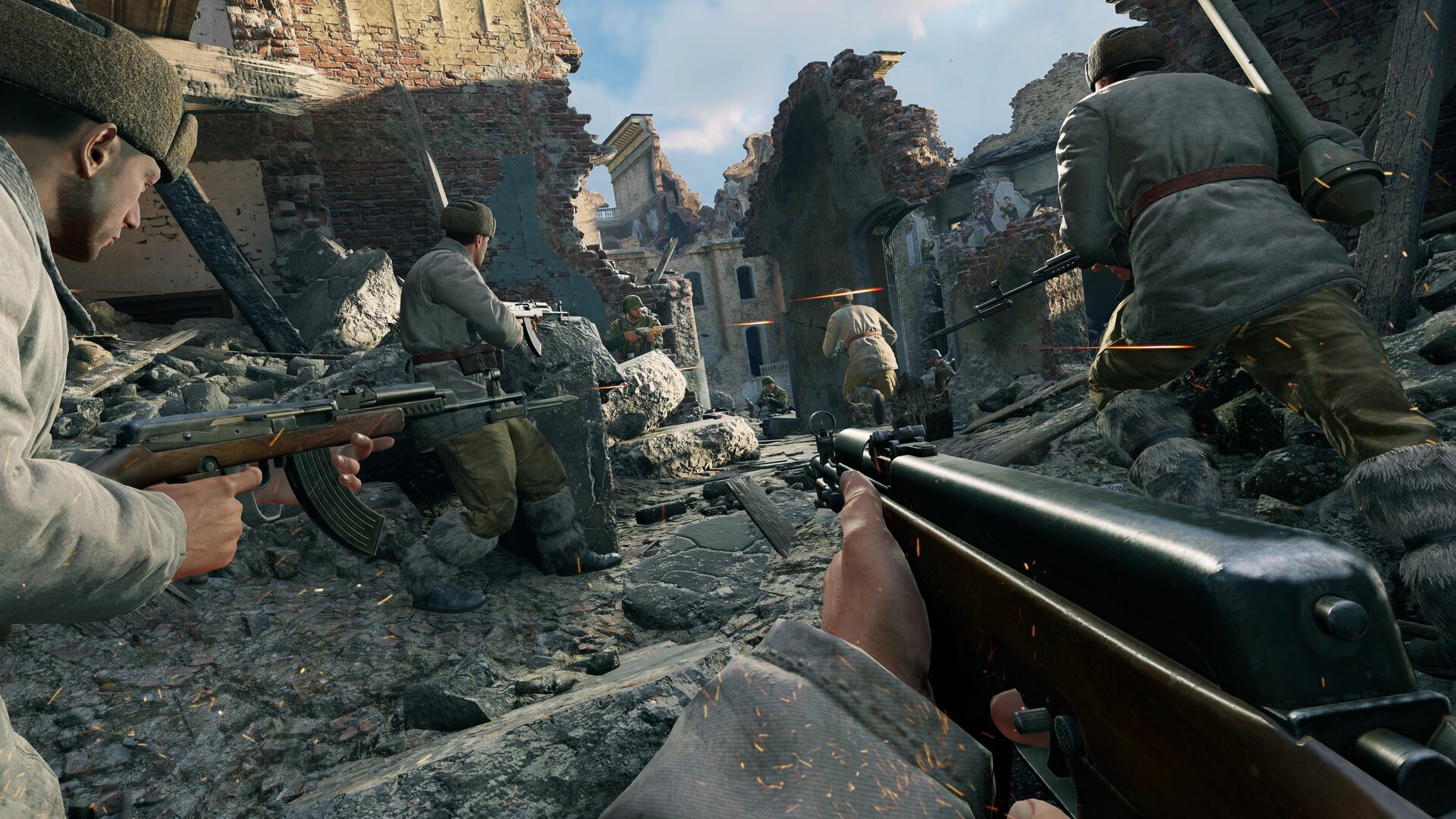
Gunplay in Enlisted is lethal and grounded. Weapons kill quickly. Cover matters. Exposure is punished.
Unlike arcade shooters where damage is diluted for spectacle, Enlisted rewards positioning and restraint. A single mistake can erase an entire squad.
This lethality reinforces the game’s tone. Combat feels dangerous not because enemies are elite, but because weapons behave realistically enough to matter.
6. Engineers and the Quiet Power of Infrastructure
One of Enlisted’s most underappreciated roles is the engineer. Building rally points, fortifications, and ammo supplies often determines match outcomes more than kill counts.
This introduces a strategic layer often ignored in shooters. Players who understand infrastructure shape the battlefield invisibly.
The game rewards foresight over reflex. Preparation becomes a form of combat.
7. Progression and the Weight of Time
Progression in Enlisted is extensive and often slow. Unlocking squads, weapons, and upgrades requires significant investment.
This progression system shapes behavior. Players commit to specific factions and campaigns. Identity forms around loadouts and historical context.
However, progression also introduces imbalance concerns. Veteran players often possess meaningful advantages over newcomers, creating friction in fairness perception.
8. Player Psychology: Attrition Over Achievement
Enlisted does not celebrate individual excellence loudly. There are no heroic kill streaks or dramatic victory screens focused on singular players.
Instead, success feels cumulative. Small contributions—placing a rally point, holding an objective briefly, delaying a push—matter.
This encourages a mindset shift. Players learn that participation is more valuable than perfection. War is won by persistence, not brilliance.
9. Historical Framing Without Narrative Weight
Enlisted uses World War II settings and equipment, but it avoids heavy narrative framing. There are no protagonists, arcs, or emotional storytelling beats.
This restraint keeps focus on systems rather than sentimentality. History functions as context, not commentary.
For some players, this feels immersive. For others, it feels emotionally distant. The game chooses authenticity of structure over emotional dramatization.
10. Enlisted’s Place Among Military Shooters
Enlisted occupies a rare middle ground. It is more grounded than arcade shooters, but less demanding than full simulations. It emphasizes scale without requiring realism mastery.
Its true strength lies in representing war as process, not spectacle. Progress is slow. Loss is constant. Victory is rarely clean.
This makes Enlisted less immediately gratifying—but more honest in tone than many of its peers.
Pros
Unique squad-based perspective on large-scale warfare
High-intensity battles with constant momentum
Meaningful combined arms integration
Lethal, grounded combat reinforces tension
Strategic depth through infrastructure and positioning
Cons
Steep and sometimes grind-heavy progression
Balance issues between new and veteran players
AI squadmates can feel unreliable
Limited narrative engagement
Visual and mechanical clutter during large battles
Conclusion: War as a System, Not a Story
Enlisted does not attempt to glorify war or reduce it to individual heroics. It presents conflict as an overlapping set of systems—logistics, manpower, timing, and sacrifice—where progress is incremental and loss is constant.
For players who want large-scale battles that feel chaotic, lethal, and impersonal in the way real conflict often is, Enlisted offers a distinctive and demanding experience. It is not about standing out.
It is about being part of the machine—and deciding how much of yourself you are willing to spend to keep it moving.