


Granvir – Experimental Systems, Collective Discovery, and Meaning Built Through Uncertainty
Introduction: A Game That Refuses to Explain Itself
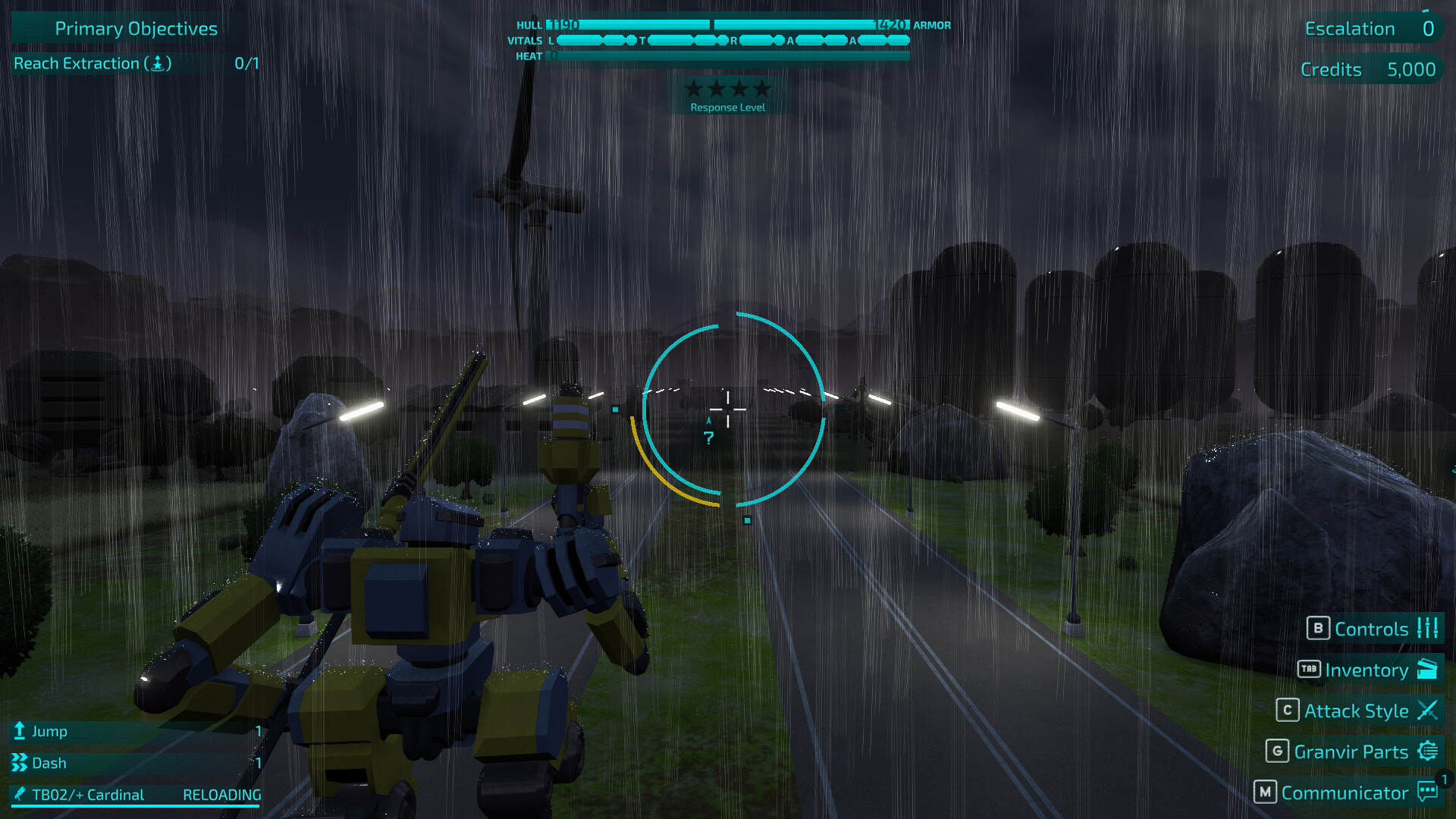
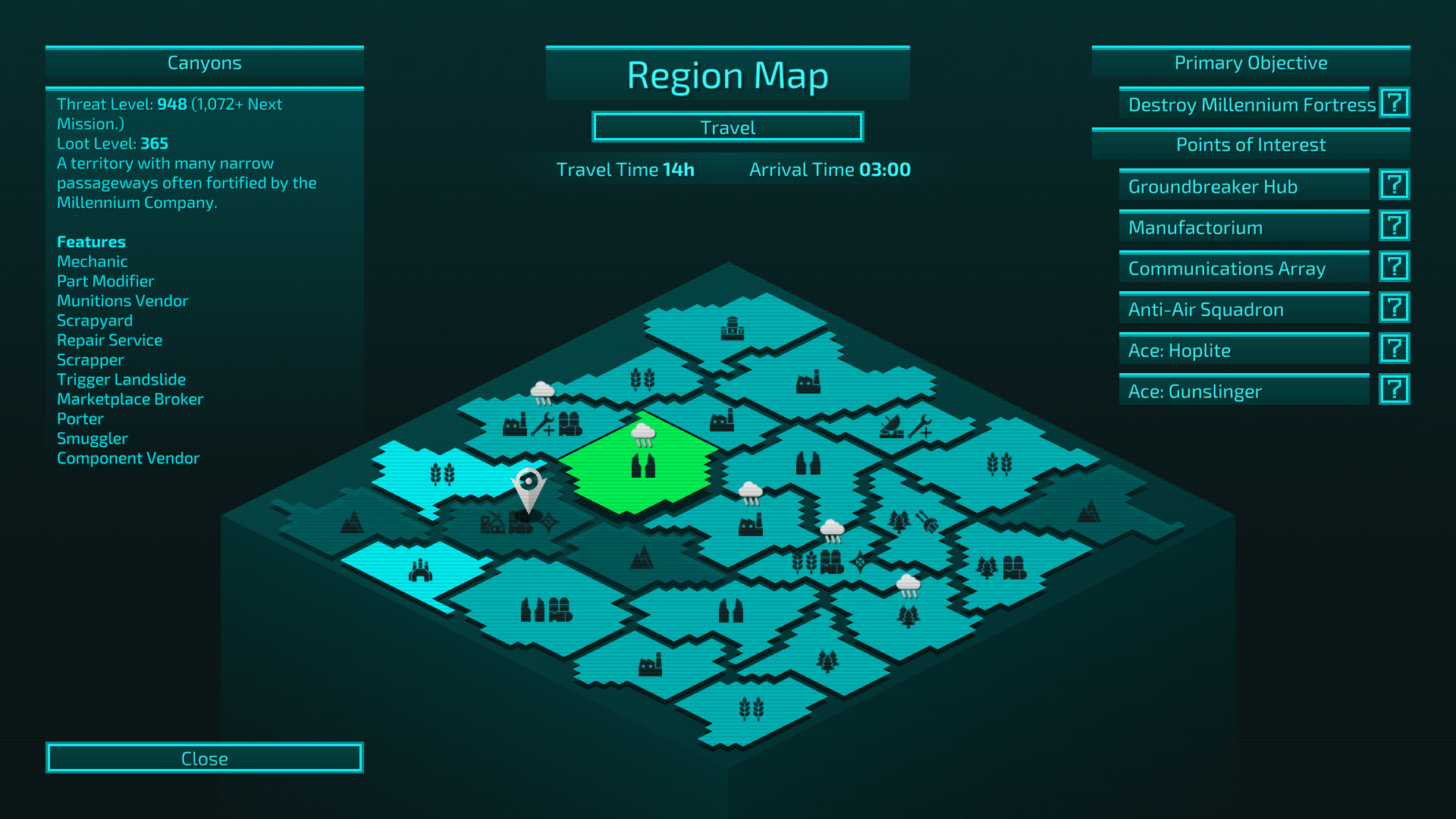
Granvir is not a game that introduces itself politely. It does not front-load tutorials, clarify its intentions, or reassure the player about what kind of experience it wants to be. Instead, it drops players into a space defined by ambiguity and asks them to figure out what matters. In an industry dominated by onboarding flows and explicit reward loops, Granvir deliberately chooses friction.
What makes Granvir compelling is not a single mechanic, genre hook, or narrative twist, but its insistence on experimentation as play. The game positions players as interpreters rather than performers, forcing them to learn through observation, discussion, and failure. This review approaches Granvir as a systems-driven, exploratory experience—examining how uncertainty, cooperation, and incomplete information become the foundation of engagement.
Quick Info (Overview Box)
Release Year: 2024
Genre: Experimental multiplayer / Exploratory systems game
Platforms: PC
Game Modes: Online multiplayer, small-group play
Target Audience: Players who enjoy discovery-driven gameplay, experimental design, and shared problem-solving
1. Core Design Philosophy: Discovery Over Direction
The most defining aspect of Granvir is its rejection of explicit direction. Objectives are not clearly stated. Success is not immediately measurable. Players are not told what to optimize for.
This absence forces a different mindset. Instead of asking “what should I do,” players ask “what happens if I do this?” Progress is not tracked through meters or levels, but through understanding.
Granvir treats discovery itself as the reward. Knowledge is the only currency that reliably accumulates.
2. Systems That Reveal Themselves Slowly
Granvir’s mechanics are layered and opaque by design. Systems interact in ways that are not immediately visible, and early actions often feel inconsequential until patterns begin to emerge.
Players gradually learn cause and effect—not through tutorials, but through repetition and discussion. Small changes ripple outward. Seemingly minor actions can produce delayed consequences.
This slow revelation creates a sense of genuine discovery. The game feels less like something to master quickly and more like something to study.
3. Multiplayer as an Interpretive Tool
Granvir’s multiplayer component is not primarily competitive. Instead, it functions as a shared interpretive space. Players compare observations, test theories, and argue about meaning.
Because the game withholds clarity, communication becomes essential. Players fill gaps collectively, building shared mental models of how the world functions.
This creates a rare form of cooperation. You are not just working together—you are thinking together. The game becomes a conversation.
4. Player Psychology: Curiosity Versus Frustration
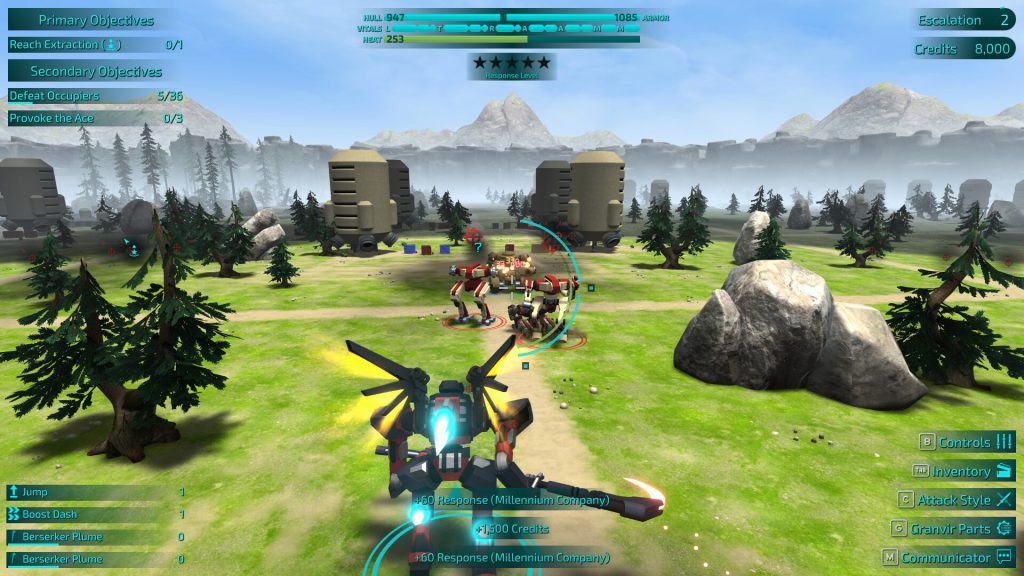
Granvir walks a fine line between intrigue and irritation. For players who enjoy ambiguity, the lack of instruction feels liberating. For others, it can feel alienating.
The game does not rush to validate player effort. Progress may go unnoticed for long stretches. This demands patience and curiosity rather than goal-oriented motivation.
Granvir rewards players who tolerate uncertainty. Those who require constant feedback may struggle to stay engaged.
5. Failure Without Punishment
Failure in Granvir is rarely explicit. You do not “lose” in a traditional sense. Instead, actions simply do not produce expected results.
This reframes failure as information rather than setback. A wrong assumption is corrected not through penalties, but through contradiction.
By removing punitive feedback, Granvir encourages experimentation. Players are more willing to try unconventional ideas when mistakes are not punished harshly.
6. Environmental Communication
The environment in Granvir communicates subtly. Visual changes, spatial shifts, or altered interactions signal system states rather than story beats.
The world feels responsive but not expressive. It does not explain itself—it reacts. Players learn to read these reactions over time.
This creates a sense of presence without narrative exposition. The environment becomes a feedback interface rather than a storytelling device.
7. Absence of Traditional Progression
Granvir deliberately avoids traditional progression systems. There are no skill trees, unlock tiers, or stat escalation.
This keeps the experience flat in a numerical sense, but deep in a conceptual one. Progress is measured by how well players understand interactions and consequences.
The absence of vertical progression ensures that new players can meaningfully participate alongside experienced ones—knowledge, not power, defines expertise.
8. Social Dynamics and Emergent Roles
Over time, groups playing Granvir often develop informal roles. Some players become observers. Others focus on experimentation. Others document outcomes or challenge assumptions.
These roles are not enforced—they emerge naturally from group dynamics. The game benefits from this diversity of approach, as no single perspective captures the whole system.
Granvir thrives when players bring different cognitive styles to the same space.
9. Longevity Through Interpretation
Granvir’s replay value does not come from content volume, but from reinterpretation. As understanding deepens, earlier assumptions are revisited and revised.
The game evolves not because it changes, but because the player’s perspective does. What once felt random becomes structured. What once felt meaningless gains context.
This makes Granvir especially suited for small, dedicated communities rather than mass audiences.
10. Limitations and Intentional Obscurity
Granvir’s strengths are also its barriers. Its refusal to explain itself limits accessibility. Its lack of clear goals reduces immediate satisfaction.
Players seeking action, spectacle, or narrative closure may disengage quickly. The game demands intellectual investment rather than emotional payoff.
These limitations are not oversights—they are expressions of intent. Granvir chooses depth over clarity.
Pros
Strong emphasis on discovery and experimentation
Multiplayer encourages genuine collaboration and discussion
Failure is informative rather than punitive
Systems-driven design rewards curiosity
Knowledge-based progression keeps power balanced
Cons
High barrier to entry due to minimal guidance
Can feel aimless or frustrating for goal-oriented players
Limited appeal outside niche audiences
Progress is difficult to quantify
Requires patience and active engagement
Conclusion: A Game About Understanding
Granvir is not interested in entertaining players through spectacle or constant reward. It is interested in engaging them intellectually. It treats play as inquiry, cooperation as interpretation, and progress as understanding.
For players willing to embrace ambiguity, discuss ideas, and learn through observation rather than instruction, Granvir offers a rare experience—one that feels closer to exploration than consumption.
Granvir does not ask what you want to achieve.
It asks what you are willing to figure out.