
GONE Fishing – Isolation, Routine, and the Quiet Horror of a World That Keeps Going Without You
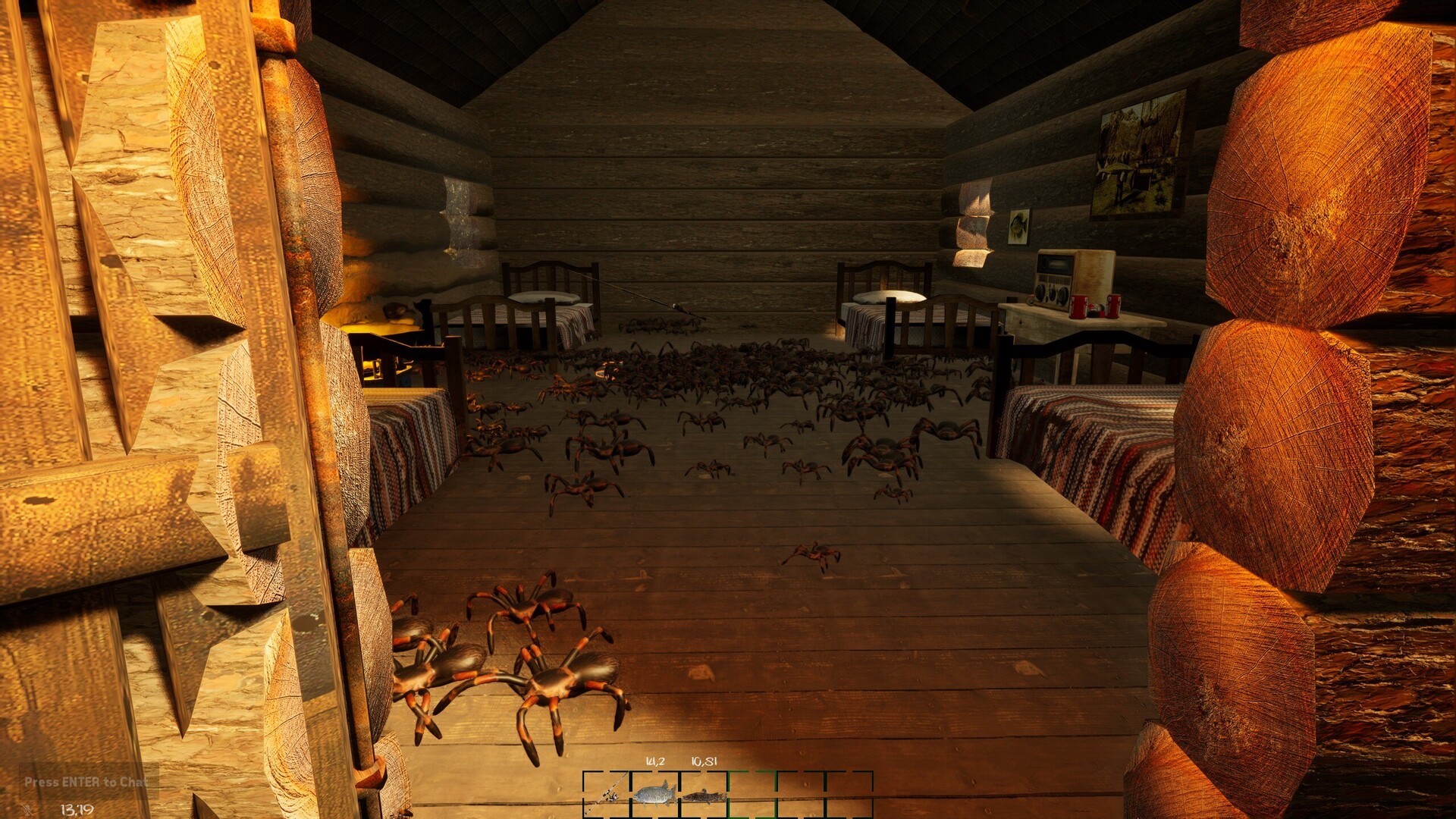
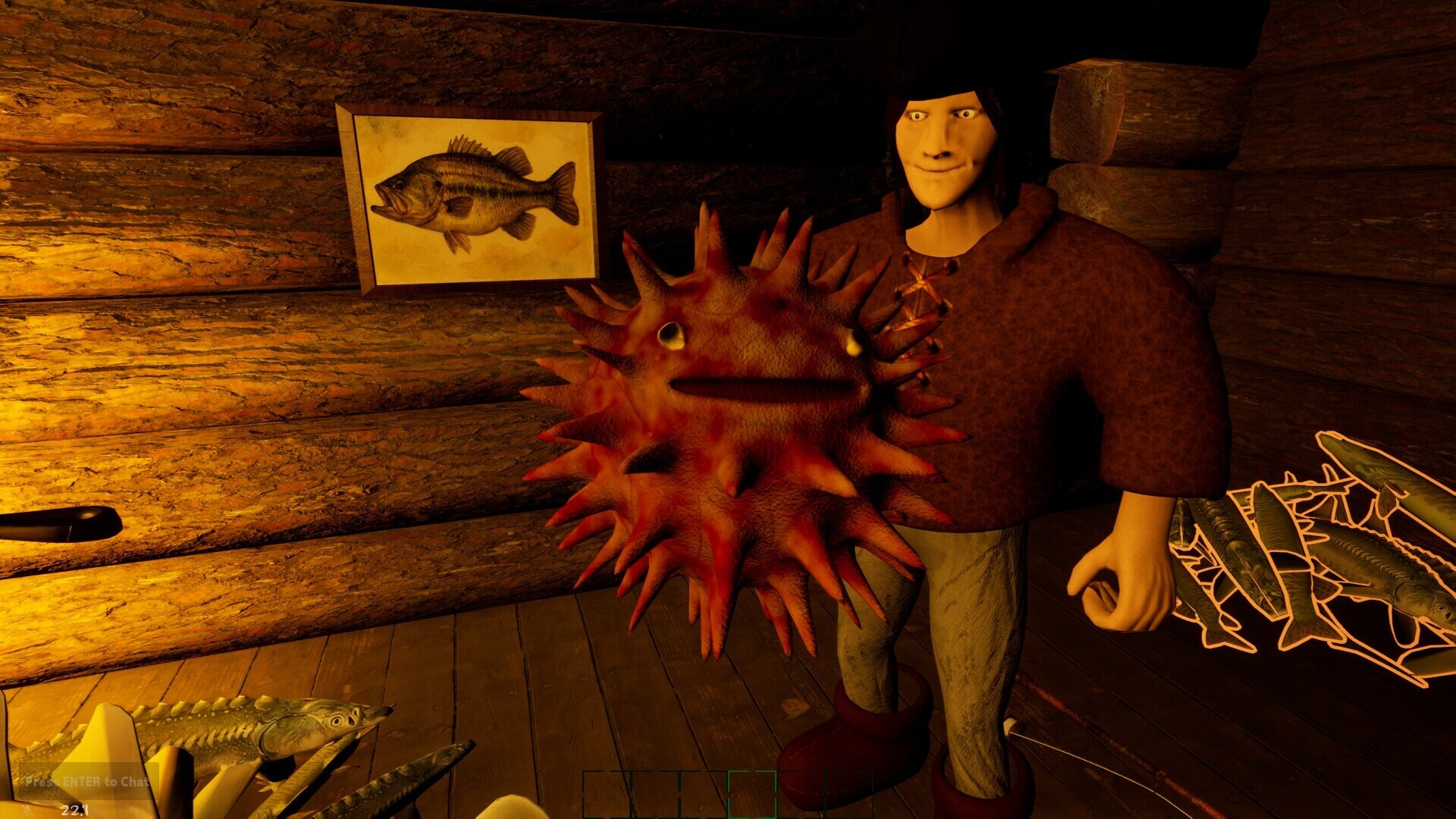
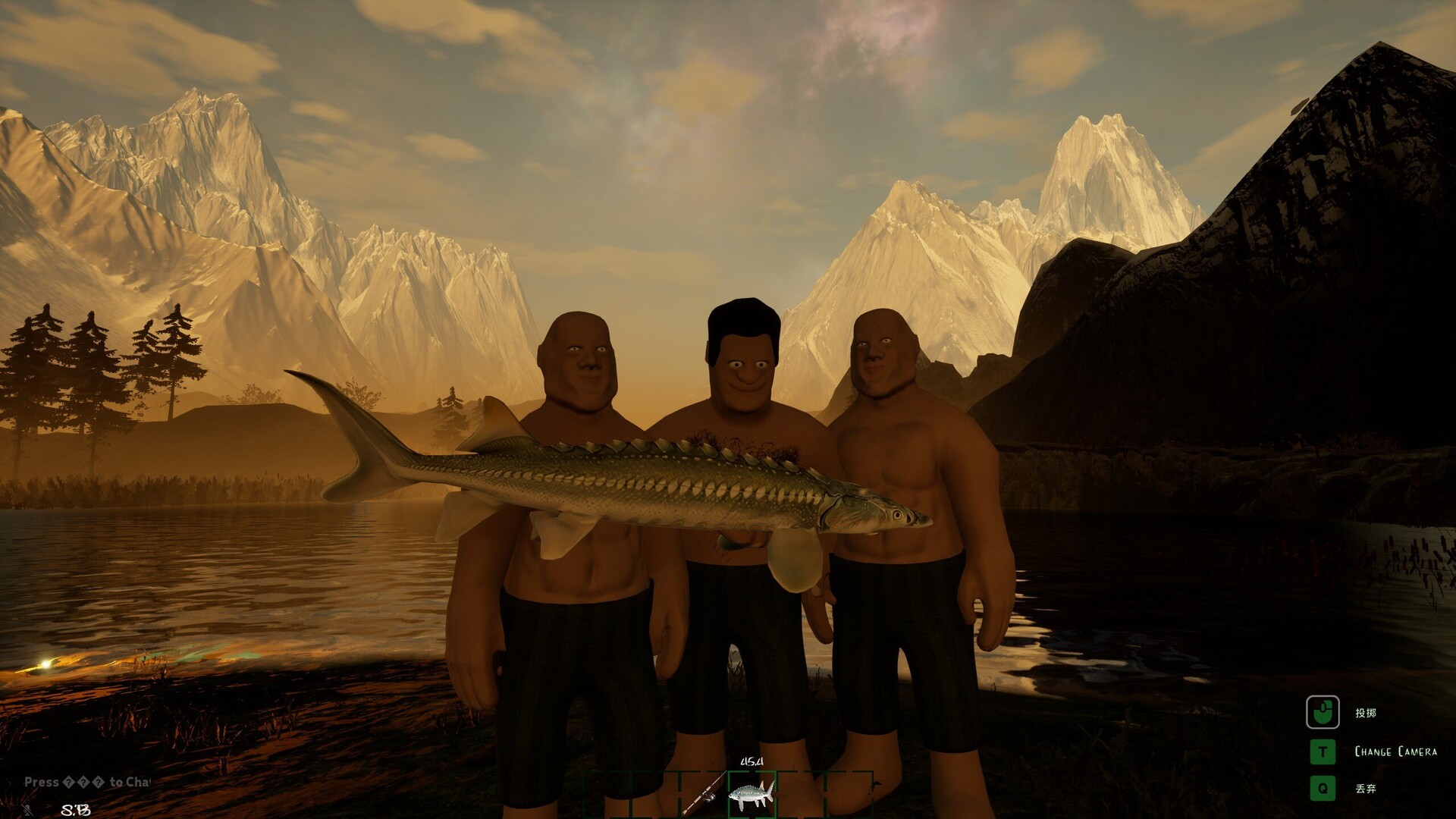
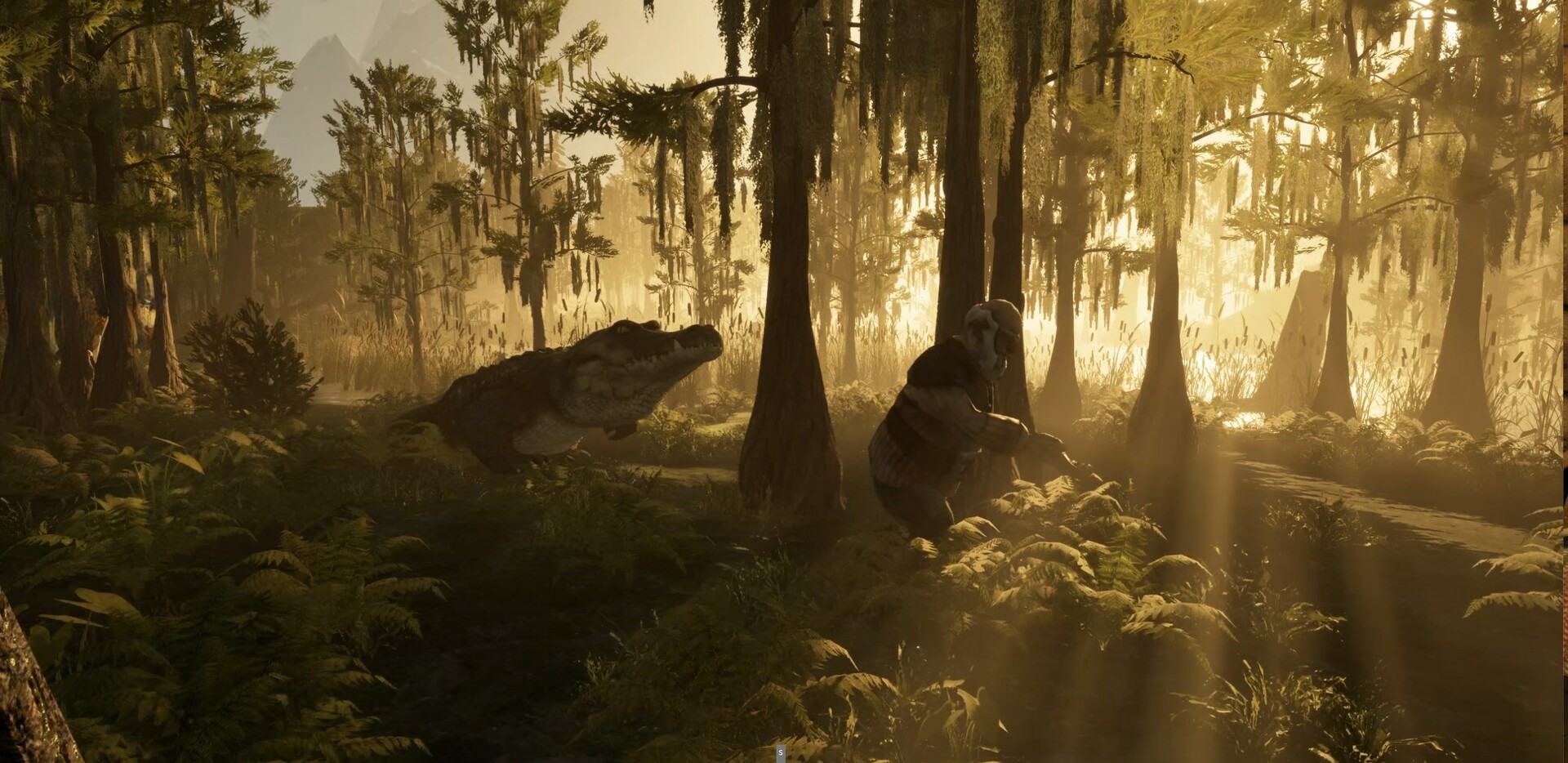
Introduction: When Nothing Happens, and That’s the Point
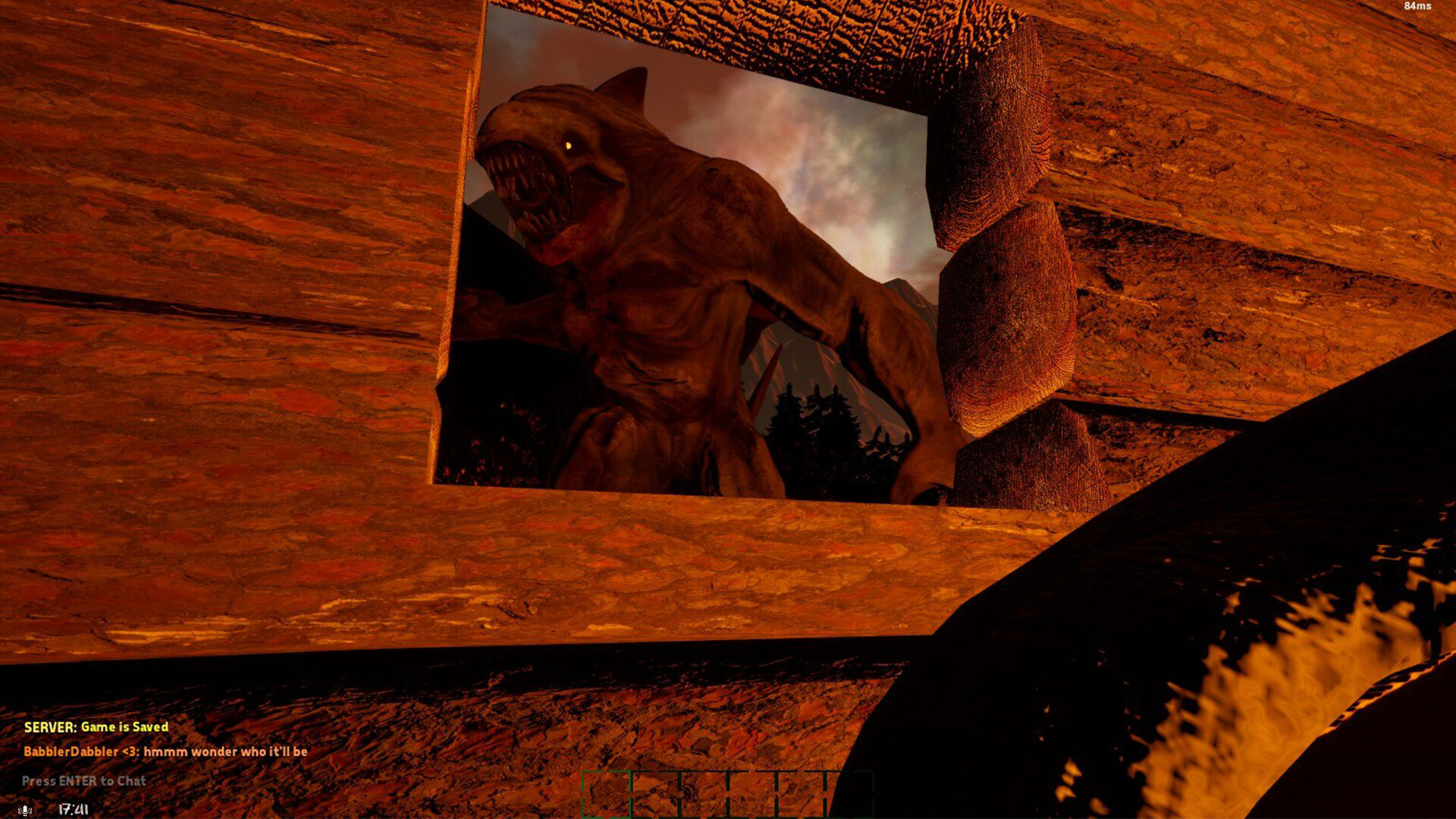
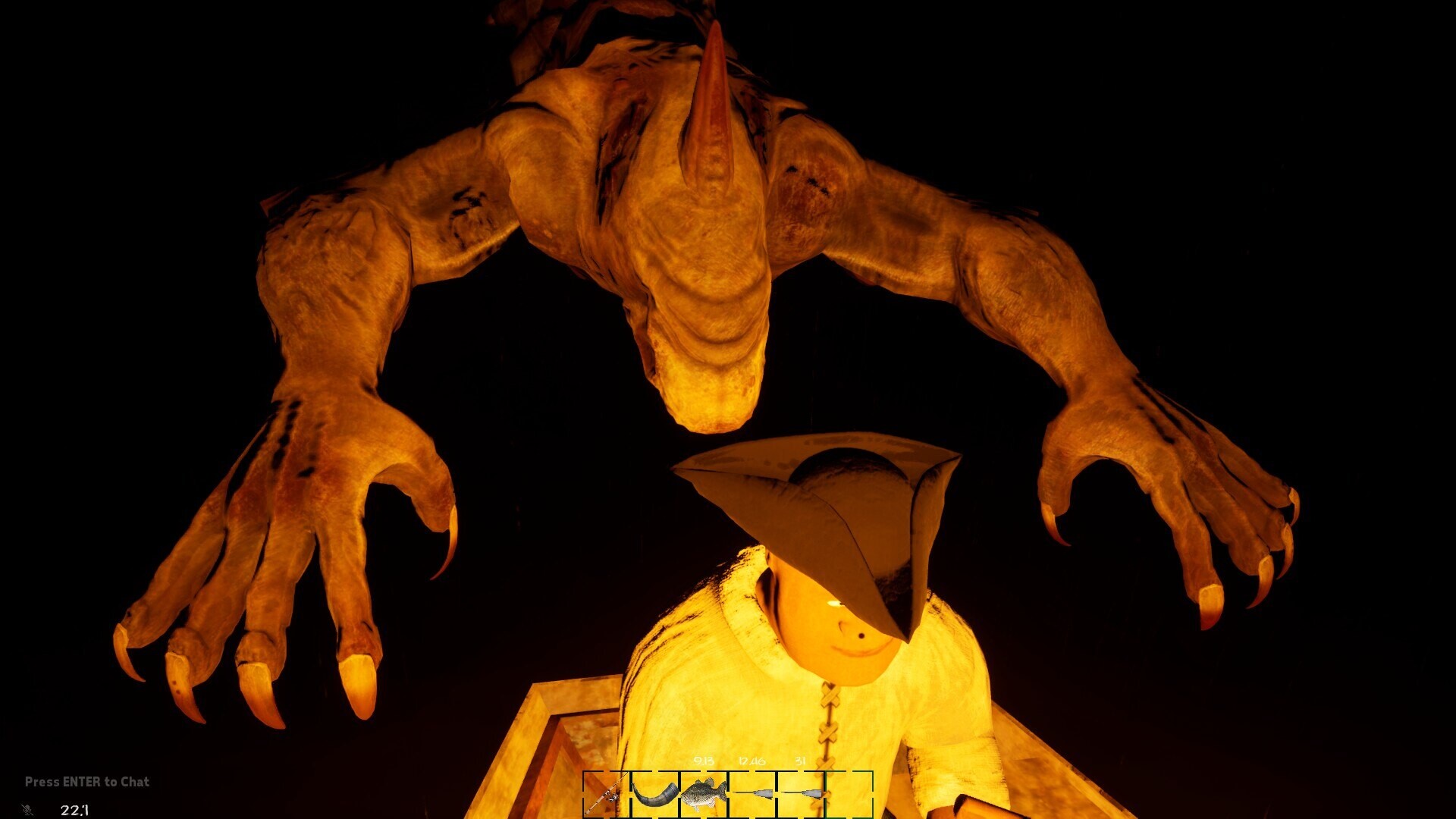
GONE Fishing is not about action, escalation, or mastery. It is about routine in a broken place. At a glance, it appears to be a simple fishing game—cast a line, wait, reel in a catch. But that framing is deliberately misleading. GONE Fishing uses the mechanics of a calm, repetitive activity to explore isolation, unease, and the creeping sense that something fundamental has been lost.
This is a game that understands how silence works. It does not push danger into your face. It lets it sit just outside your awareness, growing heavier with every quiet minute. This review approaches GONE Fishing as an atmospheric experience built on restraint, repetition, and the psychological weight of doing ordinary things in an extraordinary absence.
Quick Info (Overview Box)
Release Year: 2024
Genre: Atmospheric fishing / Psychological horror
Platforms: PC
Game Modes: Single-player
Target Audience: Players who enjoy slow-burn horror, minimalist design, and emotionally driven experiences over mechanical complexity
1. Core Design Philosophy: Familiar Actions in an Unfamiliar World
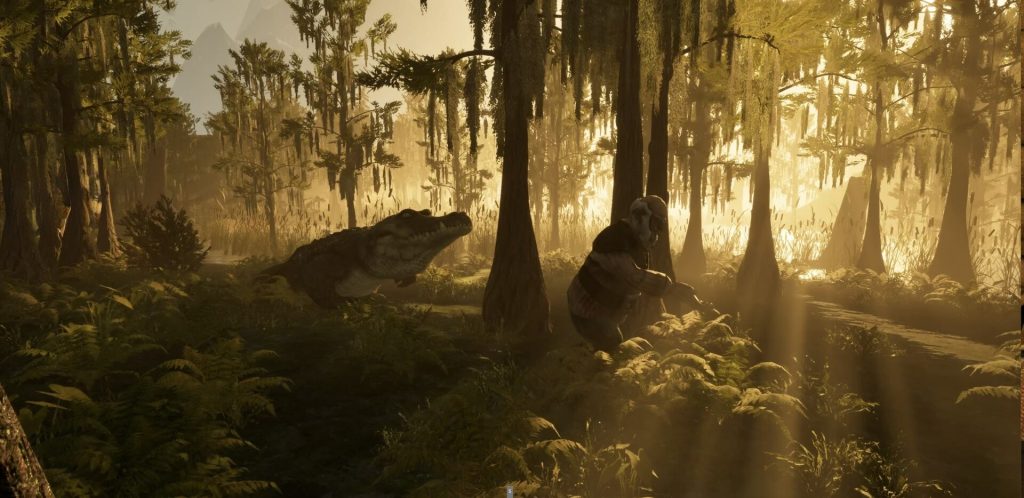
The foundation of GONE Fishing is familiarity. Fishing is a universally understood activity—slow, methodical, almost meditative. The game leans heavily on this familiarity to lower the player’s guard.
By giving players a routine they already understand, the game creates comfort. Then it quietly destabilizes that comfort by removing context. Where are you? Why is no one else here? Why does everything feel abandoned but untouched?
The horror does not come from what happens. It comes from what doesn’t.
2. The Environment: Stillness as Threat
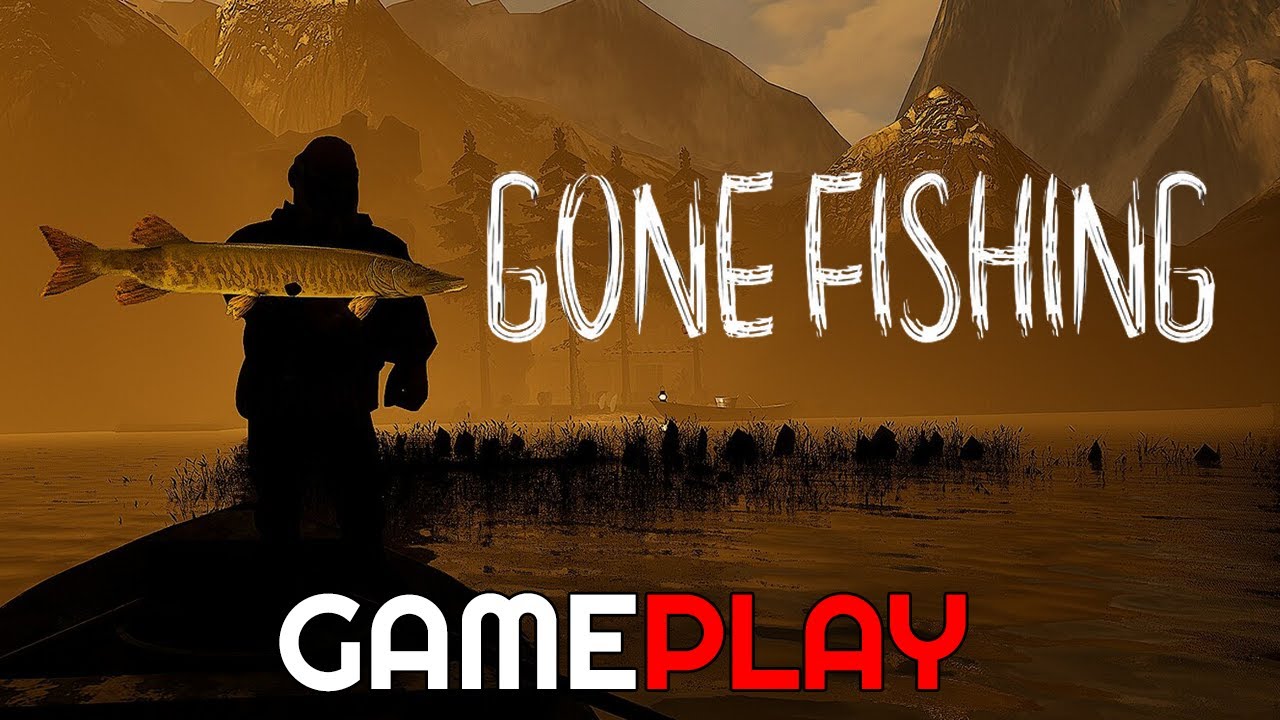
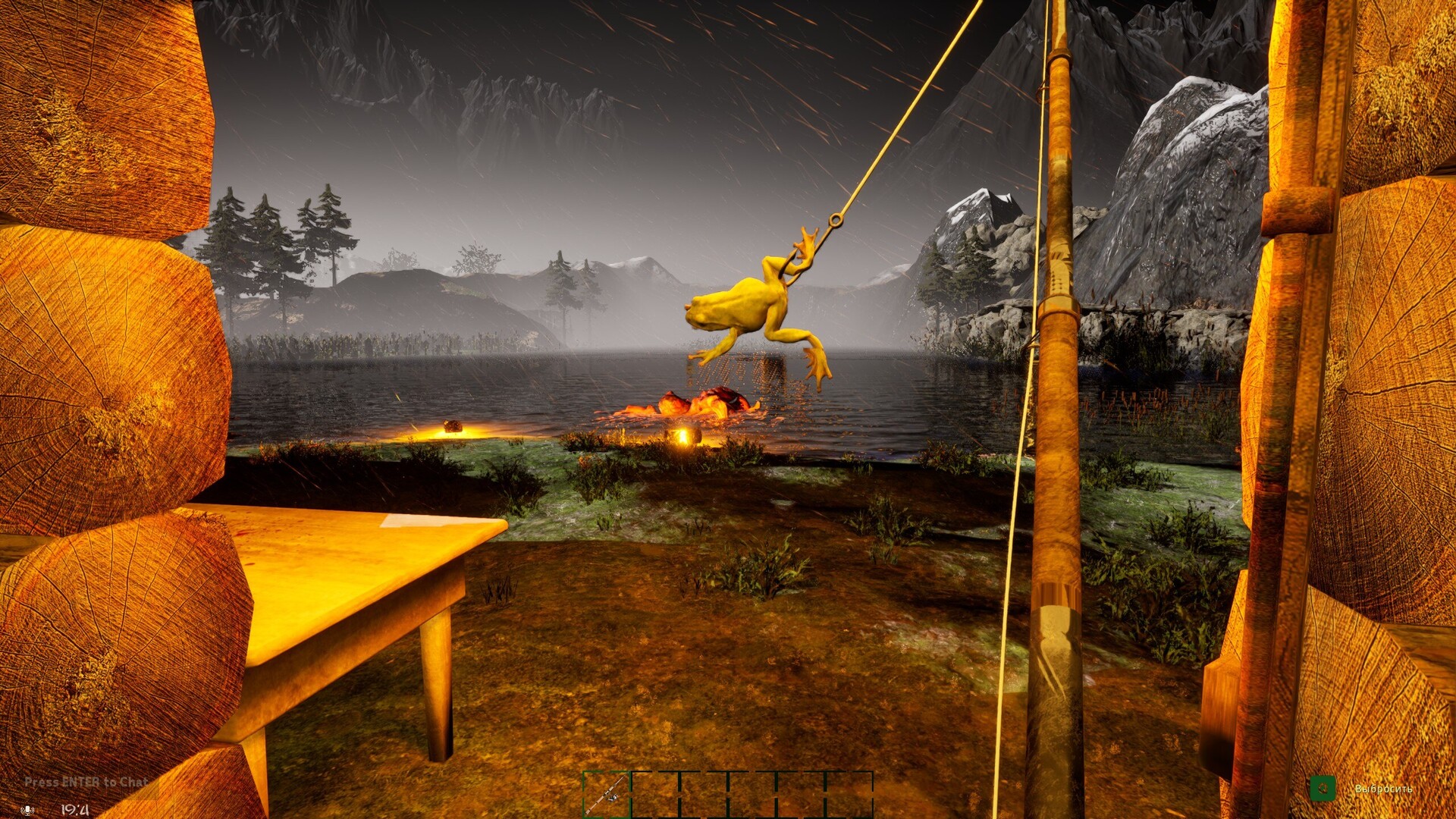
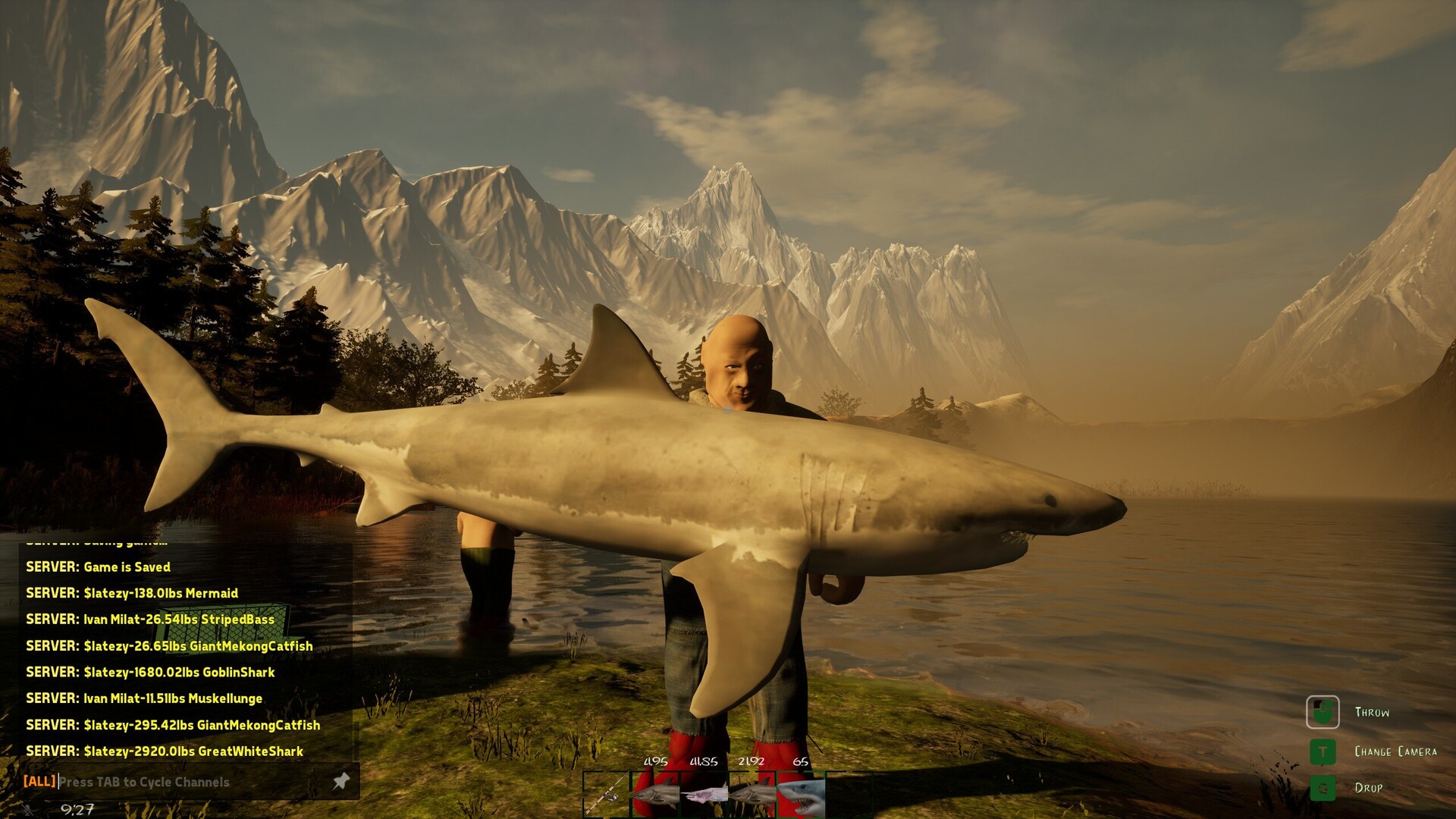
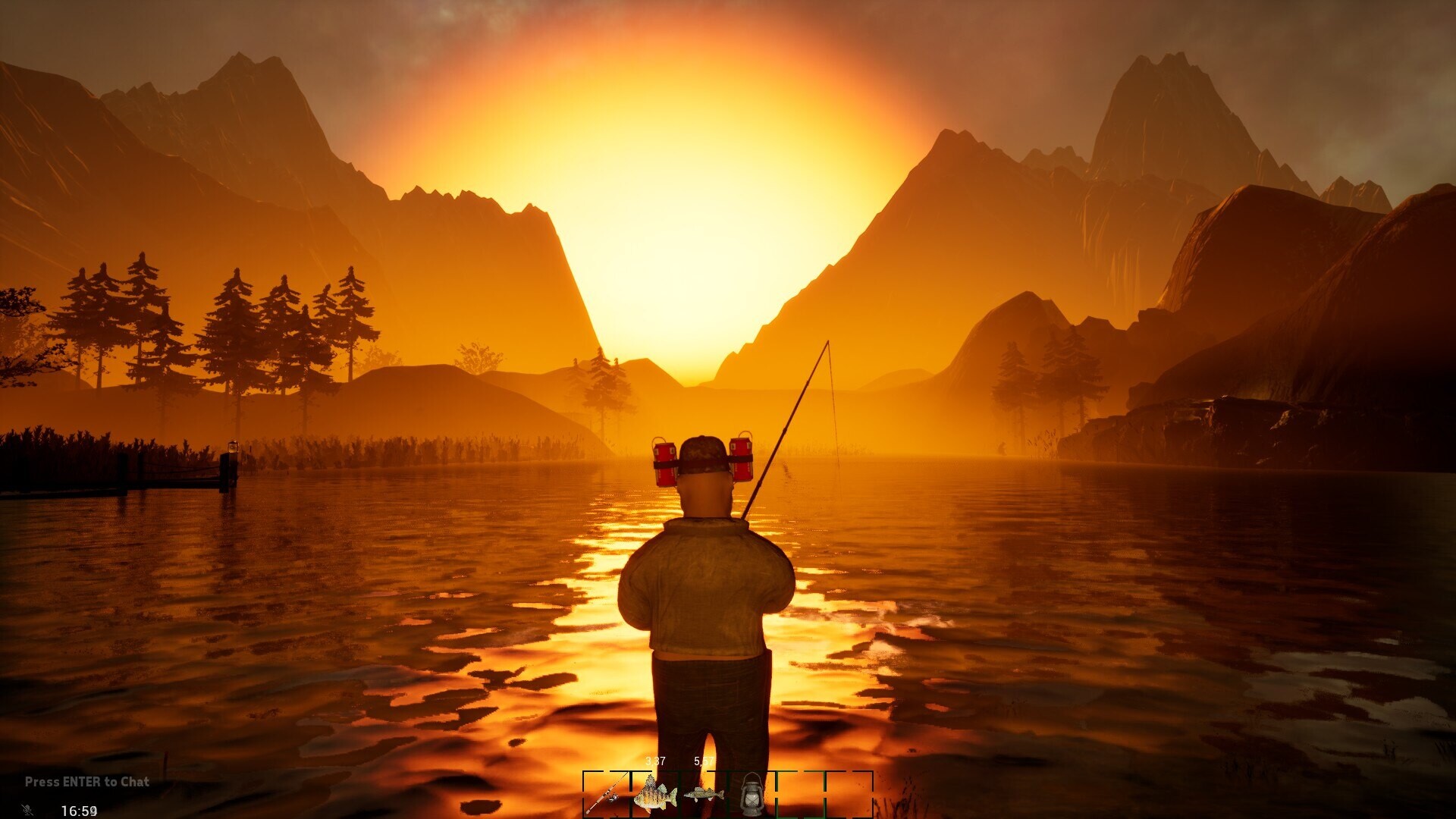
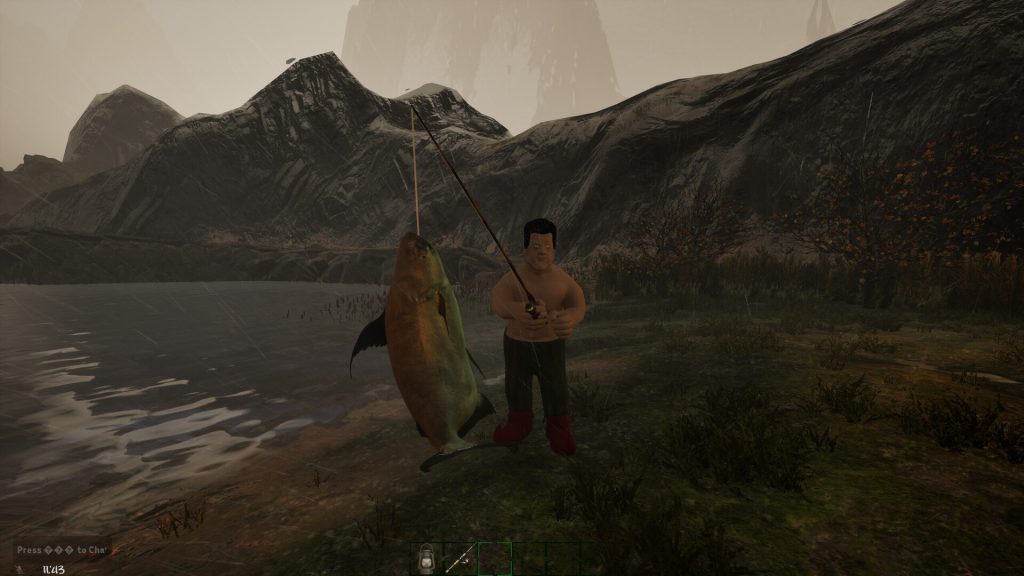
The environments in GONE Fishing are subdued and eerily calm. Water stretches endlessly. The shoreline feels empty rather than ruined. There is no overt decay, no obvious catastrophe.
This absence of damage is unsettling. The world does not look destroyed—it looks left behind. The environment suggests continuity without presence, as if life simply stepped away and never returned.
By avoiding visual shock, the game lets stillness become threatening. The lack of motion feels wrong, not peaceful.
3. Fishing as a Repetitive Anchor
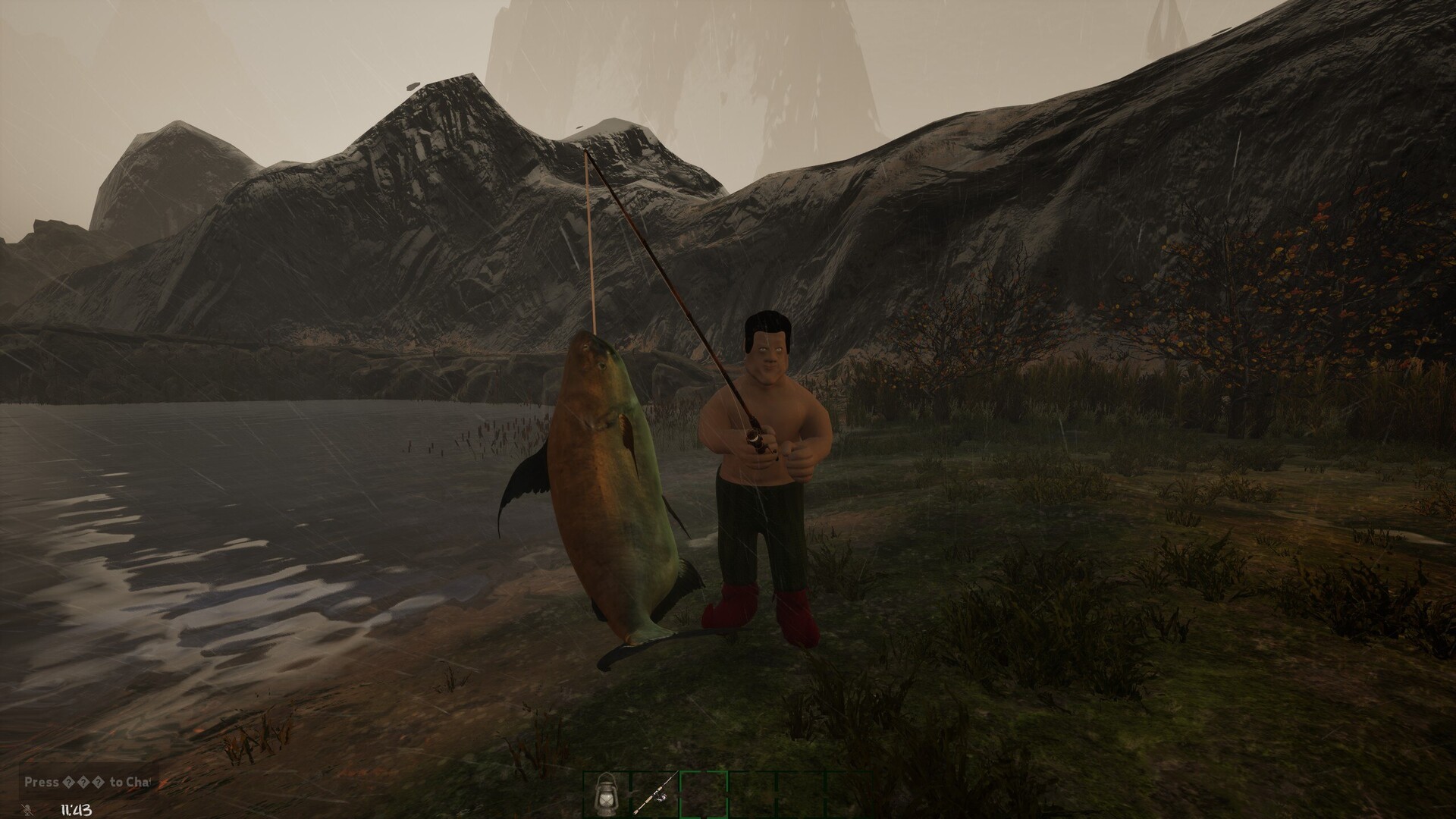
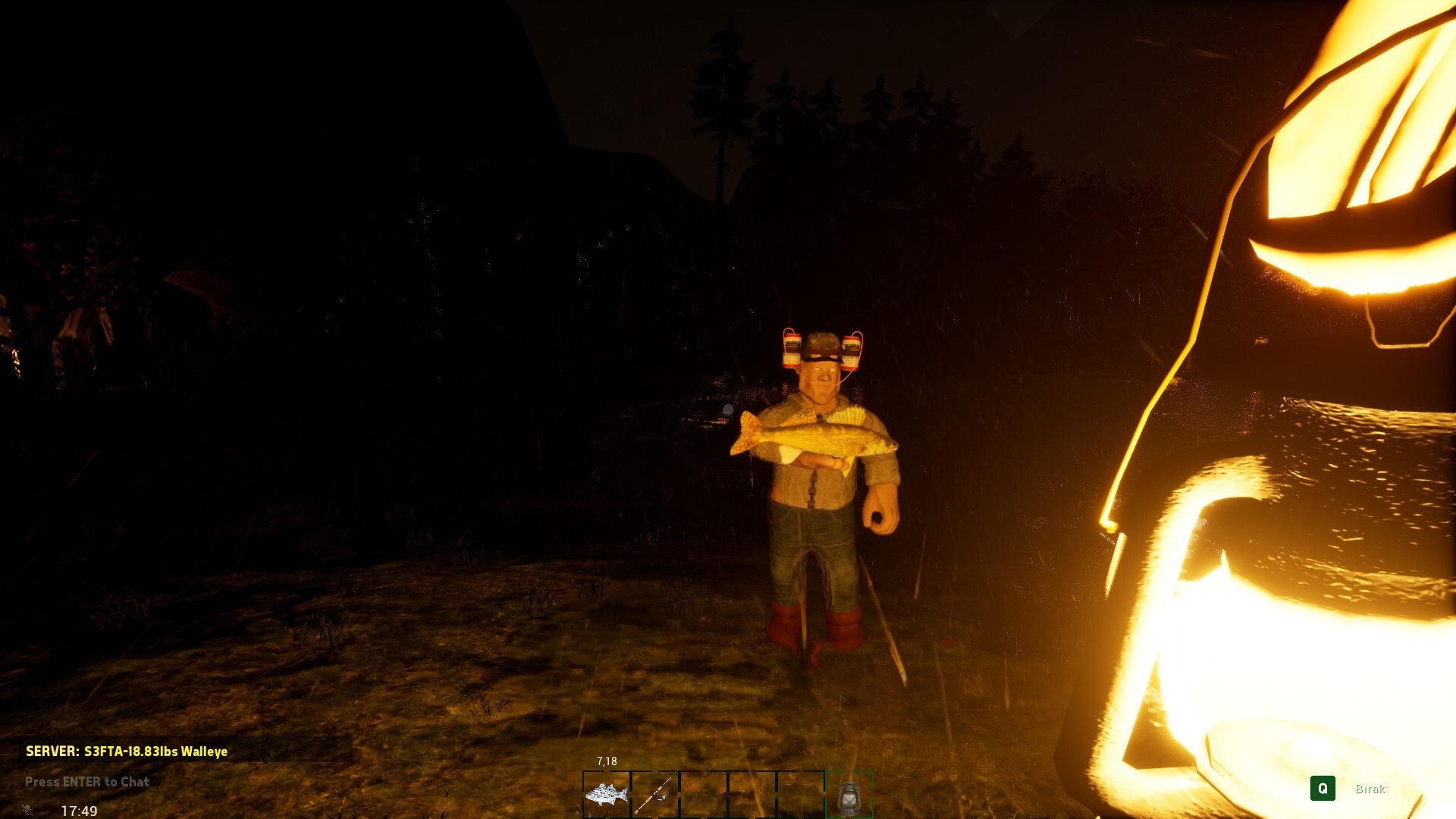
Fishing in GONE Fishing is intentionally simple. There are no complex mechanics, no optimization loops, no progression ladders demanding efficiency.
This repetition becomes an anchor. Casting and reeling are grounding actions that give players something to hold onto. They provide rhythm in a world that otherwise lacks structure.
Over time, however, repetition turns reflective. The longer you fish, the more you notice what is missing. Routine becomes a mirror for absence.
4. Sound Design: Silence That Listens Back
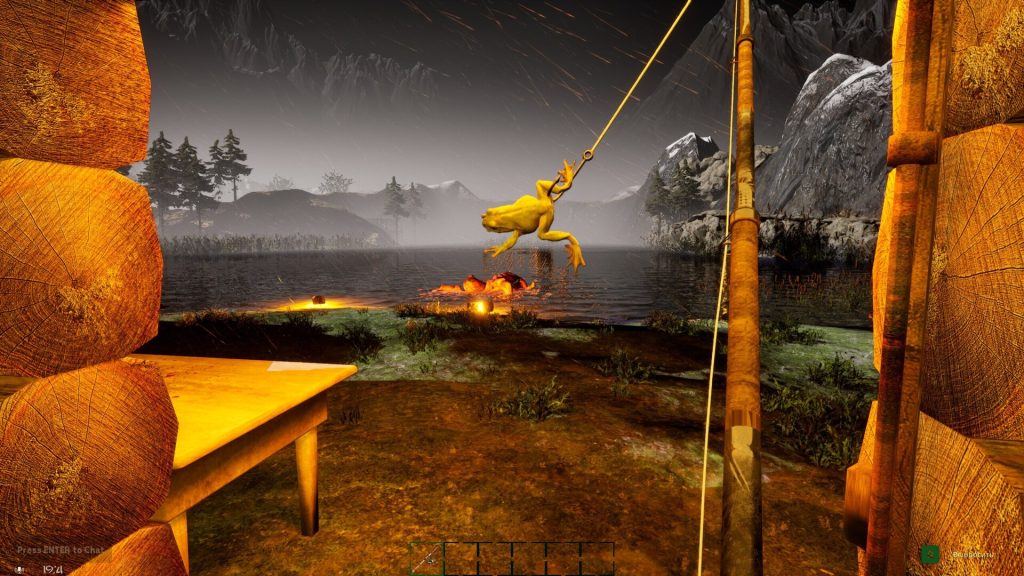
Sound is one of the most powerful tools in GONE Fishing. There is no constant soundtrack guiding emotion. Instead, ambient sounds dominate—water lapping, distant wind, subtle environmental noise.
Silence is not neutral here. It feels intentional, as if the world is waiting for something to interrupt it. Every small sound feels amplified by contrast.
The absence of reassuring audio cues prevents emotional regulation. Players are left alone with their thoughts, which is exactly where the game wants them.
5. Player Psychology: Comfort Turning to Unease
Early moments in GONE Fishing feel calm. Relaxing, even. Players settle into the loop, expecting the game to remain tranquil.
Gradually, that expectation erodes. Nothing overt changes—but perception does. The calm starts to feel artificial. The quiet starts to feel heavy.
The game excels at this slow psychological shift. It does not announce danger. It lets players decide when comfort has become unsettling.
6. Absence of Explanation as Narrative
There is no traditional story in GONE Fishing. No exposition dumps. No clear answers.
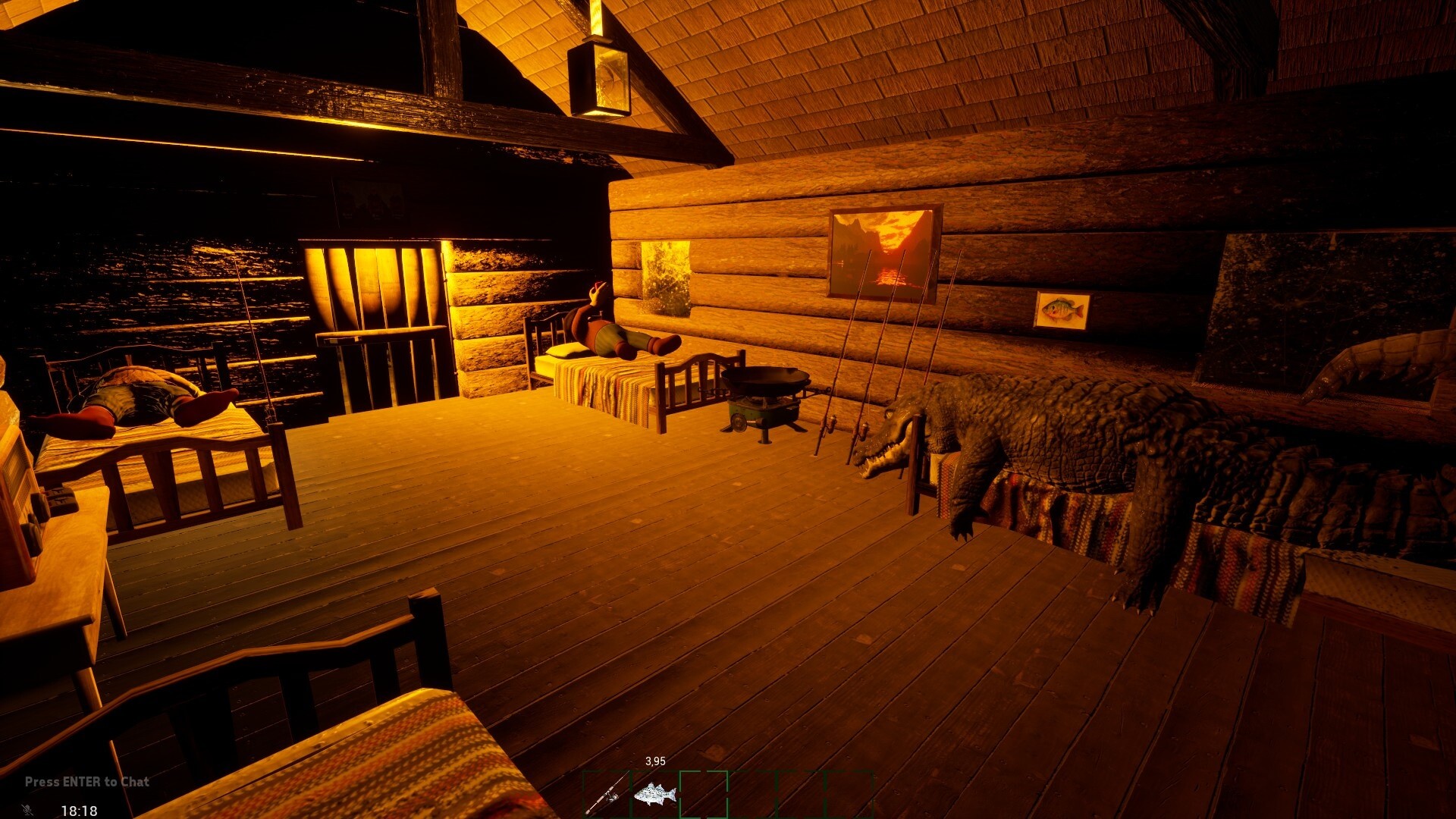
Instead, the game uses environmental implication. Objects exist without owners. Places feel recently used but permanently abandoned. The player fills narrative gaps instinctively.
This approach respects player imagination. Fear is not prescribed—it is constructed internally. Each player’s interpretation becomes personal, shaped by their own discomfort with uncertainty.
7. Minimal Interaction, Maximum Projection
Interaction in GONE Fishing is limited by design. You do not manipulate the world extensively. You observe it.
This restraint encourages projection. Players begin to assign meaning to details that may or may not matter. A ripple in the water. A sound that feels out of place. A delay that feels intentional.
The lack of interaction turns observation into obsession. The player becomes hyper-aware, searching for significance in silence.
8. Pacing: No Rush, No Relief
The pacing of GONE Fishing is slow and unwavering. There are no spikes of action to release tension. The game denies catharsis.
This creates a sustained emotional state rather than a fluctuating one. Unease does not rise and fall—it accumulates.
For some players, this will feel oppressive. For others, it will feel hypnotic. The game makes no attempt to accommodate both.
9. Limitations as Intentional Design
Mechanically, GONE Fishing is limited. There is little variety. Little challenge. Little progression.
These limitations are not oversights. They are commitments. The game refuses to distract players with systems when its focus is atmosphere.
Players looking for gameplay depth or replayability may find it thin. Players open to experiential design will find those same limitations meaningful.
10. What GONE Fishing Is Really About
At its heart, GONE Fishing is about continuing. Doing something normal when normality has lost its context.
It explores how humans cling to routine in the face of absence. How comfort activities become coping mechanisms when explanation is unavailable.
The act of fishing becomes symbolic—not productive, not goal-oriented, but grounding. It is something to do when there is nothing else left.
Pros
Strong atmospheric focus with effective restraint
Subtle psychological horror built on silence and repetition
Minimalist design reinforces emotional themes
Sound design enhances isolation and unease
Unique use of a calming activity to create discomfort
Cons
Very limited mechanical depth
Slow pacing may feel uneventful to some players
Minimal narrative clarity
Low replay value
Not suitable for action- or goal-oriented audiences
Conclusion: The Unease of Doing Something Anyway
GONE Fishing is not a game that wants to scare you suddenly. It wants to sit with you while you realize something is wrong—and then refuse to explain why.
For players who appreciate atmospheric horror, minimalism, and games that explore emotion through absence rather than action, GONE Fishing offers a quietly unsettling experience. It turns a peaceful routine into a lens for isolation and unease.
You are not fishing to catch something.
You are fishing because there is nothing else to do.