

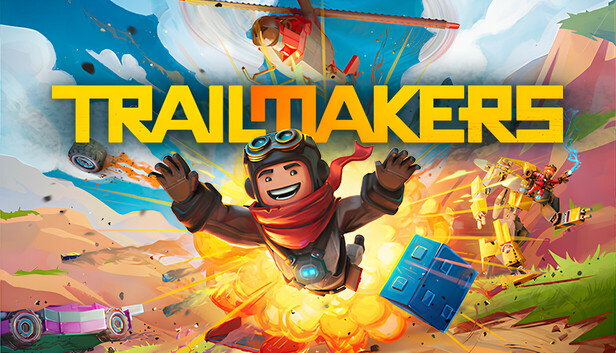
Trailmakers – Creative Engineering, Playful Physics, and the Joy of Building Something That Almost Works

Introduction: Play Begins Where Systems Break
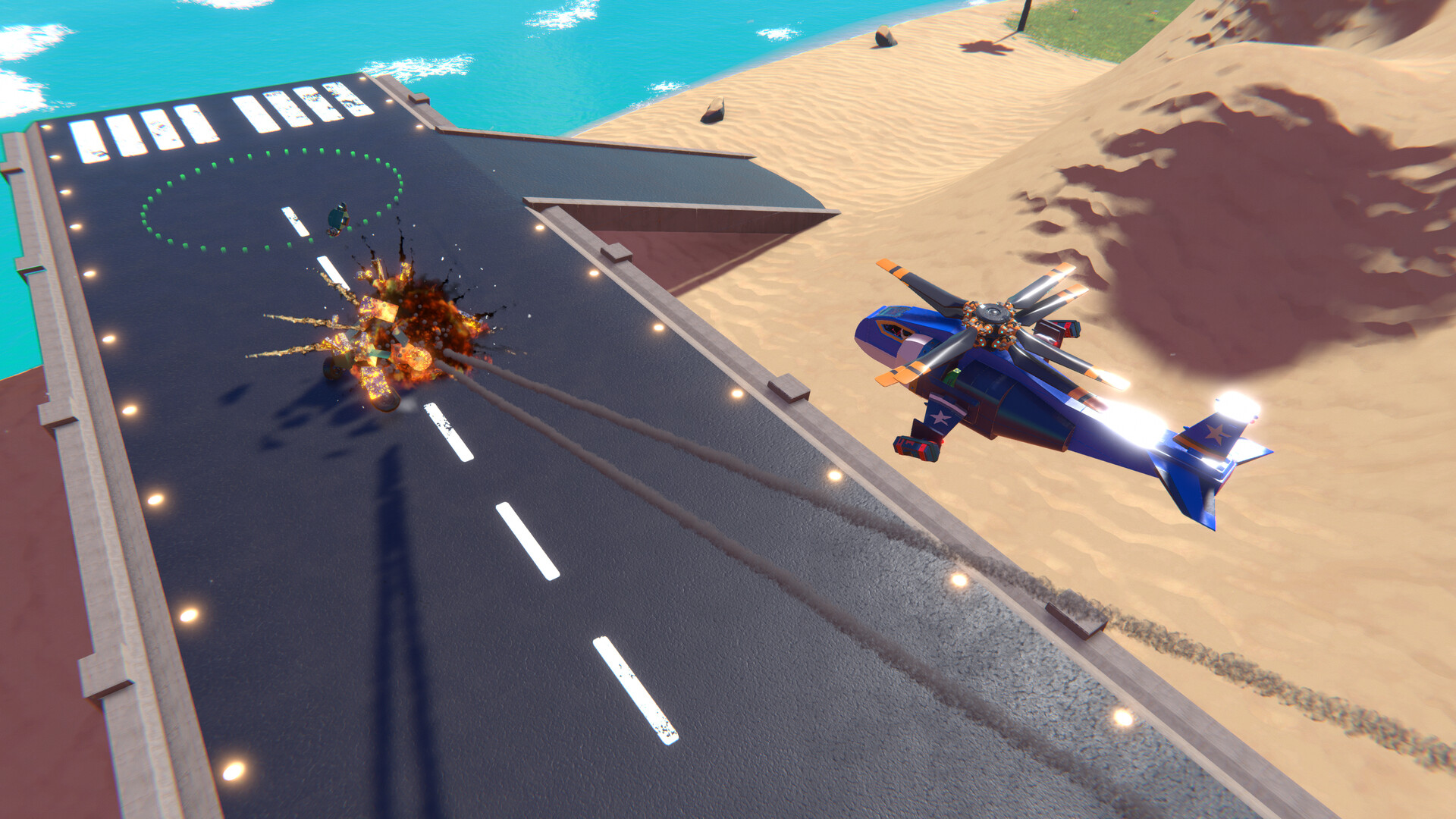
Trailmakers is not a game about driving vehicles. It is a game about inventing them, watching them fail, and then understanding why. At its heart, Trailmakers is a playful engineering sandbox where creativity is not judged by efficiency or realism, but by whether an idea moves, flies, or falls apart in an interesting way.
Unlike strict simulators that demand precision, Trailmakers invites experimentation. It encourages players to think like tinkerers rather than engineers, rewarding curiosity over correctness. This review approaches Trailmakers as a creativity-driven systems game—exploring how modular design, forgiving physics, and open-ended goals turn construction into a form of play rather than work.
Quick Info (Overview Box)
Release Year: 2019
Genre: Sandbox / Vehicle-building / Physics-based adventure
Platforms: PC, PlayStation, Xbox
Game Modes: Single-player, Campaign, Sandbox, Online Multiplayer
Target Audience: Players who enjoy building, experimentation, physics-driven gameplay, and creative problem-solving
1. Core Design Philosophy: Creativity Before Correctness
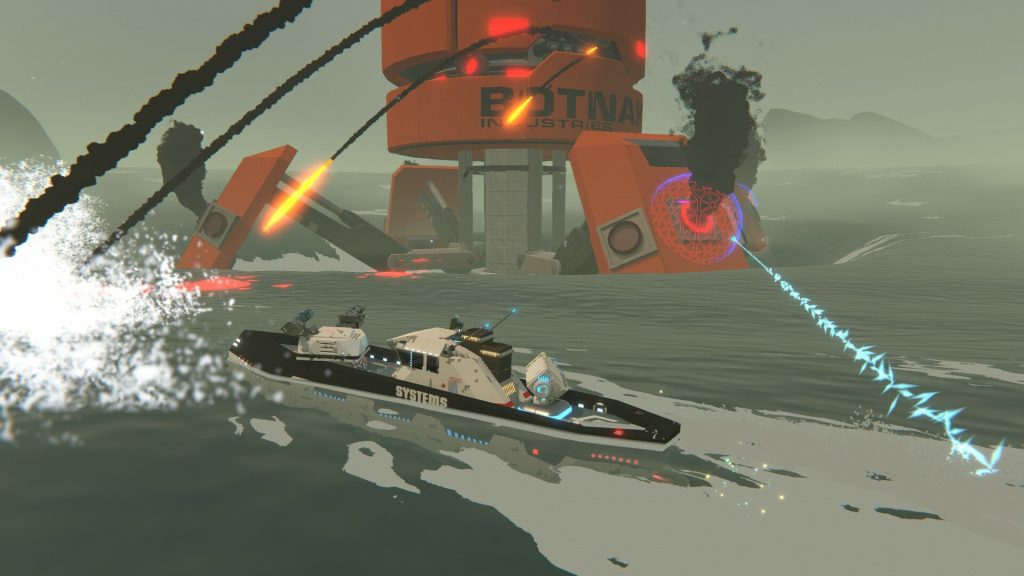
Trailmakers is built on a simple but powerful principle: there is no single right solution. Vehicles do not need to be realistic, optimized, or even stable. They only need to work well enough.
This philosophy lowers the barrier to creativity. Players are not punished for imperfect designs. Wobbly wheels, asymmetrical frames, and unstable aircraft are part of the fun. Failure is informative rather than frustrating.
By refusing to enforce realism, Trailmakers shifts focus from simulation accuracy to imaginative exploration.
2. The Building System: Modular Freedom
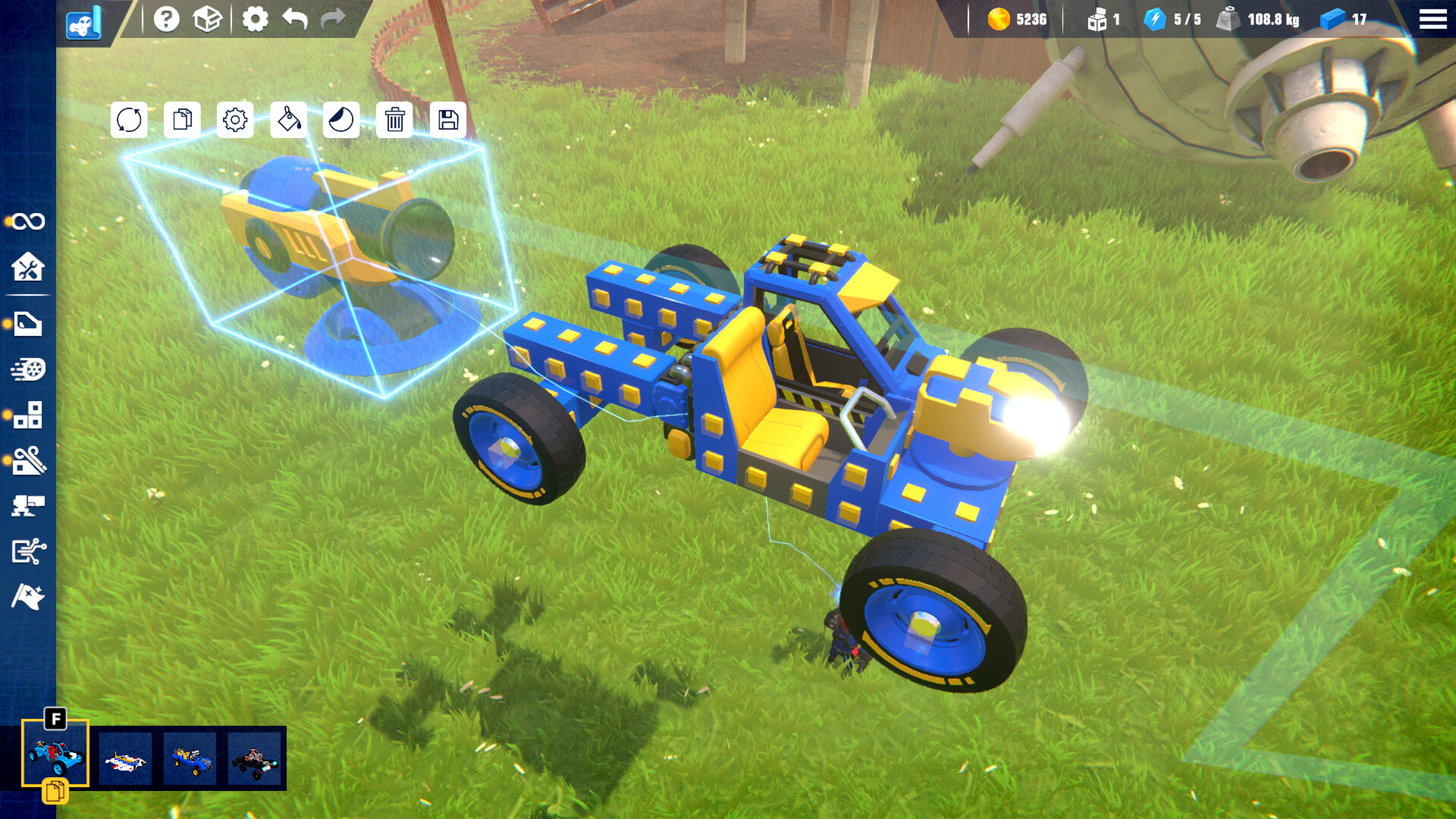
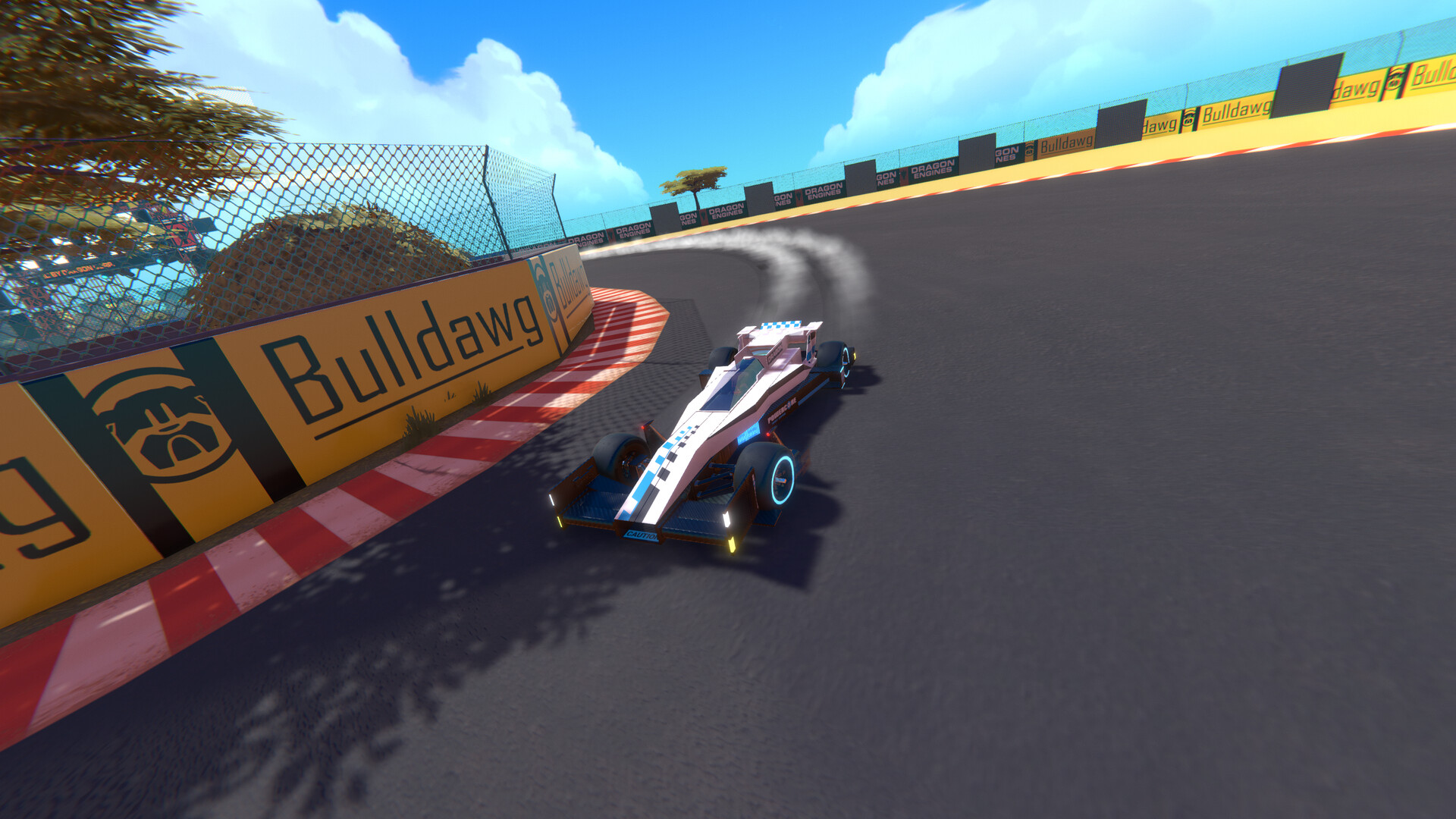
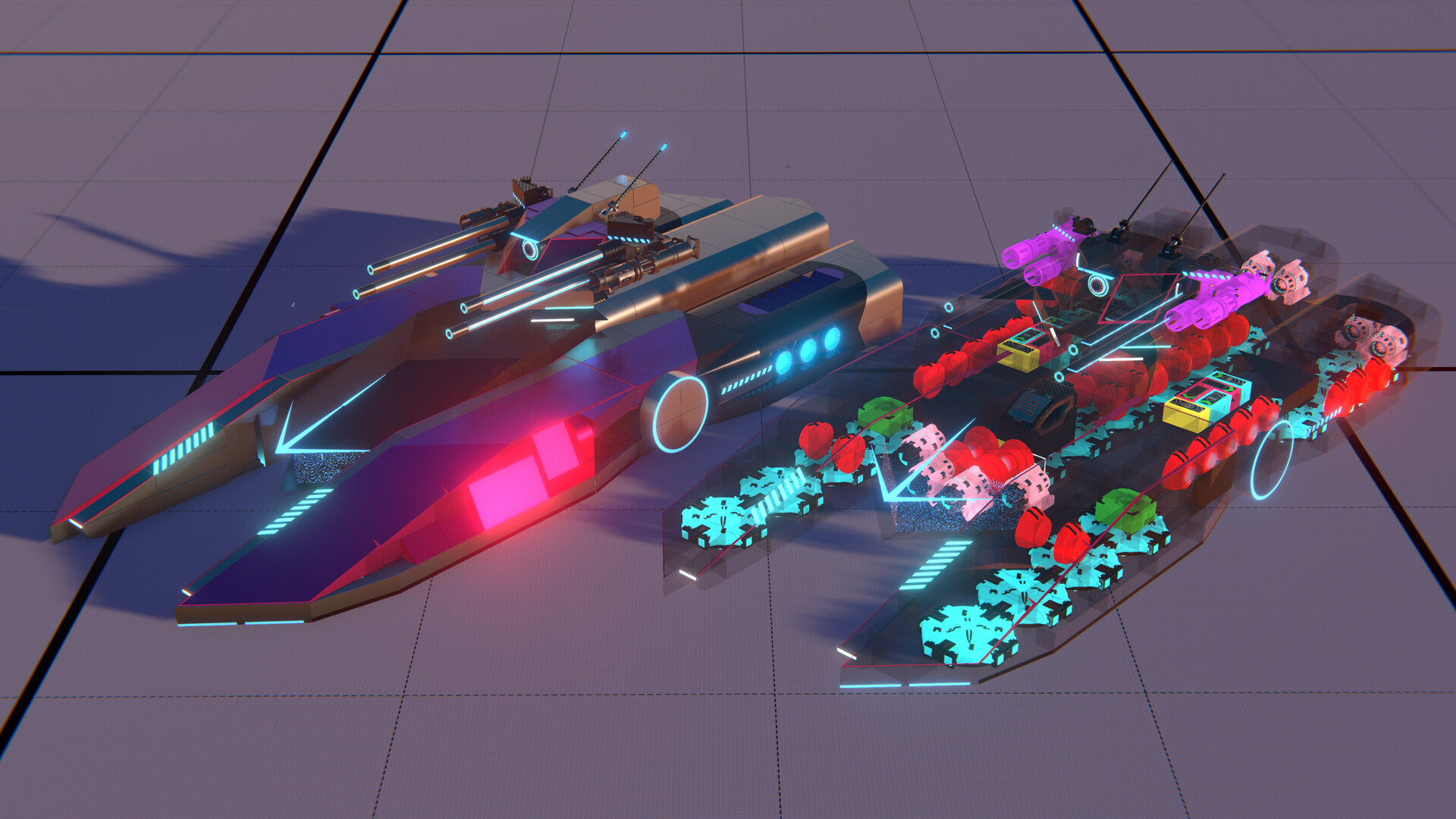
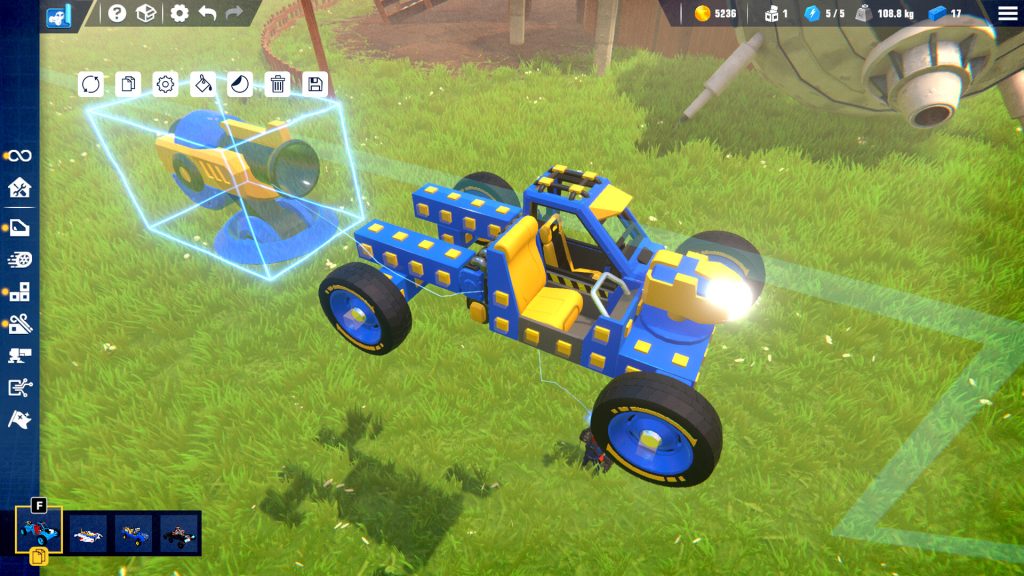
The core of Trailmakers is its modular building system. Players assemble vehicles from blocks that represent wheels, engines, wings, hinges, thrusters, and logic components.
Each block is intuitive. You do not need advanced knowledge to begin building. At the same time, complexity emerges naturally as designs grow.
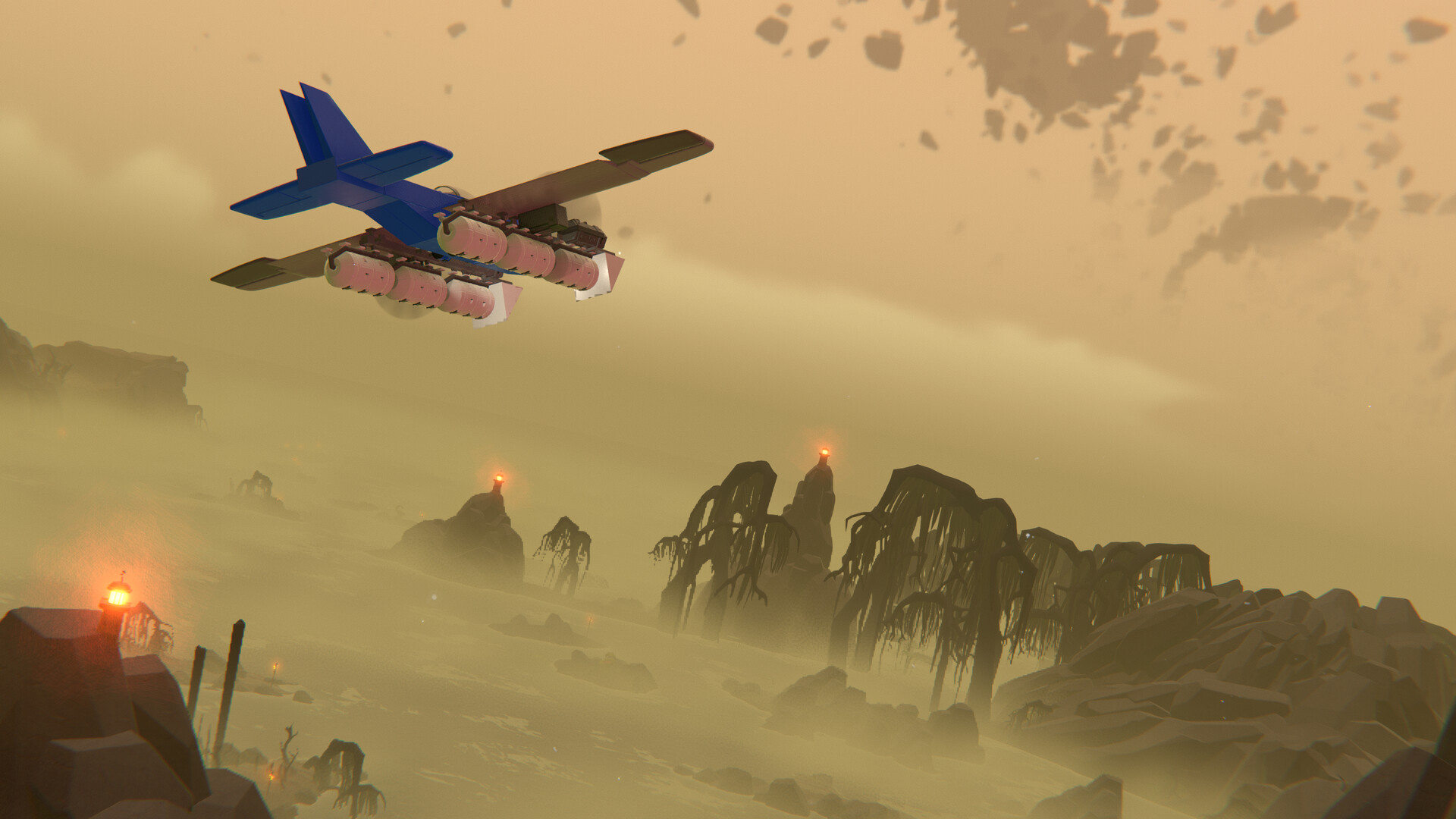
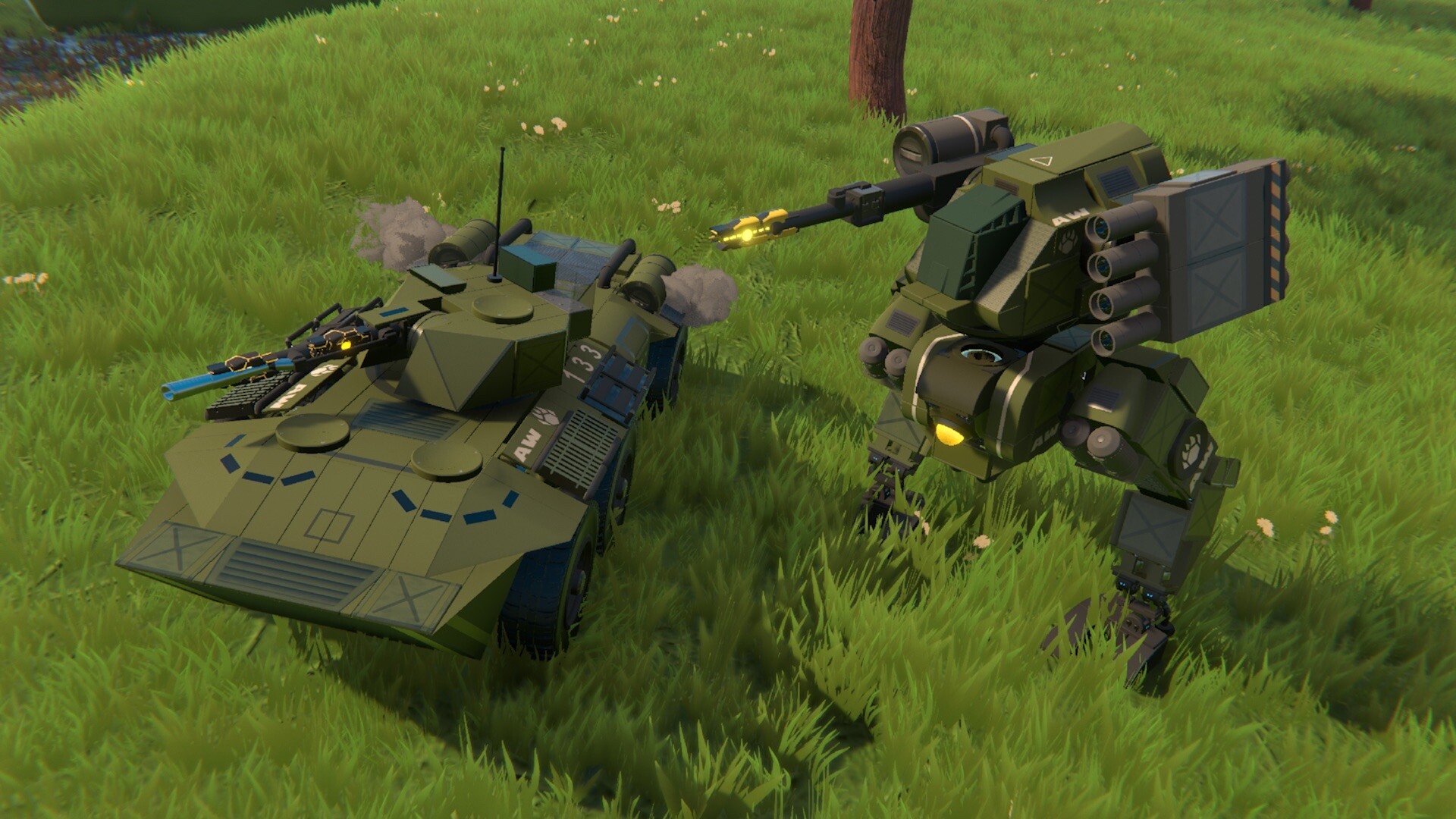
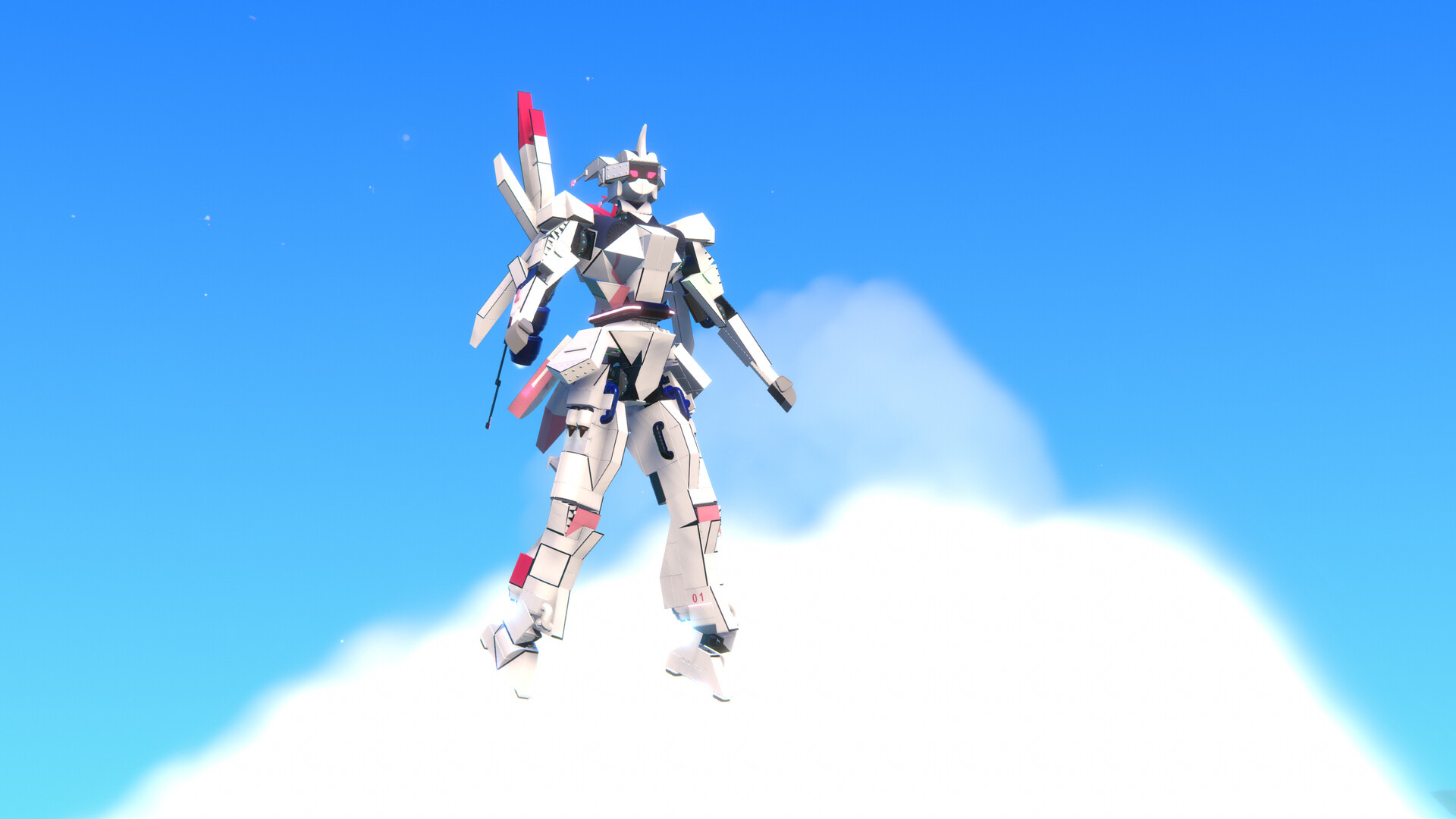
This balance makes the system accessible yet deep. Beginners can build simple cars quickly. Experienced players can construct transforming vehicles, walkers, or aircraft with layered logic.
3. Physics That Forgive but Still Teach
Trailmakers’ physics engine is playful rather than strict. Vehicles behave believably, but not ruthlessly. A poorly balanced craft might wobble instead of instantly crashing.
This forgiveness encourages experimentation. Players are willing to test ideas because the cost of failure is low. Vehicles often fail in amusing ways rather than catastrophic ones.
Despite this, physics still teach principles: weight distribution matters, thrust alignment matters, drag exists. Learning happens through observation rather than punishment.
4. Campaign Mode: Structure for Creativity
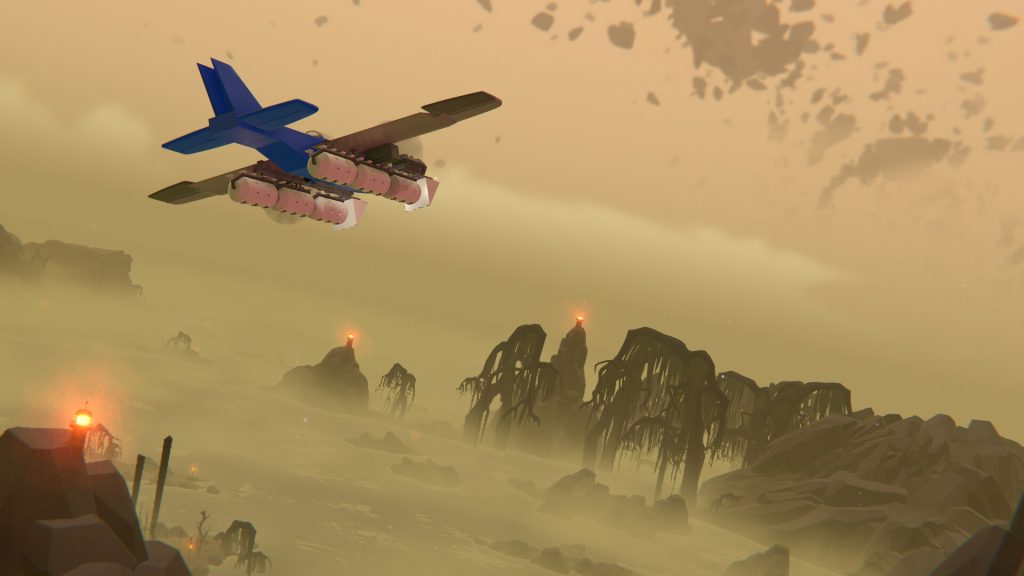
Trailmakers’ campaign mode provides light structure without constraining imagination. Players explore an open environment, collecting salvage to unlock new parts.
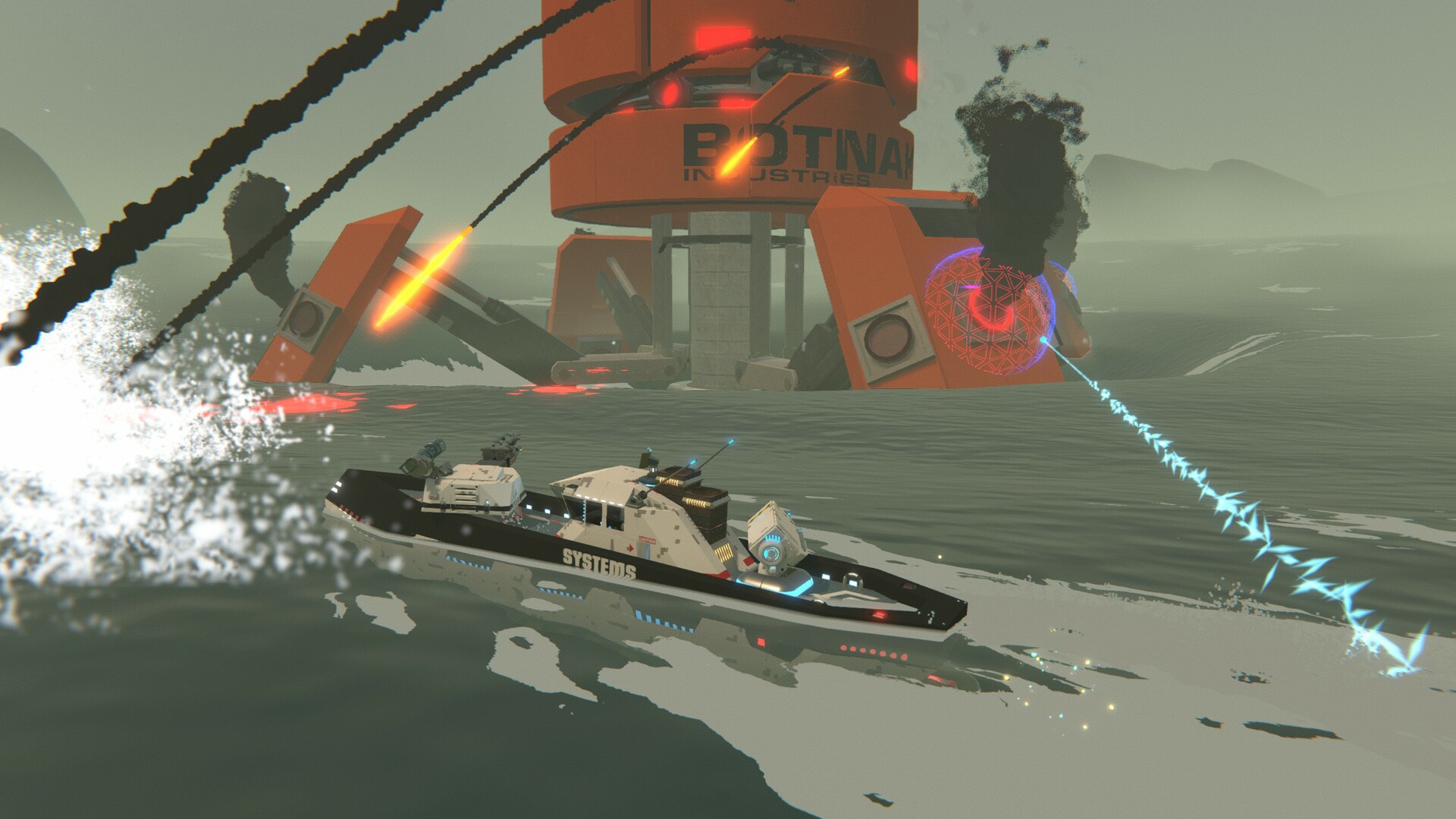
Challenges exist, but solutions are flexible. Need to cross water? Build a boat—or a car that floats badly but makes it across. Need to climb? Add boosters, wings, or something absurd.
The campaign acts as a prompt generator, nudging players toward creative solutions without dictating how they should think.
5. Vehicles as Expressions of Thought
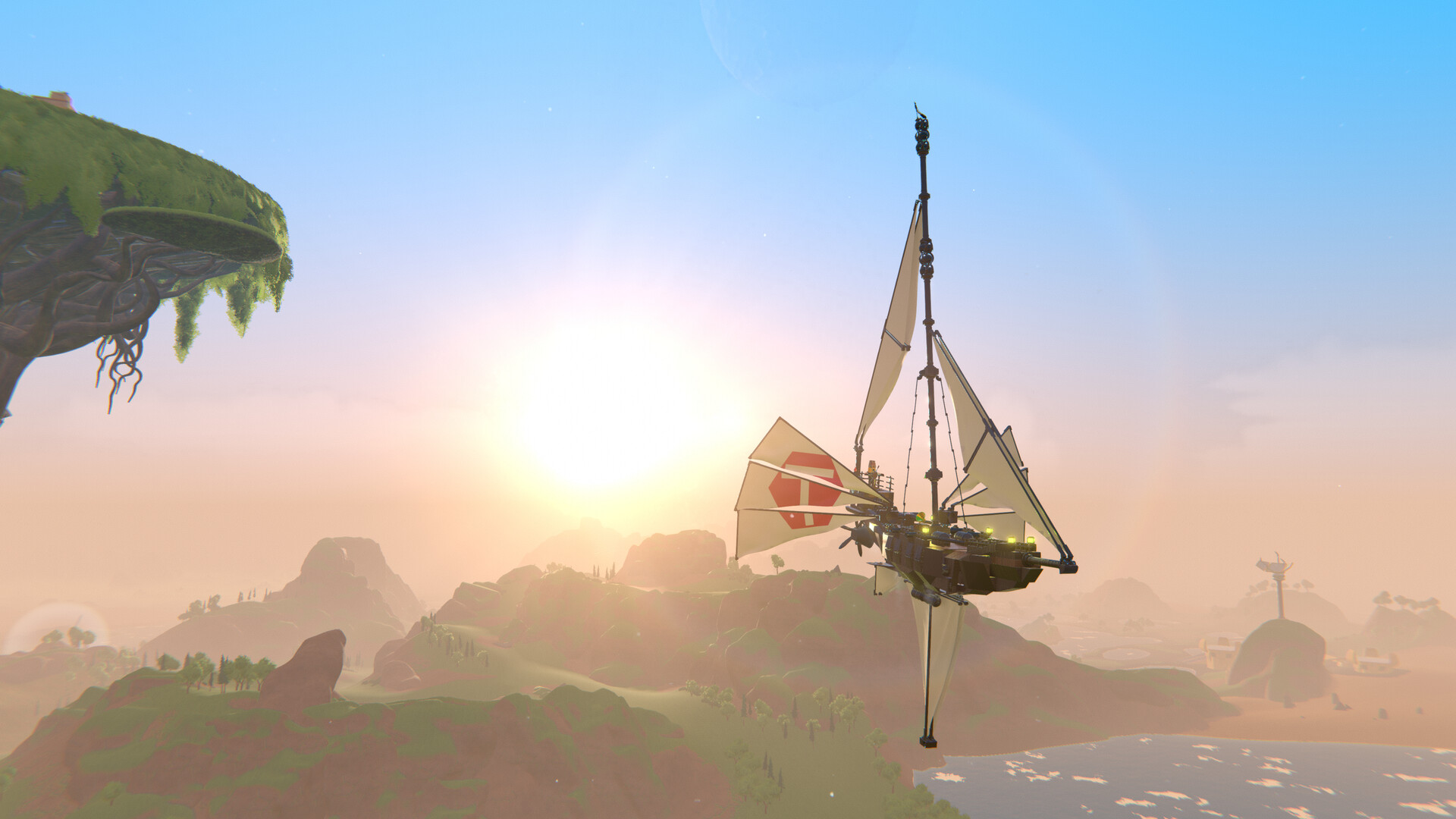
In Trailmakers, vehicles become expressions of player mindset. Some players build sleek, efficient machines. Others build chaotic contraptions that barely function.
Both approaches are valid. The game does not rank designs by quality. It values functionality in context.
This creates emotional attachment. When a strange design finally works, the satisfaction feels personal. You did not unlock success—you understood it.
6. Trial, Error, and Iteration
The real gameplay loop of Trailmakers is iteration. Build. Test. Fail. Adjust. Repeat.
This loop is fast and frictionless. Loading is quick. Rebuilding is easy. Ideas can be tested within minutes.
This speed of iteration is crucial. It keeps players in a creative flow state, where problem-solving feels playful rather than exhausting.
Trailmakers respects the player’s time by making experimentation efficient.
7. Multiplayer: Shared Chaos and Inspiration
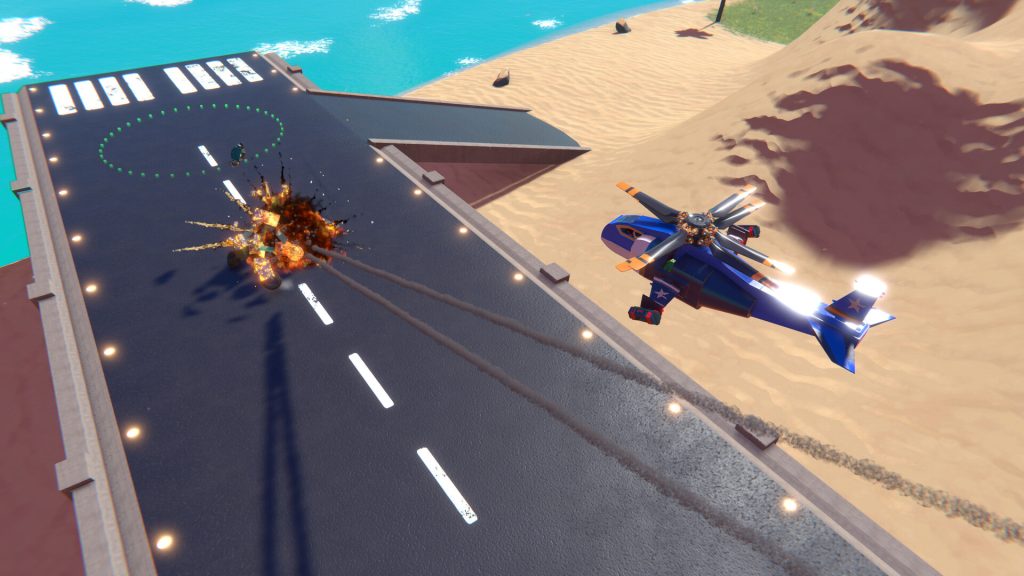
In multiplayer, Trailmakers becomes a social creativity platform. Players show off builds, race bizarre vehicles, or collaborate on absurd designs.
Seeing other players’ creations inspires experimentation. Someone else’s ridiculous flying car might spark a new idea—or highlight a flaw in your own.
Multiplayer shifts the focus from competition to celebration of creativity. Winning matters less than surprising others with what you built.
8. Accessibility vs Depth
Trailmakers walks a careful line between accessibility and depth. It avoids overwhelming players with strict rules, but this also limits how far realism can go.
Advanced builders may eventually hit constraints: simplified aerodynamics, limited material simulation, or predictable physics behaviors.
However, these limits are intentional. The game chooses approachability over simulation purity, and that choice defines its identity.
9. Player Psychology: Confidence Through Experimentation
Trailmakers builds confidence subtly. It teaches players that failure is part of progress and that understanding systems comes from trying, not studying.
This mindset transfer is powerful. Players begin approaching problems experimentally rather than defensively. They test ideas without fear of wasting effort.
The game rewards curiosity—a trait often discouraged by optimization-heavy design elsewhere.
10. Longevity and Creative Replayability
Trailmakers’ longevity does not come from endless content updates. It comes from possibility space. As long as players have ideas, the game remains engaging.
New parts expand that space, but they are not required for fun. Creativity scales with imagination rather than progression.
The game ages well because its core loop—build, test, learn—never becomes obsolete.
Pros
Intuitive and flexible building system
Physics encourage experimentation rather than punishment
Campaign supports creativity without forcing solutions
Strong multiplayer creativity and sharing
Accessible to beginners while rewarding iteration
Cons
Limited realism for simulation-focused players
Creative depth depends heavily on player motivation
Repetition without self-imposed challenges
Fewer structured goals in sandbox modes
Advanced logic systems require learning effort
Conclusion: A Game About Ideas in Motion
Trailmakers succeeds because it understands that building is fun not when things work perfectly, but when they almost do. It celebrates flawed creativity, playful physics, and the joy of discovery.
For players who enjoy experimenting, inventing, and learning through trial rather than instruction, Trailmakers offers a space where imagination is the primary resource. It does not care if your vehicle is optimal.
It only cares if you tried something interesting
—and learned why it behaved the way it did.