

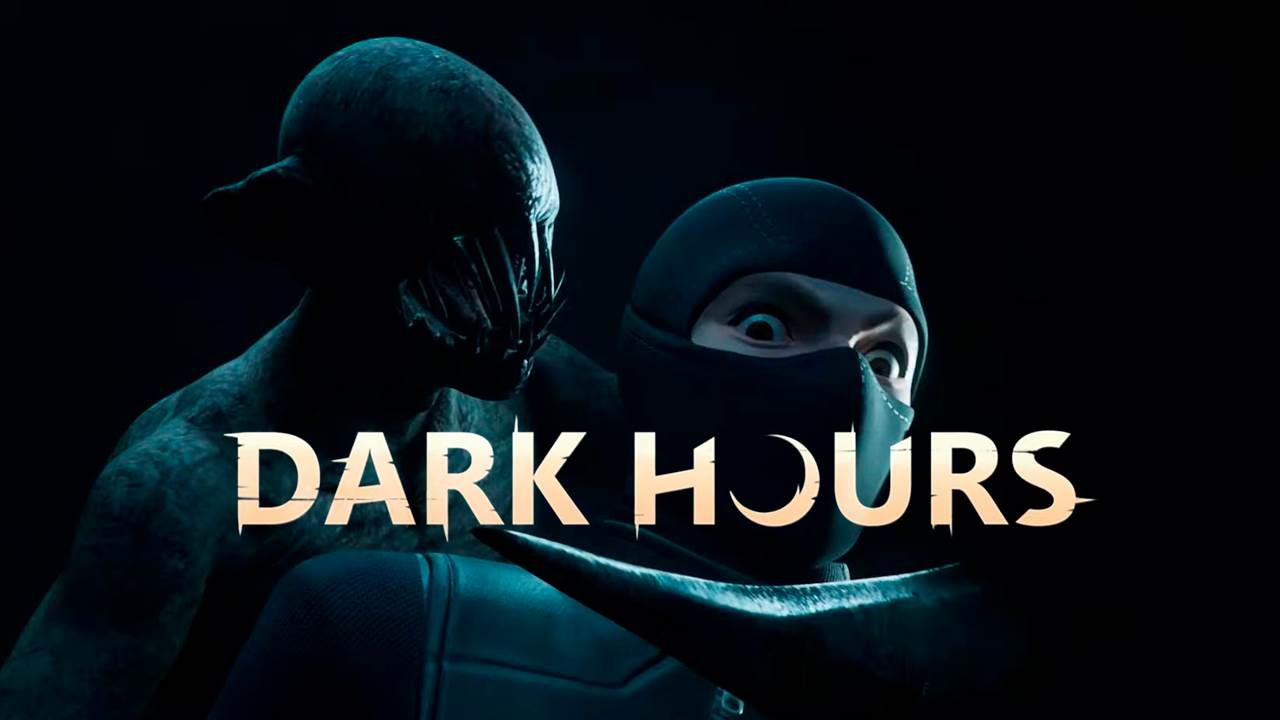
Dark Hours – Procedural Terror, Cooperative Fragility, and Horror Built on Uncertainty
Introduction: Fear That Arrives Without Warning
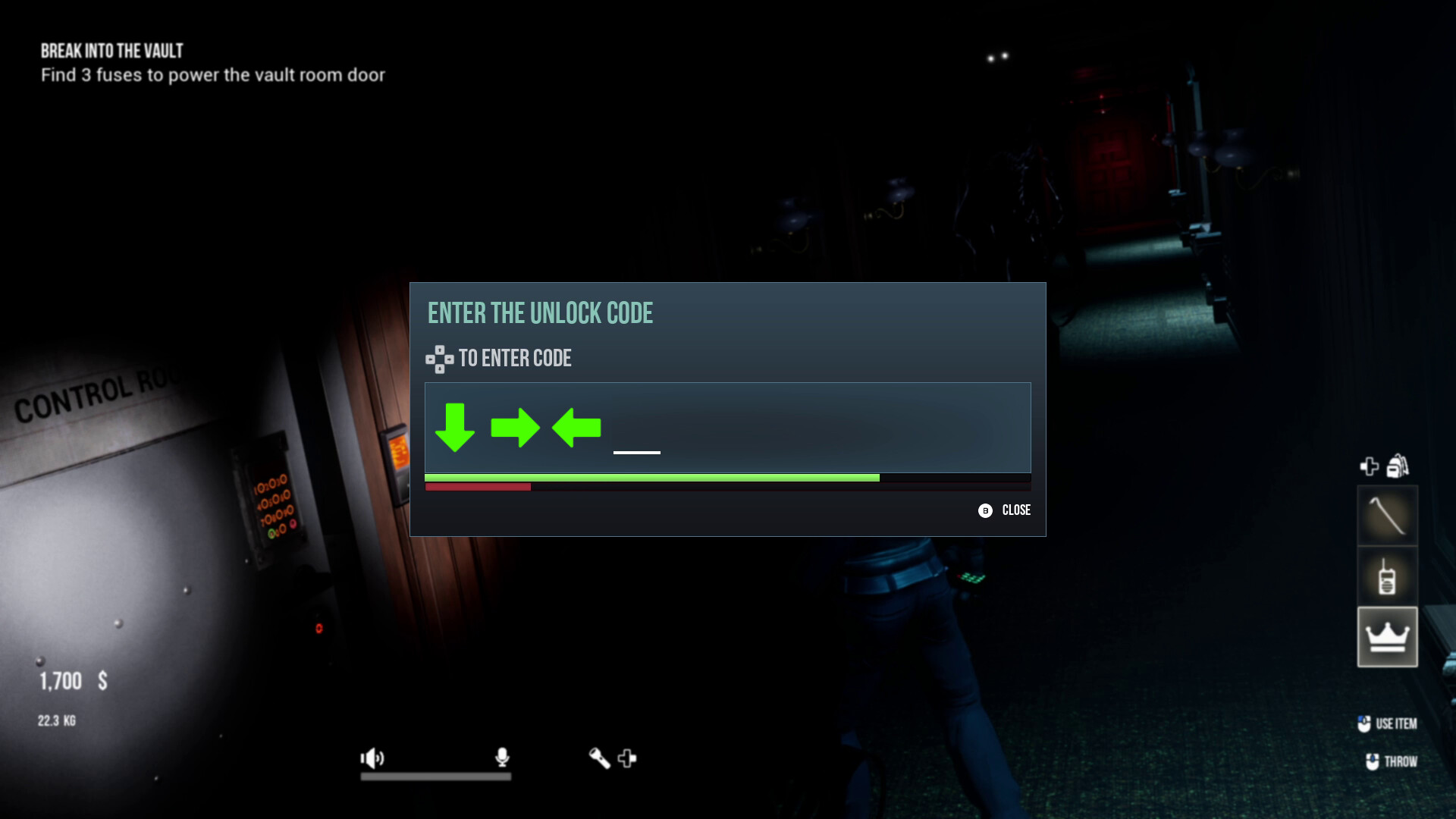
Dark Hours is not interested in telling a fixed story or delivering carefully scripted scares. Its horror comes from instability. The game places players into unfamiliar, hostile spaces and removes the usual guarantees: predictable layouts, reliable patterns, and clear rules of engagement. What remains is uncertainty—about the environment, about threats, and about how long cooperation can hold under pressure.
Rather than leaning on spectacle, Dark Hours builds tension through procedural structure and social vulnerability. It asks players to survive not by mastering mechanics, but by managing fear, information, and each other. This review examines Dark Hours as a cooperative horror experience shaped by randomness, psychological stress, and the fragile trust that emerges when failure is always close.
Quick Info (Overview Box)
Release Year: 2024
Genre: Cooperative procedural horror
Platforms: PC
Game Modes: Online co-op
Target Audience: Players who enjoy unpredictable horror, cooperative tension, and experiences driven by atmosphere rather than combat
1. Core Design Philosophy: Horror Without Predictability
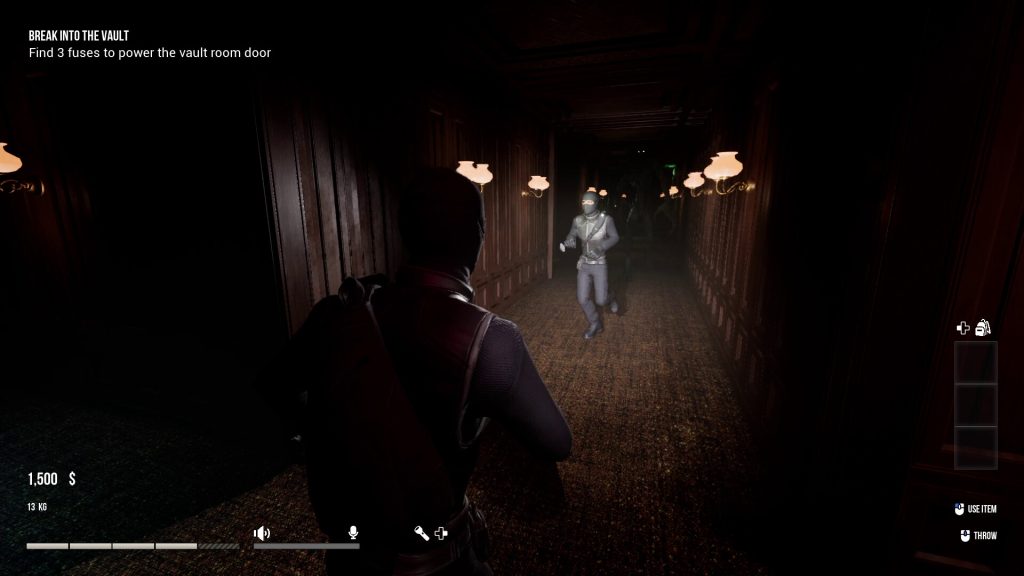
The defining idea of Dark Hours is that fear should never become familiar. Procedural generation reshapes environments, objectives, and threats each session, preventing players from relying on memory.
This unpredictability undermines confidence. Even experienced players cannot fully prepare. Routes that were safe before may lead to danger now. Familiar tactics lose reliability.
By denying mastery, Dark Hours ensures that fear remains active rather than nostalgic. The game resists being “solved.”
2. Procedural Spaces as Psychological Pressure
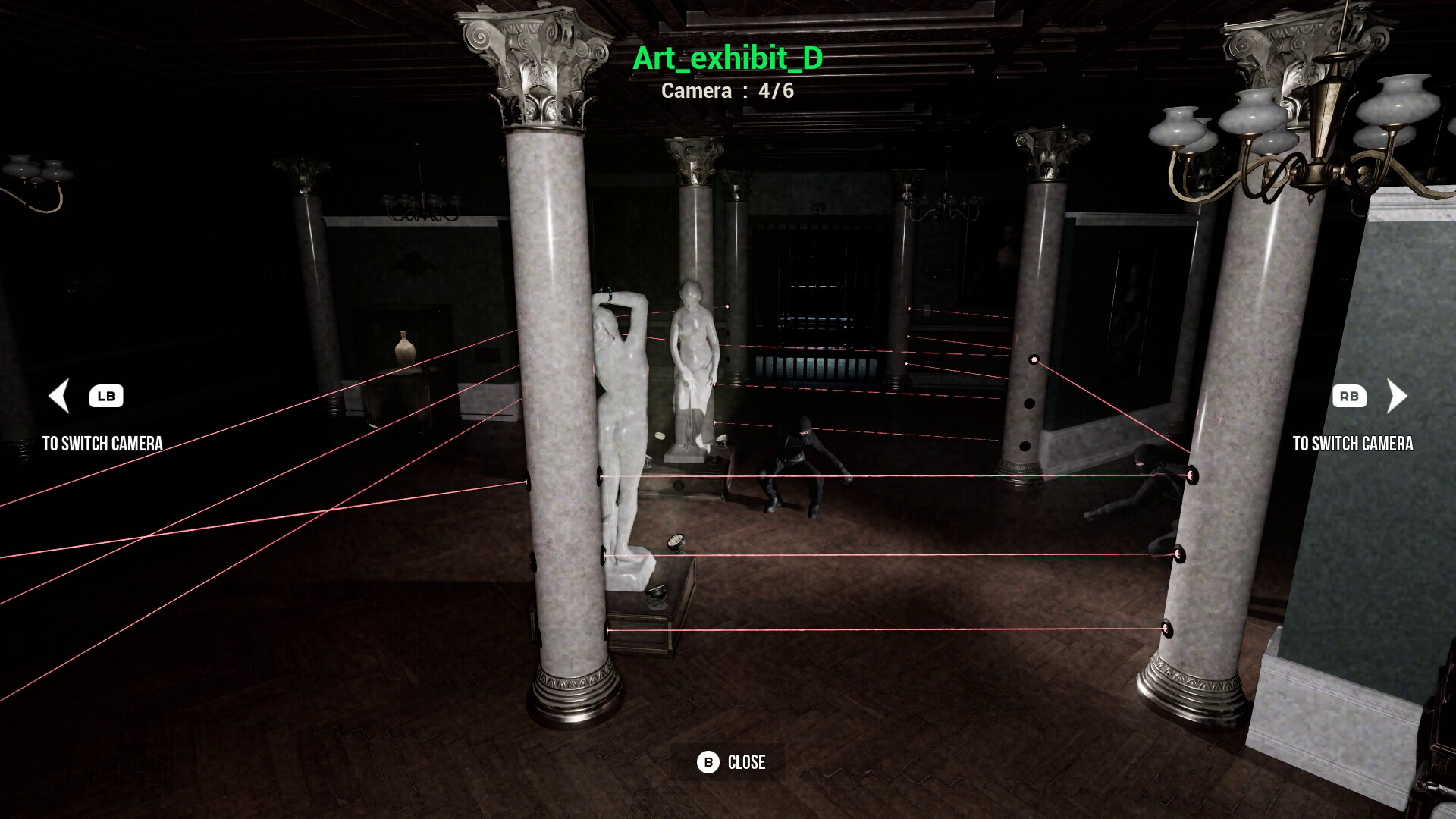
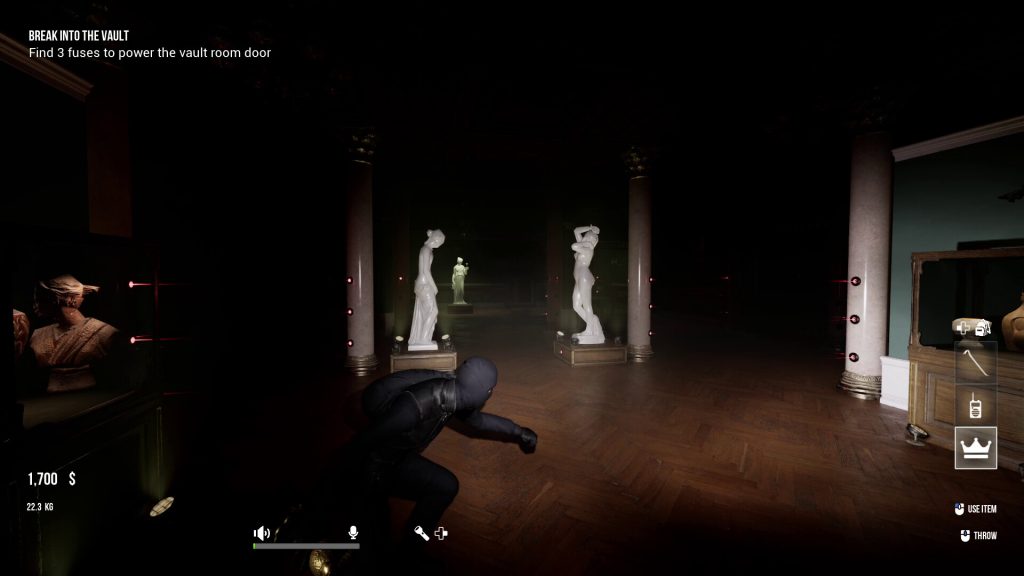
The environments in Dark Hours are not complex individually, but their arrangement is constantly shifting. Hallways repeat with subtle variation. Rooms feel similar but never identical.
This repetition-without-consistency creates spatial anxiety. Players struggle to build mental maps. Orientation becomes unreliable, especially under stress.
The result is a sense of being trapped inside a place that refuses to settle—a classic horror effect amplified by procedural design.
3. Limited Tools, Expanding Fear
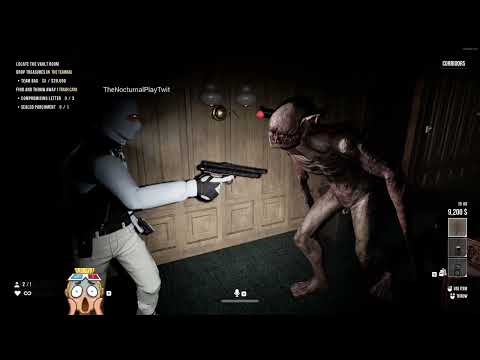
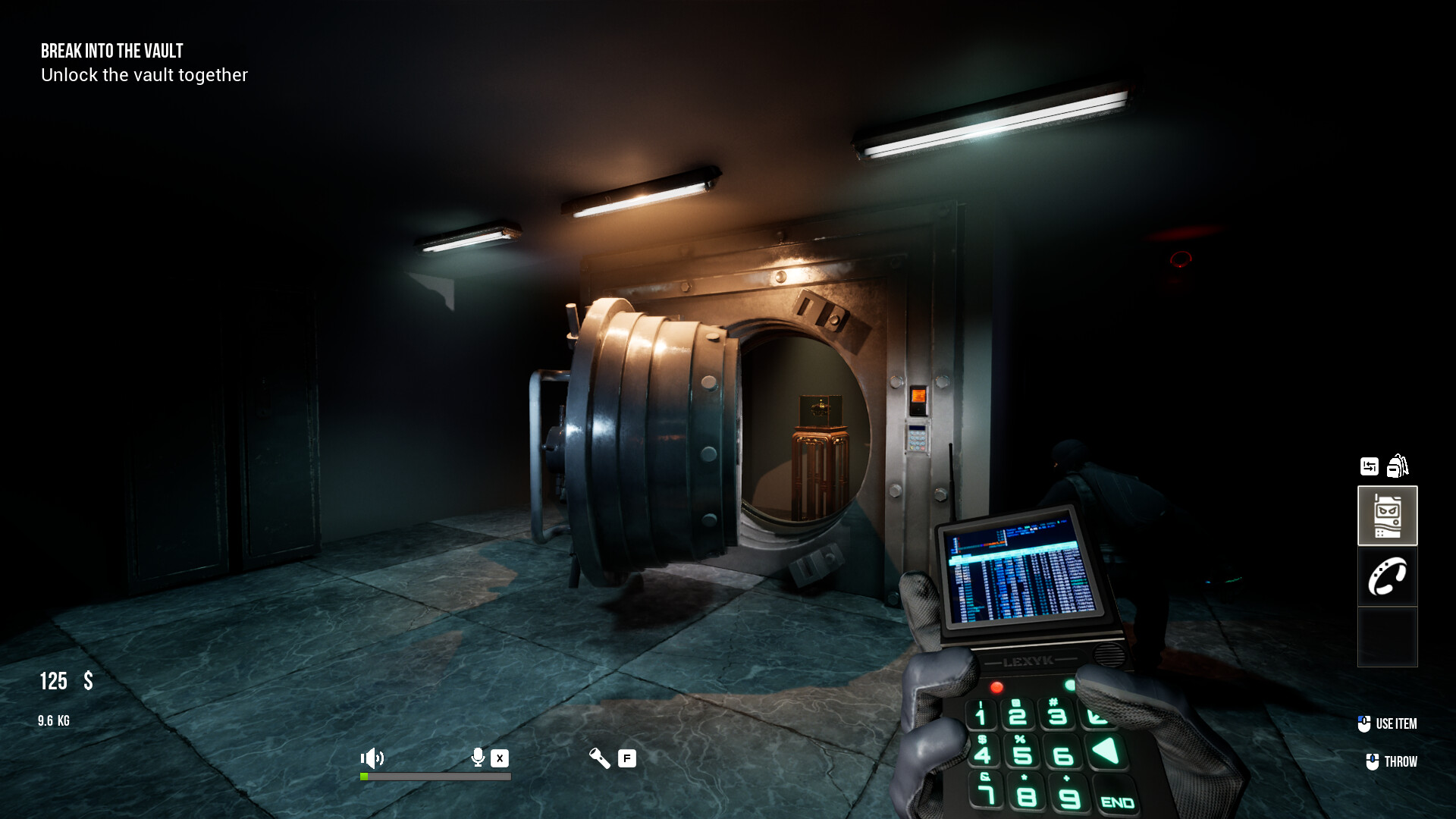
Dark Hours provides players with minimal tools. Items are functional but rarely empowering. Light sources reveal danger as much as they protect from it.
There are no weapons that solve problems permanently. Tools buy time, not safety. Each use feels like a trade-off rather than a solution.
This reinforces vulnerability. Players never feel equipped—they feel temporarily prepared.
4. Cooperative Play: Strength That Breaks Easily
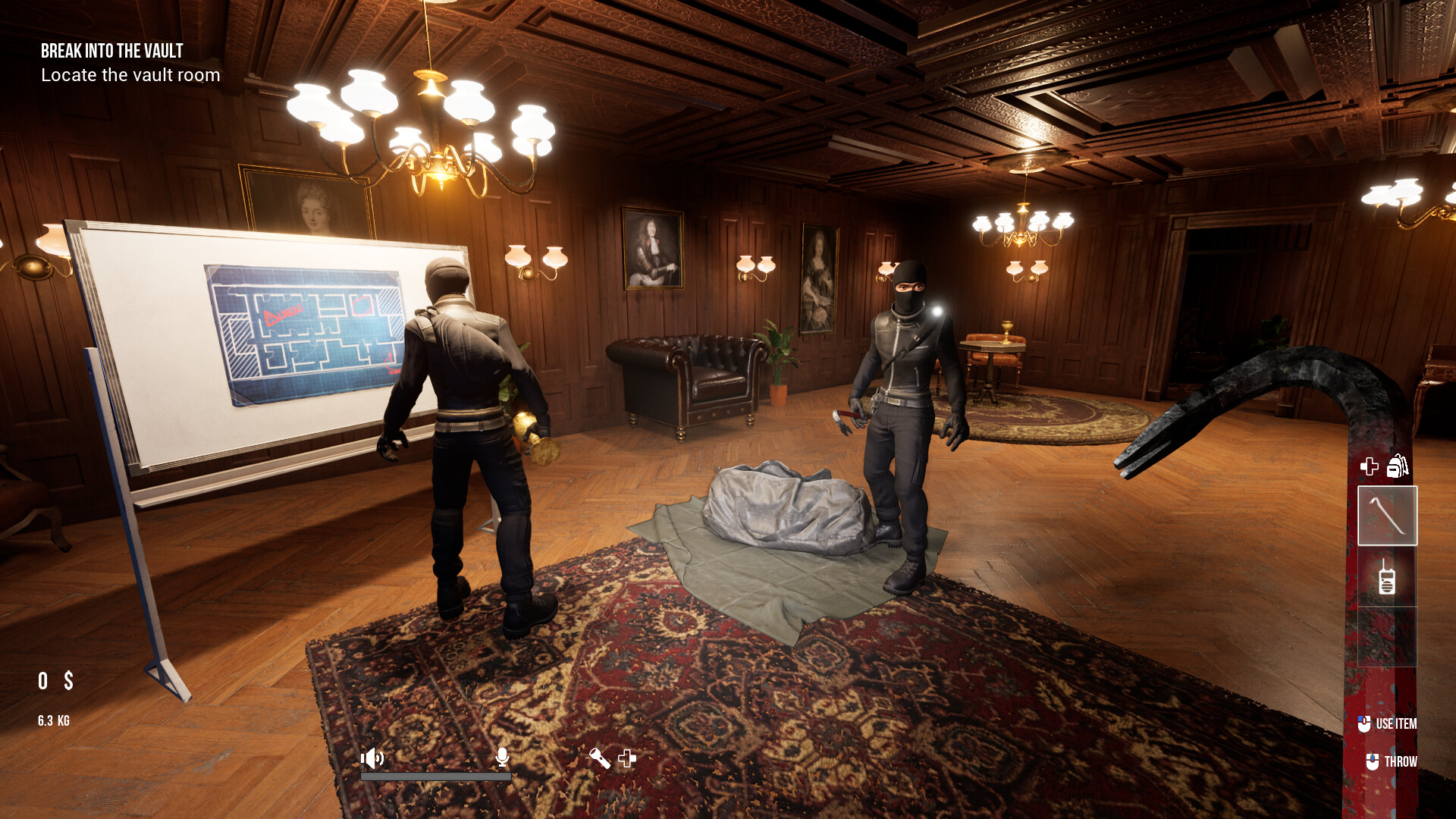
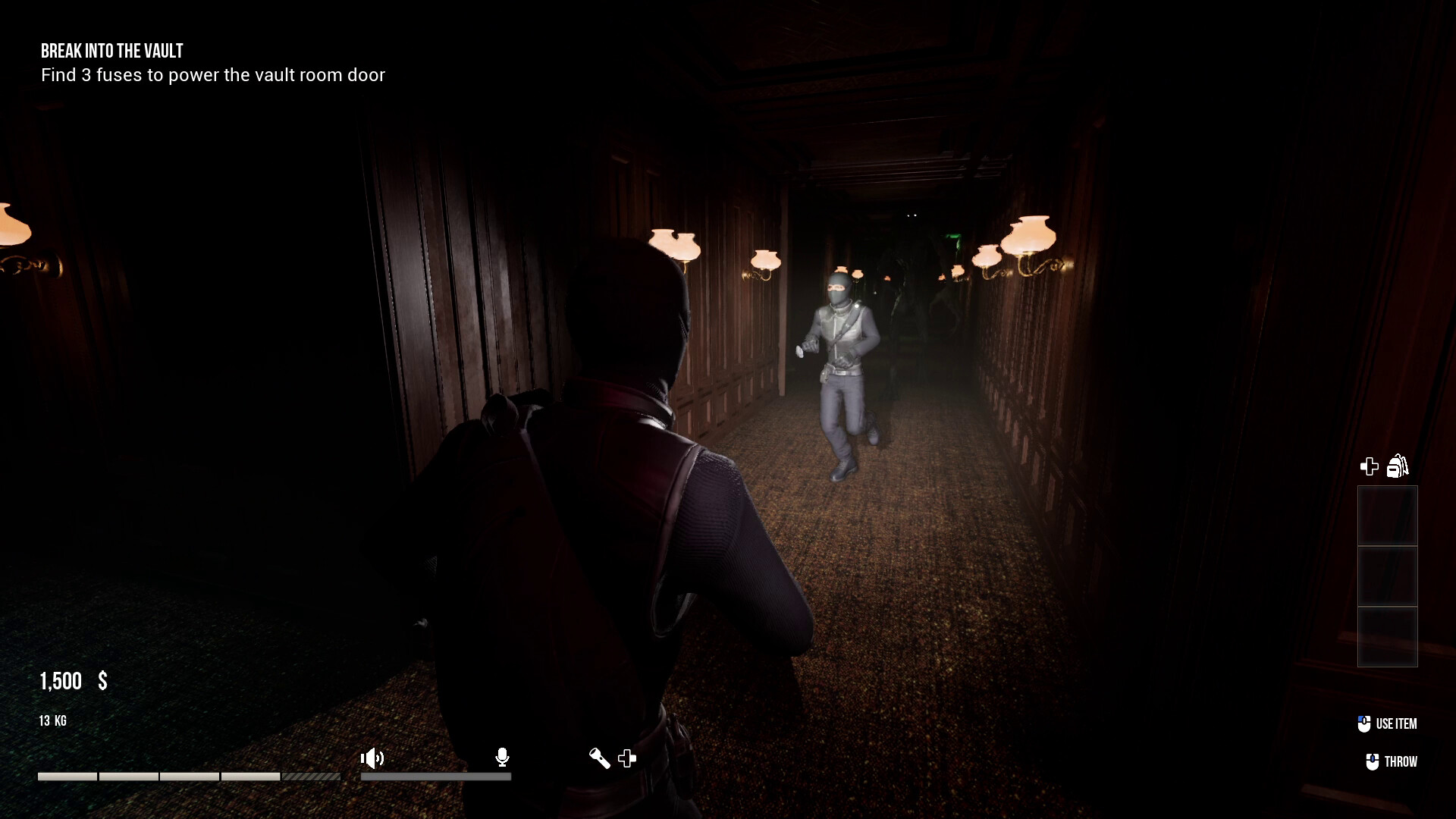
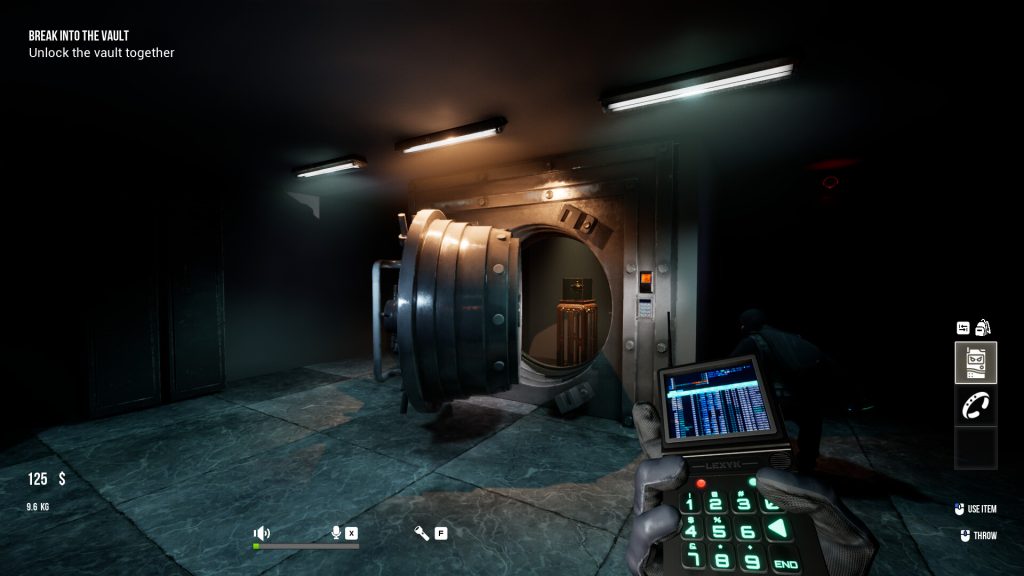
Cooperation is essential in Dark Hours, but it is also unstable. Players rely on shared information, positioning, and timing to survive.
However, procedural chaos disrupts coordination. Players get separated. Communication falters. Panic overrides plans.
The game exposes how quickly cooperation can fracture under uncertainty. Trust exists—but it is constantly tested.
5. Communication Under Duress
Voice communication in Dark Hours is central to survival. Players warn each other, share observations, and coordinate movement.
But stress alters communication. Voices rise. Instructions overlap. Silence creeps in when players hesitate or panic.
The game does not simulate fear—it reveals it. How players speak becomes as important as what they do.
6. Threat Design: Presence Over Visibility
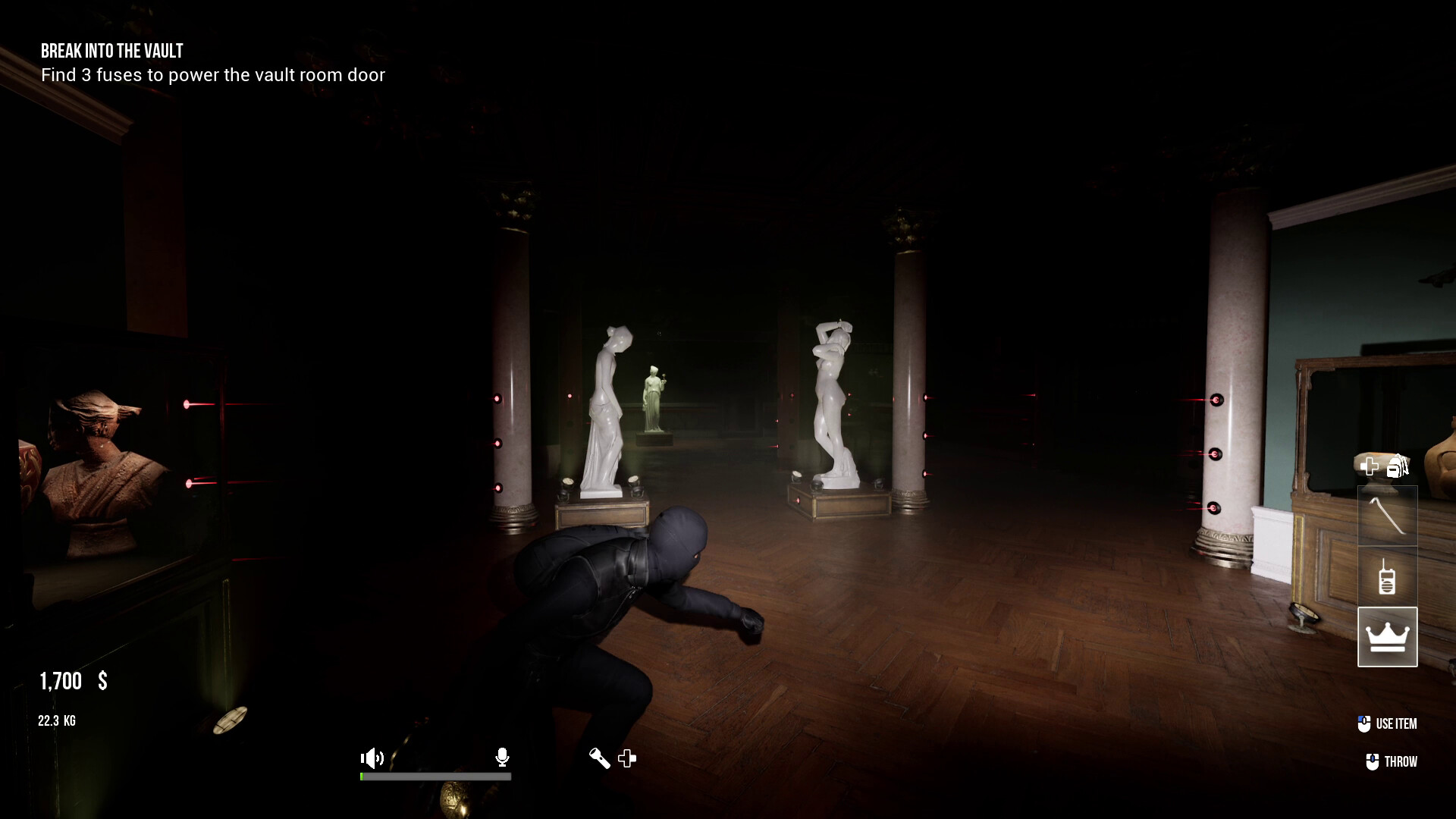
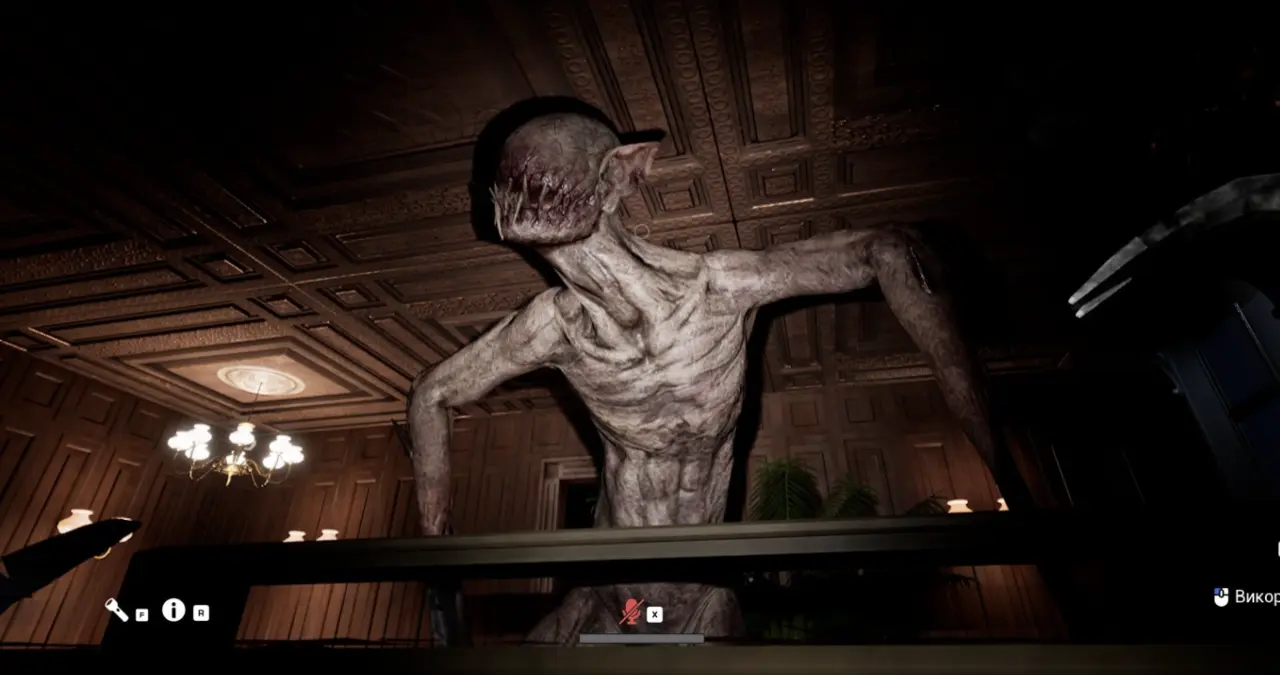
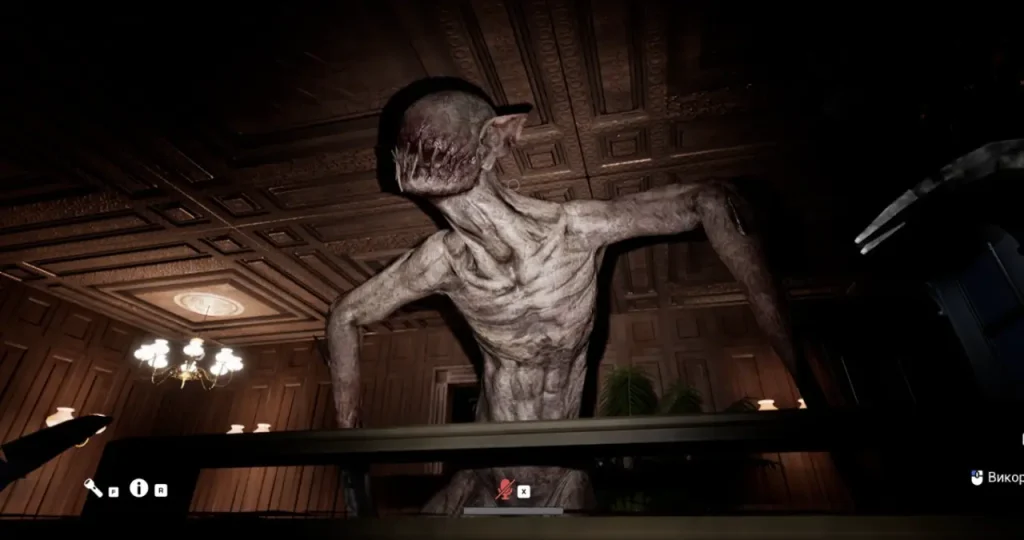
Threats in Dark Hours are not always visible. Often, danger is suggested rather than shown—through sound cues, environmental reactions, or sudden changes in space.
This ambiguity forces players to interpret signals without confirmation. Was that sound a warning or nothing at all?
By avoiding constant confrontation, the game allows fear to grow in the player’s imagination, where it is most effective.
7. Pacing: Uneven by Design
Dark Hours deliberately disrupts pacing. Long stretches of quiet exploration are followed by sudden escalation. Calm never lasts long enough to feel safe.
This uneven rhythm prevents emotional stabilization. Players remain alert even when nothing is happening.
The game understands that unpredictability is more exhausting—and more frightening—than constant action.
8. Player Psychology: Adaptation Without Mastery
Over time, players adapt to Dark Hours—but never fully master it. They become better at reacting, communicating, and recovering from mistakes.
However, adaptation does not eliminate fear. It merely changes its form. Players fear different things: separation, silence, unexpected layout changes.
This evolving anxiety keeps the experience fresh, even across repeated sessions.
9. Replayability Through Randomness
Replayability in Dark Hours is driven almost entirely by procedural variation. No two sessions unfold the same way.
This makes the game ideal for short, intense co-op sessions rather than long-term progression. Each run is a self-contained story of survival or collapse.
Longevity depends less on content updates and more on how players engage with uncertainty.
10. Design Trade-Offs and Limitations
Dark Hours’ commitment to randomness can frustrate players who prefer clarity or control. Objectives may feel unclear. Failure can feel sudden.
The lack of long-term progression may reduce motivation for some players. The game offers experiences, not accumulation.
These trade-offs are intentional. Dark Hours prioritizes atmosphere and tension over comfort and reward.
Pros
Strong procedural design keeps fear unpredictable
Cooperative gameplay amplifies tension
Minimal tools reinforce vulnerability
Effective use of sound and spatial uncertainty
High replayability through variation
Cons
Objectives can feel unclear or opaque
Limited sense of long-term progression
Heavy reliance on voice communication
Randomness may feel unfair to some players
Not suited for solo-focused or action-oriented audiences
Conclusion: Horror That Refuses to Settle
Dark Hours succeeds by never letting players feel secure. It treats familiarity as a threat to horror—and removes it relentlessly. Through procedural spaces, fragile cooperation, and restrained mechanics, the game creates fear that feels immediate and personal.
For players who value unpredictability, social tension, and horror rooted in uncertainty rather than spectacle, Dark Hours offers a focused and unsettling experience. It does not scare by force.
It scares by refusing to explain
what might happen next.