

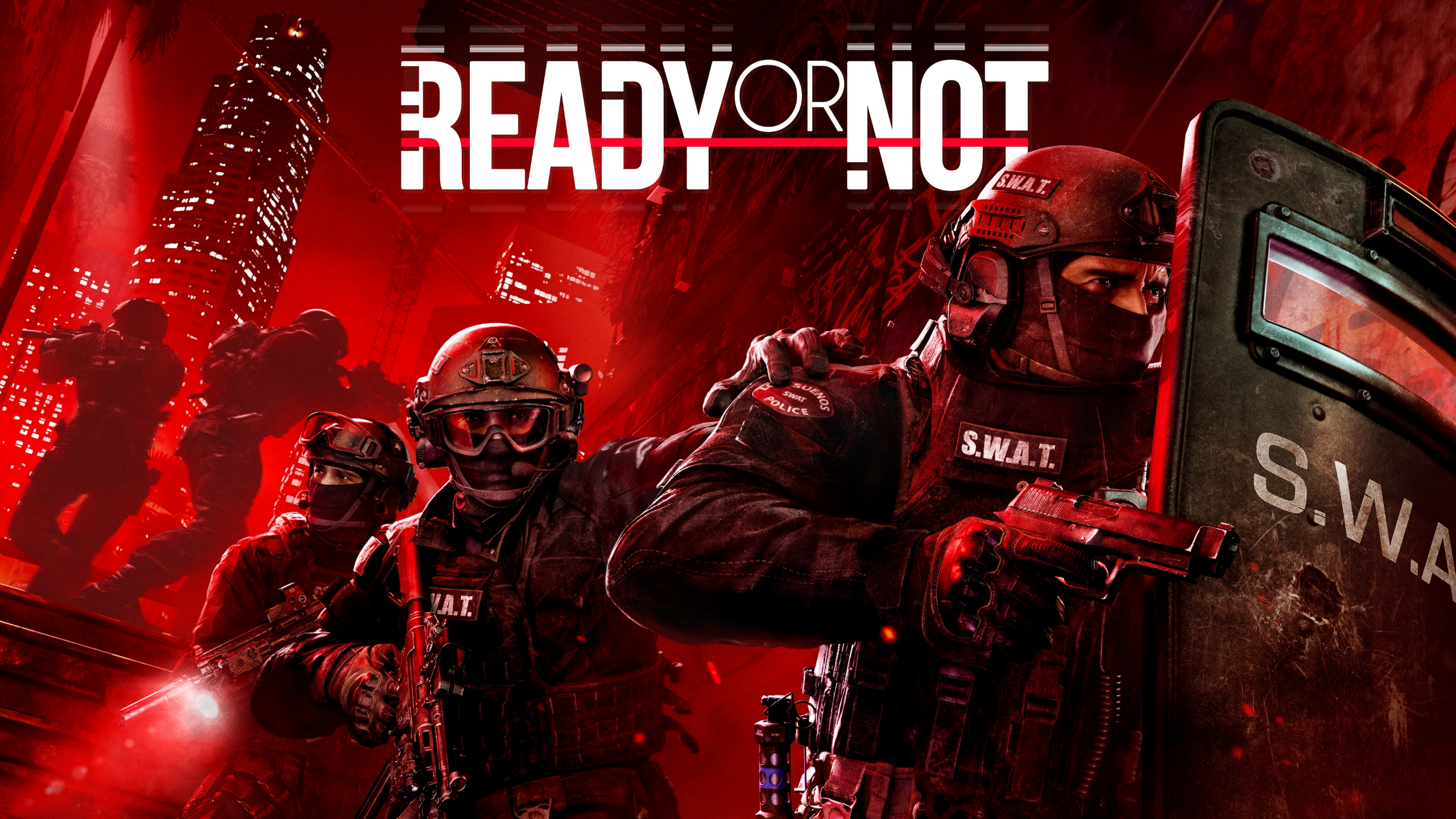
Ready or Not – Tactical Restraint, Moral Weight, and the Cost of Doing Things Right
Introduction: Violence as Failure, Not Reward
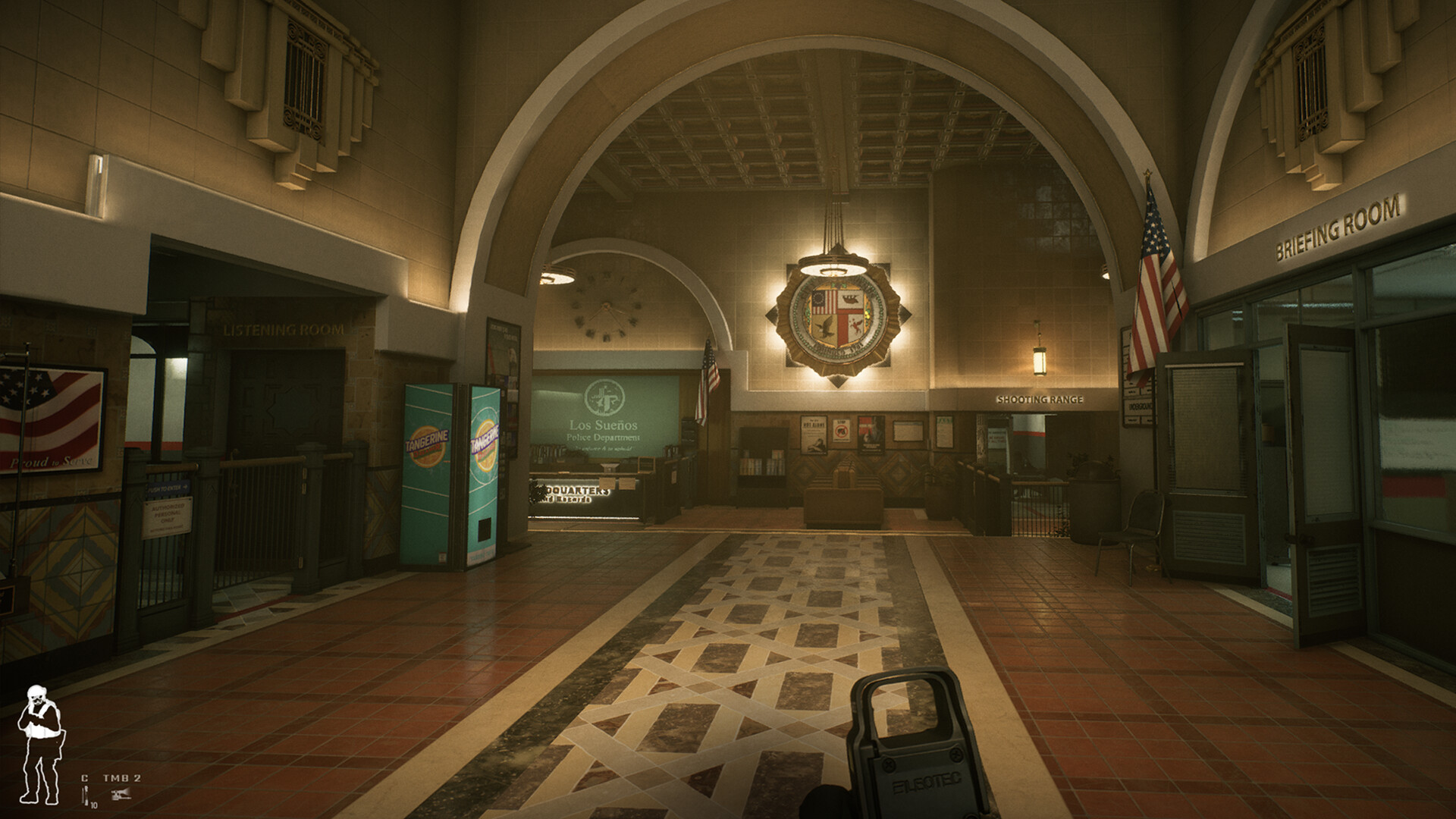
Ready or Not is not a power fantasy. It is a game built around hesitation. Where most shooters reward speed, aggression, and domination, Ready or Not rewards restraint, preparation, and judgment. The player is not cast as a hero cutting through enemies, but as a law enforcement officer operating in spaces where every decision can escalate—or de-escalate—human lives.
This design choice fundamentally alters the emotional texture of play. Success is not measured by body count, but by control. Failure often comes not from being outgunned, but from acting too quickly, misreading intent, or defaulting to force. This review examines Ready or Not as a tactical and psychological experience, focusing on how it reframes violence, teamwork, and accountability in interactive form.
Quick Info (Overview Box)
Release Year: 2023
Genre: Tactical FPS / Police simulation
Platforms: PC
Game Modes: Single-player with AI squad, Online co-op
Target Audience: Players who enjoy realistic tactical shooters, methodical gameplay, and morally grounded decision-making
1. Core Design Philosophy: Control Before Action
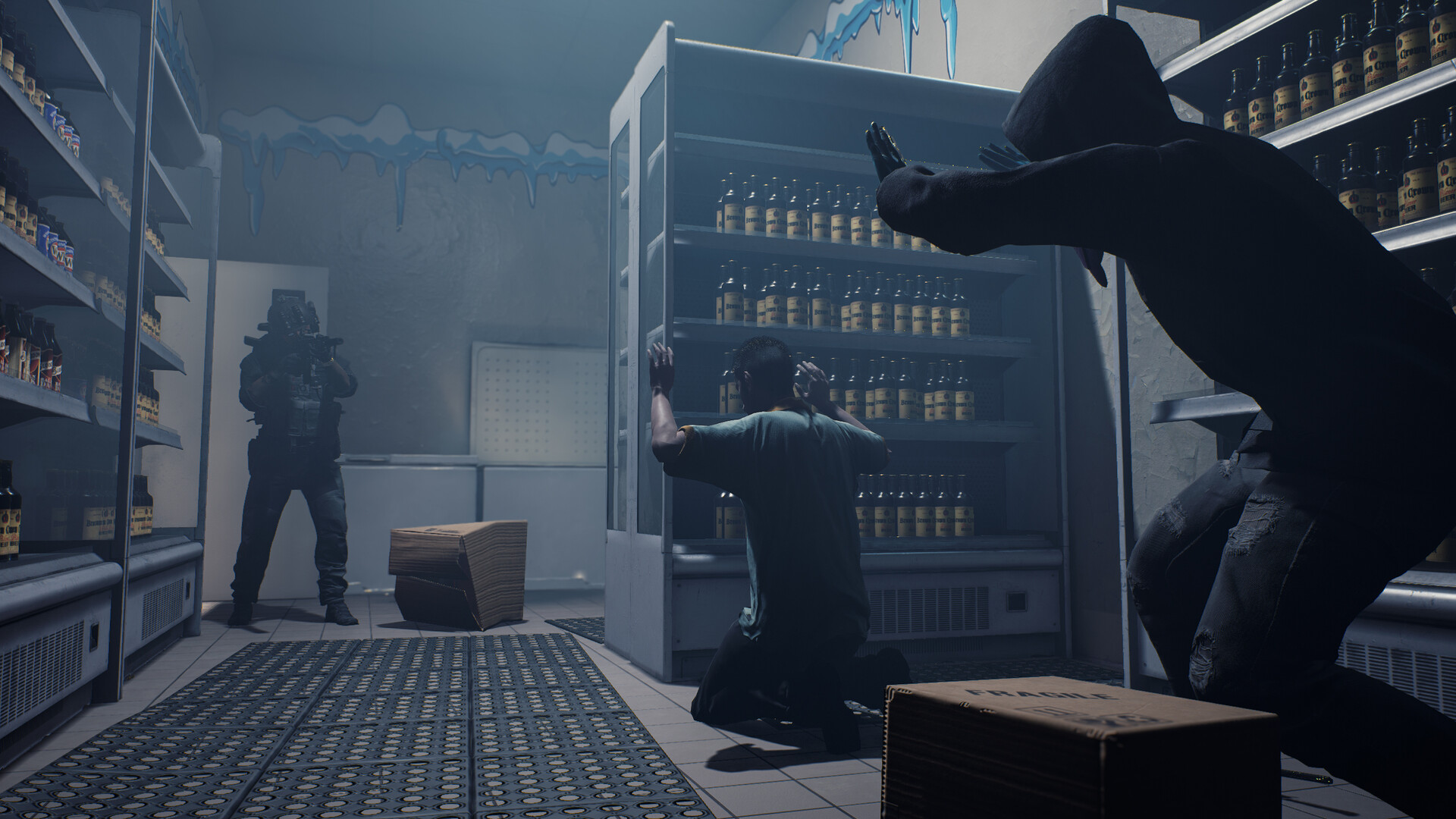
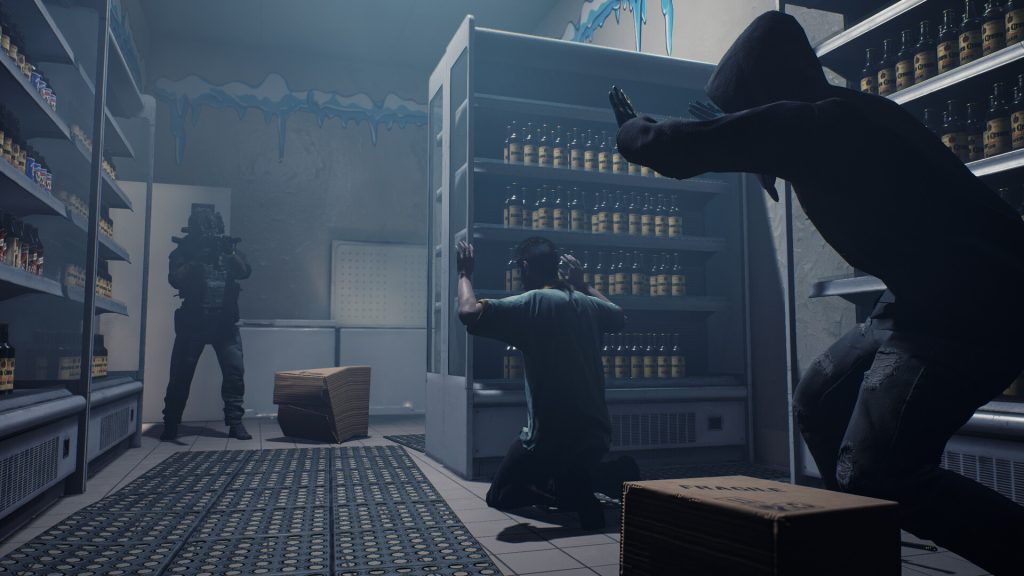
The central principle of Ready or Not is simple but demanding: the safest shot is the one you never take. The game is structured to discourage impulsive aggression. Suspects may surrender. Civilians may panic. Not every armed individual is hostile.
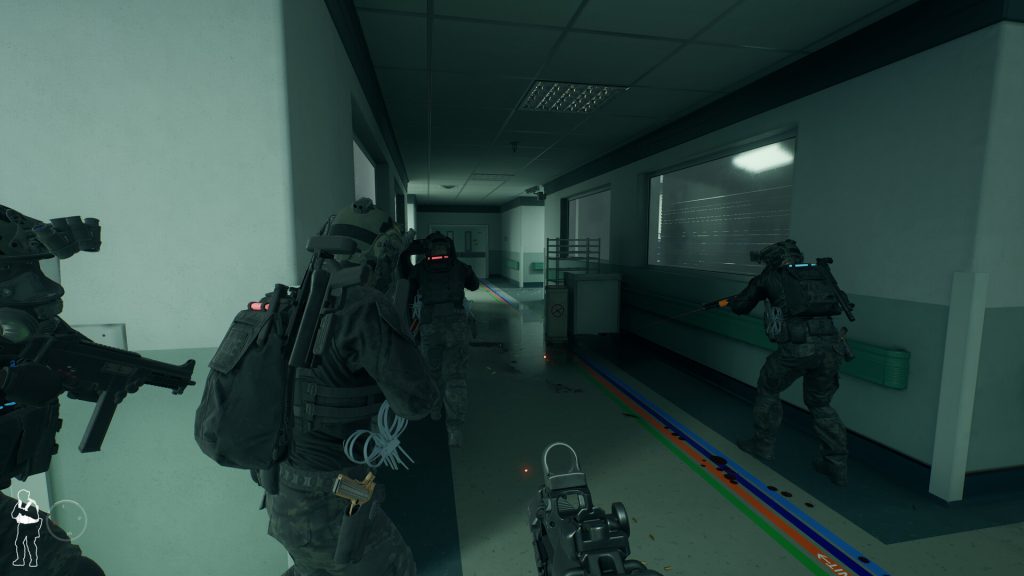
This forces players to slow down. Doors are breached deliberately. Corners are cleared with caution. Every room is a question, not an answer. The game punishes haste not with spectacle, but with consequences—failed missions, injured civilians, and poor performance ratings.
Ready or Not reframes success as discipline rather than dominance.
2. Tactical Movement and Spatial Discipline
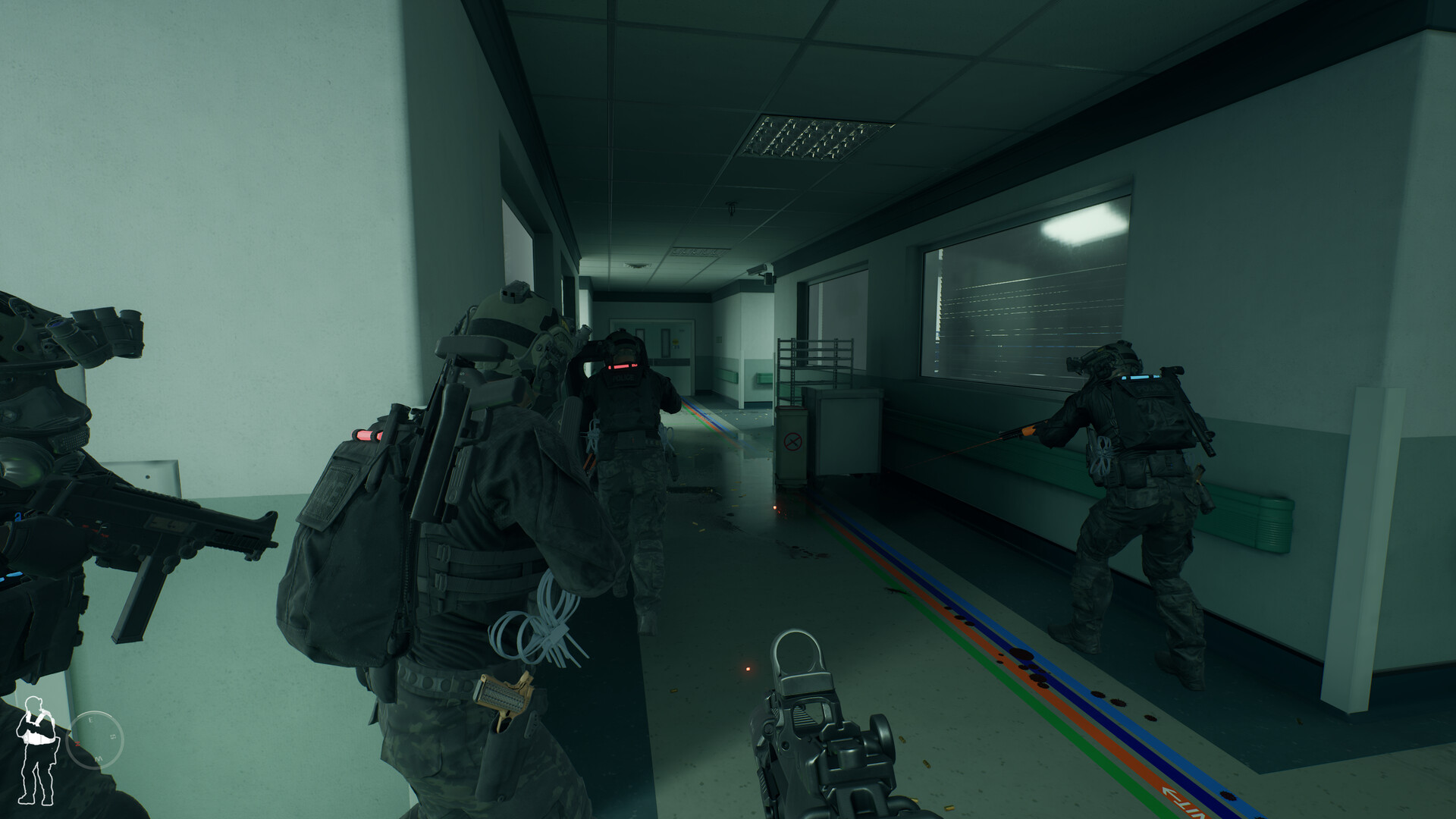
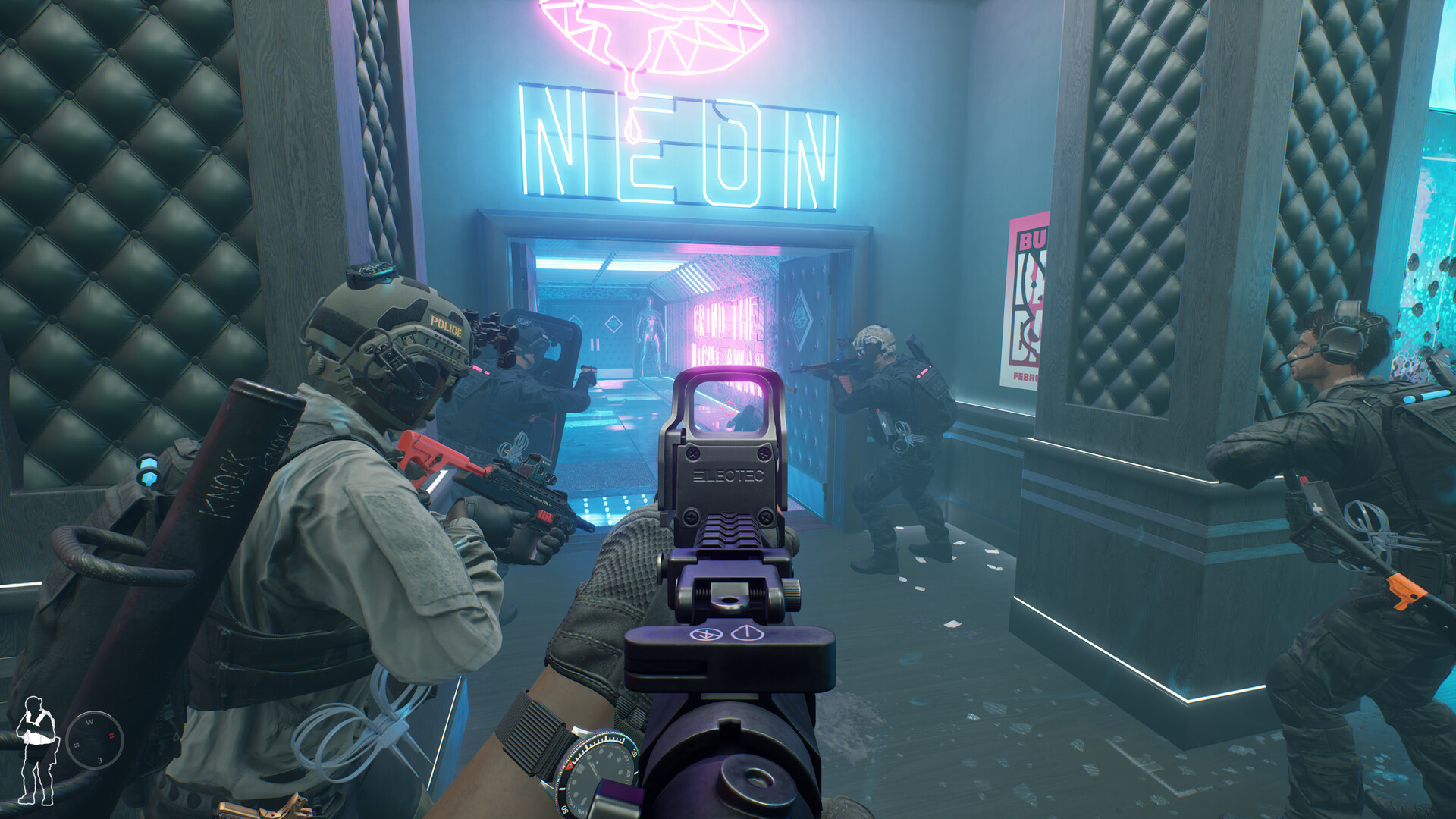
Movement in Ready or Not is heavy and grounded. Characters do not slide, sprint endlessly, or recover instantly from poor positioning. Clearing space is slow and procedural.
Players learn to slice angles, manage doorways, and control sightlines carefully. The game emphasizes space ownership—not rushing through rooms, but denying suspects safe options.
This spatial discipline creates tension without constant action. Standing still and listening is often the correct move. The absence of mobility gimmicks reinforces realism and restraint.
3. Rules of Engagement: Ethics as Mechanics
Few shooters embed ethics directly into gameplay systems. Ready or Not does. Rules of engagement are not narrative flavor—they are mechanical constraints.
Firing on an unarmed suspect, failing to secure evidence, or neglecting civilians directly impacts mission evaluation. These rules transform morality into gameplay feedback.
Importantly, the game does not always make the “right” choice obvious. Suspects may fake surrender. Civilians may run unpredictably. The burden of judgment is intentionally placed on the player.
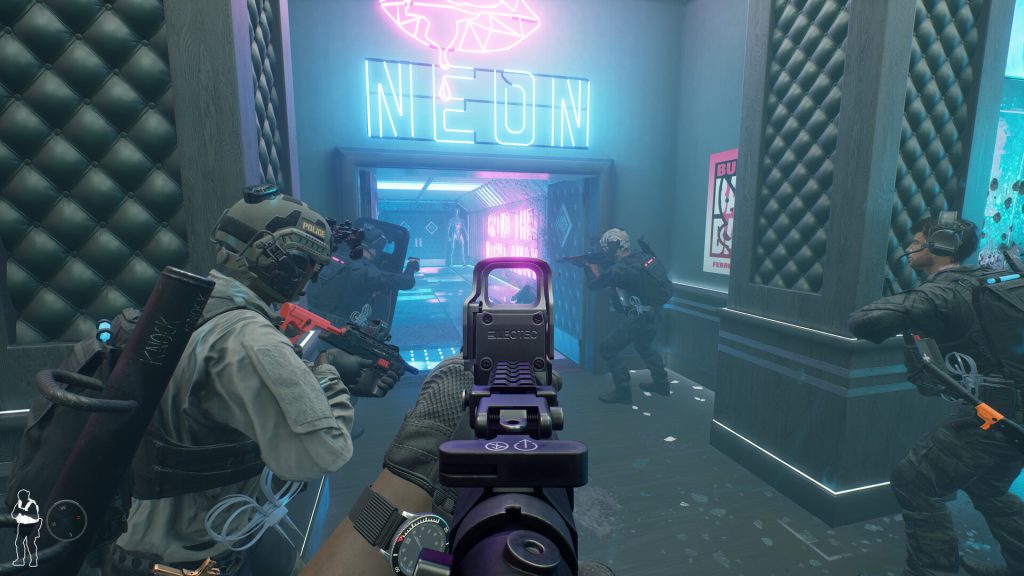
4. AI Behavior: Uncertainty Over Predictability
Enemy AI in Ready or Not is designed to be inconsistent. Suspects may hide, flee, ambush, surrender, or escalate suddenly.
This unpredictability is crucial. It prevents players from memorizing patterns or treating encounters as puzzles. Each situation must be assessed in real time.
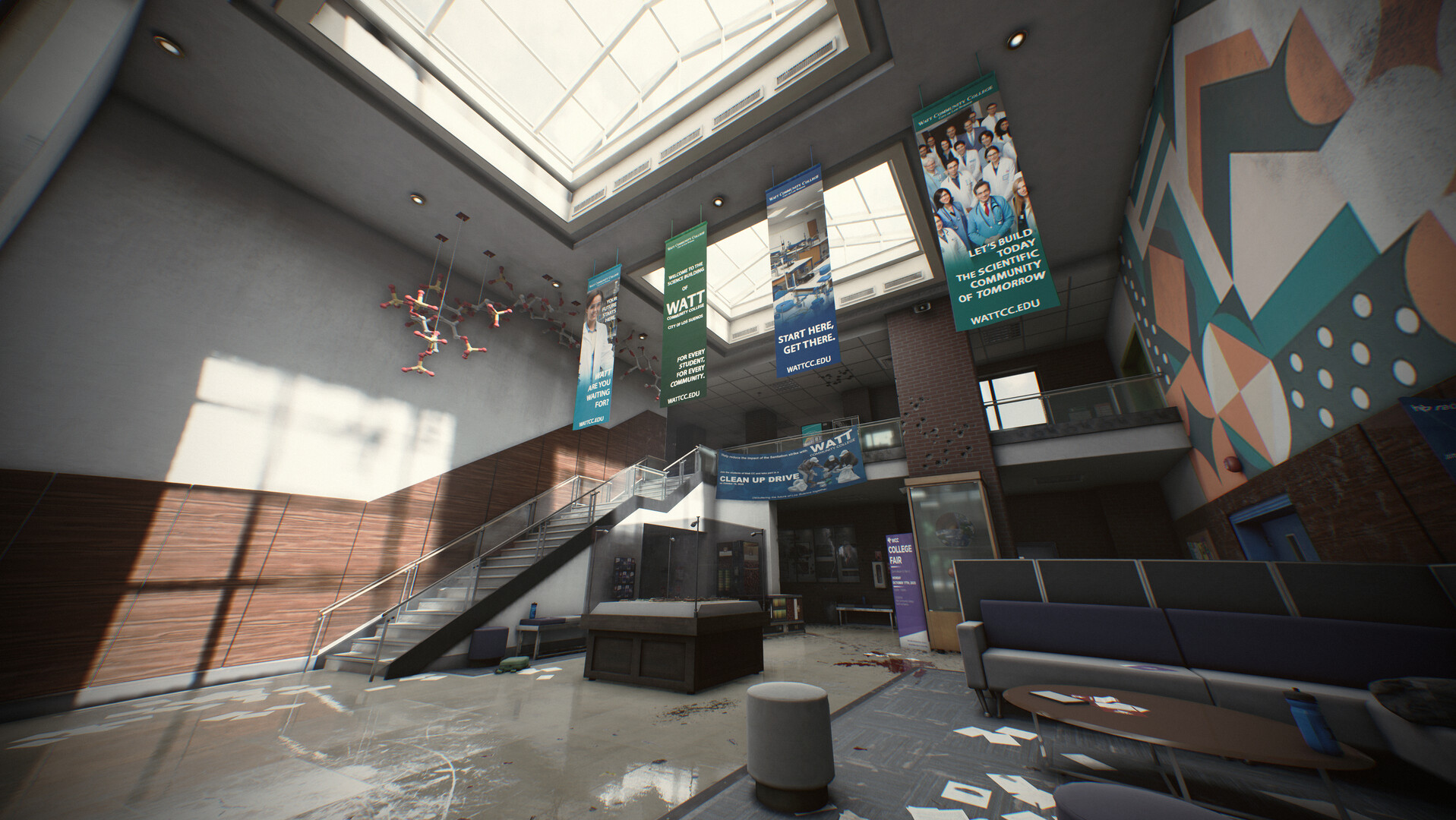
Civilians add further complexity. Their panic introduces noise, movement, and risk that must be managed alongside suspects. The environment feels alive not because it is scripted, but because it is volatile.
5. Equipment as Responsibility
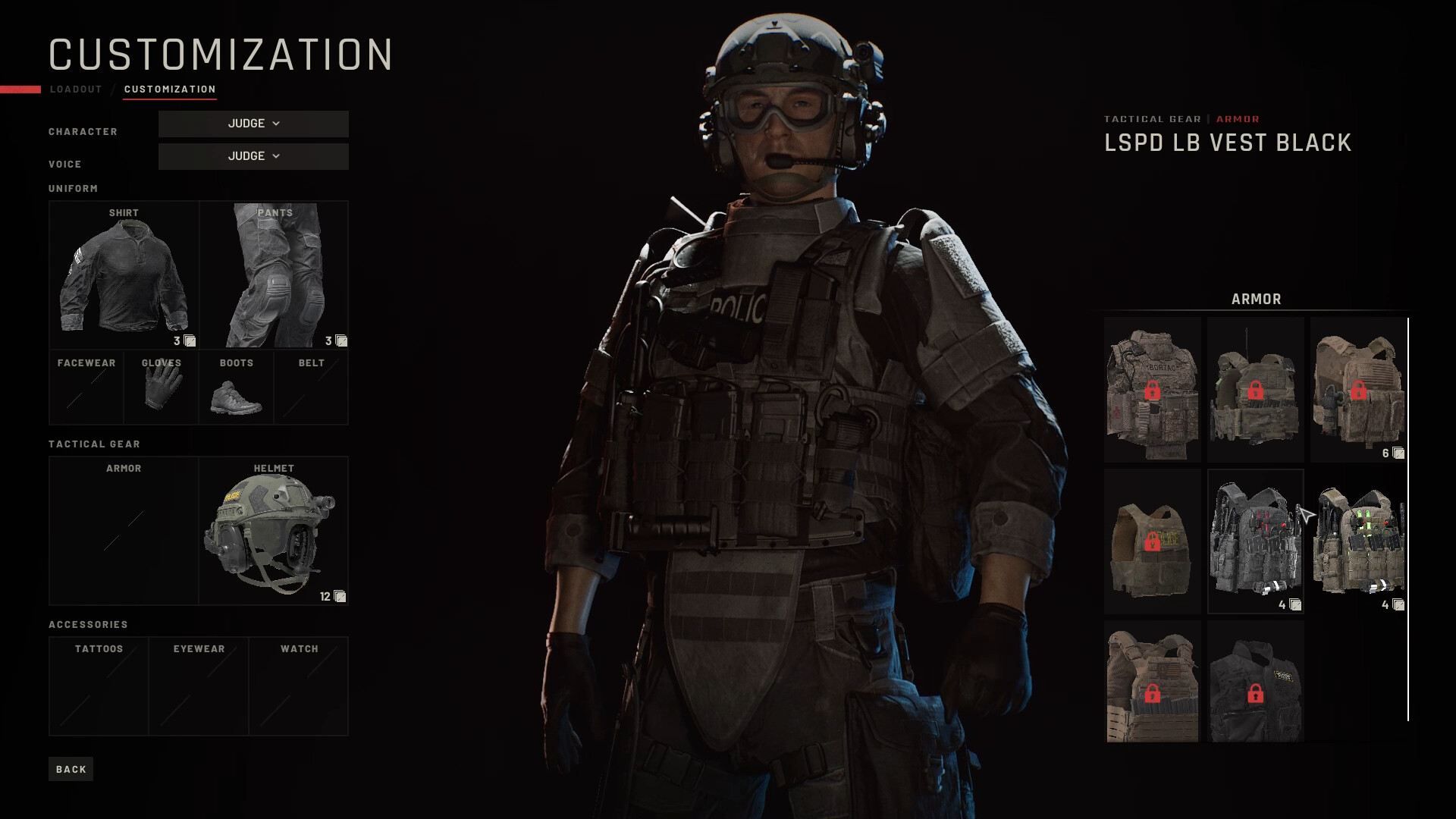
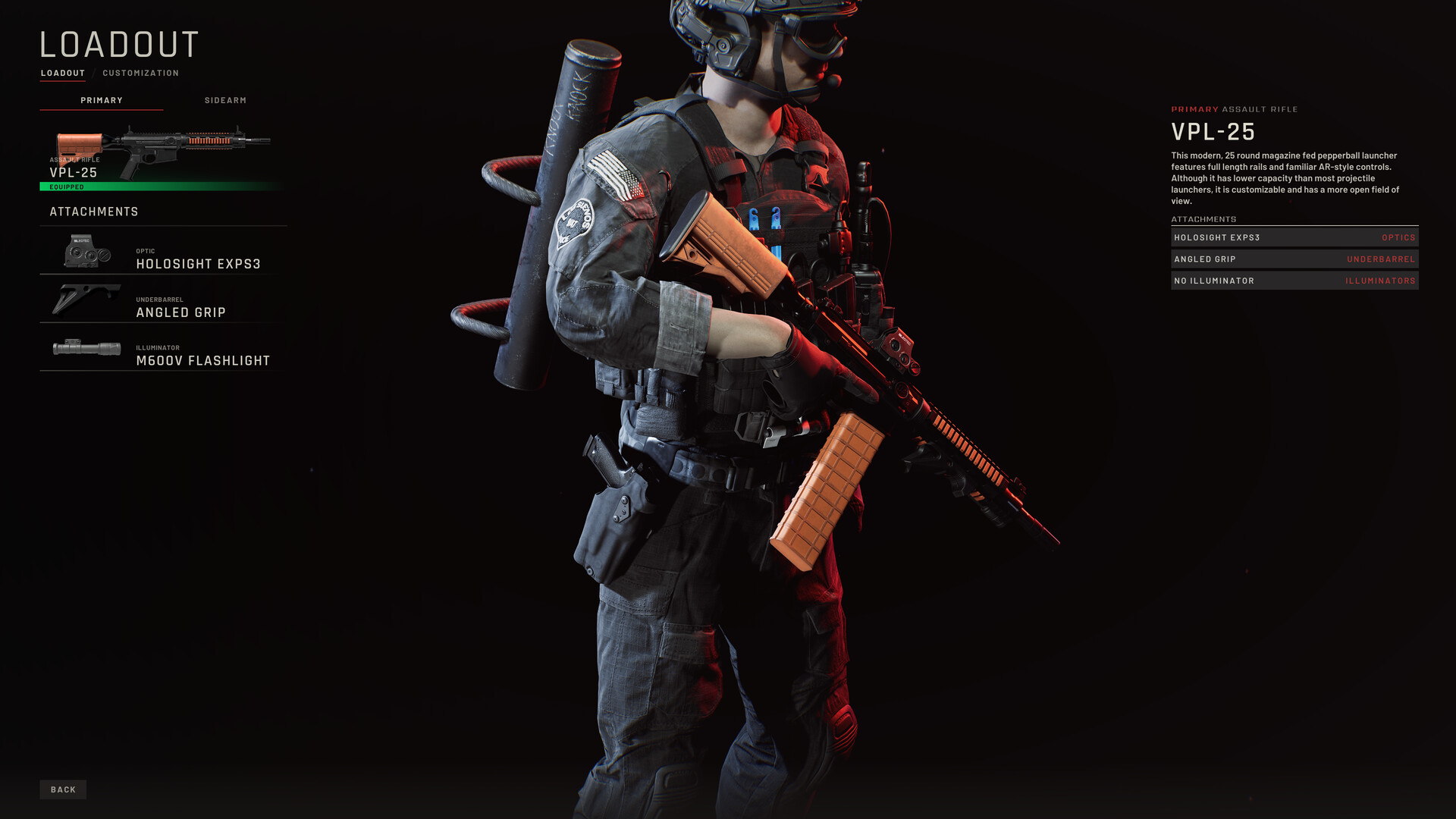
Weapons and tools in Ready or Not are extensive—but none are presented as upgrades. Each option represents a different philosophy of force.
Less-lethal tools reduce risk but require proximity and confidence. Lethal weapons offer safety at distance but increase moral and mission consequences. Breaching tools alter flow but introduce chaos.
Choosing equipment is a statement of intent. The game asks players to decide how they want to resolve conflict before it begins.
6. Sound Design and Psychological Pressure
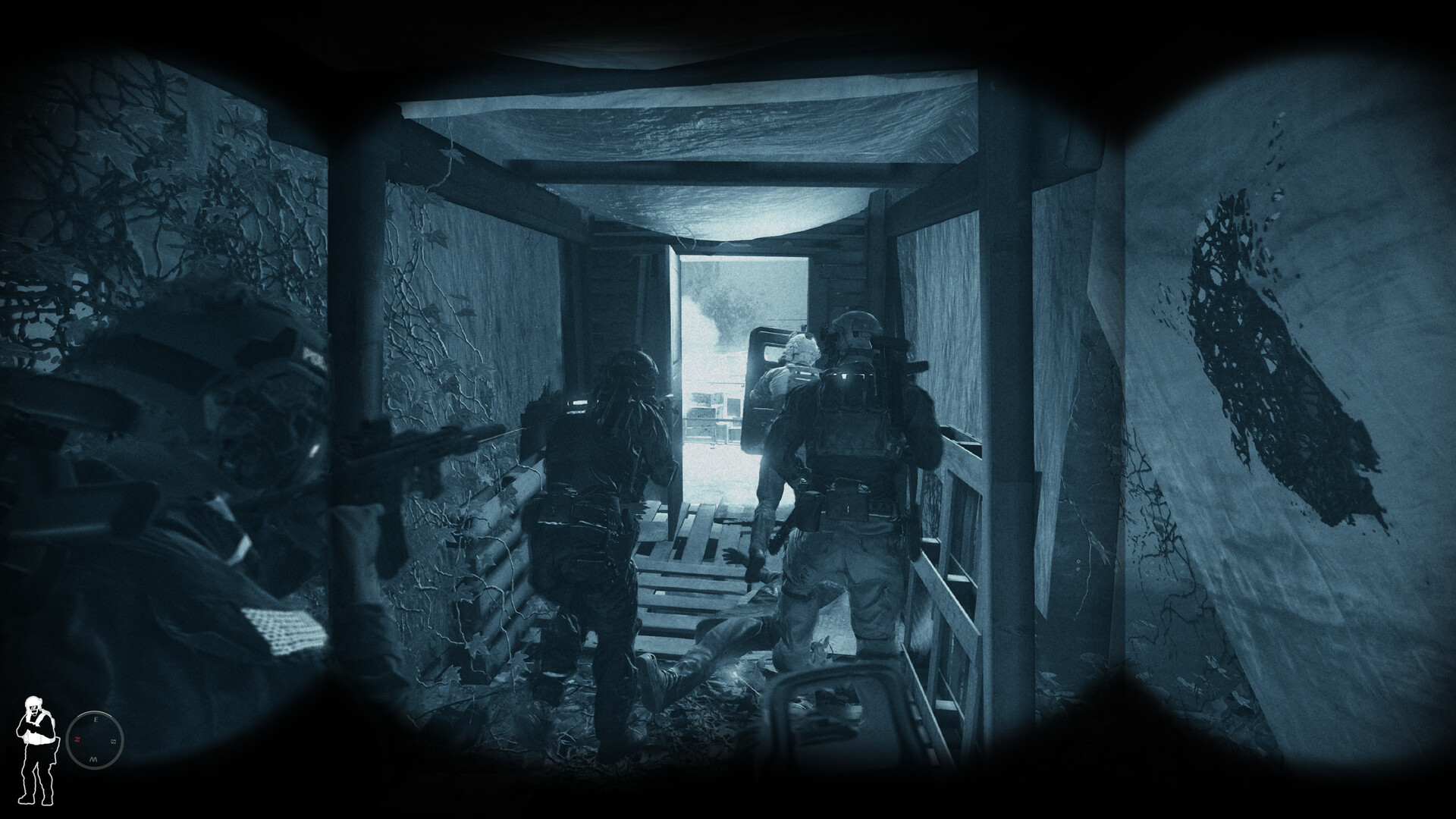
Sound in Ready or Not is oppressive. Footsteps echo. Doors creak. Distant gunshots create uncertainty.
Silence is rarely comforting. It suggests preparation on the other side of a wall. Players learn to pause, listen, and interpret audio cues as tactical data.
This soundscape sustains tension even when nothing happens. The threat of escalation is constant, forcing emotional regulation as much as mechanical skill.
7. Team Coordination: Trust Over Reflex
Whether playing solo with AI or in co-op, team coordination is essential. Poor spacing, bad communication, or impatience can unravel an operation instantly.
In co-op, Ready or Not becomes a test of collective discipline. One player’s mistake affects everyone. Teams must agree on pacing, roles, and rules of engagement.
Unlike many co-op shooters, there is little room for individual heroics. The game rewards alignment, not spotlight moments.
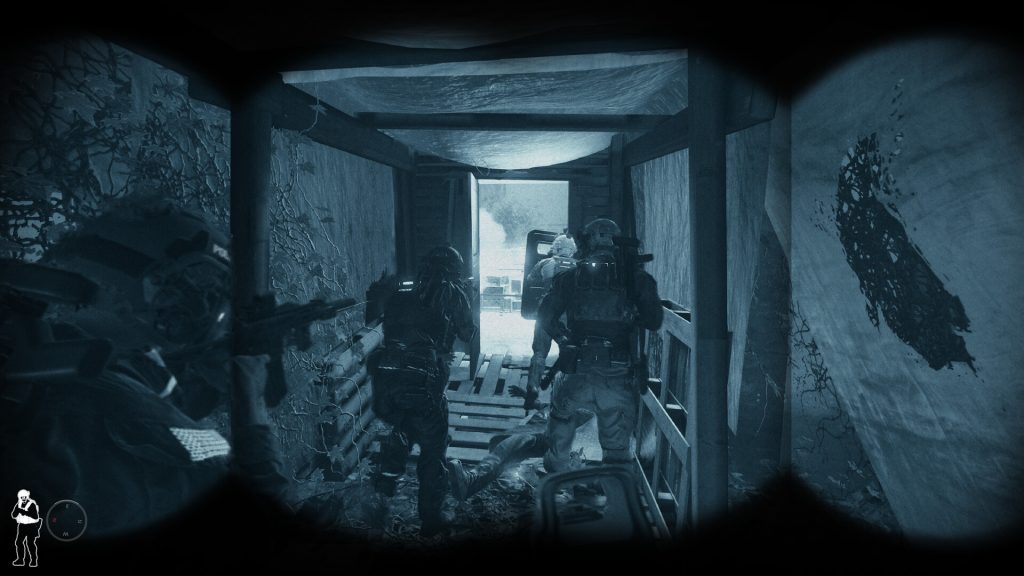
8. Pacing: Long Tension, Short Violence
Ready or Not’s pacing is intentionally uneven. Long stretches of careful movement are punctuated by sudden, brutal encounters.
Gunfights are short, loud, and decisive. There is rarely time to recover emotionally before the next decision.
This pacing reinforces the theme that violence is a failure state—not an ongoing activity. The calm before and after matters more than the moment itself.
9. Emotional Weight and Player Fatigue
One of Ready or Not’s most striking qualities is its emotional exhaustion. Playing well requires sustained focus, restraint, and empathy.
Mistakes linger. Shooting the wrong person does not feel like a restart—it feels like a moral error. Replays are less about optimization and more about reflection.
This makes the game intense in a different way than action shooters. Fatigue is psychological, not mechanical.
10. Limitations and Design Trade-Offs
Ready or Not’s commitment to realism creates friction. The pace is slow. Failure can feel punishing. There is little room for casual experimentation.
AI inconsistencies can occasionally feel unfair. Learning the game requires patience and emotional tolerance.
These trade-offs are deliberate. The game prioritizes authenticity and tension over accessibility.
Pros
Strong emphasis on restraint and tactical discipline
Ethical decision-making embedded into mechanics
Tense, realistic pacing and sound design
Deep cooperative gameplay requiring coordination
Equipment choices meaningfully affect outcomes
Cons
Slow pace may deter action-focused players
Emotionally taxing over long sessions
Steep learning curve
AI behavior can feel unpredictable to a fault
Limited appeal for casual audiences
Conclusion: A Shooter That Asks You to Stop
Ready or Not is rare in that it asks players not what they can do, but what they should do. It treats violence as a tool of last resort and places moral responsibility squarely on the player’s shoulders.
For players seeking a tactical experience grounded in realism, restraint, and ethical tension, Ready or Not offers something powerful and uncomfortable. It does not reward speed or aggression.
It rewards patience.
Judgment.
And the courage to wait.